This Common Pennsylvania Plant Is Toxic To Dogs, And It May Be In Your Garden
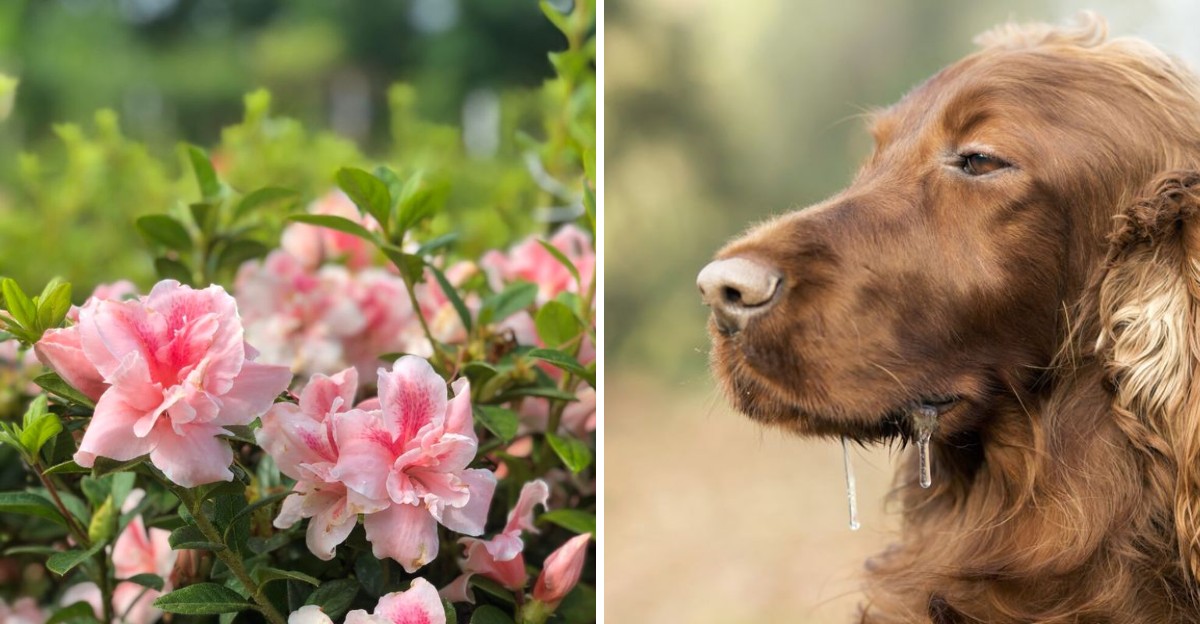
Pennsylvania picked a toxic plant as its official state flower back in 1933. Lawmakers loved its pink-and-white blooms, and honestly, so do I.
Nobody warned me that its whole plant family carries the same hidden chemistry. Leaves, flowers, nectar, and even honey made from those blossoms can contain natural toxins.
Beekeepers overseas even sell a rare, potent version called mad honey.
I used to let my beagle snoop around those glossy evergreen shrubs without a second thought. Most dogs ignore them, but a bored puppy or a curious chewer is a different story.
Symptoms can show up within a few hours, and they are no joke.
Some of its cousins sit right beside front porches across the state.
Pink Mountain Laurel Blossoms Hide A Surprising Secret
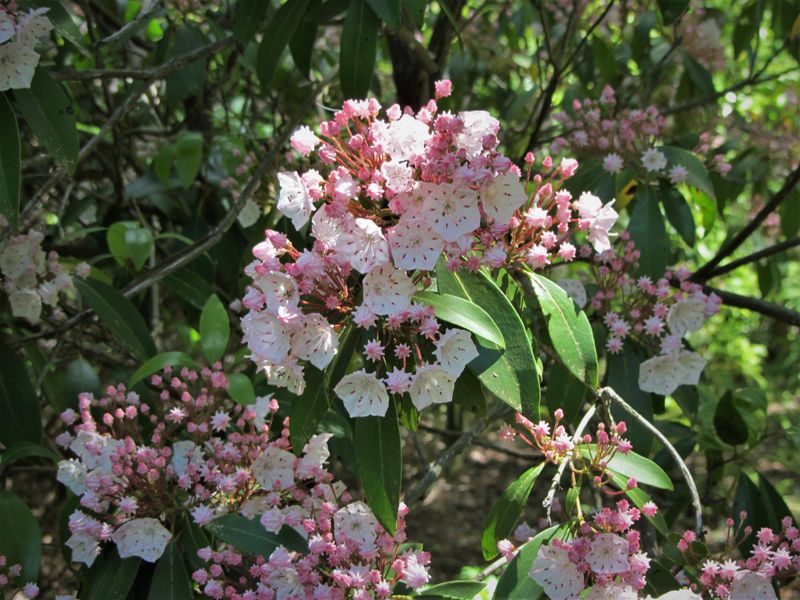
Pennsylvania lawmakers named mountain laurel the official state flower in 1933, and you can see why each June.
Its clusters of cup-shaped pink and white blossoms look like tiny frosted candies. Woodlands across the state glow with them in late spring.
Still, every part of this native evergreen contains grayanotoxins. The ASPCA lists mountain laurel as toxic to dogs, cats, and horses. Leaves, twigs, flowers, and even the pollen carry the compounds.
Many homeowners grow it on purpose because it handles shade and acidic soil so well. Others inherit wild patches along wooded property edges without realizing it. Take a closer look at any glossy, leathery, oval-leaved shrub near your yard’s tree line.
Old farm nicknames for this shrub hinted at trouble for sheep and cattle. Hungry livestock sometimes browsed the foliage in winter, when little else stayed green.
Dogs rarely gobble large amounts, since the leaves taste bitter. Puppies, bored chewers, and dogs that love shredding sticks face the highest risk.
A single nibble is often minor, but repeated chewing adds up, so knowing where this plant grows on your property is the first smart step.
Azaleas And Rhododendrons Share Mountain Laurel’s Toxic Chemistry
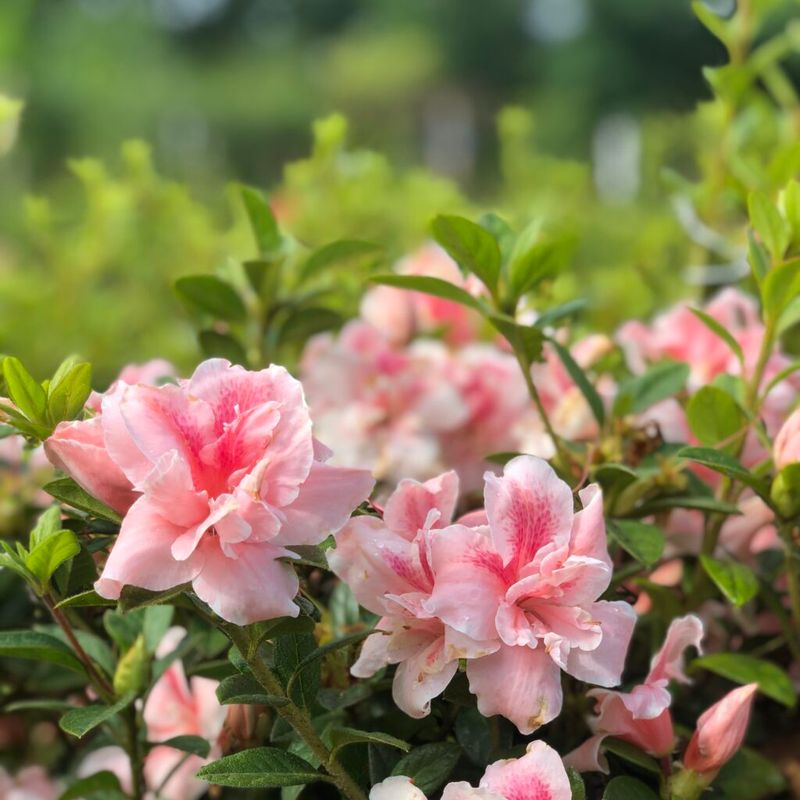
Family resemblance runs deep in the heath family. Azaleas, rhododendrons, and mountain laurel are close botanical cousins, and they share the same grayanotoxins. Botanists actually place every azalea inside the Rhododendron genus.
That matters because these shrubs show up everywhere in Pennsylvania landscapes. Garden centers sell them by the truckload each spring.
Native types like great rhododendron and pinxterbloom azalea also grow wild in forests and along streams.
Grayanotoxins work by jamming the sodium channels in nerve and muscle cells. Those channels act like tiny gates that open and close to send signals. When the gates stay stuck open, the heart, muscles, and nerves stop working smoothly.
Pet Poison Helpline notes that eating plant material equal to roughly 0.2 percent of body weight can cause poisoning. For a 30-pound dog, that works out to about one ounce of leaves. Small dogs need even less.
Bees that feed heavily on certain rhododendron nectar can produce mad honey, which has sickened people in Turkey and nearby regions.
Regular store-bought honey is not a worry for this reason. Still, the story shows just how potent these plants can be.
Drooling And Vomiting Near The Azalea Bed Are Your First Clues
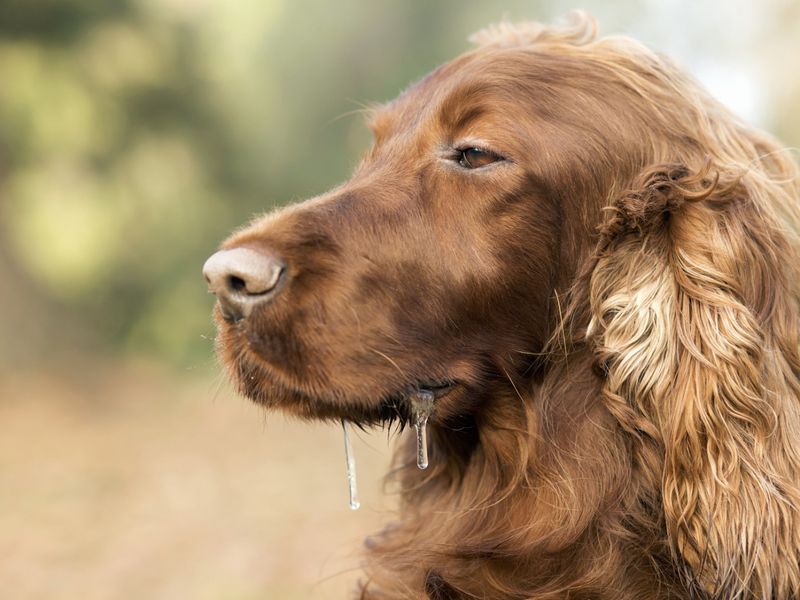
My first clue would be the drool. A dog that just chewed rhododendron or azalea leaves often starts slobbering, pawing at its mouth, or licking its lips over and over.
Signs usually appear within a few hours of eating the plant. Vomiting and diarrhea commonly follow, and your dog may refuse food. Some dogs act tired or wobbly, as if their legs feel heavy.
More serious cases affect the heart. Veterinarians watch for a slow or irregular heartbeat and low blood pressure. You might notice pale gums, weakness, or collapse.
Nervous system signs can include tremors, trouble standing, and in severe cases seizures or coma. The amount eaten, your dog’s size, and its overall health all shape how bad things get.
Write down what you see and when it started. Snap a quick photo of the plant and any chewed branches too. Those details help your vet figure out the next move quickly.
Drooling and vomiting can come from many causes. If your dog has access to these shrubs and shows any of these signs, treat it as a possible plant poisoning until a professional says otherwise.
Call The Vet Fast If Your Dog Chews Azalea Leaves
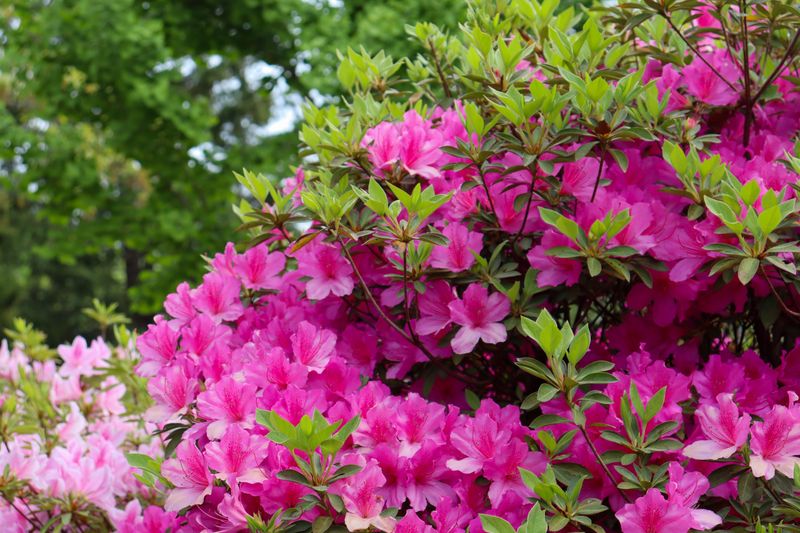
Speed is your best friend when a dog eats part of a heath-family shrub. Call your veterinarian or an emergency animal hospital right away, even if your pup seems fine.
Two hotlines run around the clock. The ASPCA Animal Poison Control Center is at 888-426-4435, and Pet Poison Helpline is at 855-764-7661. Both charge a consultation fee, but their toxicology experts can guide you and your vet.
Avoid making your dog vomit at home unless a professional tells you to. Hydrogen peroxide can irritate the stomach, and a weak or drowsy dog could inhale vomit into its lungs.
At the clinic, treatment depends on timing and symptoms. Vets may induce vomiting safely, give activated charcoal to bind leftover toxins, and start IV fluids. Heart monitoring and medications for a slow heart rate or nausea are also common.
Most dogs that get prompt care recover well within a day or two. Bring a sample of the plant in a plastic bag so staff can confirm what your dog ate.
I keep both hotline numbers saved in my phone and taped inside a kitchen cabinet. It takes thirty seconds and could save precious time.
Fallen Azalea Petals And Pruning Clippings Tempt Curious Puppies

Late spring brings a carpet of spent blossoms under azaleas and rhododendrons. To a puppy, those soft, colorful petals look like confetti meant for chewing.
Mountain laurel follows close behind, usually peaking from late May into June in much of Pennsylvania.
Bloom season is a higher-risk time simply because more loose plant material is lying around. Flowers and nectar contain grayanotoxins too. A dog that would ignore a tough leaf may happily snack on a fallen flower.
Pruning creates another trap. The best time to trim most rhododendrons and azaleas is right after flowering, since they set next year’s buds in summer. That means fresh clippings often pile up just when dogs spend the most time outdoors.
Bag cuttings as you work instead of leaving a pile for later. Rake up petals every few days during peak bloom. Keep your dog inside while you prune, because a dangling branch can look like a fetch stick.
Winter brings its own quirk. These evergreen leaves stay green when most plants go brown, so bored dogs may notice them more in cold months. Snowy yards leave few other distractions.
A Simple Fence Around Your Rhododendrons Can Save A Vet Bill

Ripping out a gorgeous 20-year-old rhododendron feels heartbreaking. Most dogs live alongside these plants for years without trouble.
Luckily, you have plenty of middle-ground options that keep both your shrubs and your dog happy.
Low decorative fencing works well around foundation beds. Even a simple garden border or a row of stakes with mesh can discourage most dogs. For determined diggers, choose something at least two feet tall and sturdy at the base.
Location matters too. If you are adding new shrubs, plant azaleas and mountain laurel in front yards or areas your dog rarely visits. Keep the backyard play zone free of heath-family plants.
Training helps more than people expect. A solid leave it cue teaches your dog to back away from anything you point out. Practice with treats daily, then try it on leashed walks past the shrub beds.
Supervision fills the remaining gaps. Puppies under a year old and dogs with chewing habits need eyes on them in the yard.
Toss them a safe chew toy so they have something better to gnaw. Personally, I think a little planning beats a midnight emergency visit.
Native Highbush Blueberry Makes A Dog-Friendly Shrub Swap
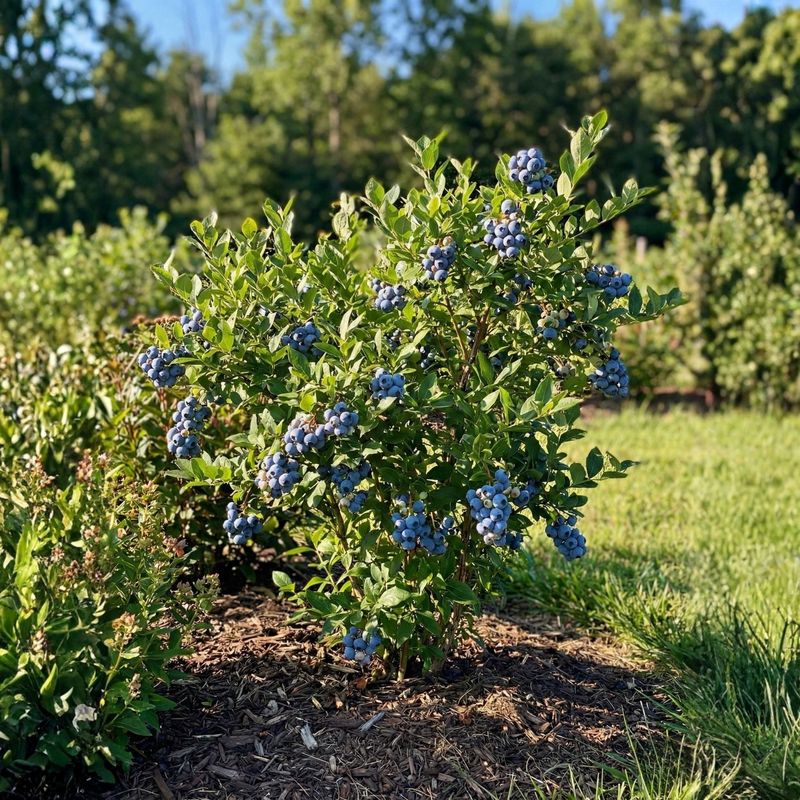
Believe it or not, one of the safest swaps comes from the same plant family. Highbush blueberry is a heath-family relative native to Pennsylvania, yet the ASPCA lists it as nontoxic to dogs.
It loves the same acidic soil that azaleas crave, so it slips right into existing beds. You get white spring bells, summer berries, and fiery red fall leaves. Plant two different varieties for better pollination and bigger harvests.
Other dog-friendly ideas depend on your light and soil. Penn State Extension and local native plant nurseries can help you pick species suited to your area.
Before buying anything, check the plant’s name in the ASPCA’s online toxic and nontoxic plant database.
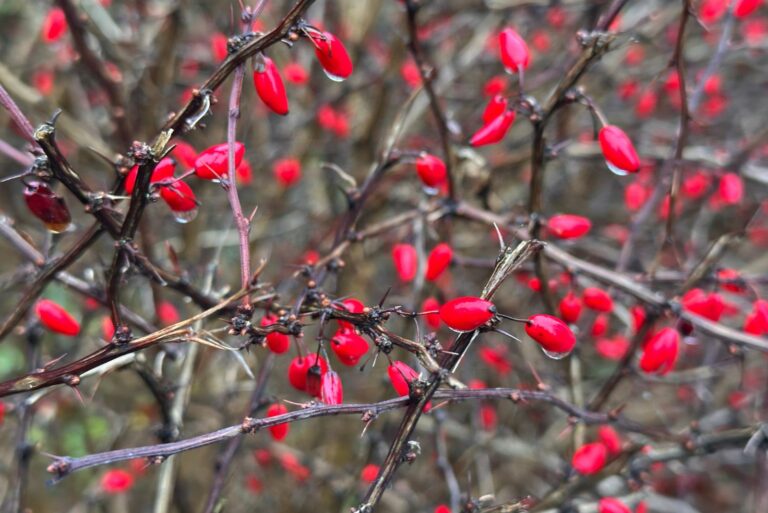
Skip invasive shrubs like burning bush and Japanese barberry, even though they are cheap and easy.
Both crowd out native plants in woodlands, and Pennsylvania has phased out sales of Japanese barberry under its noxious weed rules.
My takeaway is simple. Know which shrubs you have, keep hotline numbers handy, and give your dog safer things to explore.
With a little awareness, your garden can stay beautiful and worry-free for every member of the family, including the one with four paws and a wagging tail.