What Pennsylvania Gardeners Should Plant In Late July For Blooms Through October
Late July in a Pennsylvania garden does not have to feel like the beginning of the end. The soil is warm, the days are still long, and there is more growing season left than most people give it credit for.
That is actually a pretty solid set of conditions for adding fresh color, and nurseries know it too, which is why late summer plant selections tend to be genuinely worth browsing right now.
Garden mums, asters, zinnias, marigolds, cosmos, celosia, goldenrod, and lantana all have real potential for late-season impact when you start with healthy, nursery-grown transplants that are already close to blooming.
Results depend on local frost timing and site conditions, so a little planning goes a long way. But the window is open, and a late July planting push can carry a Pennsylvania garden well into fall.
1. Garden Mums Bring Classic Fall Color
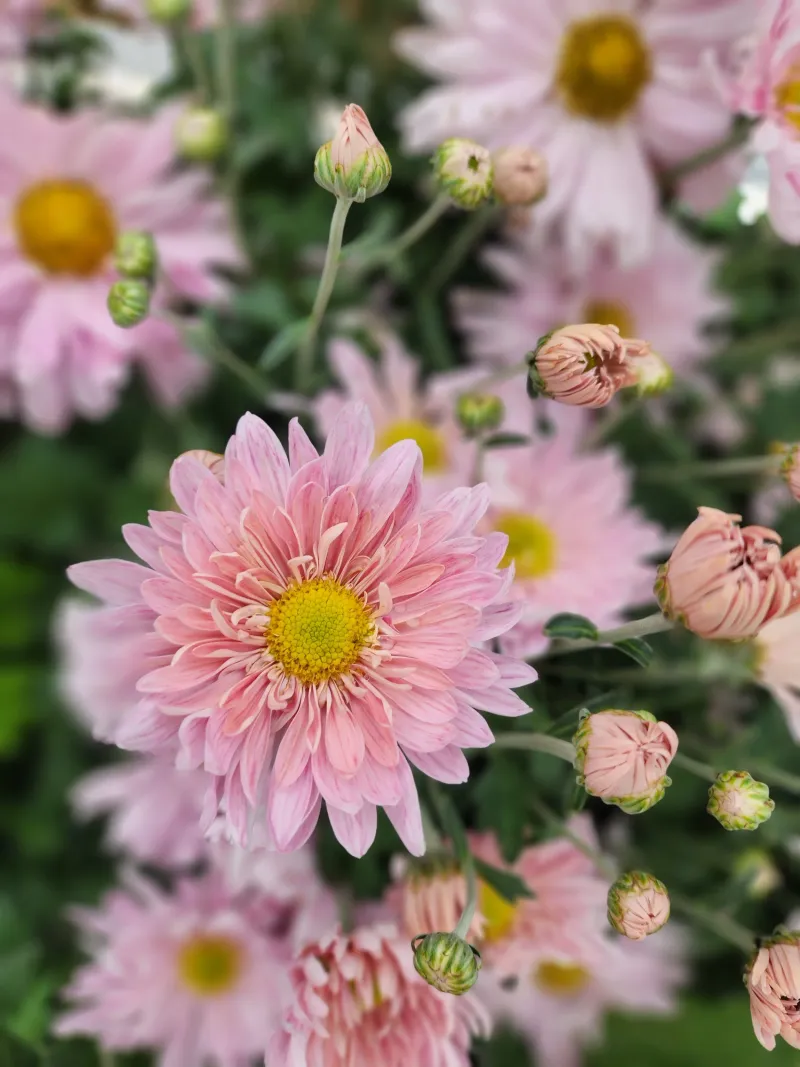
Walk through any Pennsylvania garden center in late July or early August and you will spot rows of garden mums already packed with tight buds, practically begging to go home with you.
Chrysanthemums are one of the most reliable choices for fall color in the state, and for good reason.
When you buy a healthy, budded transplant rather than a small seedling, you are setting yourself up for weeks of color through September and often into October, depending on when your first frost arrives.
Mums prefer full sun, meaning at least six hours of direct light each day, and they appreciate well-drained soil that does not stay soggy after rain.
In containers on a porch or patio, they can be a real showstopper, especially when paired with ornamental kale or trailing sweet potato vine.
In a garden bed, they fill gaps left by fading summer annuals without much fuss.
Watering consistently matters most during the first few weeks after planting, while roots are settling into new soil. Avoid letting the soil dry out completely, but also avoid overwatering, which can cause root problems.
Pennsylvania gardeners in warmer zones sometimes find that mums planted in the ground will return the following spring, though this is not guaranteed everywhere.
Pinching spent blooms as they fade can encourage the plant to push out a few more flowers before cold weather arrives.
2. Asters Bloom As Summer Fades
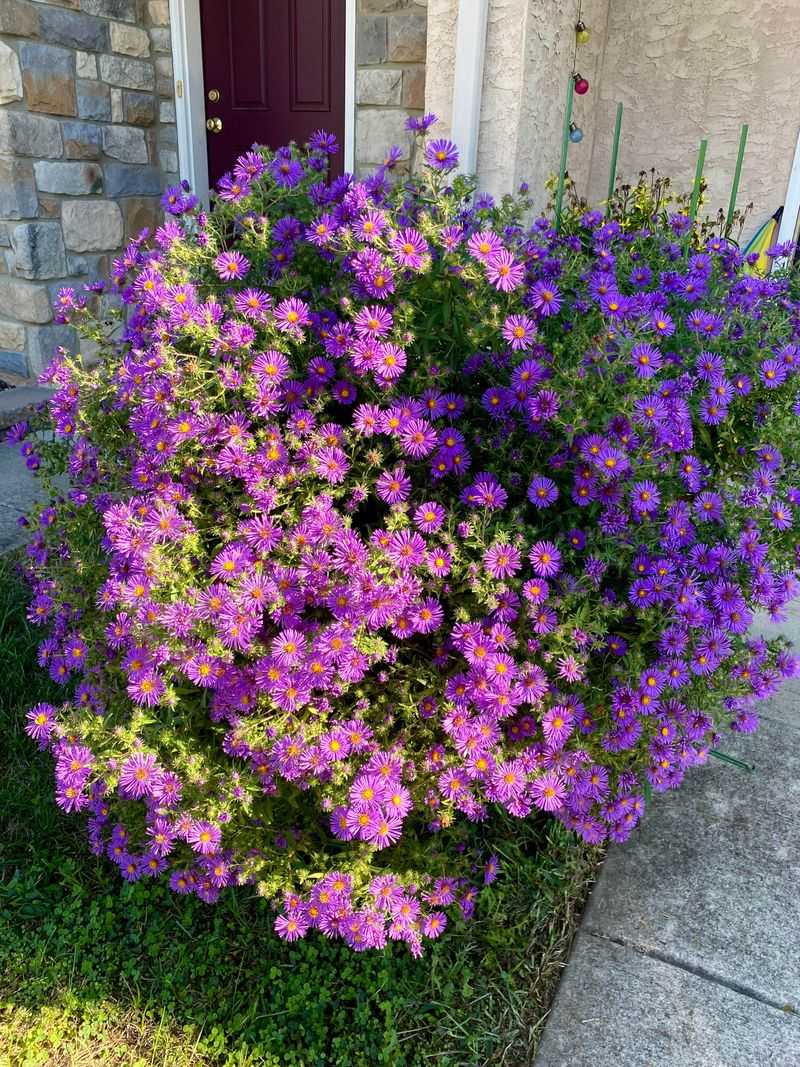
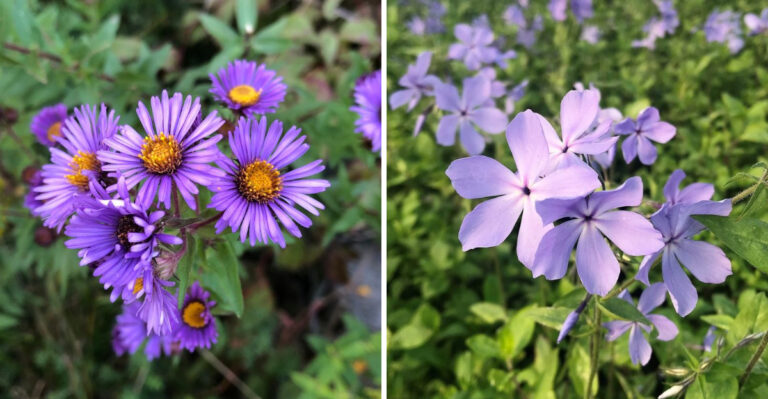
Few flowers feel as naturally suited to a Pennsylvania fall garden as asters. These cheerful, daisy-like blooms tend to open right as summer annuals start looking tired, filling beds and borders with purple, pink, lavender, and white just when the garden needs a lift.
Native aster species are especially worth seeking out, since they are adapted to the region’s climate and support local pollinators like bees and butterflies heading into the cooler months.
Planting asters in late July works best when you choose nursery-grown transplants that are already showing buds or are close to flowering. Give them a sunny to partly sunny spot with decent drainage, and water them in well after planting.
They tend to be fairly low-maintenance once established, though they do appreciate consistent moisture during dry spells in August and September.
Your Pennsylvania Garden Changes Every Week. Your Plan Should Too.
Gardening in Pennsylvania changes quickly throughout the season. Every Friday you’ll receive a simple weekly plan showing exactly what to plant, prune, fertilize, harvest, and protect so you never miss the right timing.
Native species like New England aster can grow quite tall, sometimes reaching four feet or more, so placing them toward the back of a border makes sense for most home gardens.
Shorter cultivated varieties work well in containers or along the front of a mixed bed.
One of the most appealing things about asters is the way they attract late-season pollinators, turning a fading summer border into a buzzing, lively space well into October in many parts of Pennsylvania.
Pairing them with goldenrod creates a classic late-season combination that looks both natural and intentional.
3. Goldenrod Carries Yellow Color Into Fall
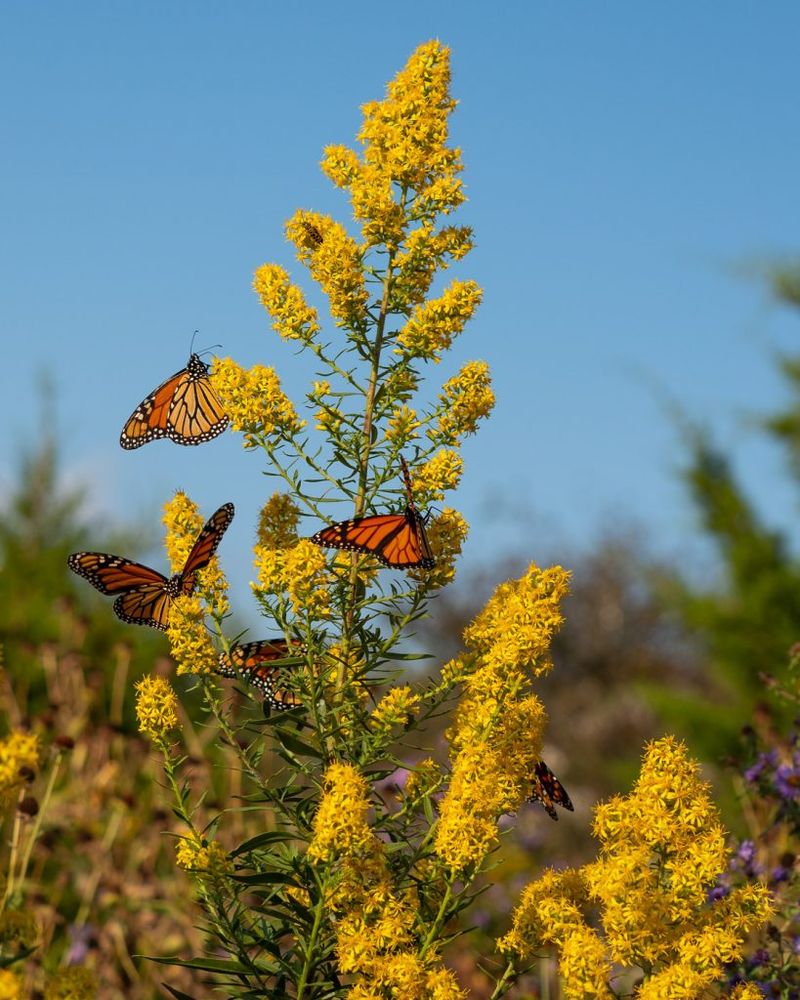
Goldenrod gets a bad reputation from people who blame it for fall allergies, but that reputation is largely undeserved. The real culprit is ragweed, which blooms at the same time and spreads pollen through the air.
Goldenrod, by contrast, relies on insects to carry its pollen, making it a valuable source of nectar for bees, butterflies, and other pollinators working through the late-summer and fall landscape across Pennsylvania.
Adding goldenrod to a garden bed or naturalized border in late July gives transplants time to settle in before they begin flowering, which typically happens from late summer into fall depending on the species.
Several native goldenrod species are well-suited to Pennsylvania conditions and can be found at native plant nurseries or specialty garden centers.
Stiff goldenrod and showy goldenrod are two options that tend to perform reliably in sunny spots with average to dry soil.
One thing to keep in mind is that some goldenrod species spread aggressively over time, so choosing a well-behaved cultivar or giving it room to naturalize is a smart move for most home gardens.
In a cottage garden or pollinator border, goldenrod looks beautiful paired with asters, black-eyed Susans, or ornamental grasses.
The bright yellow plumes catch late afternoon light in a way that feels genuinely warm and inviting, giving the garden a rich, natural character as summer transitions into fall.
4. Zinnias Keep Sunny Beds Bright
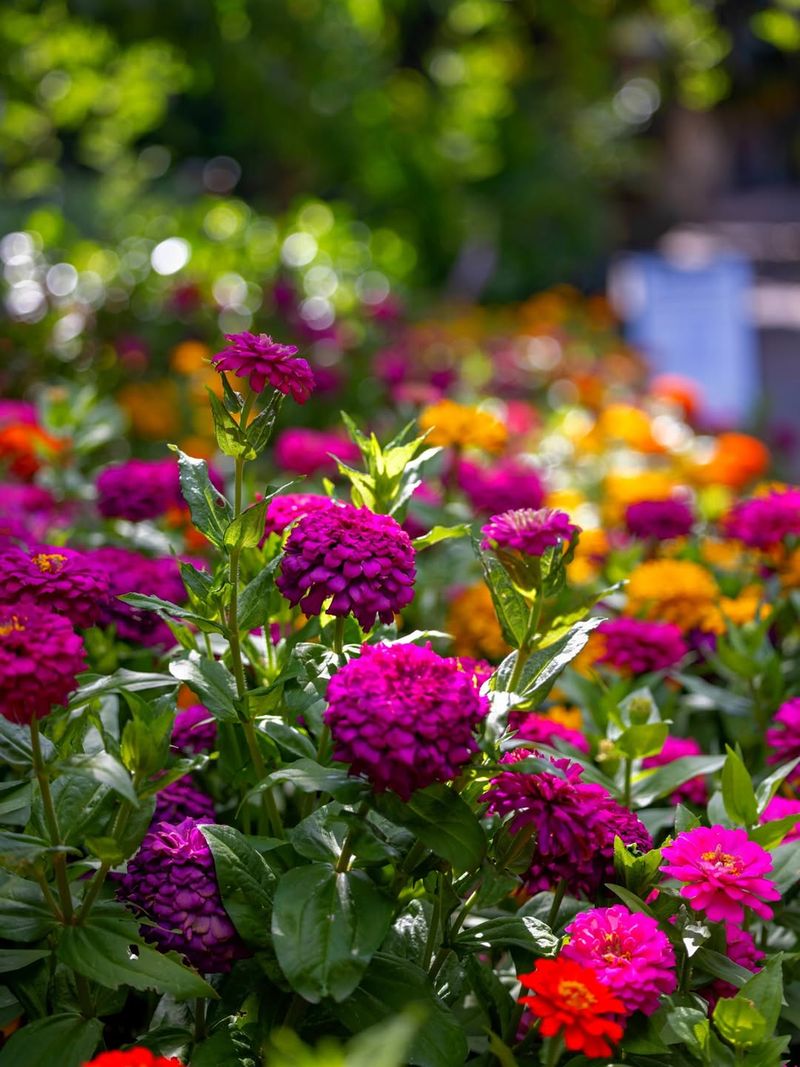
Sunny beds that looked vibrant in June can start to feel a little worn by late July, especially if early summer annuals are stretching and fading.
Zinnias planted from nursery transplants or even direct-seeded in early to mid-July can step in and carry that color forward, sometimes pushing blooms well into September and even touching October in warmer parts of Pennsylvania before frost arrives.
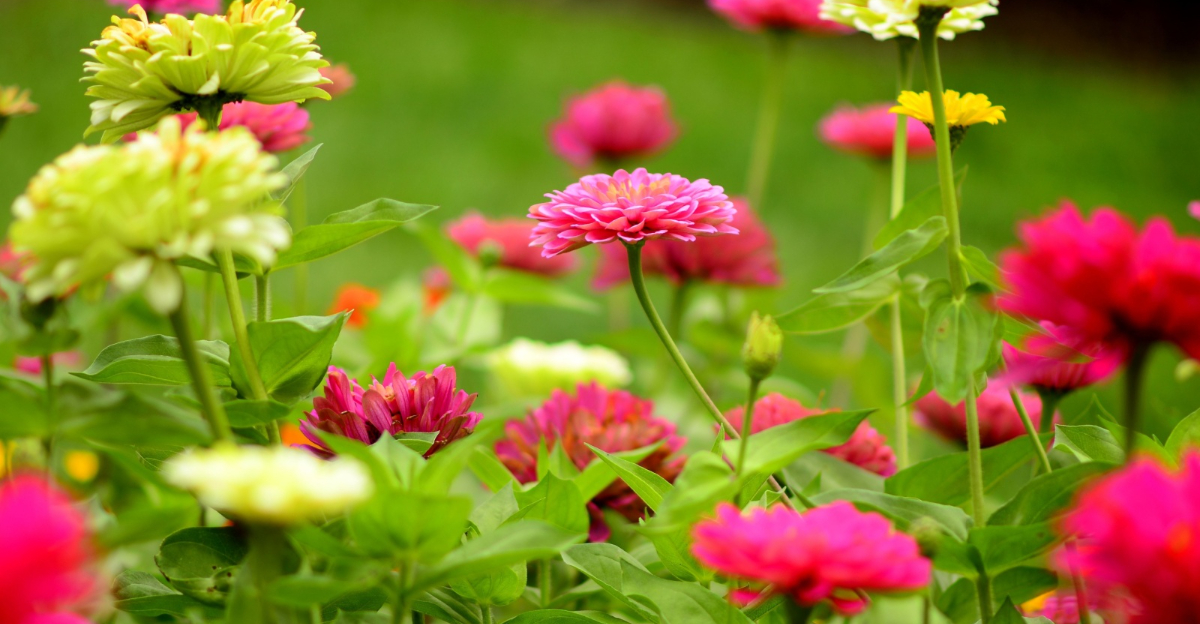
Zinnias love heat and full sun, which makes late July an ideal time to get them going. They grow quickly and reward regular deadheading with a steady supply of new blooms in bold shades of red, orange, pink, coral, yellow, and white.
Taller varieties like Benary’s Giant work well as cut flowers and add real height to a mixed border. Shorter varieties fit nicely into container arrangements or along the front of a bed.
One thing to watch for is powdery mildew, a fungal issue that can appear on zinnia leaves during humid Pennsylvania summers. Choosing mildew-resistant varieties and giving plants enough spacing for good air circulation helps reduce the risk.
Avoid wetting the foliage when watering, and water at the base of the plant instead. Zinnias also attract butterflies, which adds another layer of life and movement to a late-summer garden.
For gardeners who want big, cheerful color without a lot of fussing, zinnias are a practical and rewarding choice for late-July planting.
5. Marigolds Add Easy Color Until Frost
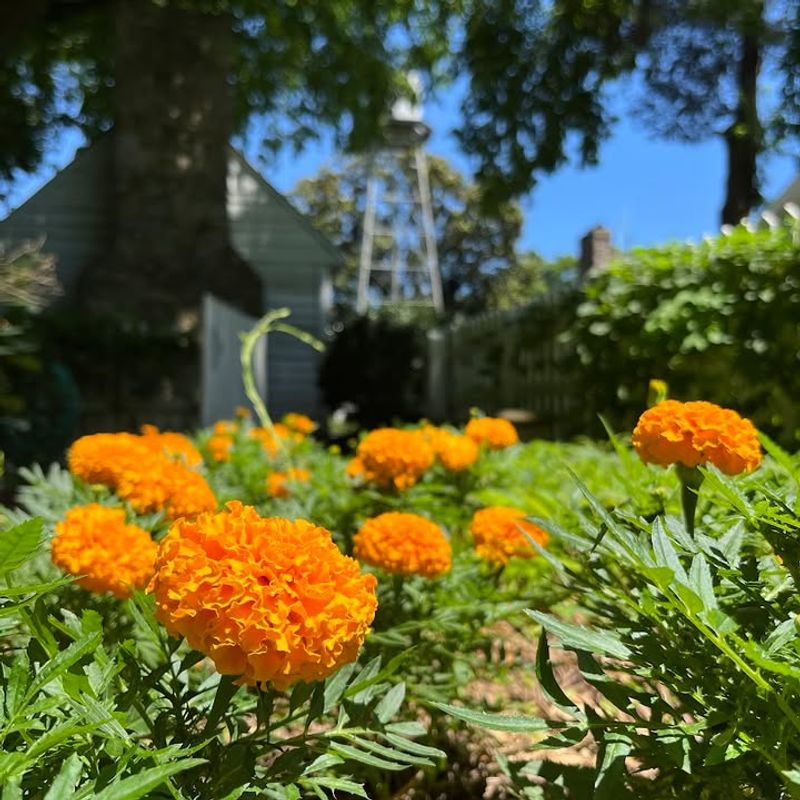
There is something reliably cheerful about a well-grown marigold, and in Pennsylvania gardens, these tough little annuals can carry color from planting time in late July right up until the first frost touches the beds.
African marigolds tend to grow tall with large, pom-pom blooms, while French marigolds stay compact and bushy, making them a flexible choice for borders, containers, and window boxes alike.
Marigolds planted as nursery transplants in late July will settle in quickly given the warm soil and summer sun. They prefer full sun and tolerate dry conditions better than many annuals, which makes them useful for spots that sometimes miss regular watering.
Deadheading spent blooms keeps the plant producing new flowers and prevents a tired, seed-heavy look as fall approaches.
One practical bonus that many Pennsylvania gardeners appreciate is the scent of marigold foliage, which some gardeners find discourages deer and rabbits from browsing nearby plants.
Whether or not this works consistently depends on local wildlife pressure and garden layout, but it is one of the reasons marigolds show up so often at the edges of vegetable gardens and mixed flower borders.
The warm orange, gold, and yellow tones complement the natural color shifts happening across Pennsylvania’s landscape in September and October beautifully.
That makes marigolds feel like a natural fit for late-season container displays and porch arrangements as summer gives way to fall.
6. Cosmos Bring Airy Late-Season Blooms
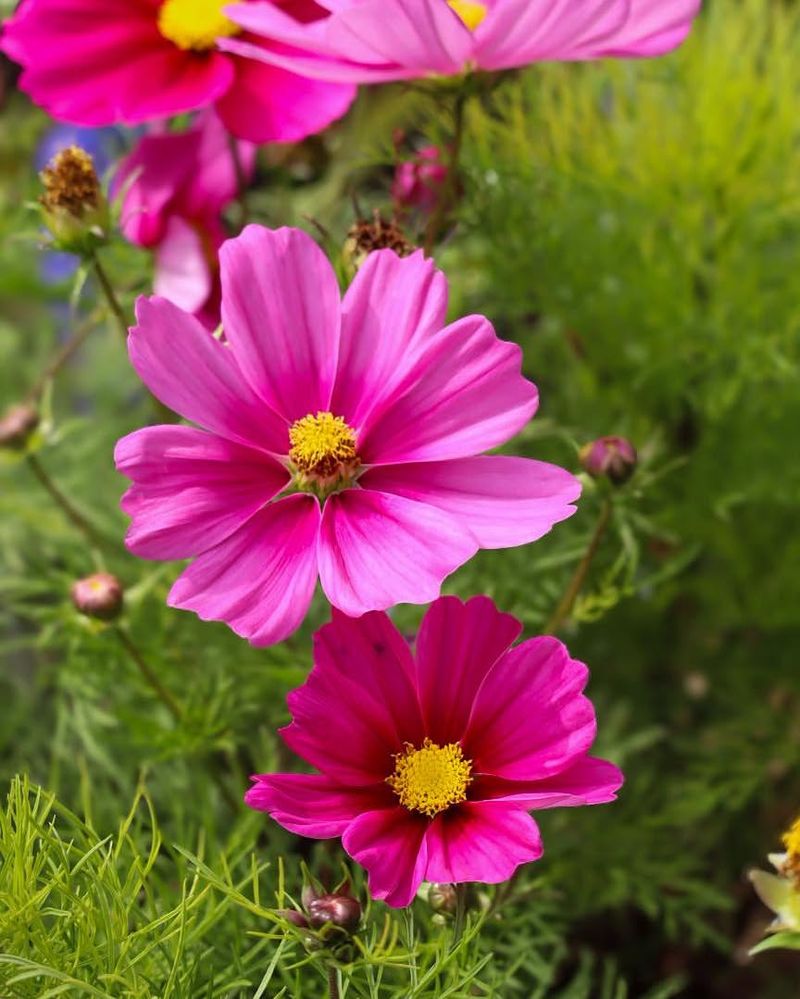
Cosmos have a breezy, almost wildflower quality that makes them feel right at home in cottage gardens, naturalized borders, and informal flower beds across Pennsylvania.
Their feathery foliage and delicate blooms in pink, white, magenta, and bicolor combinations move gently in late-summer breezes, adding a soft, airy texture that heavier annuals cannot quite match.
When planted from transplants in late July, cosmos can begin flowering within a few weeks and continue producing blooms into fall.
These plants grow best in full sun and actually prefer soil that is not too rich or heavily fertilized. Overly fertile soil tends to push leafy growth at the expense of flowers, so cosmos do well in average garden soil without a lot of extra feeding.
They are also reasonably drought-tolerant once established, which is helpful during the dry spells that sometimes settle over Pennsylvania in August and early September.
Cosmos attract butterflies and beneficial insects, making them a useful addition to a pollinator garden that needs late-season interest.
Deadheading prolongs blooming, though leaving a few spent flowers to go to seed can attract birds toward the end of the season.
Taller varieties may need light staking in exposed or windy spots.
For gardeners looking to add movement and lightness to a late-summer bed without a lot of maintenance, cosmos are a genuinely satisfying choice that rewards minimal care with weeks of graceful, cheerful color.
7. Celosia Adds Bold Texture And Color
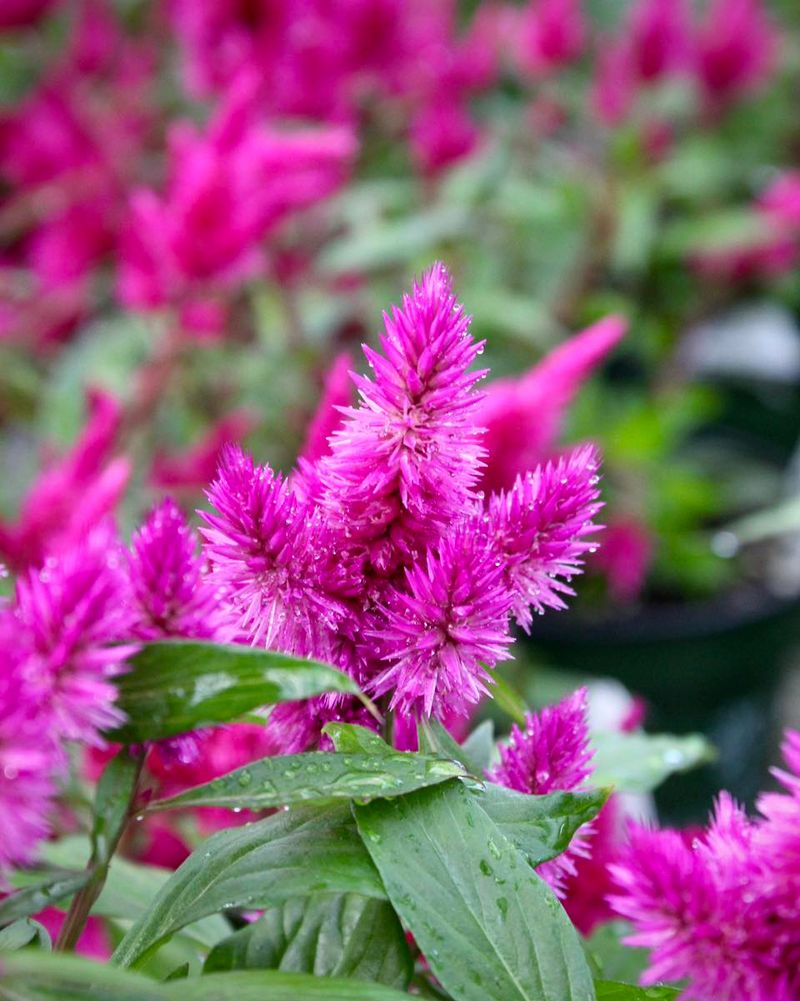
Bold, architectural, and genuinely heat-loving, celosia brings a kind of visual confidence to late-summer gardens that few other annuals can match.
The feathery plume types and the dramatic crested cockscomb varieties both deliver intense color in shades of red, orange, pink, yellow, and burgundy that hold up well even as summer temperatures stay high across Pennsylvania in late July and August.
Celosia transplants placed in a sunny bed in late July typically establish quickly and begin producing color within a few weeks.
They prefer well-drained soil and plenty of sunlight, and they are surprisingly tolerant of heat and humidity, which makes them practical for Pennsylvania summers that can feel sticky and intense before fall arrives.
Consistent watering during dry stretches helps keep plants healthy and blooming.
In containers, celosia pairs well with trailing plants like sweet potato vine or bacopa, creating a layered, textural arrangement that looks polished on a porch or patio.
In garden beds, the upright habit of plume-type celosia adds height and structure among lower-growing annuals.
The blooms also hold their color well as they age, and dried celosia plumes can be used in fall arrangements indoors.
For gardeners who want something a little unexpected in a late-summer bed, celosia delivers real personality and staying power, often maintaining its color right up until Pennsylvania nights turn consistently cold in October.
8. Lantana Handles Late-Summer Heat
By late July, some patio containers and sunny garden spots across Pennsylvania can feel like they are running on fumes, with spring plantings stretched thin and summer heat taking a toll.
Lantana steps into that gap with remarkable ease, thriving in the kind of hot, sunny conditions that slow down or stress other plants.
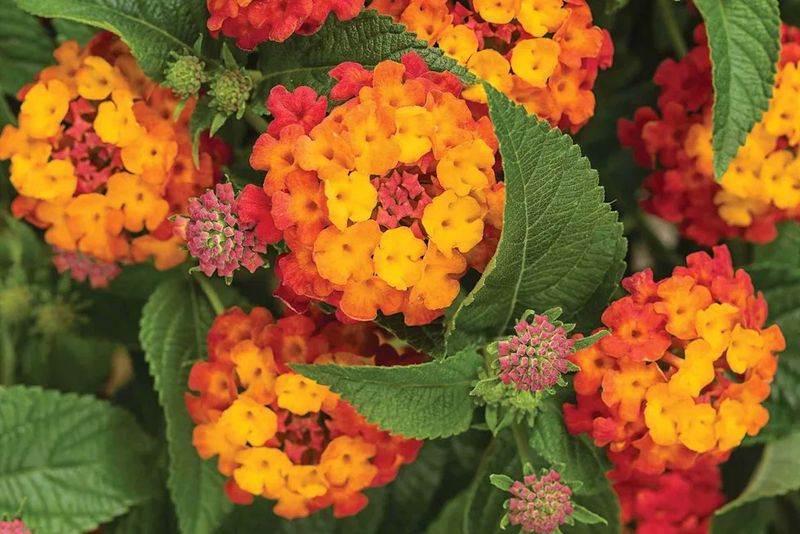
Its small, clustered blooms come in combinations of orange, yellow, red, pink, and white, often shifting color as individual flowers age and creating a multicolored effect that feels almost tropical.
Lantana works especially well in containers, hanging baskets, and raised beds where drainage is good and sunlight is plentiful. It handles dry conditions better than many annuals once it is established, which is a real advantage during late-summer dry spells.
In Pennsylvania, lantana is grown as an annual since it is not cold-hardy in most of the state, so there is no need to worry about overwintering it in the ground.
Butterflies are strongly attracted to lantana blooms, and a well-grown plant in a sunny spot can become a genuine gathering place for swallowtails and other late-season pollinators moving through Pennsylvania gardens in August and September.
Keep in mind that lantana berries are toxic if eaten, so placement away from areas where young children play is a sensible consideration.
With regular watering and a sunny spot, lantana can keep a porch pot or sunny bed looking lively well into October.