How Much Protection One Layer Of Frost Cloth Really Gives In North Carolina
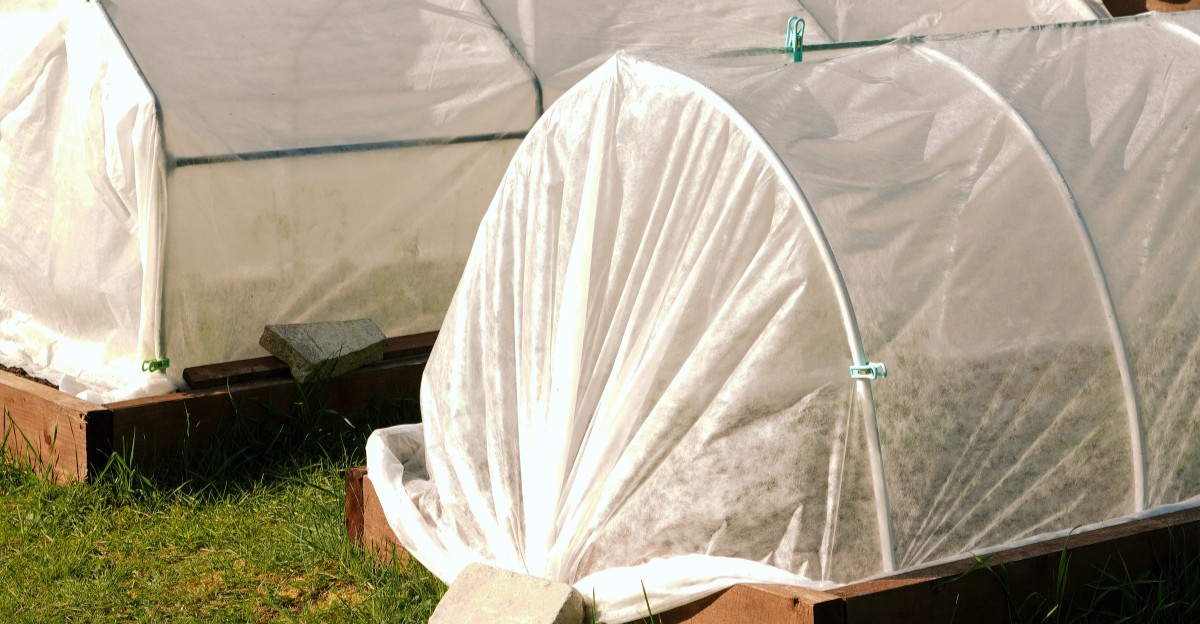
Frost cloth feels like a magic blanket. You spread it over your plants, and the cold seems to disappear. The truth is more modest.
One layer usually buys only a few degrees of protection, and the amount depends on the weight of the fabric. A thin sheet helps on a light frost but fails when temperatures drop hard. Heavier cloth adds more warmth, yet it still has limits.
How you use it matters too. Cloth that touches leaves can transfer cold, and loose edges let heat escape. North Carolina gardeners often trust a single layer on a night that calls for more.
Knowing its real strength helps you decide when it is enough and when to add another layer or move plants inside.
1. One Layer Usually Adds Just A Few Degrees

Many gardeners think frost cloth works like a tiny furnace. It does not make any heat at all. Instead, it slows down the warmth that rises from the soil after sunset, holding it close to your plants a little longer.
So how much help are we talking about? A single layer usually keeps plants roughly 2 to 8 degrees Fahrenheit warmer than the open air.
The exact number depends on how thick the fabric is and what kind of night you get, since clear, still nights and cloudy, breezy nights behave very differently.
That small boost matters more than you might expect. A light frost often hovers right around 30 to 32 degrees, and a few extra degrees can keep tender leaves from freezing.
Lettuce, young greens, and many flowers usually come through a light frost just fine under one layer. Hard freezes are another story.
When temperatures drop into the low or mid 20s, one layer will not save frost-sensitive plants like tomatoes, peppers, and basil. Those warm-season crops get hurt even near freezing, so a thin cover simply cannot hold back that much cold.
Here in North Carolina, the good news is that many fall and spring cold snaps bring light frosts rather than deep freezes. In places like the Piedmont, a surprise frost in late October or mid-April is common, and a single layer handles those nights well.
Keep an eye on the forecast low, and think of your cloth as a helpful sweater, not a winter coat. Once you know that limit, you can plan with confidence. You will know when one layer is plenty and when you need to bring in backup.
2. Fabric Weight Changes The Level Of Protection
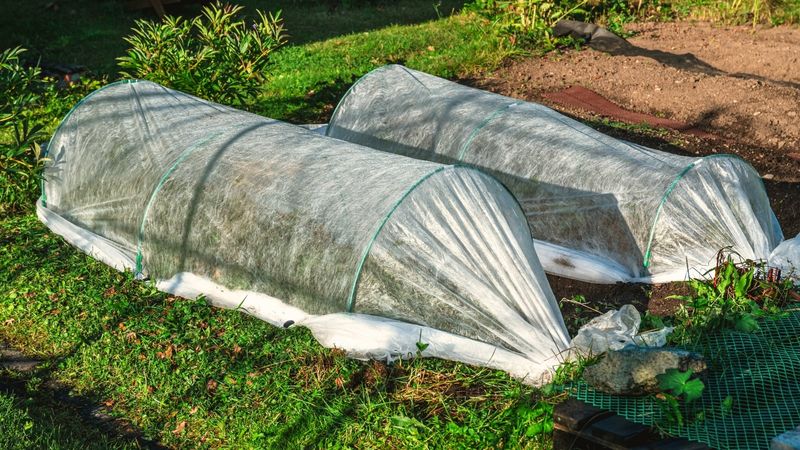
Walk down the garden aisle and you will spot frost cloth in several thicknesses. They might all look like plain white fabric, yet they perform quite differently on a cold night. The weight of the cloth, often listed in ounces per square yard, tells you a lot.
Lightweight fabric is the thinnest option. It lets in the most sunlight but offers the least warmth, usually around 2 to 4 degrees of protection. Many gardeners use it as a row cover to keep bugs like cabbage worms off their greens.
Medium and heavy fabrics hold more heat, often giving about 4 to 8 degrees of help. The tradeoff is light. Thicker cloth blocks more sun, so plants left under it during the day may grow slowly or turn pale.
Smart shoppers keep more than one kind on hand. A lightweight roll works well for insect control and mild frosts, while a heavier piece can wait in the shed for those bitter nights.
Before you buy, check the label for its rated frost protection, since brands list how many degrees their fabric can add.
North Carolina weather makes this mix especially useful. Early fall often brings soft frosts that only need a thin cover. Then January or February might deliver a hard freeze that calls for something sturdier.
A simple system helps a lot. Label your fabrics with a marker, store them folded in bins, and note which weight protected which plants. After a season or two, you will know exactly which cloth to grab the moment a cold forecast pops up on your phone.
3. It Works By Trapping Heat From The Ground
Think of your garden soil as a big battery. All day long, it soaks up energy from the sun. After dark, it slowly gives that warmth back, and frost cloth is there to catch it.
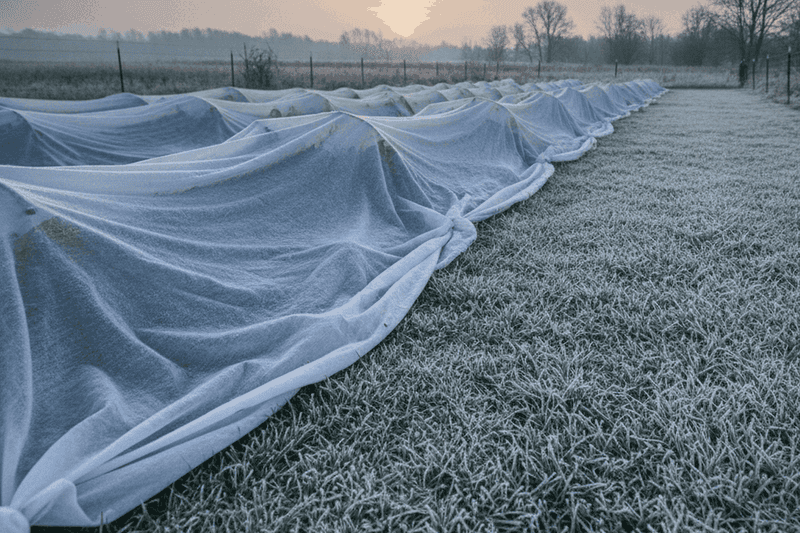
That is why the fabric needs to reach the ground. When cloth drapes all the way down to the soil on every side, it forms a little tent that holds the rising heat around your plants.
If the cloth only covers the tops, like a hat with no sides, the warm air simply drifts out the bottom and floats away.
Getting it right is easy. Spread the fabric so it touches the soil all the way around the bed or plant. Then secure the edges with rocks, scrap boards, bricks, or landscape pins so no gaps open up.
Timing makes a big difference too. Cover your plants before sunset, while the ground is still holding the day’s warmth. Waiting until late at night means much of that stored heat has already escaped into the sky.
Across North Carolina, frost tends to show up on clear, calm nights that follow sunny days. Without clouds acting like a lid, heat leaves the ground quickly, and temperatures near the soil can drop faster than the forecast suggests.
A well-sealed cover gives your plants a fighting chance on exactly those nights. One quick tip helps even more.
Pull any mulch back a bit from the soil surface inside the covered area during cold spells, since bare, damp soil can release more stored warmth to your plants.
4. Keep The Fabric Off Leaves When You Can

Ever pulled off a frost cover and found brown spots on just a few leaves? Those marks often line up exactly where the fabric touched. It is a common surprise, and the fix is pretty simple.
Leaves pressed against cloth on a very cold night can get chilled right through the fabric. Cold passes straight from the outside air into the leaf at that contact point.
Leaves sitting under a small pocket of air, though, stay a little warmer because that air acts as a buffer.
Creating that pocket does not take fancy gear. Wire hoops bent over a bed work great, and so do stakes, tomato cages, or upside-down buckets. Even a few sturdy sticks pushed into the ground can lift the fabric enough to make a difference.
Sometimes the cloth has to rest on your plants, and that is okay. In those cases, choose a lightweight fabric so it does not crush stems or press hard on leaves. After a cold night, take a peek at the leaf tips and edges, since that is where damage shows up first.
North Carolina gardeners grow plenty of tender fall crops, from lettuce and spinach to pansies and snapdragons.
These plants often show spotting where cloth sat heavy against them during a chilly snap. A little lift keeps them looking fresh and ready for harvest or display.
Hoops pay off all season long. Once they are in place, you can toss on cover in seconds whenever a cold evening sneaks up, which makes protecting your garden much less of a chore.
5. Wind Can Cut The Protection In Half
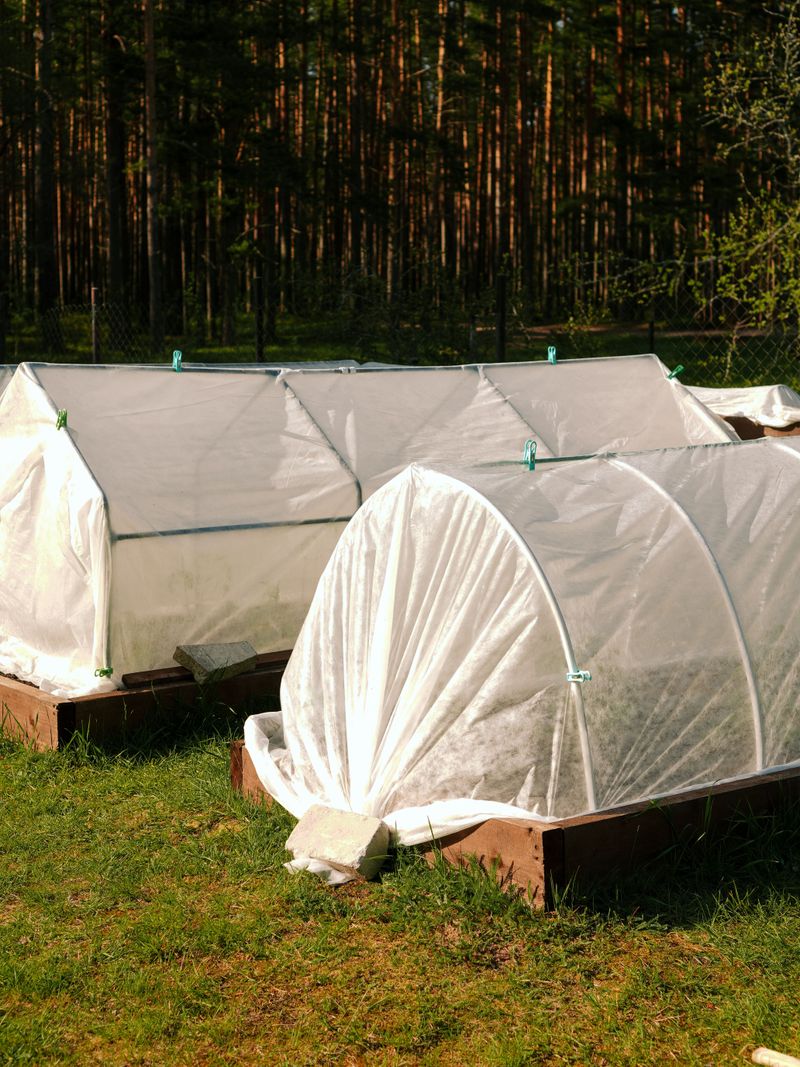
Picture a cozy blanket on a breezy porch. Without something holding it down, the wind finds every gap and sneaks right in. Frost cloth faces the same problem in your garden.
Wind steals warmth in two ways. First, it blows the warm air out from under loose fabric. Second, strong gusts can lift the edges, letting cold air rush in around your plants.
Because of that, a cover that works perfectly on a calm night may help far less on a windy one. Some gardeners find their protection drops by about half when the breeze picks up. That gap can mean the difference between happy plants and frosted leaves.
Solid anchoring is your best defense. Secure every edge firmly with rocks, bricks, sandbags, or landscape pins spaced close together.
On breezy nights, add extra weights along the sides that face the wind, and tuck any loose corners under so they cannot flap.
Location helps too. Move potted plants next to a wall, fence, or house where the wind cannot reach them as easily. A garage or covered porch can also work wonders for small containers on rough nights.
North Carolina cold fronts often roll in with gusty winds, and the Mountains feel this most of all. Places like Boone and Asheville can see strong winds paired with sharp temperature drops. Coastal gardeners also deal with brisk breezes off the water.
Before covering up, check the wind forecast along with the low temperature. If gusts are expected, plan for heavier weights or a second layer, and you will wake up to a garden that held strong.
6. Add More Protection On Colder Nights
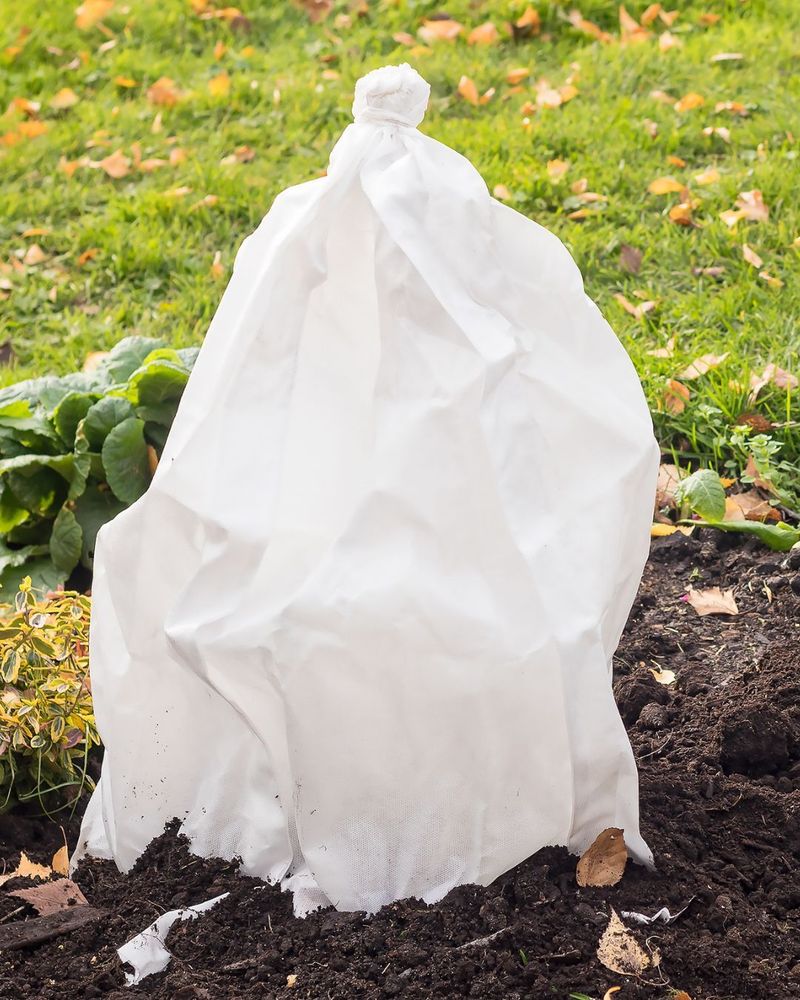
When the forecast says the low will drop into the 20s, one layer alone will not cut it. You can stack a few simple tricks together, though, and each one adds a little more warmth. Together, they can make a real difference.
Start with water. Moist soil stores and releases more heat than dry soil, so water any dry beds during the day before a cold night. Morning or early afternoon is best, giving the sun time to warm that damp ground.
Next, add more fabric. Two layers of frost cloth trap more heat than one, and a heavier fabric also gives a boost. Each layer holds in a bit more of the warmth rising from the soil.
On the very coldest nights, toss an old sheet or blanket over the frost cloth. Keep the frost cloth underneath so the heavier material does not crush plants or soak them if it gets wet. This combo can add several extra degrees.
Plastic needs some care. It can be used as an outer layer for extra wind and cold protection, but avoid letting it touch plants, since leaves pressed against plastic get damaged easily. Always keep frost cloth or an air gap between the plastic and the foliage.
In North Carolina, deep cold snaps sometimes follow weeks of mild fall or winter weather. Plants that have been growing happily in the sunshine can get caught off guard by a sudden plunge.
Having water, extra fabric, and a few old blankets ready means you can act fast when that sharp cold arrives.
7. Remove Or Vent Covers During The Day

Frosty mornings in North Carolina often turn into sunny, pleasant afternoons. That swing is lovely for people, but it can cause trouble for covered plants. Knowing when to uncover is just as useful as knowing when to cover.
Heavier fabrics block a good chunk of sunlight. Plants need that light to make food and keep growing strong. Leave them in the shade too long, and they may stretch, turn pale, or slow down.
Heat is the other concern. On bright days, the air under frost cloth can warm up quickly, especially with multiple layers stacked on top. Plants that sat through a chilly night can end up stressed and wilted by lunchtime.
A simple routine solves both problems. Once the morning temperature climbs above freezing, remove the covers or fold back one side to let air flow. Keep the fabric nearby so it is easy to find later.
Cloudy, cool days are a little different. If temperatures stay low and the sky is gray, leaving lightweight fabric on is usually fine, since it lets plenty of light through and will not trap much heat. Heavier cloth and blankets should still come off.
Then, in the evening, cover the plants again before the next cold night settles in. Remember to do it before sunset so the soil’s stored warmth gets trapped.
That steady on and off rhythm may feel like extra work at first. Soon it becomes second nature, and your garden rewards you with sturdy, healthy plants that sail through every cold snap the season sends your way.