10 Pumpkins And Gourds Still Worth Harvesting In North Carolina This Week
A frost can arrive with very little warning, and a pumpkin left in the field takes the hit. That makes this week a smart time to head out with a basket. Not every fruit is ready, and picking too soon shortens storage life.
A few quick checks tell you what to bring in. The color should be deep and even. The rind should be hard enough that a fingernail barely leaves a mark.
The stem should look dry and corky. Gourds follow similar rules, though some keep hardening after they are picked. North Carolina’s long, warm fall makes it easy to lose track of timing.
Knowing which ten varieties reward a late harvest saves your effort and fills the porch with color.
1. Jack-O’-Lantern Pumpkins Ready For Carving
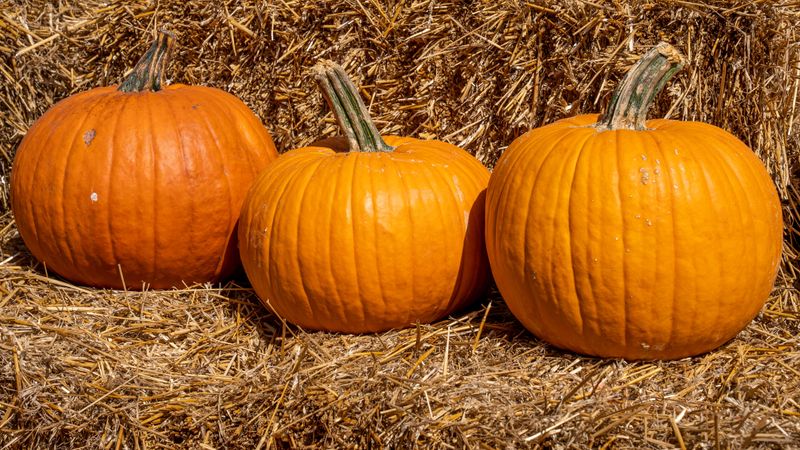
Nothing says October quite like a big orange pumpkin waiting to become a grinning jack-o’-lantern. Classic carving types such as Howden and Connecticut Field are still ripening on many North Carolina vines right now.
Their thick walls and sturdy shape make them ideal for cutting faces and lighting up the porch. Timing makes all the difference.
A fully colored pumpkin with a hard rind is ready to come inside, and picking it before frost keeps the fruit from turning soft and rotting. Frost damage often hides at first, then shows up a week later as mushy spots.
So how can you tell one is ready? Look for a deep, even orange color all around. Next, press your fingernail into the rind. If it resists denting, the pumpkin is mature.
Grab a pair of sharp pruners instead of twisting the fruit off by hand. Cut the stem so 3 to 4 inches stay attached, since a long stem helps keep germs out of the top.
Always lift the pumpkin from the bottom, because carrying it by the stem can snap it off and leave a weak spot.
After picking, cure your pumpkins in a warm, dry spot for about a week. A garage, covered porch, or sunny room works well. The skin toughens during this time, and carved pumpkins last longer as a result.
Weather is the real reason to act now. First frost usually reaches the North Carolina Mountains in October, while the Piedmont and Coastal Plain typically see it from late October into November.
Watch the forecast closely, and if a cold night looks likely, bring your carving crew indoors.
2. Small Pie Pumpkins Made For Baking
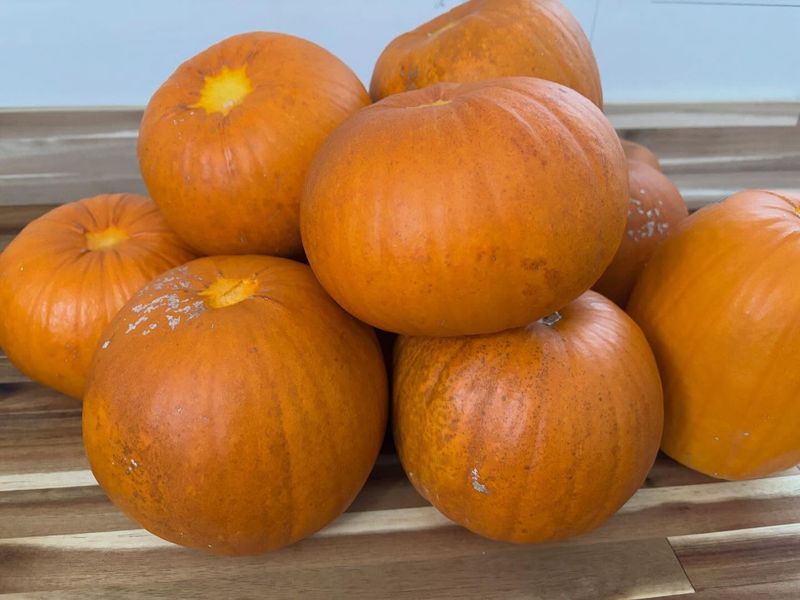
Grandma knew a secret that many shoppers miss. The best pumpkin pie starts with a small, sweet pumpkin, not the giant carving kind. Varieties like New England Pie and Small Sugar have smooth, rich flesh that bakes up creamy instead of stringy.
Flavor peaks when these little pumpkins are fully mature on the vine. Picking them before frost also protects their quality, so they can sit in storage for months without losing their sweetness. That means fresh pie filling long after the garden goes quiet.
Check two things before you cut. The rind should be fully colored, with no green patches, and it should feel hard when you tap or press it. Leave a few inches of stem attached when you snip the pumpkin free.
Your North Carolina Garden Changes Every Week. Your Plan Should Too.
Gardening in North Carolina changes quickly throughout the season. Every Friday you’ll receive a simple weekly plan showing exactly what to plant, prune, fertilize, harvest, and protect so you never miss the right timing.
Curing comes next, and it matters more than most people think. Set your pumpkins in a warm spot for about 10 days. The skin hardens, small scratches heal, and the fruit gets ready for a long rest.
Storage is simple once curing is done. Keep pie pumpkins in a cool, dry place around 50 to 55°F, such as a basement, closet, or unheated spare room. Space them apart so air can move, and check them now and then for soft spots.
For North Carolina cooks, a stash of home-grown pie pumpkins is a real treat. You can roast and puree one for Thanksgiving, bake another for Christmas, and still have a few left for muffins or soup in January. A little effort this week pays off at every holiday table.
3. Cinderella Pumpkins With Fairy Tale Charm
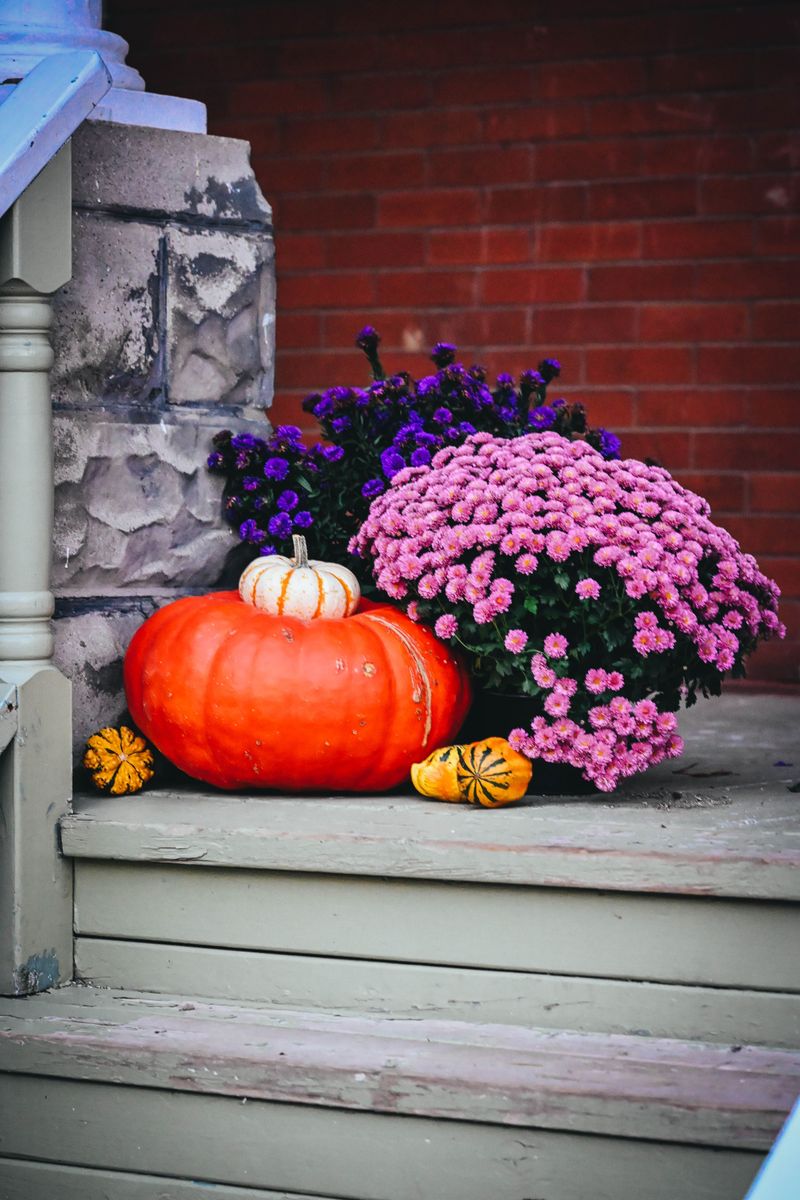
Some pumpkins look like they rolled right out of a storybook. Cinderella pumpkins, known in France as Rouge Vif d’Etampes, are flat, deeply ribbed, and glowing with bright reddish orange skin. They are said to have inspired the coach in the classic fairy tale illustrations.
Beauty is only part of their appeal. These French heirlooms make a stunning porch centerpiece, yet their moist flesh also works nicely in soups, stews, and baked dishes. One pumpkin can decorate your steps for weeks and then become dinner.
Wait until the skin turns a deep red-orange before harvesting. The rind should feel hard and firm under your fingers. A pale or soft pumpkin needs more time on the vine if the weather allows.
Handle every Cinderella with care. Those pretty ribs bruise more easily than smooth skin, and a bruise can turn into a soft spot later. Carry the pumpkin from underneath with both hands, and set it down gently.
Cure your harvest for about a week in a warm, dry place. Afterward, think carefully about where it sits. Damp porch boards or wet doormats can cause the bottom to rot, so place the pumpkin on a dry wooden crate, straw bale, or piece of cardboard.
Across North Carolina, Cinderella pumpkins are a favorite for porch displays that stretch from early fall all the way to Thanksgiving.
Pair one with mums, cornstalks, or a few gourds for a cheerful look. Then, when the season wraps up, roast the flesh for a velvety bowl of pumpkin soup.
4. Long Island Cheese Pumpkins For Long Storage
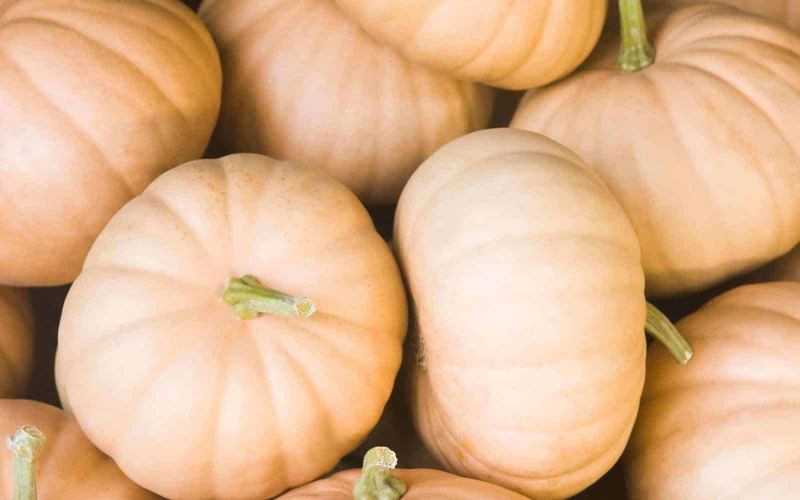
At first glance, you might mistake it for a giant wheel of cheese at the farmers market. The Long Island Cheese pumpkin earned its funny name from that tan, flattened shape. Behind the plain look hides one of the best pie pumpkins around.
Bakers love its sweet, smooth, deep orange flesh. It purees beautifully with very few strings, so pies come out silky. Even better, a well-cured fruit can keep for many months, often lasting through winter.
Harvest is easy to judge. Wait until the skin turns an even tan color from top to bottom, with no green streaks left. Then press the rind, and if it feels hard, the pumpkin is ready.
Cut the stem with pruners and leave a few inches attached. Cure the pumpkins in a warm place for a week or so, which helps the skin firm up. After that, store them somewhere cool and dry, and they will patiently wait for your next baking day.
Here is why Southern gardeners should pay attention. Long Island Cheese is a type of Cucurbita moschata, the same species as butternut squash.
Plants in this group generally handle heat and humidity well, and they resist some pests better than many common pumpkins.
That toughness matters in North Carolina, where sticky summers can wear down weaker vines.
If your regular pumpkins struggled this year, give this heirloom a spot next season. For now, gather any tan fruits still sitting in the patch, and enjoy a pantry stocked with pie makings that keep for months.
5. White Pumpkins For A Modern Look
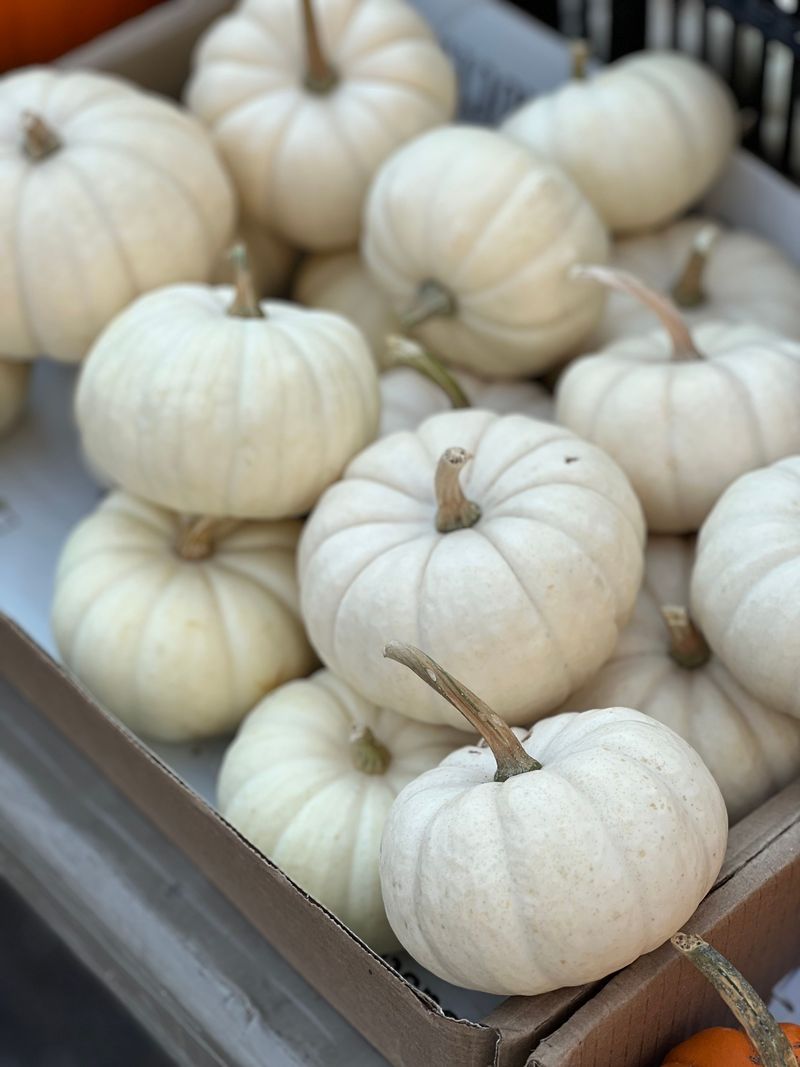
Ghostly, elegant, and totally eye-catching, white pumpkins bring a fresh twist to fall decor. Varieties like Lumina and Casper shine against dark doors, rustic wood, or green garlands. They feel both spooky and stylish at the same time.
Those pale shells come with a catch, though. Once ripe, white pumpkins can turn yellow or develop sunscald if they sit in strong sun too long. Frost can also harm the rind, so timely picking keeps them looking crisp and clean.
Watch for two clear signs. The rind should be hard, and the stem should begin to dry and turn woody. When both happen, grab your pruners and harvest, leaving a short handle of stem.
Shade becomes your best friend after picking. Keep white pumpkins out of direct afternoon sun, both while curing and while on display. A covered porch, shaded patio, or cool garage works much better than a sunny front step.
Cure them in a warm, shaded spot for about a week to toughen the skin. Then put them to work. Many white varieties are great for stacking in displays, painting, or carving, and Lumina even has tasty orange flesh that bakes well.
North Carolina falls often bring bright, sunny days that feel mild but still pack plenty of strength.
That sunshine can quickly fade the snowy color you worked so hard to grow. Bring your white pumpkins in this week, tuck them into a shady corner, and they will stay bright for a long time.
6. Seminole Pumpkins Built For Southern Heat
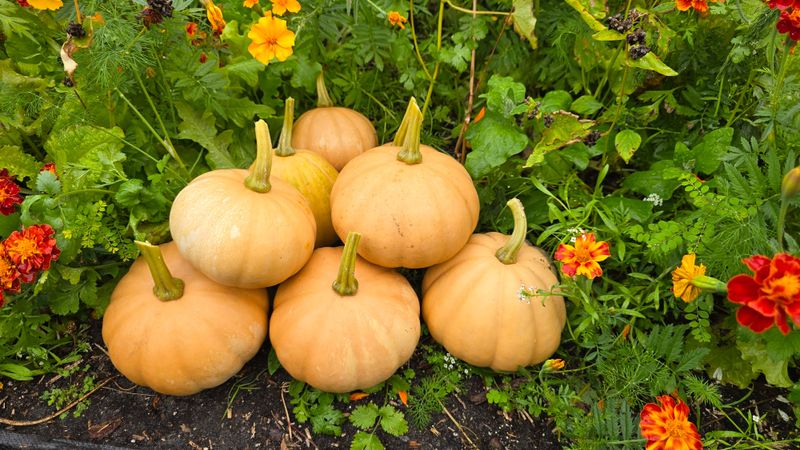
Long before modern seed catalogs, the Seminole people of Florida grew a small, tough pumpkin that thrived in swampy heat.
Early accounts describe the vines climbing up into trees, with fruit hanging from the branches. Today, the Seminole pumpkin is a treasured heirloom for Southern gardens.
Size is modest, with tan to buff colored skin that looks a bit plain. Inside, though, you will find sweet, firm, orange flesh that is wonderful roasted, mashed, or baked into pies. Many gardeners compare its flavor to a rich butternut squash.
What makes it special is its grit. The Seminole pumpkin is well adapted to hot, humid weather, and it resists many pests and diseases that trouble other pumpkins. Vines often keep producing when fancier types give up.
Harvest when the skin turns tan and the rind feels hard. Cut the fruit free with a bit of stem attached. Cure it in a warm, dry spot for about one to two weeks.
Storage could hardly be easier. Seminole pumpkins keep for months at room temperature or slightly cooler, so a kitchen counter or pantry shelf works fine. Many people find them still in great shape well into spring.
For North Carolina growers, this pumpkin can be a game changer. Summer heat, thick humidity, and hungry insects make life hard for many pumpkin patches here.
If your vines keep struggling, save seeds from this year’s Seminole harvest and plant them next spring for a reliable crop.
7. Cushaw Squash, A Southern Favorite
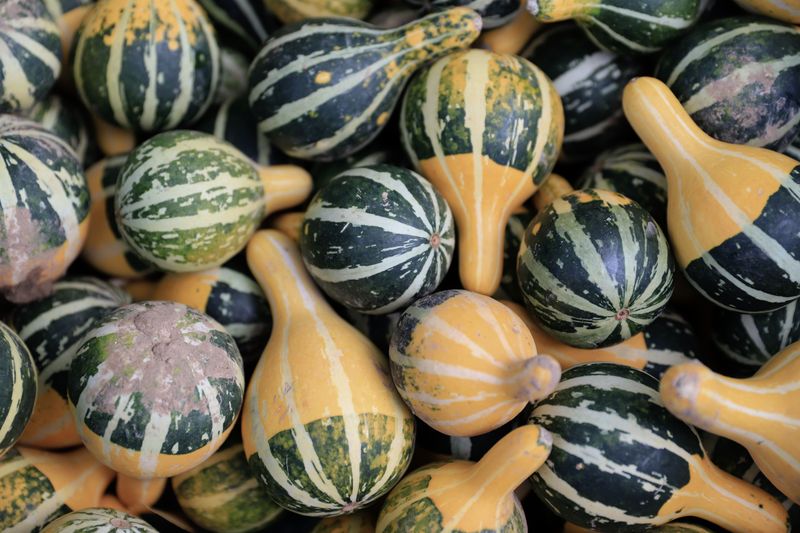
Ask an Appalachian grandmother about cushaw, and you might hear stories of warm pies on chilly evenings. This big, curved-neck squash has been a Southern kitchen staple for generations. Many families still grow it and use it just like a pumpkin.
Looks vary quite a bit. Some cushaws have green-striped skin, while others are white or golden, and the long, bent neck makes them easy to spot. A single fruit can weigh 10 pounds or more.
Inside, the flesh is mild and slightly sweet. Cooks turn it into pies, quick breads, butter, and simple side dishes with brown sugar and cinnamon. Its gentle flavor blends well with warm spices.
Wait until the rind is hard and the color looks full before harvesting. Leave a long piece of stem attached, since it helps the fruit store better. Carry the squash by its body, not the neck or stem.
Cure your cushaw in a warm spot for a week or two. Afterward, move it to a cool, dry place. Stored this way, it can feed your family through much of the winter.
North Carolina gardeners have extra reason to love this old-timer. Cushaw handles hot Southern summers well, and it is a type of Cucurbita argyrosperma with tough, solid vines that hold up against squash vine borers better than many pumpkins.
When other plants wilt under borer attacks, cushaw often keeps going strong. Bring in the last fruits this week, and keep a few seeds for next year’s garden.
8. Ornamental Gourds For Fall Decorating
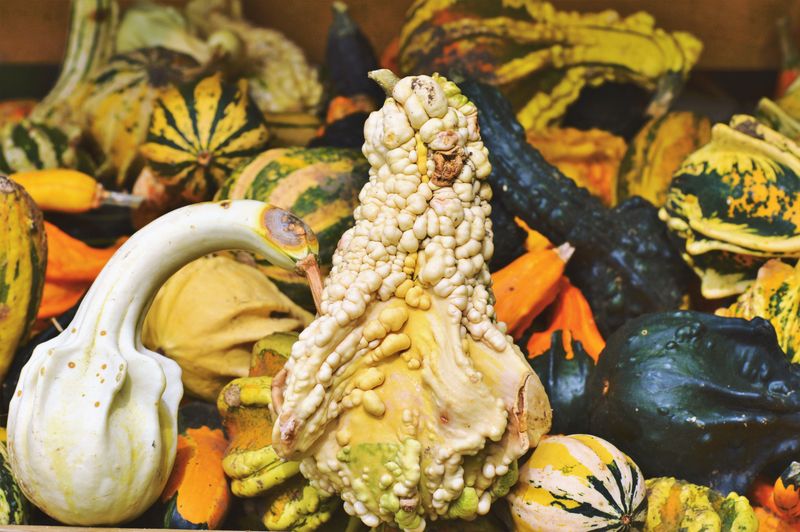
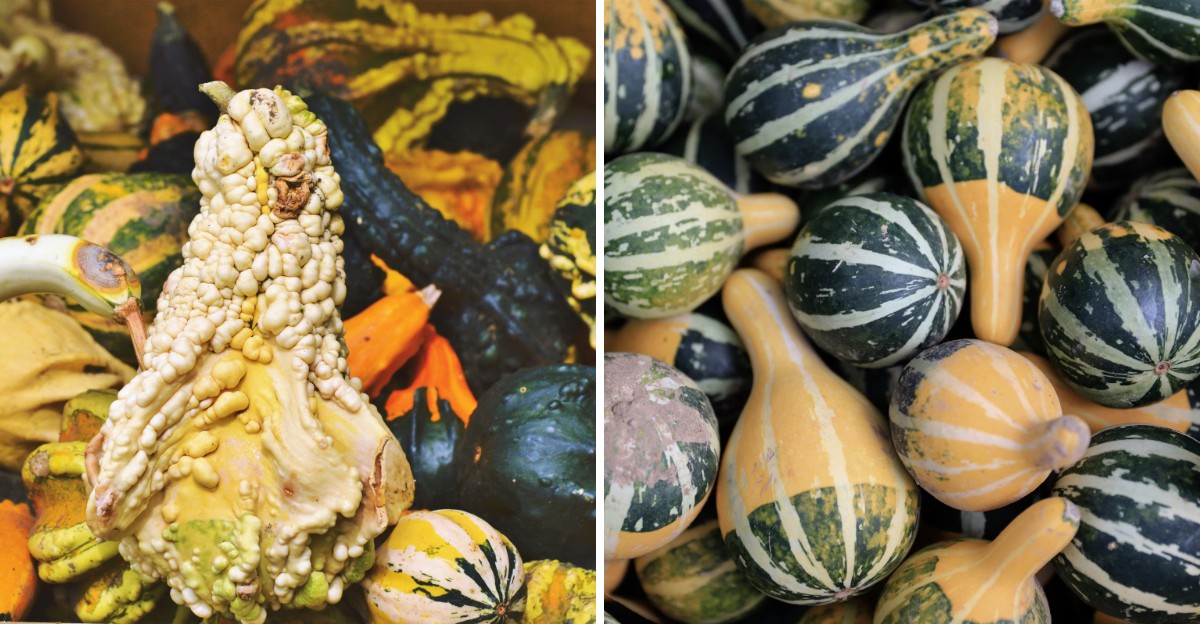
Bumpy, striped, twisted, and bright, ornamental gourds are the playful side of the pumpkin family.
Kids love sorting them by shape, and grown-ups love how much color they bring to a table. Spoon gourds, warted types, striped ones, and bicolors in yellow and green all make cheerful additions.
Picking at the right time keeps the fun going. Gourds harvested at maturity hold their color and shape for months of decorating. Leave them out through frost, though, and they can soften and rot.
Mature gourds give clear clues. The stems turn brown and dry, and the shells feel hard when you squeeze gently. Clip them from the vine with a little stem attached.
Next, give your gourds a quick bath. Wash them in warm, soapy water to remove dirt and germs, then dry them well with a towel. A clean surface lowers the chance of mold and soft spots.
Cure them in a warm, dry, airy place for a week or more. A shelf near a sunny window or a rack in the garage works nicely. Check them often, and toss any that turn soft so they do not spoil the rest.
All over North Carolina, these little gourds star in table centerpieces from Halloween through Thanksgiving.
Pile them in a wooden bowl, tuck them around candles, or line them along a mantel. Once your harvest is cured, you have free, home-grown decor that lasts the whole season.
9. Hard-Shell Bottle Gourds For Crafts And Birdhouses
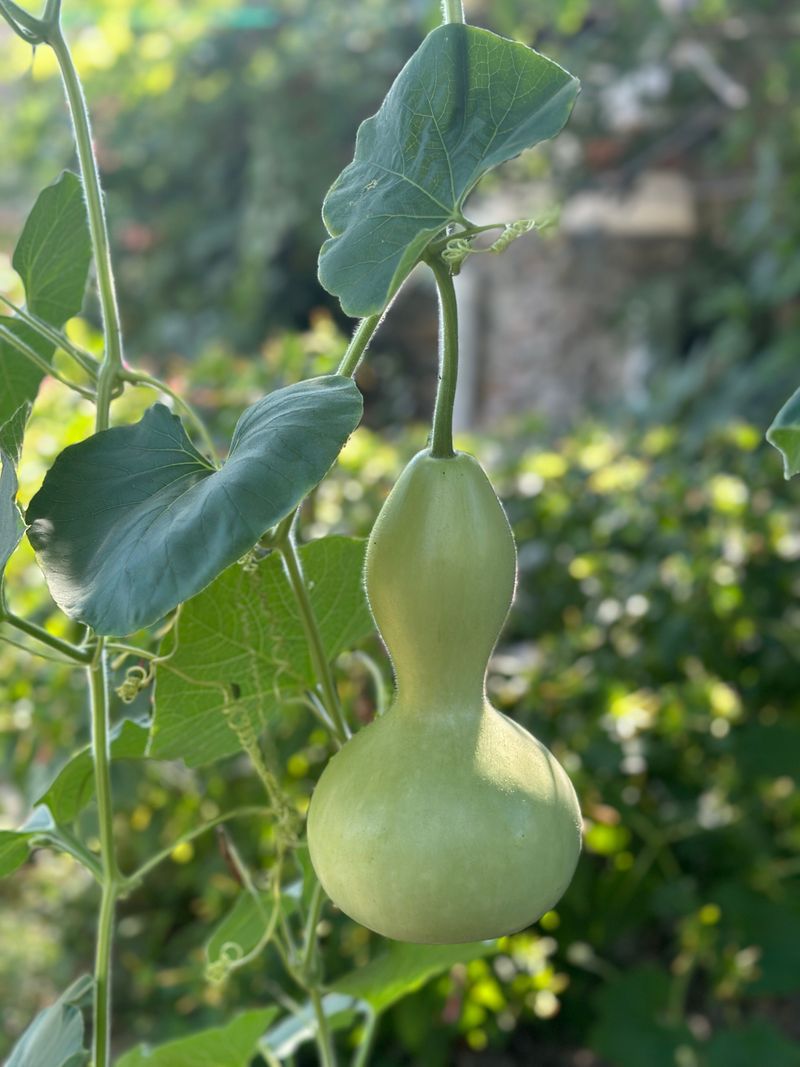
Patience is the main ingredient with hard-shell gourds. Bottle and birdhouse gourds, known as Lagenaria siceraria, have been used by people around the world for thousands of years as bowls, dippers, and musical instruments.
Today, many gardeners turn them into birdhouses that purple martins and wrens happily call home.
Unlike pumpkins, these gourds play by different rules. They can stay right on the vine until the vines fade and the stems dry out. Light frost usually will not harm a mature gourd, but very young, green ones should come in before cold weather.
When stems turn brown and dry, harvest by cutting a few inches above the gourd. Wash each one with warm, soapy water to clean off soil. Handle them gently, since the shells are still a bit soft at this stage.
Drying takes several months, so find a well-ventilated spot like a barn, shed, or open porch. Space the gourds apart and turn them now and then. Air flow is the key to an even, thorough dry.
Do not panic when mold appears on the skin. It is a normal part of the process, and you can scrub it off later with a scouring pad. A finished gourd feels very light, and the seeds rattle inside when you shake it.
North Carolina’s long growing season gives these slow vines plenty of time to mature fully. That means thick, sturdy shells for painting, carving, and building. By spring, your gourds can become birdhouses ready to welcome feathered neighbors.
10. Luffa Gourds For Natural Sponges
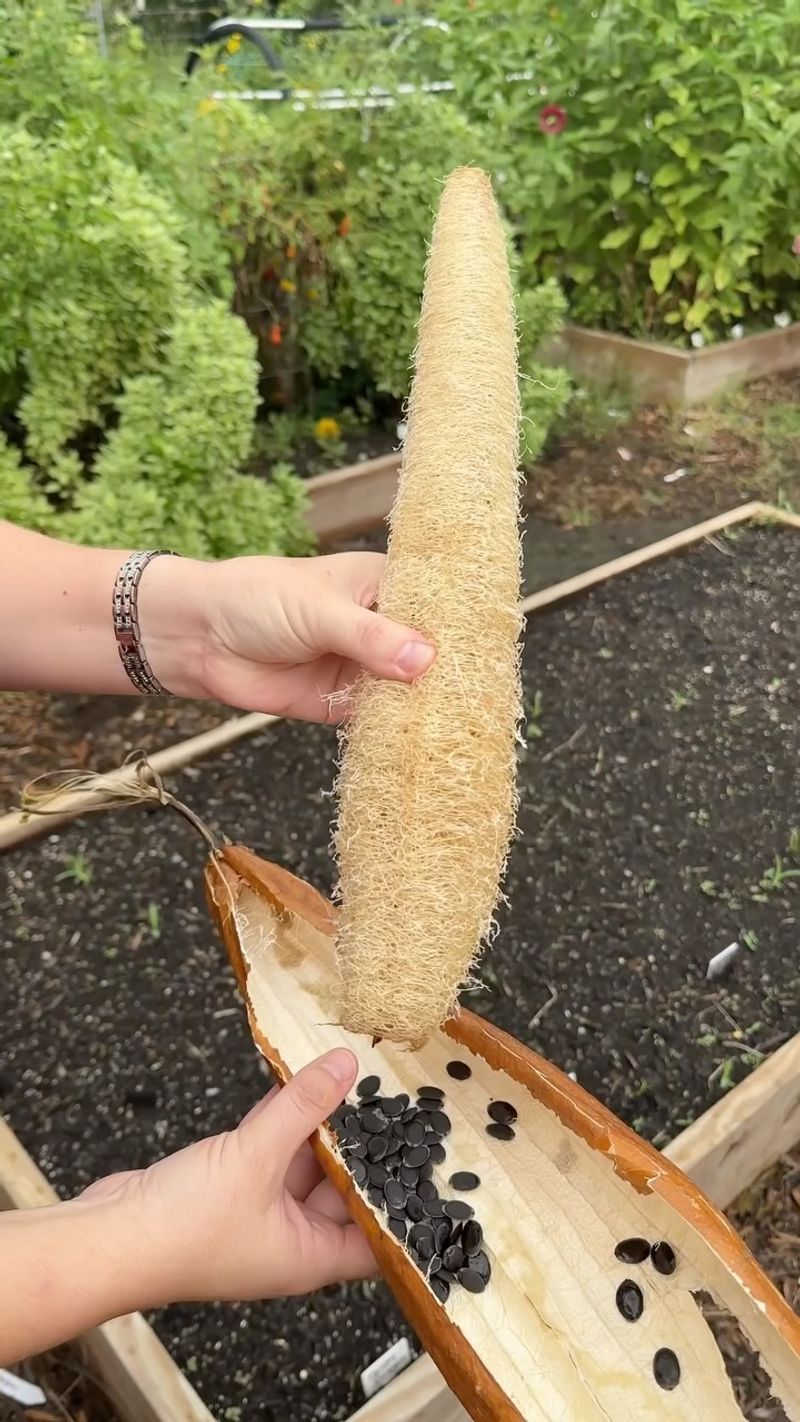
Surprise your friends with a sponge you grew yourself. Luffa gourds, or Luffa aegyptiaca, look like big cucumbers when young, but inside the mature fruit is a web of tough fibers. Those fibers become the scrubby sponges sold in bath shops.
Maturity is everything with luffa. Fully ripe gourds develop the strong fibers you want, while young ones stay soft. Frost can damage gourds that have not finished drying on the vine, so this week is a smart time to check your trellis.
Look for skin that has turned yellow or brown. A ready luffa feels light and dry, and you may hear seeds rattle inside when you shake it. Pick any that meet these signs before a cold night arrives.
Now comes the satisfying part. Crack the dry skin and peel it away, then shake out the seeds. If the skin is stubborn, soak the gourd in water for a few minutes to loosen it.
Soak and rinse the sponge to wash away sap and bits of pulp. Then set it in the sun to dry fully, turning it now and then. Sunshine also lightens the color for a cleaner look.
Save a handful of plump, dark seeds for next year. Keep them in a paper envelope in a cool, dry spot. Luffa needs a long, warm season to mature, and North Carolina provides just that, so your garden can keep supplying kitchen scrubbers and bath sponges year after year.