What It Means When Deer Start Bedding In Your California Yard This Winter
A resting deer can lower its heart rate and burn less energy just by lying still in one quiet spot. That simple trick helps it stretch scarce winter calories a little further.
So when one curls up beside your shrubs, it is making a careful choice. I find that oddly flattering, even while I worry about my roses.
Across California, winter brings rain, chilly nights, and fresh green growth in many lowland areas. Mountain and foothill deer often move downhill as snow arrives, and some of them end up in neighborhoods. You might spot flattened ovals in the grass before you ever see the animal.
Personally, I believe those quiet visits tell a story about your yard. It holds clues about shelter, food, and safety that a deer noticed long before you did. So what exactly did it see in your garden?
That Flattened Oval In Your Lawn Is A Deer’s Vote Of Confidence
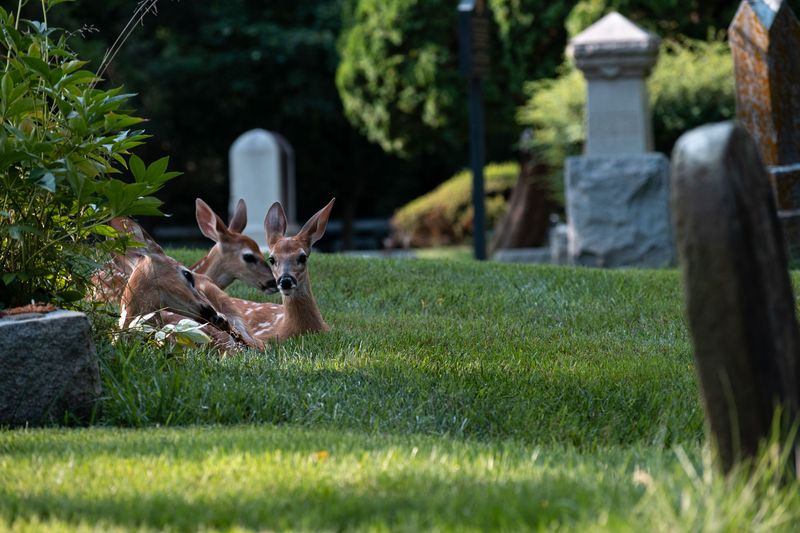
Deer are picky about where they lie down. A bedding spot is a place where they feel safe enough to rest, chew their cud, and let their guard drop a little.
When a deer chooses your yard, it has judged the space as low risk. That usually means good cover, a clear view of approaching trouble, and few disturbances during the hours it rests. Deer commonly bed during the middle of the day and feed more around dawn and dusk.
In California, the deer you see are mule deer or their black-tailed cousins along the coast and in the northern ranges. These animals often stay within a fairly small home range. A yard that works once may get used again and again.
I like to think of it as a quiet compliment, with a catch. A deer that feels secure is a deer that may stick around. Repeated beds in the same corner suggest your property has become part of its regular routine.
Take note of when and where you see the beds. Those details will help you decide whether to welcome the visitor or nudge it along before it settles in for the whole season.
Safety, Snacks, And Shelter Are Usually Behind The Backyard Nap
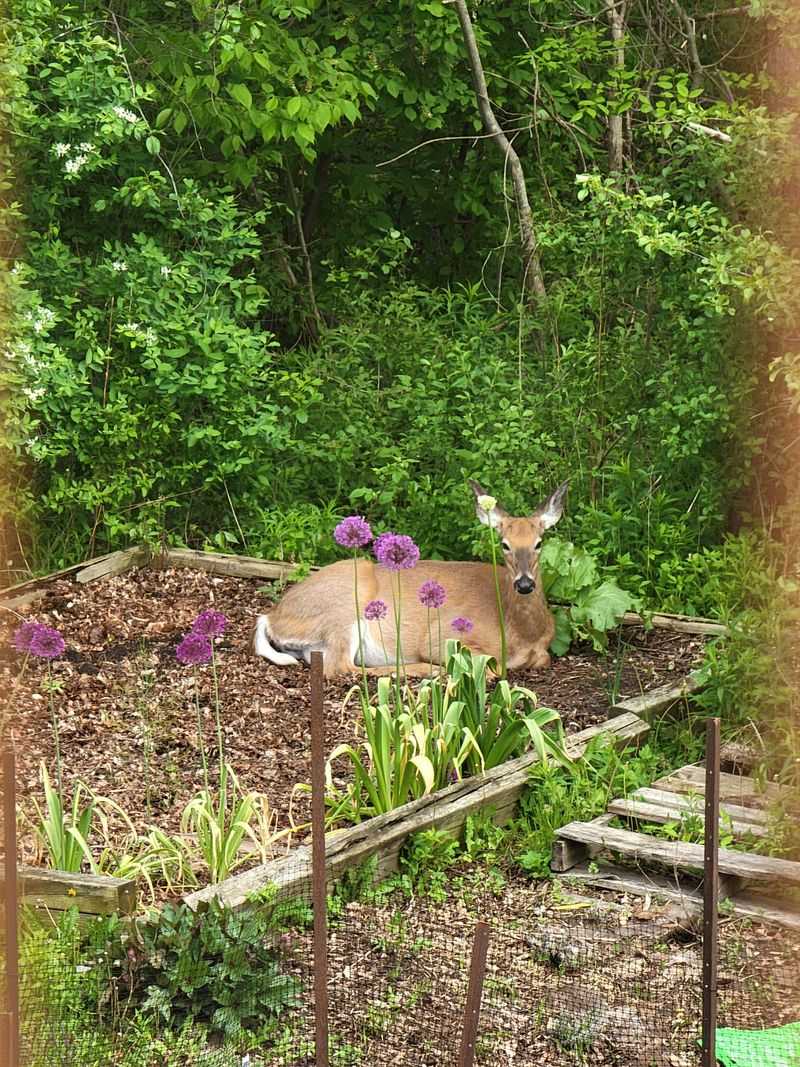
Ask a wildlife biologist why deer bed near homes and you will hear three words again and again. Cover, food, and safety top the list.
Hedges, tall shrubs, and low tree branches hide a resting deer from view. Your garden plants, lawns, and fallen fruit provide easy meals within a short walk. Many suburban areas also see fewer visits from mountain lions, the main natural predator of deer in the state.
Winter adds another layer. In much of the state, rain wakes up fresh grasses and tender shoots, and irrigated yards stay green when nearby hillsides look patchy. A deer that can eat and rest in the same small area saves energy.
That energy savings matters a lot right now. Bucks lose condition during the fall rut, and does are carrying fawns that will be born in spring. Every calorie they skip spending on travel helps them reach warmer months in better shape.
So the bed in your yard is usually less about one plant and more about the whole package. Once you understand that, you can see which pieces of your landscape are doing the inviting.
Snow In The Sierra Pushes Mule Deer Down Toward Foothill Homes
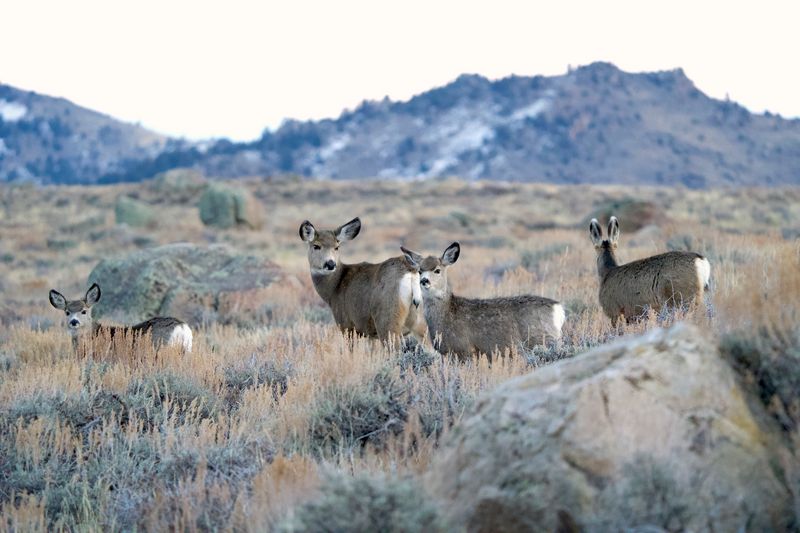
Some California deer are commuters with a seasonal schedule. Mule deer in the Sierra Nevada and other mountain ranges often migrate downhill when snow piles up at higher elevations.
The California Department of Fish and Wildlife tracks these routes, and some herds travel many miles between summer and winter ranges. Winter range often lines up with foothill communities. If you live in places like the western Sierra slopes or the eastern side near Bishop, deer showing up in winter is a normal pattern.
Coastal areas work a bit differently. Black-tailed deer near the coast tend to stay put year-round, so a yard visitor there may simply be a local resident. Southern California deer also tend to stay in familiar home ranges.
Knowing which kind of deer you have helps set expectations. Migrating herds may leave as snow melts in spring. Resident deer may treat your yard as home base indefinitely.
You need to look at your location before deciding how worried to be. A foothill homeowner could see a seasonal guest, while a coastal gardener may be meeting a neighbor for the long haul.
Sunny Slopes And Evergreen Shrubs Make A Cozy Winter Deer Bed
On a frosty morning, a deer behaves a lot like a cat looking for a sunbeam. It wants warmth without giving up cover.
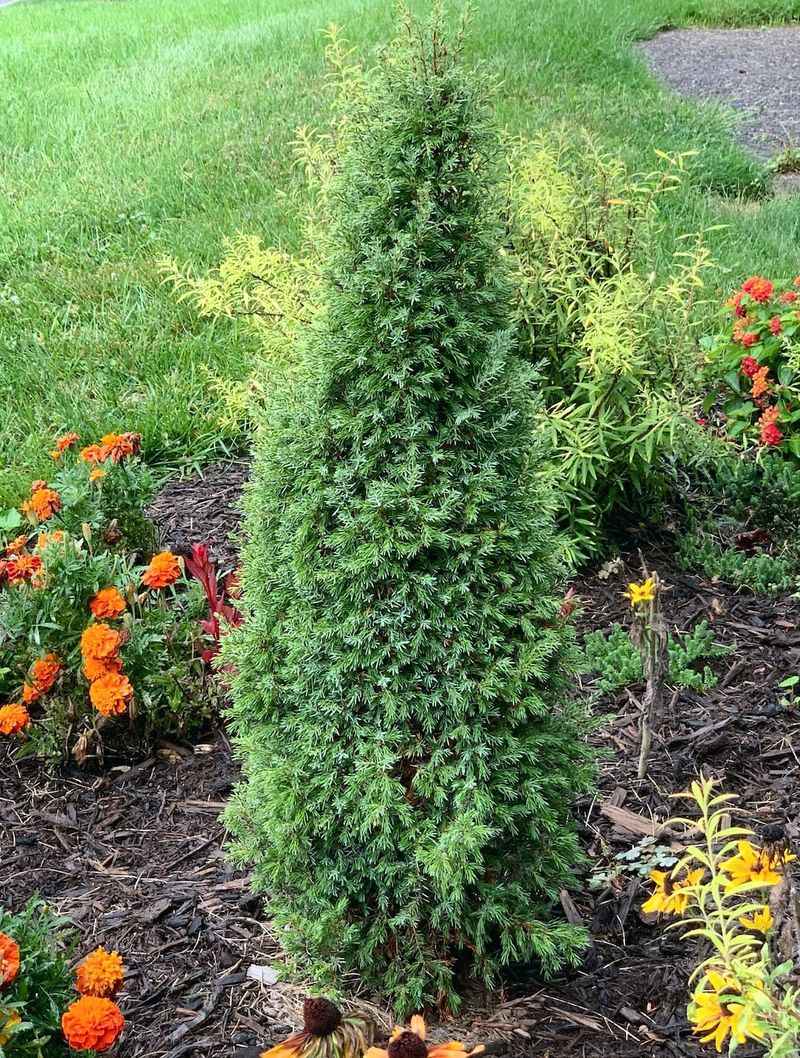
Deer often pick spots that catch morning or afternoon sun and block chilly wind. South-facing slopes, the lee side of a building, and patches under evergreen shrubs or trees are popular choices. Dense foliage overhead can also hold in a little warmth on cold nights.
Your yard may have a microclimate you never noticed. A corner protected by a fence and a row of shrubs could feel several degrees milder than an open lawn. Deer find those pockets quickly.
Here is a quick experiment I enjoy. Walk your yard on a cold, clear morning and notice where frost melts first and where the wind feels weakest. Odds are good the deer beds sit close to those places.
Fun fact: a deer’s winter coat has hollow hairs that trap air and help hold in body heat. That coat lets a deer rest comfortably in surprisingly cool spots. Still, it prefers shelter when it can find it, and a cozy garden nook is hard to pass up.
Roses, Fruit Trees, And Fresh Growth Keep The Deer Close By
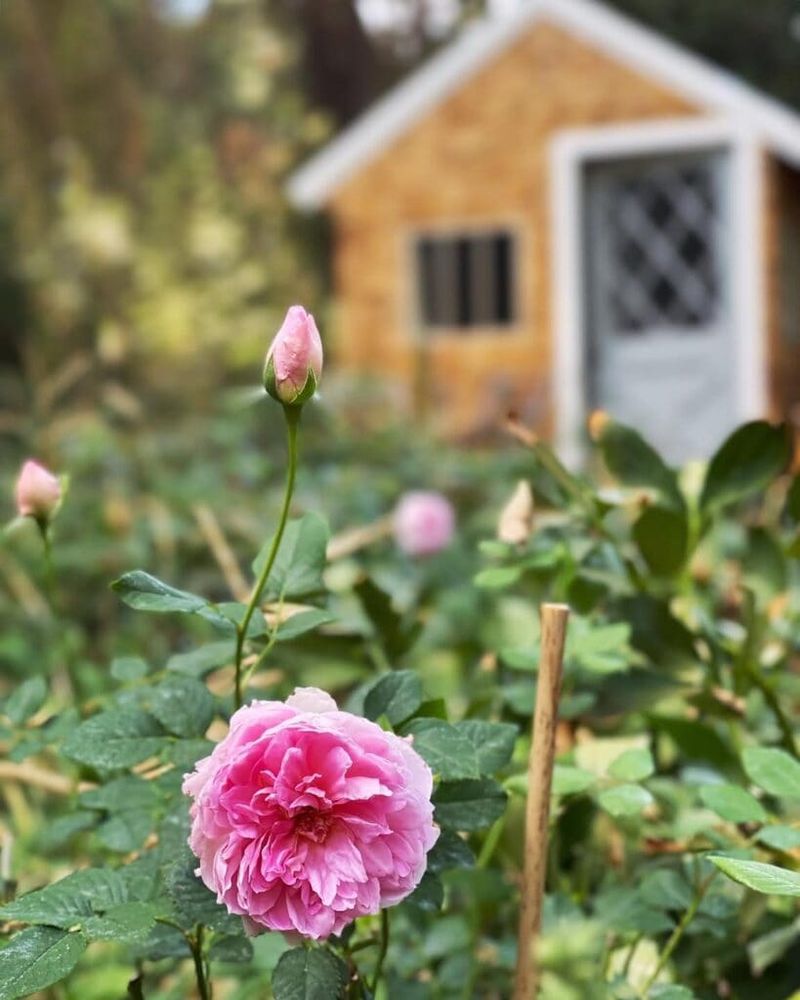
Deer rarely bed far from a good meal. Wildlife experts note that deer tend to rest within easy walking distance of reliable food, so a tasty garden can anchor them nearby.
Favorite targets often include roses, fruit tree buds, tulips, pansies, fresh lawn growth, and the tender tips of many shrubs. Fallen apples, citrus, and persimmons are especially tempting. Winter rains in much of California also bring a flush of new growth that deer find hard to resist.
Watch for the telltale signs. Deer have no upper front teeth, so they tear plants rather than snip them. Leaves and twigs with ragged, torn edges usually point to deer, while clean angled cuts suggest rabbits.
You can reduce the draw without much effort. Pick up fallen fruit often, protect young trees with cages, and move favorite treats like roses closer to the house where activity is higher.
I can’t imagine giving up roses entirely, so I simply guard mine better in winter. A little netting or a sturdy wire cage goes a long way. Once the buffet shrinks, the bed nearby often starts to look less appealing.
Birdbaths, Ponds, And Leaky Spigots Can Seal The Deal For Deer
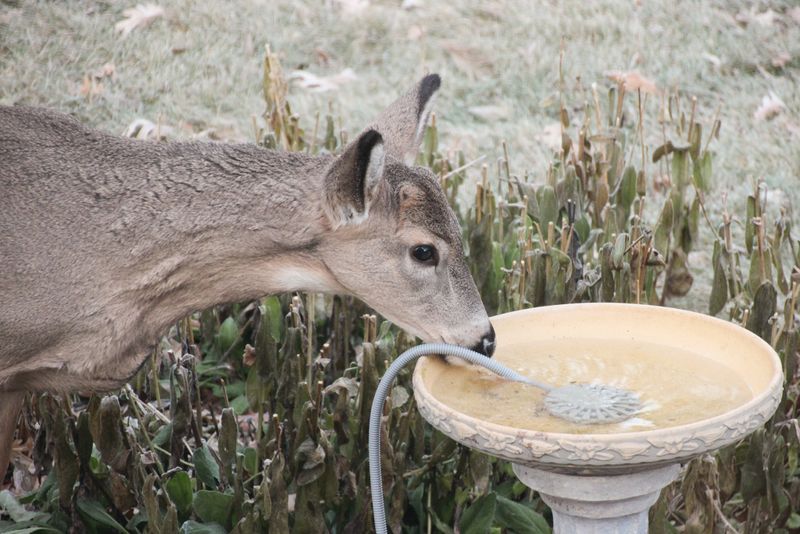
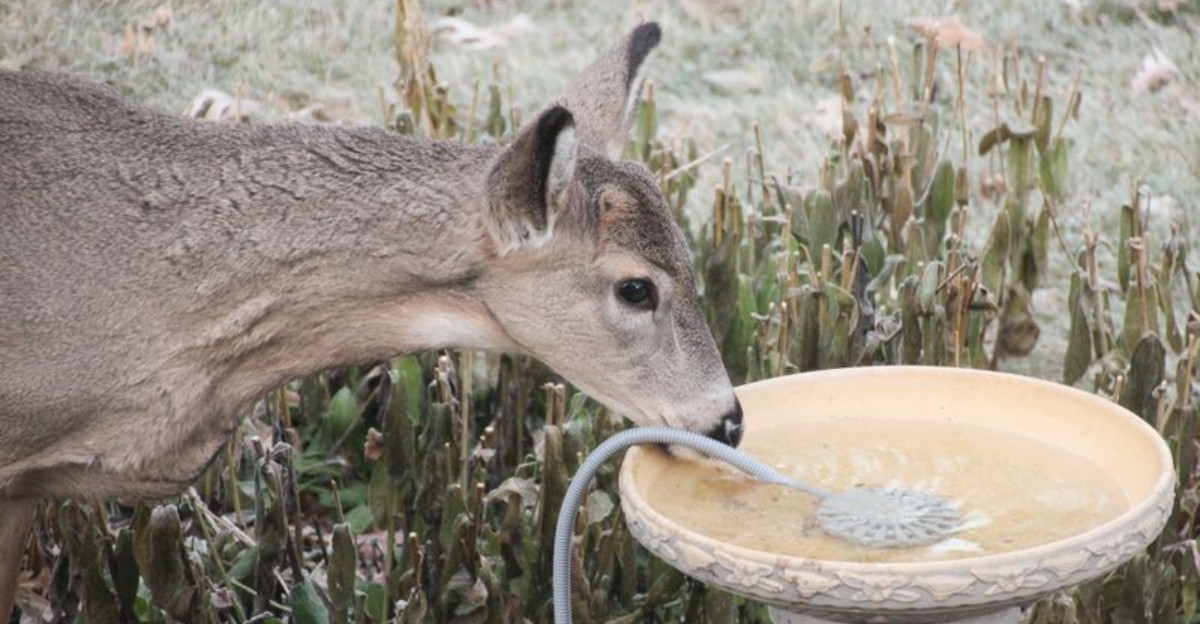
Water is the quiet bonus many homeowners overlook. A birdbath, a small pond, a pet bowl, or a dripping hose bib can turn a decent yard into a great one for deer.
Deer get some moisture from the plants they eat, especially after winter rains. Even so, they will gladly use an easy, steady water source. In drier regions of Southern California and inland valleys, a reliable drink can matter more than it would along the foggy coast.
Take a short walk around your property and look for hidden sources. Overflowing drip lines, soggy low spots, and leaky faucets all count. Fixing them saves water and removes one more reason for deer to linger.
You do not have to remove a birdbath that brings you joy. Consider raising it, emptying it at night, or moving it closer to a busy patio. Deer tend to avoid areas with steady human activity.
Personally, I keep my birdbath full but positioned right by the back door. The songbirds still visit happily, while the deer seem less keen on drinking a few steps from where my dog likes to bark.
Fawns, Ticks, And Mountain Lions Are Worth Keeping In Mind
A resting deer looks peaceful, yet a few practical concerns come along with it. Knowing them helps you stay calm and safe.
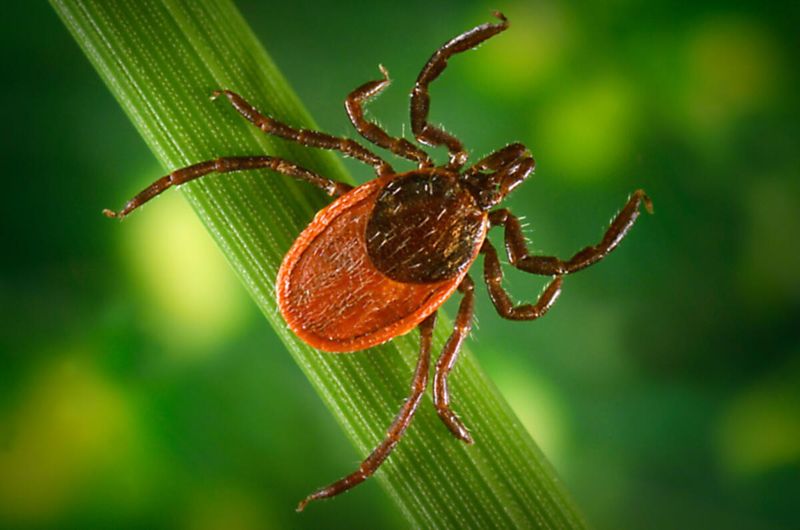
Deer can carry ticks, including the western blacklegged tick that can spread Lyme disease in parts of California. Check yourself and your pets after working near bedding areas, and keep grass trimmed along paths. Wearing long pants in brushy spots also helps.
Deer also attract their main predator. Mountain lions follow deer, and homes near open space sometimes see more lion activity when deer gather close by. Bring pets and their food indoors at night, and keep outdoor lights working.
Spring brings another situation worth knowing about. Does often leave fawns alone for hours while they feed, and that is normal behavior. If you find one later in the year, give it space and contact a wildlife rehabilitator only if it seems hurt.
Feeding deer is a common mistake. California law prohibits feeding big game mammals like deer, because it crowds animals together, spreads disease, and draws predators. Enjoy watching from a distance and let them find their own meals.