8 Ways to Keep a Live Christmas Tree From Drying Out in a Pennsylvania Home
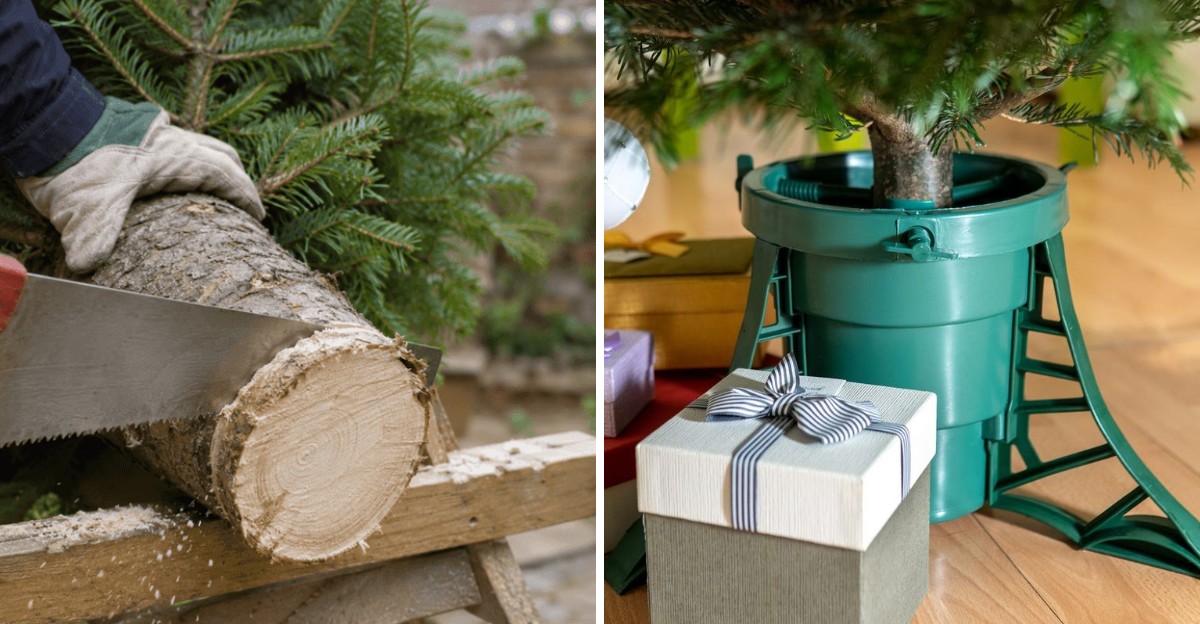
A freshly cut evergreen in your living room can gulp close to a gallon of water during its first few days. That sounds like a lot until you learn how quickly sticky sap can seal a trunk shut.
Extension experts explain that letting the stand run dry for just a few hours can seal the cut end. Pennsylvania furnaces add another challenge, since forced warm air pulls moisture from needles faster than most people expect.
It’s fascinating that such a big, proud tree depends on tiny tubes just beneath its bark. Luckily, you can protect them with a few simple habits that cost almost nothing beyond a little daily attention.
Plenty of Pennsylvania families still sweep up a carpet of brown needles long before the holidays end.
What separates a tree that stays plush into January from one that crumbles by mid-December?
1. Choose A Fresh Fir With Springy Green Needles
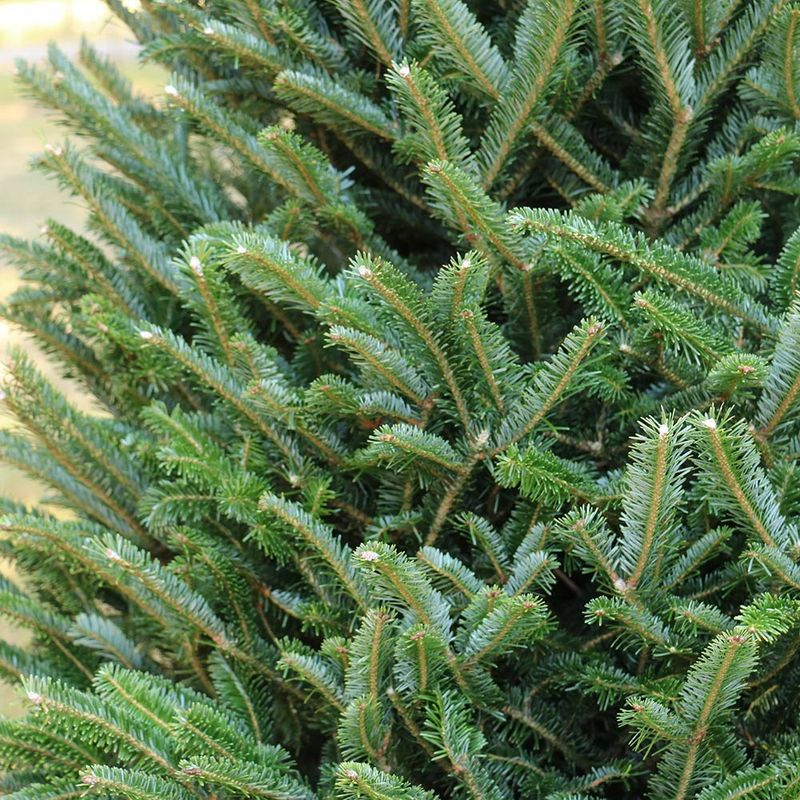
Run your hand along a branch on the lot, and a fresh tree feels springy instead of brittle. My favorite test is a gentle tug, since healthy needles should cling tightly and bend rather than snap.
Next, lift the tree a few inches and tap the trunk firmly against the ground a couple times. A few loose brown needles from inside are normal, but a shower of green ones signals trouble.
Take a peek at the cut base before you pay, because it tells a surprisingly honest story. Pale, moist wood hints at a recent harvest, while dark and crusty wood suggests the tree sat awhile.
Species matters too, and some evergreens simply hold their needles longer than others in warm rooms. Fraser fir, Nordmann fir, Douglas-fir, and Scotch pine all earn praise from growers for strong needle retention.
Pennsylvania has many choose-and-cut farms, giving you a shot at a tree harvested that very morning. I love that option, because a tree that skipped a long truck ride starts the season well hydrated.
Pre-cut lot trees can still be great, especially when they are stored in shade and out of wind. Ask the seller when the trees arrived, and choose one tucked in the middle of a shady stack.
Every tip in this list works better on a tree that starts fresh rather than one already parched. Spend an extra five minutes inspecting, and you will likely enjoy several extra weeks of soft green branches.
2. Saw A Straight Fresh Cut Across The Tree Trunk
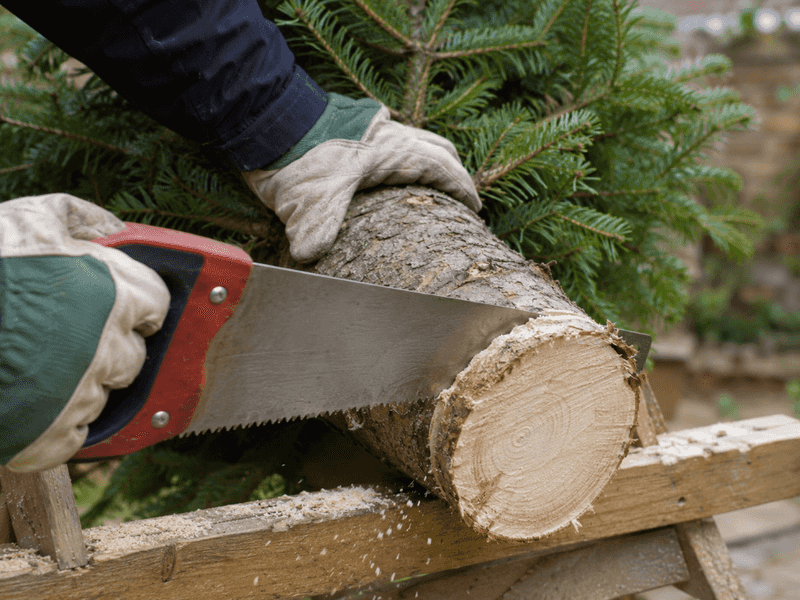
Sap is a sneaky little sealant, and it starts clogging the cut end soon after harvest. That sticky plug blocks water from moving up the trunk, even when the stand is filled to the brim.
Fixing it is easy with a handsaw, and it takes maybe two minutes in the driveway or garage. Remove a disk about half an inch to one inch thick from the bottom just before setting up.
Keep the cut straight across the trunk, at a right angle to the stem, rather than slanted. Angled or V-shaped cuts look clever, yet they do not help water uptake and make the tree wobble.
I wouldn’t necessarily say the lot’s cut is useless, but home cuts give you better control over timing. Many sellers will trim the trunk for you, which helps if you head straight home and set up quickly.
Resist the urge to shave or whittle the bark so a chunky trunk fits a narrow stand. The outer layers of wood carry most of the water, so stripping them away starves the needles.
Buy a stand that fits your tree instead, and measure the trunk width before heading out shopping. A snug fit holds the tree upright without forcing you to carve away the parts that drink.
Wear gloves while sawing, since fresh resin clings to skin and clothes like stubborn pine-scented glue. A little rubbing with cooking oil loosens sap from hands nicely, so keep a bottle near the sink.
3. Set The Trunk In A Water-Filled Tree Stand Fast
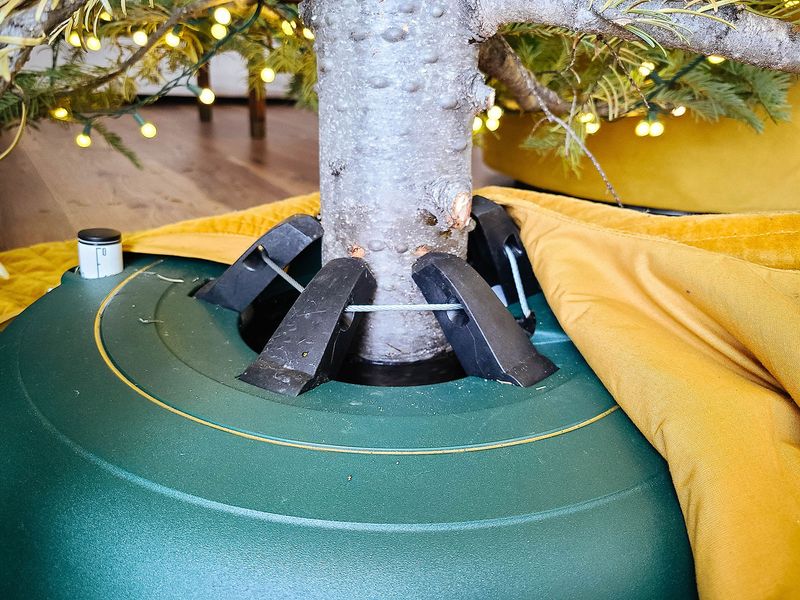
Timing is everything once that saw blade finishes its work and the fresh wood meets open air. Get the trunk into water within a few hours, while those freshly opened pores are still ready to sip.
Wait longer than six to eight hours, and many growers recommend making another fresh cut before standing it. I know that sounds fussy, but it beats watching the tree shed needles onto your presents later.
Stand size matters more than people expect, because a thirsty tree can empty a small bowl overnight. Experts suggest a reservoir holding about one quart of water for every inch of trunk diameter.
A tree with a four-inch trunk could need around a gallon per day during that first stretch. Small decorative stands often hold far less, so check the label before trusting a pretty one.
You might find it hard to believe, but plain tap water is the best drink you can offer. University research shows sugar, aspirin, bleach, and commercial preservatives do not keep trees fresher than water alone.
Skipping those home remedies saves money and saves you from mixing odd potions in the living room. Water temperature does not matter much either, so warm or cold from the tap works just fine.
Fill the stand slowly with a watering can that has a long spout to reach under low branches. A turkey baster helps pull out spills, and a towel under the stand protects your floors nicely.
4. Check The Christmas Tree Stand Water Every Morning
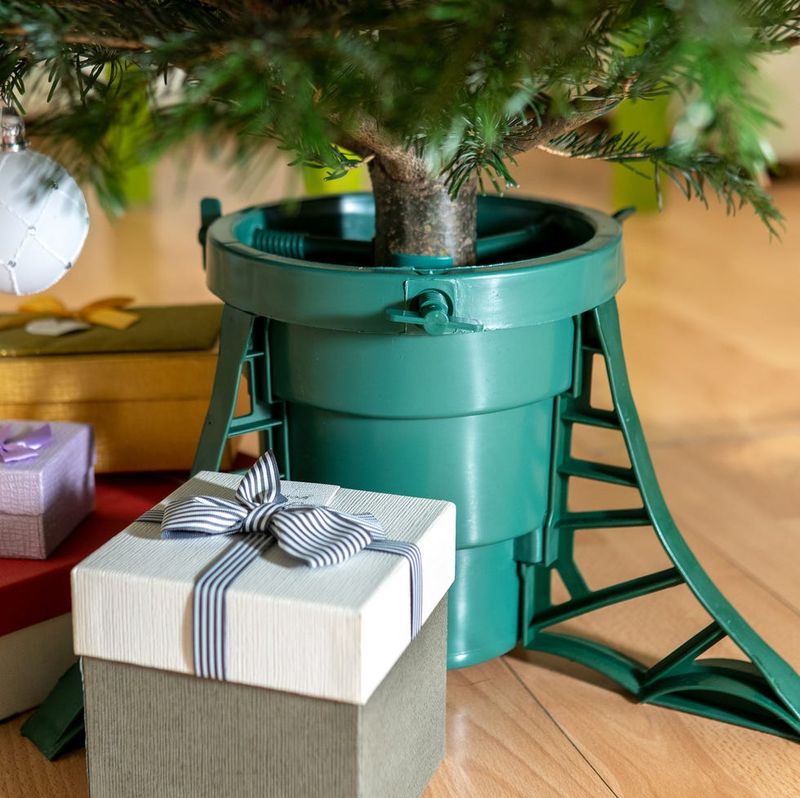
Fresh trees are surprisingly greedy drinkers, and the first week usually brings the biggest gulps of all. I like checking the stand each morning with coffee, then peeking again before bed during those early days.
Twice daily checks may feel excessive, yet they catch low water before trouble starts quietly building. A dry reservoir lets sap harden over the cut, and that seal blocks future drinks.
Refilling after the seal forms often helps very little, because water cannot easily pass through the hardened resin. Keep the water level above the base of the trunk at all times to avoid that frustrating problem.
Kids can make wonderful helpers here, especially if you turn checks into a small daily holiday job. Give them a measuring cup and a sticker chart, and suddenly the tree has its own tiny caretaker.
Water use often slows after the first week, though it rarely stops while the tree stays healthy. A sudden drop in drinking can signal a sealed trunk, so watch for drooping branches or brittle needles.
Some families use stands with water level indicators, which pop up a little float when refills are needed. Others set phone reminders, and honestly any trick works as long as the habit sticks for weeks.
Heading out of town for a few days requires extra planning to keep that reservoir from running empty. Ask a neighbor to stop by, or set up a larger reservoir system that feeds the stand automatically.
5. Keep The Tree Away From Fireplaces And Heat Vents

That cozy spot beside the crackling fireplace looks lovely on a card, but it bakes your tree slowly. Heat pulls moisture out of needles faster, and the drying shows up as droop and crunchy tips.
Radiators and floor heating vents cause similar trouble, since they blast warm air straight onto low branches. Sunny windows add their own warmth, especially on bright afternoons when sunlight streams across the living room.
I can see why people want the tree framed by a big front window for the neighbors. If that spot sits near a vent, try closing or redirecting the vent with an inexpensive magnetic cover.
Room temperature matters as well, and experts suggest staying below about 65 degrees Fahrenheit when you can manage. Lowering the thermostat overnight or while you are at work gives the tree a welcome break from heat.
Pennsylvania winters push furnaces hard, so the room with your tree may run warmer than you realize. A cheap indoor thermometer placed near the branches tells you exactly what your evergreen experiences each day.
Space heaters deserve special caution, because they dry branches quickly and create a serious fire hazard nearby. Keep any heat source at least three feet away, which matches common advice from fire safety groups.
Moving furniture around might feel like a chore, but a cooler corner pays off with greener branches. Your tree will reward a thoughtful location with fresher scent and fewer needles tangled in the carpet.
6. Run A Cool Mist Humidifier Near The Christmas Tree

Static shocks from the doorknob are a clue that your indoor air has turned seriously dry. Forced-air heating, common in many Pennsylvania homes, pulls humidity down, and evergreen needles feel that change quickly.
Running a humidifier in the same room adds moisture back, and the tree loses water more slowly. I’m pleasantly surprised by how much nicer the whole room feels too, with less itchy skin and fewer shocks.
Place the humidifier a few feet from the branches, so mist does not drip onto lights or ornaments. Clean the tank regularly following the instructions, because standing water can grow mold and bacteria over time.
Shallow bowls of water placed near the tree or on radiators release moisture through simple, steady evaporation. Refill them every day or two, and keep them away from curious pets who might tip them over.
Houseplants grouped nearby help a little too, since leaves release moisture through a process called transpiration. Your Christmas tree does the same thing, adding a small humidity boost while it drinks from the stand.
Many experts suggest indoor humidity between roughly 30 and 50 percent for comfort during winter months. An inexpensive hygrometer shows the current level, so you can adjust the humidifier rather than guessing.
Humidity alone will not rescue a tree with an empty stand, but it supports every other habit. Consider it a gentle bonus that keeps needles softer and the room more pleasant for everyone.
7. Swap Hot Bulbs For Cool LED Christmas Tree Lights
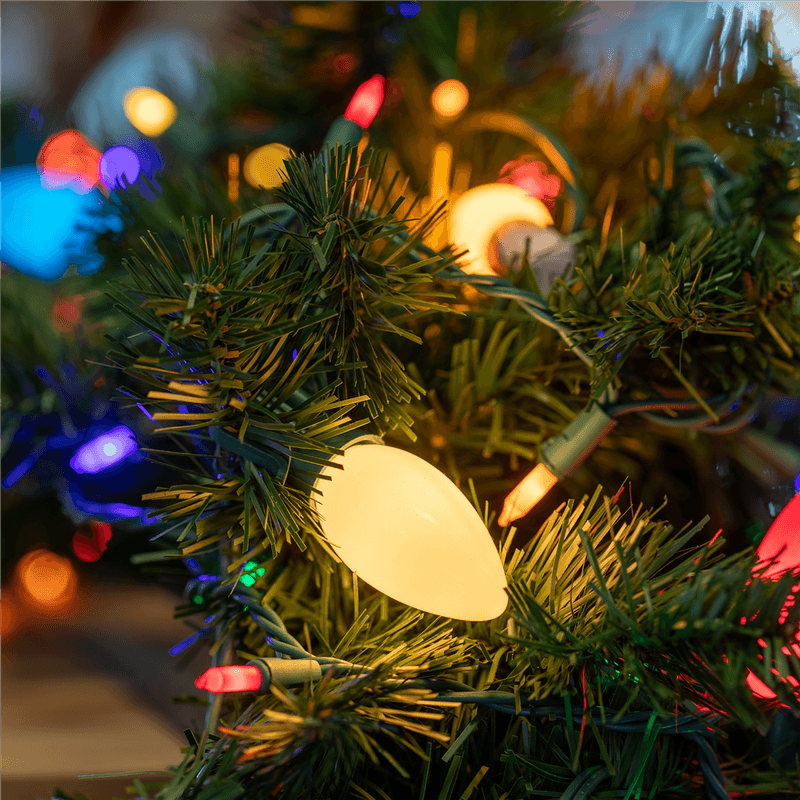
Old-fashioned incandescent bulbs give off a surprising amount of warmth, and your tree feels every bit of it. Touch one after an evening of glowing, and you will understand why branches around it dry faster.
LED lights run much cooler, so they add very little heat to the needles they hug. They also use far less electricity, which makes a noticeable difference on your bill during long December evenings.
Miniature lights are another option, since their tiny bulbs produce less heat than the chunky vintage kind. I still love the nostalgic glow of big bulbs, but I save them for porch railings now.
Turn the lights off before bed and whenever everyone leaves the house, even with cool LED strands. Doing so limits heat exposure for the tree and lowers fire risk, which matters with any electrical display.
A plug-in timer makes this habit easy, switching the lights on at dusk and off at bedtime. Smart plugs work well too, letting you control the display from your phone while running holiday errands.
Inspect every strand before decorating, and replace sets with cracked sockets or frayed wires right away. Look for a label from a recognized testing lab, which shows the lights met basic safety standards.
Cool lights and a well-watered trunk work as a team to keep branches flexible and fresh. Families who make the switch often notice fewer crispy needles near the brightest spots on the tree.
8. Let The Tree Rest In A Garage Water Bucket First
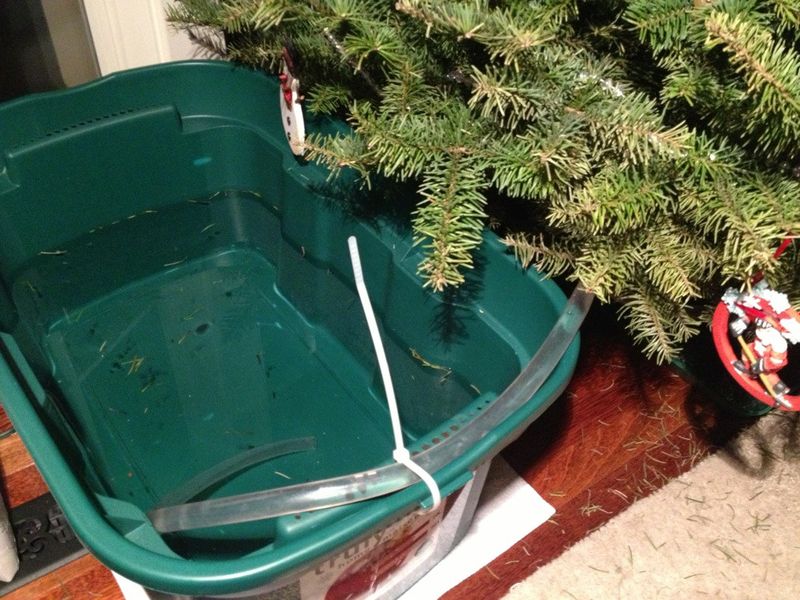
Bringing a tree home on Saturday does not mean it needs to stand in the living room that night. A cool garage or sheltered porch makes a perfect waiting room while you clear space and untangle lights.
Make a fresh cut, then stand the trunk in a bucket of water so it keeps drinking while waiting. Keep the spot out of wind and direct sun, since both can dry out branches surprisingly fast.
A day or two in that cooler air lets the branches settle down and rehydrate before the big move. I like giving the tree a quick shake outside too, which drops loose needles before they hit the rug.
Living trees sold balled and burlapped need even more patience, because they plan to return to the yard. Experts suggest one to two weeks in an unheated garage or porch to help them adjust gradually.
Once inside, a living tree should stay indoors only about seven to ten days to protect its future. Warm rooms can trick it into breaking dormancy, which leaves tender growth exposed when it returns outdoors.
Pennsylvania ground often freezes in winter, so many gardeners dig the planting hole in fall before the soil hardens. Keep the removed soil in a garage or covered bin, where it stays workable for planting day.
Choose a native species like eastern white pine or eastern red cedar when buying a living tree for replanting. That little bit of planning gives your holiday centerpiece a second life growing in your own backyard.