What Lancaster County Farmers Do With Vegetables That Other Pennsylvania Gardeners Should Copy

Lancaster County has been growing food seriously for a very long time, and it shows. The vegetable-growing culture in this part of Pennsylvania runs deep, and the habits behind it are not complicated or particularly mysterious.
Cover crops, crop rotation, drip irrigation, mulch, succession planting, these are practical, time-tested routines that keep soil healthy and harvests steady season after season.
Not every Lancaster County farmer runs the exact same operation, but the region’s agricultural tradition has shaped a set of common-sense habits that translate remarkably well beyond the farm fence.
Home gardeners working with raised beds, backyard plots, or small kitchen gardens can adapt these ideas without a tractor or a barn. Testing soil before adding fertilizer, keeping a simple garden map, cleaning up beds at season’s end.
The scale changes, but the thinking behind it stays just as useful.
1. Use Cover Crops To Protect Soil
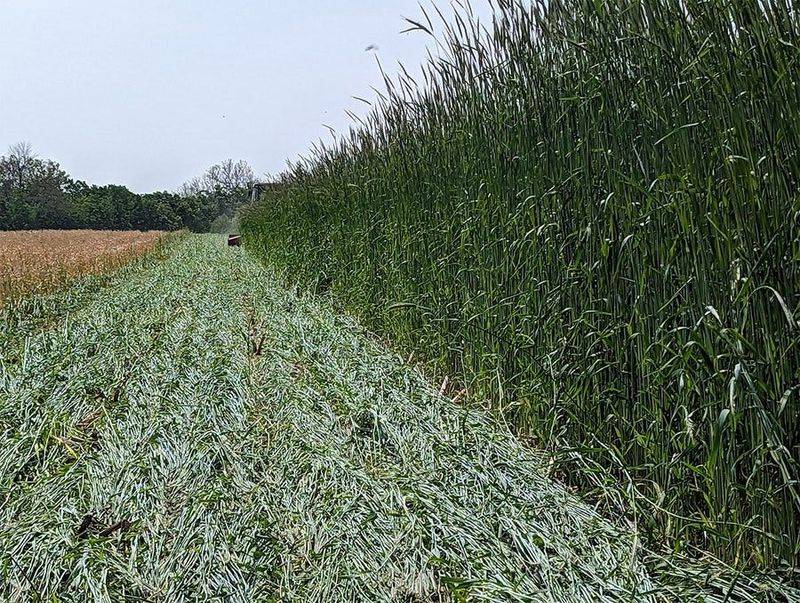
Bare vegetable beds after harvest can look like the garden is resting, but the soil underneath is actually exposed to rain, wind, and temperature swings that can wash away nutrients and compact the surface over time.
Many Lancaster County farmers address this by planting cover crops as soon as a vegetable bed opens up in fall.
Cover crops are plants like winter rye, crimson clover, or oats that are grown not to eat, but to protect and improve the soil beneath them.
For Pennsylvania home gardeners, cover crops are one of the simplest ways to keep vegetable garden soil in better shape between growing seasons.
A cover crop holds the soil in place, adds organic matter when it is turned in, and can even help reduce weed pressure the following spring.
Winter rye, for example, is a hardy option that handles Pennsylvania winters well and is easy to find at local farm supply stores.
Gardeners with raised beds or small backyard plots can use cover crops just as effectively as large-scale farmers, just on a smaller scale. The key is planting early enough in fall to give the cover crop time to establish before cold weather settles in.
Turning the cover crop into the soil a few weeks before spring planting gives the organic matter time to break down. Starting with just one or two beds is a low-pressure way to try this Lancaster County habit.
2. Rotate Vegetable Families Each Season
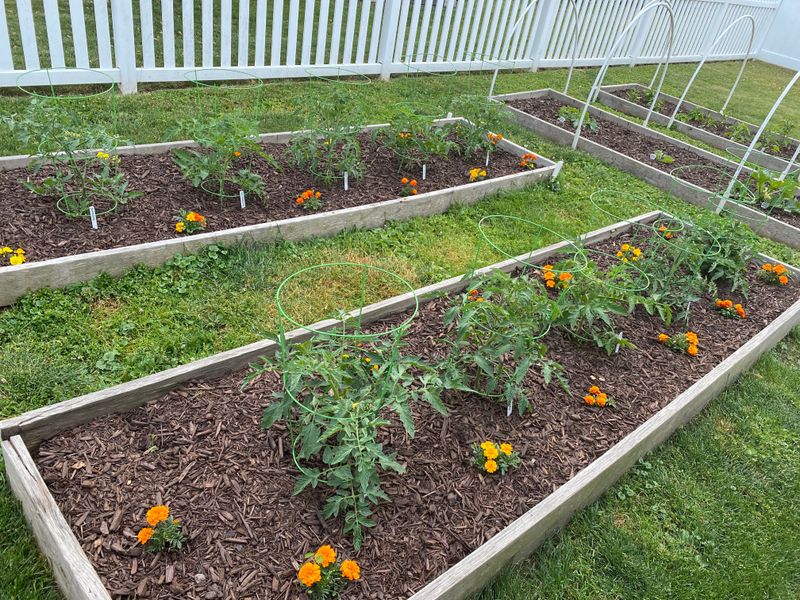
Tomato rows moving to a new spot each spring is one of the most reliable habits you will notice among experienced vegetable growers in Lancaster County.
Crop rotation, which means avoiding planting the same vegetable family in the same ground year after year, is a cornerstone of sound vegetable gardening.
The reason behind it is straightforward: certain soil problems, pests, and diseases tend to build up in soil where the same plant family has grown repeatedly.
Vegetable plants belong to families, and plants within the same family share similar vulnerabilities. Tomatoes, peppers, eggplants, and potatoes all belong to the nightshade family, for example.
Planting any of these in the same bed year after year can allow problems specific to that family to accumulate in the soil over time. Moving them to a different bed and replacing them with a different family, like beans or squash, helps break that cycle.
Your Pennsylvania Garden Changes Every Week. Your Plan Should Too.
Gardening in Pennsylvania changes quickly throughout the season. Every Friday you’ll receive a simple weekly plan showing exactly what to plant, prune, fertilize, harvest, and protect so you never miss the right timing.
For Pennsylvania home gardeners working with raised beds or small kitchen gardens, rotating even two or three different vegetable families between beds from season to season can make a noticeable difference.
Keeping a simple list of what grew where each year makes rotation much easier to track.
Gardeners do not need a complicated system to benefit from this habit. Even a rough plan that moves nightshades, brassicas, and legumes around in a loose three or four year rotation can support healthier vegetable beds over time.
3. Use Drip Irrigation Instead Of Overhead Sprinkling
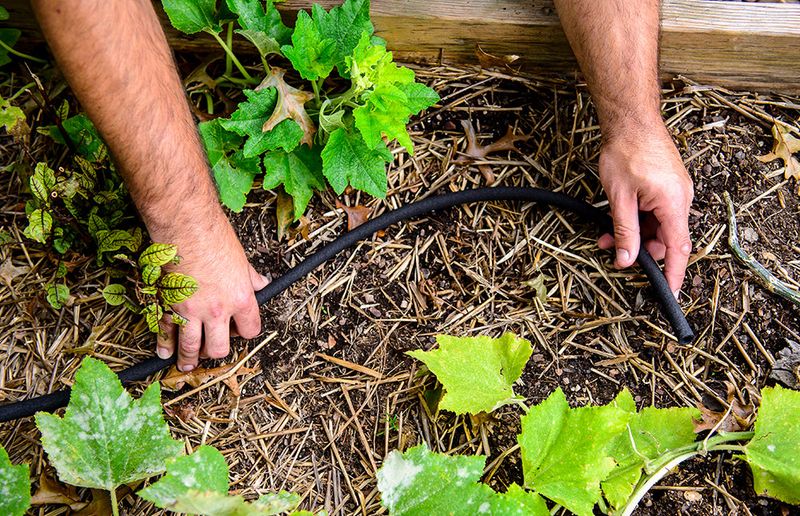
Drip lines running quietly under a layer of mulch in a Lancaster County vegetable field are easy to overlook, but they represent one of the most practical watering decisions a grower can make.
Drip irrigation delivers water slowly and directly to the root zone of plants rather than spraying it over leaves and stems.
This difference matters more than many home gardeners realize, especially during Pennsylvania’s warm, humid summers.
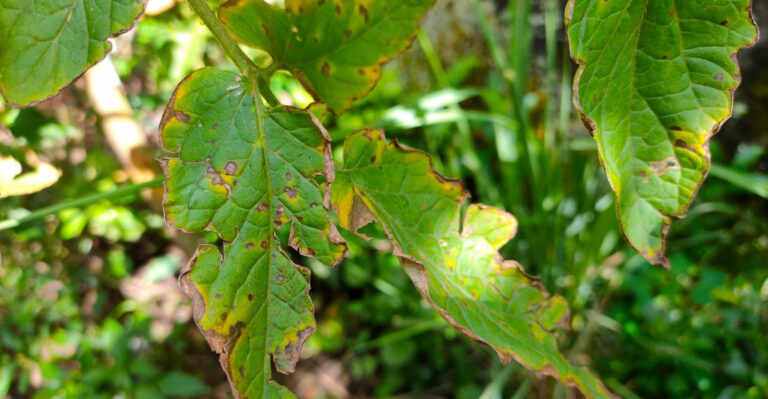
Overhead sprinkling wets plant foliage, which can encourage fungal problems like blight on tomatoes and mildew on squash. Drip irrigation keeps leaves dry while making sure roots receive consistent moisture.
It also tends to waste less water because it targets the soil rather than the air around the plants. During dry stretches between summer rains in Pennsylvania, efficient watering becomes especially valuable for keeping vegetable plants productive.
Home gardeners do not need a professional irrigation system to apply this idea. Simple soaker hoses, which are widely available and affordable, work on the same principle as drip irrigation and are easy to lay along vegetable rows or around raised bed plantings.
Connecting a soaker hose to a basic timer makes consistent watering even easier to manage without standing over the garden with a hose each evening.
Covering the soaker hose with a layer of mulch after laying it down helps keep moisture in the soil longer, which pairs this habit well with the mulching practice used across Lancaster County vegetable operations.
4. Mulch Vegetable Beds To Hold Moisture And Reduce Weeds
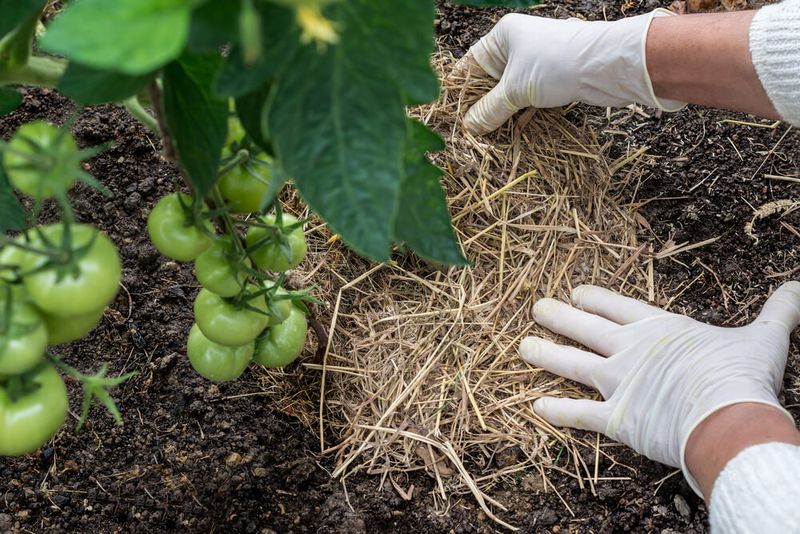
Dry soil between summer rains is one of the most familiar frustrations for vegetable gardeners across Pennsylvania, and mulch is one of the most reliable tools for managing it.
Lancaster County growers often apply mulch to their vegetable beds to slow moisture loss from the soil surface, moderate soil temperature, and reduce the number of weeds competing with vegetable plants for water and nutrients.
Straw is one of the most common mulch materials used in vegetable gardens because it is affordable, easy to spread, and breaks down over time to add organic matter to the soil.
Wood chip mulch, shredded leaves, and even newspaper layers topped with straw can all serve a similar purpose in a home vegetable garden.
The goal is to cover the bare soil between plants with a layer thick enough to shade out weed seeds and slow evaporation, typically around two to three inches deep.
Pennsylvania home gardeners who add mulch to their vegetable beds often find they water less frequently because the soil holds moisture longer between rain events.
Mulch also makes the garden more forgiving during busy weeks when regular watering is harder to keep up with.
One thing to keep in mind is leaving a small gap between the mulch and the base of plant stems, since mulch pressed directly against stems can hold too much moisture against the plant.
Applying mulch after the soil has warmed in late spring tends to give vegetable beds the most benefit through the summer months.
5. Plan Succession Plantings For A Longer Harvest
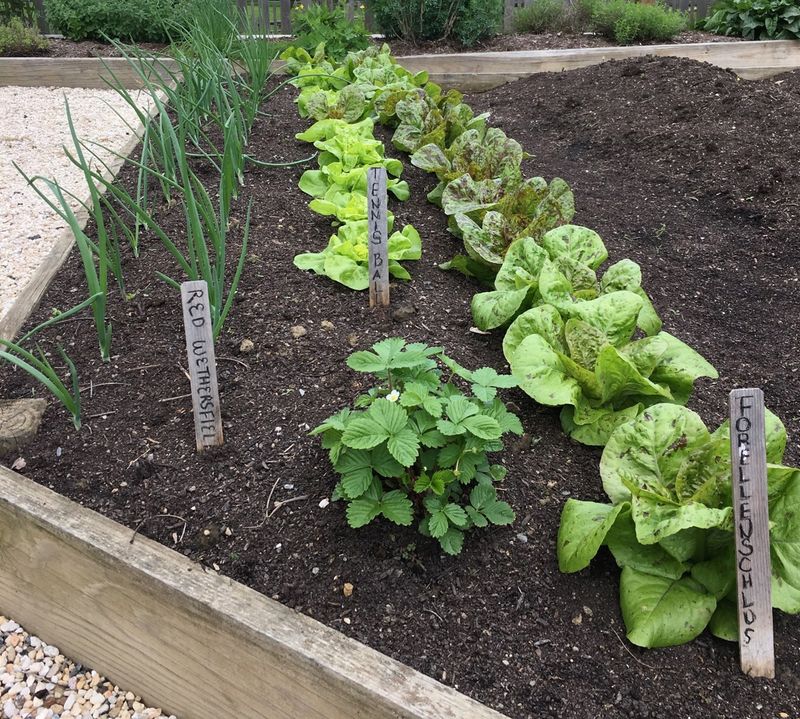
Quick fall crops planted right after spring vegetables finish is a scheduling habit that Lancaster County growers use to keep their fields producing across a longer window.
Succession planting means sowing or transplanting small batches of the same vegetable every two to three weeks rather than planting everything at once.
The result is a steady, spread-out harvest instead of a single overwhelming flush of produce followed by an empty bed.
Lettuce, radishes, beans, and salad greens are among the easiest vegetables to succession plant in a Pennsylvania home garden. Rather than sowing an entire packet of lettuce seeds on one day, a gardener might plant a short row every two weeks starting in early spring.
By the time the first row bolts in summer heat, a second and third planting are still producing tender leaves. The same idea applies to beans, which can be sown in small batches from late spring through midsummer for a longer picking season.
Succession planting works especially well in raised beds and small kitchen gardens where space is limited and making the most of each square foot matters.
It also helps reduce food waste because a steady trickle of ripe vegetables is easier to use than a sudden surplus.
Pennsylvania’s growing season, with its warm summers and mild shoulder seasons in spring and fall, offers a generous window for succession planting most cool-season and warm-season vegetables.
Starting with one or two crops and adding more variety each year makes this habit easier to build gradually.
6. Test Soil Before Adding Fertilizer
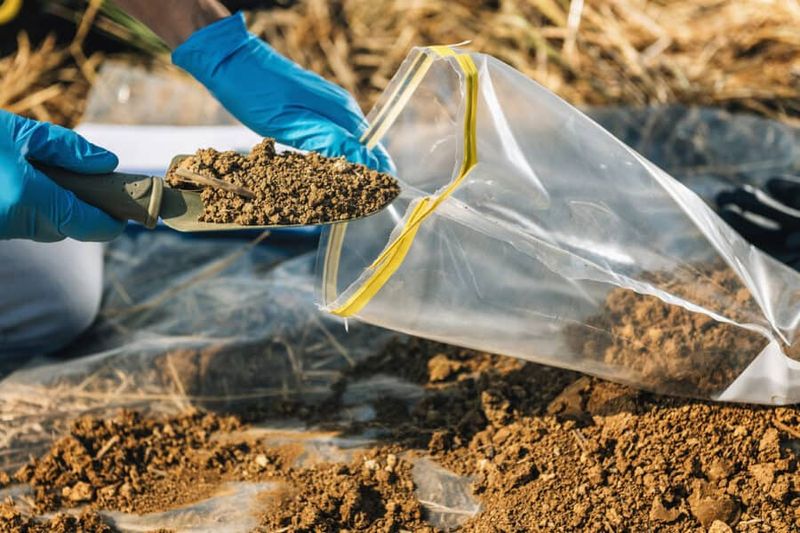
Soil test results sitting on a kitchen table might not look like a gardening tool, but for many experienced vegetable growers in Lancaster County, testing the soil is the first step before any fertilizer goes into the ground.
A basic soil test measures pH and the levels of key nutrients like phosphorus, potassium, and sometimes nitrogen in the soil.
The results take the guesswork out of fertilizing by showing what the soil actually needs rather than what a gardener assumes it needs.
Adding fertilizer without knowing the soil’s current nutrient levels can lead to imbalances. Too much phosphorus, for example, can interfere with a plant’s ability to take up other nutrients.
Too little calcium can contribute to problems like blossom end rot in tomatoes and peppers. A soil test gives Pennsylvania home gardeners a clearer picture of what amendments will actually help their vegetable beds and which ones are unnecessary.
Penn State offers a soil testing service that is accessible to Pennsylvania home gardeners, and the cost is modest compared to the money that can be saved by not buying fertilizers the soil does not need.
Most recommendations suggest testing vegetable garden soil every two to three years, though testing after a significant change like adding large amounts of compost or wood ash can also be useful.
Following the amendment rates suggested by the soil test results rather than applying more than recommended gives vegetable beds the best chance of staying in good nutritional balance through the growing season.
7. Keep A Simple Garden Map Each Season
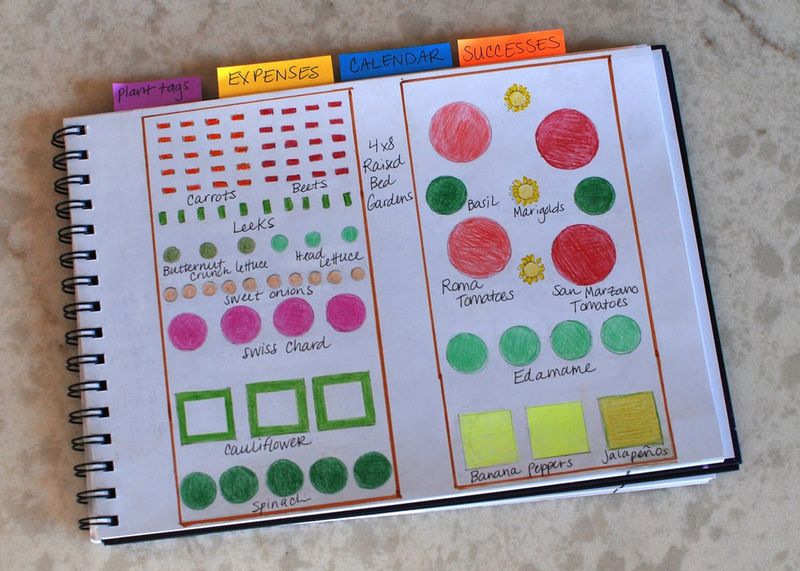
A simple pencil sketch of a raised bed layout might seem like an unnecessary extra step, but vegetable growers who keep even a rough garden map season after season quickly realize how useful that information becomes.
Knowing where tomatoes, beans, brassicas, and squash grew the previous year makes planning crop rotation much easier the following spring.
Without some kind of record, it is surprisingly easy to forget which beds held which vegetables just a few months earlier.
Lancaster County growers managing multiple fields often rely on detailed records to stay organized, but a home gardener does not need anything elaborate to get the same benefit.
A hand-drawn sketch on a piece of graph paper, a simple note in a phone app, or a basic spreadsheet can all serve the purpose.
The map just needs to show which vegetable families grew in which beds or rows so that next season’s planting can move them to a new location.
Beyond helping with rotation, a seasonal garden map gives Pennsylvania vegetable gardeners a way to track what worked well and what did not from year to year.
Notes about which varieties performed best in a particular spot, where drainage problems appeared, or which beds had the most weed pressure add up to a useful picture over time.
Starting with a simple sketch at the beginning of each season and updating it as planting changes happen is enough to build a practical record without making the process feel like homework.
Even a rough map is far more helpful than relying on memory alone.
8. Clean Up Vegetable Beds Well At Season’s End
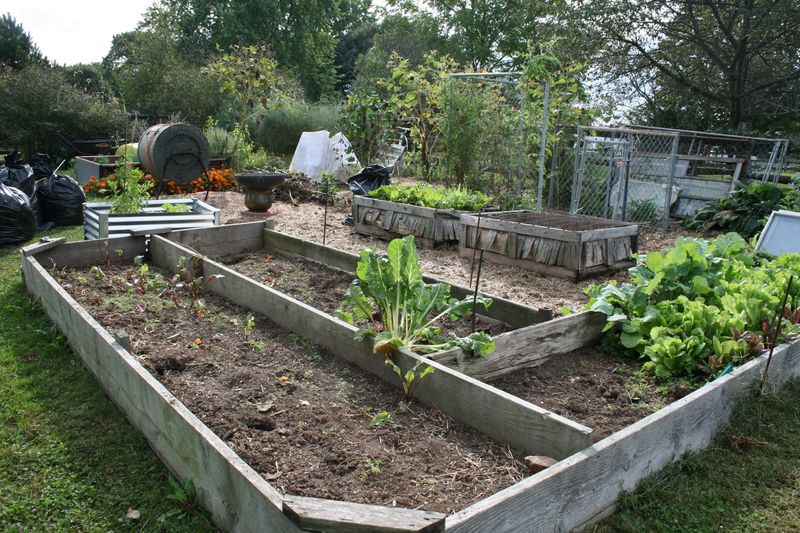
Vegetable debris left in garden beds after the season ends is one of the most common oversights in home vegetable gardens across Pennsylvania.
Old plant stems, fallen leaves from vegetable plants, and leftover fruit on the soil surface can harbor overwintering problems that show up again the following spring.
Taking time in fall to clear out spent plants, pull up roots, and remove debris gives vegetable beds a cleaner start when planting season returns.
Lancaster County vegetable growers typically clear their fields at season’s end as a routine part of farm management.
On a home garden scale, the same habit involves pulling out finished tomato, pepper, squash, and bean plants and removing them from the bed rather than leaving them to break down in place.
Plant material that appears healthy can often go into a compost pile, though material that showed signs of disease is better disposed of away from the garden to avoid spreading problems.
Cleaning up beds also gives Pennsylvania gardeners a good opportunity to assess the soil before winter.
After clearing out old plants, it is a natural time to add a layer of compost, plant a cover crop, or apply a light mulch of shredded leaves to protect the soil surface through the colder months.
A tidy bed heading into winter is also simply easier to work with the following spring, since there is less to clear away before planting can begin.
Building this cleanup habit into the end of each garden season tends to pay off in more manageable beds the following year.