How to Make a Holiday Wreath From Texas Native Greens and Berries
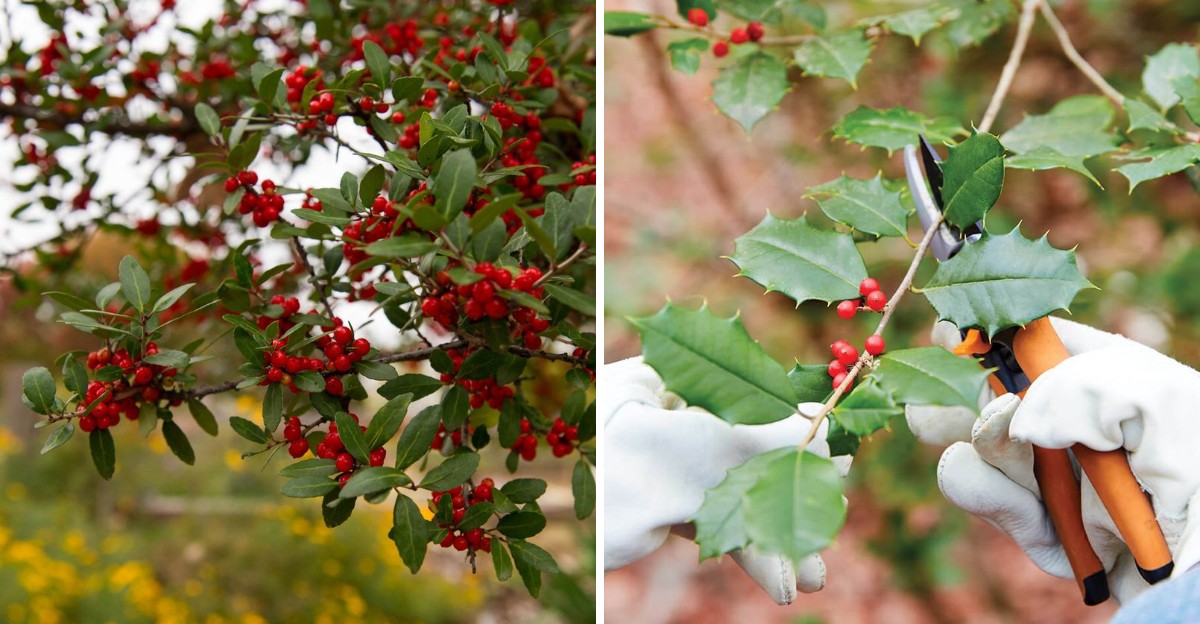
One scruffy shrub growing wild along Gulf Coast fence lines is the only plant native to North America known to contain caffeine. Birds don’t care about that buzz, though.
They’re after the glossy red berries that hang on all winter.
It’s always surprising how much color hides in a Texas winter. Silver leaves, blue waxy fruit, and bare stems loaded with scarlet beads show up right when most yards look tired and brown.
You don’t have to look far for wreath supplies, either. Some of the best grow in backyards, pastures, and along creek banks, and a pair of pruners plus a little know-how can turn them into a front door showpiece that smells like a forest walk.
Which branches hold up best, which berries are safe to handle, and which pretty shrubs should stay far away from your wreath? The answers might change the way you see your own yard.
1. That Scraggly Yaupon Holly by the Fence Might Be Your Best Wreath Supply
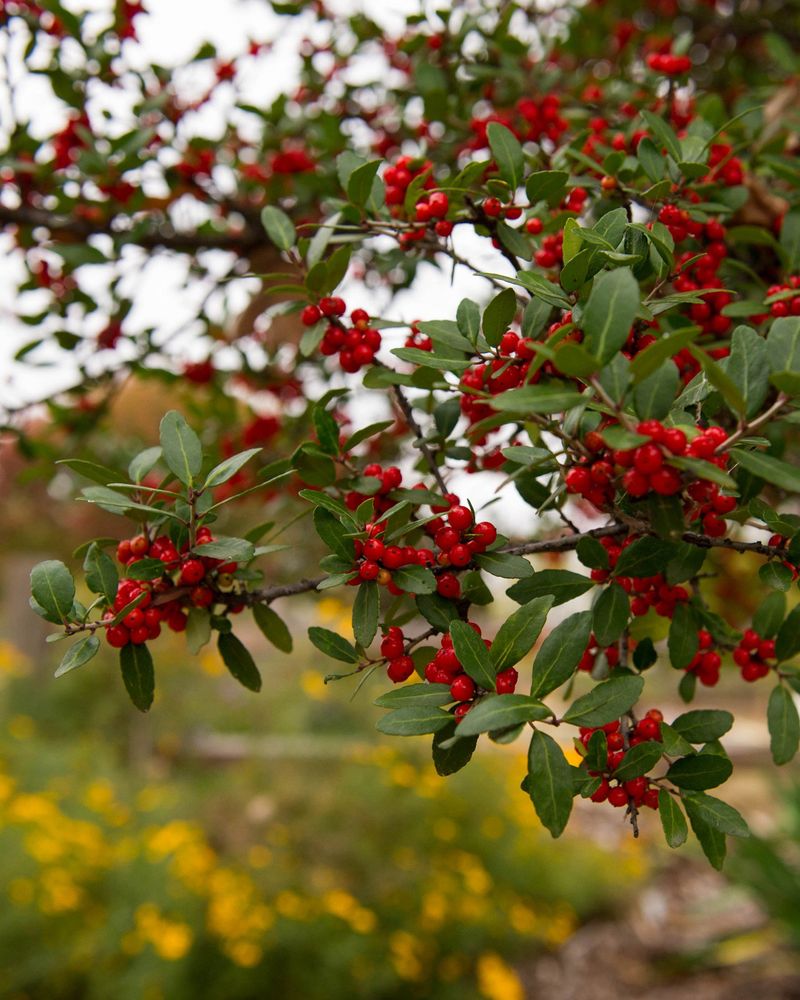
Plenty of gardeners walk right past yaupon holly without a second look. I did for years, until a December cold snap left one shrub in my yard glowing with red berries while everything else turned gray.
Yaupon (Ilex vomitoria) is native to East and Central Texas and much of the Southeast. Its small, glossy leaves stay green all winter, and its stems are flexible enough to bend around a wreath frame without snapping.
That combination makes it a top pick for both greenery and color in a single cut.
Here is the catch most folks miss. Only female yaupon plants produce berries, so a shrub with no red dots may simply be a male.
Cultivars like ‘Pride of Houston’ and ‘Nana’ vary too, since many dwarf forms rarely fruit at all.
Fun fact for your next holiday party: yaupon is the only plant native to North America known to contain caffeine. Native peoples brewed its leaves into a tea for centuries, and small farms sell yaupon tea today.
The berries are a different story. They can upset a stomach if eaten, so hang your wreath where curious toddlers and pets can’t reach it.
Birds like cedar waxwings and mockingbirds love them, though, which is a sweet reason to leave plenty on the shrub when you snip.
2. Cedar, Wax Myrtle, and Magnolia Branches Build a Sturdy Green Base
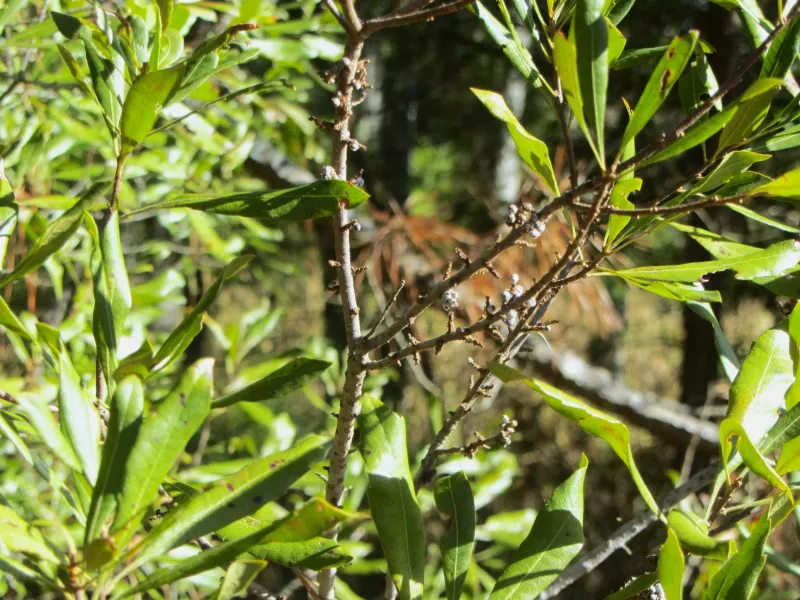
Every good wreath needs a backbone, and native evergreens supply it in style. Think of these branches as the bread in a sandwich, holding all the tasty extras in place.
Eastern red cedar is my first grab. Its soft, scaly foliage smells wonderful, and female trees carry small dusty-blue cones that look just like berries.
In the Hill Country, Ashe juniper works the same way, though its pollen can bother allergy sufferers in winter.
Wax myrtle is the underrated star. Its narrow, olive-green leaves release a spicy scent when you brush them, and female plants hold clusters of pale blue-gray fruit.
Colonists once boiled those waxy fruits to make bayberry-scented candles.
Want drama? Southern magnolia, native to East Texas, has big leathery leaves with shiny green tops and fuzzy bronze undersides.
Flip a few leaves over as you work for a rich two-tone look.
A few more natives that hold up nicely:
Cherry laurel brings glossy, dark leaves. Live oak sprigs add small, tough leaves with a rustic feel.
Cenizo offers soft silver foliage that brightens the darker greens.
Aim for a mix of at least two or three textures. Fine needles next to broad leaves keep the eye moving and make a homemade wreath look like it came from a fancy florist.
3. Possumhaw Stems Loaded With Red Berries Steal the Whole Show
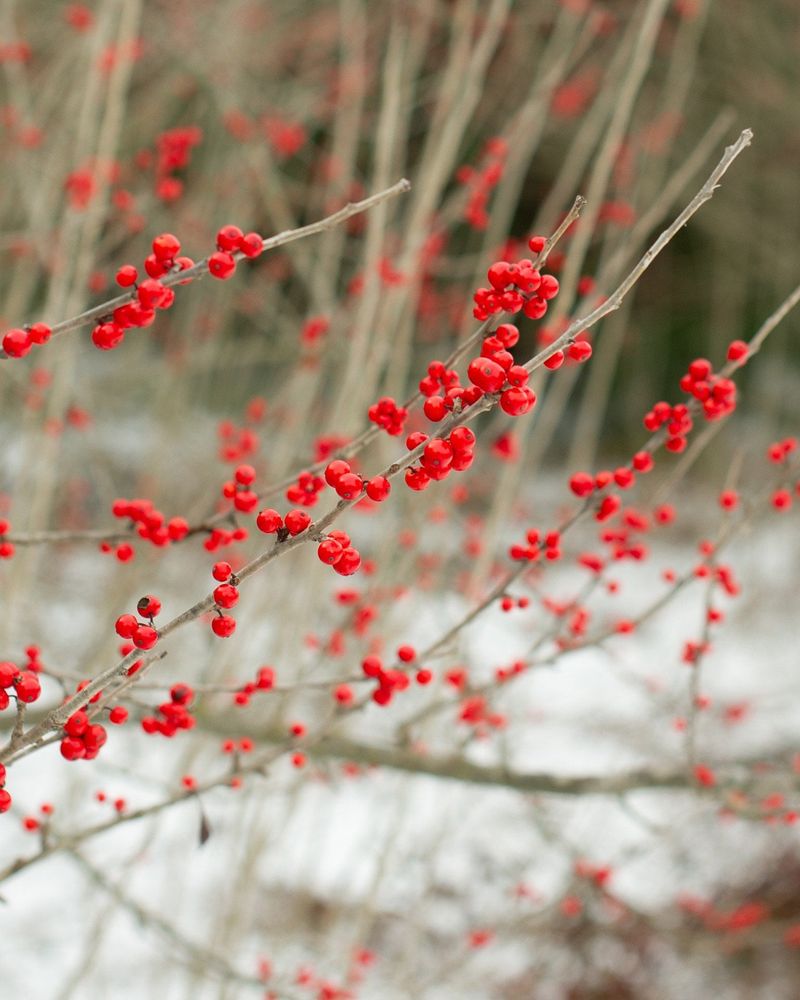
Possumhaw looks like someone strung tiny red ornaments on a bare twig. When the leaves drop in late fall, the berries stay behind, and the effect is pure holiday magic.
This deciduous holly (Ilex decidua) grows wild across much of the eastern two-thirds of Texas, often along creeks and woodland edges. Since there are no leaves in the way, a single stem tucked into your wreath gives you a clean burst of color.
Like yaupon, only female plants carry fruit.
Colors vary more than you might expect. Most possumhaw berries are scarlet, but selections such as ‘Warren’s Red’ are prized for heavy crops, and a few yellow or orange types pop up in nurseries.
Berry clusters on yaupon offer a slightly different look, packed tightly among leaves. Using both gives your wreath depth, with bold red spikes from possumhaw and cozy red clumps from yaupon.
A quick handling tip makes a big difference. Cut stems with berries a bit longer than you need, then trim them at the table.
Short, stubby pieces tend to fall out once the wreath starts drying.
Remember that holly berries aren’t for people to eat. Wildlife, though, depends on them through the lean months, so take a few stems from each plant rather than stripping one bare.
4. Gather Native Branches Only Where Someone Says Yes
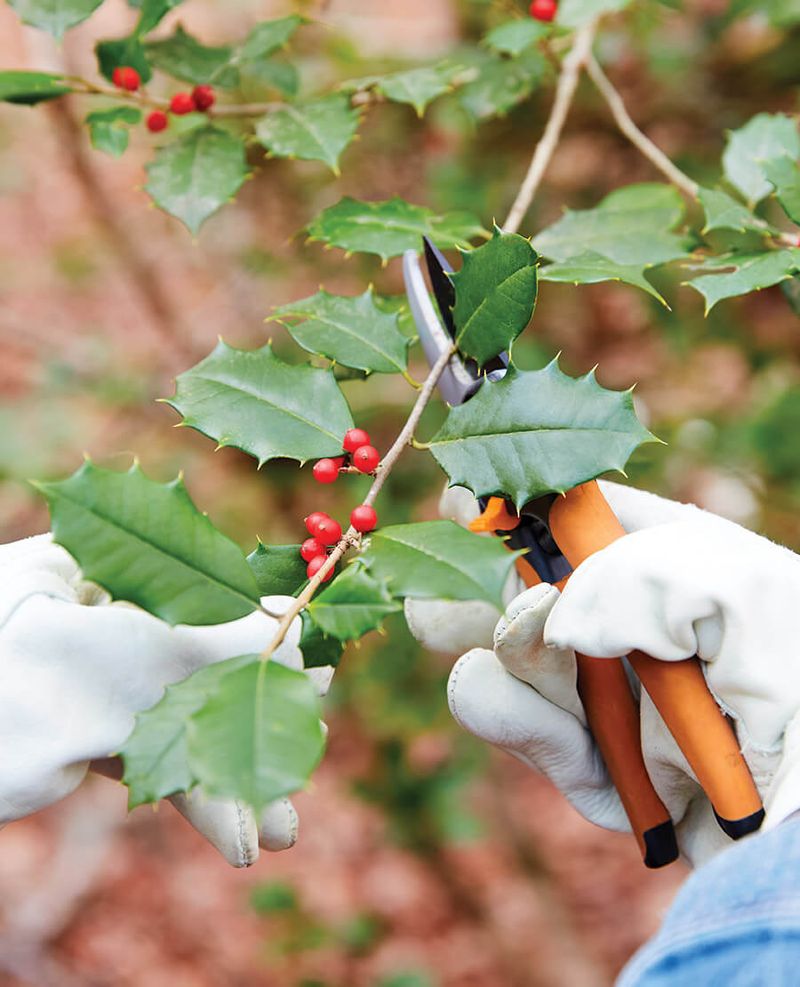
Honestly, the easiest wreath material grows in your own yard. Your shrubs, your rules, and no awkward conversations with a park ranger.
Collecting plants in Texas state parks is not allowed without permission, and the same goes for national parks and most nature preserves. City parks usually carry similar rules.
Fines happen, and a pretty wreath isn’t worth one.
National forests, such as Sam Houston and Davy Crockett, have their own regulations, so check with the local ranger district before you snip anything there. Rules can change, and a quick phone call clears things up.
Private land is fine with the owner’s blessing. Many ranchers and rural neighbors are happy to share cedar, since it spreads quickly in pastures.
Offering a finished wreath as a thank-you goes a long way.
Roadsides are trickier than people assume. Traffic is a real safety hazard, and the land may belong to a neighbor rather than the state.
Most native plant groups suggest skipping roadside gathering altogether.
Don’t have berry shrubs at home? Native plant nurseries and local chapters of the Native Plant Society of Texas often sell cut stems or potted yaupon and possumhaw in late fall.
Planting one now means free wreath supplies for years to come, plus a winter snack bar for the birds.
5. Clipping Evergreen Branches the Smart Way Keeps Your Shrubs Happy
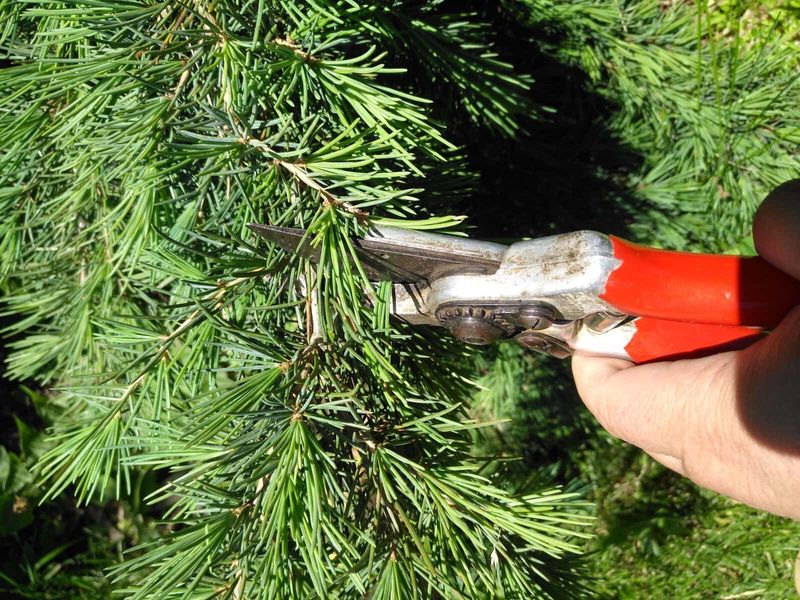
Snipping greenery is basically light winter pruning, so you might as well do it in a way your shrubs appreciate. A few careful cuts now can leave plants fuller next spring.
Start with sharp, clean bypass pruners. Dull blades crush stems, and crushed stems drink water poorly, which means your wreath wilts faster too.
Cut each branch just above a side shoot or leaf bud, not in the middle of a bare stretch. Stubs left behind look ragged and heal slowly.
Reaching into the shrub’s interior, instead of shearing the outside, keeps its natural shape intact.
Spread the harvest around. A good guideline is to take no more than about a quarter of any one plant, and less on small or young shrubs.
Snipping from the back side keeps the view from your window looking tidy.
Timing helps as well. Cut in the cool morning when stems are full of moisture, then plunge the ends into a bucket of water right away.
Let them soak overnight in a garage or shady porch before you build.
Planning a wreath for Thanksgiving through New Year’s? Gather about two weeks before you want it on the door.
Most native greens stay fresh outdoors for three to four weeks in mild winter weather.
6. Wire Small Bundles of Cedar and Holly Around the Wreath Frame
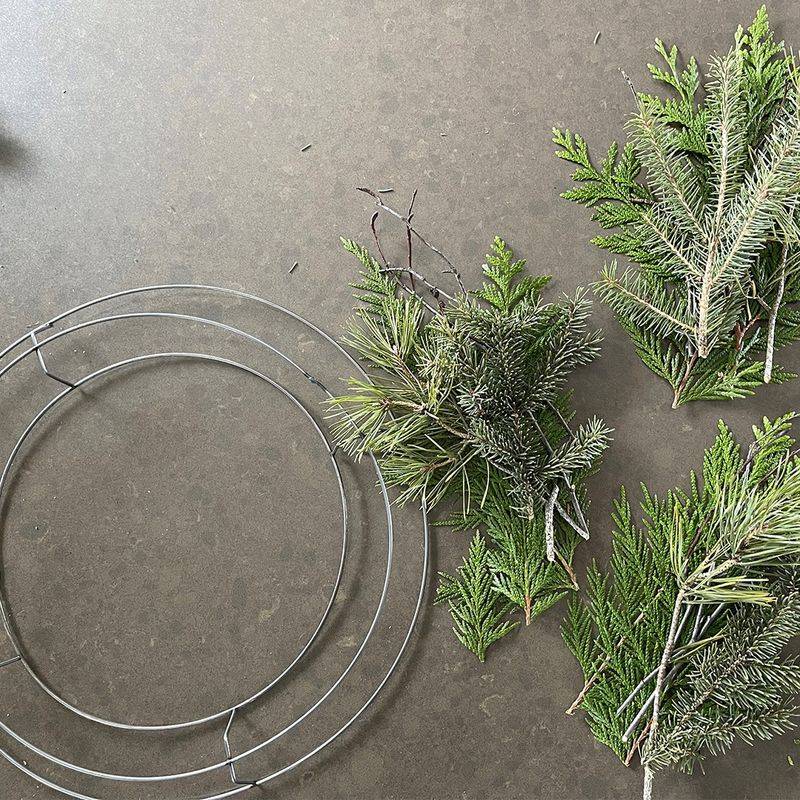
My first wreath looked like a startled porcupine. The fix turned out to be simple: build in small bundles, not one branch at a time.
Gather your supplies first. You’ll need a wire or grapevine frame about 12 to 18 inches across, a paddle of green floral wire, pruners, and gloves.
Flexible native vines like mustang grape can be twisted into a rustic homemade frame if you have access to them.
Cut greens into pieces six to eight inches long. Make little bundles of three to five stems, mixing textures, such as cedar in back, wax myrtle in the middle, and a magnolia leaf up front.
Lay the first bundle on the frame and wrap the stems tightly two or three times with wire. Don’t cut the wire.
Place the next bundle so its leaves cover the stems of the one before it, then wrap again.
Keep going around the circle in the same direction, like shingles on a roof. When you reach the start, gently lift the first bundle and tuck the last stems underneath it.
Hold the wreath up and look for thin spots. A few single sprigs pushed into gaps and secured with a short twist of wire will fill it out nicely.
7. Skip the Nandina and Privet Berries, No Matter How Pretty They Look
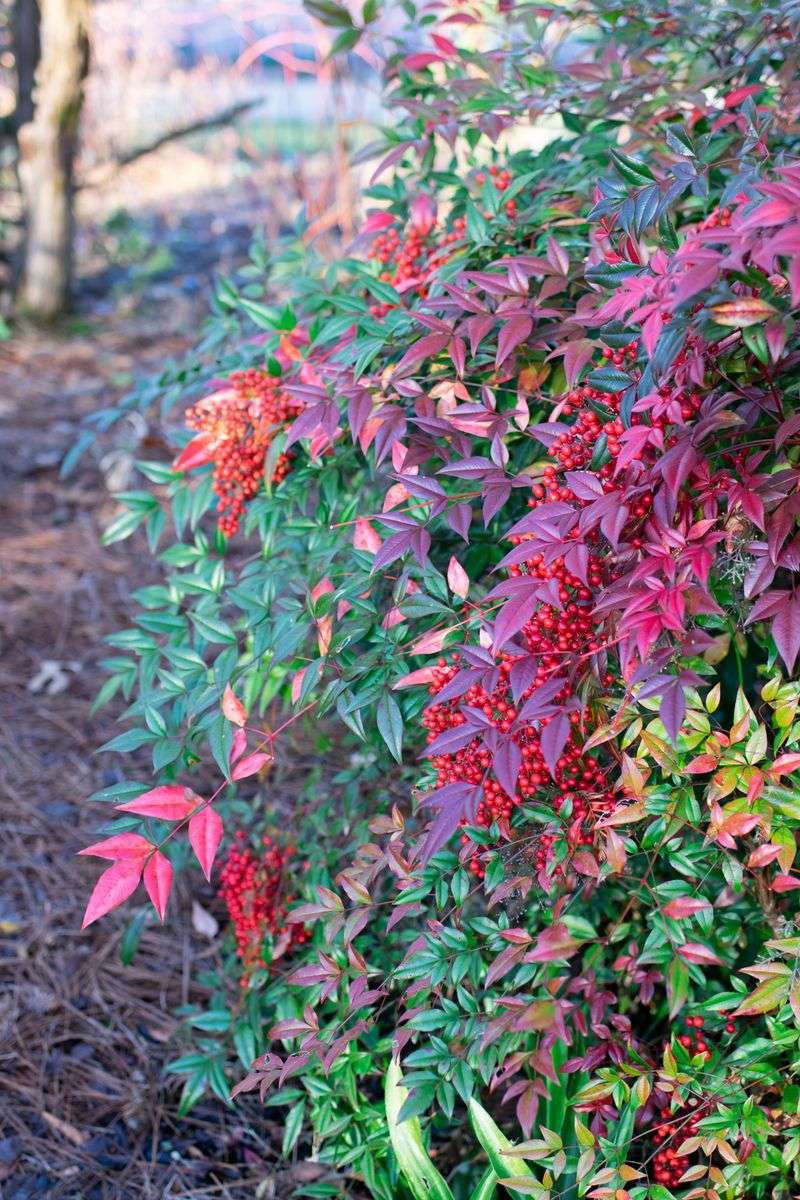
Nandina berries are gorgeous, I’ll admit it. Those heavy red clusters look made for a wreath, which is exactly why they cause trouble.
Nandina, sometimes called heavenly bamboo, is a non-native shrub that escapes yards and spreads into Texas woodlands. Its berries contain compounds that can produce cyanide, and they have been linked to cedar waxwing deaths when birds gorge on them.
Using them in decor also helps spread seeds when old wreaths get tossed outside.
Privet, also known as ligustrum, is another usual suspect. Its dark blue-black berries and glossy leaves are everywhere in older neighborhoods, and birds scatter the seeds far and wide.
It crowds out native understory plants along creeks across the eastern half of the state.
Chinese tallow, the so-called popcorn tree, belongs on the same list. Those white seed clusters look festive, but the tree aggressively takes over prairies and wetlands.
Pyracantha and Chinese photinia also show up as weedy escapes in some areas.
A simple swap solves this. Use yaupon or possumhaw for red, wax myrtle or juniper cones for blue, and cenizo for a frosty silver accent.
Already have nandina in your yard? Many native plant groups recommend replacing it gradually with yaupon.
You get similar color, birds get safer food, and nobody needs to feel guilty about the front door.
8. Keep That Fresh Cedar and Holly Wreath Looking Lively Into January
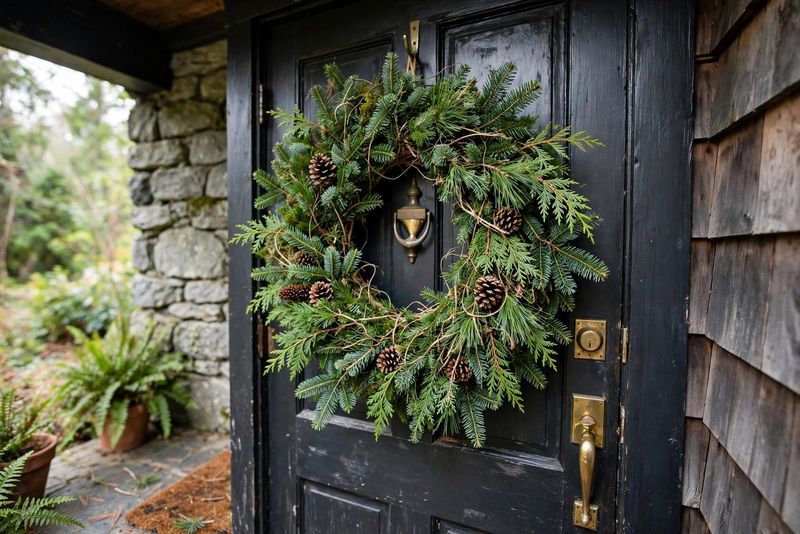
A fresh wreath is a living thing for a little while, and a bit of care stretches that window. Good placement matters more than any spray or trick.
Hang it outside if you can. Cool air and occasional humidity keep greens supple for weeks, while indoor heat dries them out in days.
Avoid spots that bake in afternoon sun, especially in South Texas, where December days can feel downright balmy.
Mist the wreath every few days with a spray bottle. Laying it flat on a damp towel overnight once a week also helps the leaves soak up moisture.
Berries often shrivel before the greens, so tuck in a few fresh sprigs halfway through the season.
Going indoors? Keep it well away from fireplaces, heaters, and candles, since dried cedar and wax myrtle are quite flammable.
Place a tray under mantel arrangements to catch any falling berries before pets find them.
When the holidays wrap up, give your wreath a second life. Lay it in a corner of the garden or near a bird feeder so mockingbirds and waxwings can pick off the remaining fruit.
Afterward, the greens break down nicely in the compost pile.
Best of all, the shrubs you snipped will be ready to share again next December, along with a few new tricks you’ve learned.