Stack Your Bulbs Like Lasagna This Fall, And Your Virginia Garden Will Bloom For Months
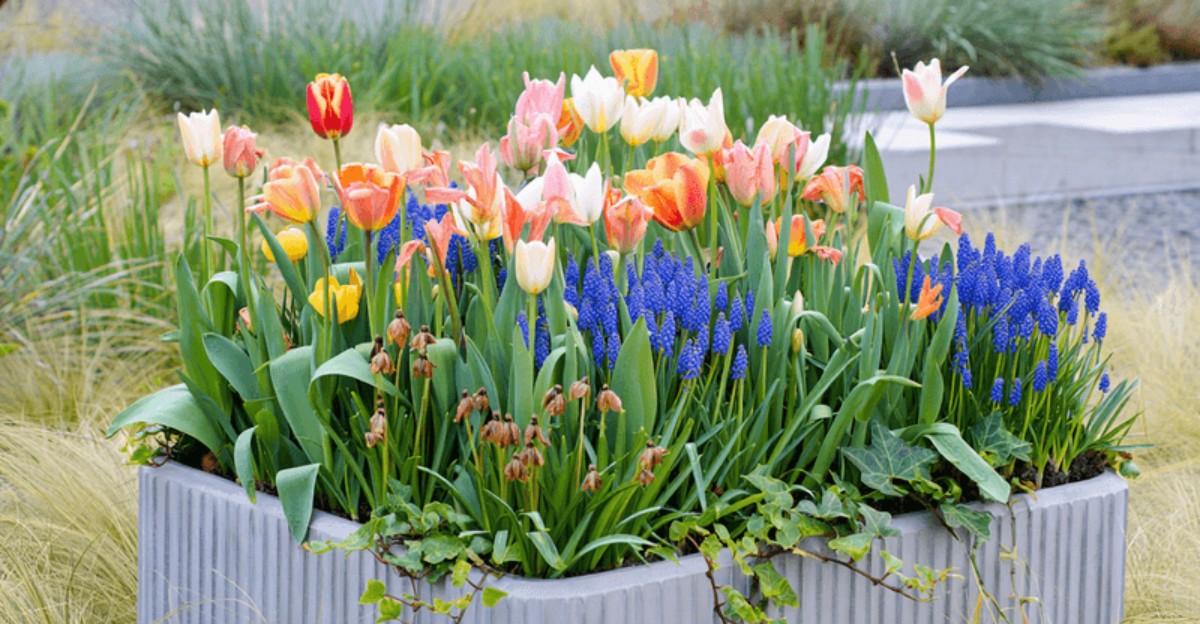
Just one square foot of soil can hold three separate flower shows, stacked one above the other. Each one waits its turn underground, then pops up weeks after the last.
Gardeners have used this trick for years in big pots and borders. The deepest flowers rise last, while the tiny ones near the surface open first.
I love how one hole does the work of three.
You need nothing fancy to pull it off in Virginia. A shovel, a bag of compost, and a few kinds of spring flowers will do.
I think it is the most fun you can have with dirt in November.
The real magic is in the timing and the order of each layer. Get those right, and your spring yard could stay colorful from February into May.
Which flowers belong on the bottom?
1. One Hole Can Hold Three Layers Of Spring Flower Bulbs
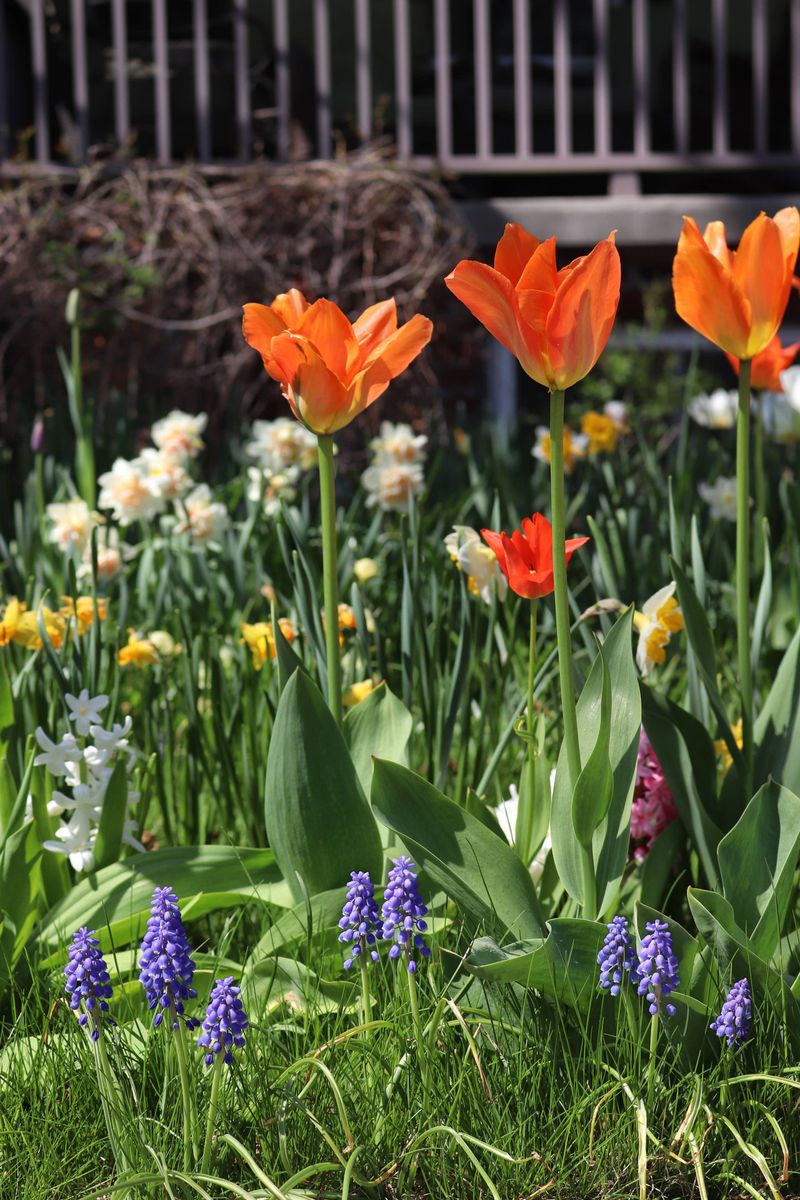
Gardeners call it lasagna planting, and the name fits perfectly. You stack bulbs in layers, with soil between them, just like noodles and sauce in a baking dish.
The idea is simple. Big bulbs that bloom late go on the bottom.
Medium bulbs that bloom in mid-spring sit in the middle. Small, early bulbs ride on top, closest to the surface.
When spring arrives, the top layer opens first. As those little flowers fade, the middle layer pushes up through them.
Then the tall late bloomers finish the show. Instead of one quick burst of color, you get several waves from the same patch of ground.
Do the stems get stuck on the bulbs above them? Not really.
Shoots are surprisingly good at bending around obstacles on their way to the light, so stacked bulbs grow just fine.
I like this method for small yards, patios, and front steps. A single large pot can look fresh for two or three months.
Garden beds benefit too, since you get more flowers without needing more space.
It also saves you from bare spots. Each layer covers for the one that has finished, so your garden keeps looking busy and cheerful.
2. Plant Your Layered Bulbs When Virginia Soil Cools In Late Fall
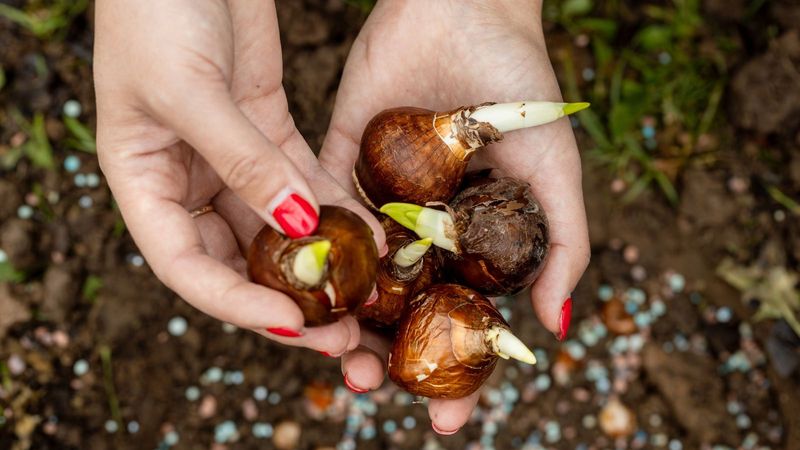
Timing matters more than most people realize. Spring bulbs need a long chill underground to bloom well, and they also need time to grow roots before winter.
Virginia Cooperative Extension suggests planting most spring bulbs in fall once soil temperatures drop. A good target is soil under about 60 degrees at planting depth.
For much of the state, that means October through November.
Regional differences matter here. Gardeners in the cooler mountain areas of western Virginia can often start in October.
Folks in the Tidewater and Hampton Roads areas, where fall stays warmer longer, may do better waiting until November or even early December.
Planting too early in warm soil can cause problems. Bulbs may sprout leaves too soon or face more rot in warm, damp ground.
Planting a little late is usually safer than planting way too early.
A cheap soil thermometer takes the guessing out of it. Push it about 6 inches into the ground in the morning for a few days in a row.
Tulips are especially happy with cooler soil. Many gardeners in warmer parts of the state plant them last, around Thanksgiving, for stronger results.
3. Tulips And Alliums Belong Down At The Bottom
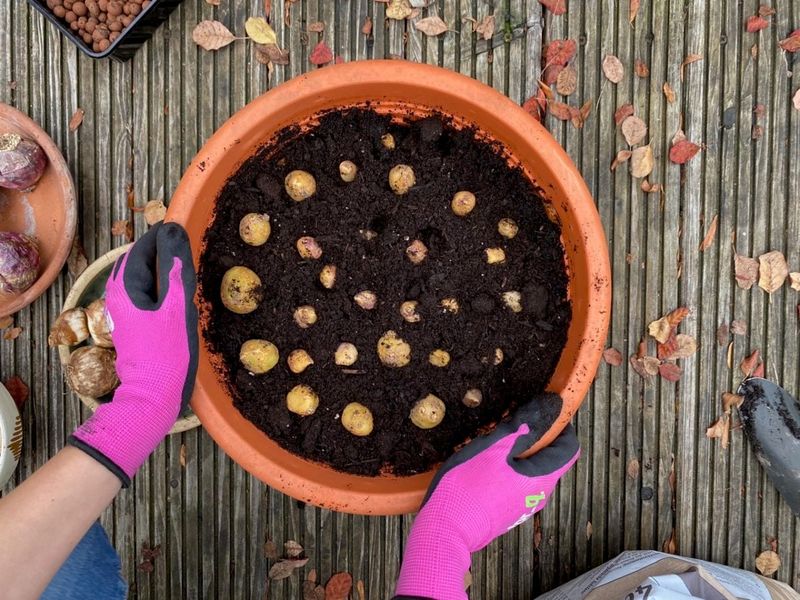
Start with the big guys. Tulips, tall alliums, and large daffodils are the heavyweights of the bulb world, and they love deep planting.
Most guides suggest planting bulbs about two to three times as deep as the bulb is tall. For large bulbs, that usually means 6 to 8 inches down.
In a three-layer bed, you will often dig a hole about 8 to 10 inches deep.
Loosen the bottom of the hole first. Then add an inch or two of compost mixed with soil.
Set the bulbs pointy end up, close together but not touching, about an inch apart works well in pots.
Larger bulbs are generally planted deeper because of their size and planting requirements, not because their flowers bloom later. Their timing also works, since they flower after the smaller bulbs have finished.
Alliums are a fun pick here. Their round purple heads float above other plants in May, and deer and squirrels usually leave them alone because of their onion scent.
Fun fact: tulip mania in 1600s Holland made some bulbs cost as much as a house. Luckily, yours will be a bargain.
4. Daffodils And Hyacinths Fill The Middle Layer
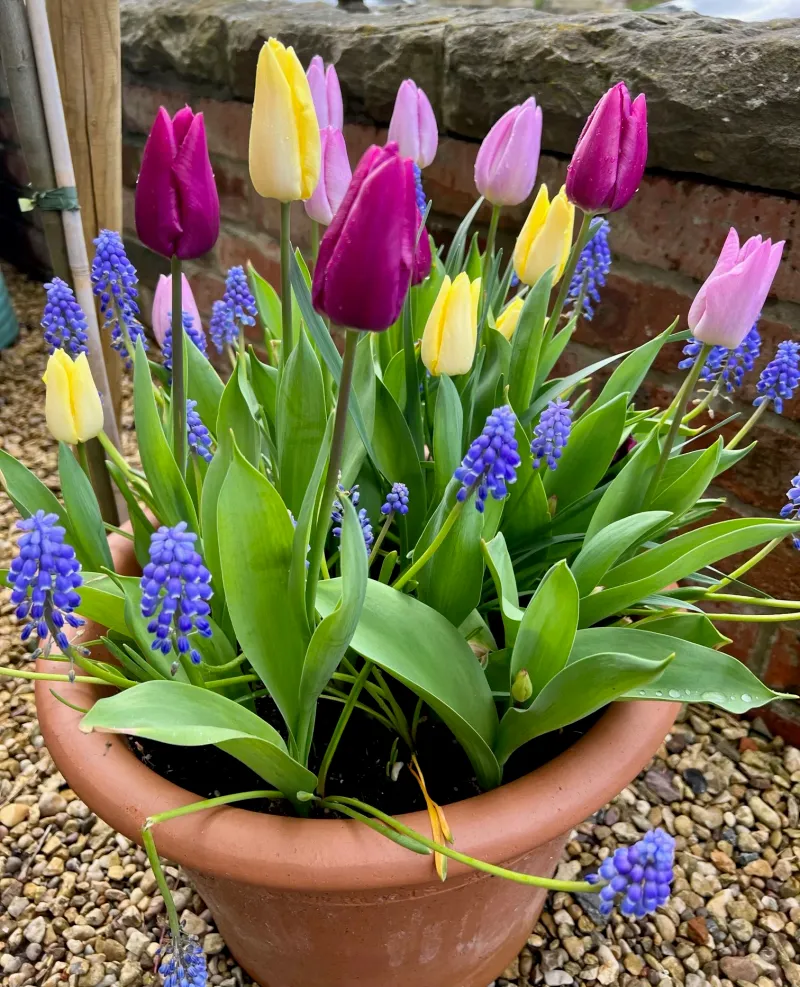
Middle layers are where the cheerful stuff lives. Daffodils and hyacinths bloom in mid-spring, often in March and April in Virginia, right between the early tiny flowers and the late tulips.
Cover your bottom layer with 2 to 3 inches of soil. Then set the middle bulbs on top, placing them in the gaps between the bulbs below.
Staggering them like this gives each shoot an easier path upward.
Daffodils might be the best friend a bulb lover can have. They contain toxic compounds that deer, voles, and squirrels tend to avoid, so they come back year after year in many yards.
Hyacinths are also rarely bothered by deer.
Hyacinths bring another bonus. Their scent is sweet and strong, so a pot near the front door greets everyone who walks by.
Wear gloves when handling hyacinth bulbs. They can make some people’s skin itchy for a little while.
Smaller daffodils, like Tete-a-Tete, fit nicely in containers. Bigger types like King Alfred styles do better in garden beds where they have room to stretch out.
5. Crocus And Grape Hyacinths Steal The Show Up Top
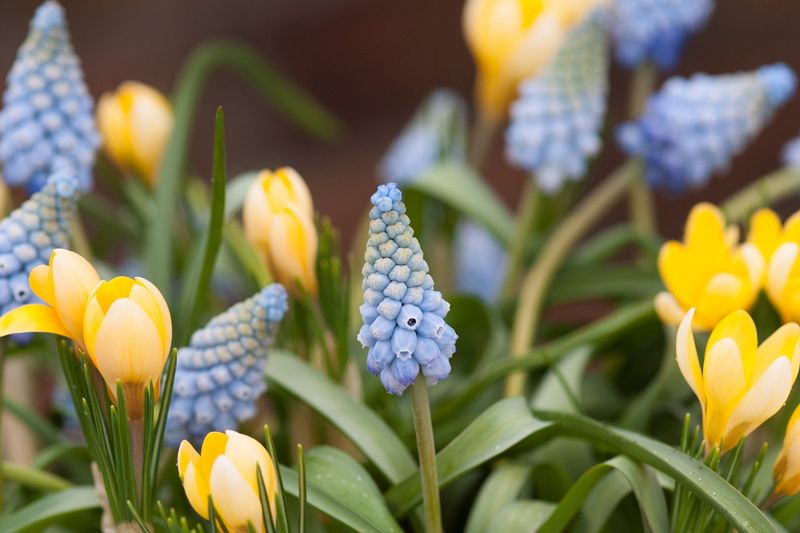
Little bulbs with big personalities finish the stack. Crocus, grape hyacinths, snowdrops, and glory-of-the-snow sit just 3 to 4 inches below the surface.
After covering the middle layer with a few more inches of soil, scatter these small bulbs across the top. Then add the final layer of soil and gently pat it down.
You do not need to line them up perfectly, since a loose pattern looks more natural.
These are the flowers that wake up first. Snowdrops and crocus can bloom in late winter in Virginia, sometimes in February when the rest of the yard looks sleepy.
Seeing purple petals poke through frosty ground feels like a little gift.
Early bees appreciate them too. Crocus pollen can be an early food source for bumblebees on warm late-winter days.
One warning for crocus lovers: squirrels often dig them up. Chicken wire laid flat over the top before the last bit of soil can help, and the shoots grow right through the holes.
Grape hyacinths are tough little troopers. Their leaves often show up in fall, which is normal and nothing to worry about.
6. Soggy Clay Soil Can Rot Your Buried Bulbs
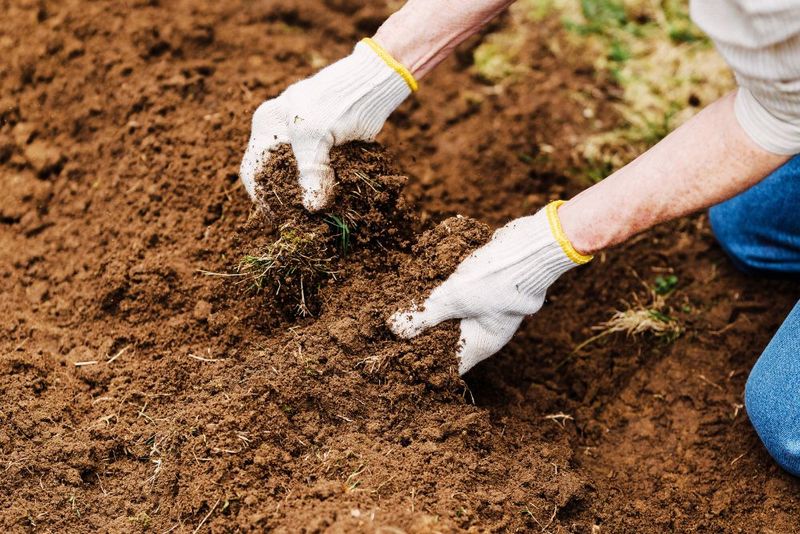
Red clay is a famous feature of many Virginia yards, especially across the Piedmont. It holds nutrients well, but it can also hold way too much water.
Bulbs strongly dislike wet feet. When they sit in soggy ground all winter, they can rot before spring ever arrives.
Layered planting puts some bulbs deeper than usual, so good drainage matters even more.
A quick test helps. Dig a hole about a foot deep, fill it with water, and watch it.
If the water is still there several hours later, your spot drains poorly.
Mixing compost into the whole planting area makes a big difference. Working organic matter in about a foot deep loosens clay and helps extra water move away.
Raised beds are another smart fix for heavy soil.
Containers solve the problem even faster. Use a quality potting mix, not garden soil, and make sure the pot has drainage holes.
Most bulbs grow well in slightly acidic soil, roughly a pH of 6 to 7. A soil test through Virginia Cooperative Extension is inexpensive and tells you exactly what your ground needs.
7. A Big Pot Of Layered Bulbs Needs Winter Protection
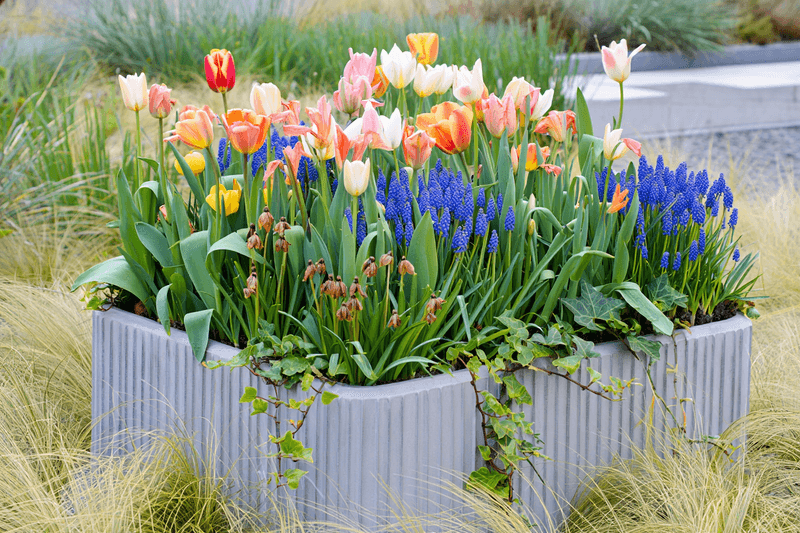
Patio pots are where lasagna planting really shines. A container about 14 to 18 inches deep gives you room for all three layers and a dazzling spring display by your door.
Pots have one weak spot, though. Soil in a container gets colder than soil in the ground, since cold air hits the sides as well as the top.
Bulbs can freeze in a pot even when they would be fine in a bed.
Bigger pots hold heat better than small ones. During hard cold snaps, you can move the pot into an unheated garage or shed, or wrap it in burlap or bubble wrap.
Grouping pots together against a house wall also helps.
Choose frost-proof containers. Thin terracotta can crack when wet soil freezes and expands.
Watering matters too. Soak the pot well right after planting, then check it during dry winter spells, since the soil should stay lightly moist but not soggy.
I find a pot by the steps makes spring feel closer. Every new layer of blooms gives you a reason to smile on the way out the door.
8. Leave Fading Daffodil And Tulip Leaves Alone After Blooming
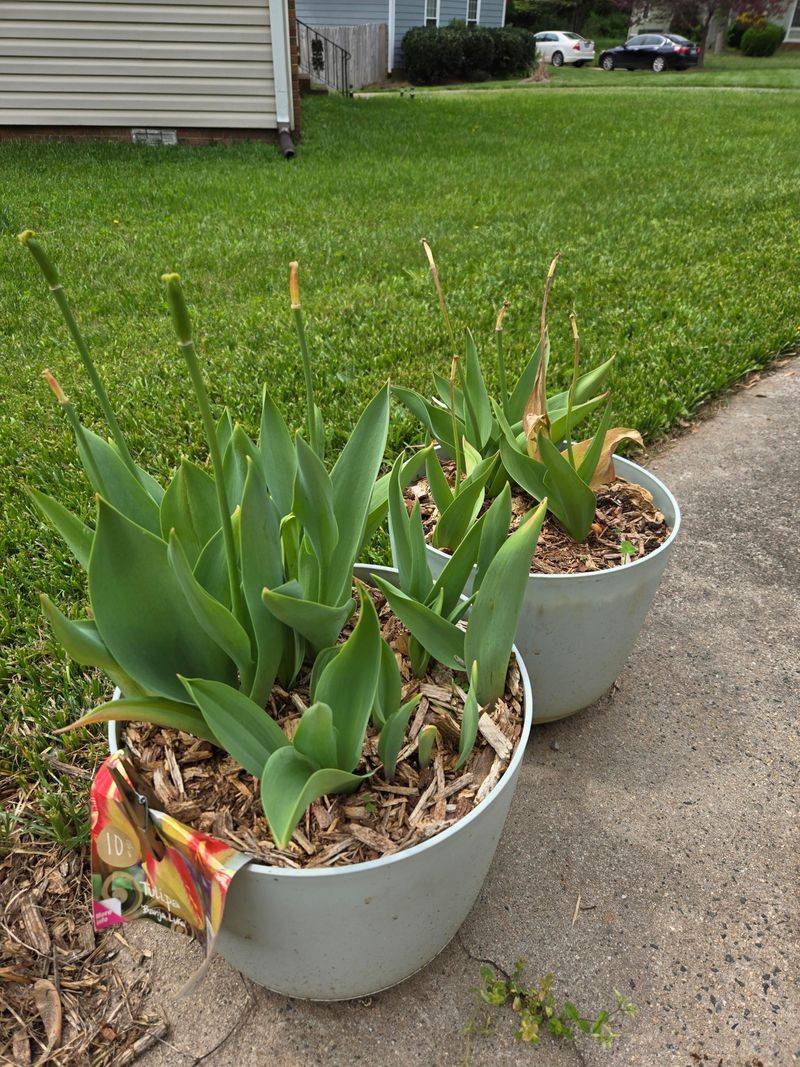
After the final tulip drops its petals, it is tempting to tidy everything up. Hold off on that urge for a few more weeks.
Leaves keep feeding the bulbs underground. Through sunlight, they make energy that the bulbs store for next year’s flowers.
Cutting them early can lead to fewer blooms the following spring.
Wait until the foliage turns yellow and flops over, usually about six weeks after blooming. Then you can trim it away.
Snapping off spent flower heads earlier is fine, since that stops the plant from wasting energy on seeds.
Not every bulb returns equally. Daffodils, grape hyacinths, and crocus often come back for years.
Many tulips bloom best the first spring and fade after that, especially in warm Virginia summers, so some gardeners treat them as one-season flowers.
Planting perennials like daylilies or hostas nearby helps hide the floppy leaves. Their new growth fills in as the bulb foliage fades.
Take a few photos of your blooms this spring. Next fall, you can look back and decide which combos you loved and which layers you want to try again.