10 Things Virginians Can Still Plant in November
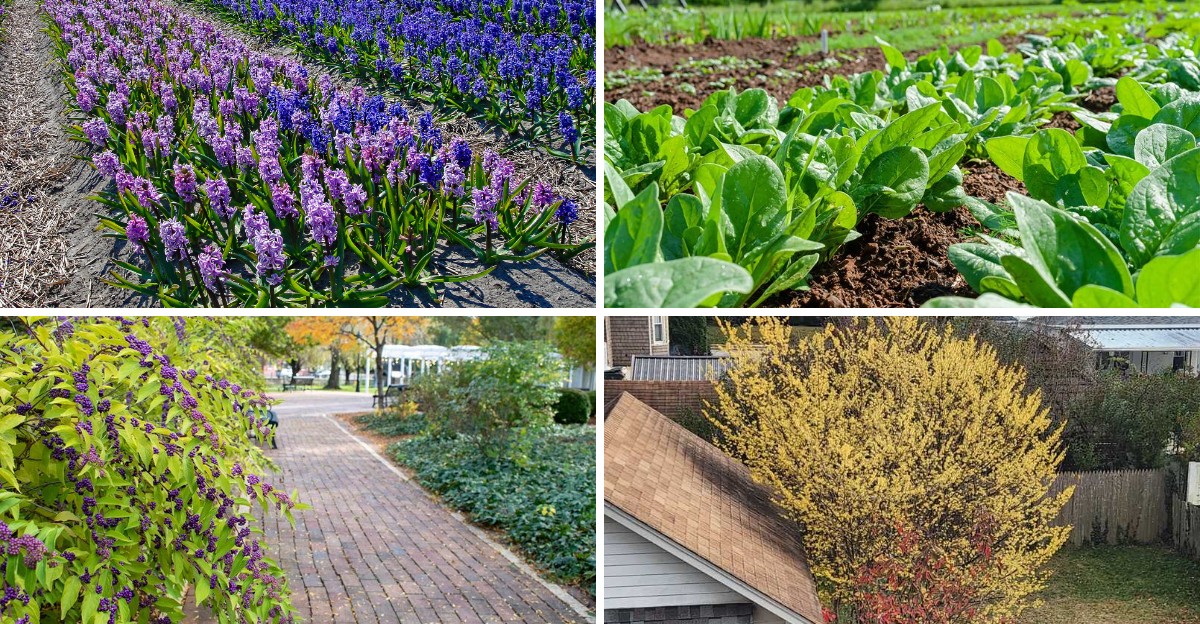
One native Virginia shrub saves its yellow blossoms for November, when most of the woods have gone bare and quiet. Its seed pods later snap open and fling shiny black seeds as far as thirty feet away.
That little fact changed how I think about late fall, because the planting season clearly has not closed yet. Cool soil and steady rain give roots a quiet head start while the air above turns crisp.
Take it from someone who once stashed a bag of bulbs in the garage until January. Let’s just say those sad, sprouting bulbs taught me to grab my trowel before the ground freezes.
Across Virginia, you still have time to tuck in spring color and a surprising number of hardy winter crops. So which ones deserve a spot in your beds before the first real freeze settles in?
1. Daffodils
Squirrels dig up my tulips every fall, yet they skip right past the daffodils like they carry a warning label. In a way they do, since the bulbs contain bitter compounds that deer and rodents prefer to avoid.
That built-in protection makes daffodils one of the easiest bulbs to plant across the state in late fall. Most of the region sits in zones 6a through 8b, and these cheerful flowers handle that whole range nicely.
Aim to plant when soil six inches down cools below 60 degrees, which usually happens by late October. You can keep planting through November as long as your shovel still slides into soft, unfrozen ground.
Pick a sunny spot that gets at least six hours of direct light and drains well after rain. Soggy soil is the quickest way to lose a bulb, so skip low spots where puddles linger.
Set large bulbs about six inches deep with the pointy end up, spacing them four to six inches apart. Water them well once after planting, then let winter rain handle most of the work for you.
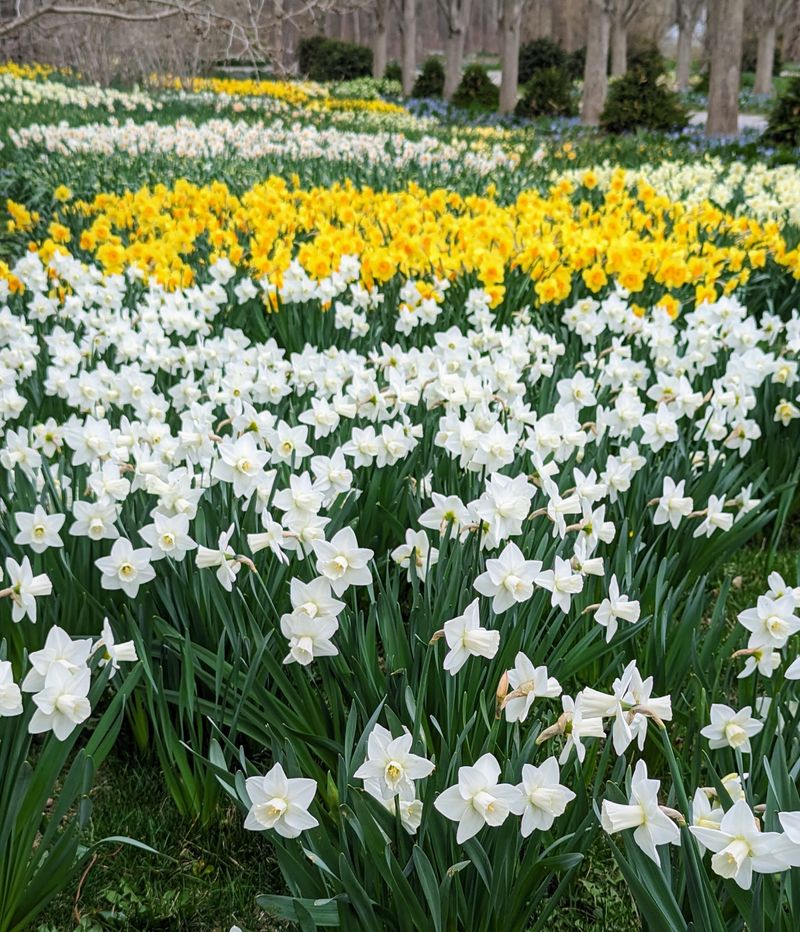
Varieties range from tiny miniatures to big trumpet types, with blooms in yellow, white, orange, and soft pink. If you ask me, planting a mix of early and late types stretches the show for weeks.
After blooming next spring, leave the leaves alone until they turn yellow and flop over on their own. Those green leaves feed the bulb, so trimming them early often means fewer flowers the following year.
2. Tulips
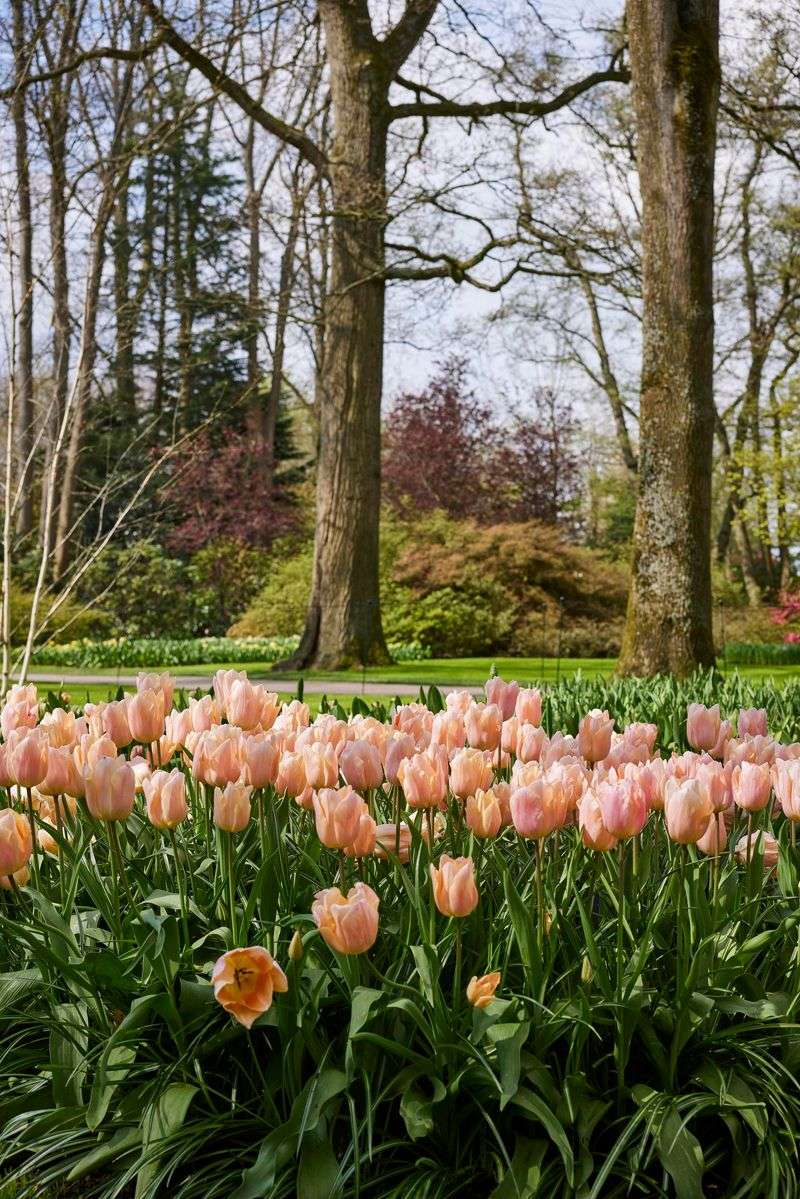
Tulips are the divas of the bulb world, and honestly, they earn every bit of their dramatic reputation. Few flowers offer as many colors, petal shapes, and striped patterns, from frilly parrots to sleek lily types.
Unlike daffodils, tulips actually prefer a later start, so November is often right on schedule for planting them. Wait until soil six inches deep drops to 55 degrees or cooler, which helps prevent early fall sprouting.
Gardeners in the cooler mountains can start earlier, while folks near Tidewater can wait until late November. Planting can even stretch into December in many areas, as long as the ground stays workable.
A simple rule I follow is planting each bulb three times as deep as its height. For most tulips, that means four to six inches down and six to twelve inches apart.
Full sun brings the strongest stems and biggest blooms, and sharp drainage keeps the bulbs from rotting. They also need a solid stretch of winter cold to trigger flowering, which our winters usually provide.
Between you and me, deer treat tulips like a salad bar, so protection matters more than you think. Try planting them inside a fenced area or surrounding them with daffodils to discourage curious nibblers.
Pairing early varieties with late bloomers gives you weeks of color instead of one quick burst in April. Many tulips perform best their first year, so plenty of gardeners treat them like annuals and replant each fall.
3. Hyacinths
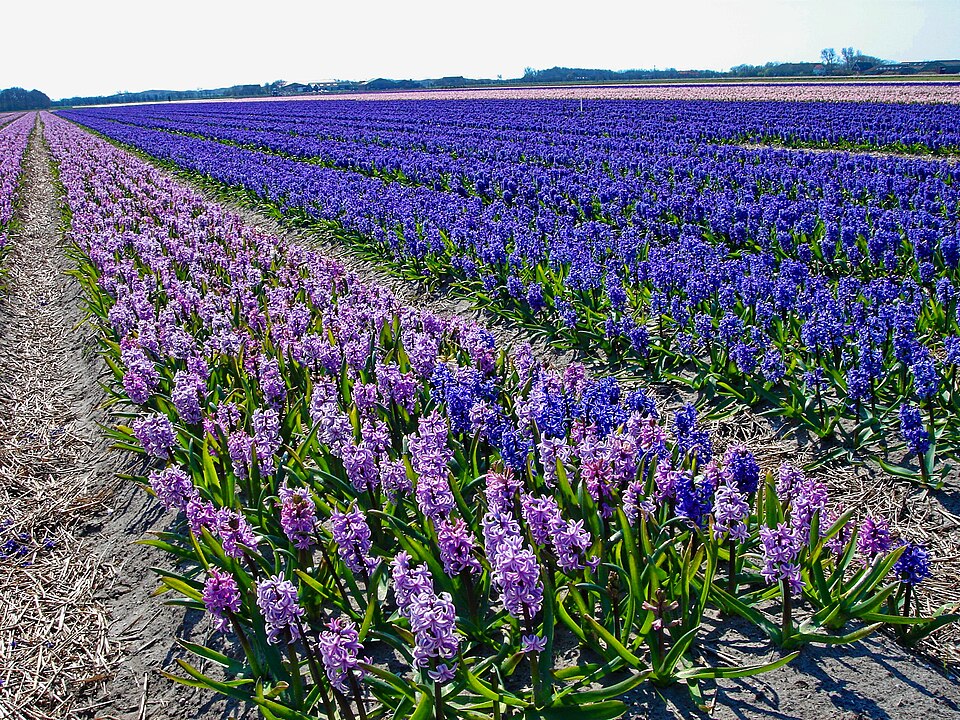
One blooming hyacinth near the front door can perfume the whole porch, and your guests will notice immediately. That sweet, heavy scent is the main reason I plant a cluster every single autumn without fail.
Hyacinths grow well in zones 4 through 8, so they fit comfortably in gardens throughout the Old Dominion. Plant them once the soil cools to 60 degrees or lower, which often lands in October or November.
The thick flower spikes stand about 10 to 16 inches tall on sturdy stems that rarely need staking. Colors include deep blue, soft pink, creamy white, and buttery yellow, plus rich purple shades for good measure.
Choose a site with full sun to partial shade and fertile soil that drains quickly after storms. Standing water rots bulbs fast, so raised beds or gentle slopes make smart choices for these beauties.
For what it’s worth, wear gloves when handling the bulbs, since their papery skins can irritate your hands. All parts of the plant are mildly toxic if eaten, so keep curious pets away from them.
Set bulbs about six inches deep, water them in, and keep the soil lightly moist but not soggy. Once shoots appear in spring, honeybees and bumblebees will happily visit the fragrant blooms for nectar.
After flowering, let the foliage yellow naturally so the bulb can store energy for the next season. Blooms often shrink a little in later years, but the fragrance stays just as lovely as before.
4. Garlic
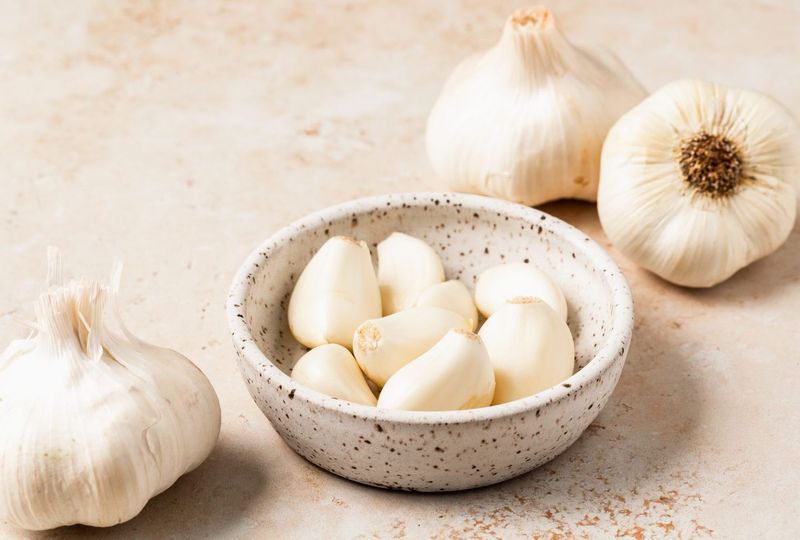
Planting garlic feels a bit like hiding treasure, because you bury it now and dig up rewards next summer. Each single clove you tuck into the soil grows into a whole new bulb packed with fresh cloves.
Fall planting matters because garlic needs a long chilly period to form those plump, well-divided bulbs. Roots also get a head start before winter, which leads to bigger harvests and an earlier finish.
Tidewater gardeners often plant in November, while Piedmont growers can start in mid-October and keep going. Late November still works in many spots, as long as the ground has not frozen solid yet.
Buy seed garlic from a local supplier, and save the largest cloves for planting since they yield bigger bulbs. Hardneck types send up curly scapes and handle cold well, while softnecks prefer milder climates and store longer.
Plant each unpeeled clove pointed end up, one to two inches deep and four to six inches apart. Full sun and loose soil enriched with compost will keep your garlic happy through the long cool months.
Don’t make my mistake of skipping mulch, because freeze and thaw cycles can push cloves right out of the soil. A three to four inch layer of straw right after planting keeps them snug and firmly anchored.
Snap off hardneck scapes in spring so the plant sends more energy into building a larger bulb underground. Harvest in early summer once about half the lower leaves turn brown, then cure the bulbs somewhere airy.
5. Kale
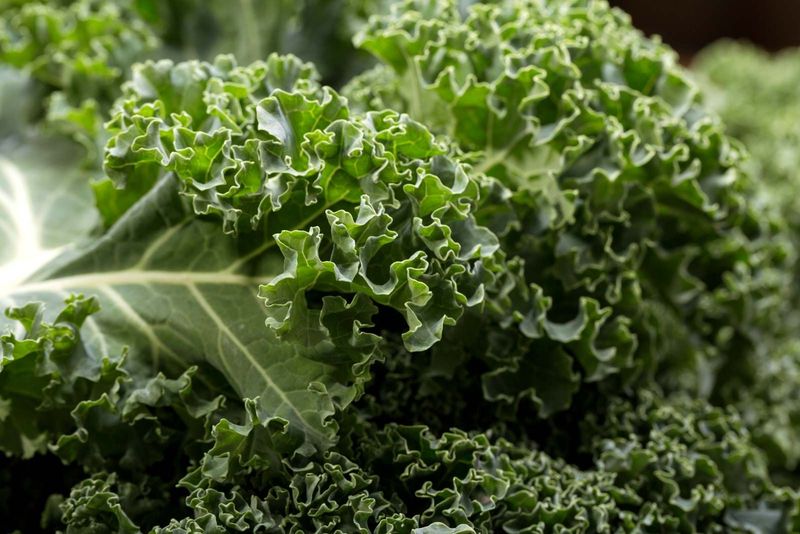
Kale gets sweeter after a frost, which sounds like a gardening myth but holds up under real kitchen testing. Cold weather prompts the plant to convert starches into sugars, softening that bitter edge many people dislike.
November planting works best in warmer zones, especially the southeastern corner of the state near the coast. In cooler regions, set out sturdy transplants instead of seeds and protect them with a lightweight row cover.
Leaves come curled, ruffled, or flat, and colors range from blue-green to deep purple for winter beds. ‘Vates Blue Curled’ earns its reputation as a cold-hardy champion, so it is my first pick for late planting.
Give kale a sunny spot with rich, well-drained soil and steady moisture through the cooler months ahead. Let the top inch dry slightly between waterings, but avoid letting the bed go bone dry for long.
Small plants set out now may grow slowly in winter, then take off quickly once spring days lengthen. Looking back, I should have planted twice as many, because a few leaves each week disappear fast.
Pile mulch around the base of the plants to insulate roots and prevent the soil from heaving upward. Straw or shredded leaves work well, and deeper layers help during those surprise cold snaps in January.
Harvest the outer leaves first and leave the center growing, so the plant keeps producing new foliage. A pot of kale soup made with your own winter greens tastes better than anything from the store.
6. Spinach
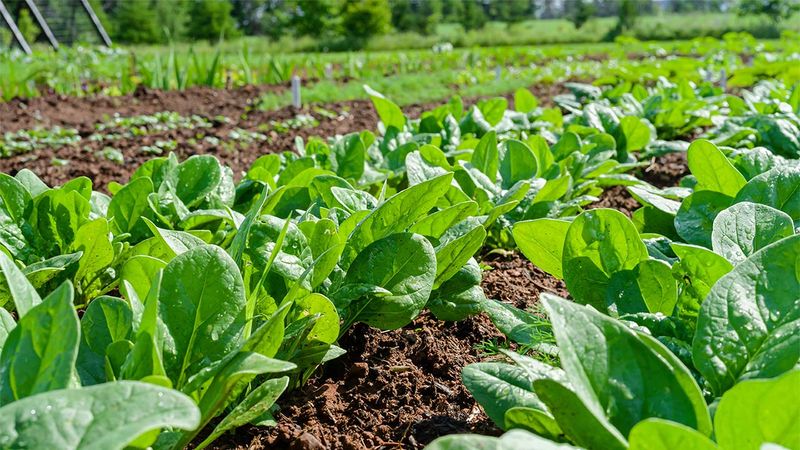
Spinach seeds sown now can sit quietly through winter and surprise you with a tender harvest in early spring. My garden taught me that this crop loves cold more than almost any other green in the bed.
Direct sowing in November works across much of the region, especially when you choose cold-hardy varieties. Savoy types with crinkled leaves often handle frost better than smooth types, though both can succeed.
Sow seeds about half an inch to one inch deep, then thin seedlings to four inches apart. Thinning feels painful, but crowded plants compete for light and grow weaker leaves in the long run.
Full sun helps during short winter days, though spinach also tolerates partial shade in milder spots. Keep the soil evenly moist and well drained, since soggy beds can rot seeds before they sprout.
Germination slows in chilly soil, so expect sprouts to take longer than they would in early fall. Patience pays off here, because established plants handle frost and even light snow without much fuss at all.
Row covers trap a little warmth and stretch the harvest window by several weeks during the coldest stretch. Mulch tucked around the plants also helps prevent heaving when the ground freezes and thaws repeatedly.
Leaves picked after a frost taste noticeably sweeter, which makes winter salads feel like a real treat. Pick the outer leaves as needed, and the plant will keep sending up fresh growth into spring.
7. Lettuce
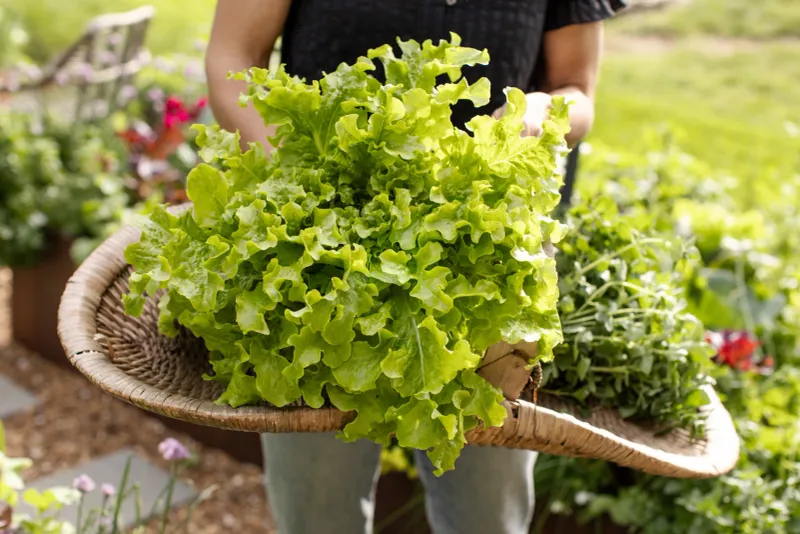
Lettuce planted in November is a bit of a gamble, but a fun one with crisp salads as the prize. Think of it as your last succession planting, a final round of greens before the real cold settles in.
Success depends heavily on protection, since lettuce is less frost-tolerant than kale or spinach in hard freezes. A cold frame or row cover makes a huge difference, especially for gardeners in the cooler western counties.
You can direct sow seeds or set out hardened seedlings, which gives you a head start on growth. Transplants usually win this late in the season because days are short and growth slows to a crawl.
Choose cold-hardy varieties like ‘Winter Density’ or ‘Arctic King’ for the best odds of success this time of year. Loose-leaf types and red varieties add color to winter beds, and their leaves can be picked gradually.
Red lettuces often develop richer color in cool weather, which makes them almost too pretty to eat. Keep soil consistently moist and well drained, and give plants as much sunlight as your yard allows.
During warm spells, vent cold frames on sunny afternoons so the plants do not cook inside. A simple thermometer inside the frame helps you know when to prop the lid open a few inches.
For me, the biggest surprise was how long covered lettuce kept producing leaves through a mild winter. Expect slower growth than spring plantings, but each small harvest feels like a win in the cold months.
8. Pansies
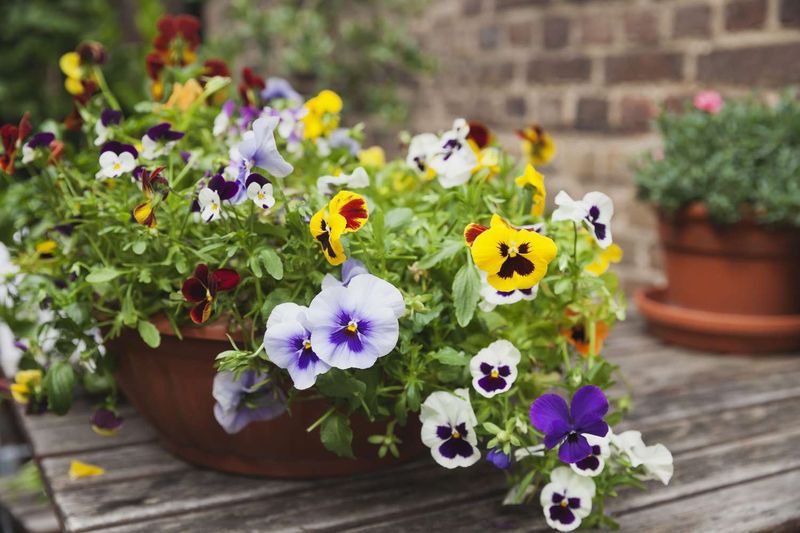
Pansies look delicate, yet they shrug off frost and light snow like tiny bundled-up kids at recess. Their cheerful painted faces bring color to beds when nearly everything else in the yard has gone brown.
Early fall is ideal for planting, but November still works for blooms through winter and into spring. Garden centers often discount flats this time of year, which makes late planting even more tempting.
Pansies bloom best when temperatures range from about 45 to 70 degrees, so mild winter days suit them. Plants may pause during deep cold snaps, then pick right back up once the weather warms again.
Give them full sun for six hours or more, and work compost into the bed before planting. Rich, well-drained soil keeps roots healthy, while overwatering can lead to root rot in cold, wet weather.
During harsh freezes, spread two to four inches of pine straw over the beds for extra protection. Pull it back once the cold passes so the plants can soak up sunshine and keep flowering.
Pinching off faded flowers encourages more blooms, and I find it oddly relaxing on a sunny afternoon. For a clever combo, plant pansies right on top of tulip or daffodil bulbs in the same bed.
Fun fact, pansy flowers are edible and make a charming garnish on cakes and spring salads at gatherings. Just make sure they were not treated with pesticides before you add them to any plate.
9. American Witch Hazel
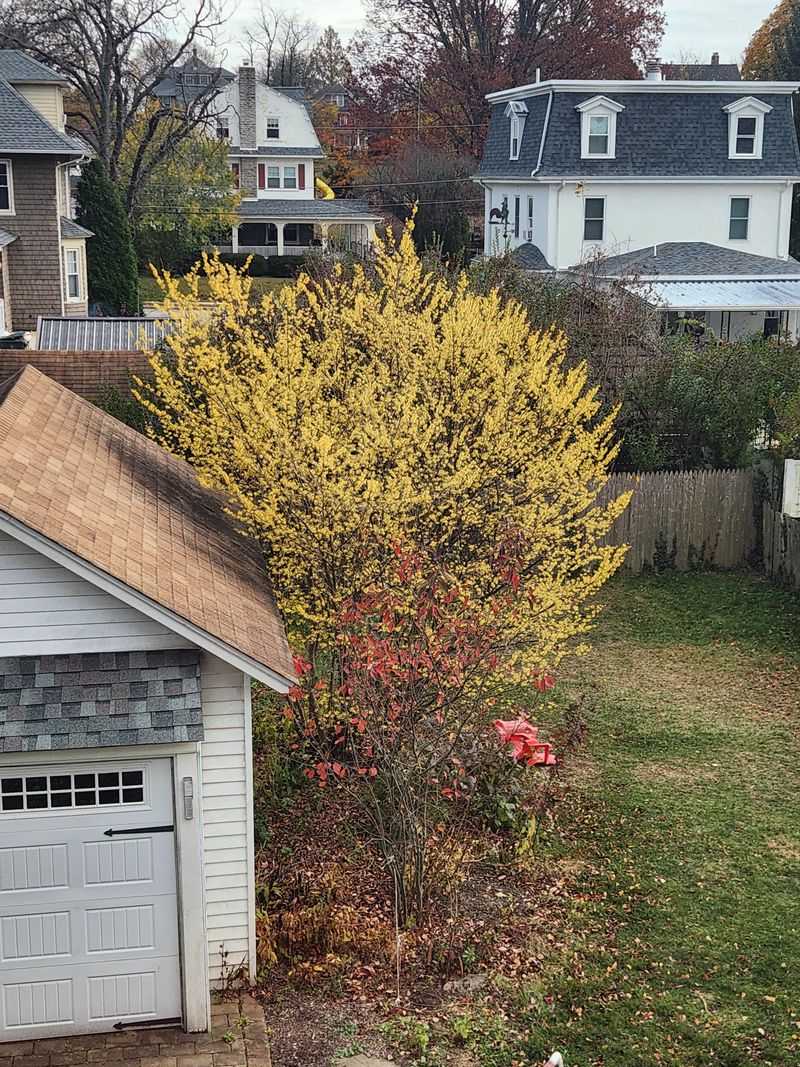
Most shrubs are fast asleep by now, but American witch hazel picks this moment to burst into bloom. Its spidery yellow flowers look like tiny crinkled ribbons tied along the branches, and they smell faintly spicy.
This native shrub grows wild across Virginia, often along forest edges and stream banks in rich woodland soil. It flowers from October into December in many years, making it one of the last woody plants to bloom.
November is a great month to plant one, because cool soil helps roots settle in before winter arrives. Container plants from a native nursery usually establish well when you water deeply through the first season.
Expect a mature size of 15 to 20 feet tall, though older plants can reach about 30 feet. Give it room near a woodland edge, or let it anchor a corner of a larger yard.
Witch hazel prefers moist, well-drained, slightly acidic soil but adapts to many conditions with little complaint. It grows happily in full sun or partial shade, and it rarely needs much pruning at all.
Its seed capsules are a hidden show, snapping open with enough force to toss seeds up to 30 feet. Native peoples used extracts from the plant for soothing remedies long before it appeared in drugstore bottles.
If you ask me, every yard deserves one plant that blooms when the rest of the garden rests. Plant it near a walkway so you can catch that scent on chilly mornings without leaving the path.
10. American Beautyberry
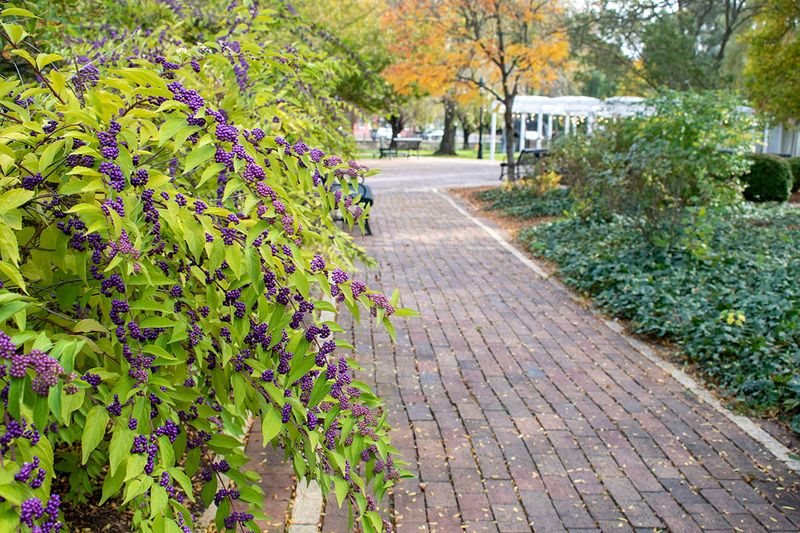
Those glossy purple berries look almost fake, like someone strung tiny candy beads along every branch of the shrub. American beautyberry earns its name each fall, and the color stops visitors in their tracks along my fence.
Planting in November gives the roots time to settle before deeper cold, and the shrub thrives in zone 6 and warmer. That covers most of Virginia, though gardeners in the coldest mountain pockets should choose sheltered spots.
Expect a loose, arching shrub about three to six feet tall and up to eight feet wide. Small pinkish summer flowers do not look like much, but bees and butterflies visit them eagerly.
Beautyberry handles dry or moist soil, grows in heavy clay, and performs in sun or partial shade. Once established, it tolerates drought surprisingly well, which makes it a low-fuss choice for busy gardeners.
Birds love those berries, and dozens of songbird species eat them well into the cold winter months. Mockingbirds and robins are frequent visitors, so plant it where you can watch the feeding action from inside.
Prune it hard in late winter, because it flowers and fruits on new growth each season. Cutting stems back to about a foot tall often leads to a fuller shape and heavier berry clusters.
The berries are edible for people too, and some adventurous cooks turn them into tart homemade jelly. Raw berries taste bland, so I leave most for the birds and simply enjoy the stunning show.