10 Perennials That Triple In Size In One Season And Fill Georgia Beds Fast
Just one carpet bugle plant can send out runners that cover two feet of bare ground in one season. That kind of speed makes a patient gardener grin and a nervous gardener reach for the edging tool.
Georgia summers bring long days, warm nights, and plenty of thunderstorms that push roots into overdrive.
Many tough natives here spread by underground stems or eager seeds, so empty spots rarely stay empty for long.
I have to admit, I love watching a skimpy nursery pot turn into a lush clump by midsummer. You get color faster, you spend less on plants, and the weeds lose their favorite open real estate.
Not every quick grower deserves a spot, though, and some need a firm hand to stay polite. Which ones fill garden beds beautifully without bullying everything nearby, and which surprising favorite might already be in your yard?
1. Black-eyed Susan
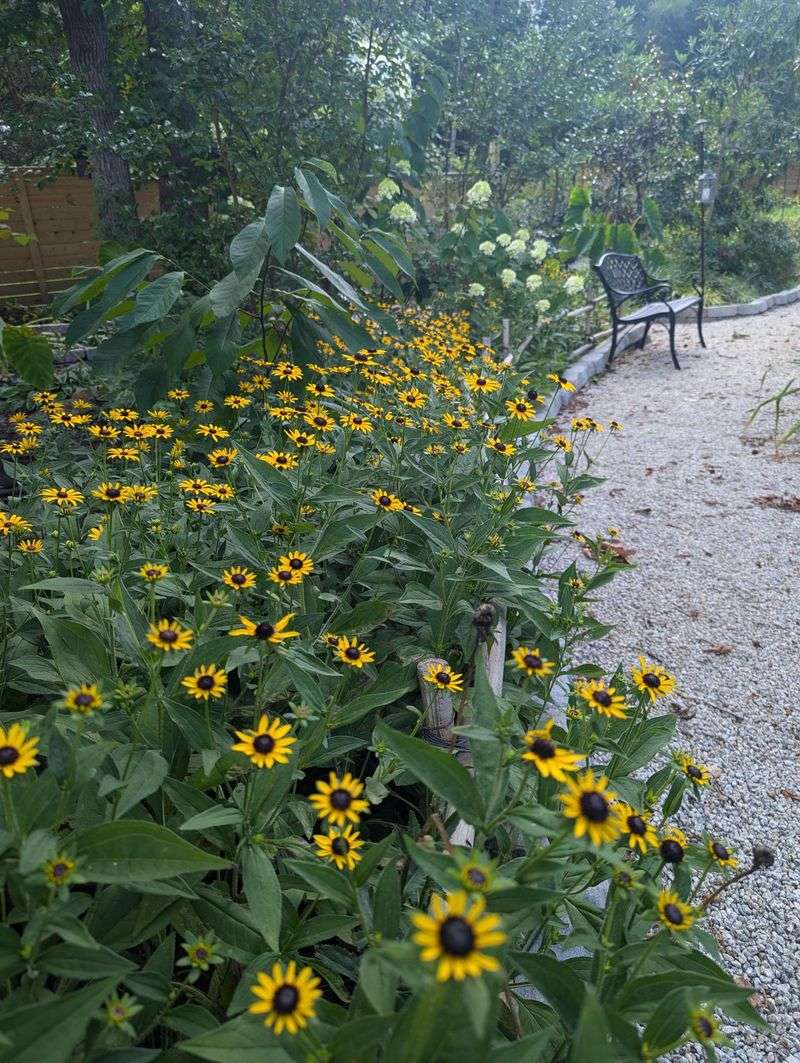
Golden petals around chocolate centers can turn one modest clump into a whole sunny drift before July ends. I love how black-eyed Susan seems to multiply while you are busy watering other plants.
Rudbeckia hirta is often a biennial or short-lived perennial that grows one to three feet tall and spreads about one to two feet wide.
It self-seeds readily, forming colonies that can fill gaps within one or two seasons.
Flowers show up from early summer into fall, and butterflies visit them nearly every sunny afternoon. You will also notice small bees crawling across the dark cones, collecting pollen with obvious enthusiasm.
Give this cheerful native full sun with at least six hours of direct light each day. It handles poor soil better than most perennials, so skip heavy compost and rich fertilizer for best results.
Once roots settle in, the plant tolerates drought quite well during typical hot stretches across the South. An occasional deep soak during long dry spells keeps flowers coming and foliage looking fresh.
Personally, I deadhead the first flush to stretch blooming and keep the bed looking tidy. Later in the season, I leave some seed heads so goldfinches can snack and new seedlings appear next spring.
Extra seedlings pop up easily, but they transplant well while small and still have short roots. Share them with friends, move them into empty corners, or pull extras where they crowd neighbors.
2. Coreopsis
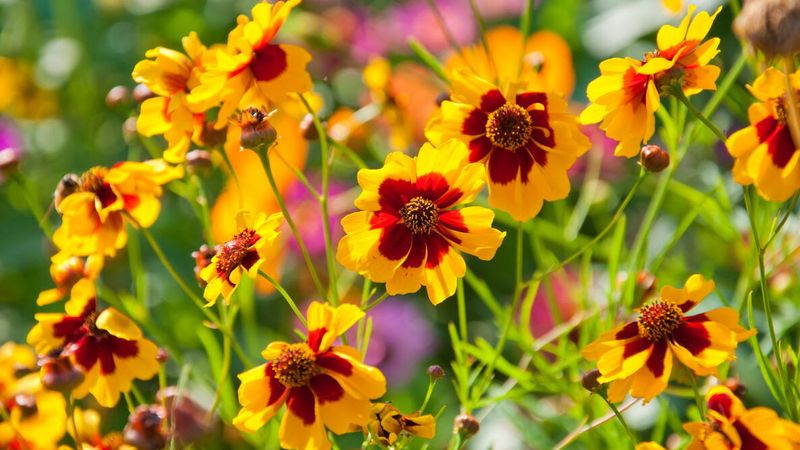
Bright yellow tickseed blooms look like tiny suns scattered across fine, feathery leaves in late spring. You might notice pollinators bouncing from flower to flower like kids at a candy counter.
Several coreopsis species thrive in the South, and many handle heat and humidity without much fuss.
Threadleaf coreopsis spreads by rhizomes, while mouse-eared coreopsis is a low native known for creeping outward.
Most plants reach one to three feet tall with a similar spread once they settle into place. That rhizome habit lets a single clump knit together into a dense patch faster than you expect.
Here is a twist many gardeners miss, because coreopsis actually prefers lean soil over rich garden beds. Overly fertile or soggy ground often leads to floppy stems and fewer blooms by midsummer.
Plant it in full sun for the most flowers, though partial shade works in hotter spots. Sandy or rocky soil suits it nicely, and drainage matters more than anything else you add.
Established clumps tolerate drought well, yet moderate moisture keeps them looking their best through summer.
I water deeply during long dry stretches and then let the soil dry out before watering again.
Regular deadheading extends blooming from late spring well into fall for a much longer show. Divide clumps every two or three years, and the fresh pieces will fill another bed quickly.
3. Yarrow
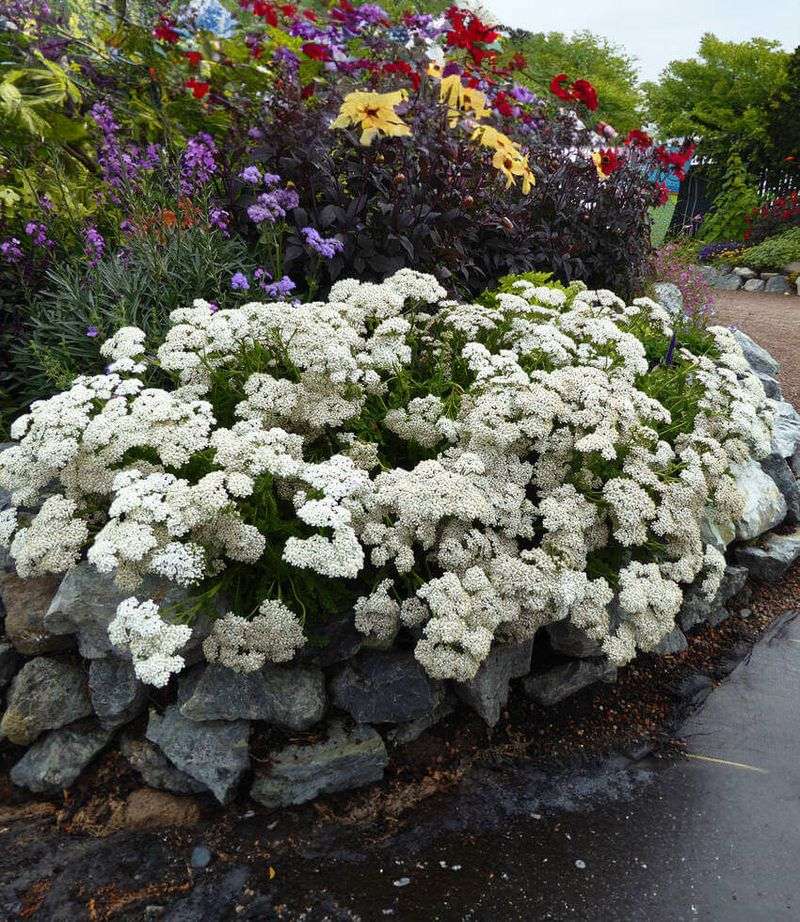
Crush one feathery yarrow leaf between your fingers, and a sharp herbal scent fills the warm air. I believe that fragrance alone earns this plant a front-row seat near any garden path.
Achillea millefolium grows one to three feet tall and spreads one to three feet wide over time.
Gentle rhizomes push outward underground, so dense clumps form and fill nearby gaps without much help.
Flat flower clusters appear from late spring through late summer in white, yellow, or soft pink shades. Each cluster holds dozens of tiny blooms, which make easy landing pads for bees and butterflies.
Yarrow is wonderfully unfussy about soil, growing in sandy loam or heavy clay with decent drainage. It even tolerates poor ground, so skip the fertilizer unless your plants look pale and weak.
Full sun with at least six hours of light brings the strongest stems and the most flowers. Light partial shade works too, though stems may lean toward brighter spots by the middle of summer.
Once established, yarrow often stays green when nearby lawn grass turns brown during summer dry spells. Deer and rabbits usually leave it alone, which makes it handy for gardens near wooded edges.
Divide clumps every two or three years if the spread starts crowding slower neighbors in your bed.
Those divisions replant easily, so one purchase can eventually supply a whole border with soft color.
4. Purple Coneflower
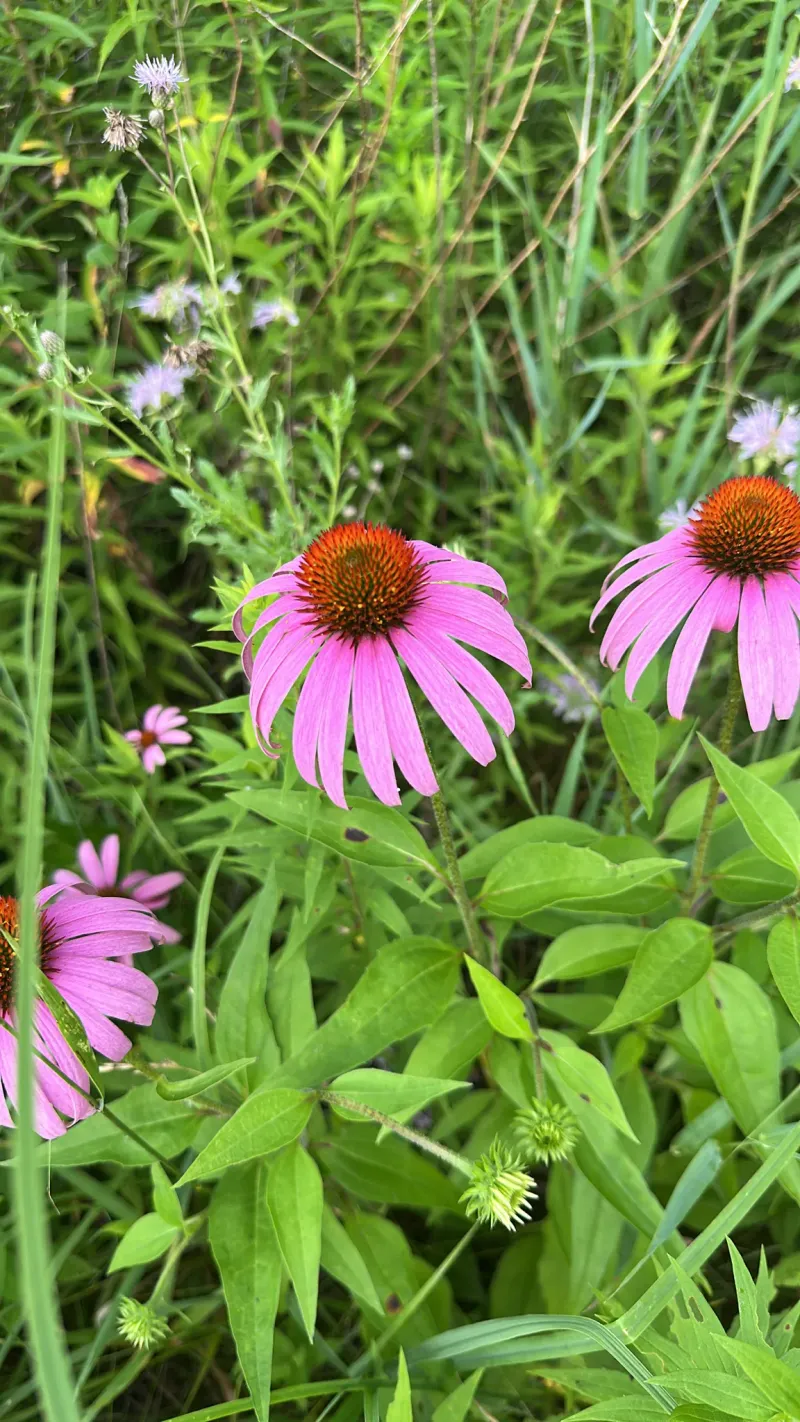
Goldfinches love perching on coneflower seed heads in fall and plucking seeds like tiny acrobats. You get a free bird show from a plant that also looks fantastic all summer long.
Echinacea purpurea is native to the Southeast, so it handles local heat and humidity with ease.
Established clumps reach two to four feet tall and can spread nearly as wide in good conditions.
Honesty matters here, since seedlings need two or more years to reach a sizable mature clump. Nursery plants grow much faster, bulking up borders within one or two seasons after you plant them.
Pink-purple petals surround raised copper cones from early summer well into fall in most gardens. Butterflies and bees visit constantly, and newer cultivars add orange, white, and coral shades.
A deep taproot helps this plant cope with clay soil and dry stretches during hot summers. Many established clumps need no extra watering in a normal Georgia summer, which saves time and effort.
Full sun brings the best flowering, though partial shade still produces respectable blooms on sturdy stems.
Well-drained average soil works fine, so skip heavy amendments and rich fertilizers here.
Deadhead some flowers for extra blooms, and leave others standing for birds and natural reseeding later. Divide crowded clumps roughly every four years to keep them vigorous, healthy, and flowering well.
5. Bee Balm
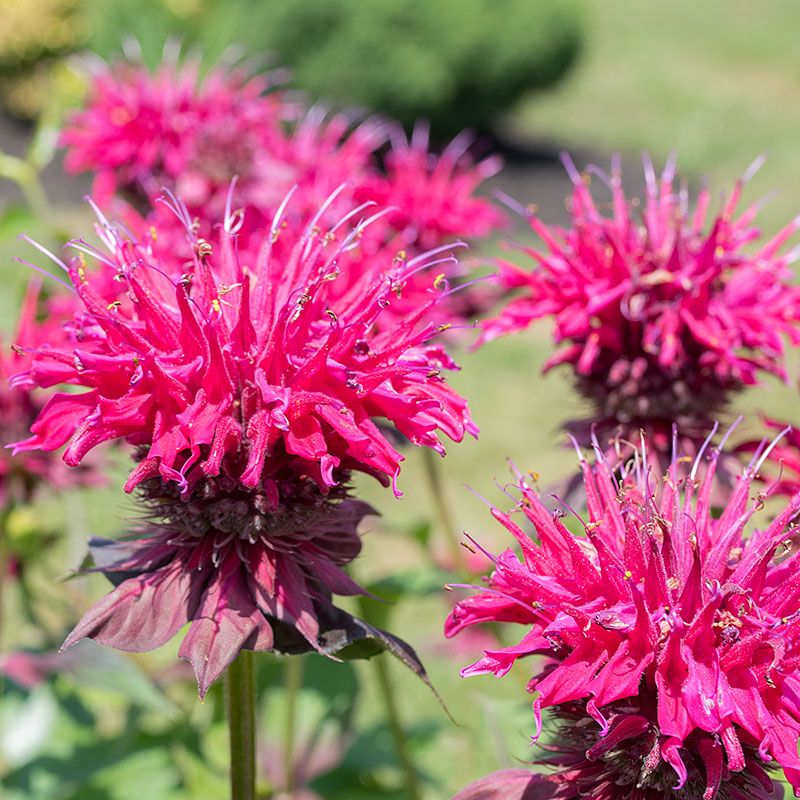
Hummingbirds treat scarlet bee balm like a roadside diner, zipping in for sips all summer long. I can’t imagine a faster way to bring those tiny jewels right up to your porch.
Monarda didyma is native to eastern North America, including the mountains of northern Georgia.
Plants grow two to five feet tall and spread through vigorous rhizomes into generous colonies.
Shaggy red flower heads sit atop square stems from early to late summer in most gardens. The leaves smell minty when brushed, and that scent may explain why deer often skip it.
Moist, rich soil with plenty of organic matter suits bee balm better than dry, lean ground. Full sun brings the heaviest flowering, though partial shade works in hotter southern parts of the state.
Fair warning, because this plant spreads aggressively and may march across a small bed quickly. Divide clumps every two or three years, or site it where wandering roots will not bother anyone.
Powdery mildew is the main headache, especially in humid weather and crowded plantings without airflow.
Choose mildew-resistant cultivars and leave space between clumps so breezes can move freely.
Consistent moisture keeps leaves healthier and blooms brighter during long, hot stretches of midsummer weather. A layer of mulch helps hold that moisture while also keeping roots a bit cooler.
6. Ajuga
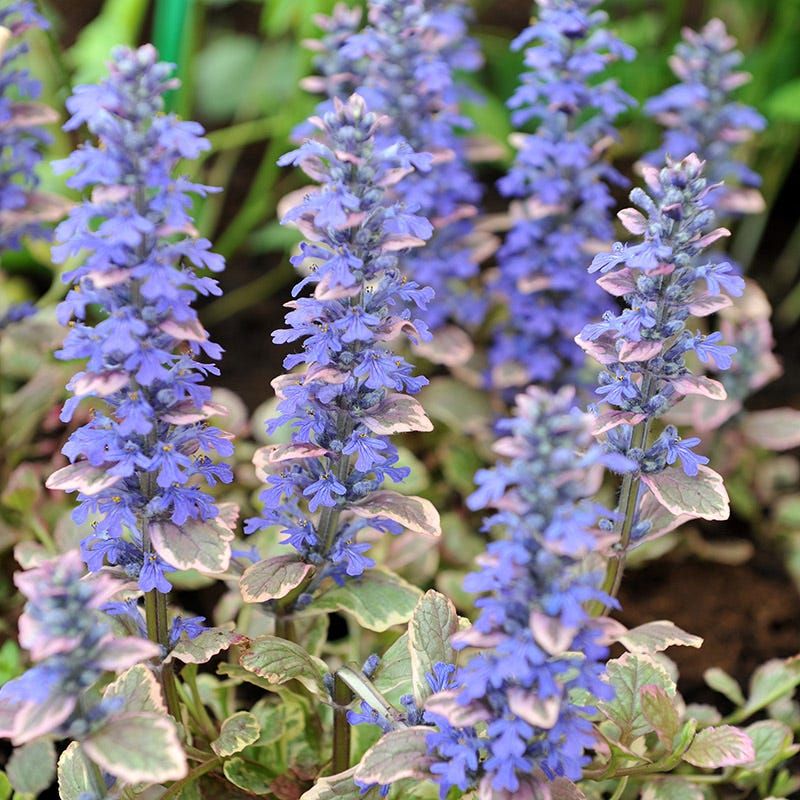
Bronze leaves and blue flower spikes make ajuga look like a jeweled rug laid across the ground.
You might notice it creeping into new territory almost weekly once warm weather arrives in spring.
Ajuga reptans, often called carpet bugle, stays only six to nine inches tall in most gardens. Runners can stretch a single plant across two feet or more in one growing season.
Foliage ranges from deep green to rich purple-bronze and often stays evergreen through mild winters.
Short spikes of blue, purple, or pink flowers appear from spring into early summer each year.
Partial shade suits it well, though some sun brings out stronger leaf colors in many cultivars. Harsh afternoon sun can scorch leaves, so morning light with afternoon shade works best down South.
Drainage is the big deal here, since soggy ground invites crown rot and root rot problems. Slightly acidic, moist soil that drains freely keeps the mat thick and healthy through humid summers.
Personally, I plant ajuga where edges stay firm, such as beside sidewalks, walls, or deep edging. Those wandering runners will slip into lawns and flower beds if you give them any chance.
Water moderately to keep soil evenly moist, especially in sunnier spots during summer heat. Established patches handle short dry periods, but regular moisture keeps them dense and glossy.
7. Green And Gold
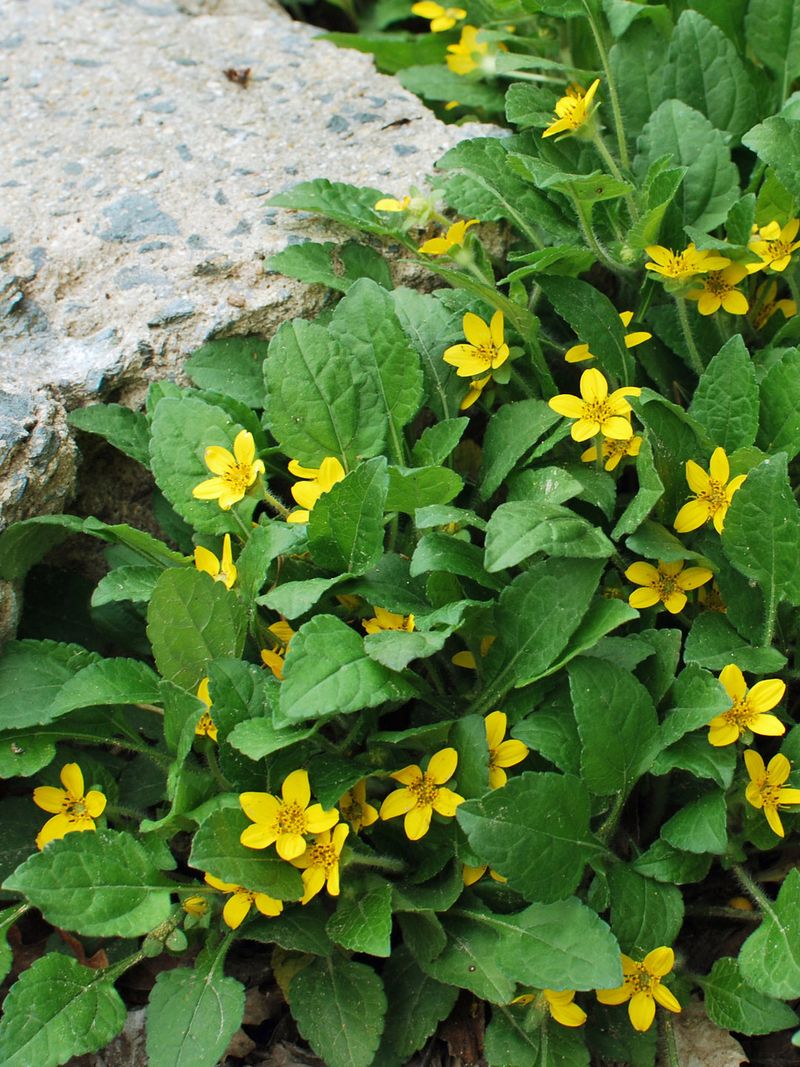
Few native groundcovers glow in the shade quite like green-and-gold during a bright spring morning. Star-shaped yellow flowers sparkle over dark leaves, almost like someone scattered confetti under the trees.
Chrysogonum virginianum is native across the Southeast, with several varieties found naturally in Georgia.
It spreads by stolons into dense mats about six to ten inches tall over time.
Some cultivars, including Eco-Lacquered Spider, are known for especially quick runners that cover space fast. That makes them handy under shrubs, along woodland paths, or anywhere weeds keep sneaking back in.
Flowers usually appear from spring into early summer, with a few blooms returning into fall. The dark foliage often stays evergreen, so the bed keeps a tidy, lived-in look through winter.
Light to partial shade is often ideal, yet full sun works if you supply steady moisture. Moist, well-drained soil suits it best, though it adapts to drier spots after settling in.
What surprises me most is how rarely deer bother this plant in neighborhoods full of hungry browsers.
That trait alone makes it a smart swap for fussier groundcovers in wooded suburban lots.
Water regularly during the first season, especially in sunnier locations or sandy soil that drains fast. After that, occasional watering during long dry spells keeps the carpet thick and flowering.
8. Gaura
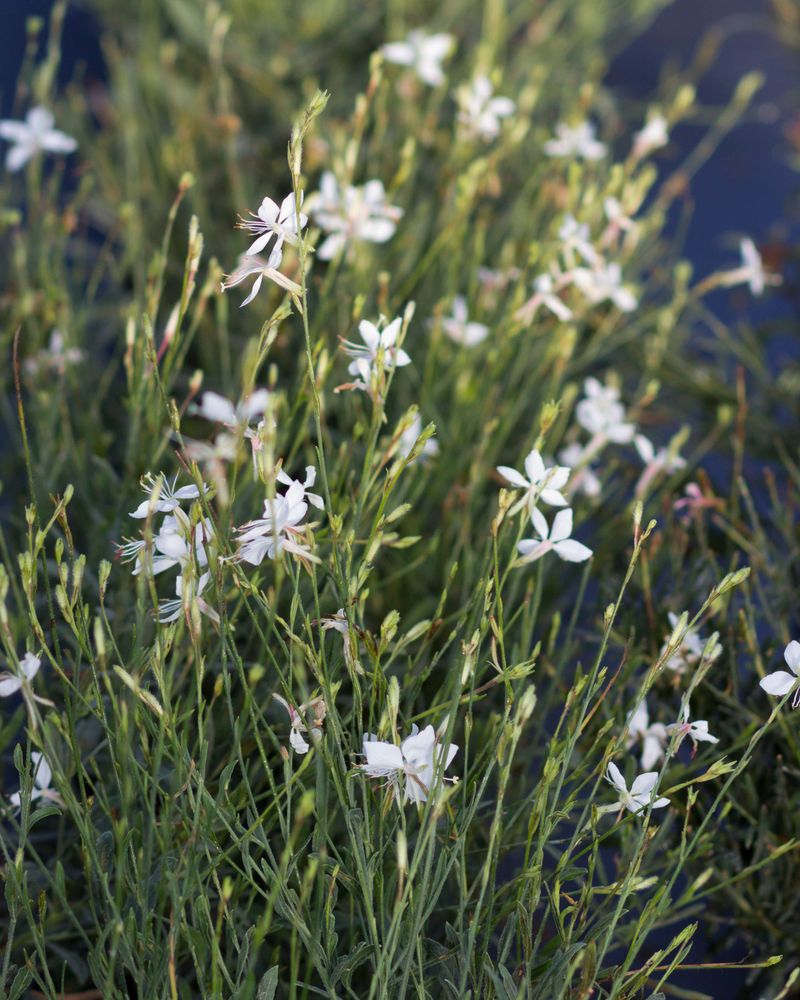
Tiny white blooms on long, wiry stems flutter in every breeze, looking like a cloud of moths. No wonder gardeners nicknamed gaura whirling butterflies, since it seems to dance all afternoon.
Botanists now often list it as Oenothera lindheimeri, though nurseries still sell it as Gaura lindheimeri.
Clumps typically grow two to three feet tall with a similar airy spread across the bed.
Gaura gets fuller and more graceful each season, filling space with motion rather than heavy foliage. I like tucking it between chunkier perennials, where it softens edges and adds a light, playful feel.
Flowers in white or pink appear from midsummer until the first frost in many gardens. That long season makes it valuable when spring bloomers have faded and the bed needs fresh life.
Full sun with at least six hours of light keeps stems sturdy and flowers plentiful. Good drainage is essential, because heavy, wet soil causes trouble for its deep roots in winter.
Poor soil rarely bothers gaura, and established plants handle drought exceptionally well during hot summers.
Skip fertilizer, which mostly encourages floppy growth instead of more blooms on those slender stalks.
Young plants may need a little staking during their first summer while roots settle in firmly. A mid-season cutback encourages bushier growth and keeps flowers coming later into the season.
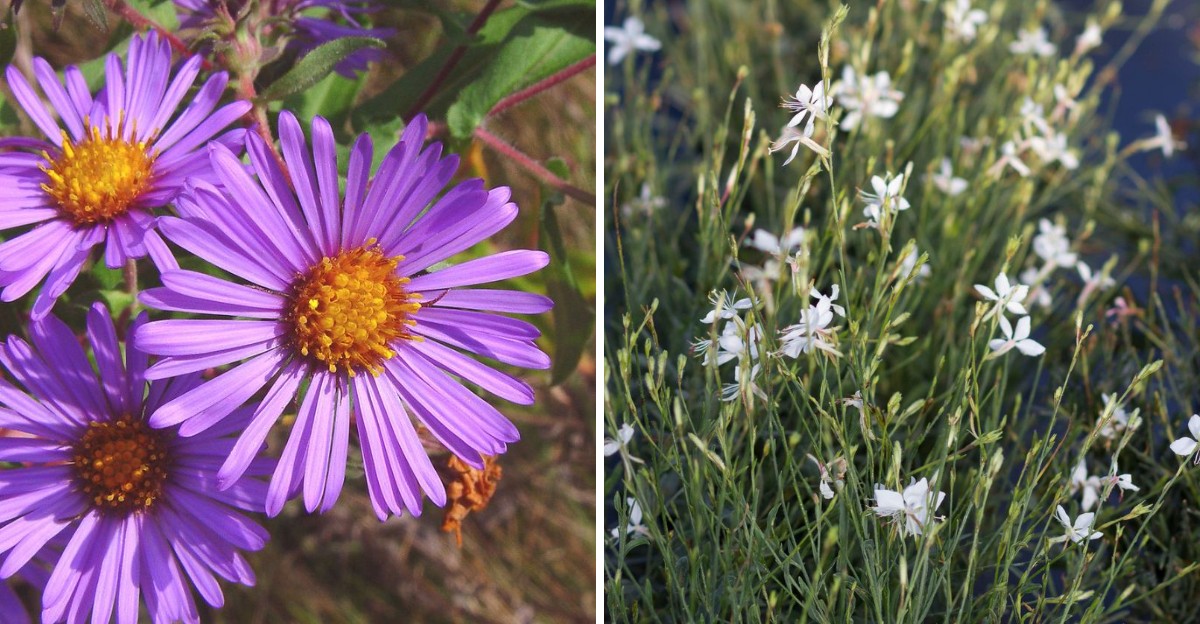
9. New England Aster
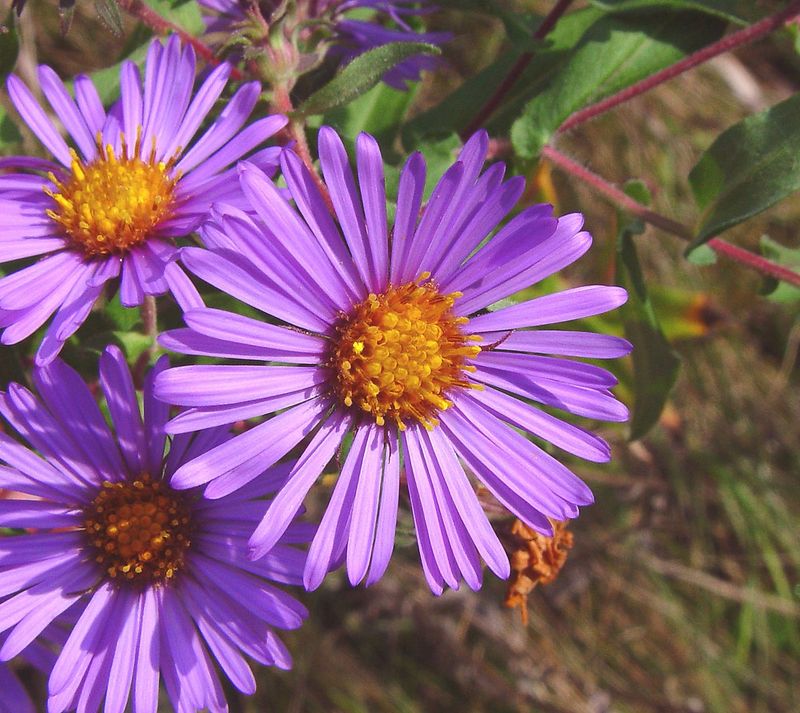
Monarch butterflies heading south in fall often stop to refuel on purple aster flowers along their route. You get front-row seats to that migration when this tall beauty blooms in your backyard.
Symphyotrichum novae-angliae, once called Aster novae-angliae, grows three to six feet tall in good conditions.
It spreads two to three feet wide, filling both vertical and horizontal space quickly.
Daisy-like flowers come in rose-purple, pink, white, or blue, each with a sunny yellow center. Blooms arrive in late summer and fall, when nectar sources are scarce for many pollinators.
Hardiness runs through Zone 8, so it suits northern and central parts of the state best. Gardeners near the coast may see weaker performance, so a local native aster could be wiser there.
Full sun to partial sun keeps stems strong and flowers plentiful through the autumn season. Moist, well-drained soil works best, although it adapts to many soil types once established.
Personally, I pinch stems back in early summer to get a bushier plant with more flowers.
That simple trick also reduces flopping, so you may skip staking those tall stems entirely.
Divide clumps every two or three years to keep them vigorous and prevent crowded centers. Fresh divisions settle in quickly and give you extra plants for other sunny spots in the yard.
10. Creeping Phlox
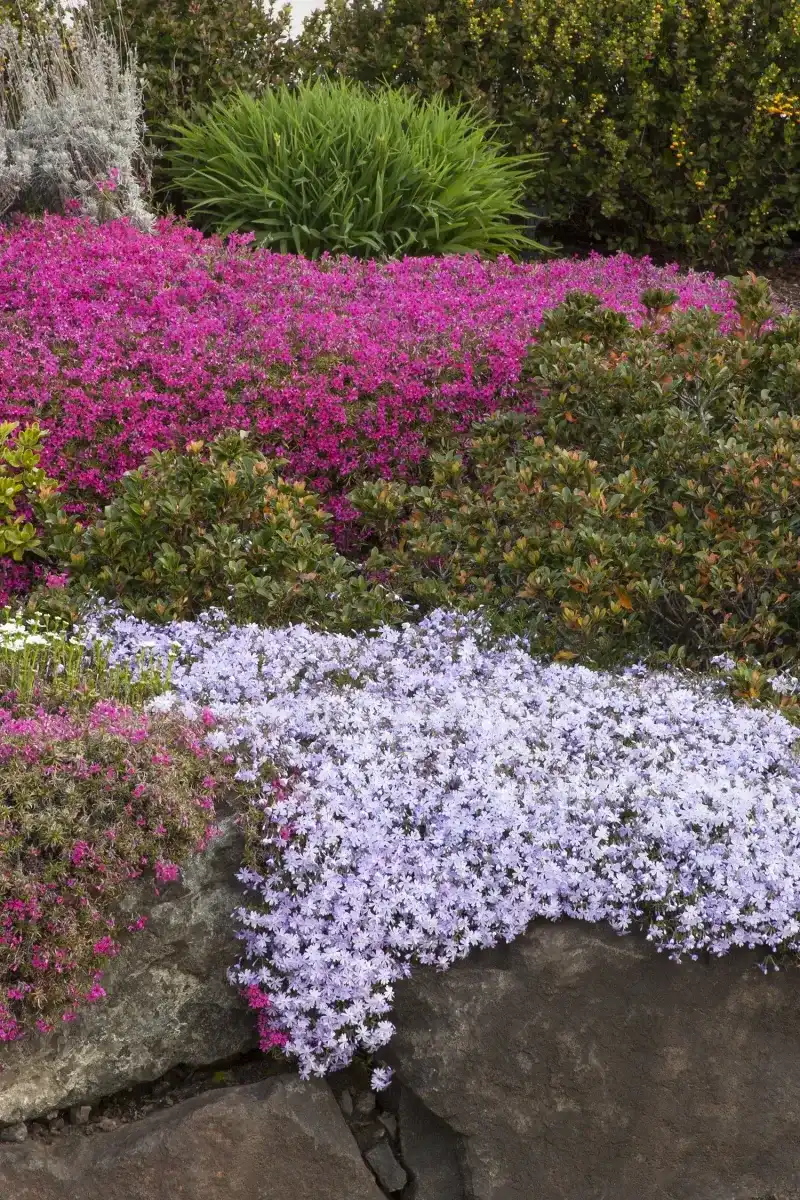
Every spring, sunny hillsides suddenly turn pink, lavender, or white as creeping phlox bursts into bloom.
Drivers slow down to stare, and honestly, I do the same thing on country roads.
Phlox subulata, also called moss phlox, stays low at about four to six inches tall. Individual plants spread one to two feet wide, forming dense mats that fill open ground quickly.
Needle-like evergreen foliage disappears under masses of small star-shaped flowers in early spring. Colors range from pink and purple to blue and white, so you can mix shades for patchwork effects.
Native to the eastern United States, this tough groundcover adapts to many conditions across Georgia. It excels on slopes, where those spreading mats help hold soil in place during heavy rain.
Full sun brings the thickest carpet of flowers, while partial sun often produces lighter blooming. Well-drained average or poor soil suits it nicely, which makes rocky banks and sandy spots ideal.
Established plants tolerate drought quite well and need only occasional water during long dry spells.
Soggy, poorly drained clay causes more problems than dry weather, so improve drainage before planting.
After flowers fade, give the mats a light shearing to encourage denser, tidier foliage. That quick trim keeps plants compact and sets them up for another bright show next spring.