8 Wild Fruits Virginians Can Still Forage After the First Frost
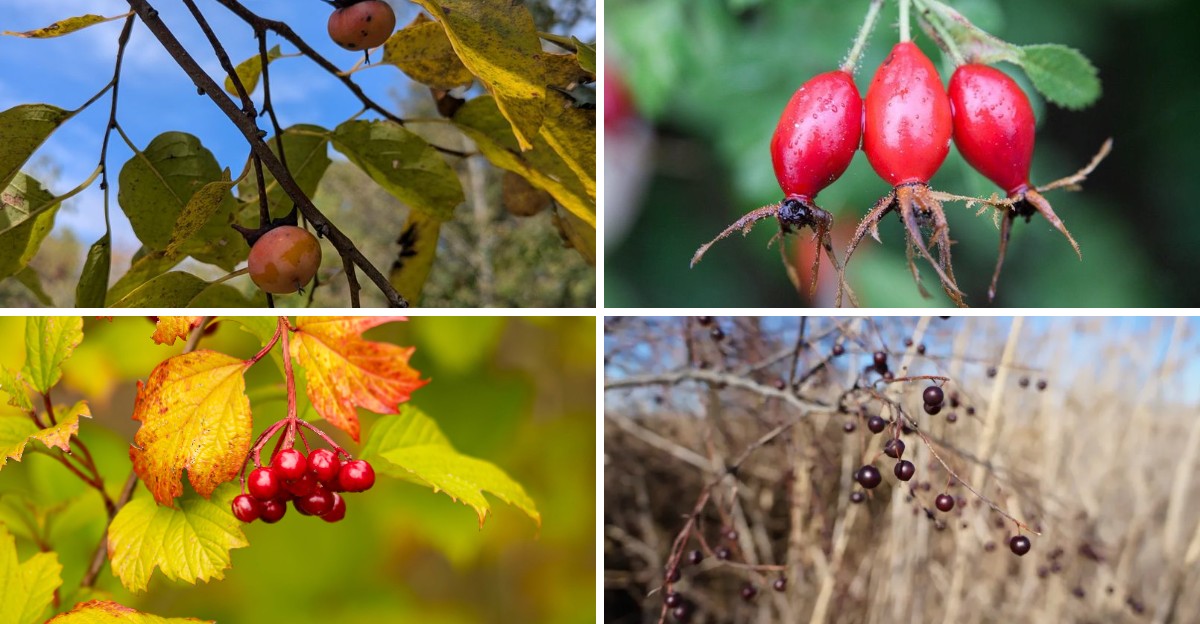
One orange fruit growing wild along old fence lines can make your whole mouth pucker like a dried sponge. A few weeks later, after some cold nights, that same fruit tastes like soft caramel pudding.
Frost does not do all the magic, but cold weather often softens tough flesh and mellows sharp flavors. Across Virginia, the first frost usually arrives around late October, with mountain valleys feeling it much sooner.
Take it from someone who once bit an unripe one on a dare and regretted it for an hour. Since then, I wait for chilly mornings before heading out with a basket and a field guide.
Many wild plants in Virginia save their best treats for late fall, when gardens look tired and bare. So which ones are worth a chilly walk, and which belong only to the birds this year?
1. American Persimmon
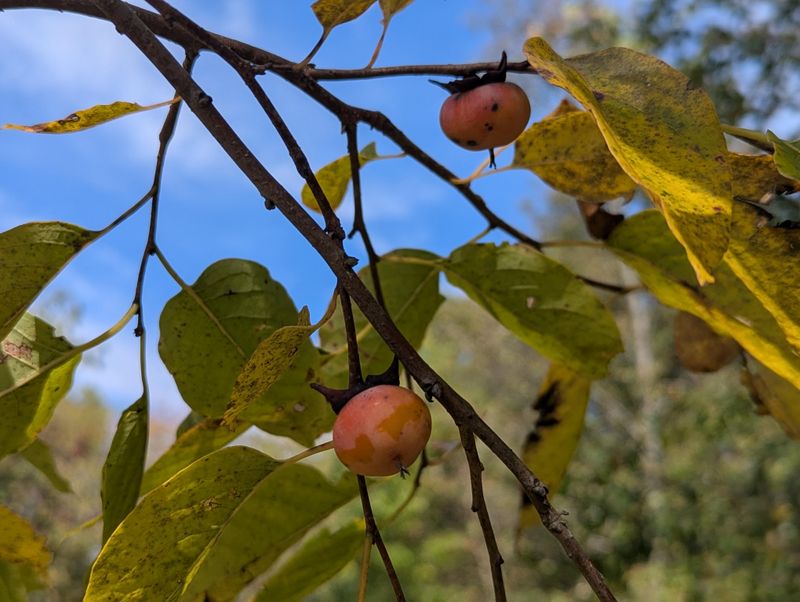
Opossums seem to know the exact week persimmons turn sweet, and they will waddle a long way for one. Ripe fruit feels squishy and wrinkled, almost like a little water balloon packed with orange jam.
Diospyros virginiana grows wild across most of the region, often popping up along roadsides and abandoned farm fields. Mature trees reach 30 to 80 feet tall, with chunky, blocky bark that looks like alligator skin.
Unripe persimmons are loaded with tannins, which create that awful dry, chalky feeling on your tongue and cheeks. Cold weather often helps, but full softness matters more than frost, so judge by touch before tasting.
In my own yard, I have noticed the best fruit drops to the ground on its own overnight. Spread an old sheet under the branches, then gently shake a limb and collect only the mushiest ones.
Each fruit holds several flat brown seeds, so push the pulp through a colander before baking anything. Persimmon pudding is a classic Appalachian treat, and the pulp also freezes well for winter breads.
If you plan to grow one, pick a sunny spot, because the long taproot makes transplanting very tricky. Trees handle clay and dry spells surprisingly well, though moist loamy soil usually gives the biggest harvests.
Most persimmon trees are either male or female, so you usually need both growing nearby for fruit. Leave a few on the branches too, since foxes and deer count on them through the cold months.
2. Wild Rose Hips
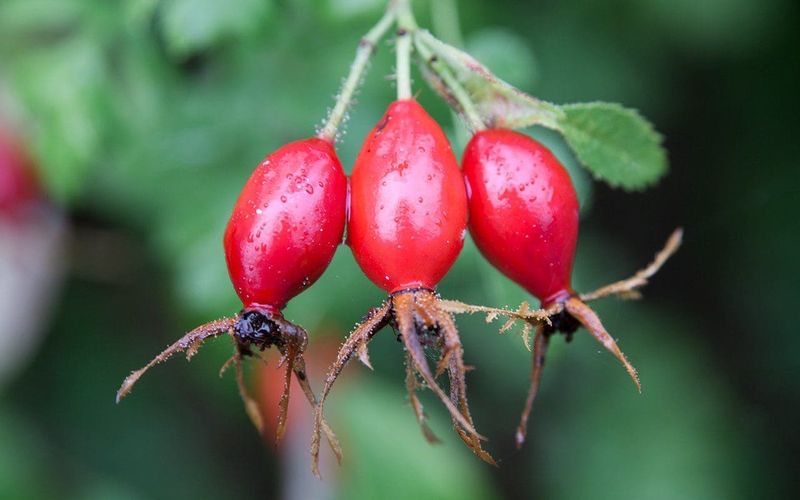
Rose hips look like tiny red lanterns hanging on bare stems long after the pink petals have faded away. Between you and me, they taste a bit like tart apple with a hint of tomato sweetness.
Two native shrubs fill most local thickets, Rosa virginiana with hooked prickles and Rosa carolina with straight, slender thorns. Both bloom pink in summer, then swell into round hips that ripen slowly through late summer and fall.
Waiting for a light frost really pays off, because cold nights soften the flesh and concentrate the natural sugars. The hips often cling to the canes well into winter, so you rarely have to rush your harvest.
Each hip is packed with vitamin C, which made rose hip tea a popular cold-weather drink for generations. Slice them open and scrape out the seeds, since the tiny hairs inside can irritate your mouth and throat.
For tea, you can steep whole hips and strain the liquid through a coffee filter to catch stray hairs. Syrup and jelly take more work, though the bright ruby color makes every minute feel well spent.
Don’t make my mistake of picking along the first rose hedge you find on a country road. Multiflora rose is invasive here, with clustered white flowers, so focus your harvest on native pink-flowered species instead.
Gardeners wanting their own patch can plant Virginia rose in sun or part shade with well-drained soil. Leave plenty of hips behind, because winter birds and small mammals lean on them when food runs short.
3. Staghorn Sumac
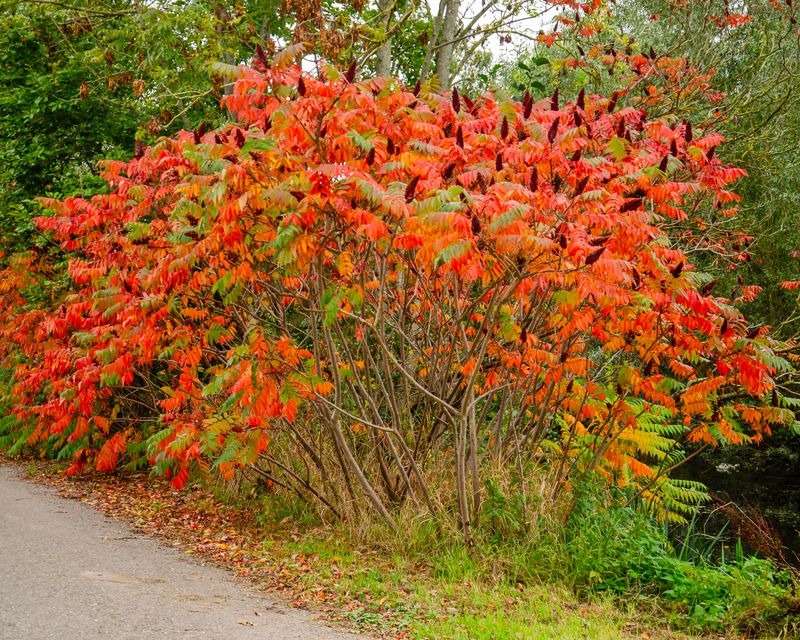
Fuzzy red cones standing upright like little torches can turn a cup of cold water into pink lemonade. Funny thing is, most people drive past staghorn sumac every day without realizing it’s a free snack.
Rhus typhina earned its name from velvety twigs that look like a young deer’s antlers in early summer. Smooth sumac, Rhus glabra, is a close cousin with hairless stems and nearly identical uses in the kitchen.
The berries ripen in late summer, yet the clusters hold on through frost and well into the winter. Their tart flavor comes from malic acid on the fuzzy surface, which heavy rain can rinse away fairly quickly.
Lick a berry before you snip a cluster, and if it tastes sour, you have a winner. Late-season clusters can be bland or buggy, so shake them over a white plate and check carefully.
Soak a few clusters in cold water for about an hour, then pour the liquid through a cloth. Hot water pulls out bitter tannins, so keep it chilly for that bright, lemony sumac-ade everyone loves.
Poison sumac grows in swamps and wet woods, with drooping white or pale green berries instead of red ones. Edible sumacs prefer dry, sunny ground and hold their red clusters pointed straight toward the sky.
Sumac spreads by suckers, so give it room along a slope or a far corner of the property. Bluebirds and wild turkeys depend on these clusters as an emergency food when snow covers everything else.
4. American Cranberrybush
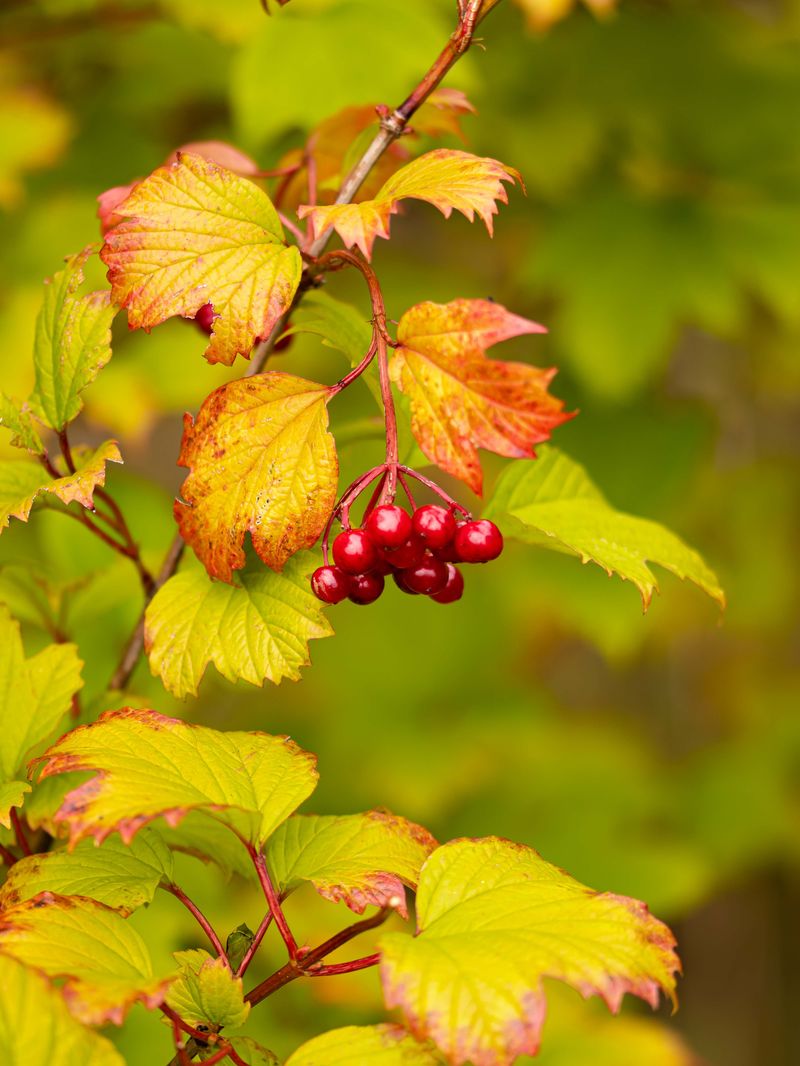
Glossy scarlet berries dangling from maple-shaped leaves make American cranberrybush look like a holiday wreath growing in the woods. My first taste was so sour that my eyes watered, but the plant was simply teaching me patience.
Viburnum trilobum is a northern shrub, and wild plants in this state are uncommon, mostly appearing in northern mountain counties. Most folks who harvest it here have planted one, so check with local native plant nurseries first.
The berries ripen in late summer and fall, but they taste much better once frost has nipped them. Cold weather tones down the sharp acidity, and the fruit shrivels slightly while hanging on through late winter.
Each berry holds one large, flat seed, so cooking and straining the pulp works best for most recipes. The juice makes a tangy jelly or sauce that stands in nicely for cranberries at a holiday dinner.
Eating lots of raw, underripe berries can upset your stomach, so take it slow with fresh tastes. The look-alike European cranberrybush, Viburnum opulus, has bitter fruit and is not the plant you want here.
Grow this shrub in moist soil with full sun or light shade, and give it about ten feet of space. Its lacy white spring flowers draw butterflies and native bees long before the fruit shows any color at all.
Robins and cedar waxwings often wait until the berries freeze and thaw several times before they finally feast. Plant a pair for better fruiting, then share the leftovers with your feathered neighbors in late winter.
5. Partridgeberry
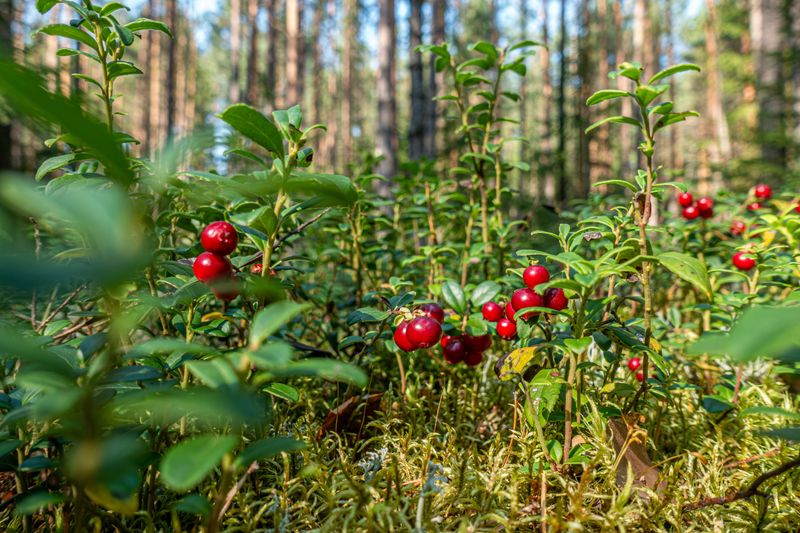
Each partridgeberry wears two tiny dimples, like a little red face peeking out from the forest floor. Those marks come from twin flowers that fuse together to form a single berry, which still amazes me.
Mitchella repens is a creeping evergreen that hugs the ground, rarely growing more than three inches tall. Its small, glossy leaves carry pale white veins down the middle, making the plant easy to spot in winter.
Look for it in shady hardwood forests, often draped over mossy stream banks or crumbling old logs. Berries ripen in late summer and fall, then stay bright red all winter long under the fallen leaves.
If you ask me, the flavor is mild and a little bland, with a faint cranberry hint. Toss a handful into trail mix or a fruit salad rather than expecting a sweet treat on its own.
Some sources advise pregnant people to avoid partridgeberry, since it was used traditionally in teas around childbirth. Take only a few berries from each patch, because the plant grows slowly and produces modest crops.
Ruffed grouse and wild turkeys scratch through winter leaves to find these berries when other food grows scarce. The evergreen mats also shelter tiny critters, giving the forest floor a touch of green in January.
For shady gardens, partridgeberry makes a charming living groundcover beneath oaks or along a woodland path. Give it moist, acidic soil rich in leaf mold, and it will slowly knit itself into a carpet.
6. Spicebush
Scratch a spicebush twig, and your fingers will smell like lemon peel mixed with warm allspice. Let’s just say I keep a small jar of the dried berries tucked right beside my cinnamon.
Lindera benzoin is a native shrub found throughout the state, usually 6 to 15 feet tall in moist woods. In early spring, tiny yellow flowers puff along bare branches before a single leaf has opened.
The shiny red berries ripen in late summer and early fall, so frost season is a final call. Birds strip many plants quickly, because the fat-rich fruit fuels them during their long fall migration south.
Only female shrubs produce berries, and they need a male plant nearby to make any fruit at all. Buying a mix of plants for your yard gives you a much better chance of a decent harvest.
Each berry holds one seed, and many foragers dry them, then grind the whole thing into a powder. Grinding works best with a dedicated coffee grinder, since the oils linger with a strong peppery perfume.
Try a pinch in pumpkin bread or rubbed onto pork chops for a warm, citrusy kick. Leaves and twigs make a fragrant tea, which settlers once sipped during chilly winters for comfort.
Spicebush also hosts the spicebush swallowtail, whose caterpillars hide inside folded leaves and wear fake eyespots. Plant it in part shade with moist soil, and you will feed butterflies in summer and birds in fall.
7. Wintergreen
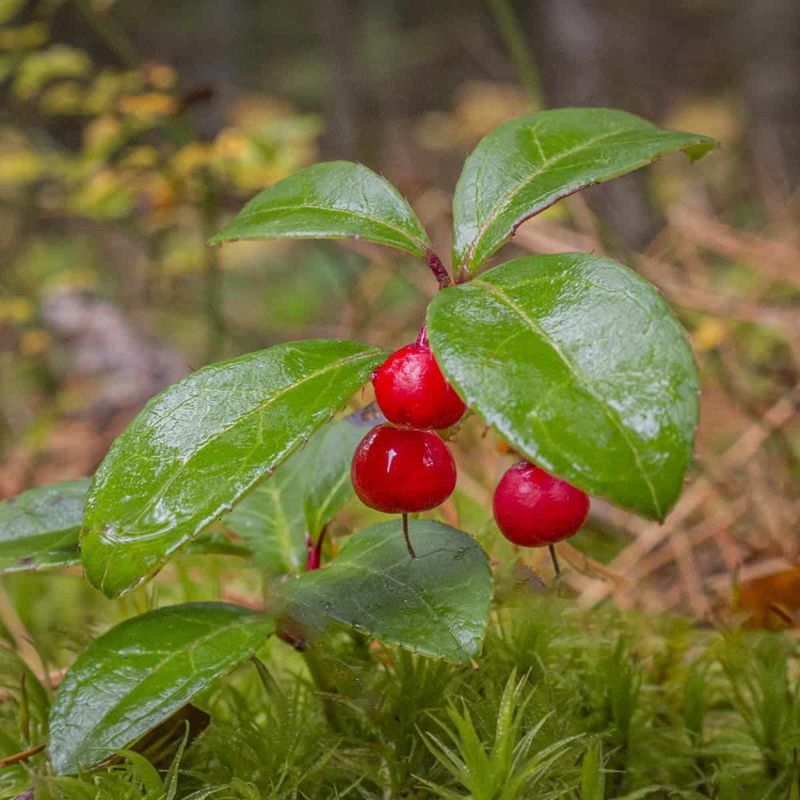
Chew a wintergreen leaf on a frosty hike, and your mouth fills with the cool flavor of old-fashioned gum. Long before candy companies bottled it, that taste came straight from this little plant on the forest floor.
Gaultheria procumbens grows in cool mountain woods across the western part of the state, less often farther east. It creeps along under pines and oaks, rarely topping eight inches, with leathery leaves that redden in cold weather.
The bright red berries ripen in late summer and fall, then cling to stems right through winter into spring. Frost and chilly temperatures sweeten them noticeably, so a late season nibble often tastes better than an early one.
That minty punch comes from methyl salicylate, a natural compound closely related to the active ingredient in aspirin. Anyone with an aspirin allergy should skip wintergreen, and eating handfuls of berries can cause an unhappy stomach.
Taste one berry at a time, letting it pop open to release a soft, mealy, wintergreen sweetness. They work nicely sprinkled on oatmeal, or folded into muffins for a festive mountain twist on breakfast.
Store-bought wintergreen oil is extremely concentrated and dangerous to swallow, so keep it far from kids and pets. Fresh leaves are a much safer choice, steeped for tea after letting them soak in water for several days.
White-tailed deer and wild turkeys browse wintergreen when snow hides most other greens in the woods. Gardeners with acidic, shady soil under evergreens can plant it as a slow but lovely spreading groundcover.
8. Common Hackberry
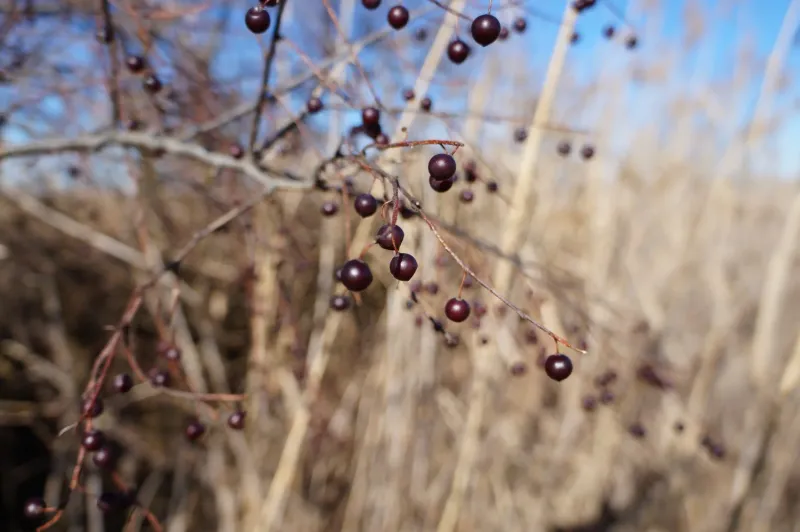
Hackberry fruit tastes like a tiny date wrapped around a crunchy nut, and almost nobody knows to try it. Each pea-sized berry is mostly seed, with a thin, sugary shell that turns dark purple when fully ripe.
Celtis occidentalis grows across most counties, while its cousin sugarberry, Celtis laevigata, prefers the Piedmont and southeastern regions. Telling the two apart can puzzle even experts here, though both offer the same sweet winter snack.
The fruit ripens in late summer and early fall, yet it often stays on the tree until spring. Frost does little harm, so a January walk can still reward you with a pocketful of chewy treats.
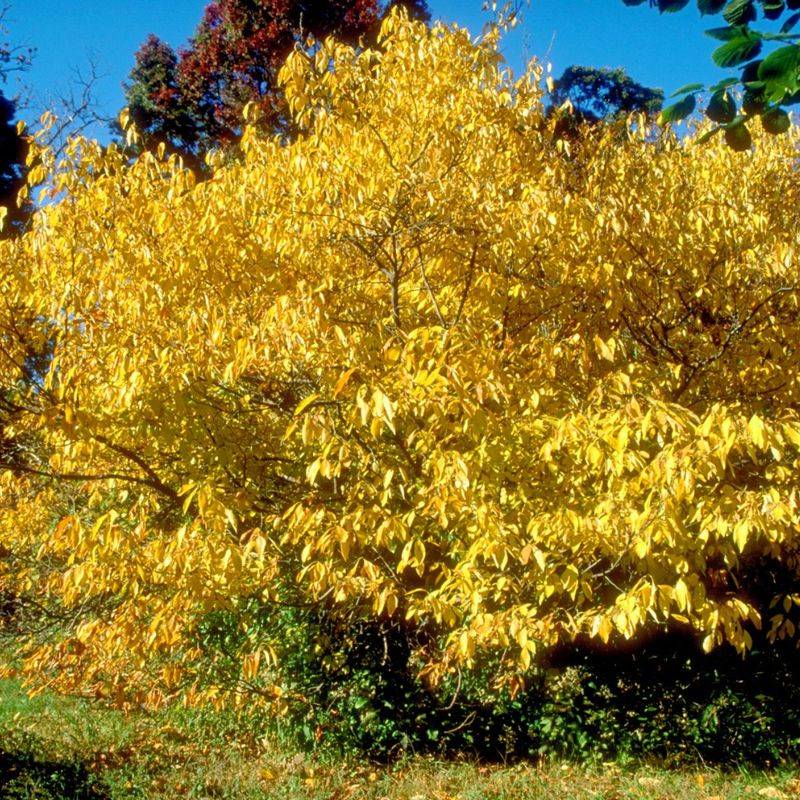
Spot the tree by its gray bark, covered in warty, corky ridges that look like stacks of tiny shelves. Leaves are lopsided at the base and turn yellow in fall, making older trees easy to recognize.
Native peoples pounded whole hackberries, seeds and all, into a paste for porridge and baked cakes. Try grinding a handful with a mortar and pestle, then mix the paste with oats for chewy energy bites.
Many leaves carry small bumps called nipple galls, made by tiny insects, but they rarely bother the tree’s health. Hackberry shrugs off drought and city pollution, which makes it a smart shade tree for tough planting sites.
Cedar waxwings and mockingbirds visit these branches all winter, guarding fruit like it’s their personal pantry. Several butterflies, including the hackberry emperor, raise their caterpillars on the leaves during the warmer months.