This November Fertilizer Mistake Could Damage Georgia Zoysia Lawns Next Spring
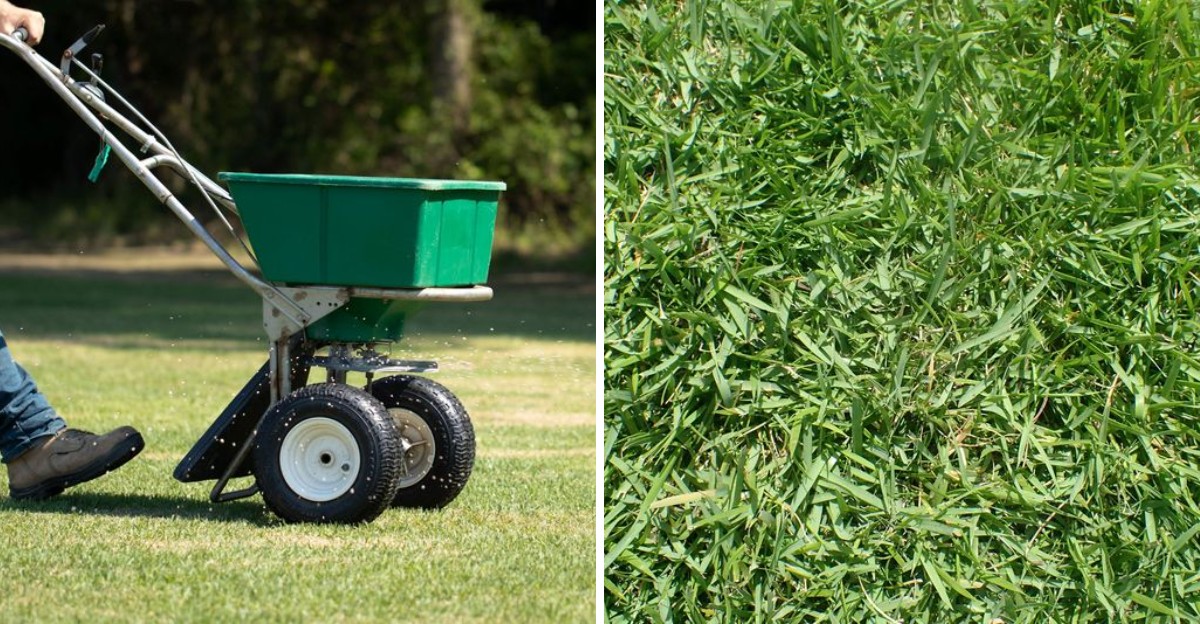
Just one bag of lawn food spread in late fall can quietly feed a fungus instead of your grass. The trouble often stays hidden for months.
Then spring arrives, and odd brown circles show up right where the green should be.
I learned this the hard way in a friend’s Georgia backyard. We both thought a last feeding before winter was a kind gesture.
The grass had other plans, and so did the soil.
Warm-season turf runs on a different clock than the lawns you see in northern magazines. It wants to slow down and rest as the days get shorter.
Pushing it to grow now is a bit like waking a bear in December.
I think the fix is easier than most people expect. You might even save money this month.
Knowing what to leave out of your spreader right now could spare your lawn some serious trouble next spring.
1. That Late Bag Of Lawn Food Sends Zoysia The Wrong Signal
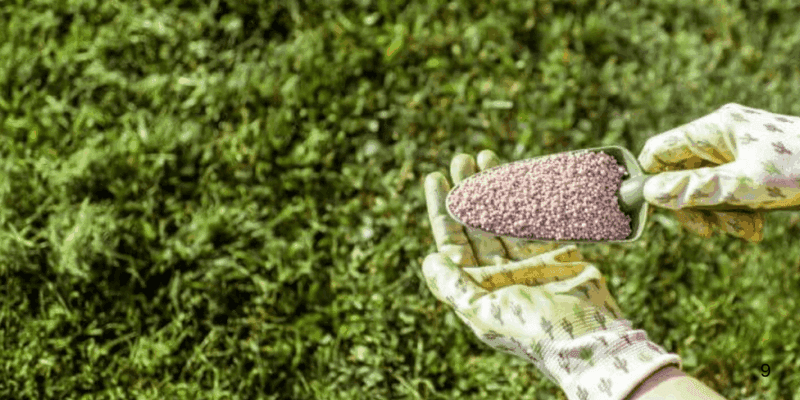
Nitrogen is the gas pedal for grass. Press it in November, and your zoysia gets told to grow just when it should be easing into its winter rest.
University of Georgia Extension turf experts advise against feeding warm-season grasses with nitrogen late in the year. The grass responds by pushing out soft, leafy growth that has little time to toughen up before frost.
That fresh tissue is tender, watery, and easy for cold nights to injure.
Here is what makes it sneaky. The lawn may look a little greener for a week or two, so it feels like the feeding worked.
Meanwhile, the plant is spending energy it had tucked away for winter and spring.
Zoysia stores carbohydrates in its roots, stolons, and rhizomes as fall cools down. Those reserves act like a savings account.
The grass draws on them to survive cold snaps and to green up smoothly when warm weather returns.
A late nitrogen boost drains that account early. The result often shows up months later as thin spots, slow green-up, and patches that seem stuck in winter mode.
In short, the mistake is timing, and the bill arrives in April.
2. Stop Feeding Nitrogen To Zoysia By Late Summer
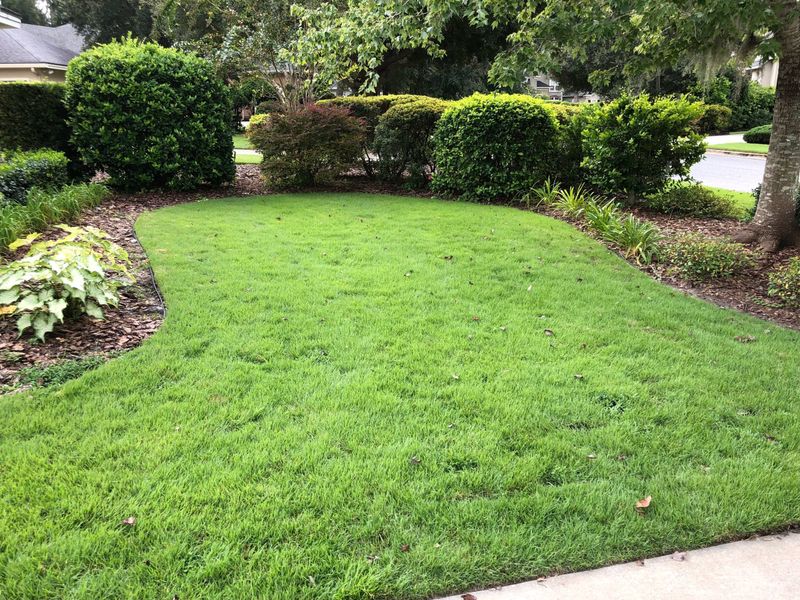
My favorite lawn rule fits on a sticky note. Feed zoysia while it is actively growing, then put the nitrogen away.
In Georgia, that growing window usually starts after full spring green-up, once soil temperatures stay near 65 degrees Fahrenheit. It runs through summer, roughly May into August.
UGA guidance generally suggests making the last nitrogen application no later than mid-August, and earlier is fine in north Georgia, where cold arrives sooner.
Zoysia also needs less nitrogen than many other lawn grasses. Too much, even in summer, can build up thatch, that spongy layer of stems between the blades and the soil.
Thick thatch holds moisture and invites disease, so a lighter hand pays off.
A simple plan works well for most yards:
Apply a modest amount of nitrogen once the lawn is fully green in late spring. Add another light feeding in early or midsummer if your soil test suggests it.
Then stop by August.
After that, the grass shifts its energy below ground. Roots deepen, rhizomes fill with stored food, and the plant prepares for a quiet winter.
Let it finish that job without interruption, and spring tends to reward your patience.
3. Orange-Edged Brown Circles Point To Large Patch Disease
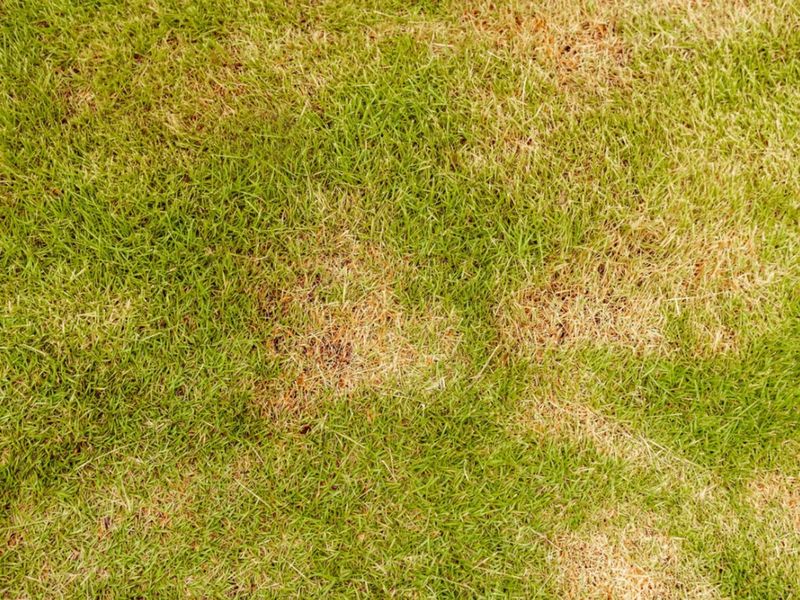
Few lawn problems confuse homeowners like large patch. Big tan circles appear, sometimes several feet wide, with a bright orange or yellow ring around the edge.
The culprit is a fungus called Rhizoctonia solani. It loves the cool, damp weather Georgia gets in fall and again in spring.
Zoysia is one of its favorite targets, along with St. Augustinegrass and centipedegrass.
Late nitrogen makes this worse. Turf scientists have linked fall feeding to more severe large patch, because the soft new growth gives the fungus easy access.
You end up feeding the disease instead of the lawn.
To check for it, tug on a few blades at the edge of a circle. Infected leaves often slip free from the stem with little effort, and the base may look dark and rotted.
Healthy blades hold firm.
The fungus usually starts working in fall, yet the damage often grabs attention in spring. Patches slowly fill in as summer heat returns, but some lawns stay scarred until June.
Prevention matters most, and skipping November nitrogen is one of the simplest steps. If patches show up yearly, a preventive fungicide in early fall can help.
4. Tan Dormant Zoysia Is Resting, Not Failing
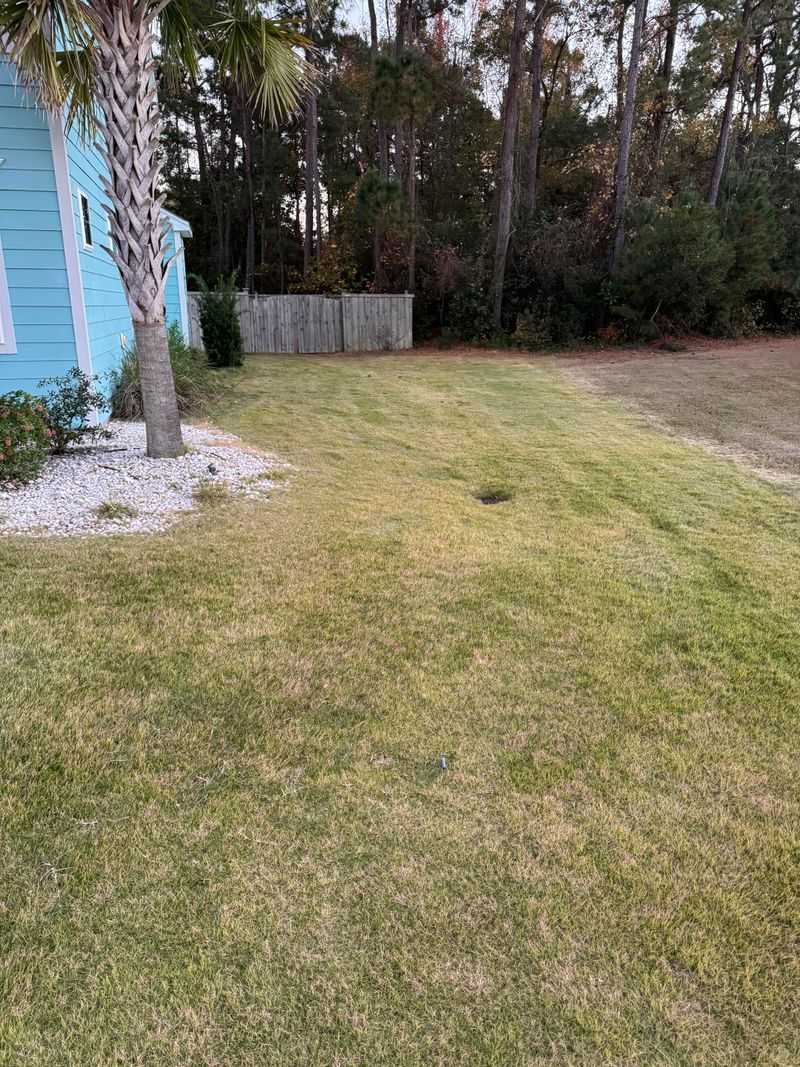
Golden-brown grass in December can make any gardener nervous. I get it, because the urge to fix it with a bag of fertilizer feels strong.
That tan color is normal, though. Zoysia is a warm-season grass, and it slips into dormancy once soil and air temperatures drop.
The blades stop growing and lose their green, while the crowns, roots, and rhizomes stay alive below.
Across much of Georgia, dormancy kicks in after the first few frosts. North Georgia lawns often brown up by early November.
Coastal and south Georgia yards may hold color a bit longer, especially during mild autumns.
Fertilizer cannot pull dormant grass out of this rest in any healthy way. The roots barely take up nutrients during cold weather.
Much of the nitrogen just sits there, washes toward storm drains, or feeds winter weeds like annual bluegrass and henbit.
So the most helpful attitude now is acceptance. That buff-colored lawn is doing what it evolved to do.
Some neighbors even enjoy the warm, wheat-like look against winter skies. Give it a few months, and the green will creep back once spring warmth settles in.
5. A Soil Test Kit Tells You What Zoysia Really Lacks
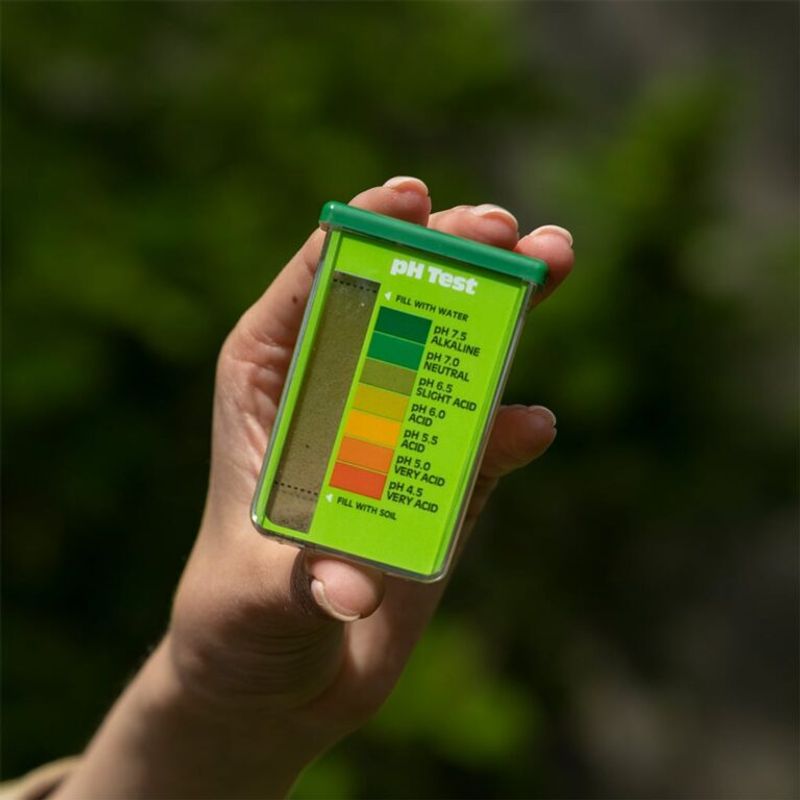
Guessing at fertilizer is a bit like taking medicine without knowing what is wrong. A soil test removes the mystery for just a few dollars.
Your local UGA Extension office can process lawn samples and send back clear recommendations. The report shows soil pH plus levels of phosphorus, potassium, calcium, and magnesium.
It also tells you how much lime or fertilizer, if any, your lawn needs.
Fall is a smart time to test. Labs are usually less busy than in spring, and you have plenty of time to plan.
Results arrive well before the next growing season.
Collecting a sample is easy. Use a trowel or soil probe to take small cores about 4 inches deep from 10 to 15 spots around the lawn.
Mix them in a clean bucket, then fill the sample bag with about a pint of soil.
Zoysia generally prefers a slightly acidic soil, often around pH 6.0 to 6.5. If your test calls for lime, fall and winter are fine times to spread it, since lime works slowly.
It does not push top growth like nitrogen does, so it fits the season well.
6. Potassium Can Help Zoysia Handle Winter Stress
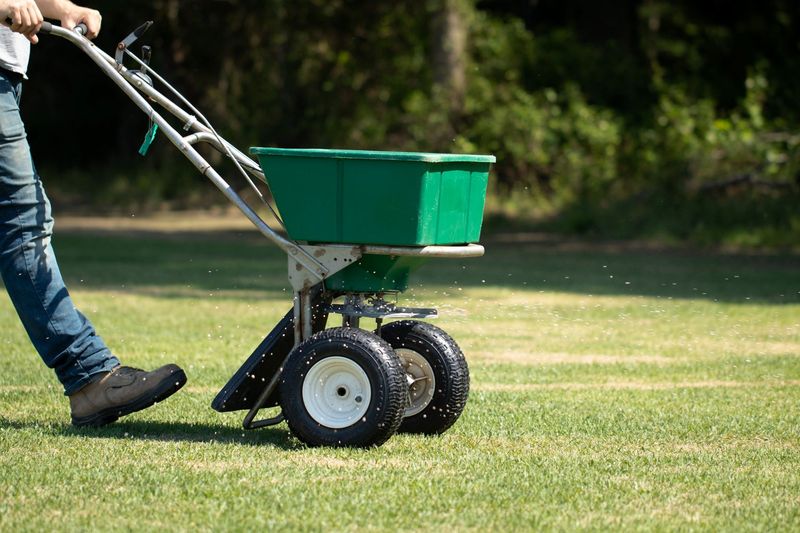
Not every nutrient is a troublemaker in autumn. Potassium plays a quieter role, helping grass manage cold, drought, and general stress.
Turf researchers connect adequate potassium with better winter hardiness in warm-season grasses. It supports cell strength and water balance, which matters when temperatures swing wildly.
Georgia winters do love a 70-degree afternoon followed by a hard freeze.
The key word is adequate. More potassium does not create a super lawn.
If your soil already has enough, extra applications are wasted money, which is why a soil test should come first.
When the report shows low potassium, early fall is the usual time to apply it. Look for a product with zero or very little nitrogen, such as muriate of potash or sulfate of potash.
The bag label will show something like 0-0-60 or 0-0-50.
Spread it evenly and water it in lightly. Avoid fall products sold as winterizers unless you read the label closely.
Many of those blends were designed for cool-season lawns up north and still carry a hefty dose of nitrogen, which puts you right back at the November mistake.
7. Raking Leaves Off Zoysia Helps Keep Fungus Away
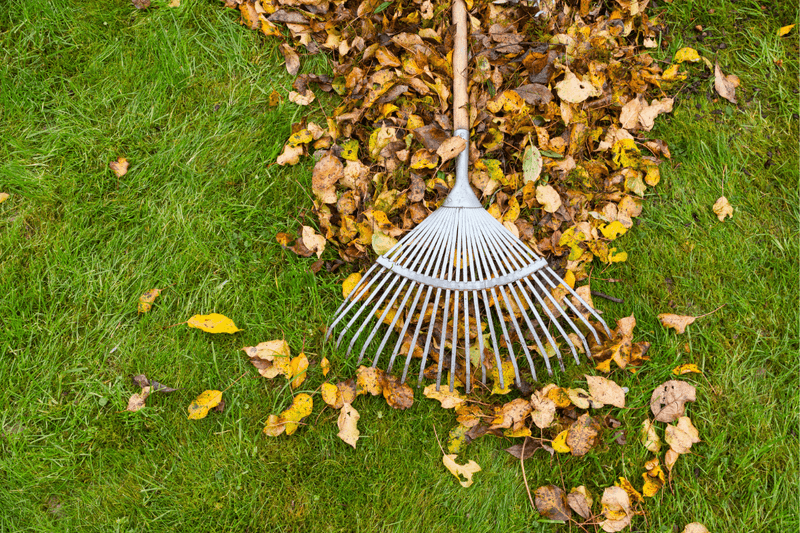
Autumn leaves look charming for about a week. After that, a soggy layer on top of zoysia can cause real headaches.
Thick leaf cover blocks sunlight and traps moisture against the turf. That damp, shaded setting suits large patch and other fungi nicely.
It can also smother areas of grass that are still holding a bit of color.
Removing leaves regularly is one of the easiest favors you can do for your lawn. A rake works fine for small yards.
A mulching mower can chop light leaf drops into tiny bits that break down quickly.
Mowing deserves attention too. Keep cutting at your normal height, often around 1 to 2 inches for most zoysia, until growth stops.
Avoid scalping it low right before winter, because the extra leaf tissue offers some protection to the crowns.
Watering needs drop sharply now. Dormant grass uses little moisture, and soggy soil helps fungus spread.
If Georgia hits a long dry stretch with no rain for several weeks, a light drink can prevent winter drying. Water in the morning so blades dry quickly, and skip the evening sprinkler sessions.
8. Save That Fertilizer For Spring Zoysia Green-Up
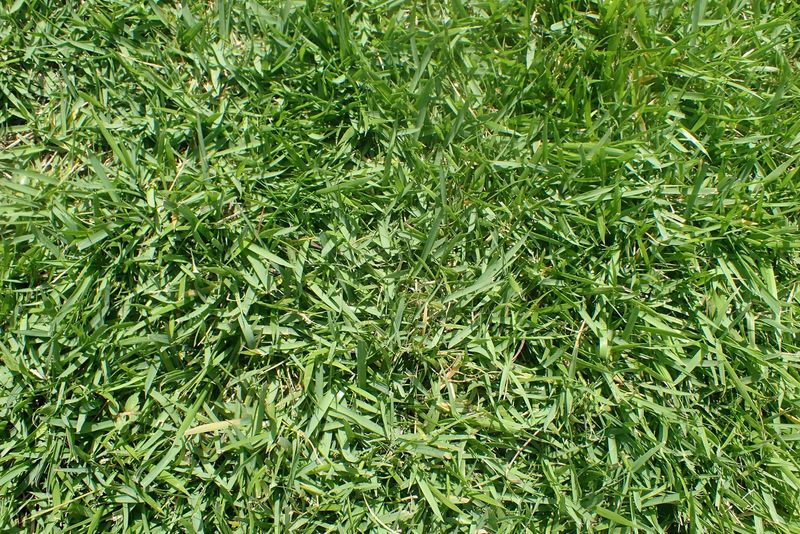
Patience feels hard in a gardening hobby, yet zoysia rewards it handsomely. Your best move this month is a calm one: close the fertilizer bag and store it in a dry spot.
Spring will arrive with its own temptations. Many people spread fertilizer on the first warm weekend in March, while the lawn is still half tan.
That early feeding can repeat the fall problem, since roots are not ready and late cold snaps still happen.
Wait until the lawn has fully greened up and soil temperatures hold near 65 degrees. In much of Georgia, that lands somewhere in April or May, depending on your region.
Your UGA Extension office can help with local timing.
Meanwhile, use winter to plan. Mark any spots that showed brown circles this fall, check your soil test results, and sharpen the mower blade.
You could also map shady areas, since zoysia often thins under heavy tree cover.
A quiet November sets up a strong spring. The grass keeps its stored energy, disease has less fuel, and your wallet stays a little heavier.
I count that as one of the easiest lawn wins of the year.