What Happens When Georgia Gardeners Prune Azaleas Too Late In Spring
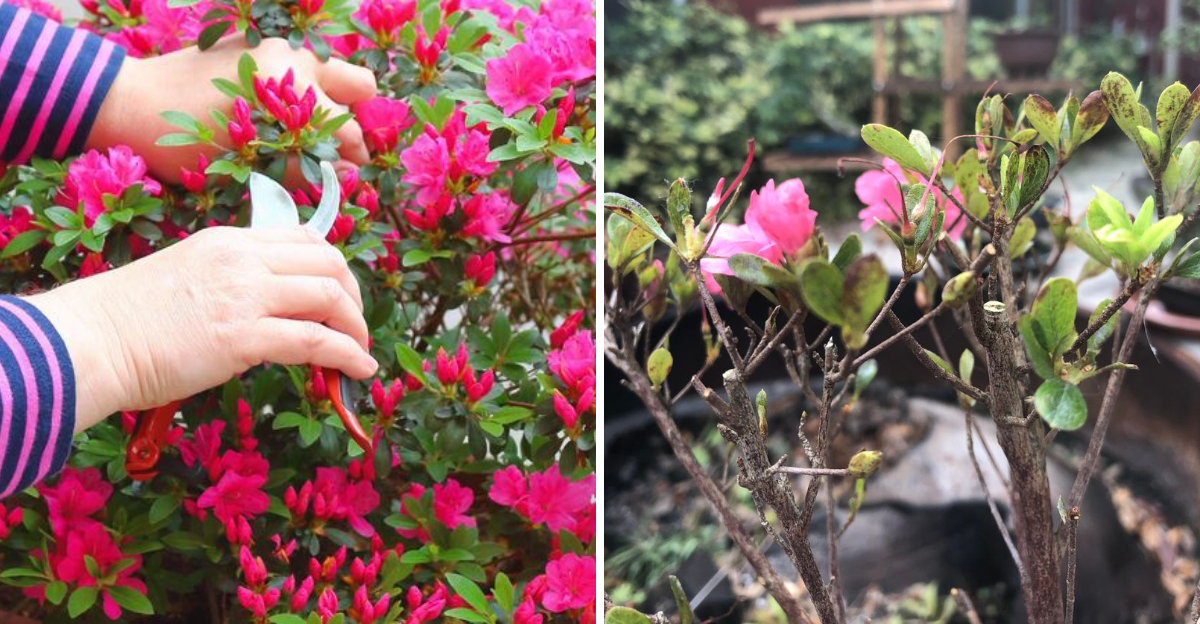
If your Georgia azaleas just wrapped up their spring show and you’re itching to grab the shears and tidy things up, hold on just a second.
Pruning azaleas is one of those gardening tasks that feels completely straightforward until you realize you’ve accidentally set yourself up for a disappointing spring next year.
Cutting at the wrong time in Georgia’s warm climate can remove next season’s flower buds before they even have a chance to develop, and you won’t know it happened until your shrubs show up looking sparse twelve months later. Not ideal.
The good news is that timing azalea pruning correctly isn’t complicated at all once you know what to look for.
A little awareness about when and how to prune can make a real difference in how your shrubs perform season after season.
1. Next Spring’s Flower Buds May Be Removed
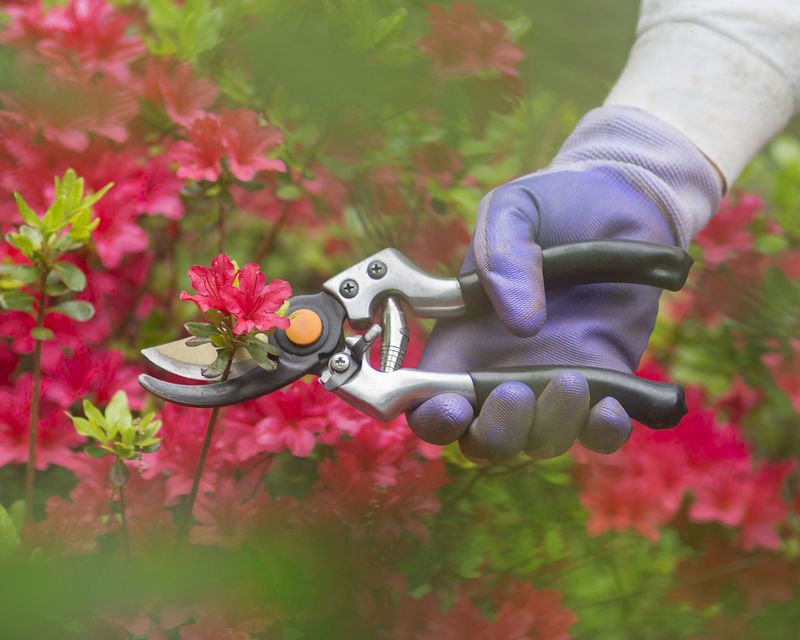
Fading azalea blooms can make a shrub look a little ragged, and the natural instinct for many gardeners is to grab the pruning shears and tidy things up.
The problem is that azaleas begin setting next year’s flower buds surprisingly soon after blooming ends in spring.
Once those buds start forming along the new growth, any pruning that removes those branches also removes the blooms that were meant to open the following spring.
Azaleas in Georgia tend to finish blooming anywhere from mid-spring into early summer depending on the variety.
After that bloom period closes, the shrub quickly shifts its energy toward producing new stems and, shortly after, the buds that will become next year’s flowers.
Gardeners who wait until late May or into June to prune may already be cutting into wood that carries those developing buds.
The buds are not always easy to spot at first because they start out quite small and blend into the fresh green growth. Waiting too long to prune means losing those buds without realizing it.
A light shaping done within the first few weeks after bloom drop gives the shrub time to recover and still set buds before the season moves too far along.
Paying attention to that narrow window can make a noticeable difference in how full and colorful a Georgia azalea planting looks come the following spring.
2. Next Year’s Bloom Display May Be Smaller
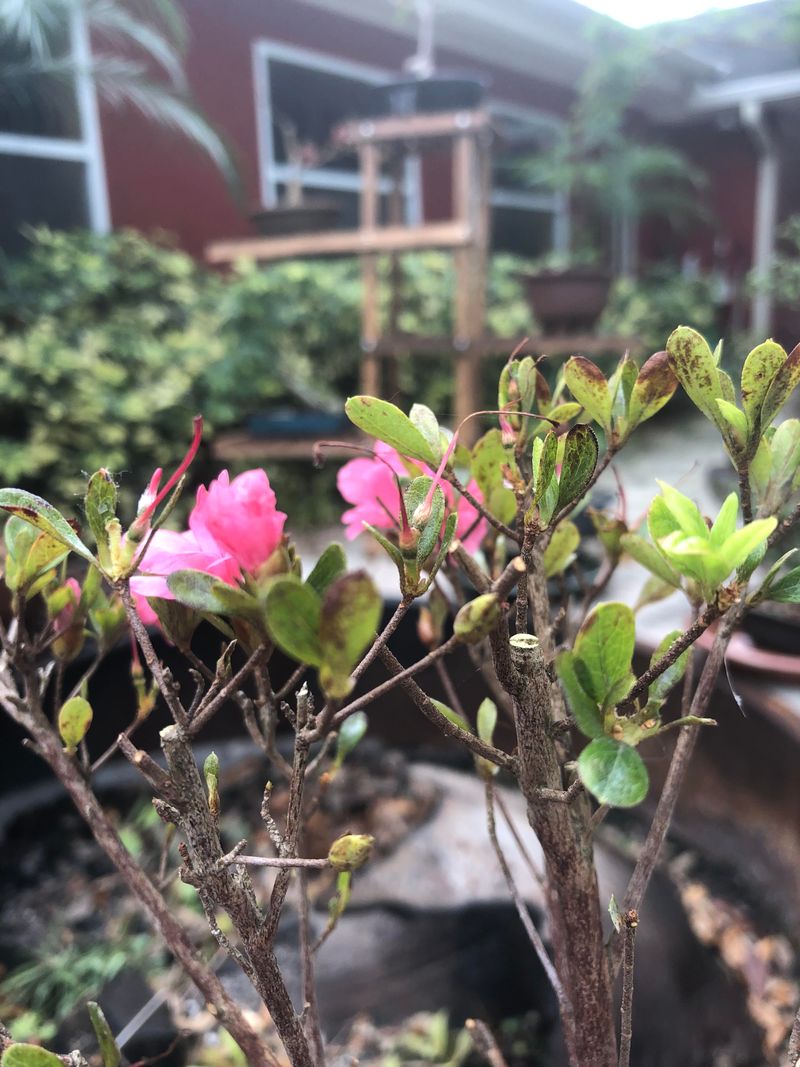
Walking out to a yard full of azaleas that barely bloomed can be a real disappointment, especially when those same shrubs put on a beautiful show just a year or two before.
One of the quieter consequences of late spring pruning is that it can significantly reduce the number of flowers that open the following year.
Gardeners who prune after bud set has begun may not notice any immediate problem with the shrub, but the effect becomes clear when spring arrives and the bloom count is noticeably thin.
Azaleas produce blooms on wood that matured during the previous growing season. When pruning removes a large portion of that wood after buds have already formed, the shrub simply has fewer bud-bearing stems left to flower from.
Your Georgia Garden Changes Every Week. Your Plan Should Too.
Gardening in Georgia changes quickly throughout the season. Every Friday you’ll receive a simple weekly plan showing exactly what to plant, prune, fertilize, harvest, and protect so you never miss the right timing.
The result is a patchy or sparse display that can affect the look of foundation beds, shrub borders, and front yard plantings across Georgia neighborhoods.
The reduction in blooms is not permanent in most cases, since the shrub will continue growing and setting new buds each year.
However, it may take a full season or two for the display to fully recover depending on how much was removed and how late the pruning occurred.
Keeping pruning light and finishing it soon after bloom drop is the most straightforward way to protect that spring flower show and keep Georgia azaleas looking their best year after year.
3. Late Blooming Azaleas May Need Different Timing
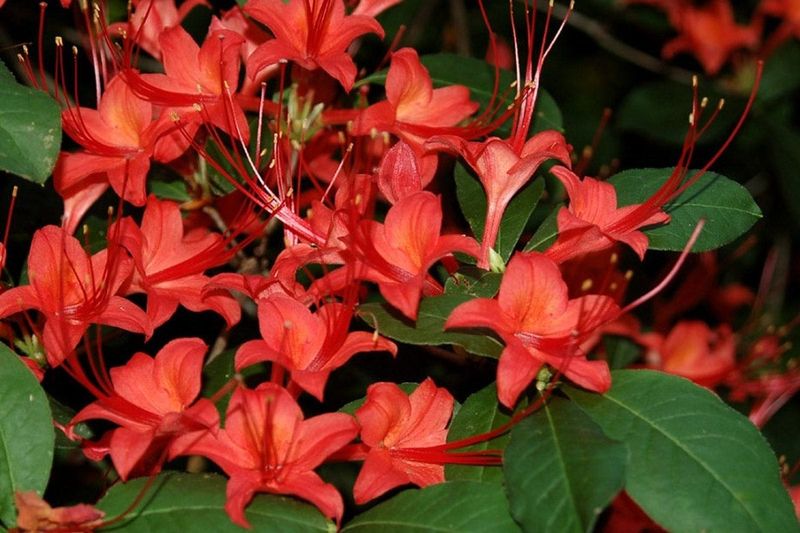
Not every azalea in Georgia follows the same blooming schedule, and that difference matters when deciding when to prune. Some varieties, particularly certain native and late-blooming types, may still be showing open flowers well into May or even early June.
Pruning based on what the early-blooming shrubs in the yard are doing can lead to cutting into a late bloomer before it has even finished its display.
Gardeners with mixed plantings that include both early and late-blooming azalea varieties may need to think through timing more carefully than those with a single variety.
Treating every azalea in the yard with the same pruning schedule can mean that late bloomers get cut too soon, removing open flowers and the new growth that follows almost immediately after.
That new growth is exactly what carries next season’s buds.
Watching each shrub individually and waiting until blooms have fully faded before pruning is a more reliable approach than following a single date on the calendar.
Late-blooming azaleas may only leave a short window between the end of bloom and the point at which bud set begins, so acting promptly once flowers drop is helpful.
Georgia’s warming late-spring temperatures can speed up that process, making the usable pruning window feel shorter than expected.
Knowing which varieties are planted in the yard is a practical first step for any gardener trying to get the timing right.
4. The Shrub May Lose Its Natural Shape
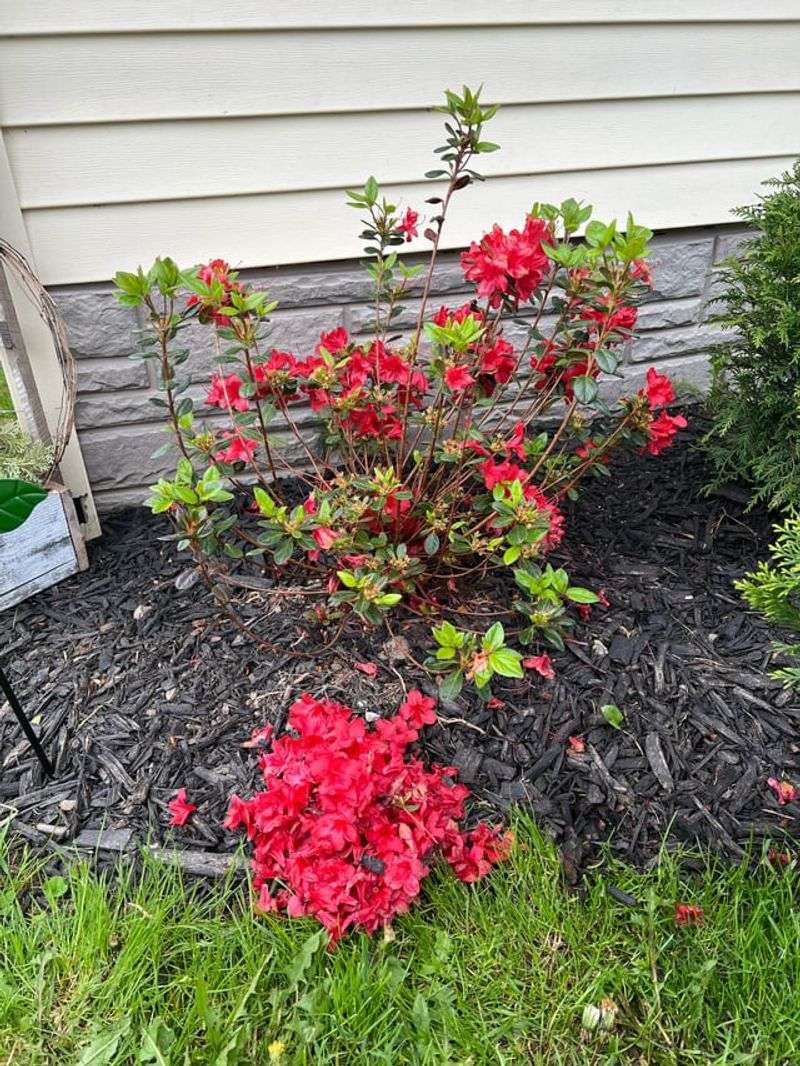
Azaleas have a naturally rounded, layered shape that fills in beautifully when they are allowed to grow with minimal interference at the right times. Late pruning can disrupt that form in ways that are hard to correct quickly.
When gardeners prune after new growth has already extended significantly, the cuts leave behind stubs or uneven lengths that the shrub may not fill back in before summer heat sets in across Georgia.
Pruning done at the right time, shortly after blooming ends, allows the shrub to push out fresh growth that fills gaps and maintains a full, natural silhouette. Late pruning removes that fresh growth before it has a chance to mature and fill the shrub’s canopy.
The result can be a shrubby, open, or uneven appearance that stands out in a foundation bed or shrub border, especially when neighboring plants are full and rounded.
Azaleas that lose their natural shape through late or heavy pruning may look a little awkward through summer and into fall.
The shrub will continue growing, but recovery can be slow depending on how much was removed and how quickly Georgia’s heat arrives.
Light shaping that respects the shrub’s natural branching structure tends to preserve the rounded form that makes azaleas such a popular choice for Georgia home landscapes.
Keeping cuts minimal and well-timed helps the shrub stay full without requiring heavy correction later in the season.
5. Light Branching Benefits May Be Missed
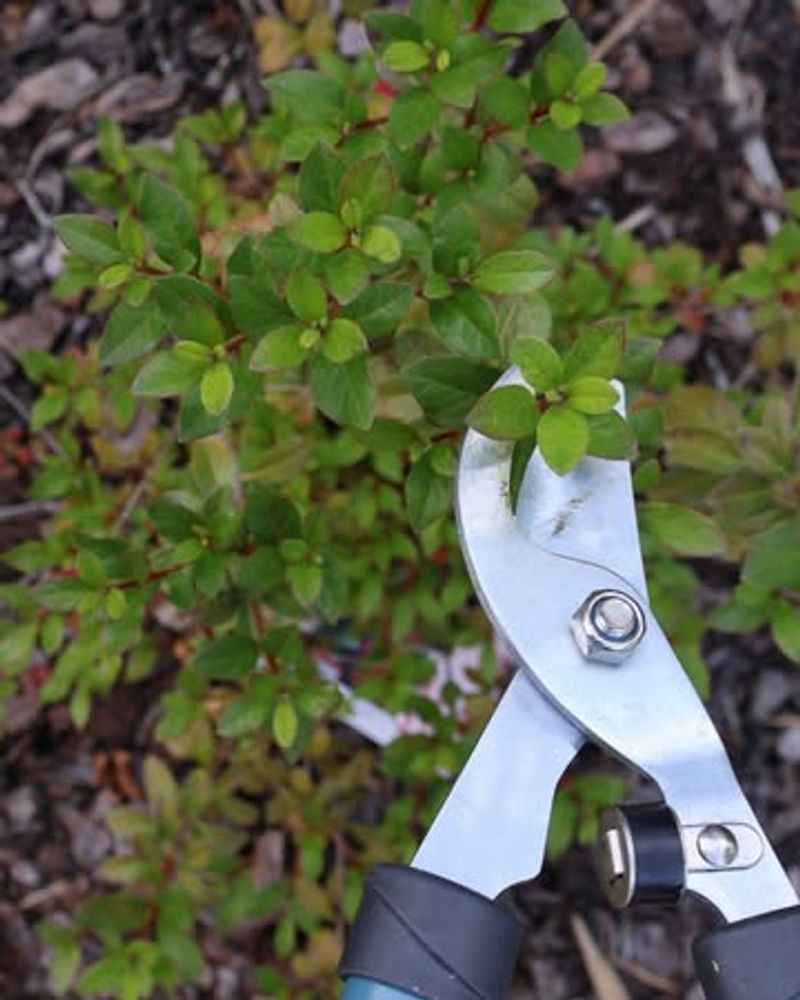
One of the most useful things a gardener can do for an azalea right after bloom is give it a light trim to encourage fuller, more branched growth.
This kind of gentle shaping, sometimes called tipping or pinching back, prompts the shrub to produce multiple new shoots from each cut point rather than one long, reaching stem.
The result over time is a denser, more compact shrub with more branching and, eventually, more flowers.
When pruning gets delayed into late spring, this opportunity slips by. The new growth that emerges after bloom is the ideal material to tip back lightly, but once that growth hardens off and the shrub moves toward bud set, removing it does more harm than good.
Gardeners who miss the post-bloom window lose the chance to encourage that fuller branching structure without risking next year’s flower buds.
Light branching work is low-effort and does not require any heavy equipment or major cuts. A pair of hand pruners and a few minutes after bloom drop can make a meaningful difference in the long-term density and fullness of an azalea shrub.
Across Georgia landscapes, azaleas that receive this kind of timely, light attention tend to build a more layered shape over the years.
Waiting too long turns a simple, beneficial task into one that carries real risk for the following year’s bloom display.
6. Heavy Pruning May Add Stress As Heat Builds
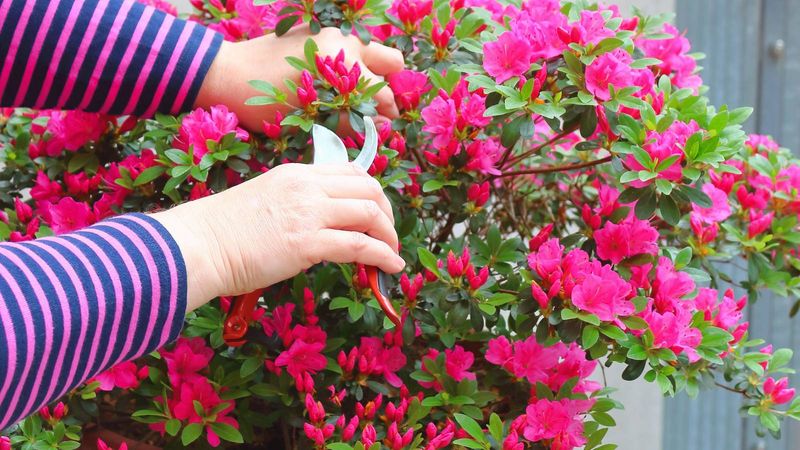
Georgia summers arrive with intensity, and by late May and into June, afternoon temperatures are already climbing into ranges that put real pressure on landscape shrubs.
Pruning is a form of stress for any woody plant, because it removes foliage and forces the shrub to redirect energy toward healing cuts and producing new growth.
When heavy pruning happens close to the start of Georgia’s hot season, the shrub faces both recovery demands and heat pressure at the same time.
An azalea that has just been heavily cut back needs moisture, energy, and favorable conditions to push out the new growth that will replace what was removed. Late spring does not always provide the mild, moist conditions that support easy recovery.
Heat stress, dry spells, and high humidity can all complicate the process and slow down the new growth the shrub needs to bounce back.
Lighter pruning done earlier in the season avoids this overlap between recovery and heat. The shrub has more time to push new growth, harden that growth off, and settle in before the hardest part of summer arrives.
Gardeners who are considering significant size reduction or shape correction on Georgia azaleas may find better results by doing that work at the right time rather than waiting until late spring when heat is already building and the recovery window is narrowing fast.
7. Gardeners May Confuse Routine Pruning With Rejuvenation Pruning
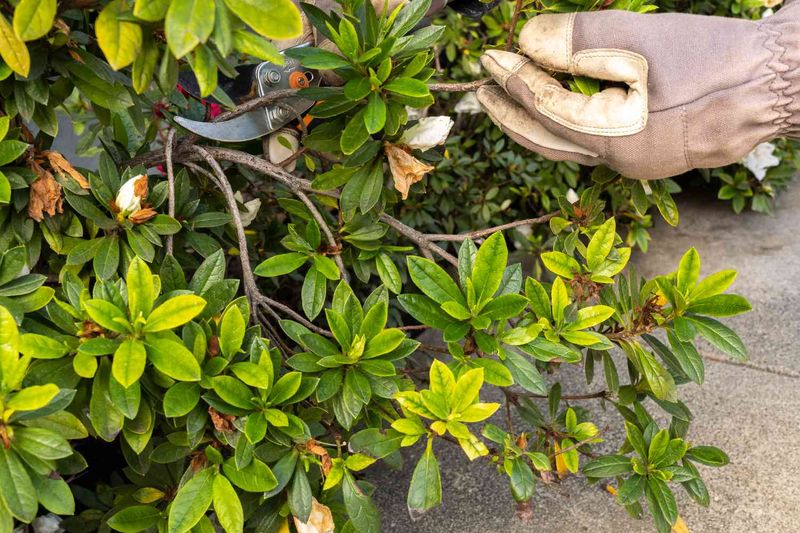
Routine pruning and rejuvenation pruning are two very different approaches, and mixing them up can lead to unexpected results in a Georgia azalea bed.
Routine pruning is the light shaping done after bloom to maintain size, encourage branching, and tidy up the shrub’s outline.
Rejuvenation pruning is a much more aggressive approach used on overgrown or leggy azaleas that need to be cut back significantly to restore a better form over time.
Rejuvenation pruning is sometimes done in late winter or very early spring before bloom, or in some cases spread across two to three seasons to reduce the shock to the shrub.
When a gardener applies rejuvenation-level cuts during late spring thinking they are doing routine maintenance, the shrub loses far more than expected and the timing makes recovery harder.
The heavy removal of wood after bud set has begun means both a loss of this year’s remaining energy and next year’s flowers.
Knowing which type of pruning a shrub actually needs before starting is a helpful habit for Georgia gardeners.
An azalea that is a bit overgrown may only need light shaping after bloom, while one that has become a tangled mass of old wood may genuinely benefit from rejuvenation work done at a more appropriate time.
Taking a moment to assess the shrub honestly before pruning can prevent the kind of well-meaning but poorly timed cuts that set a Georgia azalea back unnecessarily.
8. Damaged Or Diseased Wood Can Still Be Removed Carefully
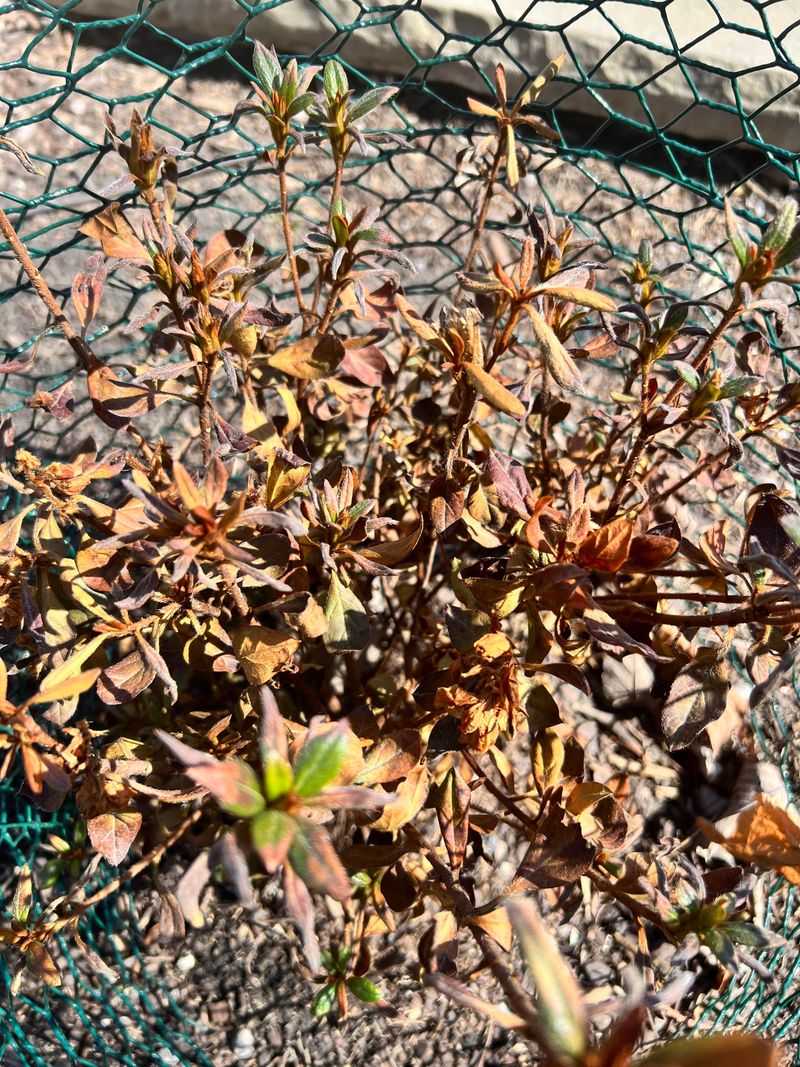
Even when the main pruning window has passed, there is still good reason to pay attention to azalea shrubs in a Georgia yard.
Damaged, broken, or diseased wood is a different situation from routine shaping, and removing it carefully throughout the season is generally considered acceptable practice.
Leaving damaged or deteriorating branches in place can allow problems to spread and create entry points for pests and disease that could affect the rest of the shrub.
The key difference is that this kind of targeted removal focuses only on wood that is clearly compromised rather than shaping or reducing the shrub overall.
A branch that snapped during a storm, shows signs of canker or tissue decline, or is rubbing against other branches can be removed cleanly without the same concern about bud timing that applies to routine pruning.
Using clean, sharp tools helps reduce the risk of spreading any existing disease from one cut to another.
Gardeners who spot concerning wood on an azalea after the main pruning window should feel comfortable making those careful, specific cuts.
The goal is to remove only what is clearly damaged or problematic while leaving healthy, bud-bearing wood in place.
This kind of mindful approach keeps the shrub in better overall condition without sacrificing next spring’s blooms.
Staying observant through the growing season means problems can be caught and addressed before they have a chance to spread through the planting.