The Wooden “Tulips” Left On Bare Indiana Trees This Winter Come From The State Tree
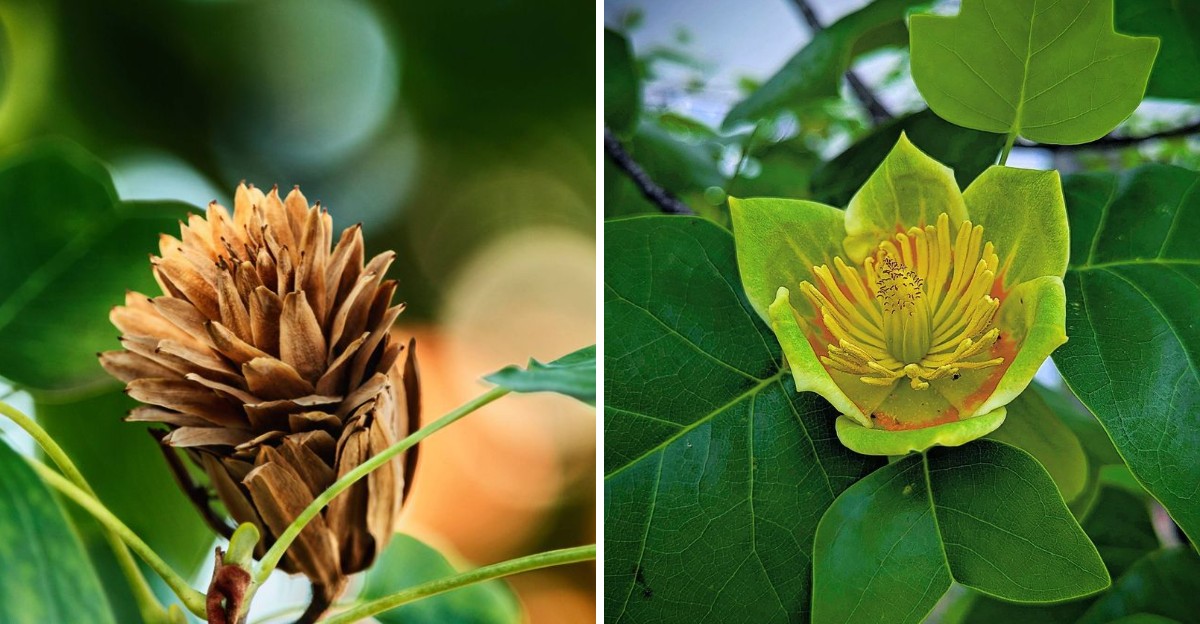
Some of the tallest trees in Indiana spend winter holding up little wooden cups that look like carved flowers.
They sit upright on the tips of bare twigs, pale tan and petal-shaped. From the ground, they look like someone left a bouquet up there and forgot about it.
I walked under one for years without looking up. Then a January snow outlined every cup in white, and I stopped in the middle of the sidewalk.
Truth is, these are not flowers, and they are not a fungus or a bird nest. They are leftovers from a late-spring bloom most people miss because it opens so high in the canopy.
So what are they, and why do they hang on through ice storms? The answer is a native giant with a magnolia family secret.
Those Wooden Cups On Winter Twigs Are Hiding A Spring Secret
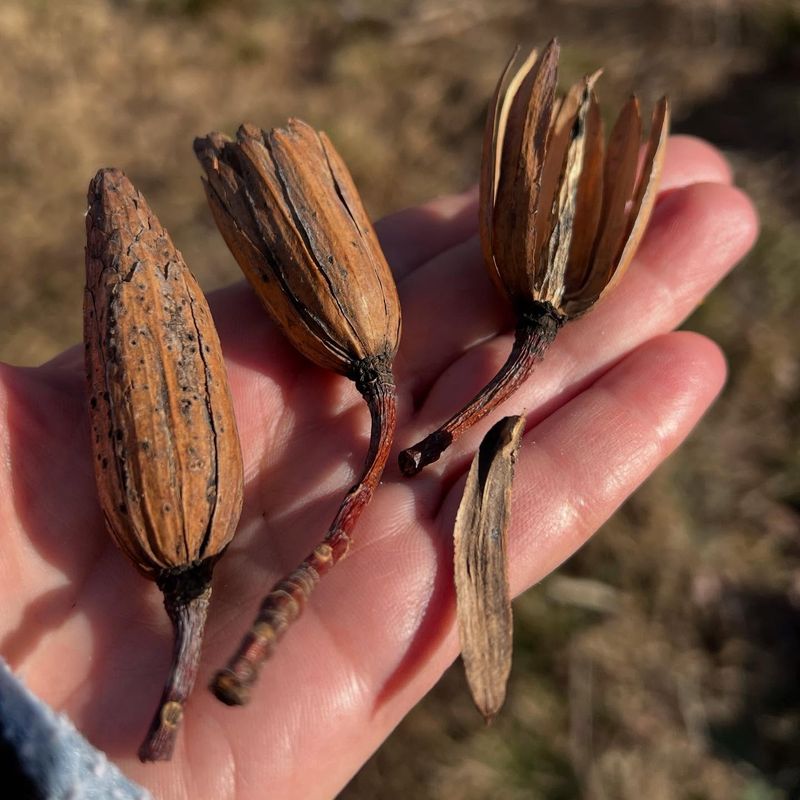
Look up on a gray January afternoon and you might spot them. Hundreds of little tan cups sit upright along the tips of tall, bare branches.
Each one has a short stalk and a ring of stiff, curved pieces that flare outward like petals. From the ground, they look almost exactly like small tulips carved from pale wood.
Here’s what surprised me most. What you see in winter is mostly an empty frame. The cone once held dozens of seeds packed tightly together, and the wind has slowly pulled them away over fall and winter.
The pieces left behind are the bottoms of the outer seeds, still attached in a neat circle. That ring is what gives the shape its flower-like look.
So these are not spring buds opening early, and they are not a fungus. They are not a sign that anything is wrong with the tree, either.
They are simply the tree’s dried fruit, hanging on long after the leaves dropped. Once you know the shape, you will start seeing them along roadsides, in parks, and at the edge of woodlots everywhere you drive.
Indiana’s State Tree Is The Tulip Tree, And Its Fruit Is The Culprit
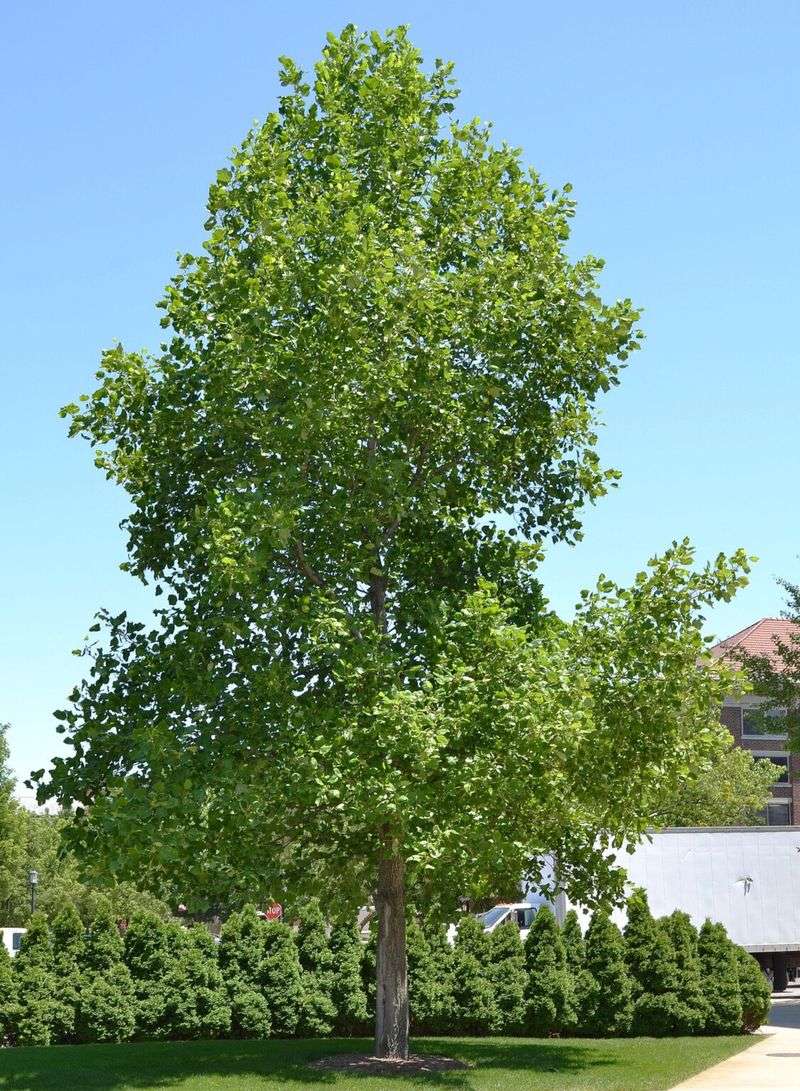
Mystery solved. The wooden tulips come from the tulip tree, Liriodendron tulipifera, which Indiana adopted as its official state tree in 1931.
Kentucky and Tennessee claim it too, which tells you how at home it feels in this part of the country. It grows naturally across most of the eastern United States.
In late spring, the tree opens real flowers that look like tulips. They are greenish-yellow with a bright orange band near the base of each petal.
After pollination, each flower turns into a cone-shaped cluster of seeds. Botanists call it an aggregate of samaras, which simply means lots of winged seeds stacked around a central spike.
By fall, the cones dry out and turn brown. The seeds loosen and spin away on the wind a few at a time, often well into winter.
I love how the tree gets to look like a tulip twice a year. You get the living flower in May or June and the wooden version in January.
Not going to lie, the winter version is easier to admire. You can actually see it without leaves blocking the view.
The Real Tulip Tree Flowers Bloom Way Up Where Few People Notice
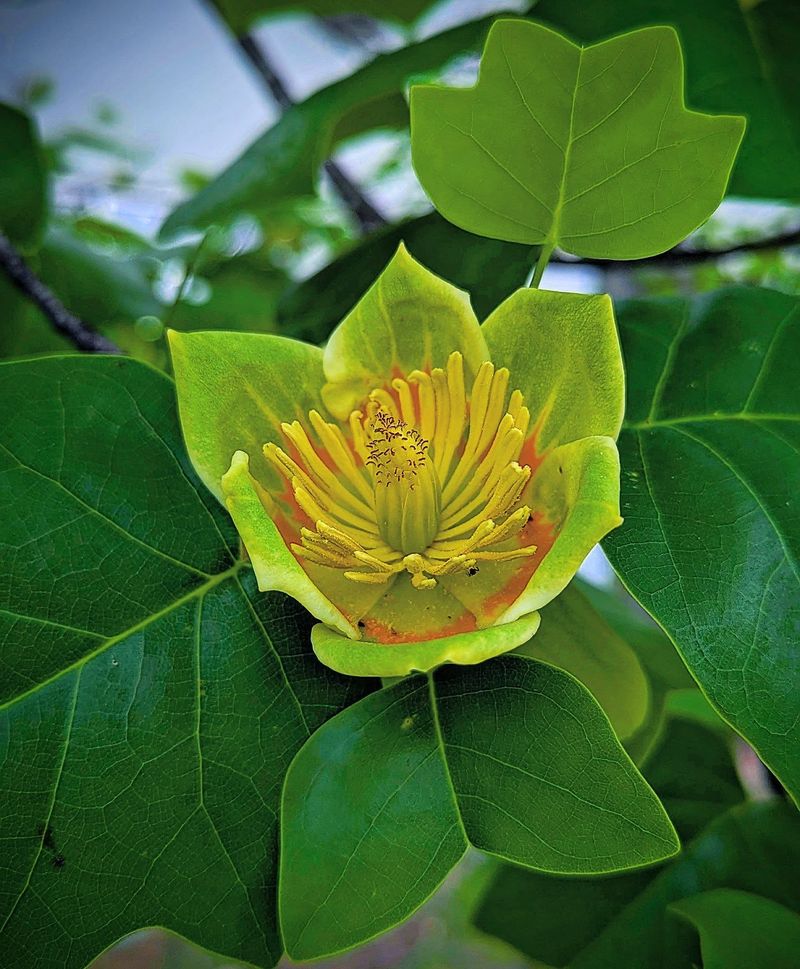
I’m the first to admit I missed tulip tree flowers for years. They open in late spring, after the leaves are already out, so the canopy hides them well.
On a mature tree, the blooms may sit 50 feet or more above your head. You usually notice them only when a few petals land on the sidewalk or a storm knocks a branch down.
Each flower is about two inches across, shaped like a cup. The petals are pale green and yellow, with a flame of orange at the base.
Inside, a cone-like center holds the parts that will become the seeds. That center is the beginning of the wooden tulip you see months later.
Bees love these flowers. The blooms produce plenty of nectar, and beekeepers often prize tulip tree honey, which tends to be dark and rich.
Want a closer look this year? Check younger trees with low branches, or trees growing at the edge of a field, in May and June.
A pair of binoculars helps with taller trees. Once you see one bloom up close, those winter cups will make a lot more sense.
Winged Tulip Tree Seeds Drift Off Slowly All Winter Long
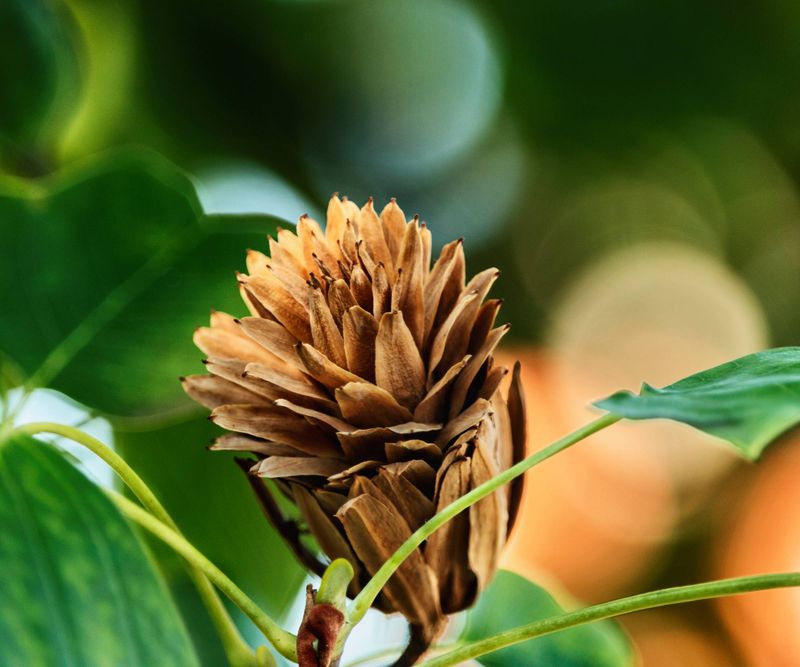
Grab one of those brown cones in early fall and give it a gentle twist. It falls apart into a pile of narrow, papery pieces, each about one and a half to two inches long.
Every piece is a samara, a seed with a flat wing attached. When it drops, the wing makes it spin and drift sideways, carrying it away from the parent tree.
The tree does not release all of them at once. Seeds peel off a few at a time from fall through winter, so some cones hold on for months.
Spreading the release over a long season gives the seeds more chances to land somewhere useful. Different winds blow them in different directions.
Fair warning, most tulip tree seeds do not sprout. Many are not fully developed, and studies often find low germination rates in each cone.
The tree makes up for it by producing huge numbers. A mature tree can drop thousands of seeds each year.
Kids love finding the little spinners on snow. They make a great winter nature lesson about how trees travel without legs.
Birds And Squirrels Treat Those Seed Cones Like A Winter Snack Bar
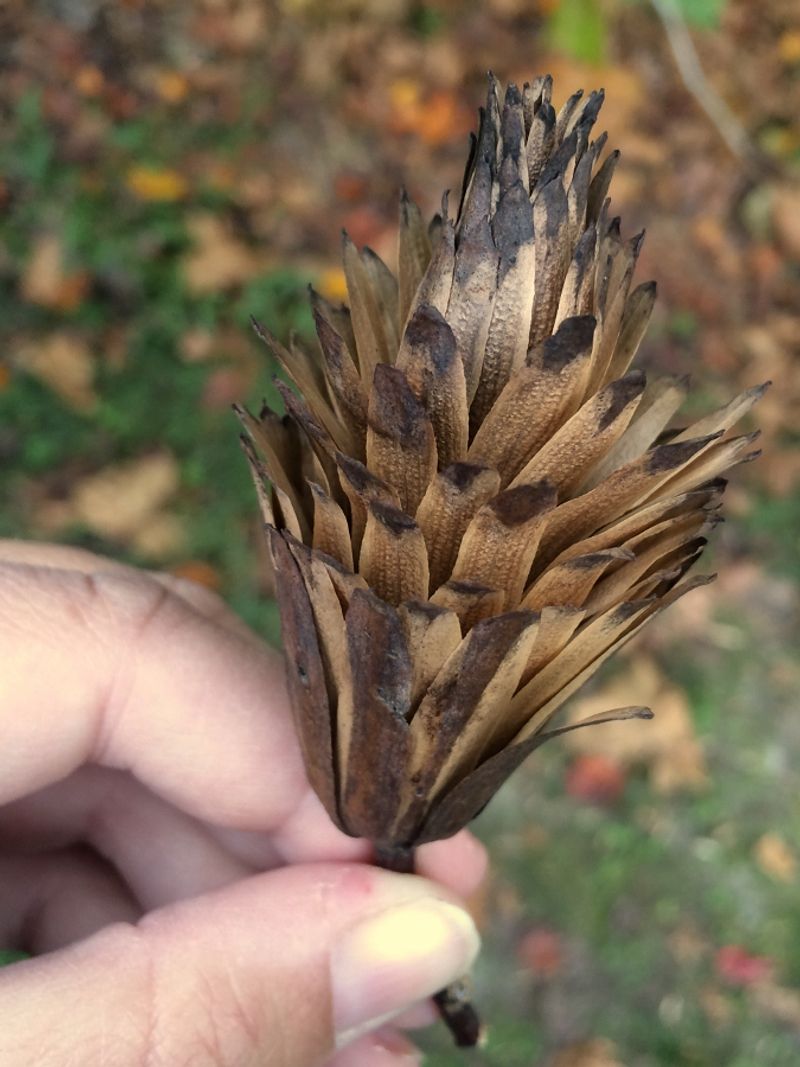
Those wooden cups are not just pretty. They feed a surprising crowd of hungry visitors during the coldest months.
Squirrels chew on the cones and pull out seeds. Birds such as cardinals and purple finches also pick at them, especially when snow covers food on the ground.
The seeds that drop to the ground get attention too. Mice, chipmunks, and other small mammals collect them from leaf litter and snowbanks.
Watch a tulip tree for a few minutes after a fresh snow. You may see tiny tracks circling the trunk where something came looking for fallen samaras.
The tree helps wildlife in other seasons as well. Its flowers feed bees and other pollinators, and its leaves feed caterpillars of the eastern tiger swallowtail and tuliptree silkmoth.
I get excited about that last part. Native trees like this one support insects that our songbirds rely on to raise their young each spring.
So if you have a tulip tree nearby, consider leaving fallen seeds and some leaf litter beneath it. A little tidiness can wait for spring.
Duck Bill Buds And Furrowed Bark Help You ID A Bare Tulip Tree
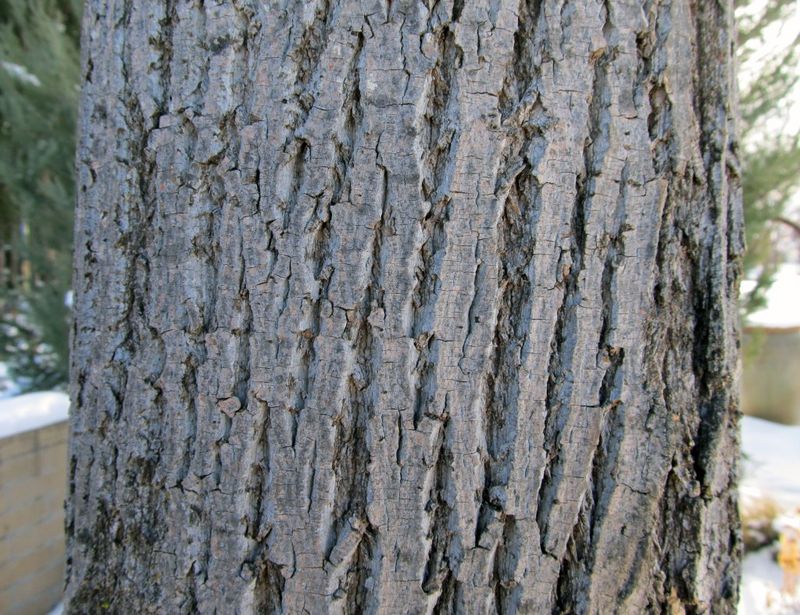
Cones are the easy clue, but tulip trees offer other winter hints too. Learn these, and you can name the tree even after the cups fall.
Start with the buds. The end buds are smooth, flattened, and shaped a lot like a duck’s bill.
Next, check the bark. Young trees have smooth, gray-green bark, while older trunks develop deep, interlacing furrows that look a bit like braided rope.
The trunk itself is another giveaway. Tulip trees often grow very straight and tall, with few lower branches in a forest setting.
Mature trees commonly reach 70 to 90 feet, and old-growth trees can grow even taller. In fact, they rank among the tallest hardwoods in eastern North America.
Come spring and summer, the leaves seal the deal. They have four lobes and a flat or notched tip, giving them a squared-off shape unlike any other native tree.
In fall, those leaves turn a clear golden yellow. Save a leaf this autumn and compare it to your winter twig photos for a fun year-round ID project.
Planting A Tulip Tree Means Giving This Giant Plenty Of Room
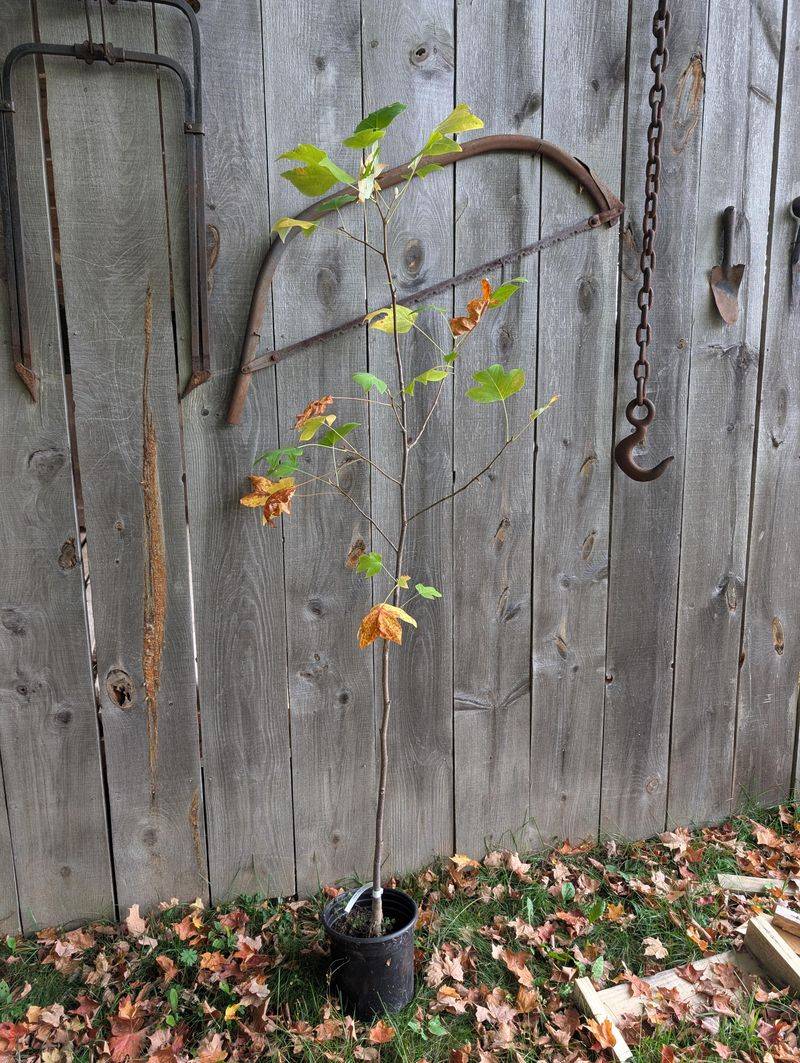
Smitten with those wooden tulips? You can grow your own tulip tree, as long as you plan for its size.
Tulip trees suit USDA zones 4 through 9, which covers all of Indiana. They grow fast and can easily top 60 feet, so give them space well away from houses, power lines, and driveways.
Choose a spot in full sun with deep, moist, well-drained soil. They prefer slightly acidic ground rich in organic matter.
Plant in spring, which works better for this tree than fall. Its fleshy roots can be slow to settle in.
Water deeply during dry spells, especially for the first few years. Drought stress may cause early yellow leaves in late summer.
Spread mulch two to three inches deep in a wide ring, keeping it off the trunk. Prune young trees in winter to build one strong central leader.
The wood is fairly soft, so ice and wind can snap limbs. Aphids or tuliptree scale may cause sticky sooty mold, but healthy trees usually handle it.
Plant one this spring, and future winters will bring wooden tulips right to your yard.