Indiana Gardeners Who Plant Tulip Bulbs In October Often Get A Fuller Spring Show
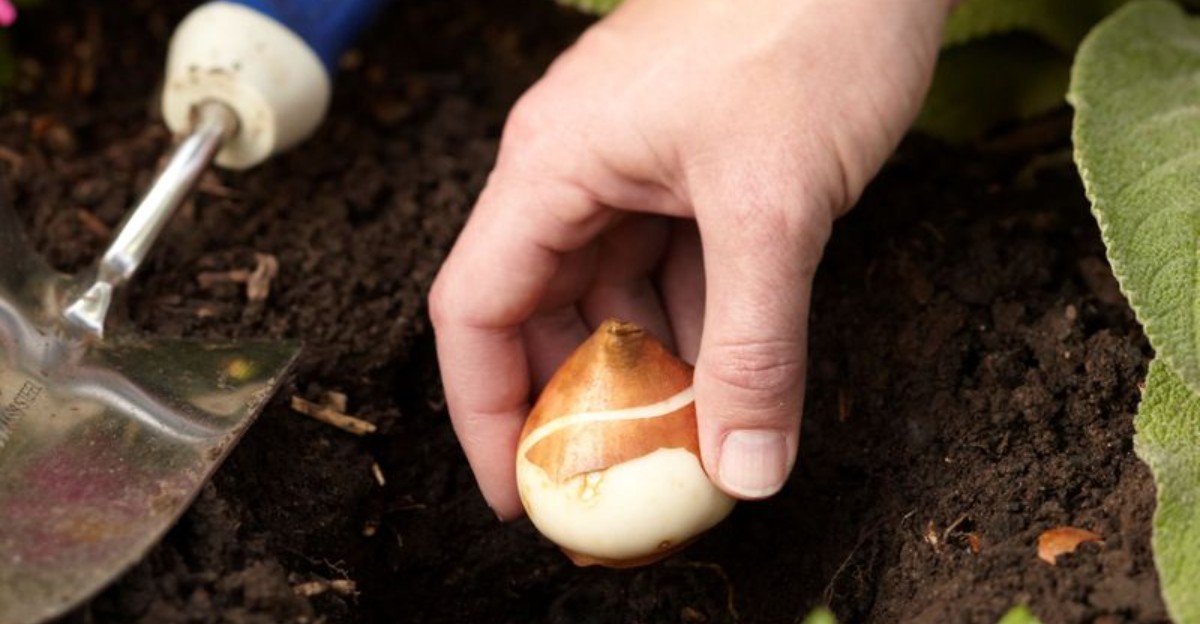
Somewhere in Indiana right now, a paper bag of papery brown lumps is sitting in a garage. Those lumps look like onions that lost an argument, yet they hold a whole season of color inside.
The air smells like crunchy leaves and woodsmoke, and the soil still feels cool and soft underfoot. Many gardeners glance at that bag, sigh, and promise themselves they will get to it next weekend.
Next weekend turns into Halloween, then Thanksgiving, and suddenly the soil is cold, the days are short, and the bulbs are still in the bag. Meanwhile, the neighbor who dug holes in early fall is sipping hot cocoa and looking a little too smug.
Timing matters more than most people think, especially in a state with wild weather swings like Indiana. A few weeks can make the difference between a yard that looks like a postcard and one that looks like a polite shrug come April.
Squirrels know this secret too, which is why they watch every shovel with the focus of tiny detectives. One bold squirrel even buried my car keys last fall, so clearly the planting spirit is contagious.
Cool October Soil Builds Stronger Roots
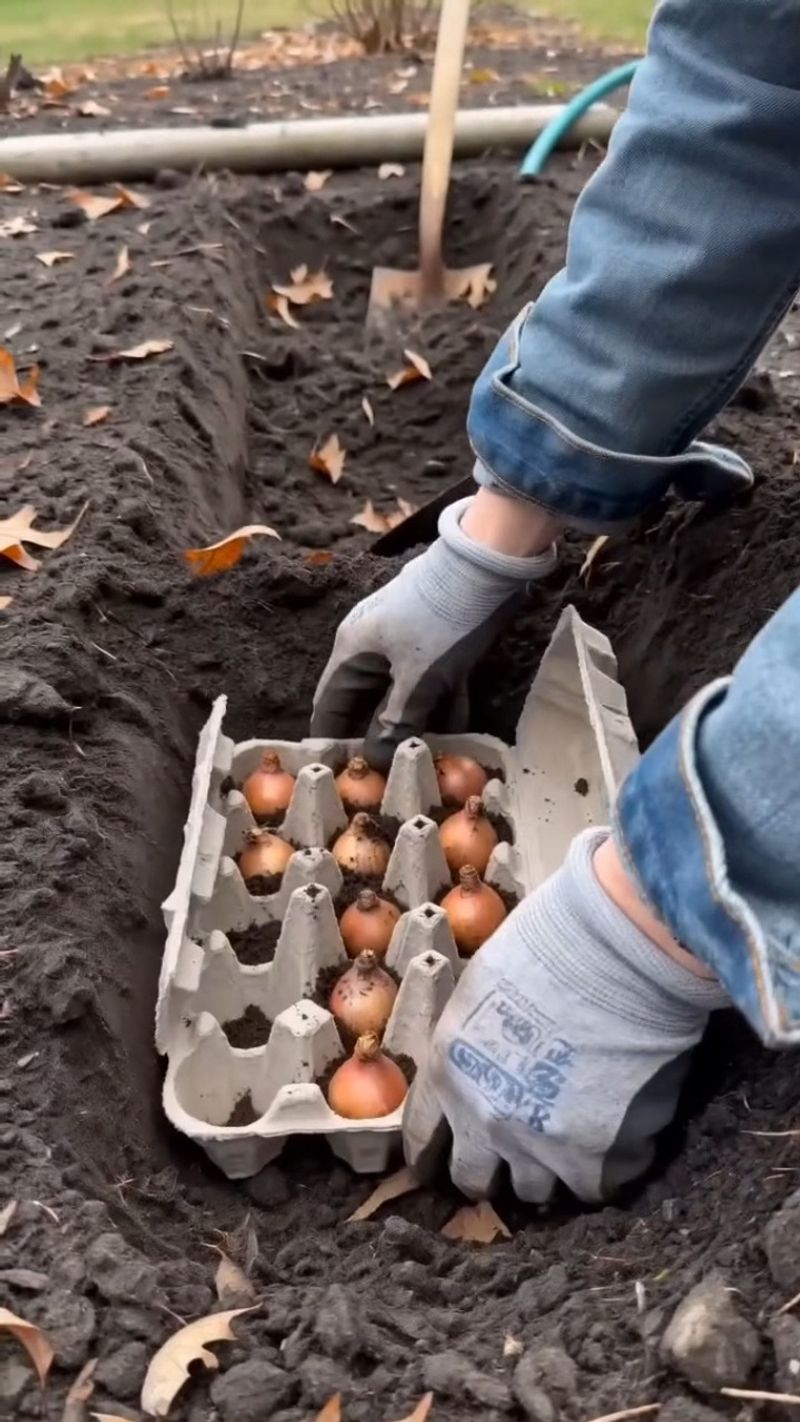
Picture a bulb as a tiny lunchbox packed with food, waiting for the right moment to start growing roots. In Indiana, soil usually cools into the 50s and low 60s over the course of October, which is the sweet spot for that job.
Roots grow best when the ground is cool but not frozen, and early fall gives them weeks of that. A bulb planted now can spread a thick web of roots before the first hard freeze arrives.
Those roots act like anchors and straws at the same time, holding the bulb steady and pulling up water. When spring warms the ground, a well-rooted bulb is ready to push up a tall, sturdy stem quickly.
Bulbs planted late in the season often have only a thin set of roots by the time winter sets in. Those weaker plants may bloom shorter, smaller, or a week or two later than their early-bird cousins.
Tulips also need a long chill of about twelve to sixteen weeks to trigger their flowers in spring. Planting in October lines up that cold period well with the natural rhythm of an Indiana winter.
Think of it like giving a runner a full warmup instead of sending them onto the track cold. The extra prep time shows up later as brighter petals, stronger stems, and blooms that stand tall in wind.
So if that bag of bulbs is waiting in your garage, the calendar is quietly cheering you on. Grab a trowel this week, and let the cool soil do the heavy lifting for your spring garden.
The Ideal Planting Window For Indiana Gardens
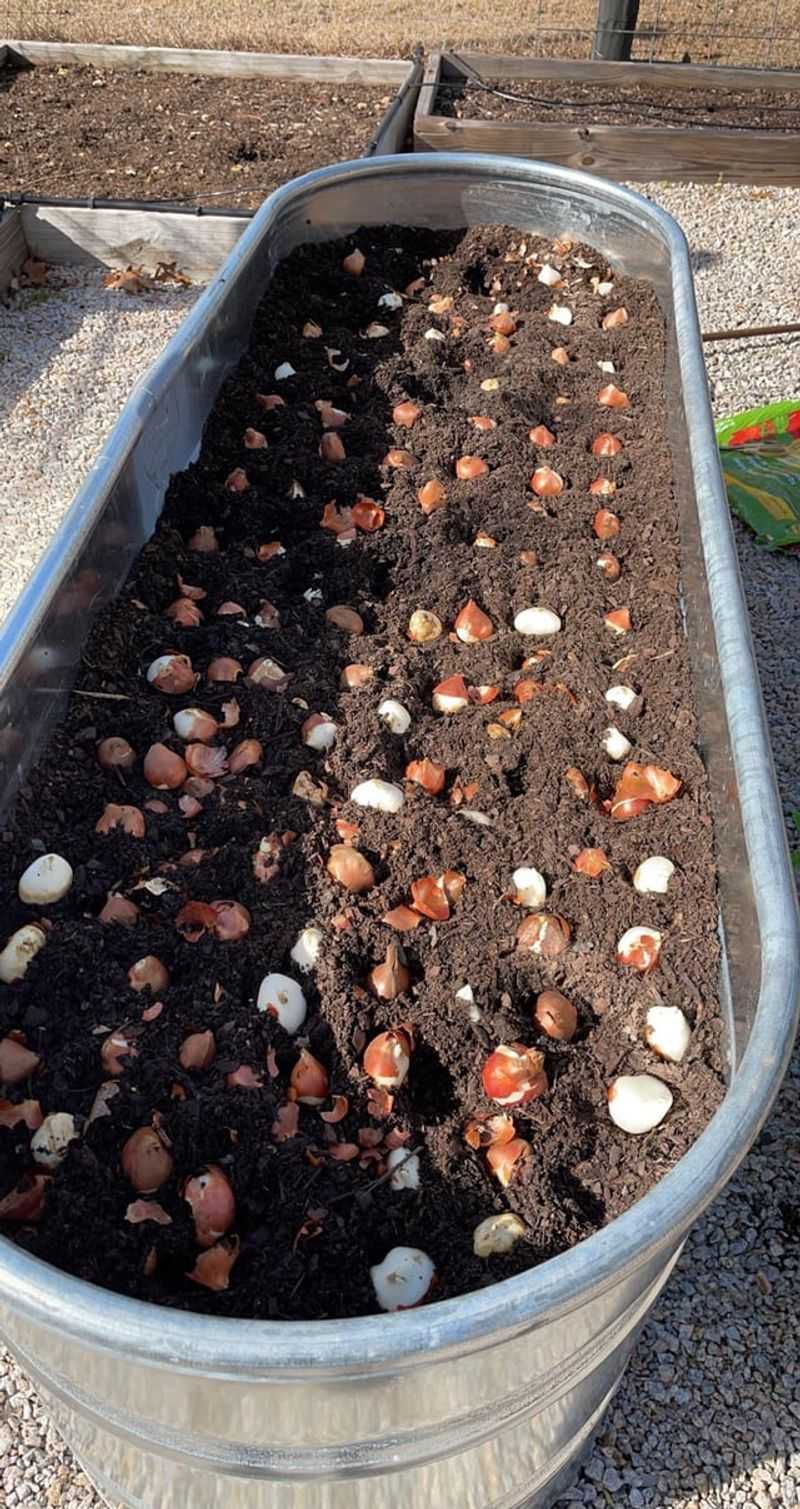
Ask any longtime Indiana gardener about bulb timing, and you will probably hear one simple rule of thumb. Plant after nights turn crisp but at least six weeks before the ground freezes solid for the year.
Your Indiana Garden Changes Every Week. Your Plan Should Too.
Gardening in Indiana changes quickly throughout the season. Every Friday you’ll receive a simple weekly plan showing exactly what to plant, prune, fertilize, harvest, and protect so you never miss the right timing.
Northern Indiana, near places like South Bend and Fort Wayne, usually hits that window in early to mid October. Central areas around Indianapolis do best from mid to late October, when soil temperatures settle into the fifties.
Southern Indiana, with towns like Evansville and Bloomington, can often keep planting from late October into early November without much trouble. Still, aiming for October gives every region a comfortable cushion in case an early cold snap sneaks in.
A cheap soil thermometer is one of the handiest tools you can own during bulb season each fall. Push it about six inches deep in the morning, and look for readings below 60 degrees before planting.
Planting too early in a warm September spell can fool bulbs into sending up leaves before winter arrives. Those early shoots may get nipped by frost, which can waste energy the bulb was saving for spring flowers.
Fun fact: tulips first grew wild in the mountains of Central Asia, which is why they handle cold winters so well. Today you only need good timing, a sunny spot, and a free weekend afternoon to succeed.
Mark a date on your calendar now, maybe the second or third weekend of October, and stick with it. Treat it like a garden appointment, and your future self will thank you every time a bloom opens.
The Costly Habit Of Waiting Too Long
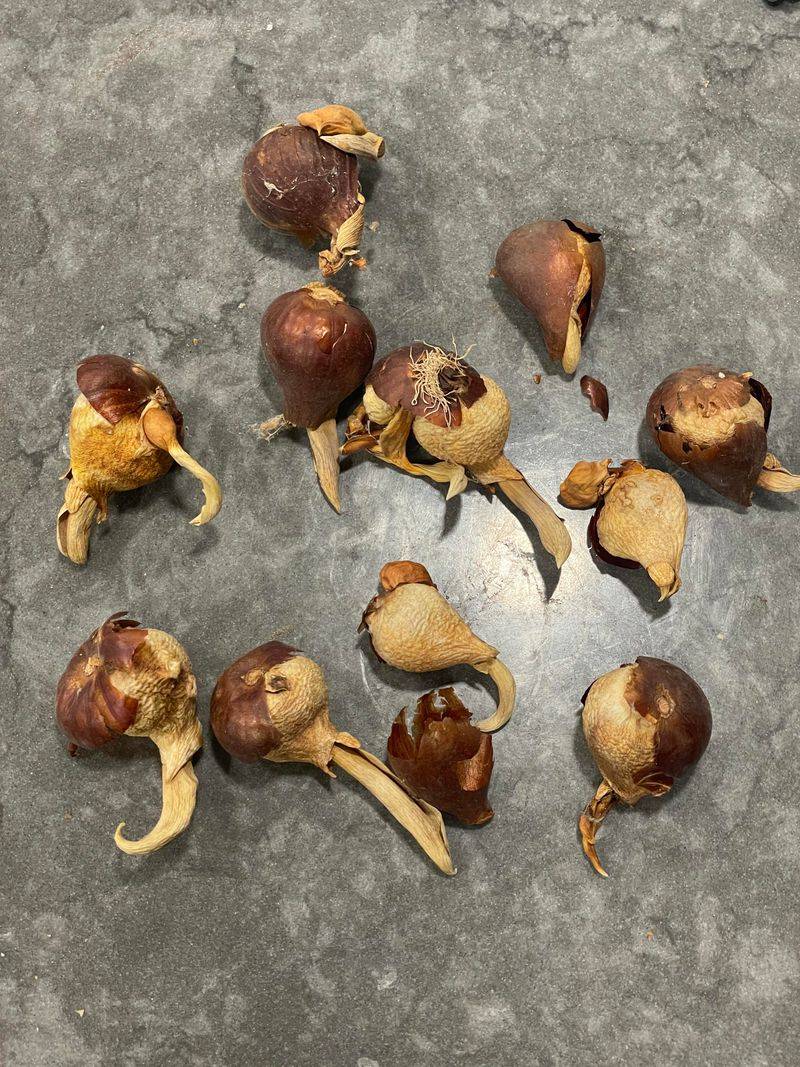
Confession time: plenty of us have found a forgotten bag of bulbs in December, soft and sprouting in the garage. It feels a little like discovering a birthday present you forgot to give, only the bulbs look sadder.
Waiting too long is one common reason Indiana gardeners end up with skimpy, uneven tulip beds in spring. Once the soil freezes, digging becomes a real chore and bulbs placed in icy ground struggle to form roots.
Bulbs stored too long also dry out, shrink, or grow mold, since they are living plants and not rocks. Bulbs left in a warm garage slowly lose moisture and firmness as the weeks pass.
Very late planting also gives bulbs less time to root before winter sets in. The result can be short stems, small flowers, or leaves that pop up with no blooms at all.
Rushed late planting also tends to be sloppy, with bulbs set too shallow or tossed in sideways. Cold fingers and fading daylight make it tempting to cut corners, and the flower bed pays for it later.
The good news is that this habit is easy to break once you see how much it costs. A bag of fifty bulbs can run thirty dollars or more, so letting them wither is wasted money.
Try planting bulbs within a week or two of buying them, while they still feel firm and heavy. Your wallet, your back, and your spring garden will all be much happier with that small change.
Smart Fixes For Late Or Leftover Bulbs
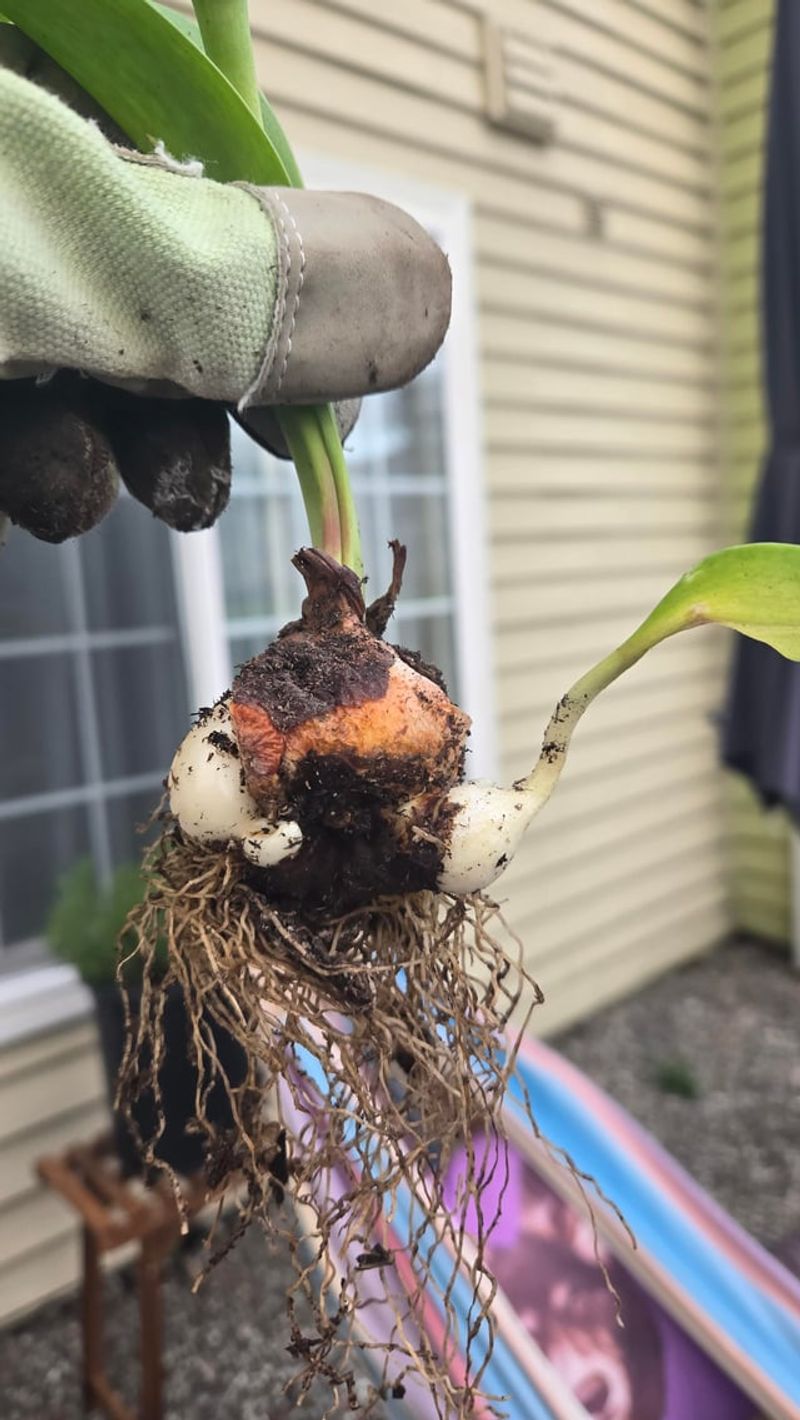
Missed the best October window by a few weeks, and now the bulbs are staring at you from the shelf? Relax a little, because tulips are tougher than they look and there are several clever ways to rescue them.
As long as you can still dig, go ahead and plant them, even into late November or early December. Set them a little deeper than usual, around eight inches, and cover the bed with a thick mulch blanket.
Mulch traps leftover warmth in the soil, giving those late roots a few extra days or weeks to grow. Shredded leaves work beautifully here, and most Indiana yards have plenty of them piling up right about now.
Frozen ground calls for a different plan, and containers are a gardener’s best friend in that situation. Pack bulbs shoulder to shoulder in a pot of potting mix, then store it in an unheated garage or shed where it stays cold but sheltered from the hardest freezes.
Water the pot lightly about once a month so the mix stays barely damp through the chilly season. Come March, roll it outside onto the porch, and you should have a cheerful pot of color by April.
Some gardeners chill bulbs in the refrigerator for twelve weeks, then plant them indoors for winter blooms. Keep them away from apples, though, since ripening fruit gives off a gas that can spoil the flowers.
Soft, moldy, or shriveled bulbs are rarely worth saving, so toss those and focus on the firm ones. A little rescue effort now still beats a bare flower bed staring back at you next spring.
A Fuller Spring Display Worth The Effort
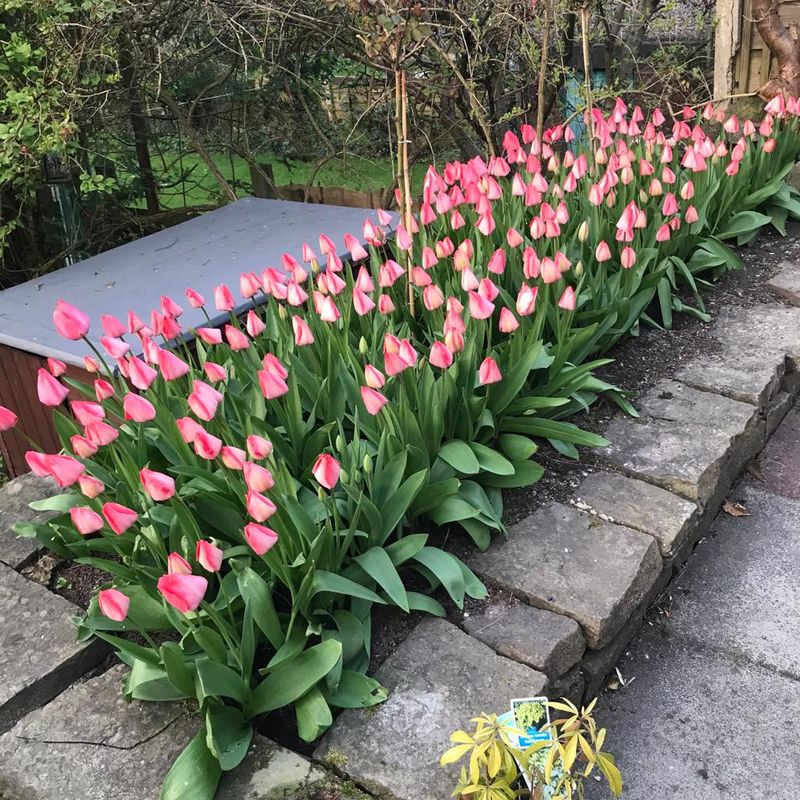
Imagine stepping outside on a cool April morning and seeing a ribbon of red, pink, and gold along the walkway. That kind of moment is the real payoff for those chilly October afternoons spent kneeling in the dirt.
Bulbs planted on time tend to bloom together, which creates that bold, carpet-like look people love to photograph. Late planters often see a patchy show, with some flowers opening early and others lagging behind for weeks.
Strong roots also help stems stand up to the gusty spring winds that sweep across Indiana farm country. Taller, sturdier stems mean fewer flopped flowers after a storm and more blooms that last for cutting.
Well-rooted tulips also have a better shot at coming back the next year instead of fading away. Many tulips act like annuals, but early planting and good drainage can coax a few extra seasons from them.
Pollinators notice the difference too, since early bees hunt hungrily for food on those first warm days. A patch of early blooms can offer them a little pollen right when few other flowers are open.
For the biggest visual punch, plant tulips in clusters of ten or more instead of single straight rows. Groups look natural and full from the street, while lonely lines can look like kids waiting in a lunch line.
Neighbors may slow down their cars, kids may point, and you might even get asked for gardening tips. Honestly, few garden rewards feel as sweet as a spring show you planned months ahead in October.
Simple Habits That Protect Bulbs All Winter
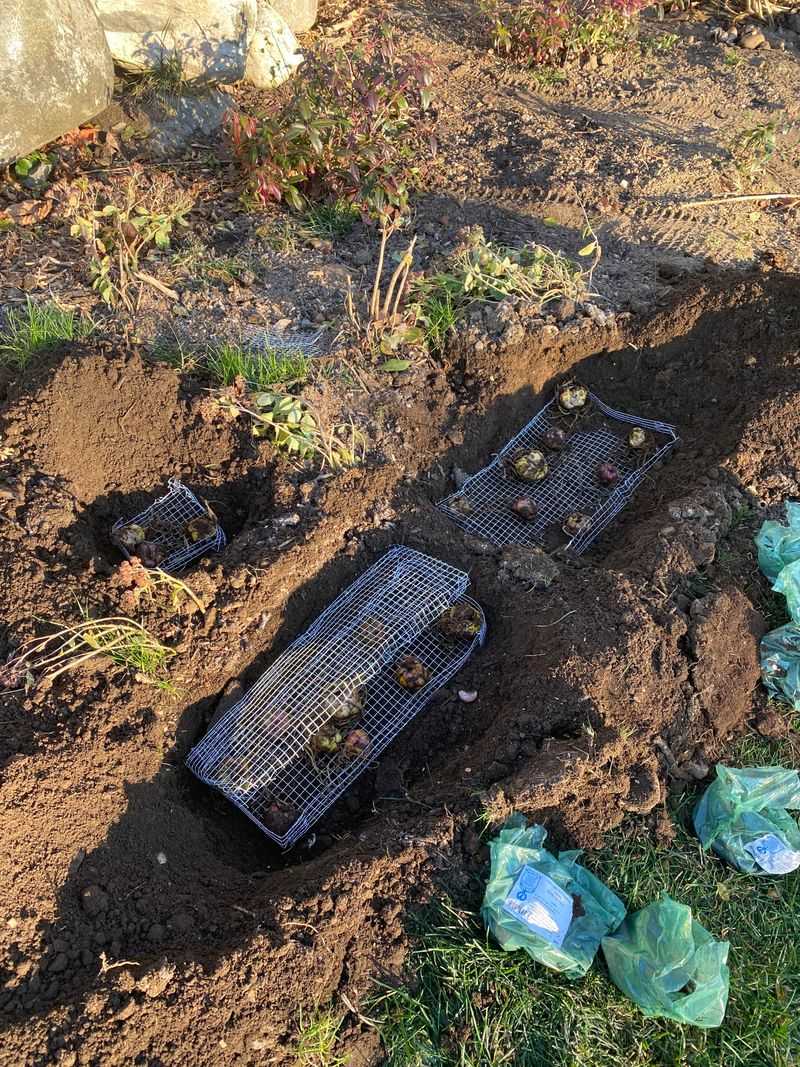
Squirrels in Indiana seem to treat freshly planted bulbs like a free buffet with a big welcome sign. A few easy habits after planting can keep those bulbs safe, snug, and ready for their spring debut.
Start by cleaning up papery bulb skins from the soil surface, because their scent attracts curious critters. Lay chicken wire or hardware cloth over the bed, then cover it with soil or mulch to hide it.
Water the bed well right after planting, since moist soil helps roots start growing during those cool weeks. Dry falls happen often in Indiana, so check the soil weekly until the ground freezes for winter.
Good drainage matters too, because bulbs sitting in soggy clay can rot before they ever see spring. Mixing compost into heavy soil helps water drain away, and raised beds work wonders in low spots.
After the first hard freeze, spread two or three inches of shredded leaves or straw over the bed. That cozy layer helps keep soil temperatures steady and reduces bulbs heaving up during freeze and thaw cycles.
Some gardeners plant daffodils nearby, since squirrels and deer mostly avoid them. Daffodils are toxic to those critters, so they make handy neighbors for the tastier tulips.
Finally, jot down where and what you planted, because winter has a funny way of erasing memories. A simple garden map or a few plant markers will save you from digging up surprises next fall.