Why Maryland Homeowners Can’t Keep The Baby Raccoon They Find In Their Yard
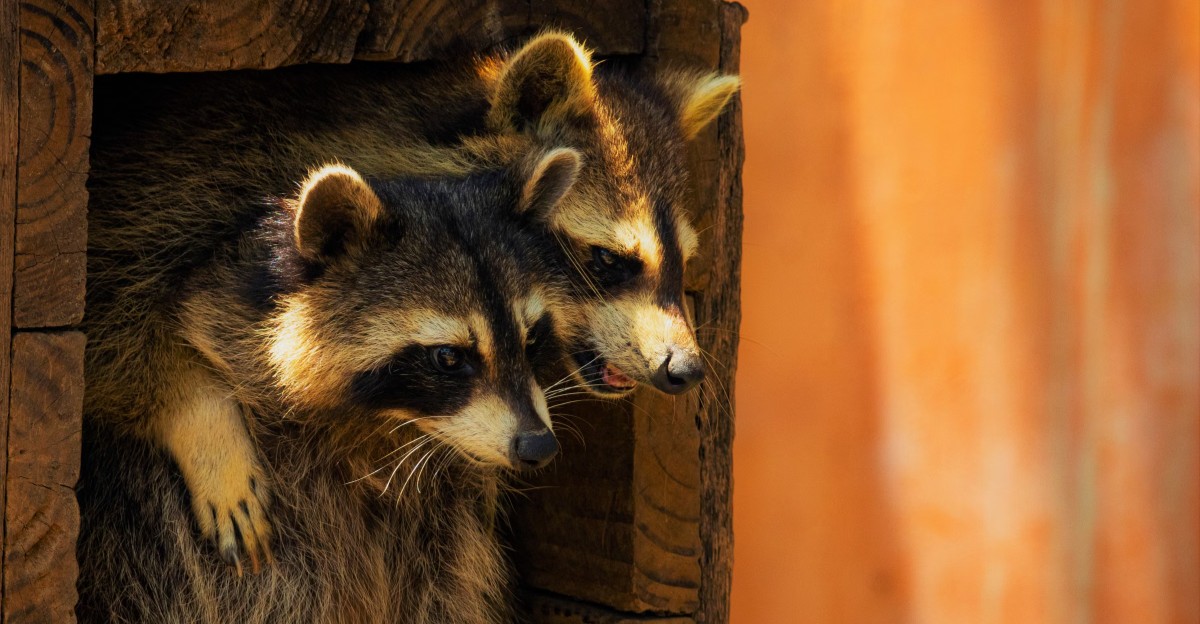
Some wild mothers move their whole family to a new den one baby at a time, carrying each by the scruff of the neck. That means a lone, squeaking youngster under your shed or porch may just be patiently waiting for its ride.
I learned this the hard way one May morning. A tiny masked face, a striped tail, and a cry like a squeaky toy had me reaching for a towel before my brain caught up.
Truth is, that urge to scoop up a baby animal is pure kindness, and nobody should feel bad about it. In Maryland, though, acting on it with this particular critter can land you in legal trouble and put your family at real health risk.
But why is the law so firm about one fuzzy bandit? And what should you actually do when it shows up near your tomato beds this spring?
That Lonely Raccoon Kit Under Your Deck Probably Isn’t Alone
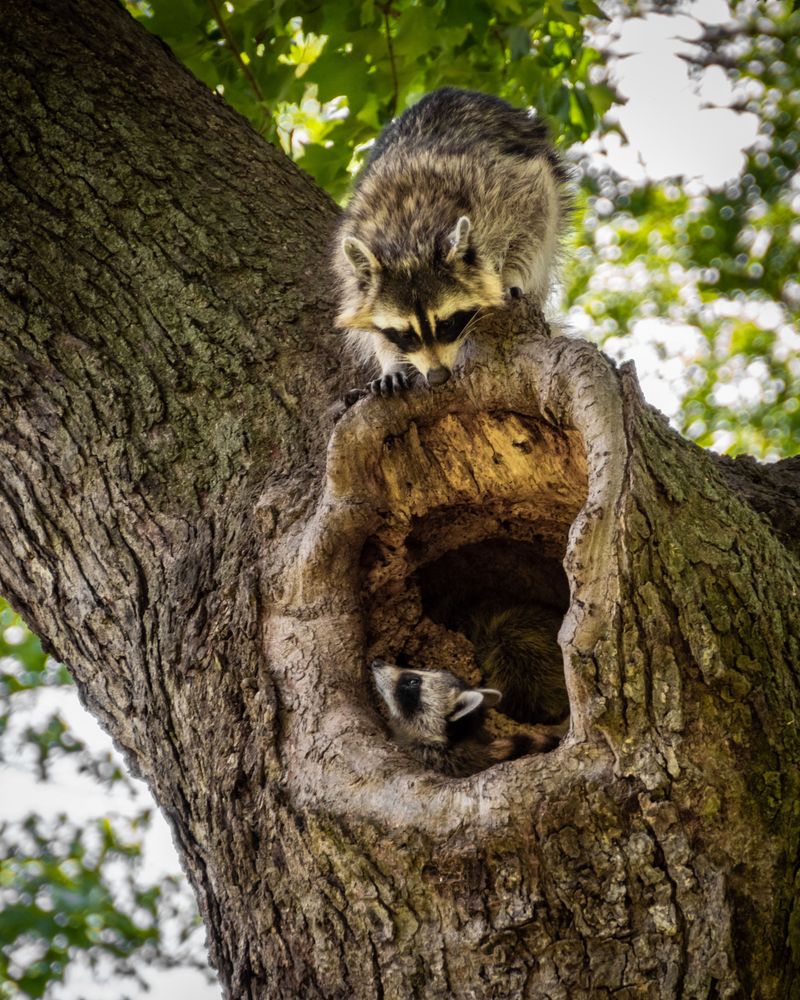
Mother raccoons are surprisingly devoted parents, and that changes everything about the rescue question. Most kits arrive between March and May, and mom spends her nights out foraging while the babies wait in the den.
So that baby you spotted near the shed may not be abandoned at all. Raccoon mothers often relocate their litters to a new den, carrying one kit at a time in their mouths. A single youngster left behind for a few hours is usually just next in line.
I made the mistake of hovering nearby the first time. Mom will rarely come back while a person, dog, or noisy kid is close, so your presence can actually delay the reunion you’re hoping for.
The kinder move is to step back and watch from a window. Keep pets indoors, give the area a quiet night, and check again in the morning.
Wildlife experts generally suggest waiting up to 24 hours unless the kit is clearly hurt or in danger. Raccoons are mostly active after dark, so the pickup often happens while you’re asleep.
Many people never see the reunion at all. They just wake up to an empty patch of grass and a happy ending.
Maryland Law Puts Pet Raccoons Off Limits
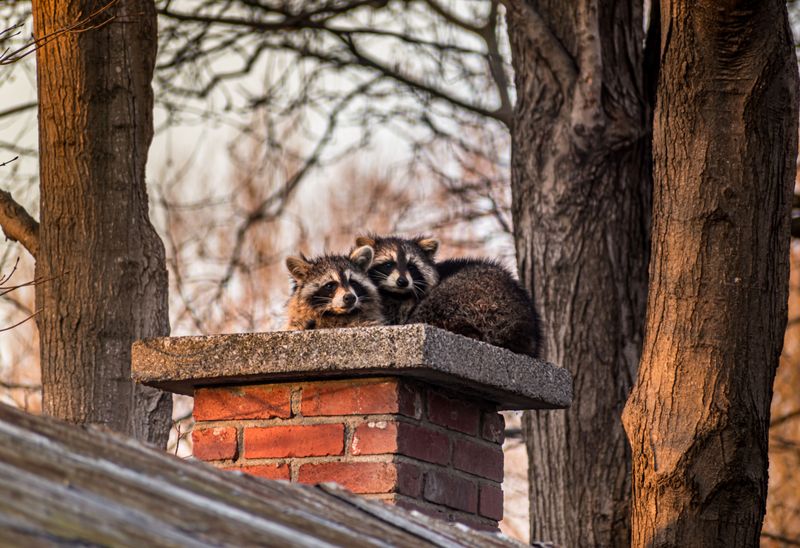
Here’s a fact that surprises plenty of folks at backyard cookouts. Finding a wild animal on your own property does not make it yours to keep.
Maryland generally prohibits people from possessing live raccoons without authorization from the Department of Natural Resources. Raccoons fall into a group the state treats with extra caution because they can carry rabies. That puts them alongside foxes and skunks on the list of animals you can’t simply adopt.
Breaking these rules can bring fines and other penalties. Even worse, officials may need to take the animal away, and its future can look grim once it has spent weeks around people.
I used to think a quick week of babysitting was harmless. The law doesn’t really care how long you planned to keep the kit or how good your intentions were.
Permits for raccoons are meant for trained wildlife rehabilitators, not homeowners hoping for a new pet. Online sellers and social media videos can make pet raccoons look normal, but they don’t change the rules here.
If you’re ever unsure, call the Maryland DNR/USDA Wildlife Services line at 1-877-463-6497. A two-minute phone call beats a court date every time.
Even Licensed Raccoon Rehabbers Need Special Rabies Training
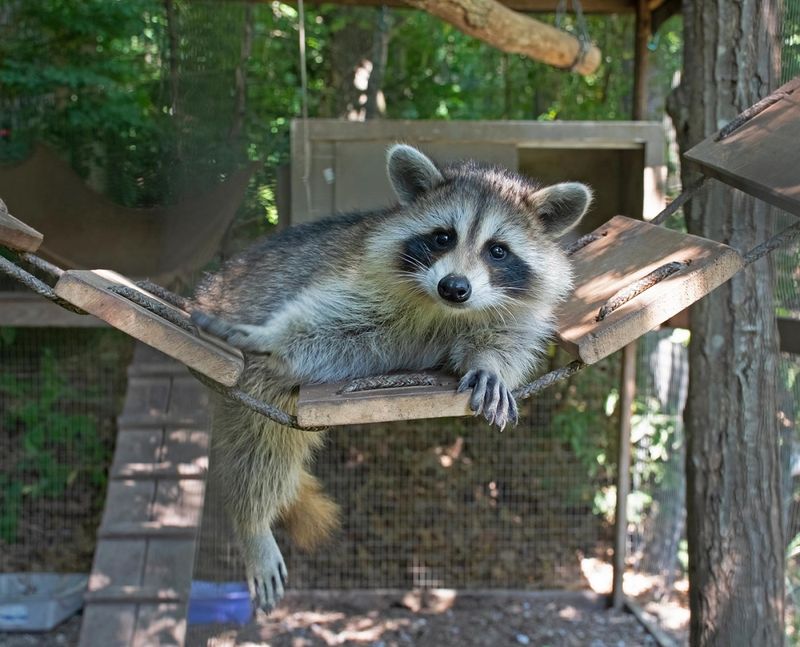
Want proof of how seriously the state takes this? The people who care for orphaned raccoons professionally have to clear extra hurdles before they can touch one.
Wildlife rehabilitators in Maryland need a state permit to work with wild animals. For raccoons and other rabies vector species, rehabbers typically need additional approval, plus pre-exposure rabies vaccinations. That’s a level of protection most families simply don’t have.
These folks also follow strict care plans. They raise kits with other raccoons, limit human contact, and teach skills like foraging so the animals can return to the wild.
Not going to lie, the first time I learned this, I felt a little silly about my towel-and-shoebox plan. A homemade rescue skips every safety step the pros rely on.
Rehabbers also know what to feed. Cow’s milk and random kitchen scraps can make baby raccoons seriously ill, and bottle-feeding the wrong way can cause them to inhale liquid.
Think of it like this. If trained, vaccinated experts need special permission to handle a kit, a homeowner with good intentions and a pet carrier is in way over their head.
Letting the professionals take over is the most caring choice you can make.
Raccoons Top The Rabies Charts Across The Old Line State
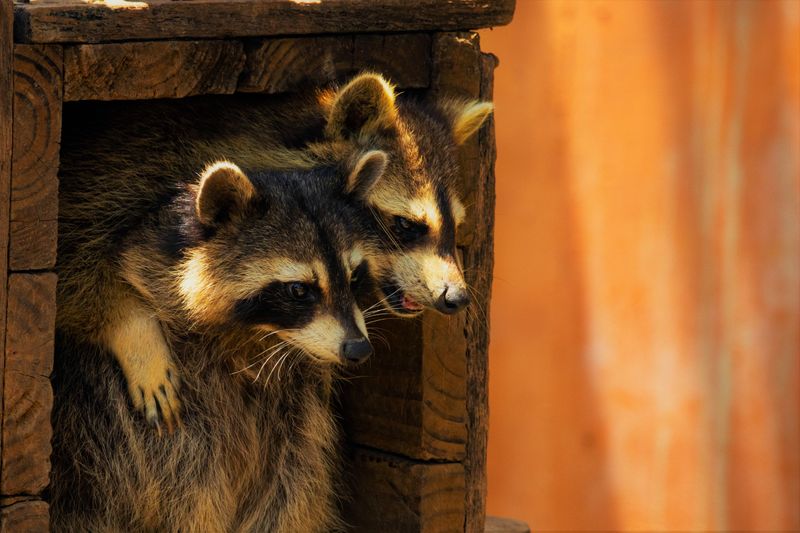
Year after year, raccoons rank as the most commonly confirmed rabid animal in Maryland. That single fact explains a lot about why the law is so strict.
Rabies is a virus that attacks the nervous system. It spreads mainly through bites and scratches, or when saliva gets into an open cut, eyes, nose, or mouth. Once symptoms show up in a person, the disease is almost impossible to survive.
Baby raccoons can carry rabies too, and they may look perfectly healthy for weeks. A tiny nip during feeding is easy to brush off, yet it could be a serious exposure.
Here’s the part nobody expects. If a kit bites someone in your household, health officials may require the animal to be euthanized so it can be tested.
So the rescue attempt can end badly for everyone involved. Your family might face a series of rabies shots, and the kit loses its chance at a wild life.
Protect your own pets, too. Keep dogs and cats current on rabies vaccines, since curious pets often find kits before people do. Feeding pets indoors also keeps hungry raccoon families from treating your porch like a diner.
Raccoon Roundworm Hides Where Gardeners Dig
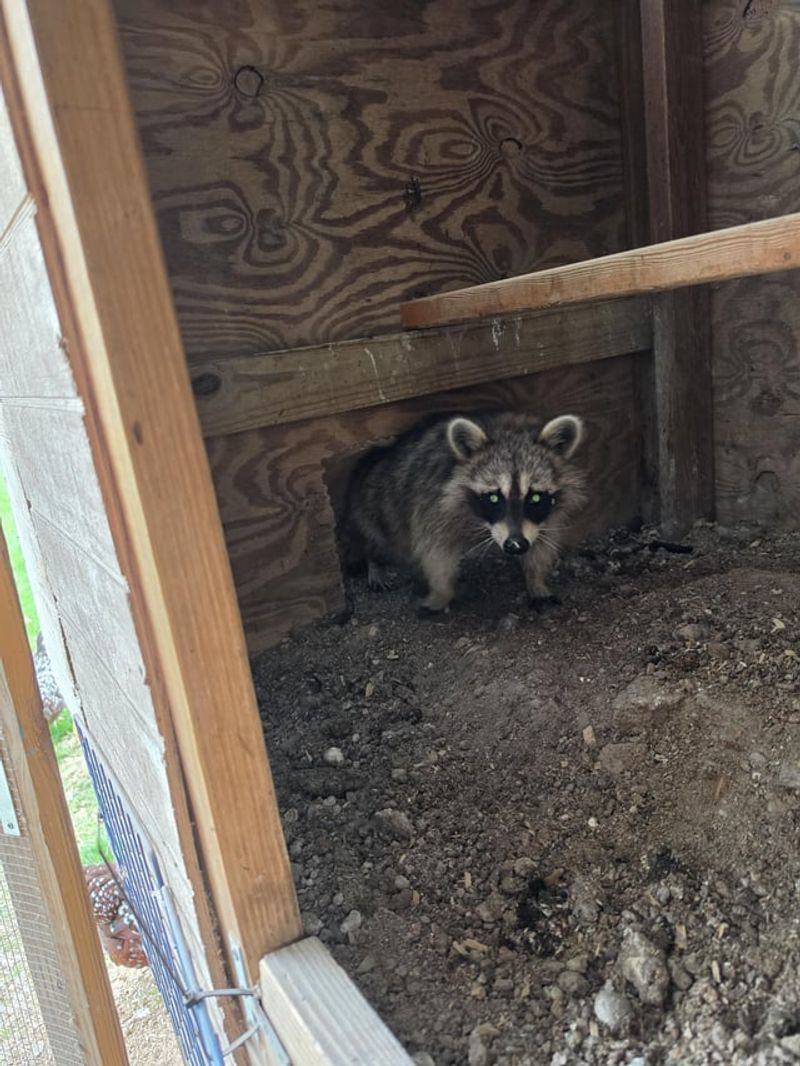
Gardeners, this one hits close to home. Raccoons often use the same spots as toilets, called latrines, and those piles can show up on decks, woodpiles, roofs, and the edges of garden beds.
Many raccoons carry a parasite called Baylisascaris procyonis, better known as raccoon roundworm. Its eggs pass in droppings and can stay infectious in soil for years. People get infected by accidentally swallowing eggs, often from dirty hands.
Human cases are rare, but they can be very serious. The larvae can travel through the body and harm the eyes and brain, and young kids who play in the dirt face the highest risk.
Bringing a kit inside means bringing its droppings inside. Bedding, blankets, and carpets could end up holding eggs you’ll never see.
Raccoons can also spread leptospirosis through urine. Distemper is another concern, and it can pass to unvaccinated dogs.
When you find a latrine outdoors, wear gloves and a mask, bag the droppings, and dispose of them in the trash. Hot water and careful hand-washing afterward go a long way. Keep children and pets away until the area is cleaned, and skip the backyard compost pile for this waste.
Cute Raccoon Babies Grow Into Cabinet-Raiding Adults
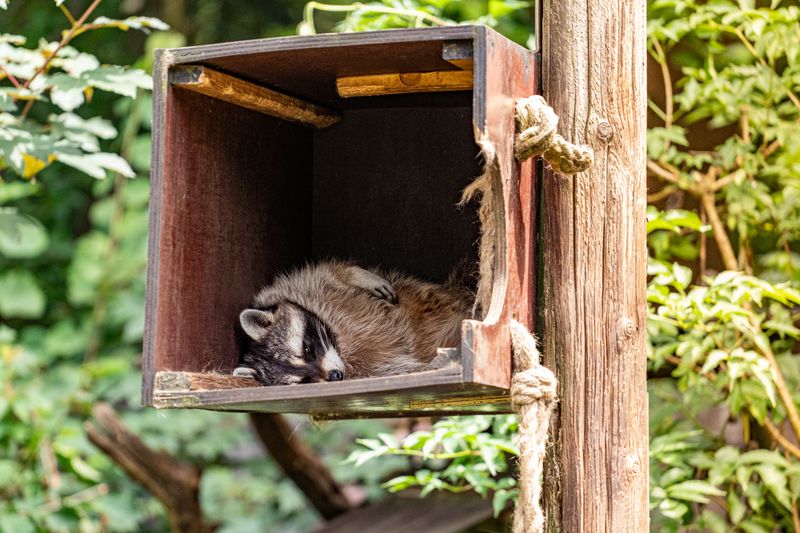
Raise a raccoon kit for six months and you’ll meet a whole new animal. Those clumsy, cuddly babies grow fast, and their wild instincts grow right along with them.
Raccoons are not domesticated like dogs or cats. As they mature, many become moody, territorial, and quick to bite, even with the person who bottle-fed them. Guests, kids, and other pets can become targets without much warning.
Their famous hands are another headache. Raccoons can open latches, unzip bags, pry at cabinet doors, and shred furniture in a single night of exploring.
Guilty as charged, I once laughed at a viral video of a raccoon raiding a fridge. Living with that chaos every day would be a lot less funny.
They’re also nocturnal, so the busiest hours fall right when you want to sleep. House training is famously tricky, and messes pile up quickly.
A kit raised by people often can’t make it on its own later. It may lose its fear of humans, approach houses for food, and end up labeled a nuisance animal.
Letting it grow up wild is truly the better gift.
How To Tell If A Baby Raccoon Truly Needs Help
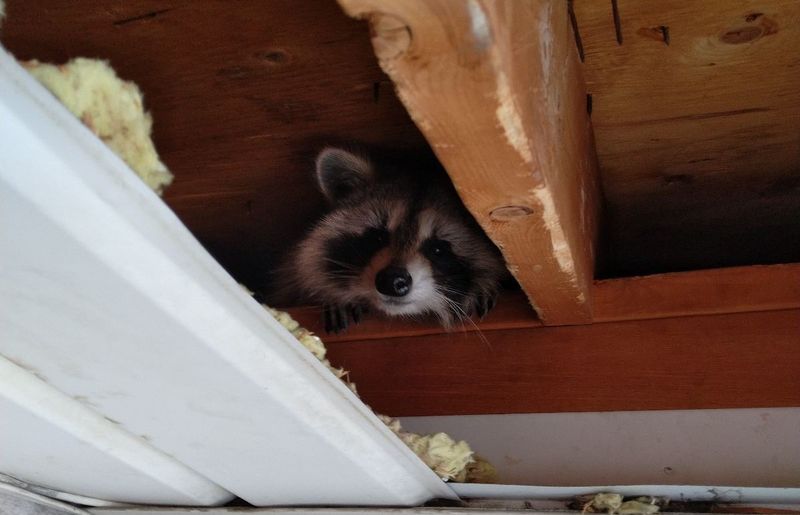
Some kits really are in trouble, and knowing the signs helps you act fast without overreacting. Wildlife experts point to a few clear red flags.
Watch for visible wounds, bleeding, or a limp. A kit that is cold, covered in flies, or crying nonstop for hours is another worry. Babies with closed eyes found alone and exposed also deserve attention.
Check the surroundings, too. If you know the mother was hit by a car or trapped and removed, her babies won’t have anyone coming back.
A kit sitting in a busy road or in reach of a dog needs a quick fix. Use thick gloves or a towel to move it a short distance to a safe spot nearby, without bringing it indoors.
If it’s chilly, a box with a towel and a warm water bottle can help while mom has a chance to return overnight. Place it where you found the baby and back away.
Skip the food and water. Feeding the wrong thing can make a kit sick, and handling increases rabies exposure risk. Snap a photo, note the time, and make the call to a pro.
A Wildlife Rehabilitator Gives That Raccoon Kit Its Best Shot
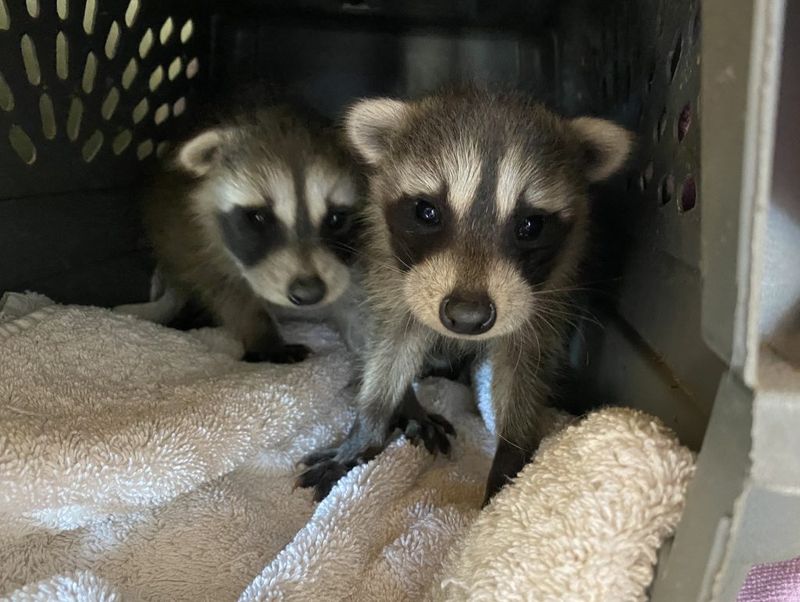
The happiest raccoon stories end in the woods, not the living room. Licensed rehabilitators make that ending possible for kits that truly need help.
Start with the Maryland DNR/USDA Wildlife Services line at 1-877-463-6497. The department also keeps a list of permitted rehabilitators by county, and many of them can talk you through next steps over the phone.
Local animal control is another solid option, especially if someone has been bitten or scratched. In that case, wash the wound with soap and water for several minutes and call your doctor or county health department right away.
I’m a sucker for a good release video. Watching a rehabbed raccoon wander off toward a creek beats any photo of a kit in a laundry basket.
Prevention helps next spring. Seal gaps under decks and sheds in late winter before mothers move in, secure trash lids, and bring pet food inside at night.
Caps on chimneys and trimmed branches near the roof also keep denning raccoons out of attics. The best way to love your backyard wildlife is from a respectful distance, with a phone number handy for the rare moments they need a hand.