Can You Do Anything About A Neighbor’s Dog Leaving Waste In Your California Yard?
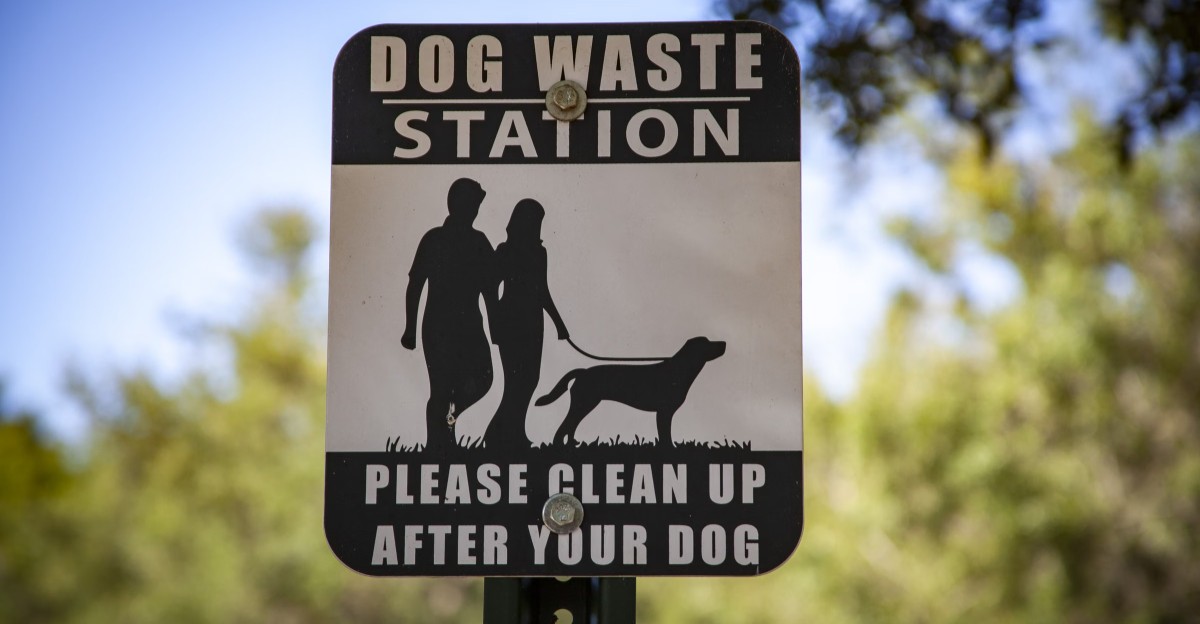
No single statewide rule covers scooping pet messes in California, so cities and counties write their own. Nearly all of them require owners to pick up right away on any property that isn’t theirs.
Those piles do the lawn no favors, either, since their high nitrogen can leave scorched yellow patches in grass. Repeated messes that attract flies or ruin plants may even fit the state’s legal definition of a nuisance.
Spoiler alert: a motion-activated sprinkler sent one startled four-legged visitor hopping straight back to the sidewalk. You might notice a calm, friendly chat over the fence solves far more problems than any formal complaint.
Plenty of frustrated gardeners assume nothing can be done beyond grabbing another plastic bag. A few smart steps with a phone camera, a city code, and a polite knock could finally keep your mulch and lawn mess-free.
That Dog Pile On Your Lawn Is Doing More Than Smelling Bad
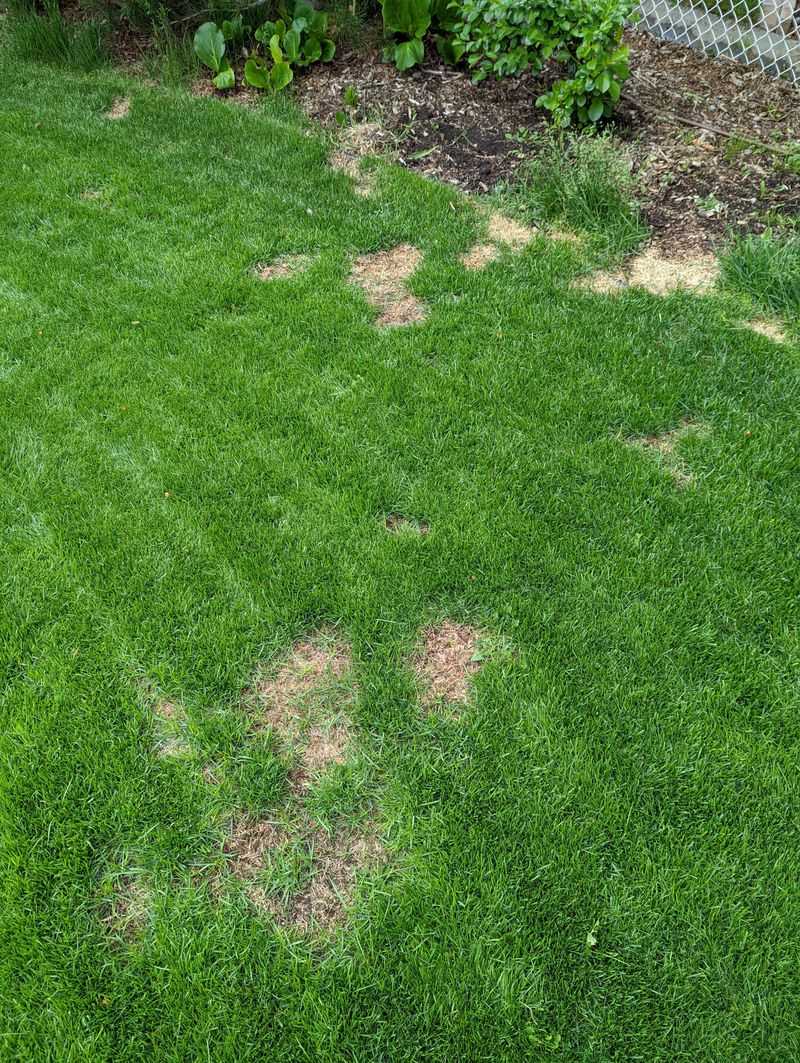
I used to think the worst part was the smell. Then I learned what a single pile can carry, and I started wearing gloves for every cleanup.
Dog waste is not like the bagged steer manure at the garden center. Dogs eat a protein-rich diet, so their droppings are loaded with nitrogen that can leave scorched yellow patches in grass. It also does not break down into safe compost on its own in a few days.
The bigger worry is what you cannot see. According to the CDC, dog feces can carry roundworms, hookworms, Giardia, and bacteria such as Salmonella and Campylobacter. Roundworm eggs are especially tough, and they can stay infectious in soil for years.
Kids are most at risk because they dig, crawl, and put their fingers in their mouths. Your own pets can pick up parasites too, and unvaccinated puppies may be exposed to parvovirus.
Rain adds another layer. The EPA lists pet waste as a source of bacteria in stormwater, and runoff can carry it toward creeks and beaches.
So yes, you have every reason to care. That pile is a real yard health issue, not just a rude surprise, and you have solid ways to deal with it.
Many California Cities Require Dog Owners To Scoop Up After Their Pets
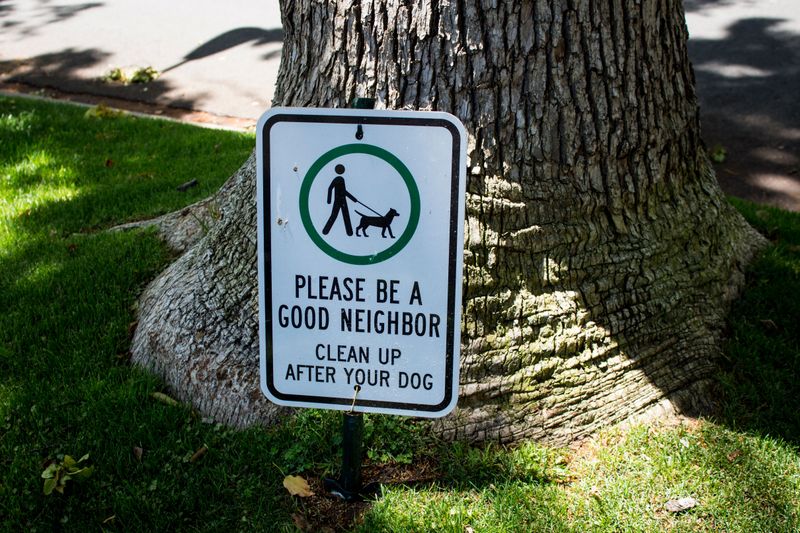
Short answer? Yes, you can do something about it, and the rules are likely on your side.
California does not have one single statewide pet waste law. Instead, cities and counties write their own rules, and nearly all of them require owners to pick up after their dogs on any property that is not theirs. Los Angeles, for example, covers this in Municipal Code Section 53.49, and many other cities have similar language.
Most local ordinances work the same basic way. A person walking a dog must carry a way to remove the waste and clean it up right away. Fines vary by city, often starting around $50 and climbing for repeat offenses.
Many places also have leash laws or rules against letting dogs roam freely. That matters if the dog is wandering into your yard alone, because the owner may be breaking two rules at once.
Your best move is to look up your own city or county code online. Search your city name plus “dog feces ordinance” or “animal control code.” Knowing the exact section number gives you confidence and makes any later complaint much stronger.
A Friendly Chat Over The Backyard Fence Often Fixes The Dog Problem
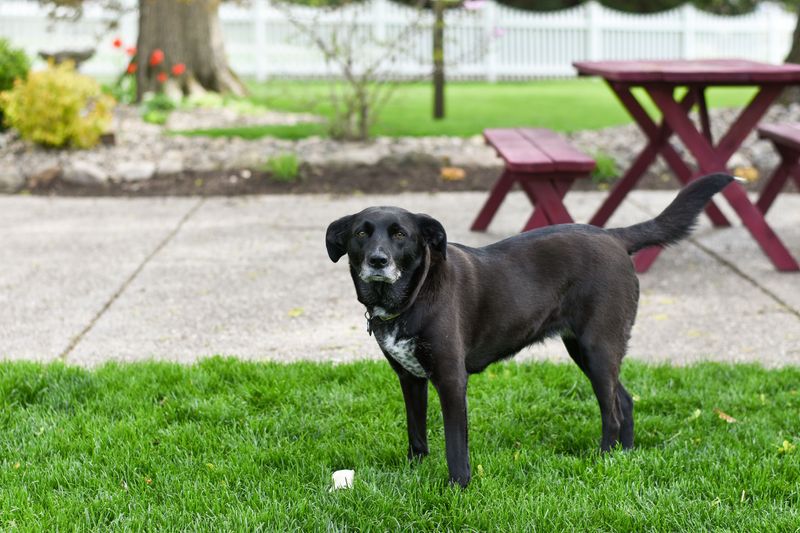
Funny enough, the most powerful tool in this whole fight is a calm hello. Many dog owners honestly have no clue their pup is slipping under the gate or wandering over during walks.
Pick your moment carefully. Avoid knocking right after you stepped in something, because frustration tends to leak into your voice. A relaxed weekend afternoon works much better.
Stick to facts instead of blame. You might say, “Hey, I keep finding dog mess by my side fence, and I think your dog might be getting out.” That leaves room for your neighbor to fix things without feeling attacked.
Then share what you would like to happen. Maybe the dog needs a leash on walks, or perhaps a loose fence board needs repair. Offering to help spot the gap can turn a tense moment into teamwork.
I like ending these chats on a warm note, even something as simple as asking the dog’s name. You will be living next to these people for a while, and goodwill pays off later.
If the problem continues, you have still gained something useful. A polite first conversation shows any official later that you tried the reasonable route first.
Grab Your Phone And Start A Dog Waste Logbook
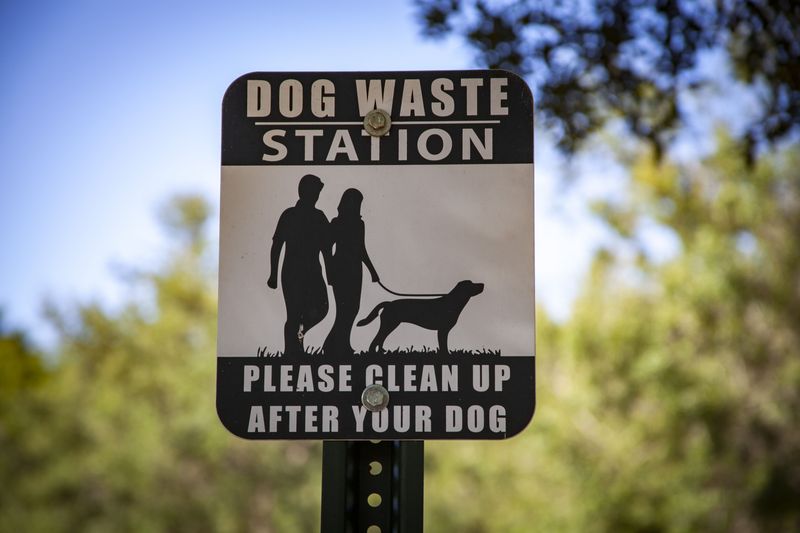
Detective mode, activated. Once a friendly talk fails, your phone camera becomes your new best garden tool.
Officials and judges respond to patterns, not hunches. Every time you find a mess, snap a photo that shows the waste and a recognizable spot in your yard. Your phone automatically saves the date and time, which is handy.
Video is even better if you can catch the dog in the act. A doorbell camera or a cheap outdoor security camera pointed at the problem area can do the work while you sleep.
Keep a simple written log alongside the photos. Note the date, time, location, and a quick description of the dog, such as breed, color, or collar. Write down when you spoke with the neighbor and what they said.
Save any texts or notes you sent, too. A friendly message like “Just a heads up, I found another mess today” creates a polite paper trail.
Store everything in one folder so it is easy to share. After a few weeks, you will have a clear record that turns a he-said, she-said argument into something officials can act on quickly.
Animal Control Officers Can Step In When Talking Fails
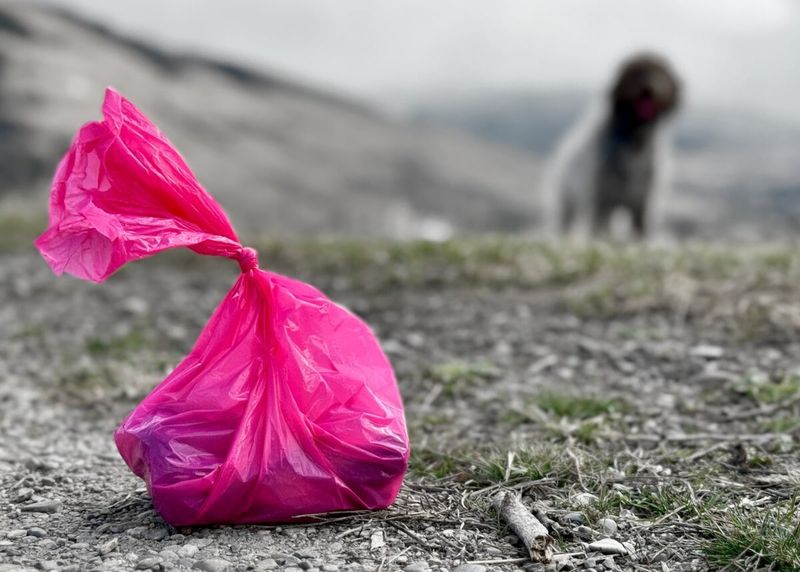
With your logbook in hand, it is time to bring in people whose job is handling exactly this kind of headache.
Your city or county animal services office is usually the first call for a roaming dog or repeated messes. Many cities also let you report problems through code enforcement or a 311 app. In some areas, the county handles animal control for unincorporated neighborhoods, so check which agency covers your address.
When you file, keep it focused and factual. Share the address of the dog owner if you know it, a description of the animal, and the dates from your log. Mention health and sanitation concerns like odor, flies, and kids playing nearby.
Officers often start with a warning letter or a visit to educate the owner. If the problem keeps happening, citations and fines may follow under local leash or waste rules.
Live in an HOA community or rent your home? Contact the HOA board or property manager as well. Many association rules and leases address pet waste directly, and those groups can apply pressure quickly.
Patience helps here. Agencies can be busy, but a well-documented complaint stands out from vague ones.
Repeat Dog Visits Can Count As Trespass Or A Nuisance
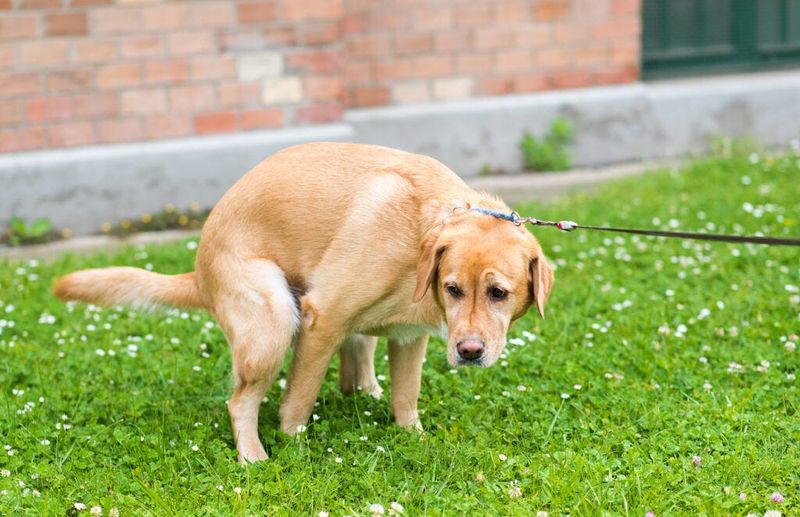
Lawsuits over dog waste sound silly, I know. Still, California law takes property rights seriously, and you have real options if nothing else works.
California Civil Code Section 3479 defines a nuisance as anything harmful to health, offensive to the senses, or that interferes with the comfortable use of property. Ongoing messes that cause odor, attract flies, or ruin your lawn may fit that description. A dog repeatedly entering your yard can also support a trespass claim against the owner.
For money damages, small claims court is the friendliest route. Individuals can generally sue for up to $12,500, and you do not need a lawyer. Costs like lawn repair, replaced plants, or professional cleanup are the kinds of losses you might claim.
Your photos and log from earlier become your main evidence. Receipts for repairs help too.
Before filing, many people send a short demand letter explaining the problem and the costs. Sometimes that letter alone gets results.
Many counties also offer free mediation services for neighbor disputes. A neutral helper can guide a calmer conversation. For anything complicated, a quick consultation with a local attorney is a smart step.
Motion-Activated Sprinklers And Sturdy Fencing Keep Wandering Dogs Out
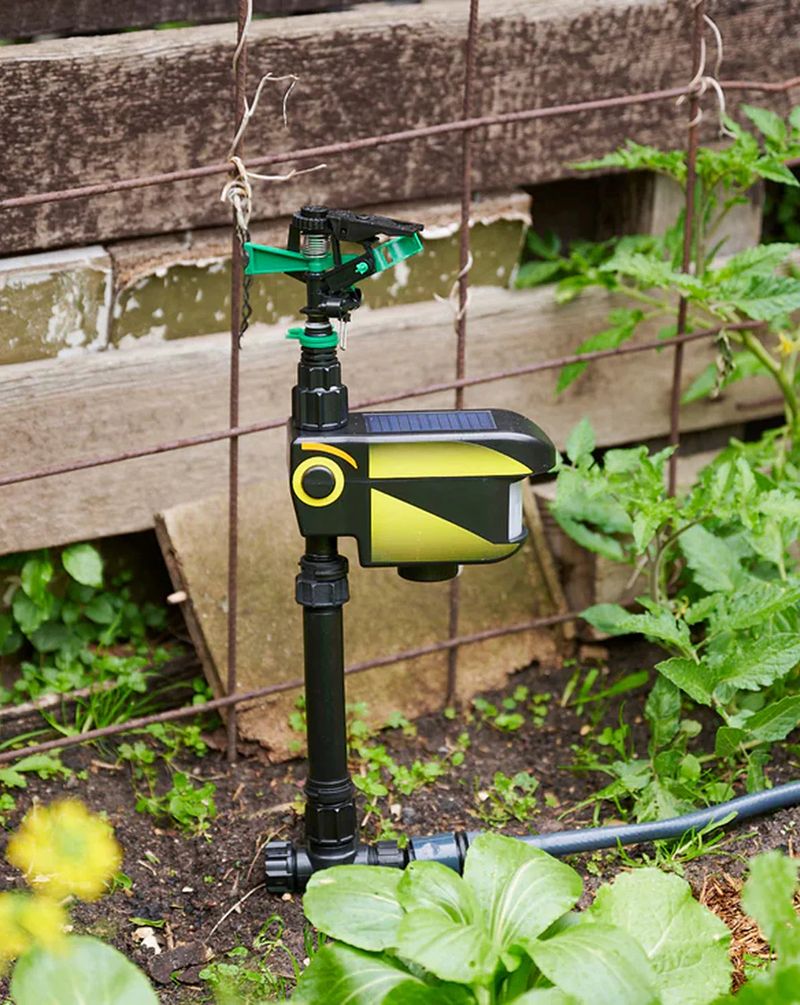
My favorite sight this spring was a startled terrier hopping back to the sidewalk after one harmless squirt of water. Motion-activated sprinklers are humane, fun, and surprisingly effective.
They work by sensing movement and sending out a short burst of water. Most dogs quickly learn to skip that spot. Use them with water-wise settings, and check your local watering rules during dry months.
Physical barriers help even more. A low decorative fence, a sturdy gate latch, or a row of dense shrubs along the property line can block easy shortcuts. California natives like coffeeberry or manzanita make attractive, drought-tolerant hedges.
Some gardeners scatter citrus peels or spray diluted vinegar along edges, since many dogs dislike strong scents. Results vary, and you will need to reapply after rain or watering. Skip coffee grounds, which contain caffeine that can make dogs sick.
Ultrasonic devices are another option, though reviews are mixed. Some dogs ignore them completely after a few days.
A polite sign near the sidewalk can also nudge passing walkers. Something short like “Please pick up after your pet” reminds people without sounding grumpy.