8 California Plants That Can Handle Cooler October Nights In The Right Garden Zones
California does not have one fall. It has about a dozen.
Along the coast, October nights feel like a light sweater. In the valleys, the air turns crisp after sunset. Up in the mountains, frost may already be tapping on the windows. Down in the desert, the heat is finally packing its bags.
Same state. Same month. Wildly different gardens.
So which one do you call home?
That answer matters more than most plant tags admit. A plant that sails through autumn in one yard can sulk just a few hours down the highway. Plenty of gardeners learn this the hard way, usually right after a trip to the nursery.
The good news is that a handful of plants handle cooler nights like pros. Some even look their best when the temperature drops. A few need the right address to shine.
Right plant, right zone, and October becomes one of the prettiest months of the year.
Curious which ones belong in your yard? Grab a jacket. The tour starts now.
1. Salvia Holds Up Well Across Most Zones
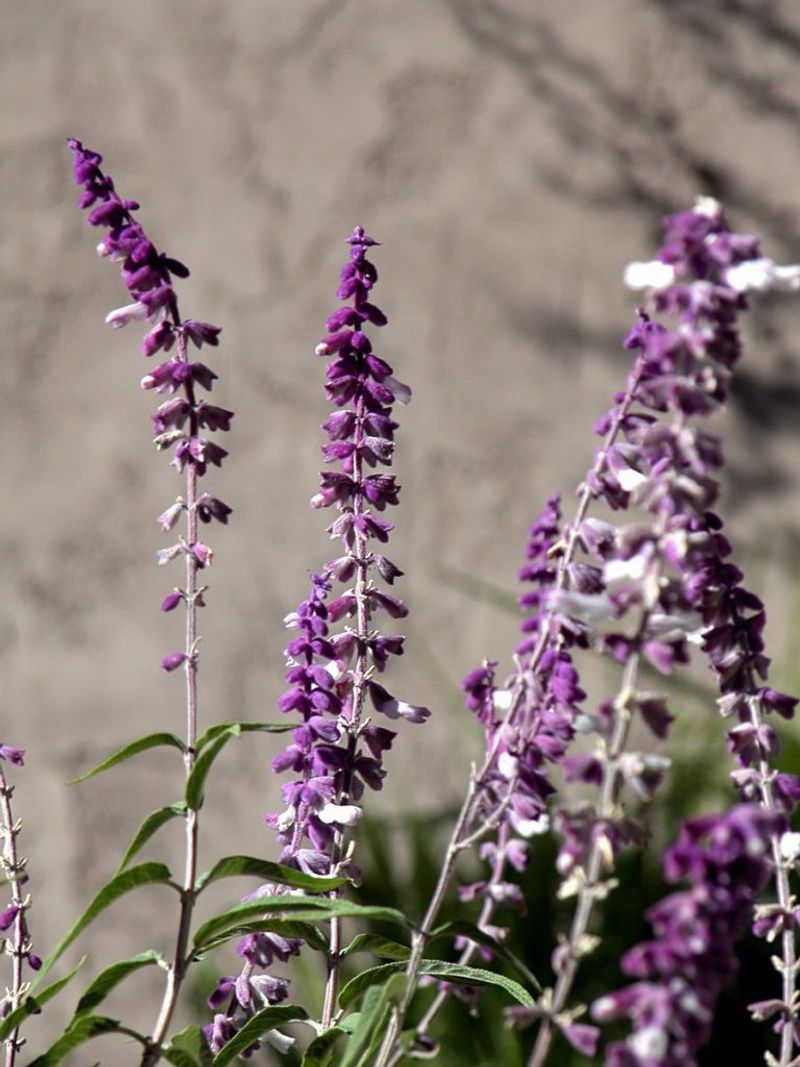
Few plants shrug off a crisp fall evening quite like salvia. Many kinds, including native Cleveland sage and hummingbird sage, grow happily across large parts of California. They also rank among the smartest water-wise picks for home gardens.
Still, most zones does not mean every zone. Along the coast and in inland valleys, October nights usually dip into the 40s or 50s. Plenty of salvias handle that with ease. In high mountain areas, hard frosts can arrive early. Tender types like Mexican bush sage may fade back to the ground there.
The real trick is a good match between species and spot. Woody natives such as white sage and purple sage like dry, sunny slopes with fast-draining soil. Autumn sage, also called Salvia greggii, handles hotter inland gardens and a fair amount of cold.
Now for a few easy habits, and your salvia will thank you with extra blooms. Cut back on water as temperatures drop, since soggy roots in cool soil can rot. Save hard cuts for late winter. Those older stems help shield the plant from chilly air.
Desert gardeners have their own story. Low desert areas rarely freeze hard, but a surprise cold snap can still nip tender tips.
A salvia that looks a little singed after a cold night usually just needs patience. Spring warmth often brings it right back.
It is tough, it is pretty, and it is a little bit dramatic. Sounds like a great garden friend.
2. Sedum Handles Cooler Nights With Ease
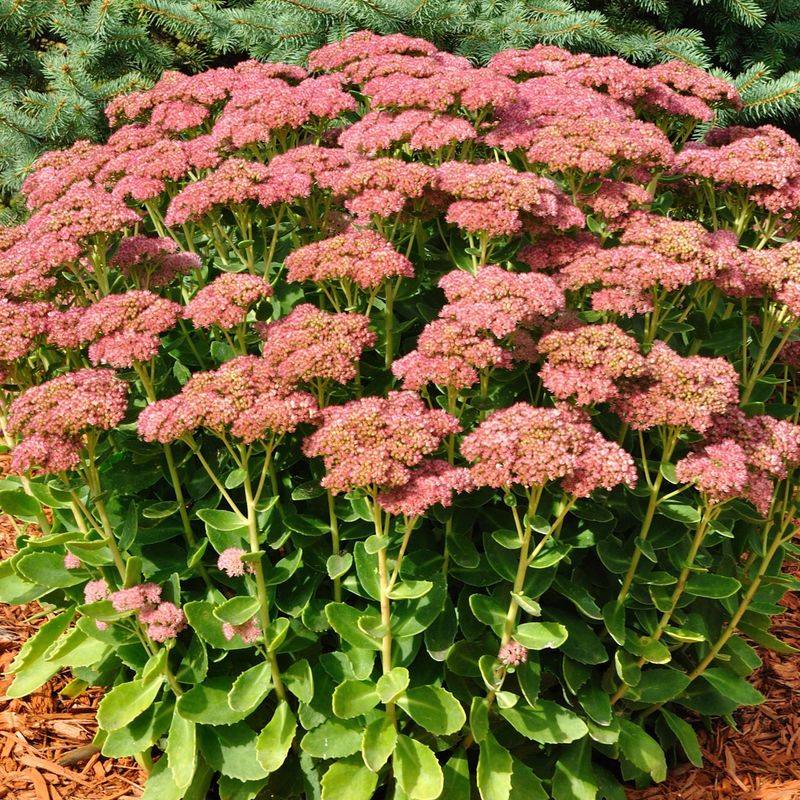
Chubby leaves packed with water help this plant barely blink when the thermometer drops. Sedum, often called stonecrop, ranks among the easiest succulents a California gardener can grow. Many kinds blush pink, red, or bronze as the weather cools.
Plenty of sedums come from cold places, which explains their toughness. Upright types like ‘Autumn Joy’ can go dormant in winter and return in spring, even in chilly mountain gardens. Low, creeping types spread like a living carpet between pavers or along rock walls.
Your California Garden Changes Every Week. Your Plan Should Too.
Gardening in California changes quickly throughout the season. Every Friday you’ll receive a simple weekly plan showing exactly what to plant, prune, fertilize, harvest, and protect so you never miss the right timing.
Not every sedum shares the same toughness, though. Some tender species from Mexico, such as jelly bean plant, prefer the mild coast. A hard inland frost can damage them. Check the plant tag or ask a local nursery about the exact kind you buy.
Water is usually a bigger enemy than cold. Sedums dislike wet feet, especially when soil stays cool and damp through fall and winter. Plant them in gritty, well-drained soil or in pots with drainage holes. Let the soil dry out between drinks.
Now for a bit of trivia to impress your garden club. The name stonecrop comes from the way these plants seem to grow right out of rocks. In your yard, they can do the same job. They fill hot, dry corners where fussier plants simply give up.
Sedums ask for very little and give back a lot. Honestly, they might be the lowest-maintenance relationship you will ever have.
3. California Fuchsia Thrives In Its Native Zones
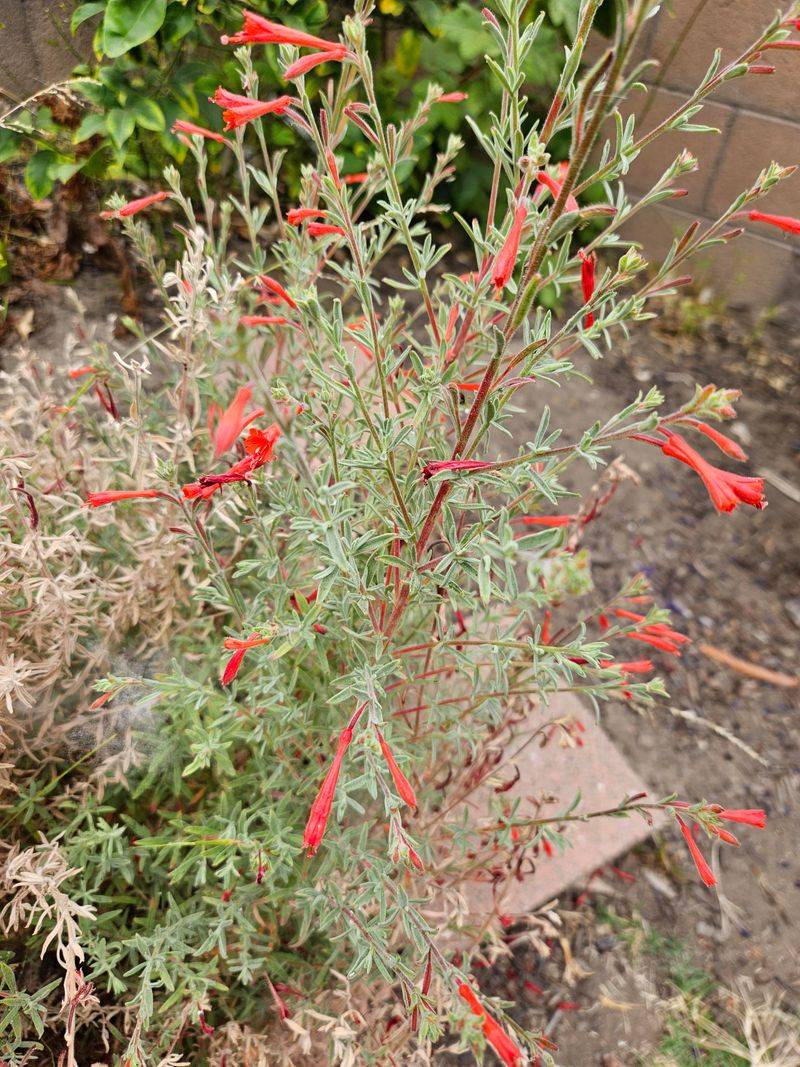
Hummingbirds seem to keep a secret calendar, and in fall it points straight at California fuchsia. Most summer flowers fade by now. This native, however, bursts into bright orange-red trumpet blooms. For many gardeners, it steals the show in September and October.
Botanists know it as Epilobium canum. It grows wild across much of California, from coastal bluffs to foothill slopes. Because it evolved here, it handles dry summers and cooler fall nights within its natural range. Many local forms have adapted to different regions.
Its happiest home, though, matches where it naturally grows. In mild coastal and foothill areas, it blooms freely and shrugs off fall chill. Colder mountain gardens do better with forms collected from higher elevations. Some lowland types may struggle after hard freezes.
Once the flowers finish, the plant can look a bit scraggly. Many gardeners cut it back hard in late fall or winter. Fresh green growth sprouts in spring. After the first year, it needs little summer water, which makes it a great fit for water-wise yards.
Give the plant full sun and fast-draining soil. Soggy clay can cause problems, so a slope or raised bed works well.
Now pull up a chair by the window, because this next part is pure entertainment. Sit back and enjoy the hummingbird show on cool autumn mornings.
Fair warning: the tiny birds may start to act like they own the place. Technically, they kind of do.
4. Camellia Actually Prefers This Time Of Year
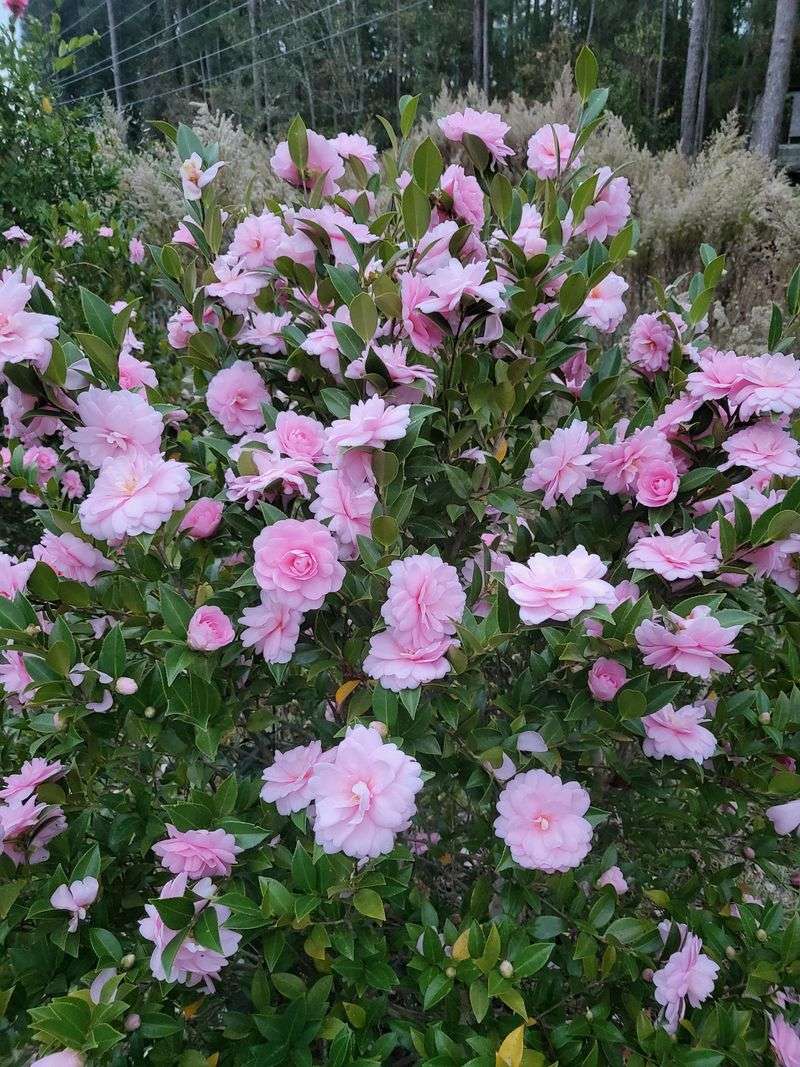
While other shrubs wind down, this glossy evergreen is just warming up. Or cooling down, to be accurate. Camellias love the shorter days and cooler nights of fall. In many California gardens, October kicks off their flower show.
Sasanqua camellias usually bloom first, often in fall. Japonica camellias, the ones with big showy blossoms, typically follow in winter and early spring. Together, they can deliver months of color when little else flowers.
Mild coastal areas and the cooler valleys of Northern California suit them best. They like some shade and steady moisture. Hot inland and desert gardens can be rough, since strong sun and dry air may scorch leaves. Very cold mountain areas can damage buds.
Soil matters too. Camellias prefer slightly acidic, well-drained soil rich in organic matter. A layer of mulch keeps roots cool and moist. Keep it a few inches away from the trunk.
Now for the part that tests your patience, because this is where many gardeners slip up. Keep water steady as buds form in fall. Dry soil can make the plant drop buds before they open. After a long wait, that feels like a movie that ends right before the big reveal.
Damp weather can also bring petal blight. Rake up browned fallen flowers to help cut down on the problem.
Camellias bloom when the rest of the garden naps. They are basically the night owls of the shrub world, minus the late-night snacks.
5. Coral Bells Tolerate A Wide Range Of Zones
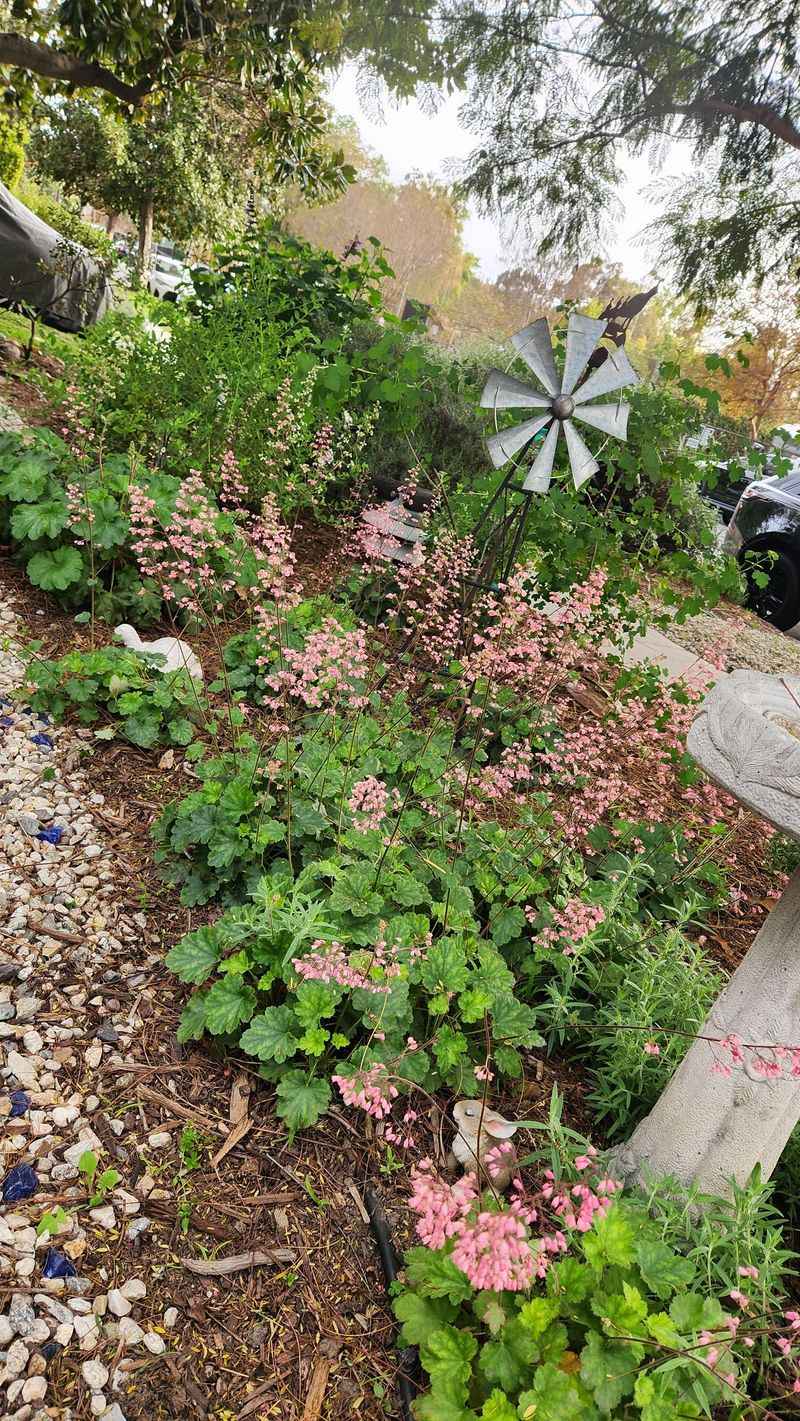
Mood rings have nothing on this plant. Coral bells show off leaves in purple, lime, caramel, silver, and nearly black. Some even shift color as the weather changes. Tiny flower spikes rise above the foliage, and hummingbirds visit them often.
Also called heuchera, the group includes a few California natives, like island alumroot. Many garden hybrids come from North American species that handle cold well. That mixed background helps them adapt to a wide range of settings, from foggy coastal yards to chilly mountain gardens.
Their weak spot is heat, not cold. Strong afternoon sun in hot inland and desert areas can fry the leaves. Morning sun and afternoon shade keep them happy there. Near the coast, cooler air lets them handle more sun.
A little routine care goes a long way, and it takes less time than a coffee break. Water regularly but skip soggy soil, since crown rot is a common problem. Trim tired or brown leaves in fall for a tidy look. Every few years, dig up and replant clumps that turned woody in the center.
Cool October nights often make the leaf colors even richer. That makes coral bells a lovely choice for shady beds, pots, or the front edge of a border.
Plant them where you can admire them up close. With leaves this fancy, they deserve a front-row seat, and maybe their own fan club.
6. Muhly Grass Suits Warmer Inland And Coastal Zones
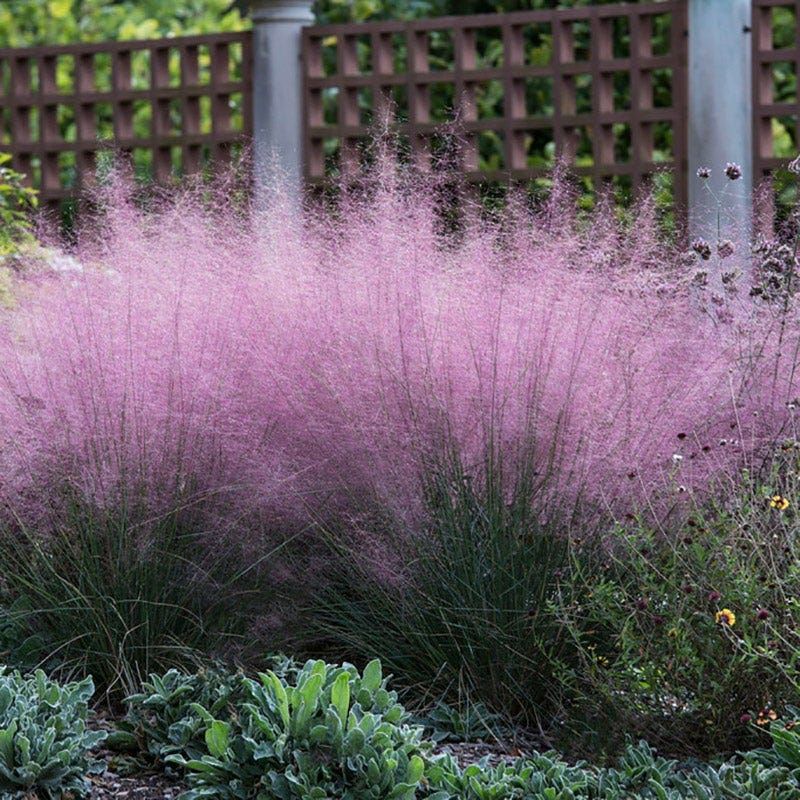
Walk past a row of pink muhly grass on an October evening, and the ground seems covered in cotton candy. The airy pink plumes glow when the low autumn sun shines through them. Few grasses put on such a dreamy fall display.
This grass, Muhlenbergia capillaris, comes from the southeastern United States. In California, it performs best in warmer inland valleys and mild coastal areas. Fall nights there feel cool but rarely bitter. Once its roots settle in, it handles heat and dry spells well.
Mountain gardeners should proceed with care. Cold, high-elevation zones with early hard freezes may not suit it. The plant may struggle or fade away over time. Native deer grass makes a great alternative up high, since it tends to fit California conditions better.
The setup is simple. Choose full sun and soil that drains well. Water deeply while it gets established. After that, it needs only occasional water in most areas.
Hold off on a trim after the plumes fade. The tan winter look still adds texture. Many gardeners wait until late winter to cut it low before new growth begins.
Now for a little design secret, and it makes a huge difference. A single clump looks nice, but a group looks spectacular. Try a line of three or five along a path or driveway for a soft pink haze.
Your yard gets instant fairy-tale vibes. The neighbors may start to walk a little slower past your house.
7. Ornamental Kale Improves As Nights Cool
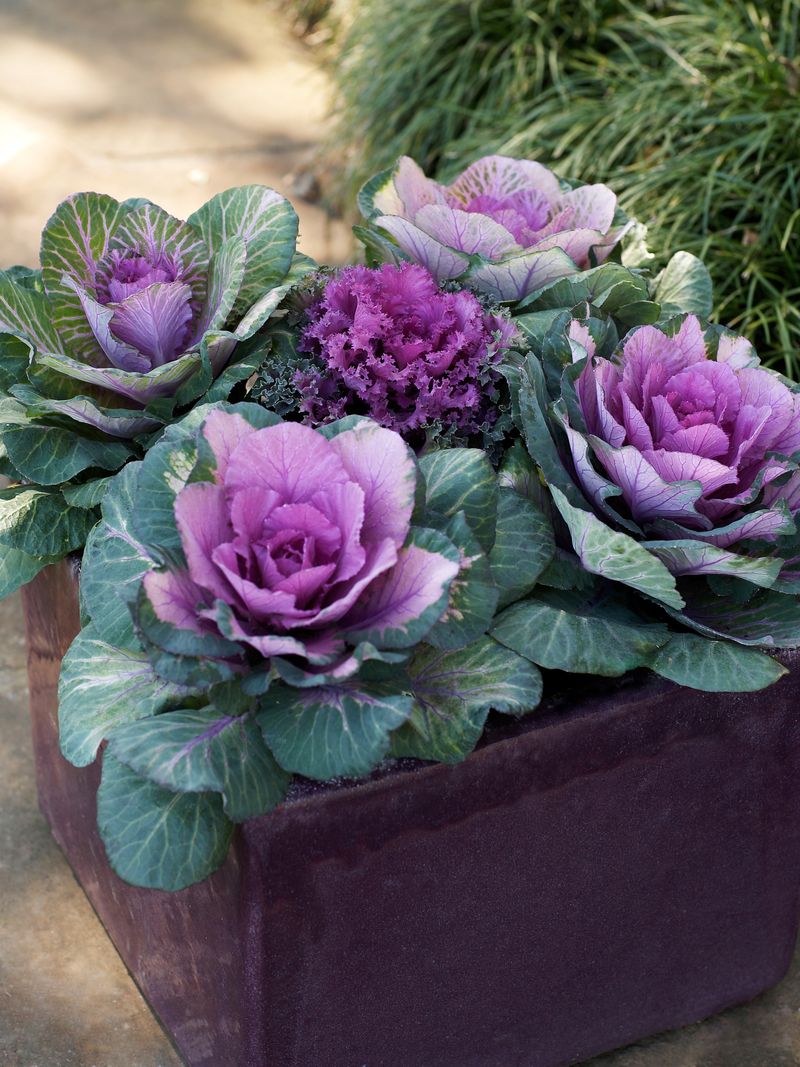
Some plants sulk when the weather turns chilly. This one shows off. Ornamental kale starts out mostly green. As nights cool, its center turns bright pink, purple, or creamy white. It feels like a slow-motion color show right on your porch.
Cooler temperatures trigger that change, usually once nights stay below about 55 degrees for a while. Warm fall weather can delay or weaken the color. Patience helps in hotter regions.
Across California, ornamental kale works as a cool-season annual in many zones. Coastal and inland valley gardeners can plant it in fall and enjoy it through winter.
Low desert gardeners often do well with it in late fall and winter, once the heat finally breaks. In the mountains, it may last only until deep freezes arrive.
Care is refreshingly easy. Give it full sun, regular water, and decent soil. It stays tidy for months. Keep an eye out for aphids and cabbage worms, which love the same leaves you do.
Now for the question everyone secretly wants to ask, and the answer may disappoint the foodies. Ornamental kale is technically edible. Still, it is grown for looks and tends to taste bitter and tough. Leave the salad duty to regular garden kale.
Pair it with pansies, violas, or small pumpkins for a cheerful fall display. It shines in containers by the front door.
Your guests will notice those rich colors right away. Just do not let anyone mistake it for the appetizer tray.
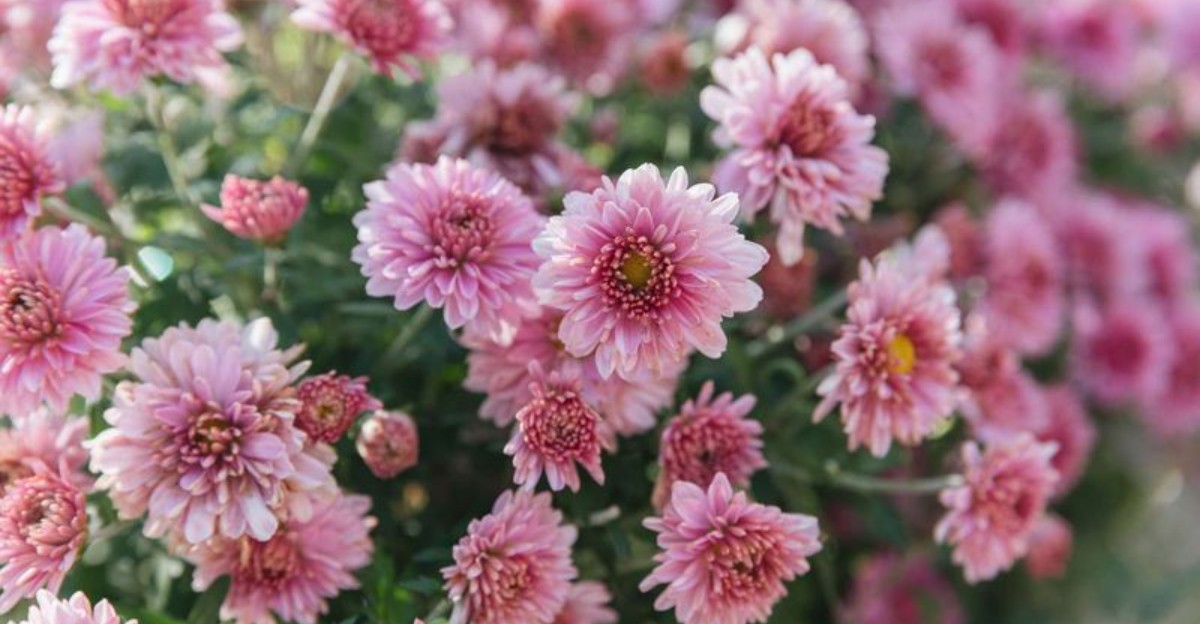
8. Hardy Chrysanthemum Varieties Return In Mild Zones
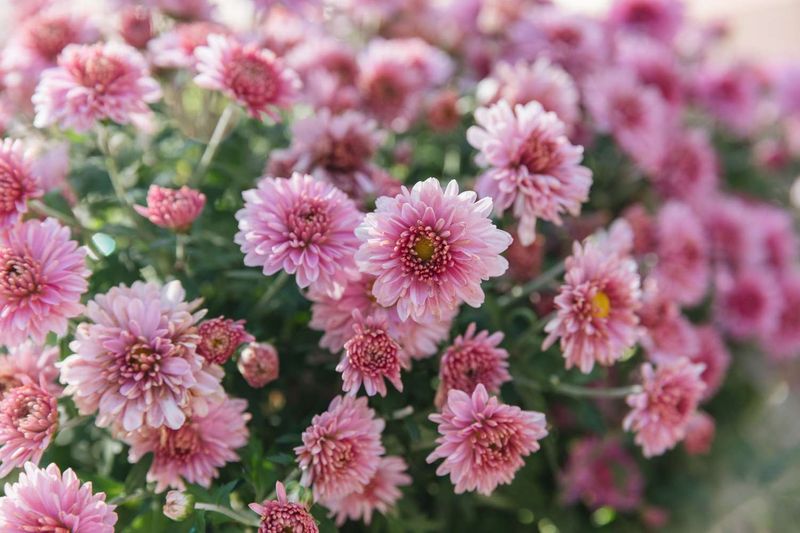
Every October, stores fill up with round pots of mums covered in blooms. Many shoppers assume those plants will return next year. That is not always the case. The secret lies in the difference between florist mums and hardy garden mums.
Florist mums are grown mainly for indoor use or short-term decoration. They often have shallow roots and were bred for looks, not for years outdoors. Hardy garden mums, on the other hand, are selected to live as perennials and come back each season.
Your zone plays a big role here. In mild California zones, like the coast and many inland valleys, hardy mums in the ground often return reliably. Colder mountain gardens may need extra mulch around the roots. Even then, a harsh winter can still be too much for some.
Early fall is the best time to plant, so roots can settle before cold weather arrives. Choose a sunny spot with good drainage. Water regularly until they get established. After bloom, leave the stems in place over winter, then cut them back in spring.
Now for a pro trick, and it feels a bit like a hairstylist’s secret. Pinch the tips in late spring and early summer for a fuller plant with more flowers. Stop by midsummer so buds can form for fall.
With the right type and the right zone, your mums can greet you again next October. Talk about a plant that knows how to make a comeback.