9 Greens Worth Harvesting for Your North Carolina Thanksgiving Table
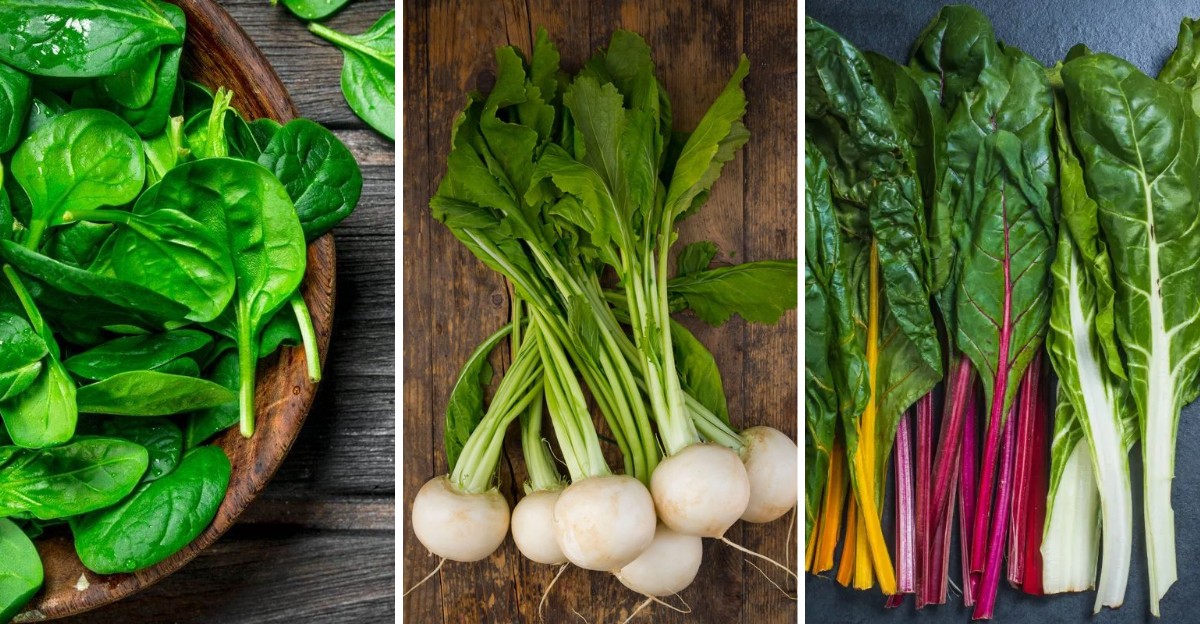
A single frost can turn certain bitter leaves noticeably sweeter, because cold weather nudges plants into storing extra sugar. I still remember tasting the difference after one chilly November morning in my own backyard garden.
North Carolina gardeners get a real gift here, since our cool falls keep many leafy crops growing well past October. Some sturdy plants even handle nights in the low twenties without much fuss or any fancy protection.
Truth is, I used to buy every holiday side dish at the store, but my garden kept quietly outperforming the produce aisle. Fresh leaves picked that morning simply taste brighter, crisper, and far more alive on the plate.
Tell me, which leafy crops actually earn a spot beside the turkey and dressing this year in your garden? A few surprised me, and one beloved Southern favorite might already be sitting in your North Carolina yard.
1. Collard Greens
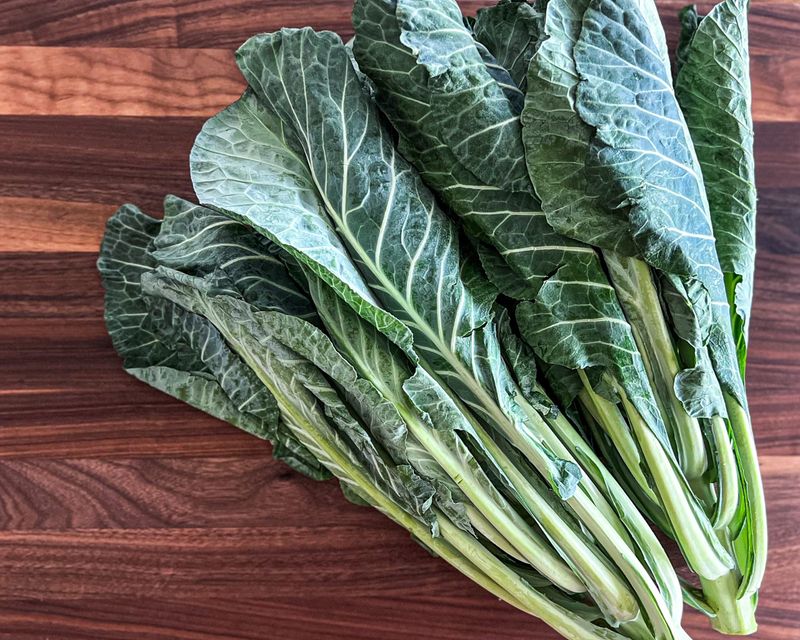
Southern cooks have trusted collards for generations, and the broad leaves can grow nearly waist high in a happy garden. I love brushing frost off those leathery leaves before carrying an armload straight into my warm kitchen.
Cool nights from November through February sweeten the flavor, so a Thanksgiving harvest often tastes better than early fall pickings. Extension experts note that well established plants usually survive winters across the Piedmont and Coastal Plain with little trouble.
Varieties like Georgia Southern and Morris Heading are local favorites, and heirlooms such as Tabitha Dykes are earning new fans. I grow two kinds side by side each year, mostly because I enjoy comparing their texture at holiday dinners.
Collards prefer loamy, well drained soil with a pH near 6.0 to 6.5 and at least six hours of sun. Give them about an inch of water weekly, plus steady nitrogen, so leaves stay deep green and pleasantly tender.
Pick outer leaves once they reach ten to twelve inches long, leaving the central growing point to keep producing more. Try not to remove more than one third of the plant at once, or regrowth slows down quite a bit.
Cabbage worms sometimes chew holes in early fall, but floating row covers keep those hungry caterpillars away from tender leaves. With regular picking, a healthy plant can keep producing leaves for months, which makes it a real garden bargain.
2. Kale
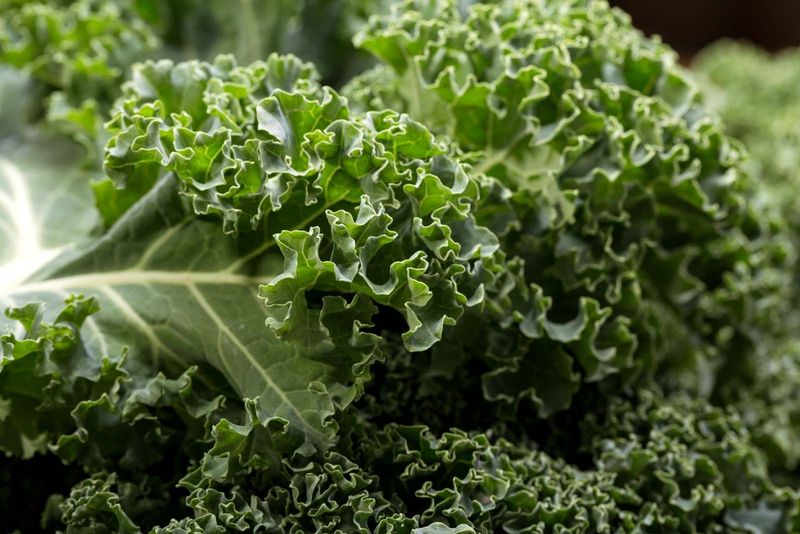
Frost works like a quiet chef on kale, turning sharp, slightly bitter leaves into something mellow and pleasantly sweet. I snack on raw leaves straight from the bed after a cold snap, and nobody in my house complains.
Kale (Brassica oleracea) handles temperatures in the low twenties, and some varieties shrug off even colder nights with ease. That toughness makes it a reliable crop across every hardiness zone in our state, from the mountains down to the coast.
Variety is half the fun here, since Winterbor offers frilly ruffles while Red Russian shows off lovely purple tinted stems. Lacinato, often called dinosaur kale, has long bumpy leaves that look prehistoric and taste wonderful when gently sauteed in olive oil.
Plant transplants by late September so roots settle in before cold weather arrives in your area for the season. Rich soil with compost, steady moisture, and six hours of sunshine will keep those leaves coming through the coldest months.
Harvest from the bottom up, picking lower outer leaves while the center keeps pushing out fresh growth for many months. I learned the hard way that stripping the crown slows everything down, so I now leave plenty of top growth.
Watch for cabbage worms in early fall, and hand pick them or use a Bt spray labeled for vegetables. A light row cover also shields young plants from aphids and flea beetles before they cause noticeable leaf damage.
3. Spinach
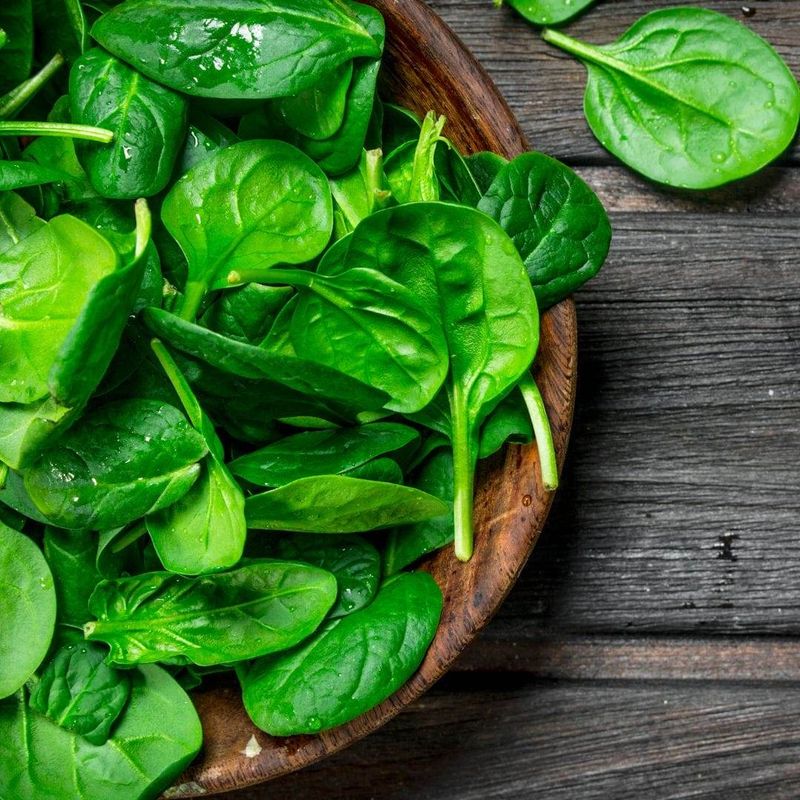
Spinach seeds can sprout in soil as cool as forty degrees, which still amazes me every single autumn season. That cold friendly attitude makes this tender green a perfect partner for a late fall holiday salad or warm dip.
Savoy types with crinkled leaves, like Bloomsdale Long Standing and Tyee, usually handle chilly weather better than smooth leaf kinds. Space is another dependable choice, and established plants can tolerate temperatures in the low twenties without extra covers in many gardens.
Sow seeds from mid September into early October for a solid harvest around Thanksgiving and well beyond the holiday. Small rows planted every week or two keep fresh leaves coming, so you rarely face a sudden flood of greens.
Soil temperatures above eighty five degrees can stop germination, so a light layer of shade helps during warm September afternoons. I lay burlap over newly seeded rows, then pull it back once tiny seedlings start poking through the soil.
Keep the soil evenly moist, since spinach sulks quickly when beds dry out between watering sessions in the fall. Partial afternoon shade works fine too, which is handy if your garden has a tree casting long shadows.
Start picking outer leaves as soon as they look big enough to eat in a salad or skillet dish. Fair warning, homegrown spinach shrinks a lot when cooked, so harvest a bigger basket than you think you need.
4. Swiss Chard
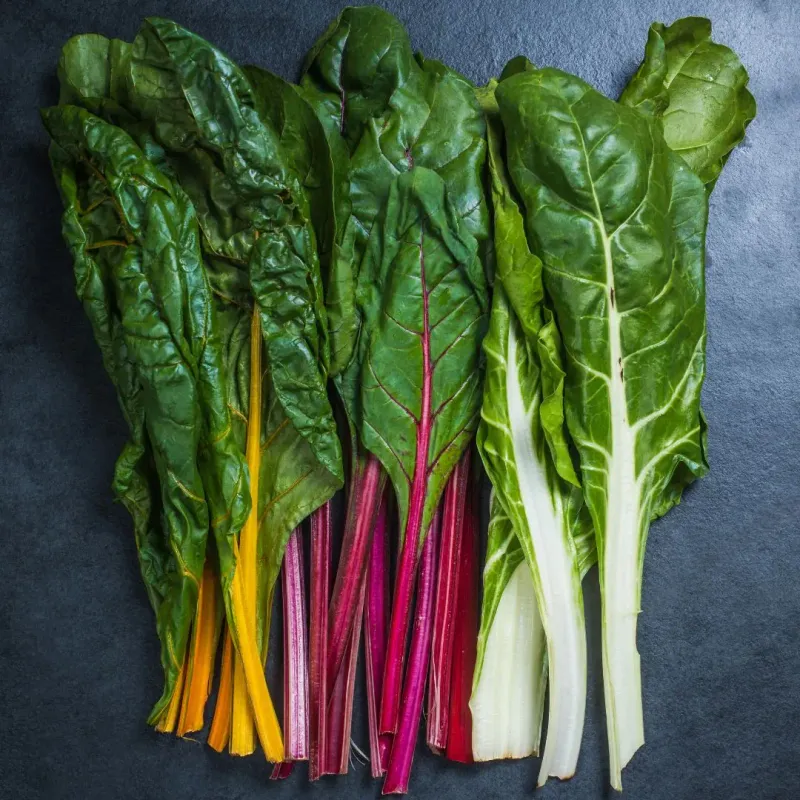
Bright Lights chard looks like someone spilled a box of crayons across the garden bed, with stems in red and gold. Guests at my table often ask about the colorful side dish before they even notice the turkey getting carved.
Swiss chard (Beta vulgaris) is related to beets, though it grows for leaves and stems instead of a swollen root. It handles light frosts well, and in mild coastal winters one planting can keep producing straight through until spring.
Celebration and Bright Lights are colorful choices with good cold tolerance, while Fordhook Giant offers heavy yields and sturdy green leaves. I grow one bold variety and one practical variety, mostly because my eyes and my stomach want different things.
Plant in early September, and you could be harvesting in about eight weeks, right around the holiday rush in November. Fertile, well drained soil with a pH between 6.0 and 7.0 keeps plants vigorous, especially with steady nitrogen feeding.
Aim for about an inch of water weekly, but avoid soggy spots where roots can sit in puddles for long. A hard freeze may damage older leaves, though covered plants usually bounce back with fresh growth from the center.
Pick outer leaves regularly, and the plant will keep sending up new ones for many weeks of easy harvests. Chop the stems separately and cook them a few minutes longer, since they need more time than the softer leaves.
5. Mustard Greens
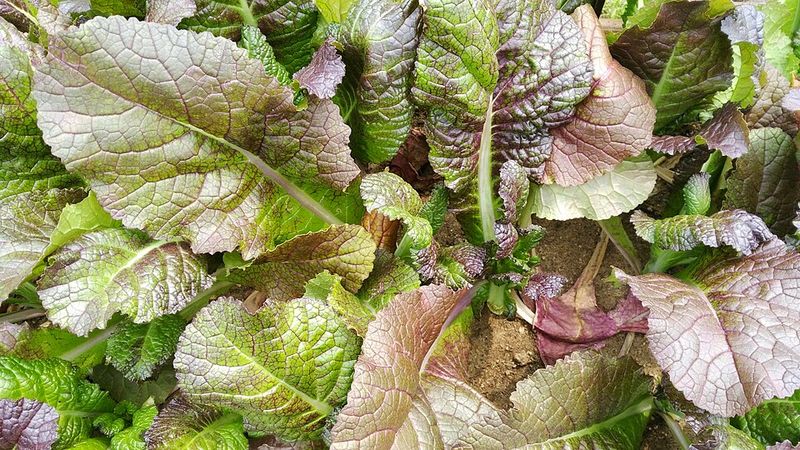
Mustard greens bring a peppery kick that wakes up a heavy holiday plate, like a spicy friend at a quiet party. I mix them with milder greens, and that little zing becomes the part everyone talks about later.
Brassica juncea grows fast, with tender baby leaves ready in about three to four weeks after you sow the seeds. Full maturity takes around thirty to fifty days, so a late start can still reach your table by Thanksgiving dinner.
Southern Giant Curled and Giant Red are popular picks, and curly leaf types tend to handle frost better than flat ones. Cool nights and light frost often soften the heat, while drought and warm spells usually make the flavor much stronger.
Gardeners in the eastern part of the state can often harvest through much of winter with minimal protection over the beds. Mountain and Piedmont growers benefit from earlier sowing and simple row covers or low tunnels to stretch the season longer.
Give plants rich, moist soil and about an inch of water each week, ideally in the morning hours. Leaves then dry during the day, which helps reduce fungal problems that sometimes show up during damp, chilly fall weather.
Sow a fresh row every two or three weeks for a steady supply rather than one giant harvest at once. Pick outer leaves at four to six inches, or cut whole plants just above the soil when you need plenty.
6. Arugula
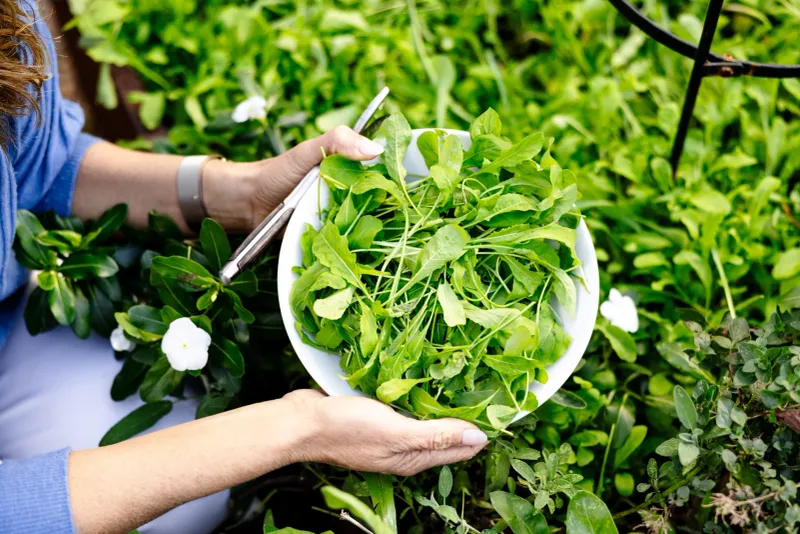
Cold weather tames arugula’s famous peppery bite, leaving a nuttier, gentler flavor that surprises people who usually avoid it. I tossed fall arugula into a holiday salad once, and my picky uncle actually asked for a second helping.
Eruca sativa grows as a loose rosette of lobed leaves, and it handles temperatures near twenty eight degrees without any protection. Plants often keep producing well past the first frost, which gives you fresh greens long after summer crops have faded away.
Baby leaves can be ready in just three to four weeks, making arugula one of the quickest crops in any garden. Even seeds sown in late October or early November can still deliver a worthwhile harvest in our milder regions.
For steady picking, start sowing in mid August and add a fresh row every two or three weeks after that. Keep the soil evenly moist, since dry spells push plants toward flowering and turn the leaves noticeably sharper and tougher.
Full sun is ideal, though partial shade works nicely, and containers on a sunny patio make harvesting wonderfully easy. Snip leaves with scissors when they reach a few inches tall, and the plants will usually regrow for another round.
Leave a few plants standing into early spring if you can spare the space in your garden beds. Their small cream colored flowers feed early native bees, which feels like a lovely bonus from such a humble little salad green.
7. Loose Leaf Lettuce
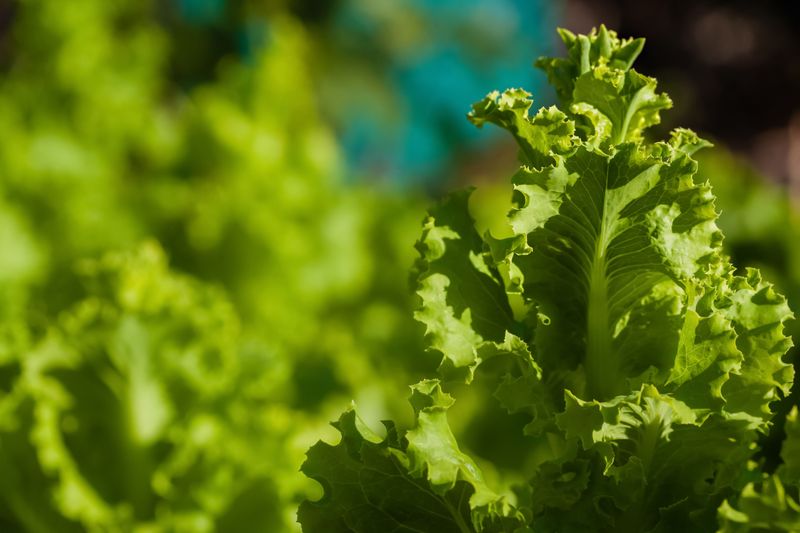
Nothing beats a crisp salad made from lettuce you picked an hour before guests arrived, still cool from the morning air. I keep a small bed near the back door just so I can grab leaves while the rolls are baking.
Lactuca sativa is more delicate than kale or collards, but loose leaf types handle chilly nights better than heading lettuce. Red Sails and Black Seeded Simpson are dependable fall choices, and Winter Density and Rouge d’Hiver also tolerate cold weather well.
Sow seeds directly around late September, giving plants roughly forty to fifty days to reach a generous harvest size. For later plantings in November, transplants or a simple cold frame will give tender leaves the protection they really need.
Lettuce seeds refuse to sprout when soil climbs above eighty five degrees, which can happen during warm early fall spells. A light layer of mulch, burlap, or newspaper over the row keeps the soil cooler and evenly moist.
Steady watering matters a lot, because stressed plants turn bitter and tough faster than most gardeners expect in the fall. I water gently in the morning, so the leaves dry before cold evening temperatures settle in across the garden.
Cut outer leaves and let the center keep growing, which stretches one planting across many weeks of meals at home. Sowing small batches every couple of weeks helps maintain a steady supply instead of one overwhelming pile at once.
8. Turnip Greens
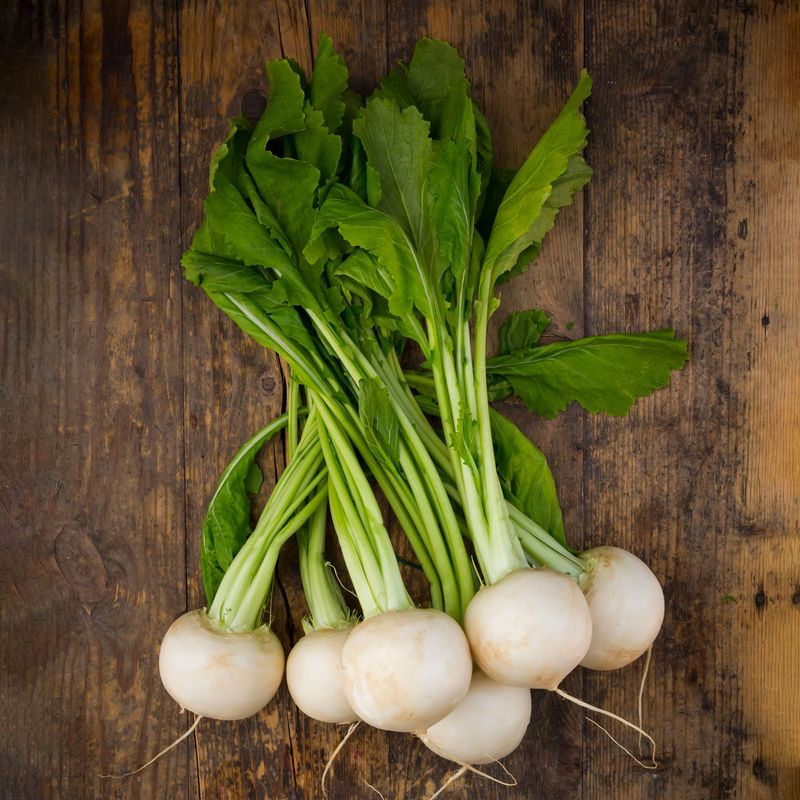
Turnips give you two crops for the price of one, since both the roots and the leafy tops are tasty. My grandmother simmered the greens with a little seasoning, and that smell still means holidays to me every year.
Brassica rapa grows easily across all three regions of North Carolina during the cool season, from mountains to coastal plain. Fall plantings are especially prized, because frost helps the greens turn sweeter and more tender than spring grown leaves.
Purple Top White Globe works well if you want both roots and greens from the same patch of garden soil. Seven Top is grown mainly for its leaves, so it suits cooks who care more about the pot than the root.
Sow seeds from late August into October, and expect plants to mature in about fifty to sixty days. Turnips tolerate sandy, poor soil and can use leftover nitrogen from summer crops, earning the nickname mop up crop.
Aim for full sun, a pH between 5.5 and 6.8, and about an inch of water each week. The sweetest harvests usually come when nighttime temperatures drop into the forties or slightly cooler during late autumn.
Pick individual leaves, or cut the whole plant about two inches above the root for a quick regrowth. Fresh tender leaves often return within two or three weeks, giving you another batch for leftovers after the holiday feast.
9. Bok Choy
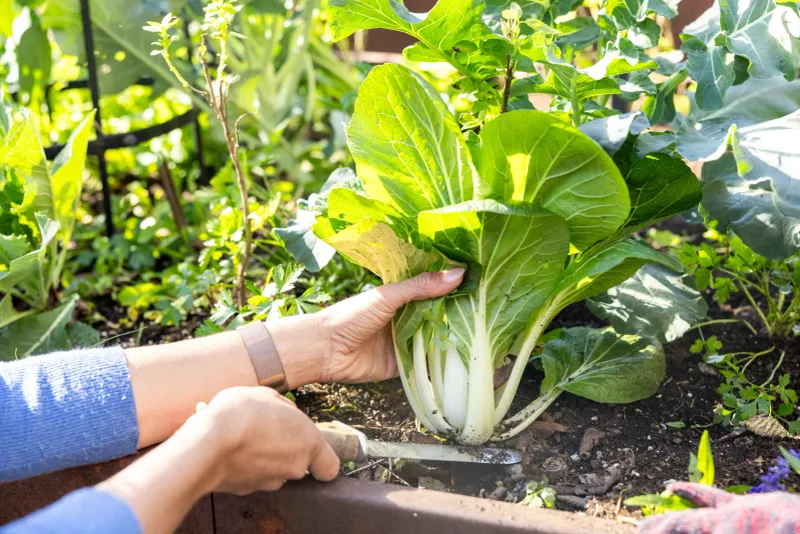
Bok choy might seem like an odd guest at a Southern holiday meal, yet it earns its seat quickly. Its crunchy white stalks and spoon shaped leaves bring a mild sweetness that pairs beautifully with rich dressing and gravy.
Brassica rapa subsp. chinensis tolerates light frost and handles lower light well, making it a favorite for cool season beds. Plants usually reach twenty to twenty four inches tall, with dark green leaves and bright creamy stalks that look striking.
In central North Carolina, transplants usually go into the ground from mid August through the end of September. Bok choy matures in roughly six to eight weeks, so careful timing puts tender heads right on your Thanksgiving menu.
Young seedlings can bolt early after several nights below fifty degrees, though established plants are much less likely to flower. I set out sturdy transplants instead of seeds, and that simple switch saved me plenty of frustration last year.
Give plants moist, well drained soil with a pH between 6.0 and 7.5, plus mulch to hold moisture. Avoid planting right after other cabbage family crops, which helps reduce soil diseases such as clubroot from building up.
Harvest the largest outer leaves first for continuous picking, or cut the whole head before any flowers appear. A quick stir fry with garlic takes about five minutes, which is a blessing when the oven is already crowded.