What Brown Edges On North Carolina Hydrangea Leaves Really Mean In July Heat
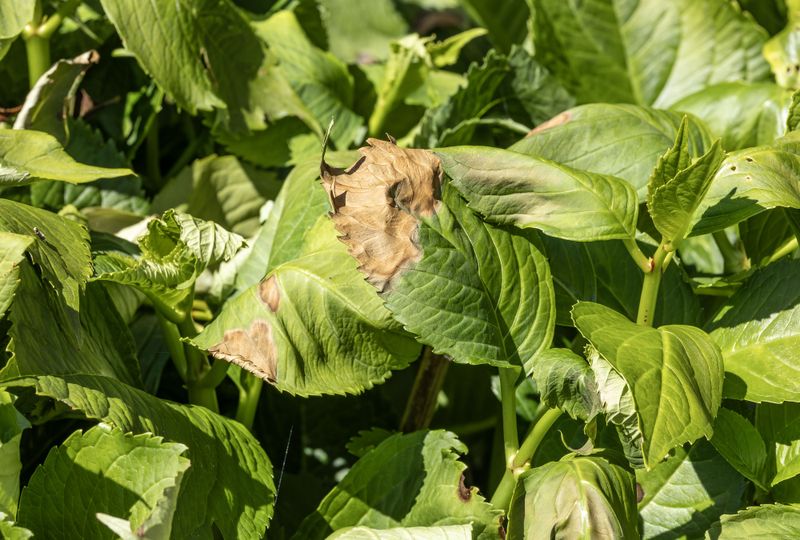
You step outside on a July morning in North Carolina and notice the edges of your hydrangea leaves have turned crispy and brown overnight. Before you grab the hose or reach for a spray bottle, slow down, because the cause matters more than the color. Brown leaf margins get blamed on drought almost every time, but heat, wind, reflected pavement heat, poor drainage, and stressed roots can all produce the same look. Knowing what is actually happening is the difference between helping your shrub and accidentally making things worse.
The Brown Edges Are Leaf Scorch
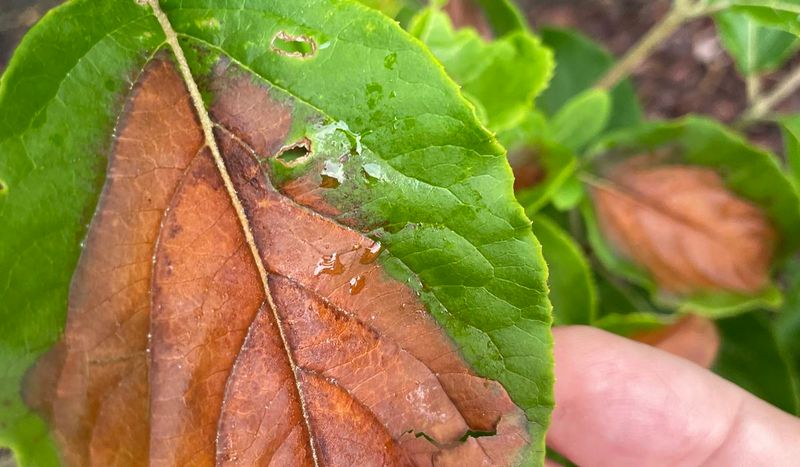
Leaf scorch is the most likely explanation for what you are seeing, and it has nothing to do with a fungus or an insect. University of Missouri Extension guidance on leaf scorch describes it as an environmental injury that happens when leaves lose water faster than the roots can replace it. The damage shows up first along the margins and in the spaces between veins, exactly where you would expect tissue to dry out when the plant is running a deficit.
July in North Carolina turns that deficit into a daily battle. Afternoon temperatures push into the 90s, drying wind pulls moisture off the leaf surface, strong afternoon sun can overwhelm a plant that was perfectly comfortable in April, and heat radiating off a nearby driveway or brick wall adds another layer of stress. Any one of those factors can trigger scorch on its own, and several of them hitting at once can brown an entire shrub in a matter of days.
NC State Extension’s woody ornamentals handbook identifies hydrangeas as large-leaved plants that are among the first ornamentals to show drought stress, but the scorch pattern does not always mean the whole plant is equally affected. Damage may cover the whole shrub, concentrate on one sun-exposed side, or show up on a single branch that catches the worst of the afternoon heat.
Here is the part that catches people off guard: the brown tissue is not coming back. Dead leaf margins stay dead regardless of how much water you add afterward. That does not mean the plant is lost. The shrub may push out healthy new growth once the stress passes, but the scorched edges will remain scorched, so managing the plant going forward matters more than trying to reverse what has already happened.
Drought Is Only One Possible Cause
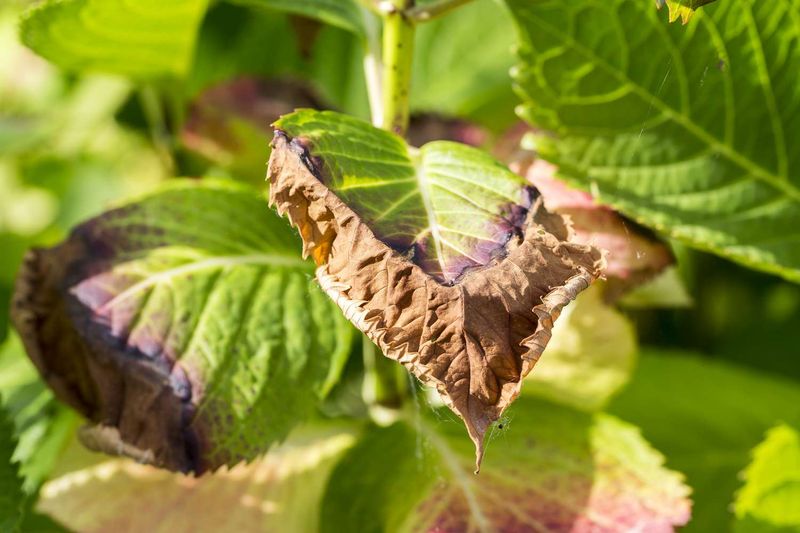
Most people see brown hydrangea margins and reach for the hose automatically. That instinct makes sense, but it can backfire badly if drought is not actually what is going on. Oregon State Extension’s hydrangea care guidance lists both insufficient water and excessive water as causes of brown edges and leaf drop, which tells you that the symptom alone does not point to a single fix.
Soggy soil is just as dangerous as dry soil. When a hydrangea sits in poorly drained ground, the roots become oxygen-starved and begin to break down. Damaged roots cannot move water up into the plant, so the leaves start browning from the margins inward, which looks almost identical to classic drought scorch. A plant near a downspout, in a low spot that holds water after rain, or in heavy Piedmont red clay that drains slowly can show brown edges even after a week of afternoon thunderstorms.
Your North Carolina Garden Changes Every Week. Your Plan Should Too.
Gardening in North Carolina changes quickly throughout the season. Every Friday you’ll receive a simple weekly plan showing exactly what to plant, prune, fertilize, harvest, and protect so you never miss the right timing.
Compacted soil creates a similar problem by restricting root growth and slowing water movement. A hydrangea that was recently transplanted is especially vulnerable because its root system has not had time to spread and anchor, so even brief dry spells hit harder than they would for an established plant. University of Georgia Extension’s landscape plant guide notes that hydrangeas dislike sitting in water, and root injury from saturation can prevent normal water uptake just as effectively as drought.
One more wrinkle worth knowing: a hydrangea can wilt at midday even when the soil is moist. NC State Extension explains that midday wilting can happen simply because leaves are losing water faster than roots can supply it during peak heat. If the plant perks back up by evening and the soil is already moist, adding more water is not the answer and may create new problems.
Soil Moisture Tells You What To Do
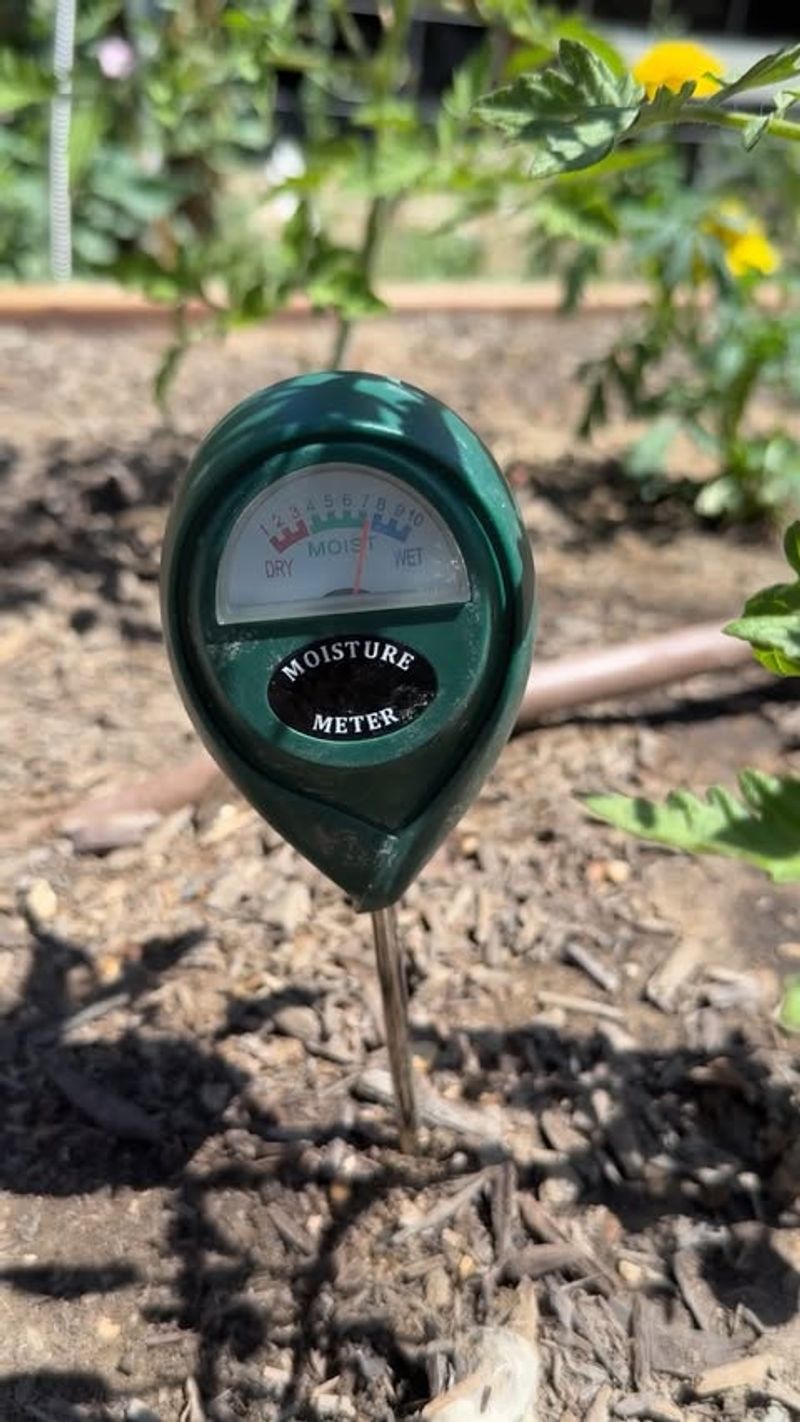
Before you water, before you prune, before you do anything, push your finger or a screwdriver into the soil about 3 inches down near the base of the plant. That simple check tells you more than the leaf color ever could. NC State Extension advises checking soil moisture at roughly 3 inches when a plant appears wilted in the morning, because morning wilting is a more reliable stress signal than midday drooping, which can happen even in moist soil during a heat wave.
What you find at that depth determines your next move. Dry, crumbly, or dusty soil at 3 inches means the root zone genuinely needs water, and you should water slowly and thoroughly so the moisture reaches down where the roots are. Wet or waterlogged soil at that same depth means adding more water could actively harm the roots that are already struggling. In that case, stop watering and start looking at drainage instead.
Soil that feels damp but not soggy, somewhere between wet clay and dry powder, is usually fine. A hydrangea in that condition that still shows brown margins is likely dealing with heat load or wind stress rather than a moisture shortage.
University of Missouri Extension warns against overwatering heat-stressed plants, pointing out that frequent watering of already moist soil can suffocate roots and compound the original problem.Evening recovery is another clue worth tracking. A hydrangea that looks wilted at 2 in the afternoon but stands back up by 7 in the evening, with moist soil confirmed at 3 inches, is probably managing its heat load without needing extra irrigation. Watch it over two or three mornings before changing your watering routine. Soil condition, not leaf color and not midday droop, is the real guide here.
Leaf Patterns Separate Scorch From Disease
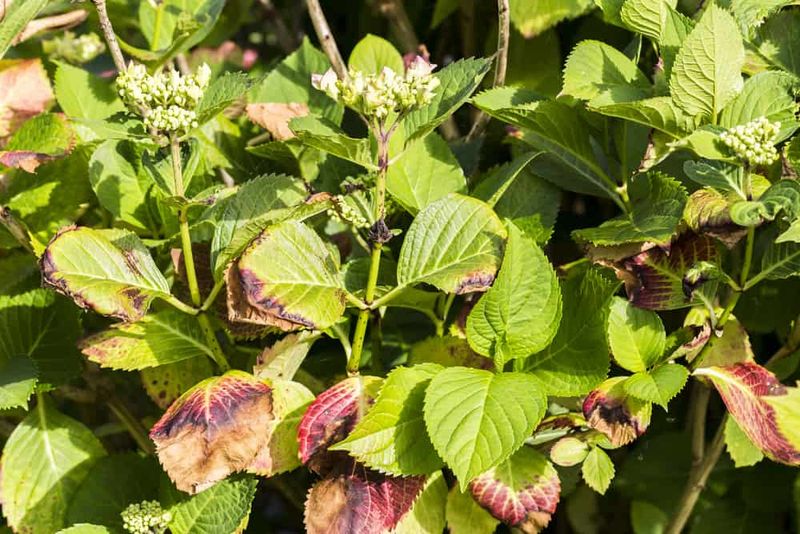
Pattern recognition is your best tool here, and you do not need a plant pathology degree to use it. Classic heat scorch produces uniform, crispy browning along the outer margins of leaves, often affecting the most sun-exposed parts of the plant first. The damage tends to look consistent across multiple leaves at the same level of exposure, and the tissue between the brown edges and the green center usually transitions gradually rather than abruptly.
Disease looks different. University of Minnesota Extension’s hydrangea diagnostic tool describes Cercospora leaf spot as purple-to-brown round lesions that may develop darker borders and tan centers, typically starting on lower and inner leaves before moving upward. Anthracnose can produce larger, sunken brown spots with dark rings. Those shapes and locations are meaningfully different from the uniform crispy margins of heat scorch, and the difference matters because the responses are completely different.
Gray mold, covered by University of Minnesota Extension, can appear as fuzzy gray-brown growth on affected tissue, often in humid, crowded conditions where air circulation is poor. North Carolina’s muggy July weather creates exactly the kind of environment where gray mold and leaf-spot diseases become plausible, especially if the foliage stays wet from overhead watering or afternoon storms.
That said, a few brown spots do not automatically justify reaching for fungicide. Penn State Extension’s hydrangea disease guide recommends matching any treatment to a specifically identified disease and emphasizes cultural steps first: keep foliage dry, improve air circulation, and remove affected debris. When the pattern does not clearly fit scorch or a recognizable disease, your local NC State Extension office can help with identification before you commit to any spray program.
Water The Root Zone, Not The Leaves
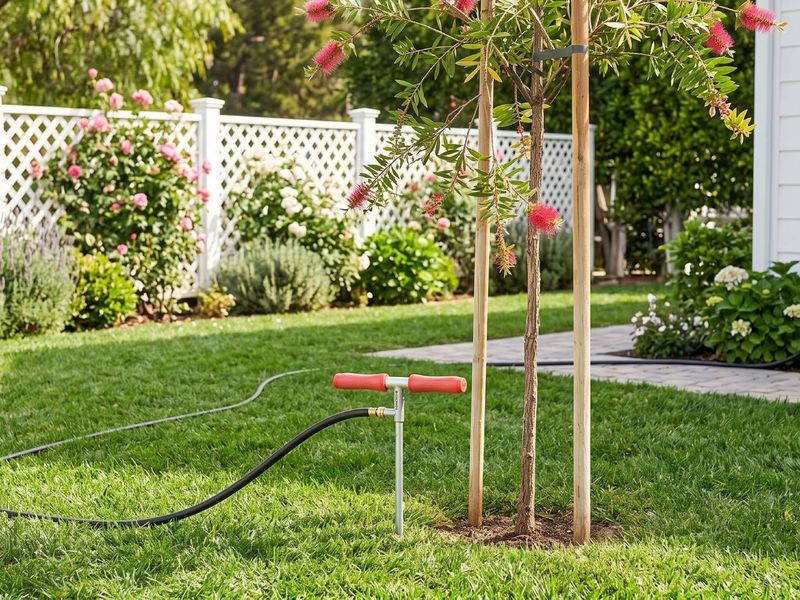
Once you have confirmed the soil is dry at 3 inches, the goal is to get water down to the roots, not just wet the surface. A soaker hose or drip line laid near the base of the plant does that job well. Slow hand watering aimed directly at the soil works too, as long as you give it enough time to actually soak in rather than just running off the mulch surface.
A quick splash from a sprinkler or a hose nozzle set to mist often wets the top inch of mulch while leaving the root zone completely dry, especially in Piedmont red clay, which absorbs water slowly. NC State Extension notes that clay soil may require watering in slow passes with pauses in between so water can soak in rather than sheet off. Rushing that process means you think you watered when you really did not.
Morning is the right time to water when you have a choice. Watering in the morning gives the root zone time to absorb moisture before afternoon heat peaks, and it keeps the foliage drier through the humid evening hours when disease pressure is highest. Oregon State Extension’s heat-wave guidance discourages frequent shallow daily watering because it encourages roots to stay near the surface where they are most vulnerable to drying out.
Mulch is genuinely one of the most useful tools you have right now. Apply 2 to 3 inches of organic mulch over the root area, extending it out past the edge of the canopy when you can. Keep that mulch at least 6 inches away from the crown and stems so it does not hold moisture against the base and invite rot. Oregon State Extension’s post-heat-wave recovery guidance confirms that mulch reduces evaporation, moderates soil temperature, and limits the soil splash that can carry disease spores up onto lower leaves.
Hydrangea Species Handle Heat Differently
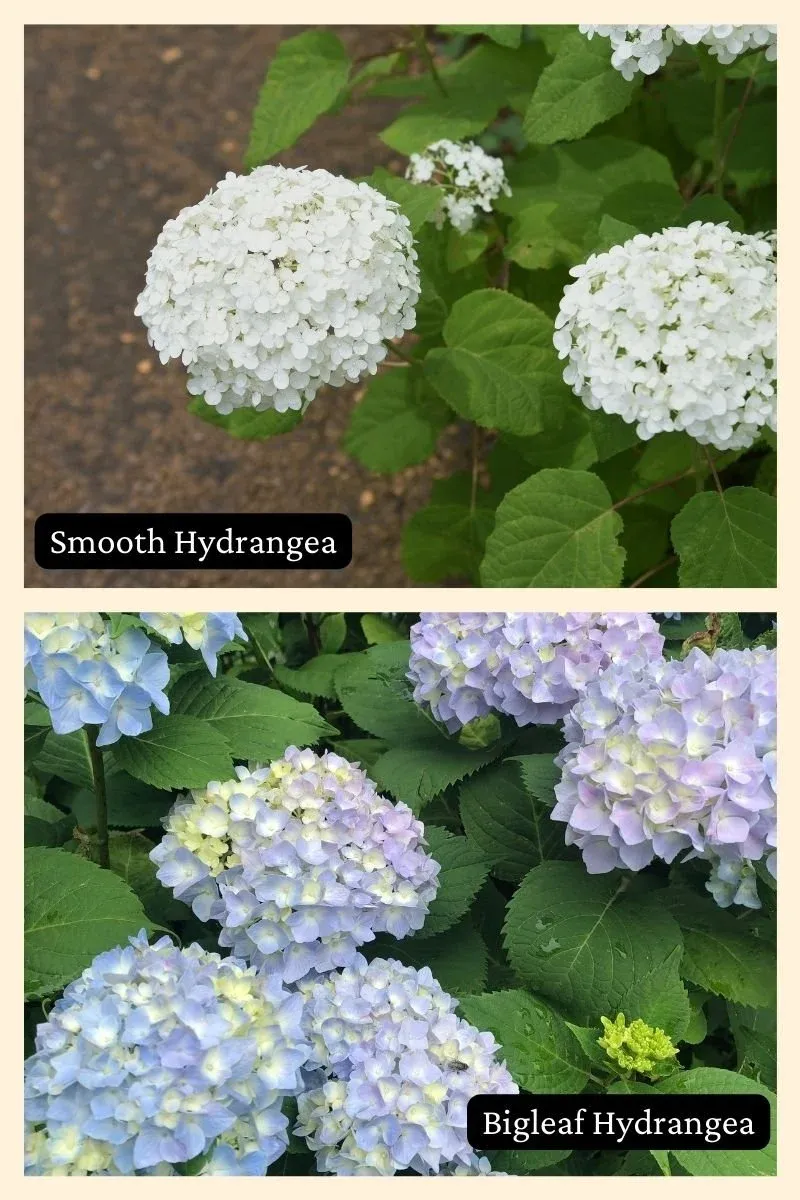
Not every hydrangea in your yard faces July the same way, and the species you are growing shapes how much trouble you can expect. Bigleaf hydrangea, Hydrangea macrophylla, is the classic blue and pink mophead that fills most North Carolina front yards. Oregon State Extension identifies bigleaf hydrangea as less tolerant of heat and drought than some other hydrangeas, which matches what many Piedmont gardeners observe when those big leaves start flagging by noon on a hot afternoon.
Smooth hydrangea, Hydrangea arborescens, is actually the most common native hydrangea in North Carolina, and it has a somewhat different relationship with summer sun. NC State’s plant database recommends partial shade and well-drained soil for smooth hydrangea, with full sun only when moisture stays consistent. The popular Annabelle cultivar belongs to this species, and while it is more adaptable than bigleaf, it still needs reliable soil moisture and good drainage to stay healthy through a dry July.
Oakleaf hydrangea, Hydrangea quercifolia, is native to the southeastern United States and generally handles full sun to part shade in moist, well-drained soil. NC State’s profile for oakleaf hydrangea notes that summer mulch helps maintain moisture, which is a reminder that greater sun tolerance does not translate to drought tolerance. A well-mulched oakleaf in the right spot will outperform a bigleaf struggling in afternoon glare, but neither one is immune to root stress, compacted soil, or a stretch of 95-degree days with no rain.
Cultivar selection, afternoon exposure, soil type, and root condition matter as much as species name. Two plants of the same species in different spots on the same lot can look completely different by mid-July, and that variation is worth paying attention to when you are deciding where to plant or how to adjust care.
Help Recovery Without Making Stress Worse
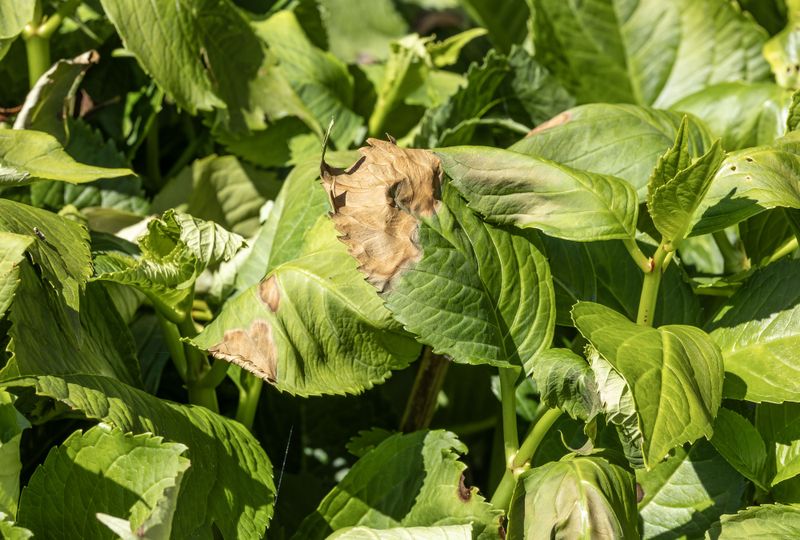
Those partly green leaves still hanging on the plant are actually doing something useful. They are shading the stems and soil below, and any green tissue left on a leaf is still capturing light and contributing energy to the plant. Oregon State Extension’s heat-wave guidance notes that hard pruning during a heat spell can stimulate tender new growth that is even more vulnerable to additional stress, and it removes the partial shade those older leaves were providing. Scorched leaves can be removed for appearance if they bother you, but they do not need to come off urgently.
Fertilizer is not the answer right now. NC State Extension warns that pushing new growth with fertilizer during heat stress increases the plant’s water demand at exactly the wrong time, and it can injure already-stressed roots. NC State recommends a soil test before any corrective fertilization, so you know what the plant actually needs rather than guessing at a fix that might backfire.
Keeping foliage dry is worth the extra effort during humid North Carolina summers. Base watering through a soaker hose or drip line keeps water off the leaves, which reduces the wet surface time that favors leaf-spot diseases. University of Minnesota Extension’s guidance on leaf-spot diseases supports keeping foliage as dry as possible as a first line of cultural defense. If you do spot leaves with clearly visible lesions, remove them and any fallen debris from the soil surface, then discard rather than compost them.
Penn State Extension ties fungicide use to an identified disease, not to brown color alone.
The realistic prognosis for a heat-scorched hydrangea is cautiously good. Oregon State Extension’s post-heat-wave recovery guidance confirms that healthy new growth can follow once the stress passes, even if the damaged tissue stays brown. When you see extensive defoliation, stem dieback, soil that stays saturated for days, or the same heavy browning returning summer after summer, those are signals worth investigating more closely, possibly with a soil test or a call to your local NC State Extension office. Most of the time, though, a scorched hydrangea that gets proper soil moisture and a good layer of mulch will surprise you with how well it bounces back once August heat finally breaks.