What Florida Law Says About HOAs and Florida-Friendly Yards
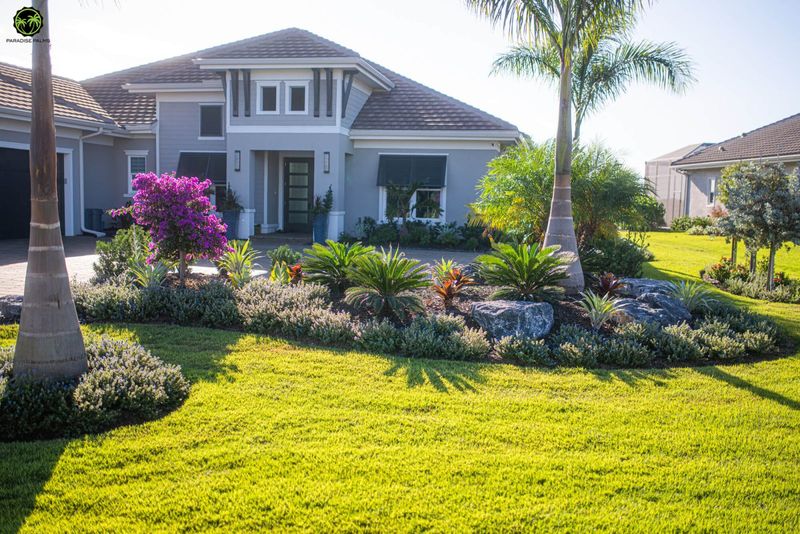
A homeowners association in Florida can tell you what color to paint your front door. Yet a short line in state law says it cannot stop you from swapping thirsty lawn for a water-wise yard.
That surprised me the first time I read it. I had assumed HOA covenants were the final word on every blade of grass.
Lawmakers actually wrote that protecting water through smart landscaping is in the public interest. That is a strong statement to tuck into a statute about neighborhood rules.
Still, the protection has limits. Your association keeps some real power over how your yard looks, and plenty of homeowners learn that the hard way.
Where does your right to plant smarter end and your board’s right to keep things tidy begin? I think the answer is more practical than most people expect, and a little more empowering too.
1. That Letter From Your HOA Board May Not Be the Last Word
A friend of mine once got a violation notice for replacing half her lawn with coontie and muhly grass. She was ready to rip it all out until someone pointed her to Section 720.3075(4) of the Florida Statutes.
That law covers homeowners associations, and it says HOA documents cannot prohibit or be enforced to prohibit a property owner from using Florida-Friendly Landscaping. Covenants, bylaws, and rules all fall under that protection.
In plain words, a blanket ban on water-wise yards does not hold up.
Condo owners have a similar rule in Chapter 718, though condos usually control common grounds rather than private yards. Single-family HOA homes are where this law matters most.
The key phrase is Florida-Friendly Landscaping. Your yard needs to fit the state definition, which is a real standard and not just a personal style choice.
A patch of weeds you stopped mowing does not qualify.
Before you answer any letter, read the exact rule your board is citing. Then compare it to the statute.
Many disputes end quickly once both sides see the wording side by side.
If talks stall, a Florida attorney who handles HOA law can help you understand your options without guesswork.
2. The Legal Definition Behind a Florida-Friendly Lawn Swap
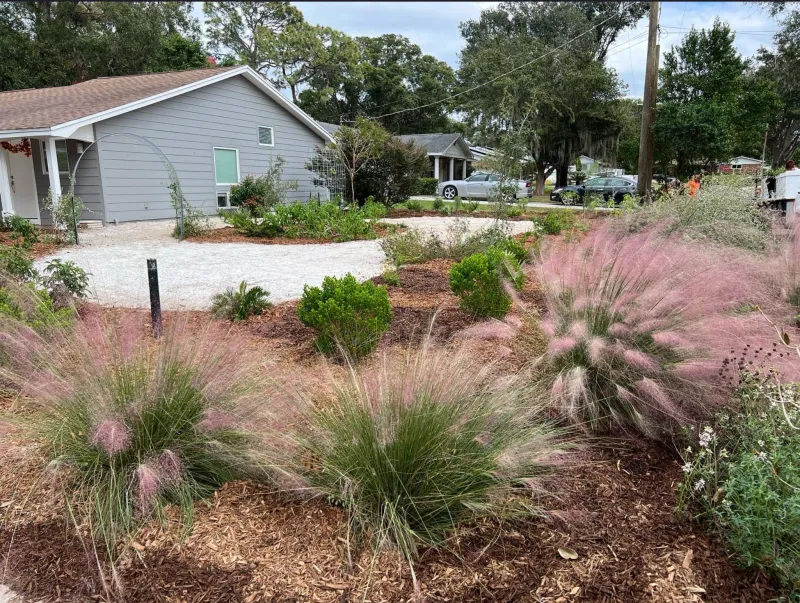
So what counts? Florida Statute 373.185 spells it out.
Florida-Friendly Landscaping means quality landscapes that conserve water, protect the environment, are adaptable to local conditions, and are drought tolerant.
I like that the definition is about results, not a fixed plant list. You do not need a yard filled only with natives.
Natives often fit beautifully, but well-behaved non-invasive plants that suit your site can qualify too.
The statute ties this definition to the Florida-Friendly Landscaping program run by UF/IFAS Extension with the Department of Environmental Protection. That program gives everyone, including your board, a shared standard to point to.
The law also notes that the principles include things like planting the right plant in the right place, efficient irrigation, and proper mulching. It even says these yards can include turfgrass in the right spots.
That last part surprises people. A Florida-Friendly yard is not anti-grass.
It simply uses grass where it makes sense, like play areas, rather than in every shady corner where it struggles.
When you plan your yard around these ideas, you are building on the same foundation the legislature used. That makes your case much easier to explain.
3. Nine Principles That Turn Sod Into a Water-Wise Garden
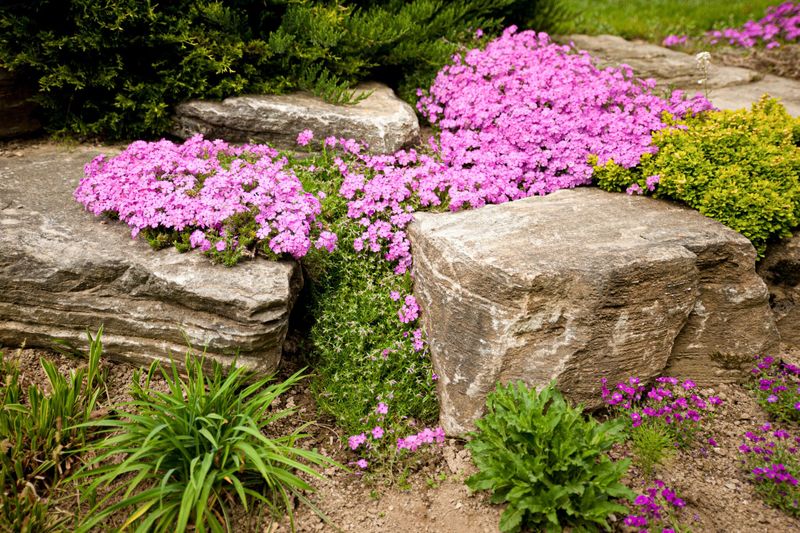
UF/IFAS boiled the whole program down to nine principles, and honestly, they read like a gardener’s common-sense checklist.
First comes right plant, right place. Then water efficiently, fertilize appropriately, and mulch.
The rest are attract wildlife, manage yard pests responsibly, recycle yard waste, reduce stormwater runoff, and protect the waterfront.
Each one solves a real problem. Sandy soil drains fast, so mulch helps hold moisture.
Summer storms dump heavy rain, so rain barrels and swales slow runoff before it carries fertilizer into lakes and springs.
Wildlife plays a fun role here. A beautyberry shrub feeds mockingbirds in fall, and firebush draws hummingbirds and zebra longwing butterflies.
Your yard becomes busier and more interesting.
Pest management means looking first and spraying last. Many problems fade once plants are matched to the right sun and soil.
You can follow these principles at your own pace. Start with one bed or one sunny strip where turf keeps browning out.
Small wins build confidence.
Your county Extension office offers free advice, plant lists, and yard recognition programs. Some even host workshops.
That support is worth using before you dig your first hole.
4. Your HOA Still Gets a Say Over Edges, Mulch, and Plant Choices
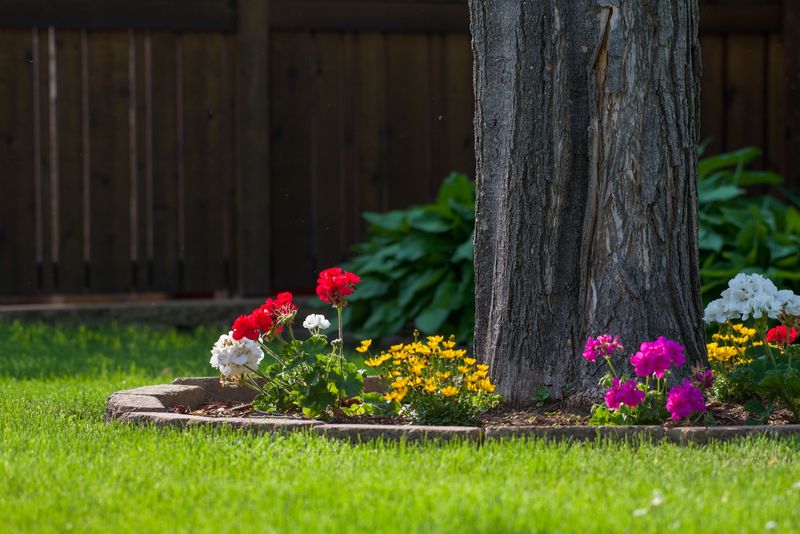
Now for the part many homeowners skip. The law protects Florida-Friendly yards, but it does not erase your association’s design authority.
Boards can still require architectural review before you change your landscape. They can set reasonable standards for appearance, such as defined bed edges, approved mulch colors, or keeping shrubs below a certain height near sidewalks and driveways.
Courts and attorneys generally read the law this way. An HOA can regulate how a Florida-Friendly yard looks, as long as the rules do not effectively ban it.
A rule requiring wall-to-wall sod, for example, runs into trouble.
I find this balance pretty fair. Nobody wants a neighbor’s overgrown thicket blocking the view of a stop sign.
Sight lines and safety are reasonable concerns.
So submit your plans before planting. Include a simple sketch, a plant list, and notes on mulch and edging.
Boards tend to approve projects that look thought out.
If your board denies an application, ask in writing which specific standard your plan fails. That request often reveals whether the denial is about appearance or about water-wise landscaping itself, which matters legally.
5. Overgrown Wildflower Beds Can Still Earn You a Fine
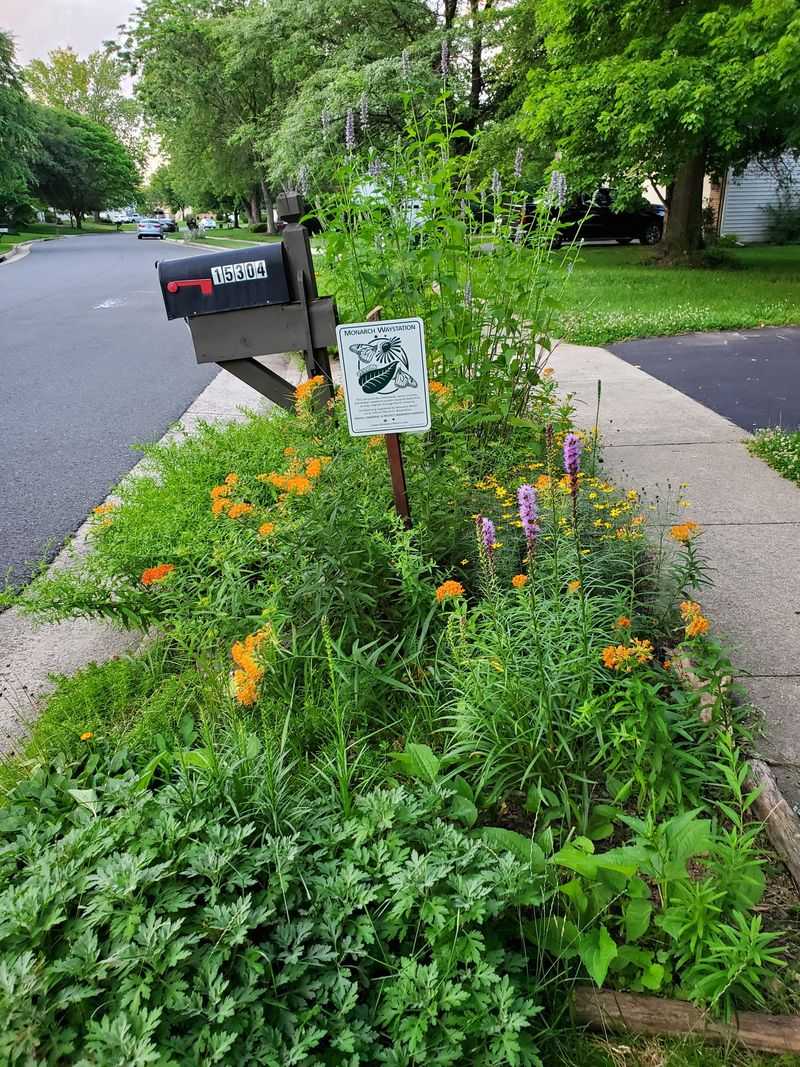
Here is a hard truth I learned from a neighbor with gorgeous blanketflower. A protected yard can still collect fines if it looks neglected.
Florida-Friendly does not mean no-maintenance. HOAs can enforce standard upkeep rules on any yard, including weeds, spent stems, fallen branches, and plants spilling onto walkways.
The fix is pretty simple. Trim on a schedule, pull weeds while they are small, and refresh mulch about once a year.
A crisp edge between beds and lawn makes even a wild-looking meadow feel intentional.
Some native plants look scruffy after blooming. You can snip off spent flowers, cut back in late winter, or tuck them behind tidier shrubs so the front view stays polished.
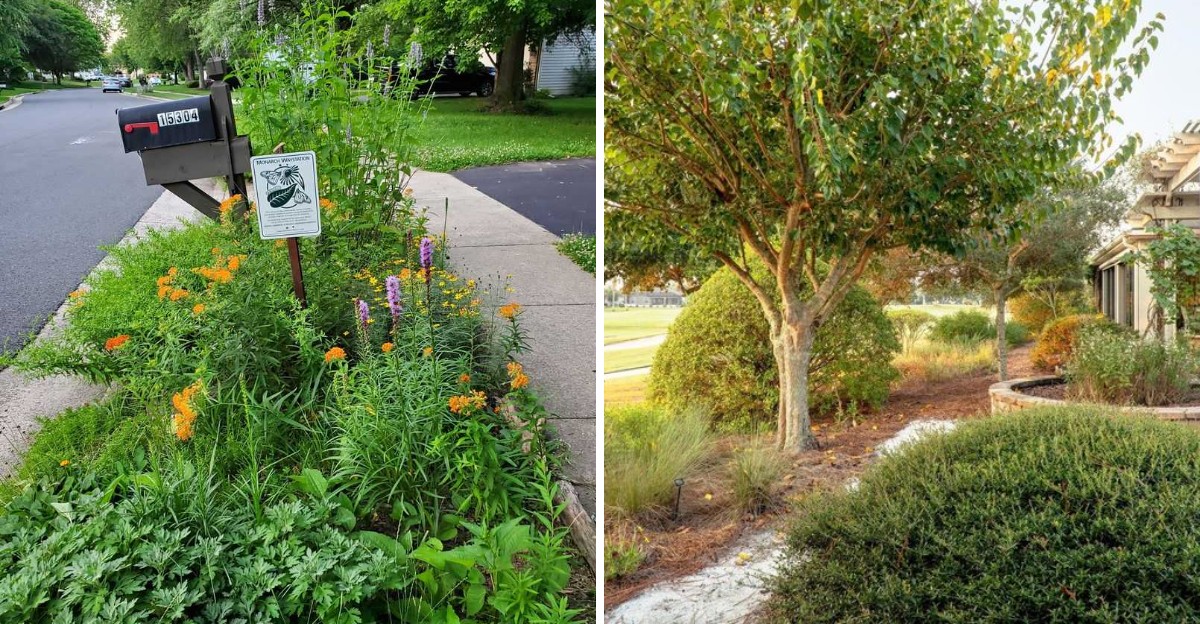
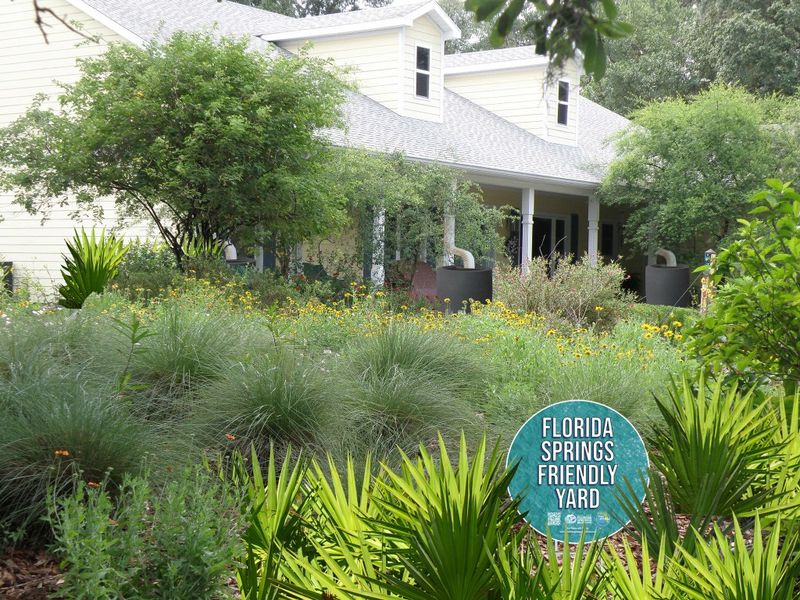
A small sign helps too. Many Extension offices offer Florida-Friendly yard recognition, and a pollinator garden marker tells neighbors your design is on purpose.
Keep photos of your yard through the seasons. If a complaint ever comes up, those pictures show a pattern of care.
Good upkeep also wins hearts on your street. When neighbors see butterflies and tidy beds, your yard quietly makes the case for water-wise gardening better than any statute could.
6. Springs and Aquifers Explain Why Lawmakers Protect These Yards
Ever stood at the edge of a crystal-clear spring? Those blue pools are fed by the Floridan aquifer, the same underground source that supplies much of the state’s drinking water.
Outdoor irrigation is a major part of home water use in Florida, and UF/IFAS research has found that a large share of landscape water often goes to turf. That is why lawmakers stated that Florida-Friendly Landscaping serves a public interest in conserving and protecting water resources.
Fertilizer is another piece. Extra nitrogen and phosphorus washing off lawns can feed algae blooms in lakes, rivers, and coastal waters.
Many counties now have summer fertilizer restrictions for that reason.
So when a law limits what an HOA can ban, it is not really about personal taste. It is about millions of yards adding up to a big effect on shared water.
I think that makes each garden bed feel more meaningful. A strip of drought-tolerant plants cuts sprinkler runs, and mulched beds soak up rain instead of shedding it.
Your yard will not save a spring alone. Still, combined with your neighbors’ choices, it truly helps.
7. Watering Rules and Fertilizer Bans Still Apply to Your Garden
Legal protection from your HOA does not exempt you from other water rules. Plenty of folks forget this part.
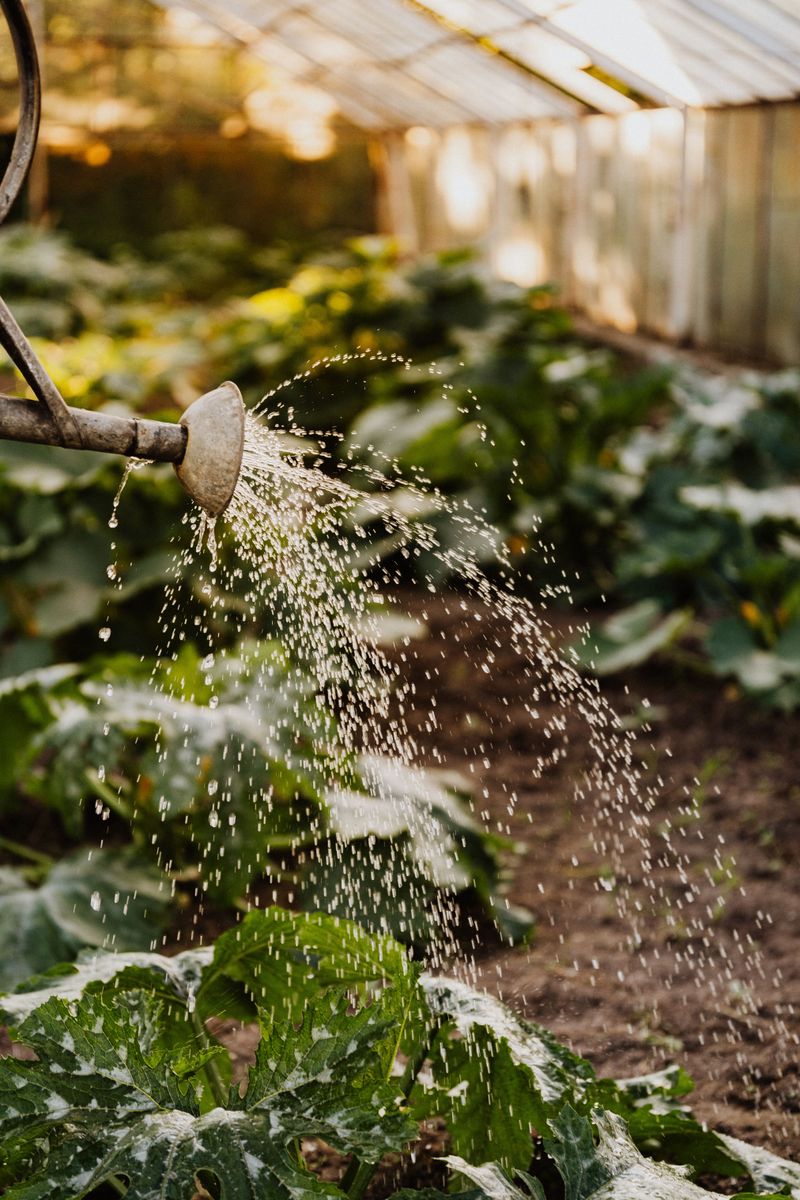
The state’s five water management districts set landscape irrigation limits. Many areas allow watering only on certain days and at certain hours, often outside the hottest part of the day.
Your local utility or county may add stricter rules.
Fertilizer ordinances matter too. Numerous counties and cities, especially along the coast and near springs, restrict nitrogen and phosphorus use during the rainy season, roughly June through September.
Some require slow-release nitrogen.
Our law also requires rain sensors or similar shutoff devices on automatic sprinkler systems. A broken sensor wastes water every storm.
The upside is that a well-planned Florida-Friendly yard makes these rules easy to follow. Established native and adapted plants often need little extra water once roots settle in, usually after a few months of regular watering.
Check your water management district website for current watering days. Then look up your county fertilizer ordinance.
Following these rules strengthens your position with your HOA. It shows your landscape truly matches the water-saving purpose the state law was written to support.
8. Bring a Planting Plan and Plant List to Your Next HOA Meeting
Ready to make your yard change? The smoothest path usually starts at a kitchen table with a pencil, not at a board hearing.
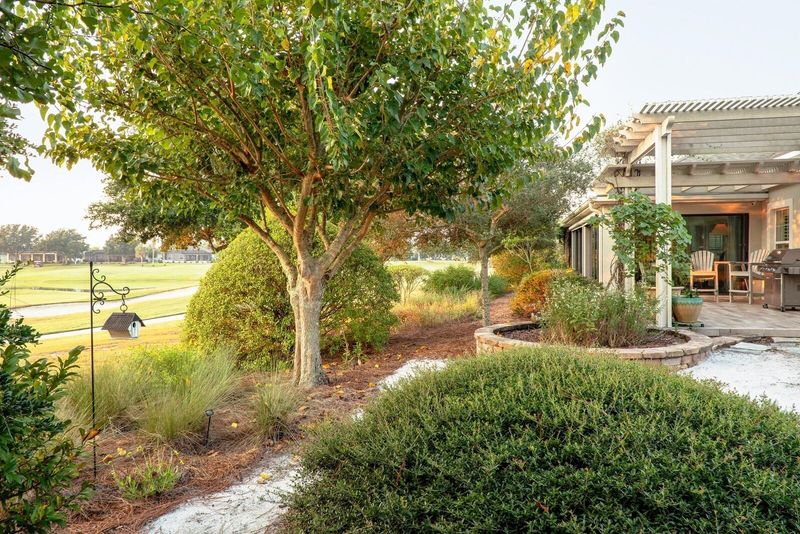
Sketch your yard and mark sun, shade, and soggy spots. Then pick plants from UF/IFAS Florida-Friendly plant guides that fit each area.
Note mature heights so nothing crowds a sidewalk or window later.
Next, read your HOA covenants and architectural guidelines. Look for rules on mulch, edging, height limits, and review timelines.
Design around them wherever possible.
Submit a clean packet with your sketch, plant list, and a short note explaining that the design follows Florida-Friendly principles under Florida Statutes 373.185 and 720.3075. A calm, respectful tone goes a long way.
Offer to phase the work. Starting with one bed lets the board see the result before you convert more lawn.
Keep copies of everything, including emails and approvals. If a dispute appears later, a paper trail protects you.
Personally, I believe the best outcome is a neighborhood that copies your idea. Invite the board to tour your yard once it fills in, and you might start a quiet water-saving trend on your street.