What Happens To Florida Poinsettias If You Prune Them Now
Picture a warm Florida afternoon with sticky air and a garden that looks a little shaggy. Your fingers start itching for the shears, and that urge feels hard to ignore.
Hold that thought for a moment, because timing in the garden works like a secret recipe. One extra step at the wrong moment can change the whole dish.
Some plants keep a quiet calendar that you cannot see from the patio. They count the days, soak up the light, and plan a big show for later.
So before you snip, it helps to know what that hidden schedule looks like. The answer might save your holiday colors from a letdown.
1. Pruning Now Can Delay Poinsettia Color
Imagine planning a party and then canceling the decorations the week before. Cutting back a poinsettia after early September does something a lot like that to your plant.
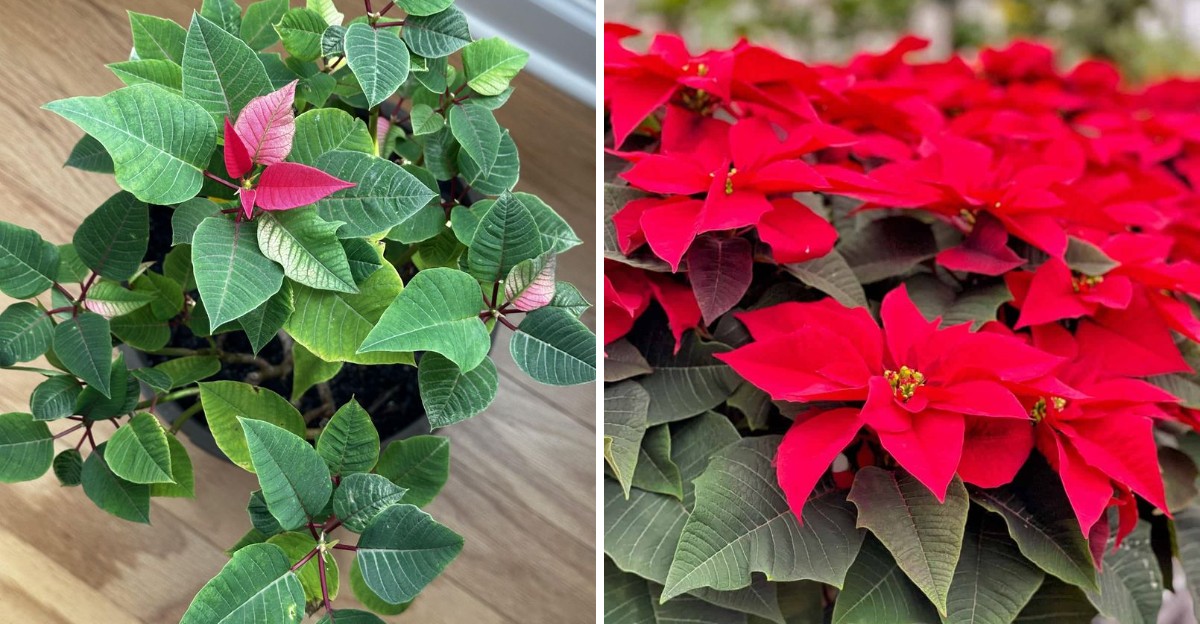
Poinsettias are short-day plants. As fall nights grow longer, they start building the red, pink, or white bracts we love at the holidays.
A late cut forces the plant to spend energy on healing and regrowing stems instead of preparing for color. The result is often a plant that colors up late or shows only a few pale patches.
Here in Florida, the common advice is to stop pruning by about September 10th. That date gives new shoots enough weeks to grow and mature before the long nights of fall arrive.
Once you pass it, each snip becomes a bigger gamble.
Think of September as the closing of a door. Before that point, trimming shapes the plant.
After that point, trimming mostly takes away future color.
If you already pruned this week, try not to panic. Many plants still bloom, just a bit later than usual, sometimes around January instead of December.
Give the plant steady care, good light, and patience.
For next year, mark your calendar with a reminder in late August. A little planning keeps your holiday display right on schedule.
2. Late Cuts Remove Growth Needed For Winter Bracts
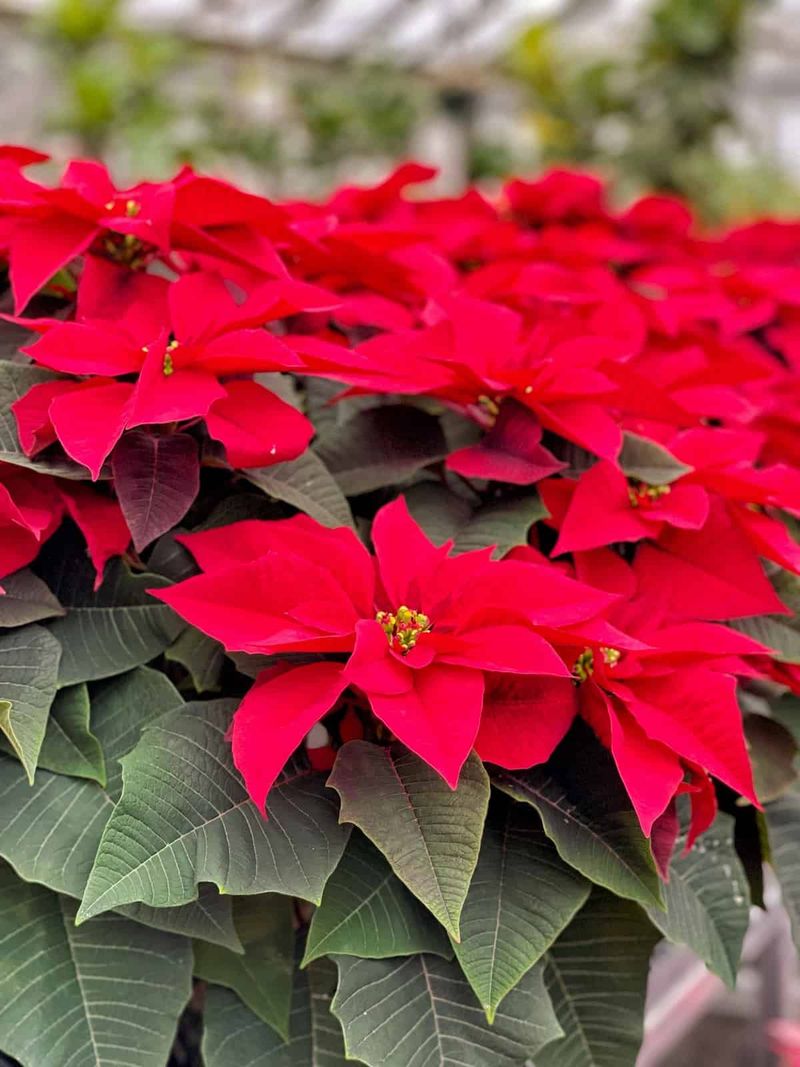
Every branch tip on a poinsettia is like a tiny paint studio waiting for fall. Snip it off, and you remove the spot where the color would have appeared.
Those bright colors are not flowers at all. They are bracts, which are special leaves that change color as the nights lengthen.
The real flowers are the tiny yellow buttons in the center, called cyathia. Both form at the ends of shoots, so the tips matter a lot.
When you cut late in the season, the plant loses those ready-to-go growing points. It may push out new shoots, but they often stay short, thin, and too young to color well.
You might end up with a leafy green bush when you hoped for a festive red one.
Here is a simple way to picture it. More healthy tips in fall usually means more colorful heads in winter.
Fewer tips means fewer bursts of color.
So when you look at your plant this month, count those tips instead of reaching for the shears. Each one is a promise of color to come.
Your Florida Garden Changes Every Week. Your Plan Should Too.
Gardening in Florida changes quickly throughout the season. Every Friday you’ll receive a simple weekly plan showing exactly what to plant, prune, fertilize, harvest, and protect so you never miss the right timing.
Fun fact: the plant is named after Joel Poinsett, the first U.S. minister to Mexico, who brought it north in the 1820s. December 12th is even National Poinsettia Day.
3. Wait For The Right Time To Shape Poinsettias
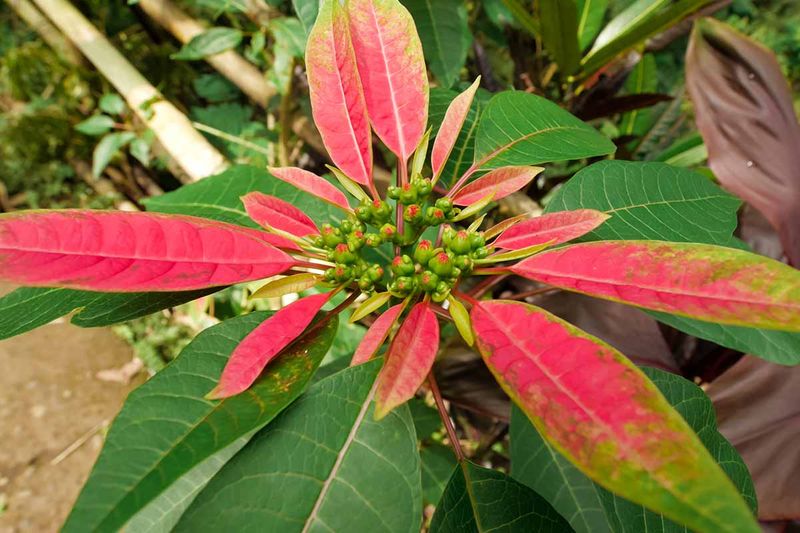
Patience may be the most useful garden tool you own. With poinsettias, it matters even more than a sharp pair of pruners.
The best season for shaping is early spring. By then, the holiday colors have faded, and the plant is ready for a fresh start.
Cutting at this time lets it grow bushy and strong through the warm months.
A second round comes in early summer, around June or July. Instead of heavy cutting, you can simply pinch off the soft tips of new shoots.
Your thumb and finger work fine for this job. Each pinch encourages the stem to split into two or more branches.
More branches mean a fuller plant. A fuller plant usually means more colorful bracts come winter.
It is a small effort with a big payoff.
Some Florida gardeners like to pinch every few weeks until late August. That approach builds a rounded, compact shape that looks great in a landscape bed or big pot.
After that, put the pruners away and let the plant do its thing. Think of it as switching from coach to cheerleader.
You did the training, and now the plant gets ready for its moment on stage.
Setting phone reminders for March, June, and late August can make this schedule easy to follow.
4. Save Major Pruning For After The Holiday Display
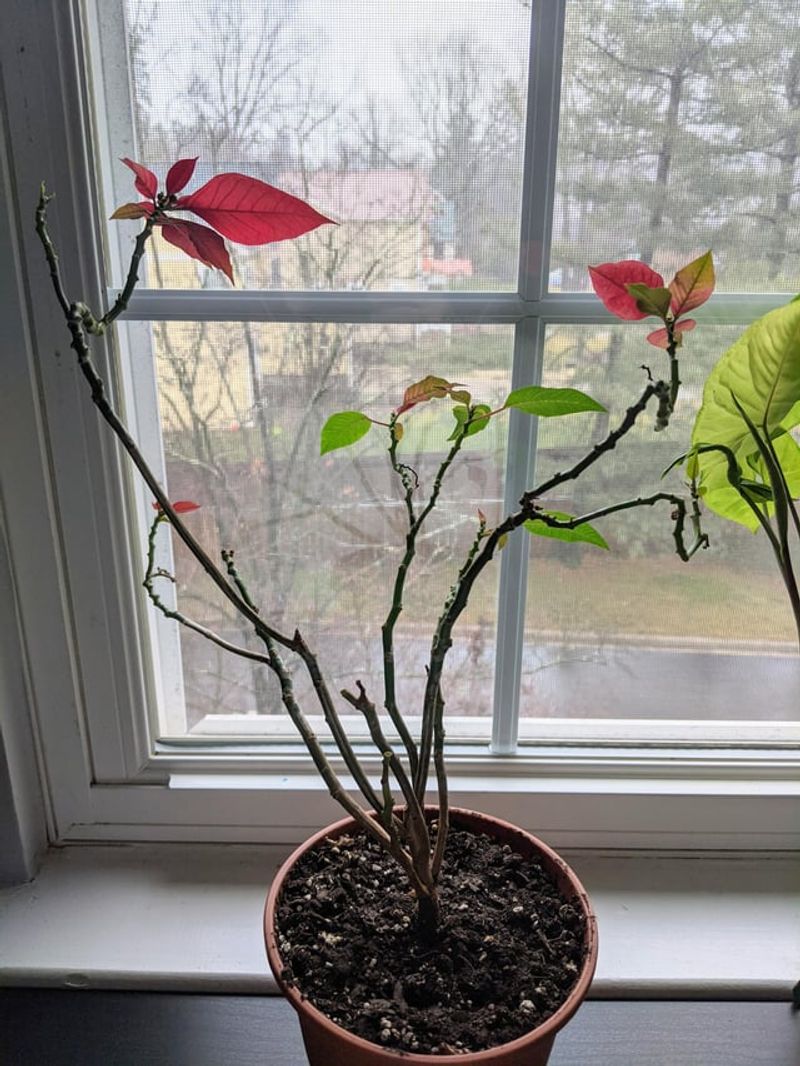
After the holidays, a poinsettia can look a little tired, with faded bracts and leggy stems. That is exactly when a bold haircut does the most good.
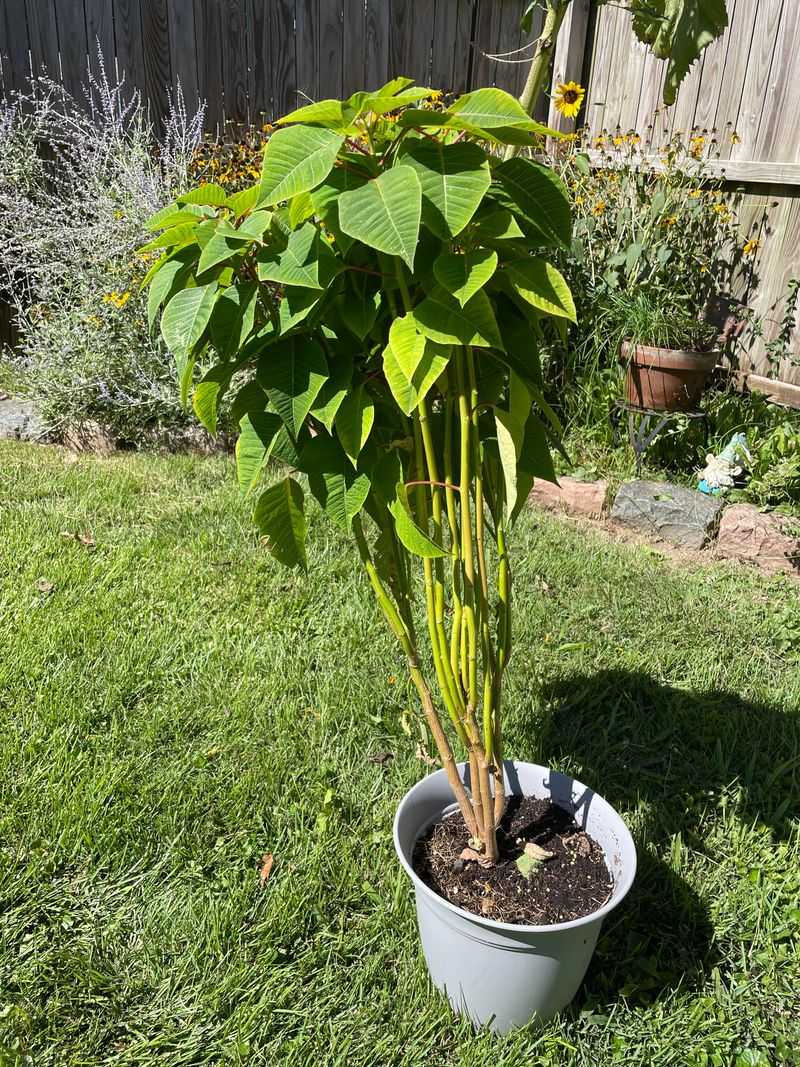
Late winter or early spring is the time for big pruning in Florida. Once the color fades, many gardeners cut stems back to about four to six inches tall.
It may look drastic at first, a bit like a stubby stick bundle. Do not worry, because this is part of the plan.
Strong cuts at this time wake up buds lower on the stems. Soon, fresh shoots appear and the plant starts rebuilding its shape.
Over spring and summer, those shoots grow into the framework for next year’s show.
A few tips can help. Use clean, sharp shears so the cuts heal neatly.
Wear gloves too, since the milky sap can bother sensitive skin.
If your plant grew in a pot indoors, this is also a good time to move it outside after frost danger passes. Many Floridians plant their holiday poinsettias right in the yard, where they can grow into tall shrubs.
Saving the heavy work for this window keeps your plant on track. You get a tidy shape without sacrificing a single bit of winter color.
5. Keep September Cuts Limited To Damaged Growth
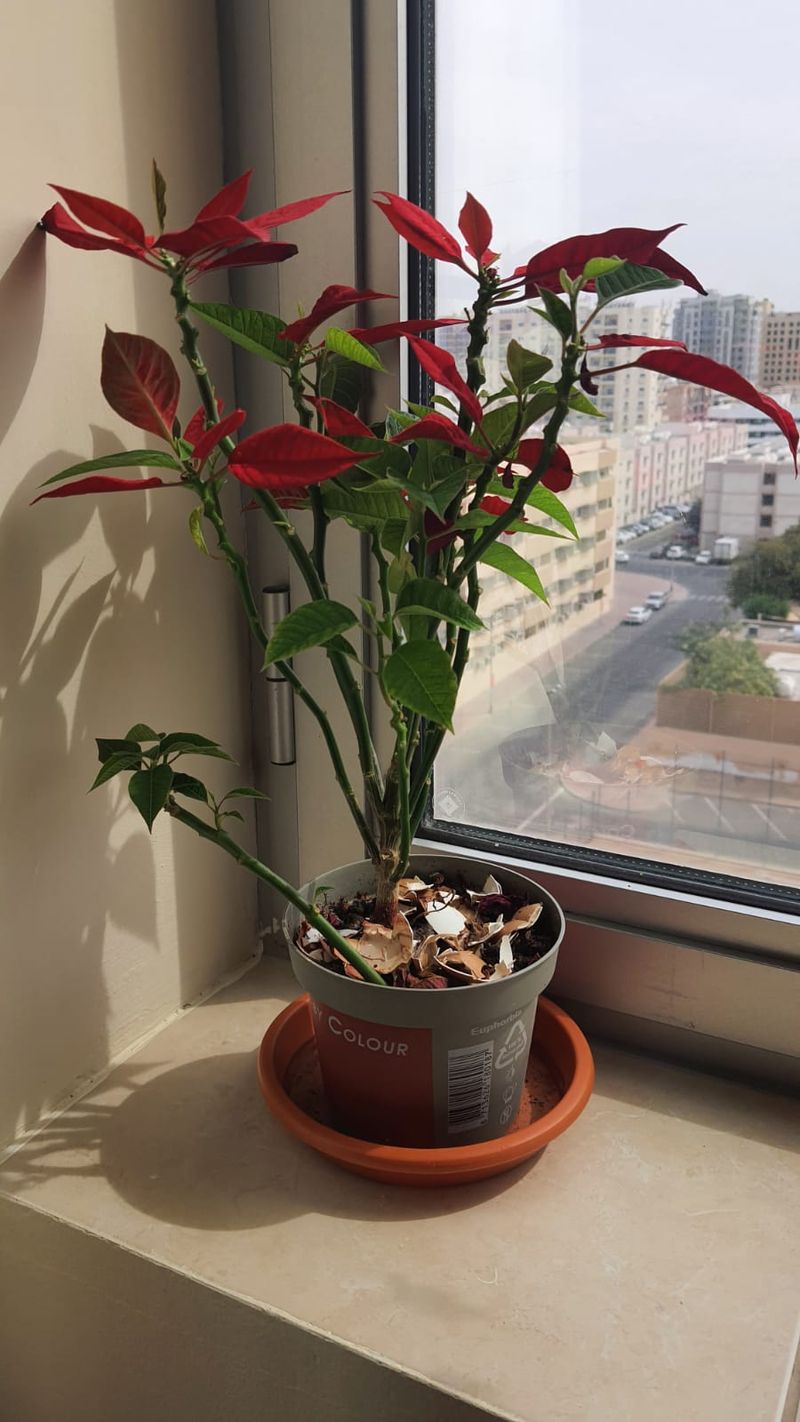
A summer storm rolls through, and one poinsettia branch snaps and hangs sideways. Should you leave it there?
Not at all, because some September trimming is perfectly fine.
The key is to be picky. Weak, broken, or discolored stems can come off anytime.
These branches will not add much color anyway, and removing them lets the plant send energy to healthier growth.
What you want to skip is shaping. After about September 10th in Florida, avoid cutting healthy stems just to make the plant look neater.
Those stems are carrying the tips that will color up for the holidays.
When you do remove a damaged branch, cut just above a healthy leaf or back to the main stem. Clean cuts heal faster and look better.
Wipe your blades with rubbing alcohol between plants to help keep problems from spreading.
Also keep an eye out for yellow leaves at the bottom. A few are normal as the plant ages, so you can gently pluck them away.
Think of September pruning as first aid, not a makeover. You are patching up small issues so the plant stays strong.
A quick walk through the garden each week makes it easy to spot trouble early. Small fixes now help your plant shine later.
6. Give Poinsettias Bright Light After Summer
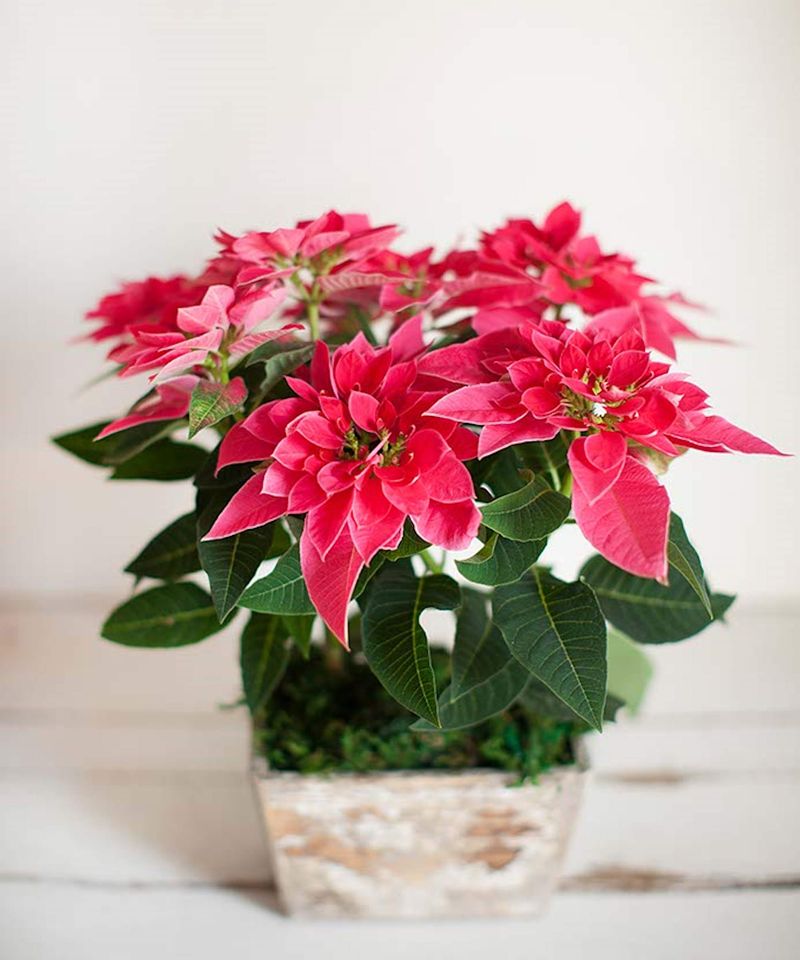
Sunshine is fuel for that holiday glow. Without enough of it, even a perfectly timed poinsettia can come up short.
Starting around October 1st, poinsettias need about six to eight hours of bright light each day. That light powers the plant as it builds bracts.
Just as important, they need long, dark nights with no porch lights or streetlights shining on them. Those dark hours tell the plant it is time to change color.
Watch out for harsh afternoon sun, though. Strong Florida rays can bleach bracts and scorch leaves.
A spot with morning sun and light afternoon shade often works best.
What happens if the plant gets too little light? The stems may stretch and look thin.
Leaves might drop, and the colors can turn dull or patchy.
If your poinsettia lives in a pot, you have an advantage. You can move it around until you find the sweet spot.
Try an east-facing patio or a bright corner under a tree with open branches.
For in-ground plants, check for nearby security lights or lamps. Even a little light at night can confuse the plant.
Get the light right, and you might be surprised how rich the colors turn.
7. Avoid Heavy Nitrogen When Color Time Approaches
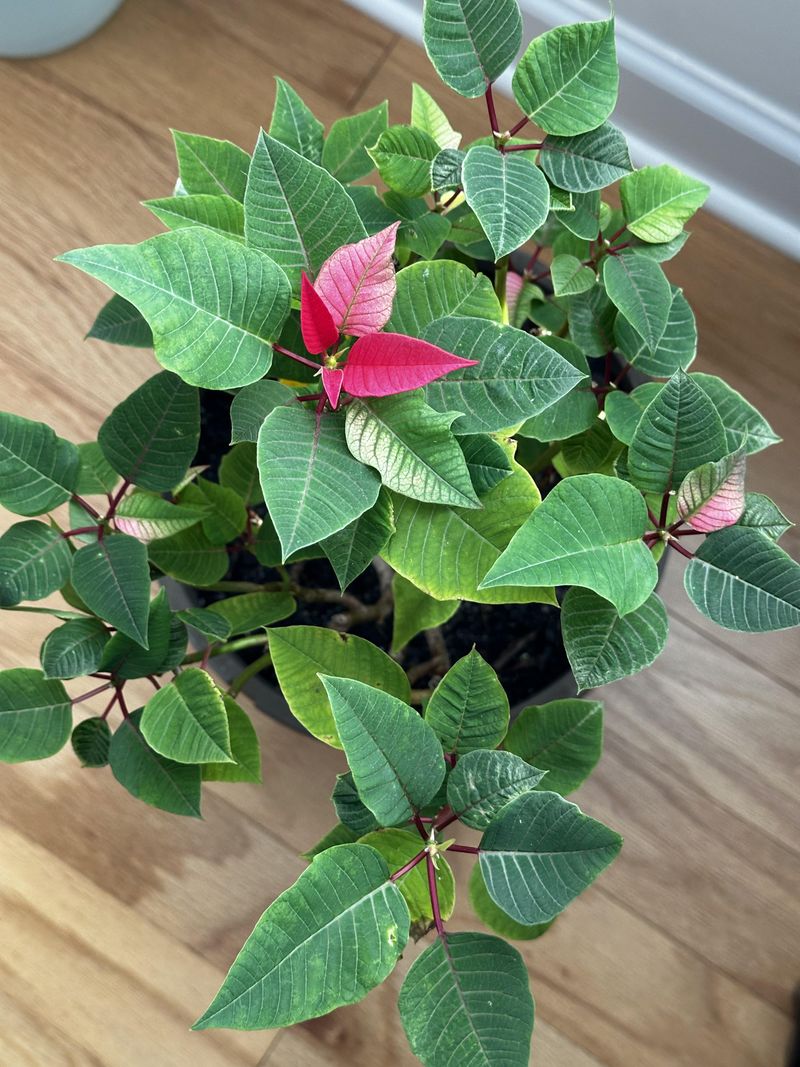
More food sounds like a kind gesture, right? For poinsettias heading into color season, too much can backfire.
Nitrogen is the nutrient that pushes leafy green growth. That is great in spring and summer.
But as bracts begin coloring, usually in mid to late October, a heavy dose can keep the plant focused on leaves instead of color. Too much fertilizer can also leave salts in the soil that stress the roots.
So ease up as fall arrives. Many gardeners switch to a lighter feeding or stop fertilizing once bracts start to show color.
A balanced product at a low rate is gentler than a high-nitrogen blend.
Florida gardeners should also check local rules. Some areas, such as Lee County, ban nitrogen and phosphorus fertilizers from June 1st through September 30th.
These rules help protect lakes, rivers, and bays from runoff that can feed algae blooms.
That means timing your feeding carefully all year long. You might fertilize in spring, pause for the summer ban, and then apply a light feeding in October if allowed.
Watering matters too. Water deeply when the top inch of soil feels dry, but avoid soggy roots.
Feed smart, not heavy, and your poinsettia can put its energy right where it counts.
8. Watch New Shoots Before Reaching For Shears
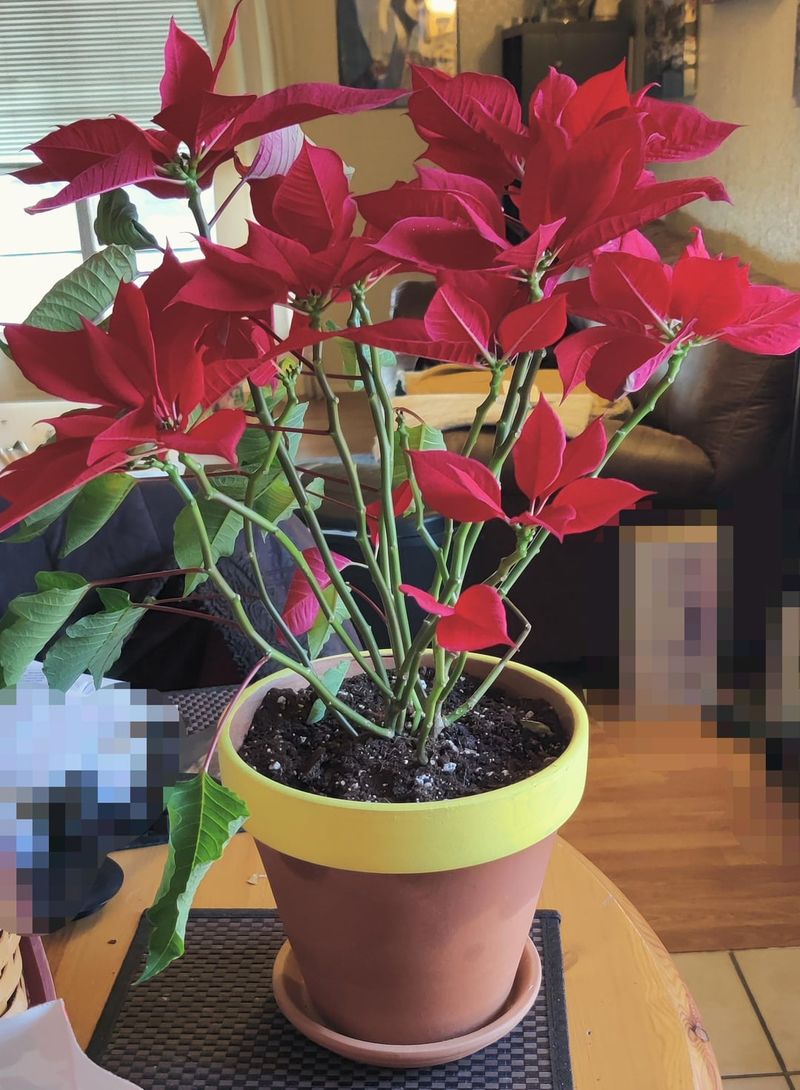
Grab a cup of coffee and take a slow walk around your poinsettia. You might notice fresh shoots popping out along the stems.
Those new shoots are the stars of the upcoming show. After early September, they are the parts that will carry the colorful bracts in winter.
Leaving them alone gives them time to grow, thicken, and mature.
It can be tempting to trim one that looks a little wild. Maybe it sticks out sideways or makes the plant look lopsided.
Try to resist, since that odd shoot could turn into a bright splash of red by December.
Watching also helps you catch issues early. Look for pests like whiteflies or mealybugs hiding under leaves.
Check for wilting that might mean the soil is too dry or too wet.
You can even make it a fun family project. Kids enjoy counting shoots each week and seeing which ones start changing color first.
Some gardeners take weekly photos to track the change.
If a shoot is truly broken, removing it is fine. Otherwise, let nature take its course.
Watching instead of cutting feels simple, but it is one of the smartest moves you can make. Your patience now pays off with a much brighter holiday plant.
9. Time Pruning Right For Better Winter Color
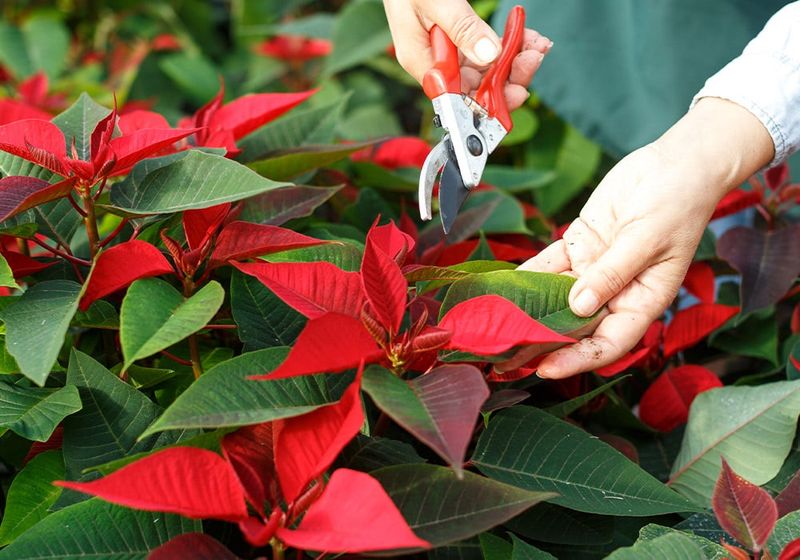
Picture a Florida front yard in December with a poinsettia shrub glowing red beside the door. Neighbors slow down to admire it, and that moment starts with good timing months earlier.
Here is the full year in a nutshell. Do major pruning in late winter or early spring after the color fades.
Pinch tips in late spring and early summer to build more branches. Then stop all shaping by about September 10th.
Each step builds on the last. Spring cuts create a strong base.
Summer pinching adds more tips, and more tips mean more bracts. Stopping in September gives those tips time to get ready for the long nights of fall.
Add bright light, dark nights, and lighter feeding in October, and you have a solid recipe for winter color.
Of course, weather can throw curveballs. A cool snap or a hurricane season full of storms might shift things a little.
That is part of gardening, and plants are often tougher than we expect.
Consider keeping a small garden journal. Write down when you prune, feed, and see the first color.
Over a few seasons, you will learn exactly what works in your yard.
Good timing turns an ordinary shrub into a true holiday showstopper.