7 Christmas Tree Varieties That Hold Needles The Longest In Pennsylvania Homes
Pennsylvania ranks among the top Christmas tree producing states, with thousands of farms growing trees on rolling hillsides. Some of those trees can stay fresh indoors for well over a month with steady care.
I used to blame myself for every needle pile under the branches by New Year’s Day. Nobody warned me that the type of tree matters almost as much as the watering habits.
Some species shed needles at the slightest bump, while others cling to them like stubborn little evergreen magnets. You might notice the difference the first time you vacuum in early January and find almost nothing.
I truly believe picking the right tree is the easiest holiday upgrade any Pennsylvania family can make this season. Here are the best varieties.
1. Fraser Fir
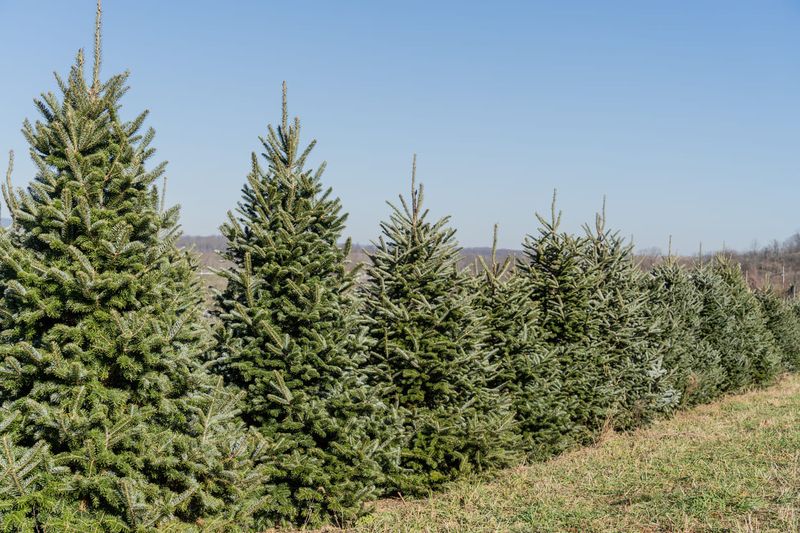
Run your hand along a Fraser fir branch and you will feel soft needles instead of prickly little daggers. I love how the silvery undersides flash in the light whenever someone walks past the tree.
Those flat needles measure roughly three quarters of an inch to one inch long on each sturdy branch. Their tight arrangement gives the tree a bottlebrush look that many families describe as the classic holiday shape.
Growers and Penn State Extension both list Fraser fir among the best choices for strong needle retention indoors. Personally, I trust this tree when I know guests will be visiting well into the first week of January.
Branches often angle slightly upward, which helps them support heavy glass ornaments without sagging toward the floor. You can load on family heirlooms here, and the limbs usually hold their shape through the whole season.
The scent leans sweet and spicy, filling a room with that woodsy aroma people often connect with Christmas morning. I have to admit, I sometimes sit near the tree just to enjoy that fresh mountain smell for a while.
Fraser fir naturally grows at high elevations in the southern Appalachians, yet many local farms grow it successfully today.
Long stretches of summer heat above seventy degrees can stress the trees, so farm care makes a real difference.
Make a fresh cut before setting it up, then check the stand water every single day without fail. A thirsty Fraser fir drops needles faster, so steady moisture keeps that silver sparkle looking bright and healthy.
2. Canaan Fir
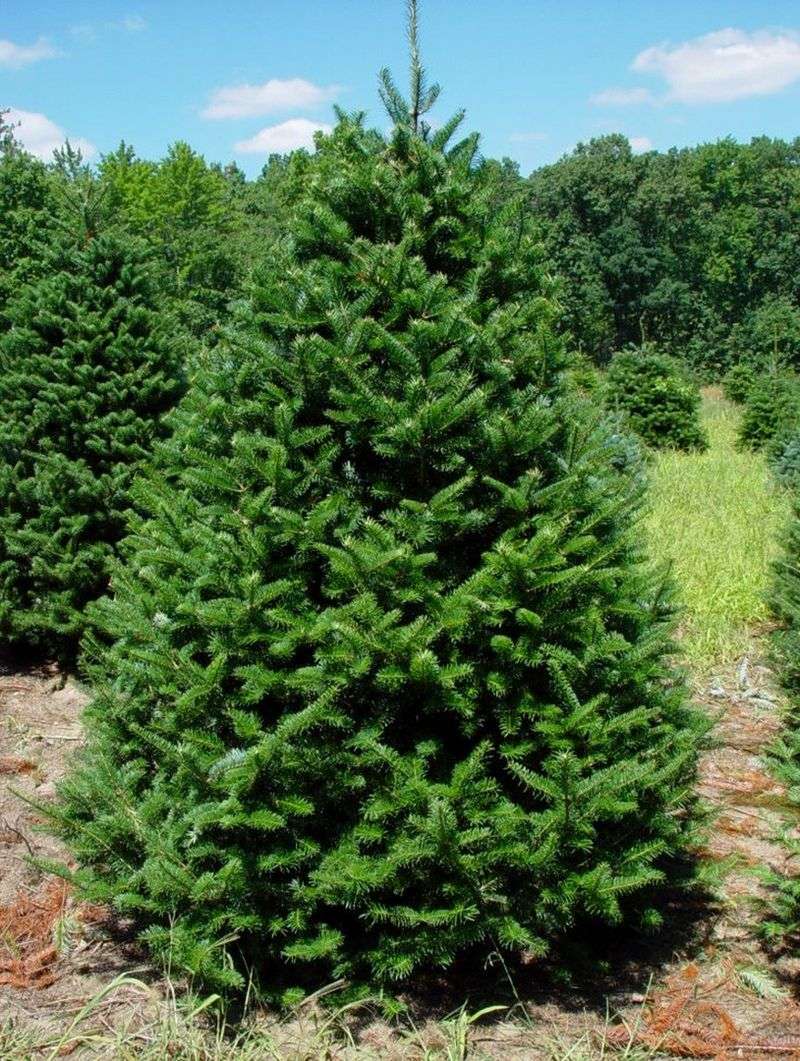
Believe it or not, one of the best needle holders has a hometown name tucked right inside its title. Canaan fir comes from the Canaan Valley of West Virginia, and it also grows naturally in parts of Pennsylvania.
Botanists consider it a variety of balsam fir, though shoppers often describe it as a blend with Fraser fir traits. You get soft, flat needles about one inch long with deep green tops and lighter silver undersides.
What surprises me most is how well this tree handles our unpredictable Mid-Atlantic weather on local farms each year. Growers like it because it often tolerates heavier, wetter soils that can trouble Fraser fir in some fields.
Inside your home, the needles stay attached remarkably well when the trunk sits in water every single day. I have seen Canaan firs look nearly as fresh in early January as they did on the farm.
The fragrance is lighter than some firs, with a gentle balsam note that fills a room without overpowering it. Friends who find strong tree scents a bit much often tell me this one feels pleasantly calm and cozy.
Branches are sturdy enough for most ornaments, though I like hanging heavier pieces closer to the trunk for balance. That small habit keeps the tips from drooping and helps the tree hold its tidy pyramid shape longer.
Ask the farm when the tree was cut, since a recent harvest usually means fresher needles from the start. You will love how easy a Canaan fir is to keep looking good through the holidays.
3. Concolor Fir
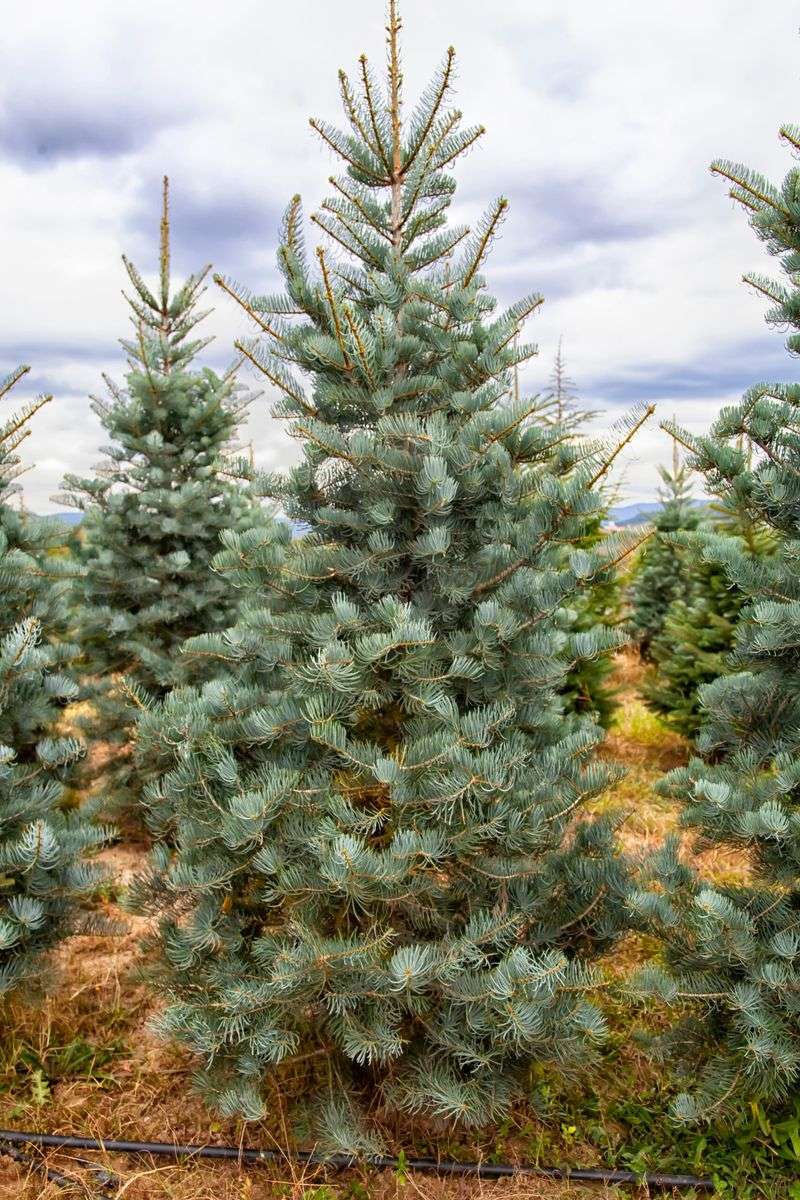
Crush a few concolor needles between your fingers and you might smell oranges instead of the usual pine. That bright citrus scent makes this fir a favorite surprise for anyone who visits a choose-and-cut farm.
Also called white fir, concolor grows naturally in the western mountains of the Sierra Nevada and the Rockies. Even so, Pennsylvania growers raise it successfully, especially on deep soils that drain water away from the roots.
The needles grow long, often two to three inches, and curve slightly outward from the twigs in soft rows. Their bluish to silvery green color gives the whole tree a frosty look that I find wonderfully wintry indoors.
Needle retention ranks as excellent for this species, so it makes a smart pick for families who decorate early. I like to set mine up right after Thanksgiving, and the floor stays surprisingly tidy through most of December.
Branches tend to be softer and more flexible than many firs, which means heavy ornaments can pull limbs downward. You need to save the chunky glass pieces for inner branches and hang lighter decorations near the tips.
The open, airy shape leaves plenty of space between layers, so ornaments really stand out against the pale foliage.
Long strands of warm white lights look especially lovely tucked deep inside where they glow through the needles.
Like every cut tree, concolor stays fresh longest when the stand never runs low on water. A quick daily check takes seconds and protects that citrus fragrance you picked it for in the first place.
4. Nordmann Fir
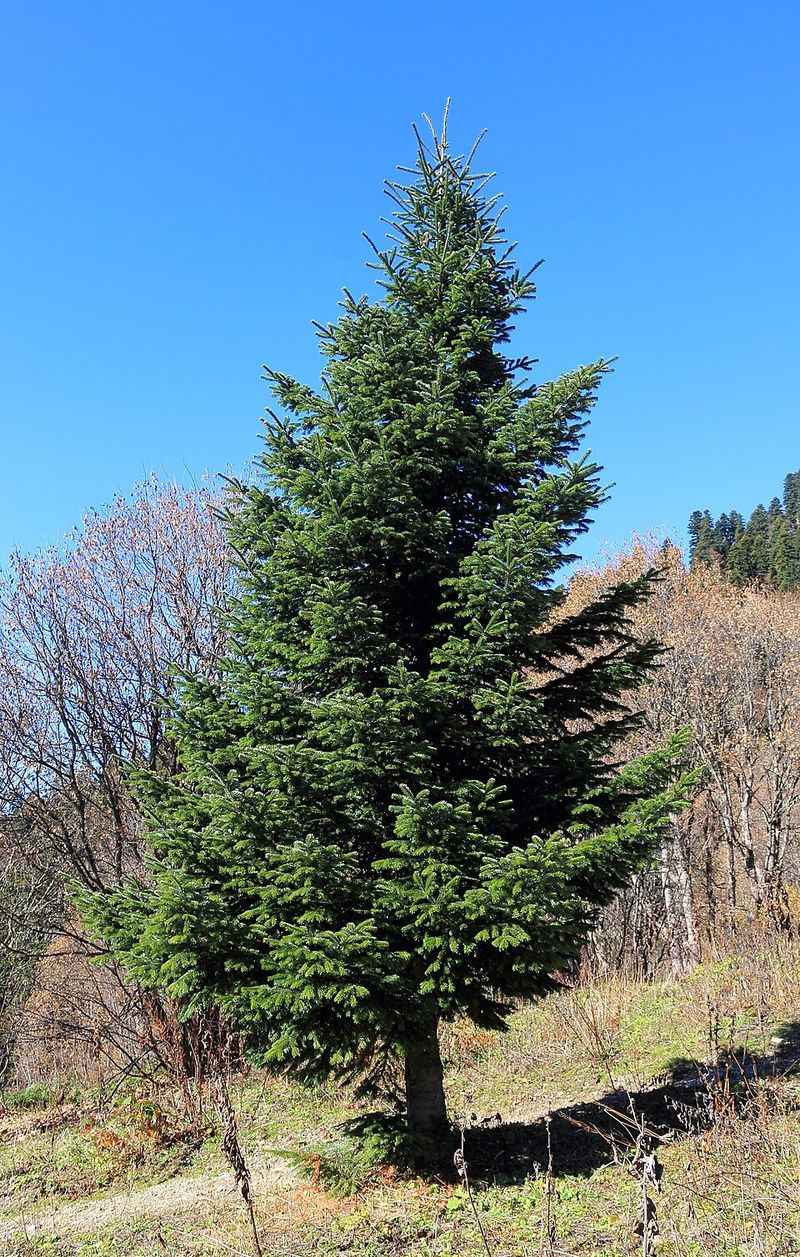
Across much of Europe, Nordmann fir is a top Christmas tree pick in many homes every December. Its native range stretches around the Caucasus Mountains, yet farms in Pennsylvania are now growing it with real success.
The needles look glossy and dark green on top, with striking silver stripes underneath that catch twinkle lights beautifully. They feel soft rather than sharp, which I appreciate when I am wrestling lights around every branch.
Here is the part I love most about this tree and its tidy habits throughout a long holiday season. Nordmann fir is known for very low shedding, even as the tree slowly dries out near the end.
Some growers report fresh-looking trees for around five weeks indoors when they receive steady water and cool rooms.
That makes it a strong choice for families who like decorations up from late November into January.
The scent stays subtle, so people sensitive to strong pine smells often feel more comfortable around this variety. If you crave that big forest aroma, a scented candle or a few fir clippings can fill the gap.
Branches grow in neat layers with sturdy limbs that show off ornaments on clear, separate tiers from top to bottom. I can’t imagine a better tree for displaying a big collection of heavy keepsake ornaments each year.
Ask local farms if they grow Nordmann, since supply can be smaller than common firs in some areas. Arriving early in the season usually gives you the best pick of shapely trees before they sell out.
5. Scotch Pine
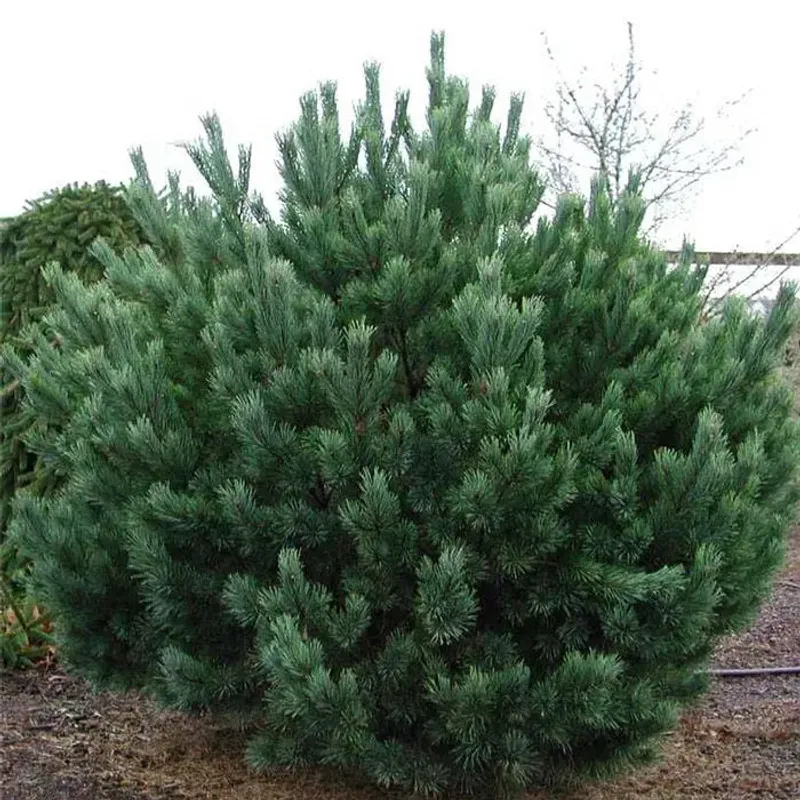
Forget to water a Scotch pine for a day, and it usually forgives you without dropping a pile of needles. Penn State Extension notes that this tough tree holds its needles well, even after it starts drying.
For decades, Scotch pine ranked as one of the most common Christmas trees sold across Pennsylvania lots and farms. Its reputation comes from being hardy, adaptable, and able to grow on a wide range of soils.
Look closely and you will see needles grouped in pairs, often one to three inches long with a gentle twist. Mature trees growing outdoors show reddish orange bark on upper branches, which makes them easy to spot in the woods.
Indoors, a fresh Scotch pine can look good for several weeks when the trunk stays in water. I keep a small watering can beside the stand, so topping it off becomes part of my morning coffee routine.
Branches are stiff and strong, holding both delicate ornaments and heavier decorations without bending toward the carpet.
Kids love this tree because they can hang their favorite crafts almost anywhere without worrying about drooping limbs.
The needles can feel a bit sharp, so I recommend wearing gloves while you string lights around the branches. A long sleeve shirt also helps protect your arms when you reach toward the center of the tree.
Scotch pine is not native to North America, and it can spread into open areas in some regions. Enjoy it as a cut tree, but choose native species if you plan to plant evergreens in your yard.
6. Eastern White Pine
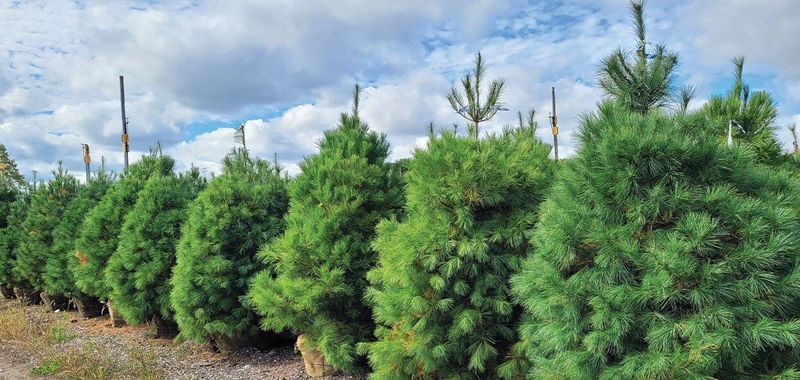
Count the needles in each little bundle on this pine, and you should find exactly five every time. That simple trick helps you identify Eastern white pine, a tree native to the forests right here in Pennsylvania.
The needles are long and soft, usually two and a half to five inches, giving branches a feathery appearance. Their bluish green to silvery tone makes the whole tree look gentle and lacy, almost like evergreen lace.
Personally, I think this pine feels the friendliest to touch of any tree on the list. Little hands can help decorate without getting poked, which makes family trimming nights much calmer and a lot more fun.
Needle retention is good to excellent, and a well-watered white pine can stay fresh for over a month. The key is keeping the stand full, because this tree drinks plenty during its first week indoors.
Branches bend easily, so heavy ornaments tend to pull limbs downward and spoil the tree’s graceful outline. You will get the best look from lightweight decorations, paper crafts, ribbons, and soft fabric ornaments instead.
The scent stays light, which can be a relief for anyone who finds strong evergreen aromas a little overwhelming.
Some people with sensitivities prefer white pine, though everyone reacts differently to fresh trees inside their home.
Because it is native, white pine supports local wildlife when planted in yards with full sun and well-drained soil.
That makes it a lovely choice to remember next spring if you want living evergreens outside your windows.
7. Douglas Fir
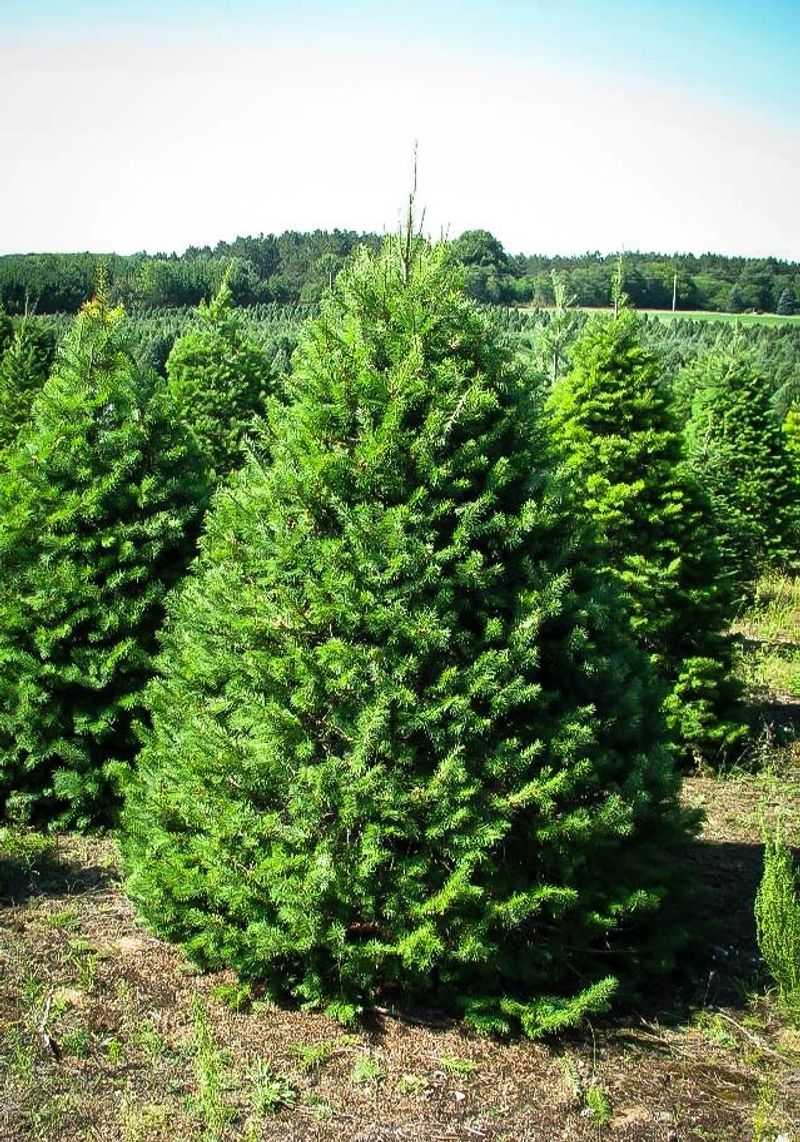
Despite its name, Douglas fir is not a true fir, and botanists place it in a separate genus called Pseudotsuga. I find that funny, since it remains one of the most popular Christmas trees grown on local farms.
The tree is native to western North America, yet Pennsylvania growers raise it widely across the state each year. Its adaptability to many sites helps explain why you see so many Douglas firs at cut-your-own farms.
Soft, flat needles about one to one and a half inches long radiate around each twig in every direction.
That arrangement makes the tree look full and bushy, sometimes quite wide at the bottom, so measure your space first.
Needle retention ranks as good, and local growers praise how well a fresh Douglas fir holds up indoors. Some sources suggest it sheds a bit sooner than certain true firs, so daily watering really matters with this one.
The fragrance is sweet and fresh, with a slight citrus note that many families describe as their ideal holiday smell. I have to admit, the scent alone convinced me to bring one home during my first year shopping.
Branches handle most ornaments well, though very heavy pieces may sag on the outer tips over time. You can hang bulkier decorations near the trunk and save lighter ones for the soft, outer branches.
Give the trunk a fresh cut right before placing it in the stand to help it soak up water. Keeping the tree away from heat vents also slows drying and keeps those needles where they belong.