9 Plants New Yorkers Can Overwinter in an Unheated Garage
Parts of the Adirondacks sit in USDA Zone 4a, where winter nights can plunge to thirty below zero. Down in New York City, Zone 7b lows usually hover between a mild five and ten degrees above zero.
Either way, plenty of beloved summer favorites cannot handle those numbers without a little help from us. Funny thing is, the rescue spot is often sitting right behind your car, quietly collecting rakes and bikes.
Take it from someone who once lost a whole porch of potted treasures to one surprise October freeze. An unheated garage that stays above freezing turned out to be the simple fix I had embarrassingly overlooked.
Across New York, gardeners quietly tuck away tropical bloomers and even fruit trees this way every single year. So which sleepy plants deserve a cozy parking spot right next to your car this winter?
1. Geranium
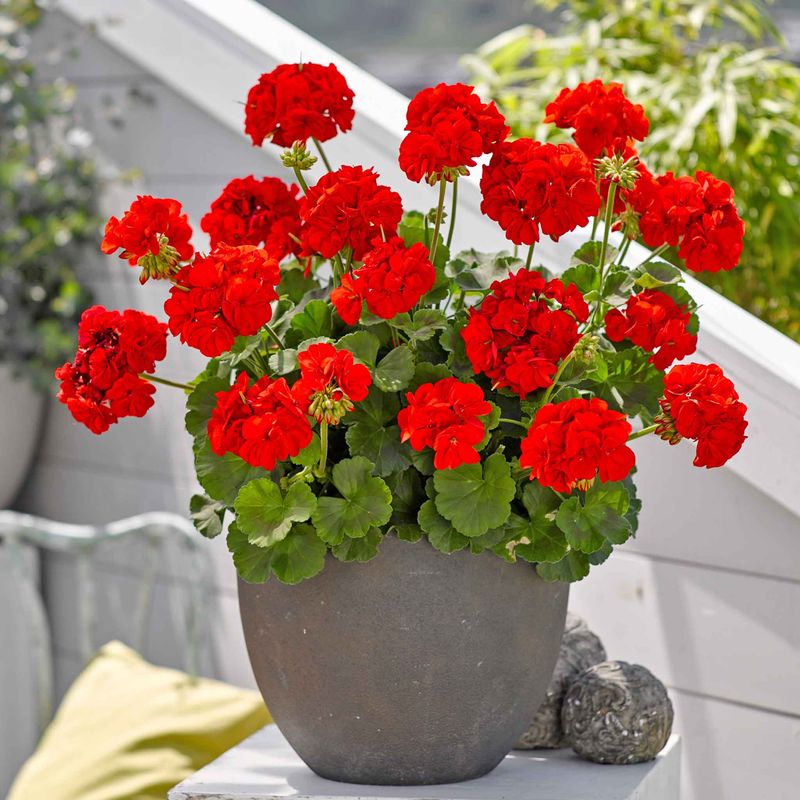
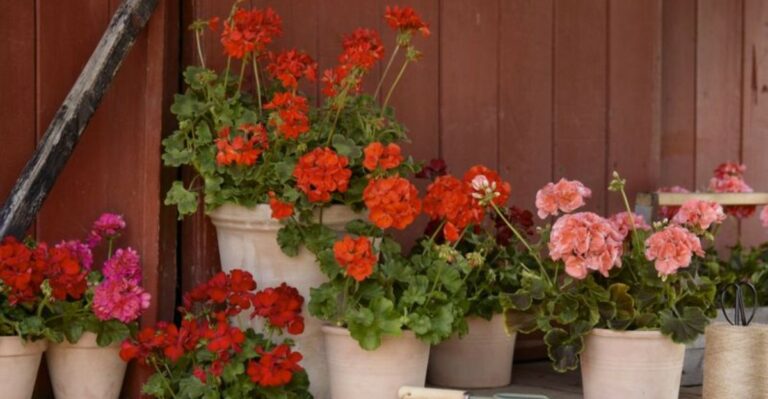
Old-time gardeners hung their geraniums upside down in cellars like bundles of drying herbs, and the trick still works. Those bright red pots on your stoop are really Pelargonium, a tender plant from southern Africa.
Before the first hard frost, dig up each plant and gently shake most of the soil from its roots. Next, cut the stems back by about half so the plant spends less energy during its long rest.
You can tuck bare-root plants into open paper bags or hang them from a garage rafter with twine. If you prefer less fuss, pot them in well-draining mix and set them near a bright garage window.
Aim for a storage temperature between roughly 40 and 60 degrees, and keep the spot safely above freezing. A cheap minimum-maximum thermometer hanging on the wall will tell you how cold those January nights really get.
Potted geraniums need water only when the soil feels dry, which might mean once every few weeks. For bare-root plants, a light misting each month keeps the roots from shriveling into brittle little sticks.
In my own garage, the stems look pretty sad by February, but that is perfectly normal for resting geraniums. Snip off any mushy or moldy bits you find so problems do not spread to healthy neighbors.
Once spring frost danger passes, repot the plants, water them well, and move them gradually into brighter light. Within a few weeks, fresh green leaves appear, and you have saved yourself a tidy sum at the nursery.
2. Rosemary
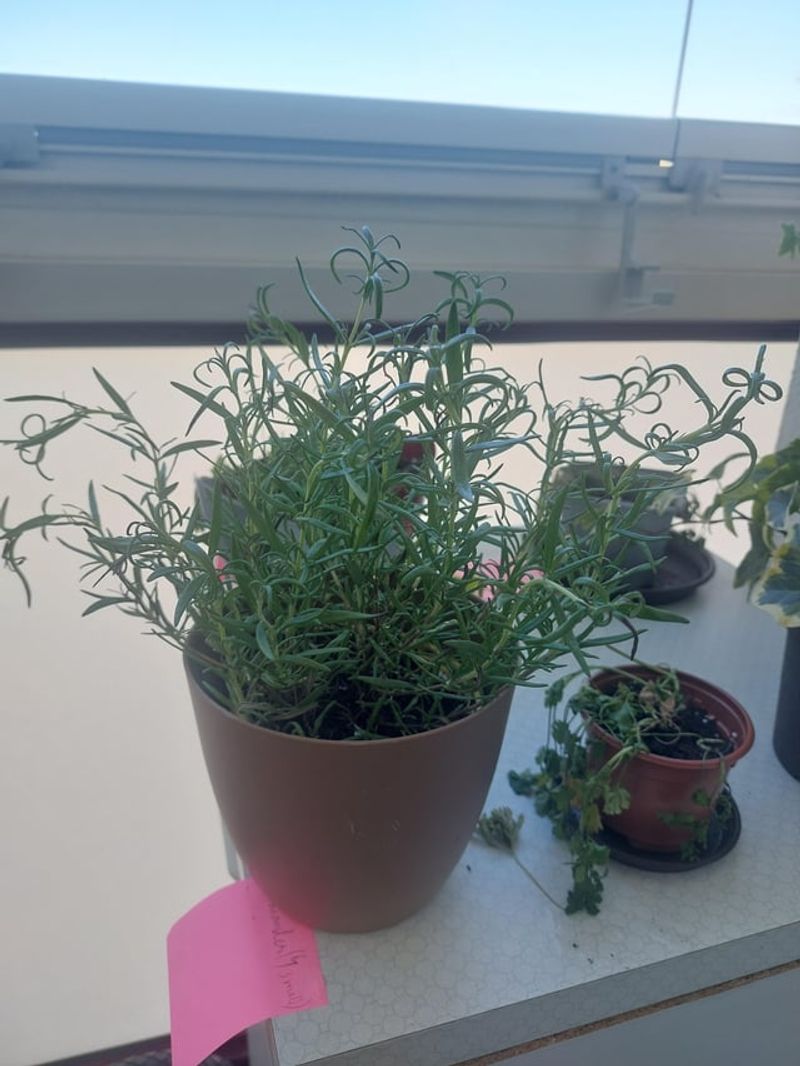
Brush your hand across a rosemary plant on a gray winter day, and suddenly your garage smells like a Mediterranean hillside. Botanists recently moved this herb into the sage genus, so its official name is now Salvia rosmarinus.
Some hardy types like ‘Arp’ can handle mild winters in the ground near New York City. Upstate gardeners usually have better luck bringing potted plants into shelter before the hard freezes arrive.
Before moving it, trim the plant back by up to half to keep it compact and easier to manage. Make sure the pot has plenty of drainage holes, because soggy winter soil is rosemary’s biggest enemy.
Unlike sleeping bulbs, this evergreen herb keeps its needles, so it appreciates some light from a garage window. If yours is a windowless space, a simple shop light on a timer can help it through the darker months.
Cool temperatures between about 40 and 50 degrees suit it well, as long as the spot stays above freezing. Honestly, a chilly garage often beats a warm living room, where dry heated air can stress the plant.
Check the soil about once a week by poking a finger a few inches deep into the pot. Water only when it feels dry down there, since overwatering and bone-dry roots both cause trouble.
For what it’s worth, you can still snip a few sprigs for roast potatoes while it rests. Just go lightly, because the plant grows slowly in winter and needs most of its leaves until spring.
3. Fig Tree
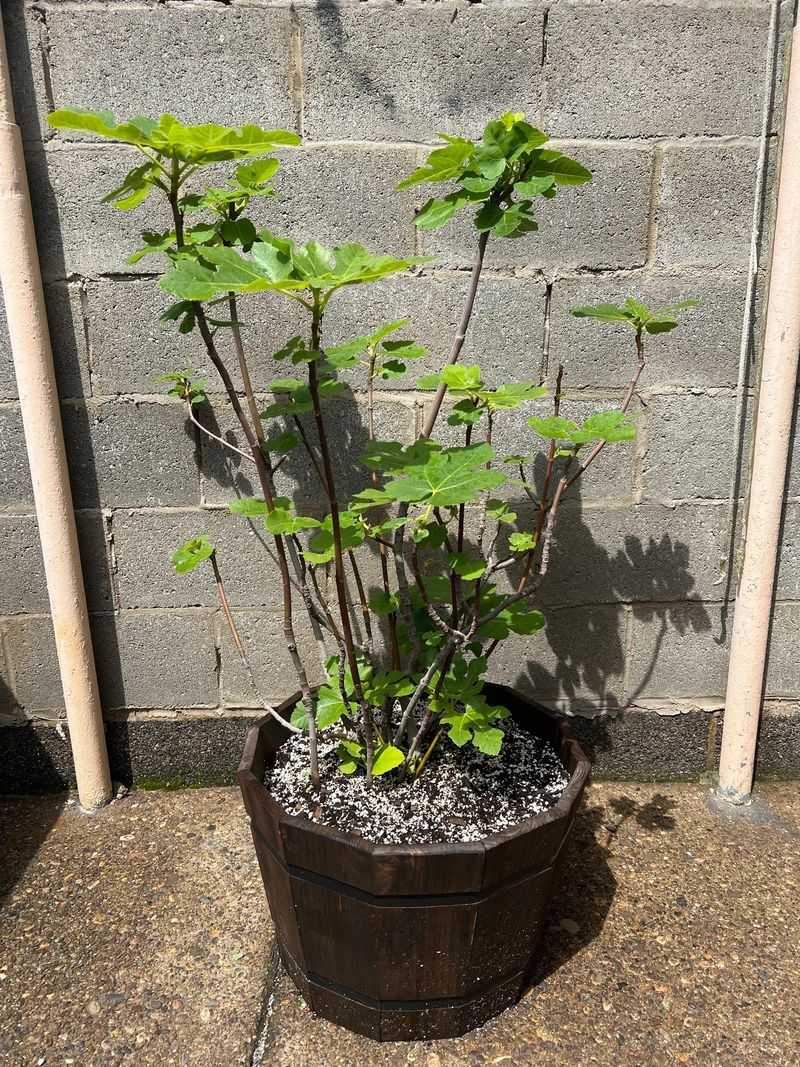
Italian immigrants famously wrapped fig trees in burlap across Brooklyn and Queens, keeping a sweet tradition alive for generations. A potted fig in your garage is the easier modern version, and it skips the backyard wrapping project.
Common figs, known as Ficus carica, drop their leaves in fall and slip into a natural winter dormancy. Varieties like ‘Brown Turkey’ and ‘Chicago Hardy’ grow nicely in large containers and handle garage storage well.
Wait until the leaves turn yellow and fall, then roll the pot into the garage before hard freezes hit. A plant dolly saves your back, since a big fig pot full of damp soil can weigh a ton.
Since the tree has no leaves, it does not need light, so a dark corner works just fine. Cool temperatures in the 40s or low 50s keep it sleeping peacefully without letting the roots freeze.
Water lightly about once every three or four weeks, just enough to stop the root ball from drying out. Too much water sitting around cold roots invites rot, so err on the stingy side all winter.
Between you and me, my first fig woke up too early because the garage got too warm in March. If buds swell early, crack the garage door on mild days to slow things down a little.
Once spring frost danger passes, move the tree outside into shade for a week before giving it full sun. With luck and a hot summer, you could be picking sticky, honey-sweet figs by late August or September.
4. Hydrangea
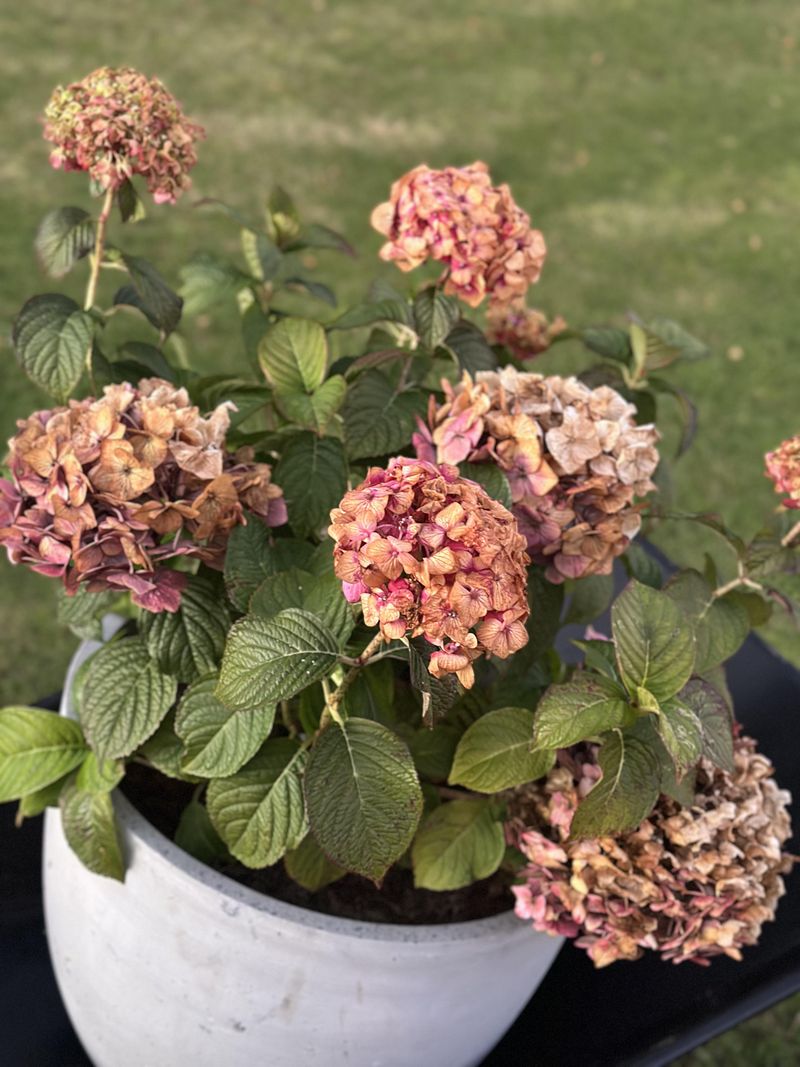
Those big mophead blooms look tough, but potted hydrangea roots feel winter cold much more than garden roots. Soil in a container freezes from every side, while garden soil acts like a thick, cozy blanket.
Many bigleaf hydrangeas also bloom on old wood, meaning next summer’s flower buds are already formed this fall. Protecting the pot in a garage helps those hidden buds survive, so you actually get flowers next year.
Move your plant into the unheated garage after the leaves drop but before the first really hard freeze. If it lives in a clay or ceramic pot, consider switching to plastic, which resists cracking in the cold.
Stop feeding the plant by late summer so it can toughen up instead of pushing soft new growth. Skip fall pruning too, because snipping stems now could remove the very buds you are trying to save.
Give the soil a light drink before storage, then check it every few weeks through the winter. Water only when the soil is thawed and dry to the touch, which keeps roots from sitting soggy.
A dark garage is perfectly fine here, since the dormant plant has no leaves needing sunlight. Let’s just say I learned the hard way that a sunny, warm spot wakes hydrangeas far too early.
Bring the pot back outside in spring once the worst frosts are over in your part of the state. Ease it into sunlight over several days, and watch for fresh green leaves pushing out from those fat buds.
5. Dahlia
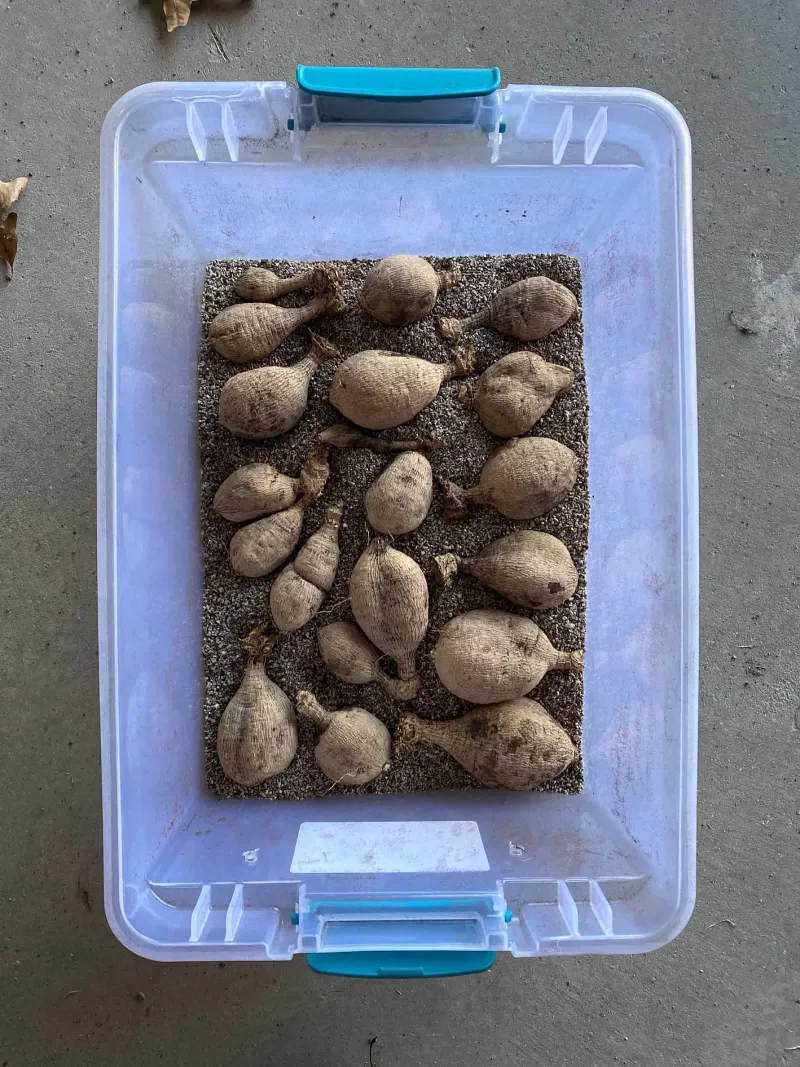
Dahlias are the national flower of Mexico, so it makes sense that they sulk when winter soil freezes. Their chunky tubers look a bit like clusters of sweet potatoes, and each one can hold next year’s blooms.
Wait until the first frost blackens the foliage, then cut the stems down to a few inches tall. Dig carefully with a garden fork, starting a foot or so away from the stem to avoid stabbing tubers.
Brush off loose soil instead of washing the clumps, since extra moisture can encourage rot during storage. Let them air dry for a day or two somewhere protected from frost, like the garage floor itself.
Pack the tubers in cardboard boxes with slightly damp peat moss or vermiculite tucked snugly around them. Some growers simply store whole clumps in a bucket with a little garden soil still clinging on.
The sweet spot for storage is between 40 and 50 degrees, and they must stay above freezing. If your garage gets colder than that, an insulated cooler can shelter the boxes on the worst nights.
Check your stash about once a month, because tubers can shrivel or soften without much warning. Mist shriveled ones lightly, and toss any that turn mushy so the rot does not spread.
Funny thing is, a single dahlia clump often multiplies, so you may end up with extras to share. Replant them outside after spring frost danger passes, when the soil warms up enough for happy roots.
6. Canna Lily
Despite the name, a canna lily is not a true lily at all, and it belongs to its own family. Those huge paddle leaves and fiery blooms give summer gardens a jungle look that is hard to beat.
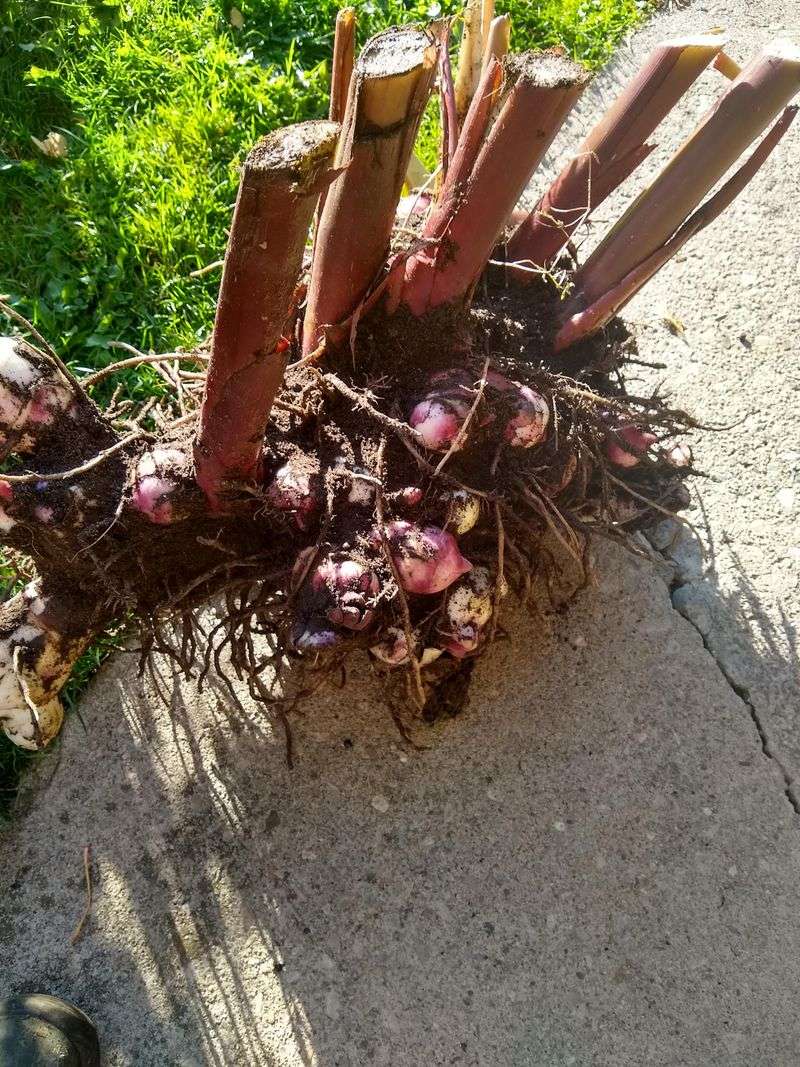
Underground, the plant stores energy in thick rhizomes, which are knobby stems that spread sideways through the soil. Saving them is easier than most people expect, and the clumps grow bigger every single year.
After a light frost yellows the foliage, cut the stalks back to a few inches above the soil. Dig up the clumps gently, then brush away loose dirt without scrubbing or rinsing the rhizomes.
Next, let them cure in a dry, airy spot for several days so their skins toughen up. Skipping this step is one of the most common reasons stored cannas turn soft and moldy by midwinter.
Store the cured rhizomes in boxes with peat moss or shredded newspaper, leaving room for air to circulate. Aim for a garage temperature between about 40 and 55 degrees, staying safely above freezing the whole time.
If you grow cannas in containers, wheel the whole pot inside and simply stop watering until spring. That lazy method has worked well in my own garage, and it saves plenty of digging.
In spring, you can give the rhizomes a head start indoors in pots about a month before planting. Move them outside once nights stay warm, and enjoy those bold leaves stretching taller than your fence.
7. Agapanthus
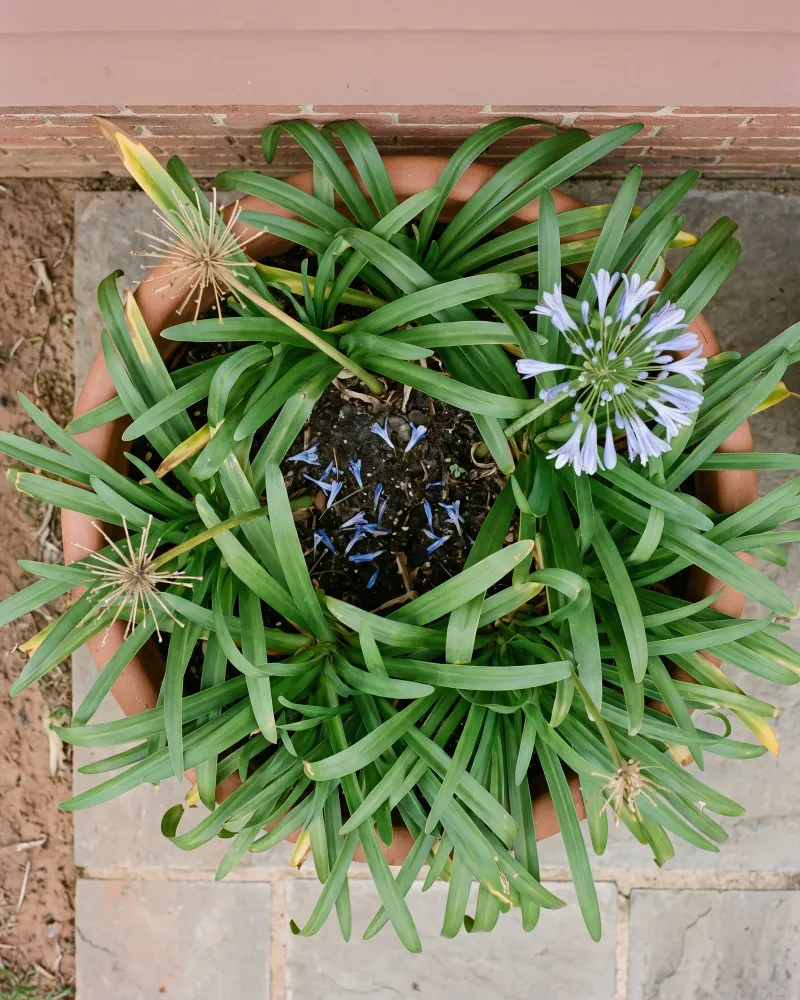
Lily of the Nile sounds ancient and exotic, yet agapanthus actually comes from southern Africa, not Egypt. Its round heads of blue or white flowers look like fireworks frozen in midair on tall, sturdy stems.
Deciduous types such as the Headbourne Hybrids drop their leaves in fall and rest quietly through winter. Evergreen kinds are different, since they keep their foliage and need a bright, cool room indoors instead.
Once your deciduous plant’s leaves fade, move the pot into an unheated garage that stays above freezing. Temperatures between about 40 and 50 degrees suit it nicely, and darkness is perfectly acceptable during dormancy.
Water very sparingly, just enough to keep the root ball from turning bone dry over the winter months. In my experience, a small splash every month or so is plenty for a medium-sized pot.
If you ask me, agapanthus has one of the quirkiest habits among all the popular container plants. It often blooms best when its roots are crowded, so resist the urge to repot it every year.
Leave dividing for spring, every few years, when the roots start straining the sides of the pot. Plastic pots can actually bulge or crack from the pressure, which is a funny sign it needs space.
When spring frost danger passes, bring it back outside and start watering more regularly as leaves appear. A sunny patio spot and steady moisture through summer set the stage for those dazzling blue globes.
8. Salvia
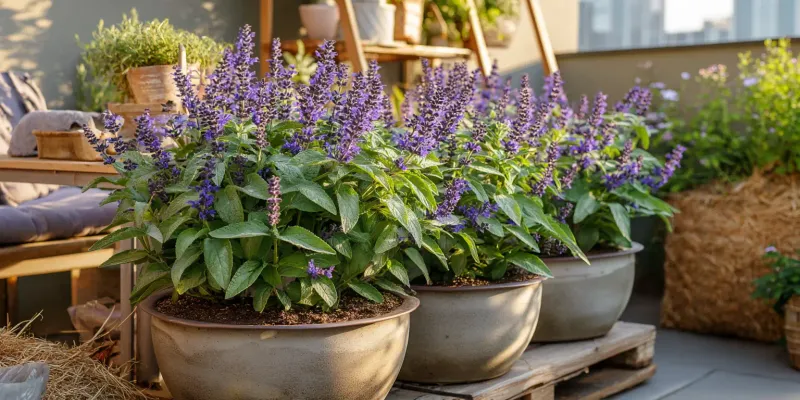
Hummingbirds treat tender salvias like a roadside diner, zipping between those tube-shaped flowers all summer long. Favorites such as ‘Black and Blue’ and Mexican bush sage are perennials down south but tender in colder regions.
Rather than buying new plants each spring, you can coax potted salvias through winter in your garage. Move them inside before the first hard frost, while the stems and roots are still in good shape.
Cut the plants back to about four to eight inches tall, since they will not need foliage while resting. A shorter plant also takes up less room, which matters when your garage is already packed with bikes.
Cool temperatures between roughly 35 and 45 degrees encourage deep dormancy, as long as frost stays outside. Warmer spots tend to wake the plants early, producing pale, floppy shoots that struggle later on.
Water about once a month, giving just enough moisture to keep the root ball from drying out. Soggy soil in a cold garage can quickly lead to rot, so a light hand works best.
Don’t make my mistake of storing salvias next to the garage door, where icy drafts sneak in. An inside wall that borders the house usually stays a few degrees warmer and steadier all season.
Bring the pots into brighter light in early spring, then move them outdoors after frost danger passes. Your hummingbirds will notice the familiar blooms quickly, and you will enjoy flowers much earlier than with new plants.
9. Tuberous Begonia
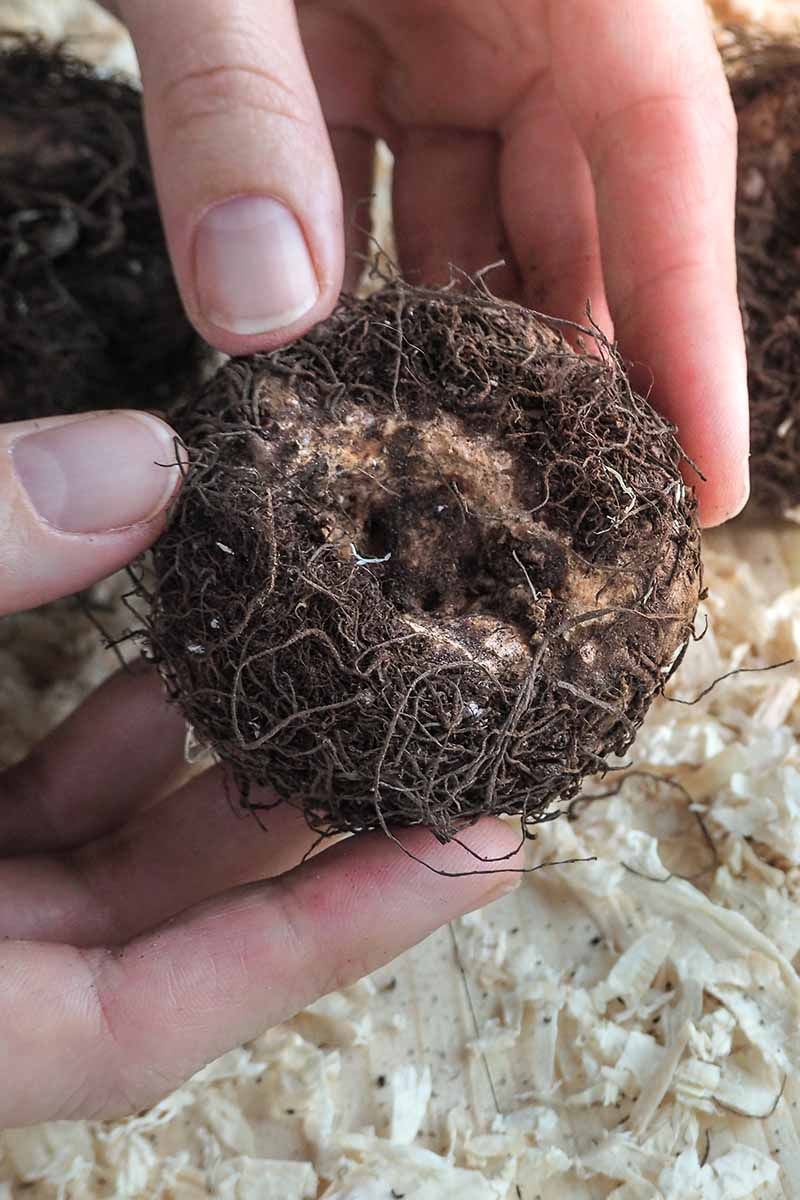
Tuberous begonia flowers can grow as wide as a saucer, with ruffled petals that resemble roses or camellias. Even better, they thrive in shade, brightening those gloomy corners where most sun-loving annuals refuse to bloom.
Their secret is a flat, brown tuber that stores energy, and you can save it year after year. As fall arrives and leaves start yellowing, gradually cut back on watering to nudge the plant toward dormancy.
Once the foliage has withered, lift the tubers gently from their pots or garden beds with your fingers. Brush off loose soil without washing them, then let them dry for several days in an airy spot.
Remove any leftover stem pieces once they detach easily, since lingering stems can invite rot in storage. Next, nestle the cured tubers in a cardboard box or paper bag filled with dry peat moss.
Keep them between about 40 and 50 degrees in a dark garage corner that stays above freezing all winter. Labeling each bag by flower color saves you from guessing when planting time comes around again.
Check them monthly, misting lightly if they feel papery, and tossing any that turn soft or smell sour. Looking back, I should have checked mine more often the year a few rotted quietly in the box.
In late winter, start the tubers indoors in shallow pots with the hollow, concave side facing up. Move them outside after frost danger passes, and those glowing blooms will light up shady spots again by summer.