The Pennsylvania Plants Blue Jays Need More Than Another Feeder This Fall
What if the reason blue jays keep passing through your Pennsylvania yard without ever truly settling in has less to do with your feeder and more to do with what you’re growing?
Many homeowners who want more blue jays head straight for the seed selection. And feeders help. Blue jays use them reliably, especially through fall and winter.
But if your goal is blue jays that return season after season and treat your yard as genuine territory, a feeder alone is only part of the answer.
What blue jays need more than another feeder is the right habitat. And habitat starts with plants.
The native Pennsylvania plants that blue jays depend on for food caching, shelter, and natural foraging do something a feeder simply cannot replicate.
1. White Oak
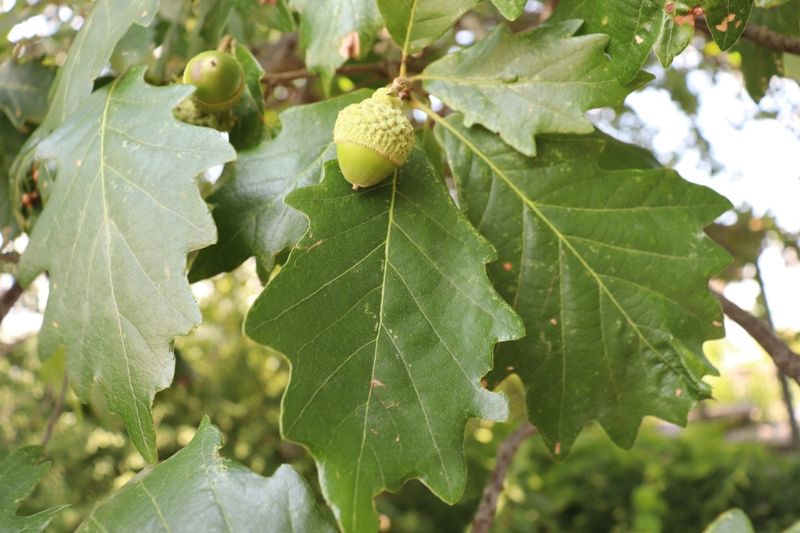
Acorns are basically candy to blue jays, and the white oak drops some of the best ones around.
Jays love these nuts so much that a single bird can bury thousands of them each fall. White oaks grow tall and wide across Pennsylvania, offering both food and thick cover.
The acorns from this tree are lower in bitter tannins than red oak acorns, which makes them a favorite snack. Jays will grab them, fly off, and stash them in the ground for winter.
Believe it or not, blue jays help plant new oak forests. Many of the acorns they bury never get eaten, and those forgotten nuts sprout into brand new trees the next spring. Scientists think jays helped oaks spread across America long ago.
Planting a white oak takes patience because it grows slowly. Still, even a young tree adds beauty and value to your yard right away. Give it plenty of room, full sun, and well-drained soil, and it will thrive for generations.
The broad branches also give jays a safe spot to watch for danger. Hawks have a harder time sneaking up when there are thick leaves to block their view. That safety matters just as much as the food.
If you want one tree that gives back the most to blue jays, this is it. A white oak feeds them, shelters them, and even helps them raise families year after year. It is a gift that keeps growing.
2. American Beech
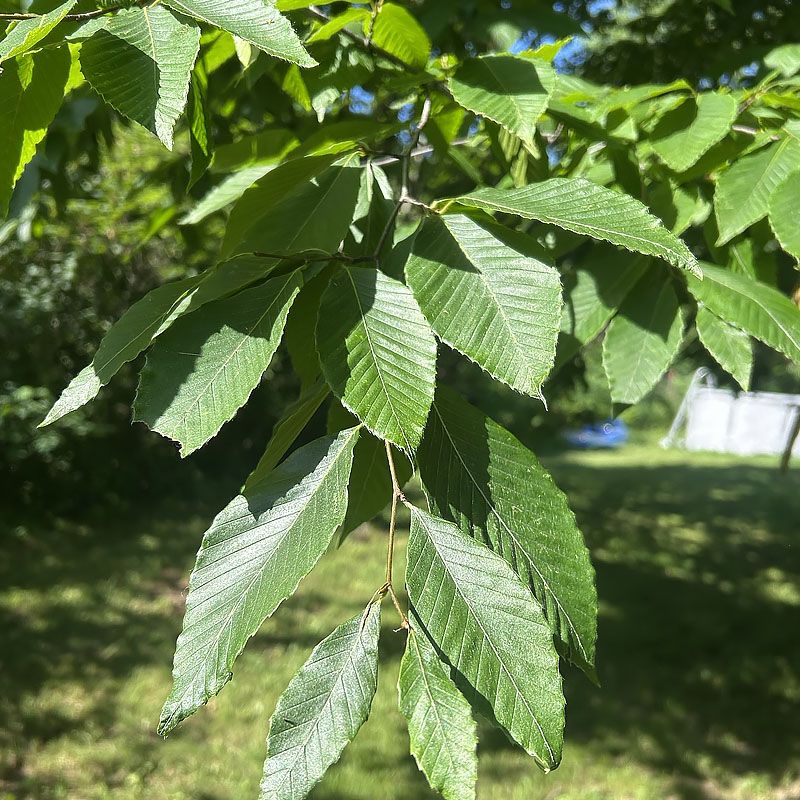
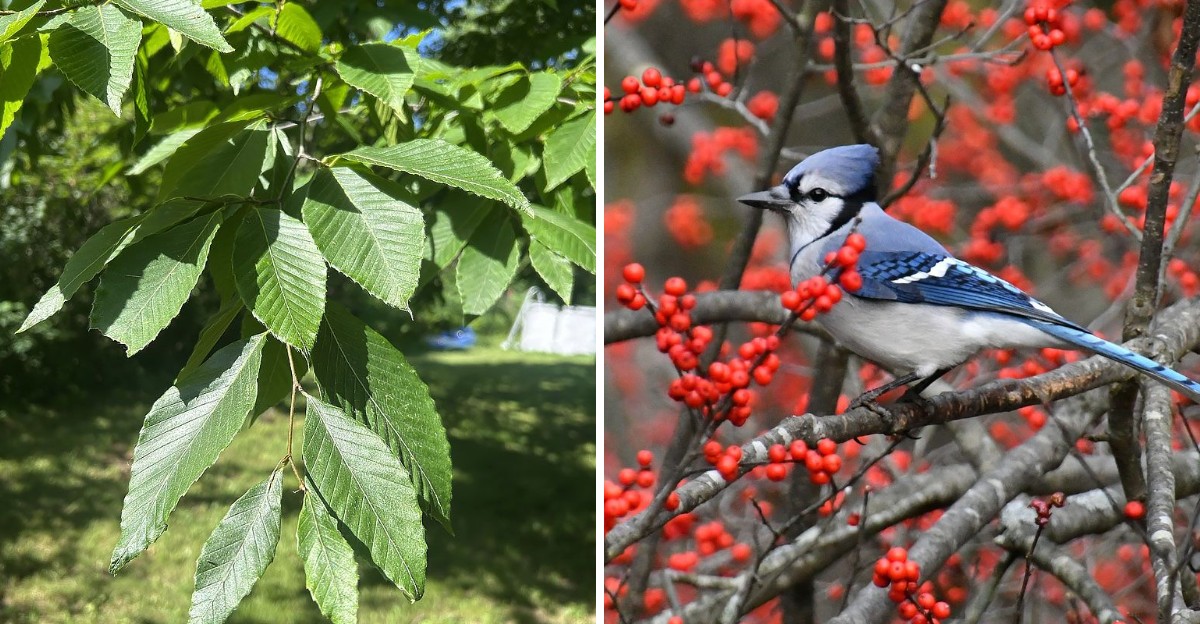
Smooth gray bark and golden fall leaves make the American beech easy to spot, but blue jays care about something else entirely.
They come for the beechnuts, small triangle-shaped treats packed with fat and energy.
Beechnuts help jays fatten up before cold weather arrives. The high fat content gives them the fuel they need to stay warm through Pennsylvania winters.
Jays will crack the shells open with their strong beaks and gobble up the sweet meat inside.
These trees grow best in rich, moist soil and partial shade. They can reach impressive sizes over time, creating a leafy canopy that many birds enjoy. The dense branches also give jays a hidden place to rest and nest.
One neat thing about beech trees is that they hold onto their coppery leaves well into winter.
Your Pennsylvania Garden Changes Every Week. Your Plan Should Too.
Gardening in Pennsylvania changes quickly throughout the season. Every Friday you’ll receive a simple weekly plan showing exactly what to plant, prune, fertilize, harvest, and protect so you never miss the right timing.
That lingering foliage offers extra cover when most other trees stand bare. Jays appreciate any hiding spot during the chilly months.
Beech trees do best when planted with plenty of space to spread their roots. They dislike being crowded and prefer soil that stays a little damp. Once settled, they need very little help from you.
Squirrels and other critters also love beechnuts, so nature stays busy around these trees. That activity actually draws jays in even more, since they are curious birds who like a lively yard.
For anyone with a shady, moist corner, the American beech is a wonderful choice. It feeds blue jays, supports wildlife, and adds a gorgeous glow to your fall landscape.
3. Serviceberry
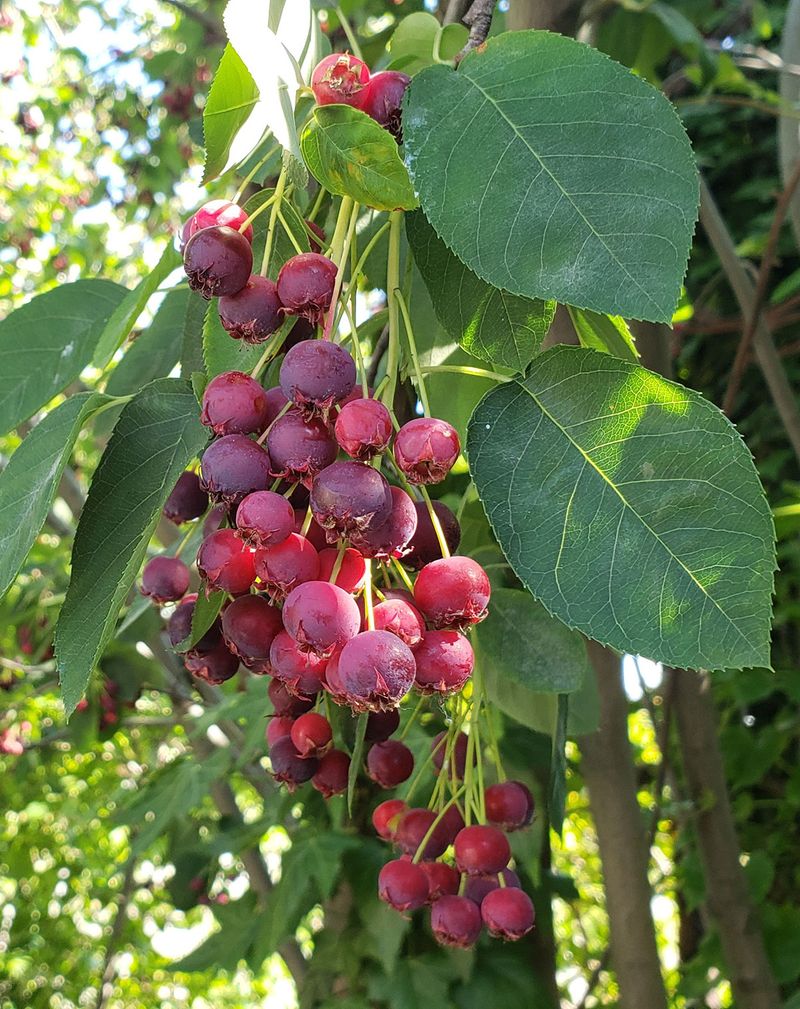
Small but mighty, the serviceberry packs a huge punch for such a modest shrub. Its juicy berries ripen in early summer, giving blue jays a tasty treat long before fall arrives.
The fruit looks a bit like blueberries and tastes sweet and slightly nutty. Jays flock to these berries and often compete with robins and cedar waxwings for the best bites. If you want to watch birds up close, plant this near a window.
Serviceberry fits nicely into smaller yards since it stays compact. You can grow it as a shrub or a small tree, depending on how you prune it. Either way, it puts on a lovely show all year long.
Spring brings clouds of white flowers, summer offers berries, and fall lights up with orange and red leaves.
Few plants give you so much beauty in every season. It works well as a centerpiece in a garden bed.
This native plant handles Pennsylvania weather with ease. It likes full sun to part shade and does not fuss much about soil. Once established, it needs little watering or care.
Beyond feeding jays, serviceberry helps countless pollinators in spring. Bees and butterflies visit the flowers, which keeps your whole garden buzzing with life. A healthy yard attracts more birds naturally.
If your space feels tight but you still want to help blue jays, this shrub is perfect. It delivers food, color, and charm without taking over. Blue jays will thank you with regular visits.
4. Flowering Dogwood
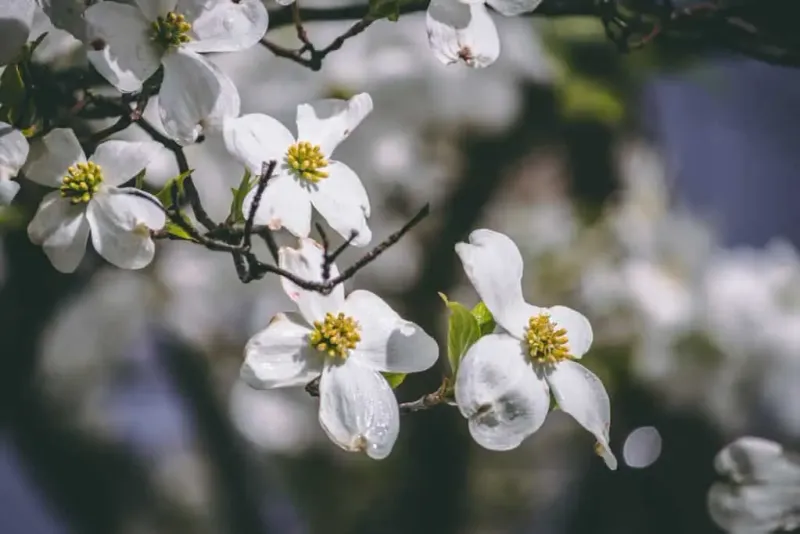
Bright red berries hanging against fiery fall leaves make the flowering dogwood a standout. Blue jays notice too, and they show up hungry for those glossy little fruits.
Dogwood berries are rich in fat, which helps birds prepare for migration and winter. The berries ripen in autumn, arriving just when jays need extra energy the most. That timing makes this tree a seasonal lifesaver.
These trees stay fairly small, which makes them great for average-sized yards. They grow well under taller trees since they naturally live at the forest edge. A little shade actually helps them thrive.
In spring, dogwoods burst with white or pink blossoms that everyone loves. The flowers give way to summer greenery and then a stunning red-purple color in fall. You get beauty in every season from one plant.
Jays are not the only fans of dogwood berries. Dozens of bird species rely on this tree, so planting one supports a whole neighborhood of wildlife. More birds means a livelier, happier backyard.
Dogwoods prefer moist, well-drained soil and a spot with some afternoon shade. They do not like extreme heat or dry ground, so mulch helps keep their roots cool. With basic care, they reward you for years.
Adding a dogwood is like inviting nature to your doorstep. The mix of pretty flowers and bird-friendly berries makes it hard to beat. Blue jays will treat your yard like a favorite diner all autumn long.
5. Eastern White Pine
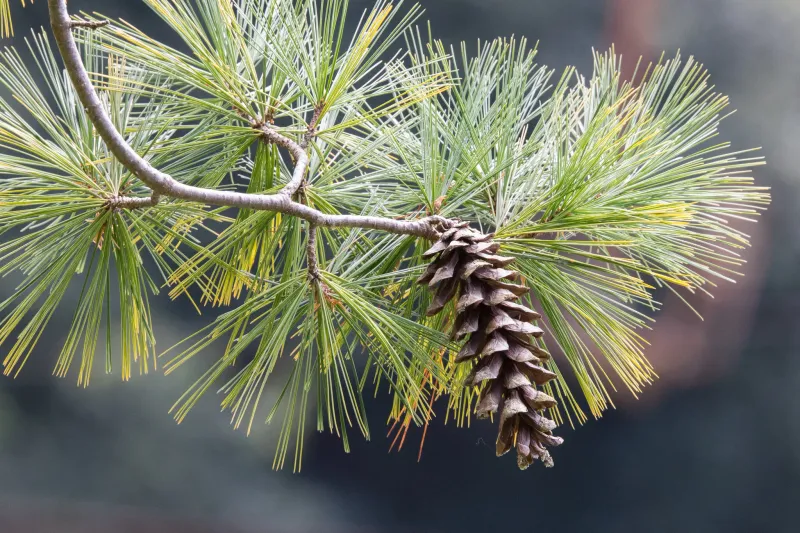
Tall and evergreen, the eastern white pine gives blue jays something a feeder never can: year-round shelter. When winter strips other trees bare, this pine stays thick and green.
Jays tuck themselves into the dense needles to hide from wind, snow, and hungry hawks. That protection can make a real difference during harsh Pennsylvania winters. A safe roost helps birds save energy on cold nights.
The pine also produces seeds inside its cones, and jays happily eat them. While acorns rank higher on their menu, pine seeds add helpful variety. Every food source counts when the weather turns rough.
Eastern white pines grow fast compared to many trees, so you will see results sooner. They can reach great heights, so give them plenty of open space. In return, they create a green backdrop that lasts all year.
These trees prefer full sun and moist, well-drained soil. They handle cold weather like champs since they are native to the region. Once rooted, they need little attention from you.
Beyond helping jays, white pines shelter owls, chickadees, and countless other creatures. A single pine can become a busy wildlife hub. That makes it one of the most useful trees you can plant.
If you want to help blue jays survive the coldest months, this evergreen is a smart pick. It offers cover, seeds, and safety when they need it most. Think of it as a cozy, natural shelter your jays will use for years.
6. Wild Black Cherry
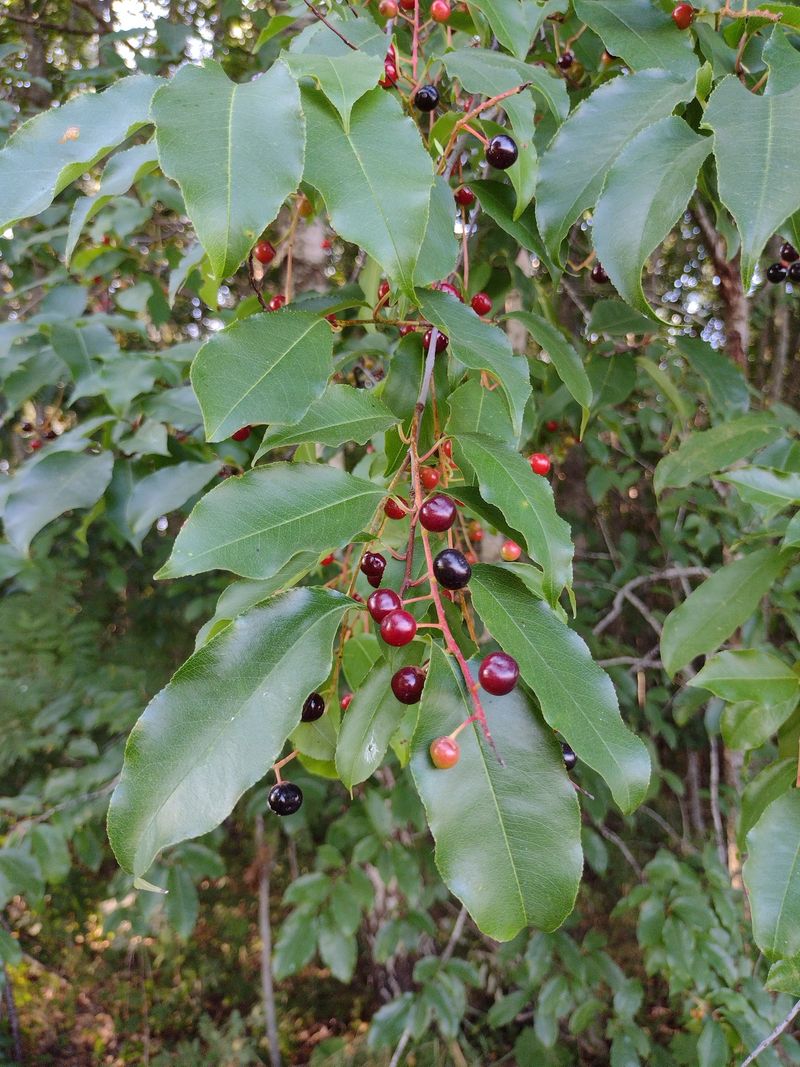
Loaded with dark, juicy fruit, the wild black cherry turns into a bird buffet by late summer. Blue jays are among the many visitors who cannot resist those tiny cherries.
The fruit gives jays quick energy and important nutrients as they prepare for cooler days. Birds swallow the cherries whole and later spread the seeds around, helping new trees grow. It is a partnership that benefits everyone.
Wild black cherry trees grow tall and offer plenty of branches for perching and nesting. Their rough, dark bark makes them easy to recognize in the woods. Jays feel right at home among the sturdy limbs.
Besides feeding birds, this tree supports a huge number of insects. Caterpillars in particular love black cherry leaves, and those bugs become food for baby birds. More insects means more meals for growing jay families.
These trees adapt well to different soils and handle Pennsylvania weather without trouble. They prefer full sun but tolerate some shade. Once established, they basically take care of themselves.
One thing to know is that the leaves and pits are not safe for pets or livestock to eat. Plant it where curious animals cannot reach fallen fruit. With smart placement, it stays a safe and helpful addition.
For anyone wanting a hardworking native tree, wild black cherry delivers on every level. It feeds jays, boosts insects, and supports the whole food chain. Blue jays will treat it like a favorite summer stop before fall arrives.
7. Winterberry Holly
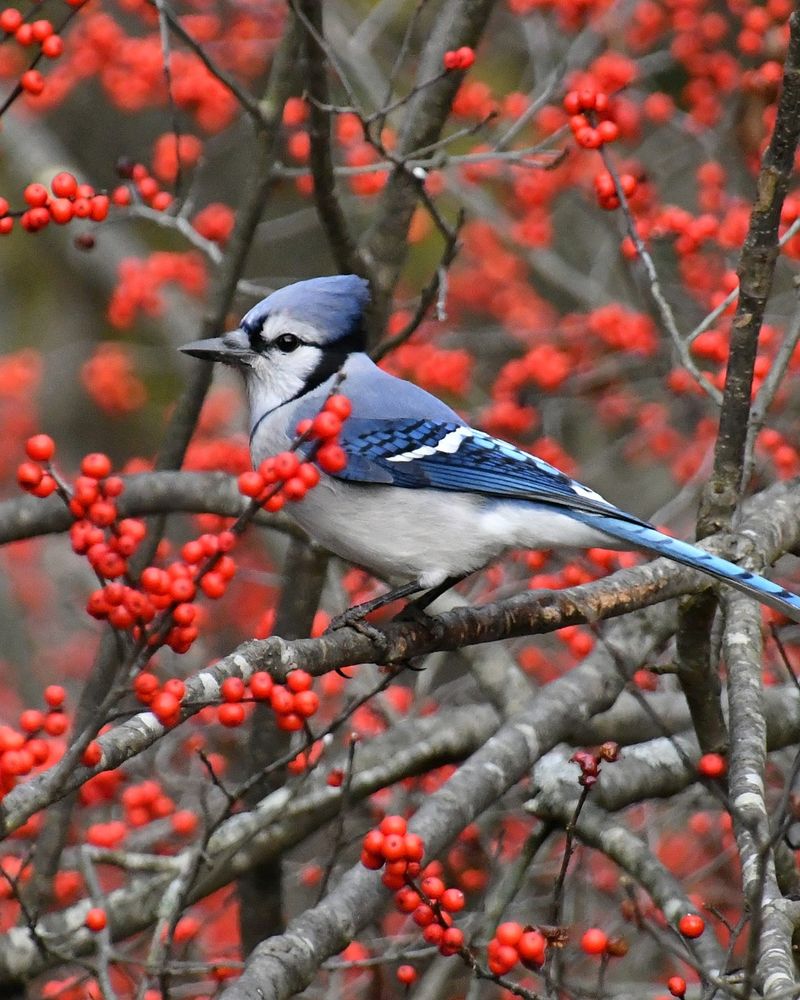
Nothing brightens a gray winter day like the fiery red berries of winterberry holly. Blue jays spot those bold colors from far away and come in for a closer look.
Unlike many hollies, this shrub loses its leaves in fall, leaving berries clinging to bare branches. That makes the fruit easy for jays to grab during the coldest months. When other food runs low, winterberry becomes a lifeline.
The berries stick around long into winter, offering steady nourishment when jays need it most. Birds gather at these shrubs during snowstorms and freezes. A yard with winterberry stays busy even in January.
Winterberry loves wet spots where other plants struggle. If you have a soggy corner or a rain garden, this shrub will thrive there. It turns a tricky area into a wildlife magnet.
To get berries, you need both a male and a female plant nearby. Only the female produces fruit, but she needs a male partner to pollinate her flowers. Planting a pair guarantees a colorful harvest.
These shrubs stay a manageable size, so they fit into most gardens with ease. They need little pruning and handle cold weather beautifully. Native to Pennsylvania, they feel right at home.
For a plant that shines exactly when jays are struggling, winterberry is tough to beat. It feeds them through the harshest stretch of the year while adding cheerful color to your yard. Blue jays will remember where to find those red berries all winter long.