Georgia Homeowners Could See Hundreds Of Boxelder Bugs Gathering Around Their Homes
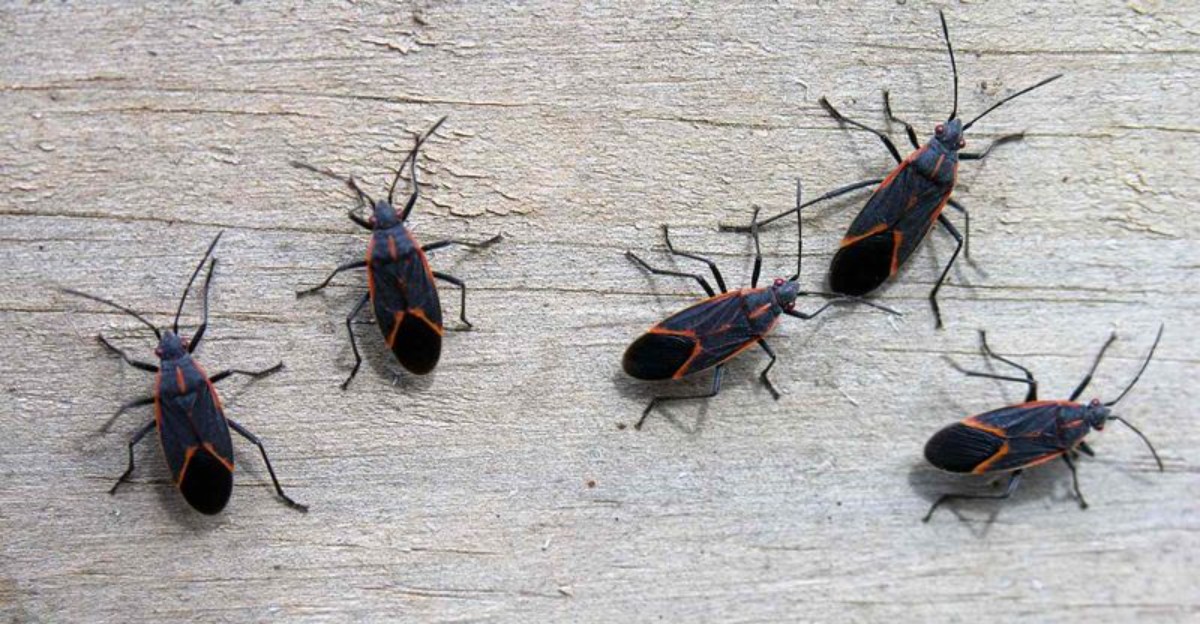
Just one sunny wall can attract hundreds of small black-and-red insects in one afternoon. They pile on siding, crawl around window frames, and sun themselves like tiny vacationers.
I still remember the first time I saw a whole corner of a porch covered with them.
The strange part is that they are not looking for food. They want shelter, and your house happens to feel like a warm hotel.
These visitors chemically signal each other, so one good spot can draw a crowd.
Here in Georgia, fall is when this show usually starts. The insects rarely bite, they leave your garden alone, and they cause no harm to wood or wiring.
Still, I can’t imagine anyone enjoying a few hundred of them drifting inside the living room.
Some houses attract hundreds of these insects while the neighbors barely see any. The answer has a lot to do with sunshine, trees, and tiny cracks.
1. Those Black And Red Bugs On Your Sunny Siding Are Hunting For Something
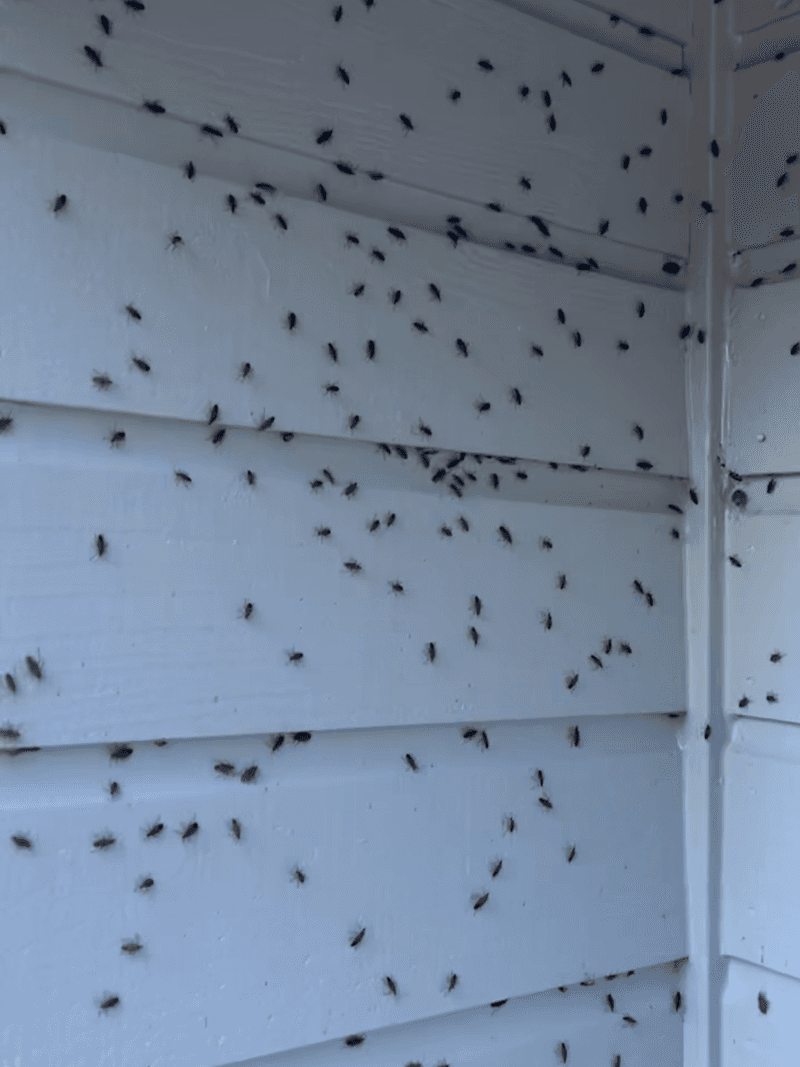
Bright afternoon sun on a south-facing wall works like a welcome mat for boxelder bugs. As days cool in fall, these insects start searching for a protected place to spend the winter.
Boxelder bugs can’t handle long stretches of cold out in the open. So they gather on warm surfaces first, soaking up heat while they look for cracks and gaps to crawl into.
South and west walls get the most sun, which explains why one side of your house may look crowded while the other stays almost empty.
In Georgia, the clusters often show up from September into November, depending on where you live. Folks in the mountains of north Georgia may see them earlier than people near the coast, where fall arrives later.
On warm winter days, you might spot a few again. Some bugs that slipped into walls wake up, get confused by the heat, and wander out, sometimes indoors.
I like to think of these gatherings as a waiting room. The bugs are not eating your siding or laying eggs on your house.
They are simply resting and looking for the best hiding spot before cold weather settles in for good.
2. Boxelder Bugs Are Mostly A Nuisance, Not A Threat
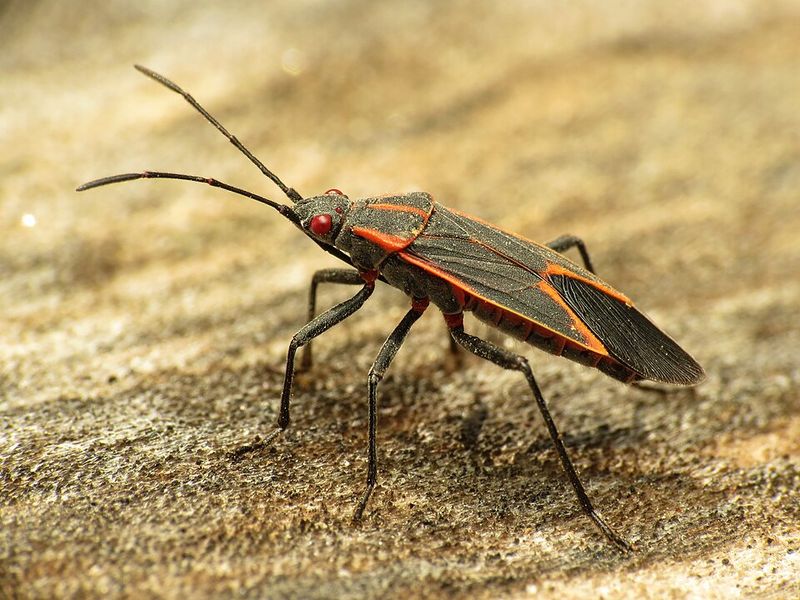
Relief is the first thing most homeowners feel once they learn what they are dealing with. Boxelder bugs, known to scientists as Boisea trivittata, are harmless to people, pets, and buildings.
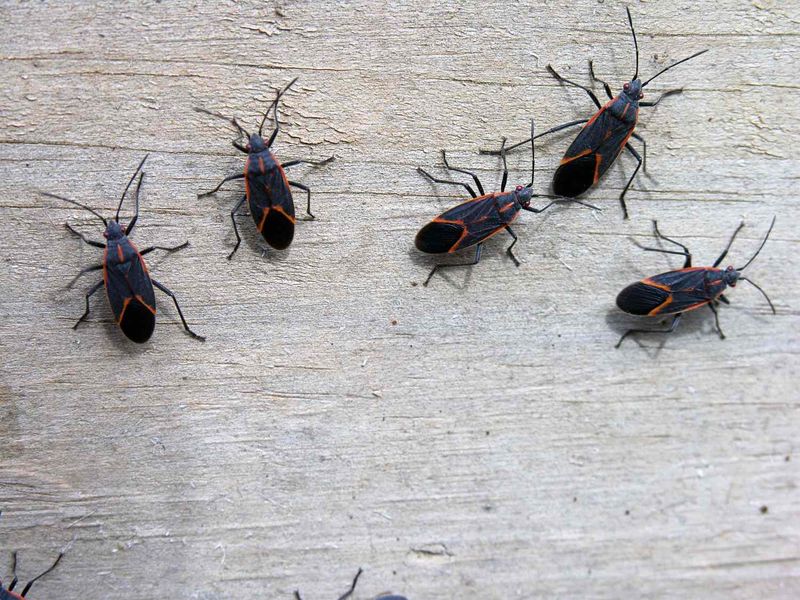
Adults measure about half an inch long. They have black bodies with reddish-orange lines along the back and wing edges.
Young bugs, called nymphs, are smaller and bright red, which makes them easy to spot on tree bark in summer.
Bites are rare. A boxelder bug might poke skin with its mouthparts if handled, but it causes only minor irritation at most.
They do not chew wood, spread disease, or damage wiring.
Indoors, they don’t breed or feed on your food. They mostly bumble around windows, looking for a way back outside toward light and warmth.
The main trouble is their numbers and the mess they can leave. Squashed bugs and their droppings may leave reddish stains on curtains, walls, and light fabrics.
Personally, I treat them like noisy houseguests who overstay a weekend. They are annoying, sure, but not dangerous.
Knowing that helps you skip panic and focus on calm, simple control steps that actually work.
3. Sealing Gaps Around Windows And Doors Keeps Boxelder Bugs Outside
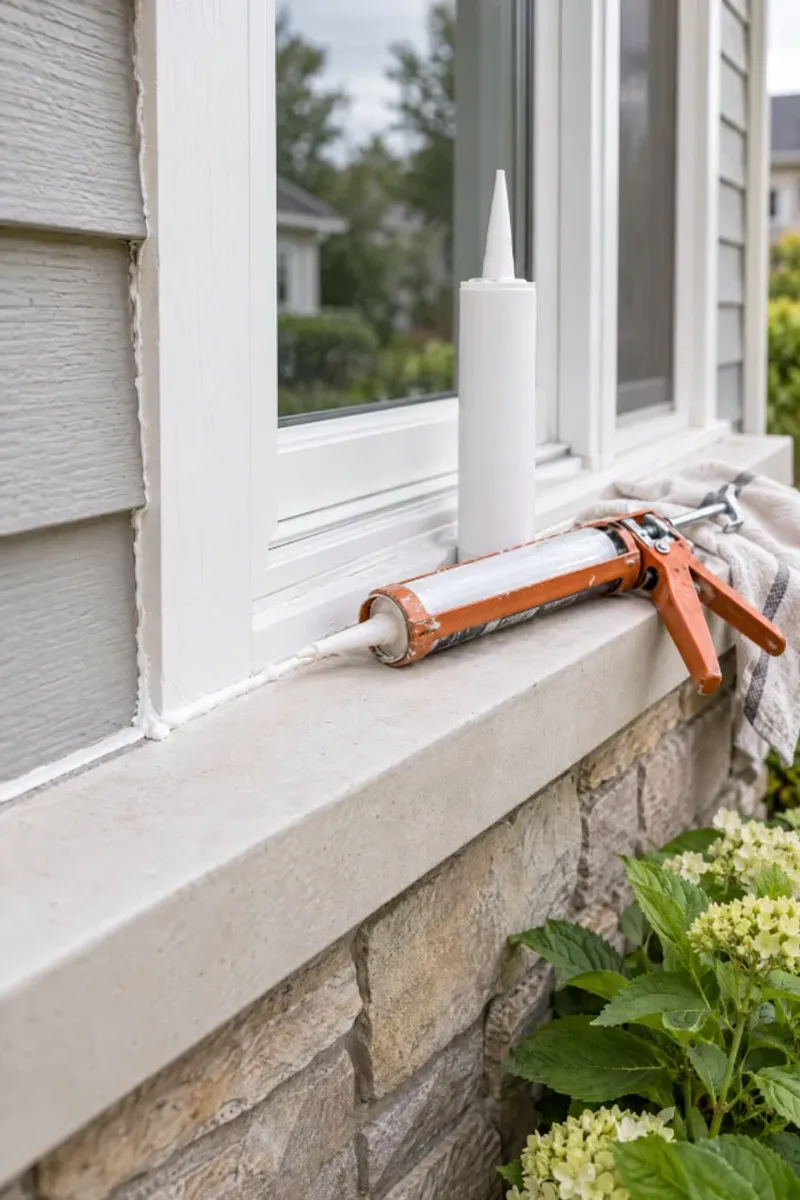
Caulk might be the most underrated bug tool in your garage. University extension experts agree that keeping boxelder bugs out is far easier than chasing them around inside.
Late summer or early fall is the best time to work, before the bugs start hunting for shelter. Walk around your home and look closely at windows, door frames, siding joints, and the spot where siding meets the foundation.
Seal small cracks with good-quality silicone or acrylic latex caulk. Larger openings around pipes, cables, and vents can be filled with expanding foam or covered with fine mesh screening.
Check window screens for holes and loose edges. Add or replace door sweeps so the gap under exterior doors closes up tight, and replace worn weatherstripping.
Attic and soffit vents deserve attention, too. Screen them with mesh so air flows but insects stay out.
You don’t need to be perfect to see results. Every crack you seal reduces the number of bugs that slip inside.
I like doing a slow walk around the house each September, caulk gun in hand, because a quiet afternoon of sealing saves months of vacuuming later.
4. A Vacuum Hose And A Garden Hose Handle Boxelder Bug Crowds
My favorite indoor tool for stray boxelder bugs is surprisingly ordinary. A vacuum with a hose attachment scoops them up fast without crushing them or leaving stains.
Empty the canister or seal the bag right away and toss it in an outdoor trash can. Some folks place the bag in the freezer overnight first so no escapees crawl back out.
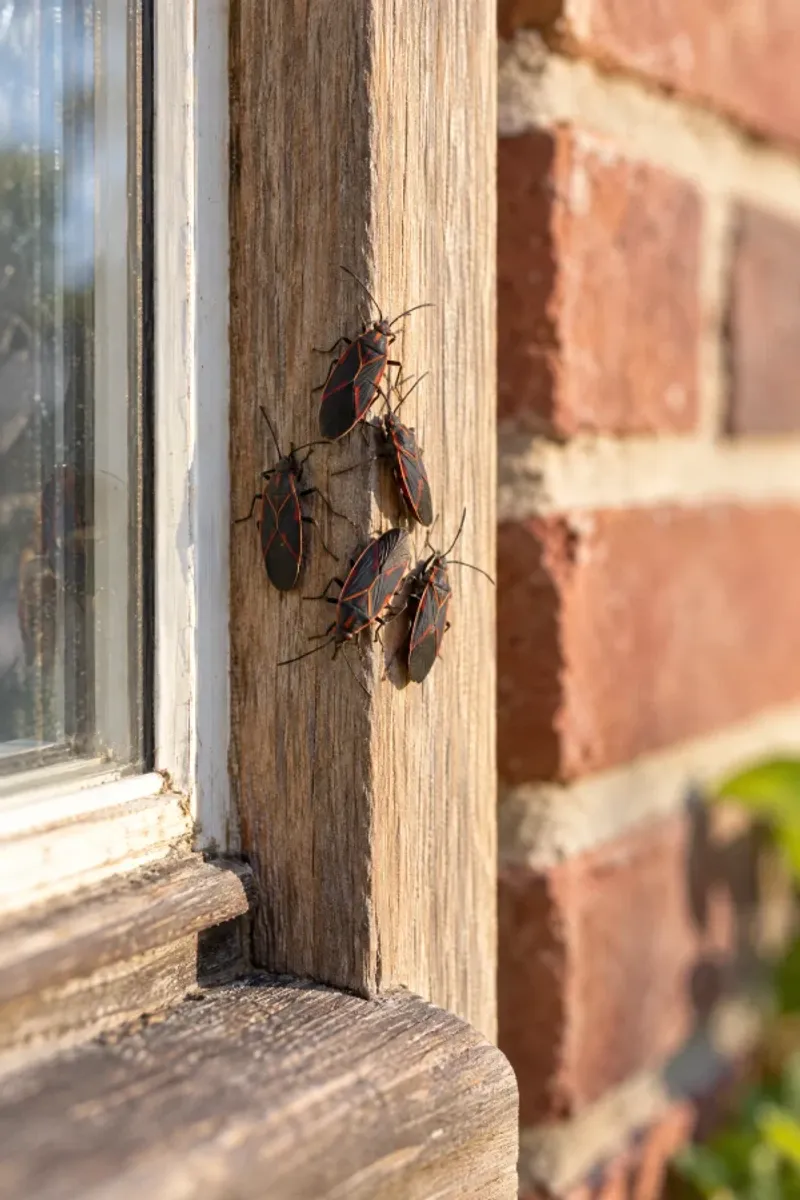
Outside, a strong spray from a garden hose knocks clusters off siding and window frames. It won’t solve the problem forever, but it breaks up the crowd and makes the wall less inviting for a while.
A bucket of soapy water also works. Brush or knock bugs into it, and the soap prevents them from climbing out.
Many extension specialists suggest insecticidal soap sprayed directly on outdoor clusters. It works only on contact, so you have to hit the bugs themselves.
Repeat these steps as needed during peak fall weeks. Boxelder bugs often keep arriving for several days in a row, especially after a cool night followed by a warm, sunny day.
Patience matters more than power here, and simple tools tend to beat harsh chemicals.
5. Squashing Boxelder Bugs Can Leave Smelly Red Stains
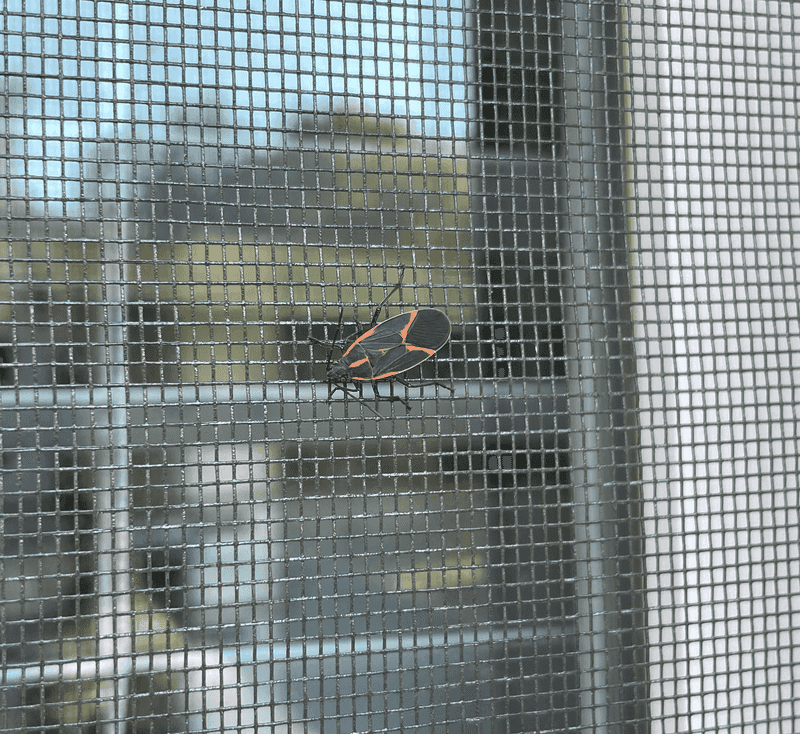
Quick reflexes can backfire with these bugs. Smacking a boxelder bug on a wall or curtain releases a strong, unpleasant odor and can leave a reddish-orange smear.
Those stains are tough to remove from light fabrics, painted walls, and carpets. Keep tissues and fly swatters away and reach for the vacuum instead.
Spraying insecticides indoors is another move experts discourage. Bugs that end up lifeless inside wall voids can attract carpet beetles and other scavenging pests, which may create a bigger headache than the original visitors.
Cutting down a female boxelder or maple tree may sound like a smart fix. In reality, these insects can fly long distances, often cited as up to two miles, so neighborhood trees can still supply plenty of bugs.
Bug zappers and sticky traps also do little against large clusters. They catch a few but miss the hundreds sunning on your walls.
Honestly, a calm, steady approach works best. Exclusion outside and gentle removal inside protect your home without making a mess.
You’ll save yourself stained linens, wasted money, and a lingering smell that nobody in the house wants to remember.
6. Female Boxelder And Maple Trees Can Draw Bigger Bug Crowds
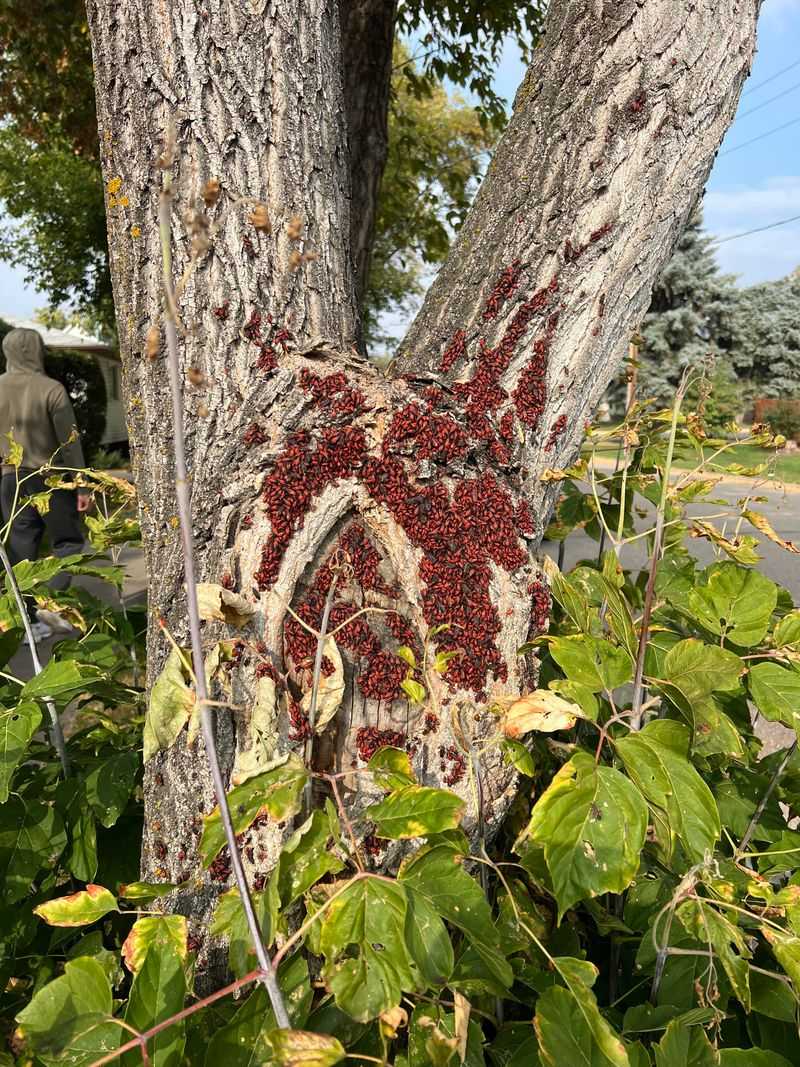
Trees in your yard may be quietly sending out invitations. Boxelder bugs feed mainly on seeds of female boxelder trees, which are a type of maple, and sometimes on other maples and ash.
Only female boxelder trees produce the winged seeds these insects love. Homes near those trees often see the heaviest fall gatherings because large summer populations grow right next door.
Feeding rarely harms the trees. You may notice a little leaf spotting, but healthy boxelders and maples handle it without real trouble.
Chemical signals add another twist. When a few bugs settle into a good shelter, they release aggregation pheromones that attract more of their kind, so a house that worked one year may become popular again.
Trimming branches that touch your roof or siding gives the bugs fewer easy bridges. Raking up fallen seeds and keeping leaf piles away from the foundation helps, too.
Did you know boxelder is native across much of the eastern United States, including Georgia? It supports wildlife and shades stream banks, so many gardeners keep these trees.
Understanding the connection lets you plan smarter instead of reaching for the chainsaw.
7. A Late Summer House Check Means Fewer Boxelder Bugs Next Fall
Next year’s bug season starts long before the first cool morning. A yearly routine in late August or early September can make your home far less attractive to boxelder bugs.
Start with a slow walk around the outside of the house. Look for new cracks, worn caulk, torn screens, and loose weatherstripping, then fix them before fall arrives.
Tidy the yard next. Move leaf piles, mulch heaps, and stacked boards away from the foundation, since these give bugs extra hiding spots close to your walls.
Keep notes on which walls got the most bugs this year. Those sunny sides deserve extra attention during your next inspection.
Some Georgia homeowners with severe problems hire a licensed pest professional. A pro can apply targeted treatments to exterior walls before the bugs arrive, which tends to work better than spraying after crowds gather.
I believe the real takeaway is simple. Boxelder bugs are a seasonal visitor, not a crisis, and a little planning keeps them mostly outdoors where they belong.
Seal, tidy, and watch those sunny walls, and you’ll likely enjoy a calmer, cleaner fall season next time around.