How To Give Fall Broccoli And Cauliflower Transplants A Strong Start In Georgia Heat
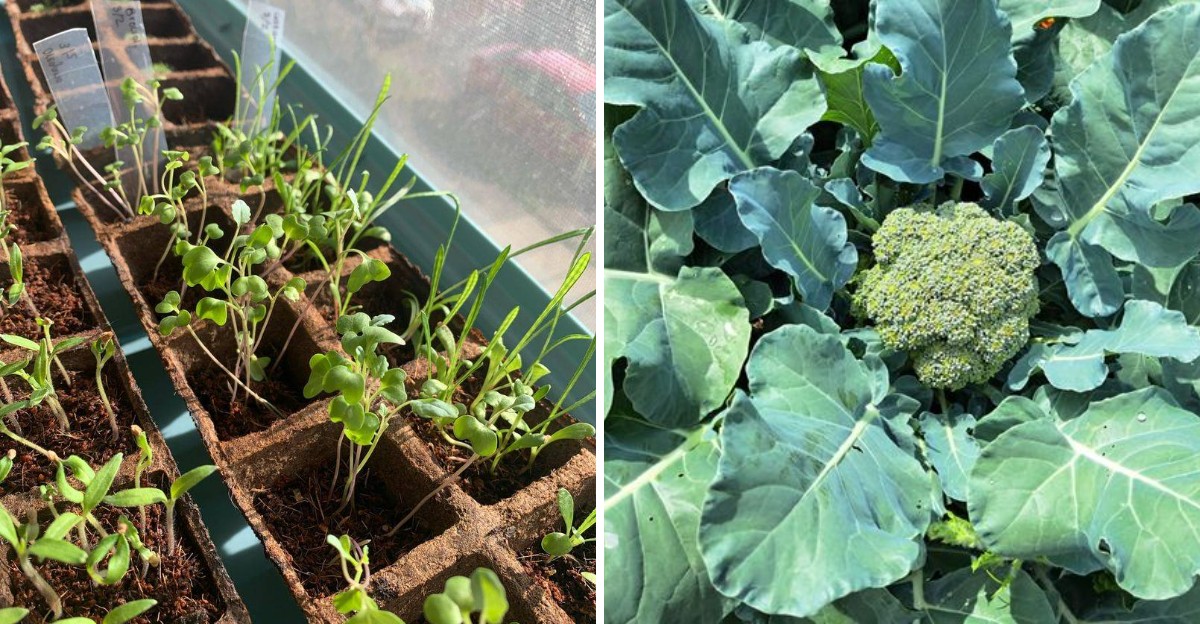
A tray of stocky broccoli and cauliflower transplants sits by the back door, roots ready to go, while the Georgia forecast still reads 93 degrees with a heat index pushing into the triple digits.
That’s the strange math of fall brassicas in this state. Cool season crops, asked to begin their lives in what still feels like the middle of summer.
The first two weeks after transplanting decide almost everything. A seedling that stalls in that early heat rarely goes on to form a full head later, no matter how much care follows afterward.
The good news is that none of the fixes are complicated or expensive. A handful of simple steps can carry young plants through the worst of it, right up until the nights finally start cooling off.
Here’s what actually gets a fall crop through a Georgia September.
1. Harden Off Seedlings Before Transplanting
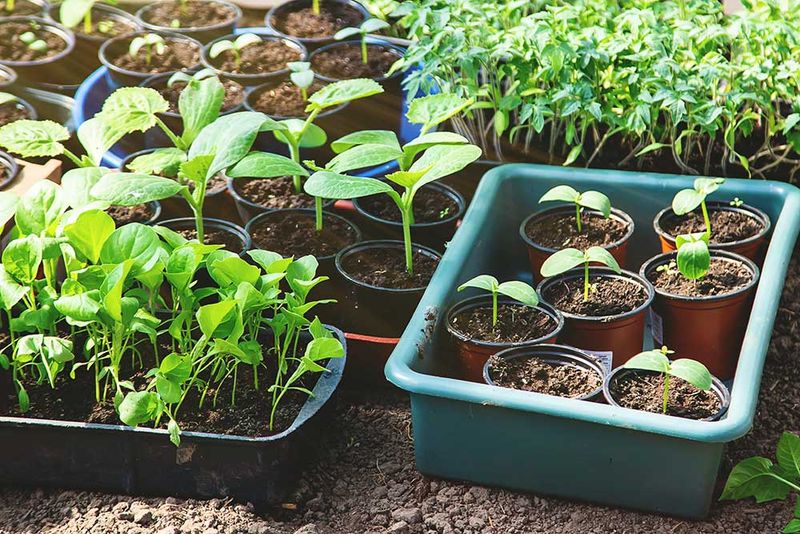
Seedlings raised under grow lights or inside a greenhouse have never met a Georgia afternoon. Their leaves are thin, their stems are soft, and late summer sun can scorch them in a couple of hours.
Hardening off simply means introducing plants to the real world in small doses. Set the tray outside in full shade for two hours on day one, then bring it back in. Add an hour or two each day, and let them catch gentle early morning sun by day three or four.
By the end of seven to ten days, the transplants should handle several hours of direct light and a warm breeze without collapsing. Easing back slightly on water during that stretch toughens the tissue, though the root ball should never dry out completely.
Broccoli and cauliflower both respond to stress by stalling, and cauliflower is the fussier of the pair. A plant slammed by heat and wind straight out of the tray may button later, forming a tiny head the size of a quarter instead of a full curd.
Buying transplants at a garden center does not guarantee they were conditioned outdoors. Ask the staff, or assume they were not and give the plants three or four days of your own gradual exposure.
That short delay costs almost nothing compared to replacing an entire bed of struggling plants in September, when good transplants get hard to find.
2. Use Shade Cloth For The First Week
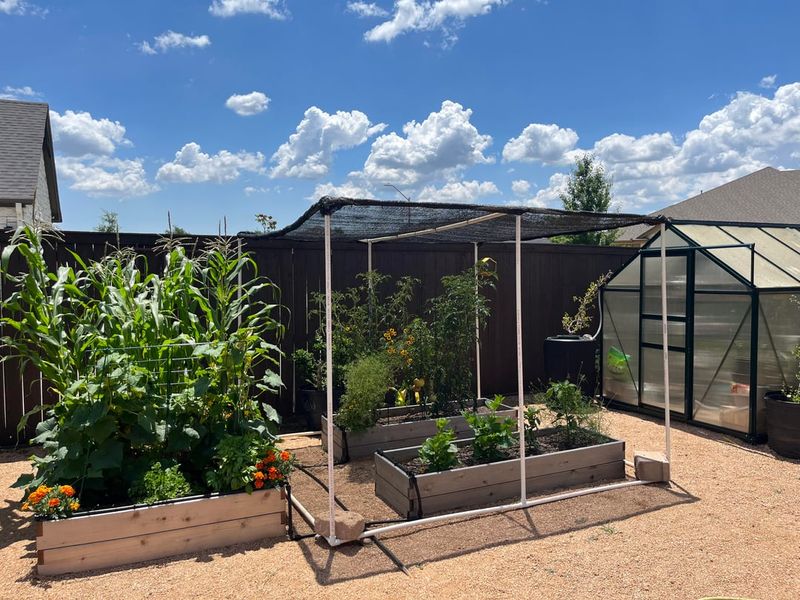
Ask any gardener who has planted brassicas in early September and you will hear about seedlings that looked fine at sunset and lay flat as pancakes by noon. A length of 30 to 40 percent shade cloth prevents most of that drama.
Hoops made from half inch PVC or bent wire work fine. Clip the fabric so it floats a foot or more above the plants and leave the sides open, because trapped hot air causes as much trouble as direct sunlight.
An old bed sheet, a scrap of row cover, or a piece of lattice propped on bricks will also knock back afternoon intensity. Concentrate coverage on the west side, since Georgia’s late day sun does the real damage between two and six in the afternoon.
Your Georgia Garden Changes Every Week. Your Plan Should Too.
Gardening in Georgia changes quickly throughout the season. Every Friday you’ll receive a simple weekly plan showing exactly what to plant, prune, fertilize, harvest, and protect so you never miss the right timing.
Keep the shade up for roughly seven to ten days while roots push into the surrounding soil. Once new leaves appear and the plants stop drooping every afternoon, pull the cloth so they can build the sugars a good head requires.
Shade left on too long produces stretched, floppy plants that topple in the first hard rain. Treat it as a temporary tent rather than permanent housing.
Insect netting over those same hoops earns its keep afterward, blocking cabbage worms and harlequin bugs while the weather slowly cools down.
3. Water Consistently Through Lingering Heat
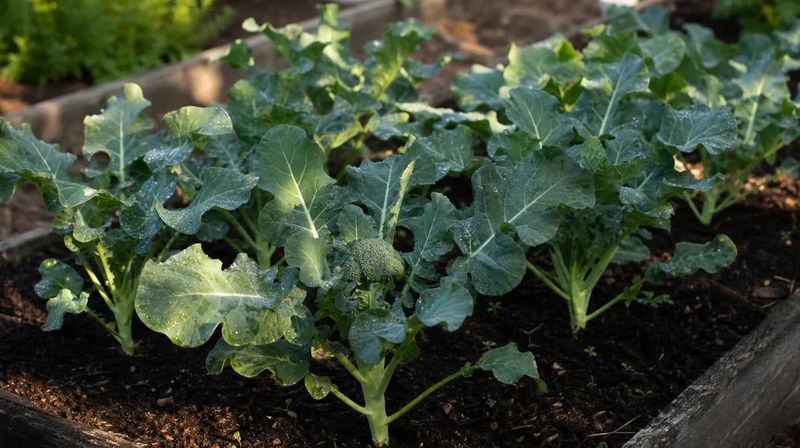
Root balls on a fresh transplant hold maybe a cup of soil, which in ninety degree weather can dry out before dinnertime. That tiny volume is the whole reason watering matters more during week one than at any other point in the season.
Soak each plant thoroughly at planting so soil settles around the roots and air pockets disappear. For the next several days, check the top inch of soil morning and evening with your finger instead of guessing.
UGA Extension generally points home gardeners toward about an inch of water per week for vegetables, but young fall transplants sitting in hot soil often need a light drink daily until roots spread.
Once they establish, switch to deeper and less frequent soakings that encourage roots to chase moisture downward.
Drip line or a soaker hose beats overhead sprinkling here. Wet leaves during warm, humid Georgia evenings invite black rot and downy mildew, neither of which belongs in a cauliflower bed.
Uneven moisture creates problems you will not notice for weeks. Broccoli that dries out repeatedly tends to bolt early or form loose, uneven heads, while cauliflower may throw a small premature curd and quit growing.
A rain gauge or an empty tuna can set in the bed keeps you honest, since a passing thunderstorm rarely soaks in as deeply as it feels standing on the porch.
4. Mulch To Keep Roots Cooler
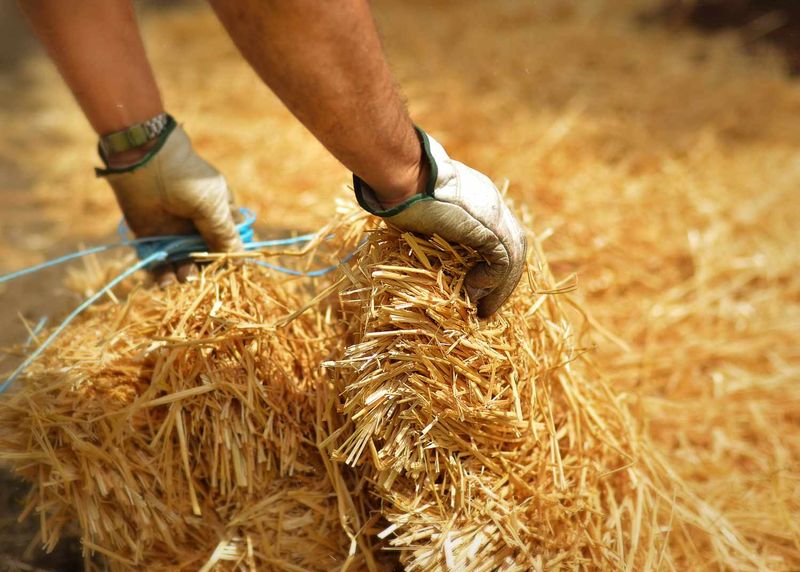
Bare soil in a sunny Georgia bed can climb past 100 degrees in the top couple of inches during early September, and brassica roots basically quit working at that temperature. Two to three inches of mulch drops that reading noticeably.
Pine straw, wheat straw, shredded leaves, or untreated grass clippings all do the job. Spread the material after planting and watering, then pull it back an inch from each stem so the crown stays dry and slugs lose a hiding spot.
Beyond cooling, mulch slows evaporation, so the water you apply stretches further between waterings. It also smothers the weeds that would sprout happily in the warm, moist soil you just created.
Lighter colored mulches reflect more sunlight than dark compost, a small edge while temperatures stay high. Pine straw is easy to find across the state, stays put on slopes, and breaks down slowly enough to last through harvest.
Skip mixing fresh wood chips into the planting hole, where they can tie up nitrogen exactly when young plants need it most. Chips belong on the surface only.
By late October that same layer switches jobs, helping hold warmth in the soil through the first cold snaps. One afternoon spent spreading straw quietly pays off in both directions, which is rare in gardening.
5. Transplant In The Evening Not Midday
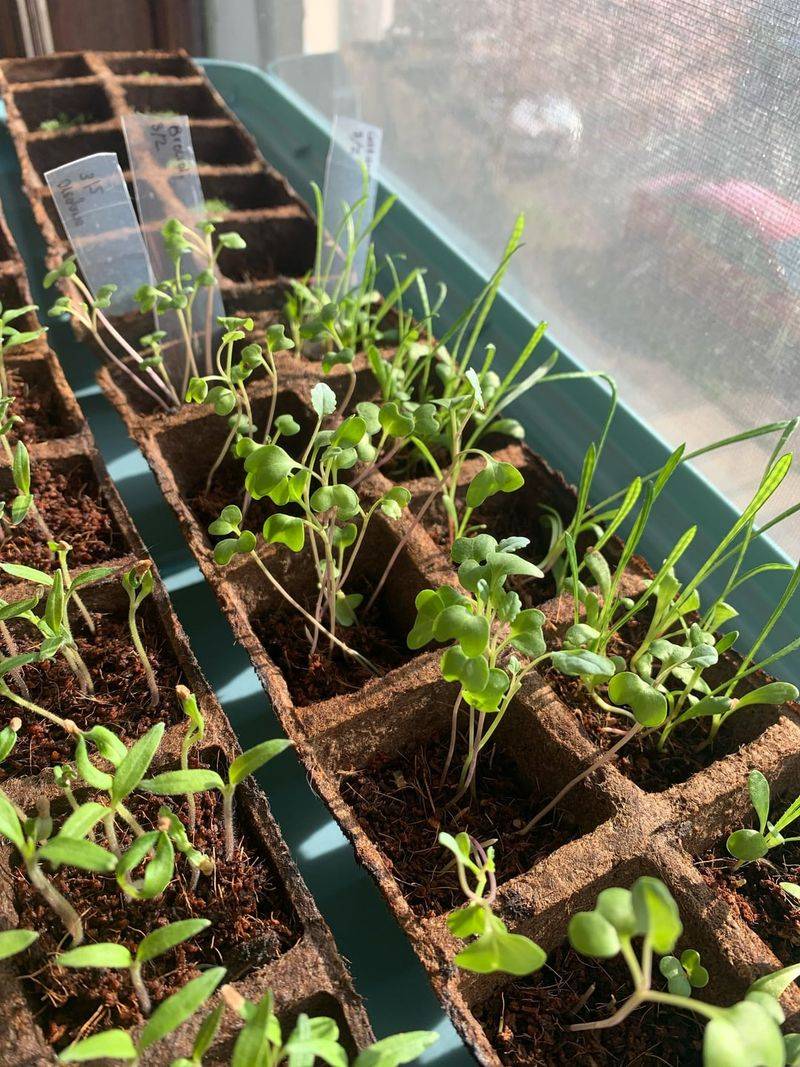
Planting by the clock is a small trick with an outsized payoff. Setting transplants out after five or six in the evening hands them roughly twelve hours of cooling darkness before the sun gets a chance to test them.
During those hours, roots begin knitting into the surrounding soil and the plant replaces water lost during handling.
The same seedling planted at one in the afternoon spends its first hours fighting evaporation with a disturbed root system.
An overcast, drizzly day works just as well when the forecast cooperates. Plenty of Georgia gardeners watch for a front moving through in late August or September and get their plants in right ahead of it.
Keep trays shaded and watered while you dig, and carry only a few plants at a time from tray to hole. Roots exposed to hot air for even a couple of minutes can set a plant back a full week.
Set each transplant slightly deeper than it grew in the cell, firm the soil gently, and water immediately rather than waiting until the whole row is finished. A starter solution helps roots get moving, though a soil test tells you what your bed actually needs.
Walk the row the next morning to check for wilting and straighten any plant that settled crooked. Five minutes of touch up beats replacing seedlings later.
6. Watch For Fast Improvement As Nights Cool
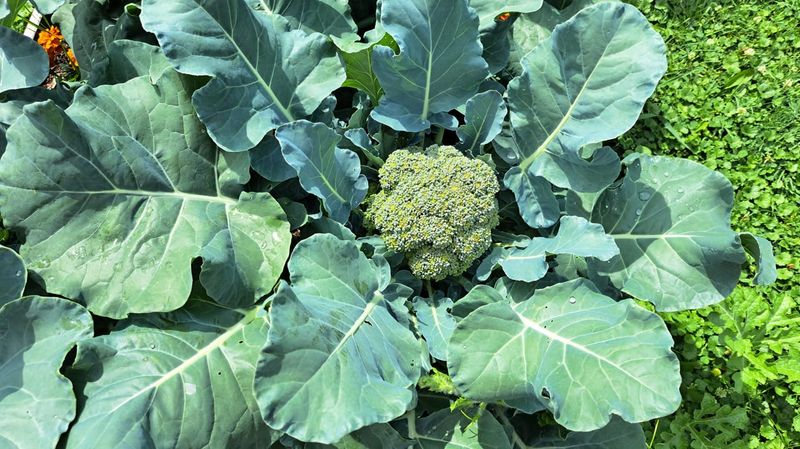
Something shifts in Georgia gardens once nighttime lows settle into the sixties and then the fifties. Brassicas that looked sulky and pale for two weeks start pushing out broad blue green leaves almost overnight.
Warm nights force plants to burn through sugars made during the day, leaving little left over for growth. Cooler nights slow that burn, so more energy goes into leaves, stems, and eventually heads.
In north Georgia the turn often shows up in mid to late September, while gardeners closer to the coast may wait until well into October. Either way, the change is obvious enough that you will spot it without checking a thermometer.
Treat that growth spurt as a signal to shift gears. Pull off any remaining shade cloth, side dress with a nitrogen source roughly three to four weeks after transplanting, and keep watching for cabbage loopers, which stay busy until real cold arrives.
Flavor changes too. Cool nights raise sugar levels in broccoli and cauliflower, which is why fall heads from a Georgia garden usually taste sweeter and milder than spring ones.
Plants that limped along early often catch up completely during this stretch. A seedling that lost a few lower leaves to sunburn is rarely a lost cause, so hold off on pulling anything until you see how it responds to the first cool spell.
7. Patience Now Sets Up A Strong Fall Crop
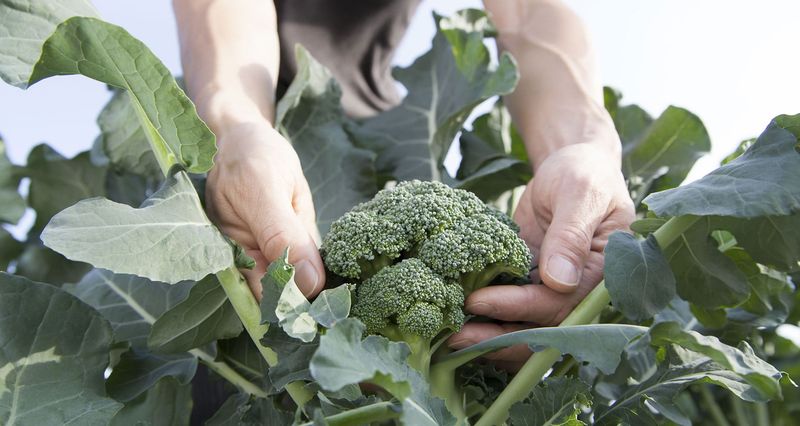
Everything about fall brassicas rewards planning backward instead of forward.
Look up the average first frost date for your county, count back the days to maturity printed on the plant tag, then add two or three weeks of buffer for slower growth in short autumn days.
North Georgia often sees first frost in mid to late October, middle Georgia in early to mid November, and the coastal plain later still.
Broccoli generally needs 55 to 75 days from transplant and cauliflower a bit longer, which is why planting windows across the state can differ by a month or more.
A light frost is no emergency. Both crops handle a touch of cold well, and broccoli shrugs it off better than cauliflower, so the frost date works as a guide rather than a hard deadline.
The genuinely hard part is those first two weeks. Hardening off, evening planting, temporary shade, steady water, and mulch are each small chores, and skipping any one of them during a hot September can cost you the crop.
Gardeners who handle that stretch well usually spend October simply watering, weeding, and waiting. Check with your county Extension office for local transplant windows, since Georgia stretches across several planting zones.