9 Trees and Shrubs With Bark So Stunning They Steal the Show in New York Winters
A small tree from central China reached American gardens in 1907, and its peeling bark still stops people mid-step. Plant hunter Ernest Wilson collected it, though he could hardly have guessed it would one day brighten New York yards in January.
Once winter strips away the leaves, trunks and twigs suddenly become the main event in a sleepy yard. Bark can glow coral red on young stems or curl back in thin, papery sheets like old scrolls.
It’s surprising how much color can hide in a garden that looks gray from the kitchen window. A few well-chosen woody plants can keep your yard lively from December straight through the end of March.
The nine picks below can handle New York’s cold, and a few even grow wild in local forests. Which one would you want glowing outside your window during the next big snowfall?
1. Paperbark Maple
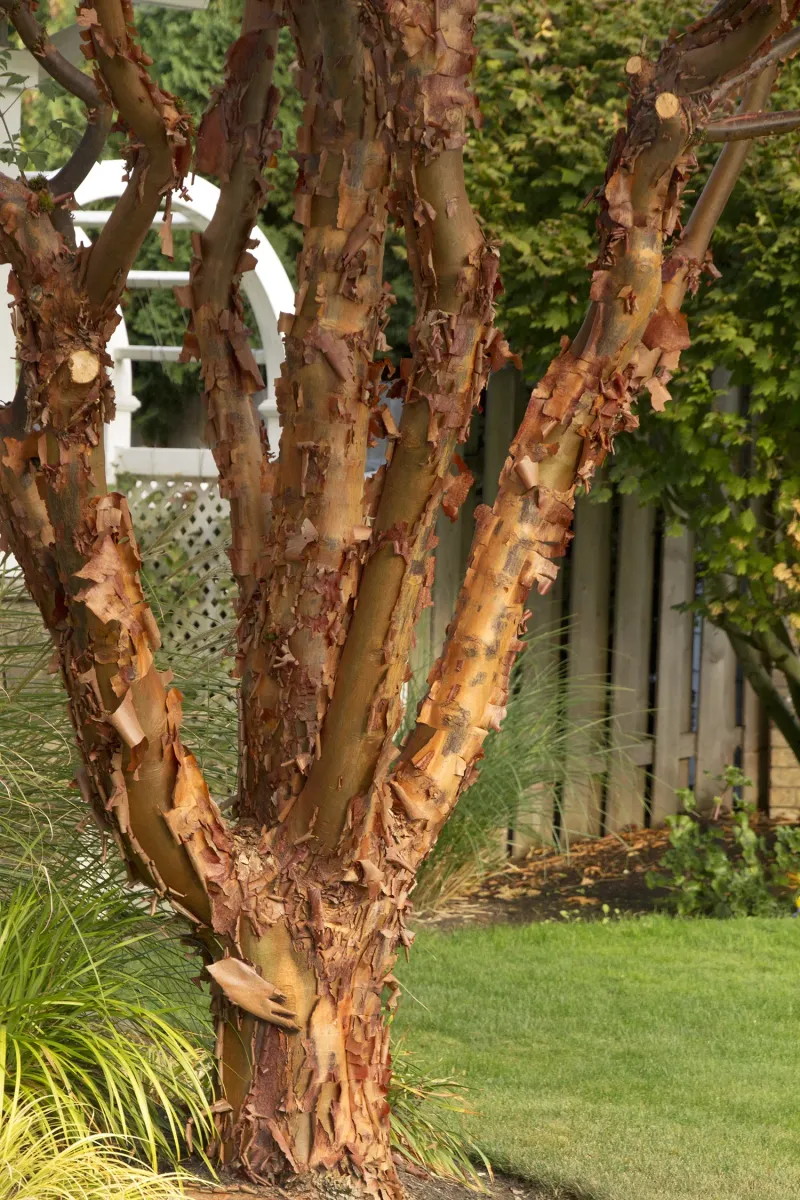
Cinnamon-colored bark curls off this maple in thin sheets, almost like someone shaved chocolate onto the trunk. On a sunny February afternoon, the light shines through those curls and makes the whole tree seem to glow.
Paperbark maple, or Acer griseum, comes from central China and stays fairly small at twenty to thirty feet. That modest size lets it fit nicely near a patio or a window you look out every single day.
It handles USDA Zones 4 through 8, so it suits most New York gardens outside the coldest mountain pockets. I’d plant it where you pass by often, because the bark rewards a close look more than a distant glance.
Give it moist, well-drained soil that leans slightly acidic, plus full sun or light afternoon shade. Young trees appreciate a deep weekly drink during dry summer spells while their roots settle in.
Growth is slow, which feels frustrating at first but means very little pruning down the road. If a limb breaks, trim it in summer, since maples tend to bleed sap in late winter.
Fall brings another treat, as the three-part leaves turn shades of red and orange late in the season. Pests and diseases rarely bother it much, which makes it a fairly relaxed tree to own.
One tip worth remembering is to keep mulch away from the trunk so the bark stays easy to see. A ring of mulch two or three inches deep, pulled back from the base, works well.
2. Coral Bark Japanese Maple
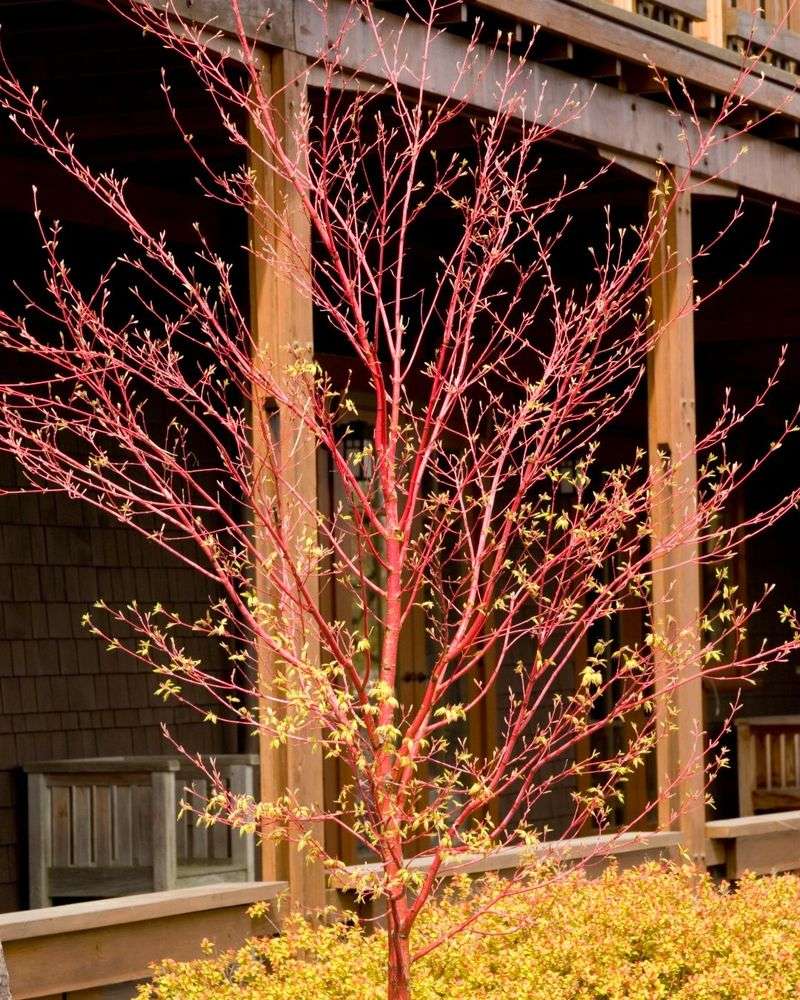
Some people swear the stems of this maple look lit from inside once the leaves drop each fall. Young branches of ‘Sango-kaku’ turn a bright coral red, and the color gets stronger as temperatures fall.
Against fresh snow, the effect feels a bit like spotting a warm fireplace through a frosty window. I can see why designers love placing one near an entry where guests notice it right away.
This Japanese maple cultivar usually reaches about twenty to twenty-five feet, with an upright, vase-like shape. Spring leaves open yellow-green with reddish edges, then turn a soft golden yellow before dropping in autumn.
It is rated for USDA Zones 5 through 8, so colder upstate spots can be a stretch. A sheltered location away from harsh winter wind helps protect thin bark and tender twig tips.
Plant it in moist, well-drained soil rich in organic matter, and water deeply through its first two summers. Morning sun with some afternoon shade keeps the leaves from scorching during those hot July stretches.
The brightest color shows on newer growth, since older wood gradually fades to a duller tan or green. Light pruning in late summer or fall keeps fresh shoots coming without stressing the tree too much.
A fun detail worth sharing is that the name Sango-kaku roughly means coral tower in Japanese. Once you see one glowing beside a snowy walkway in January, that name makes perfect sense.
3. River Birch
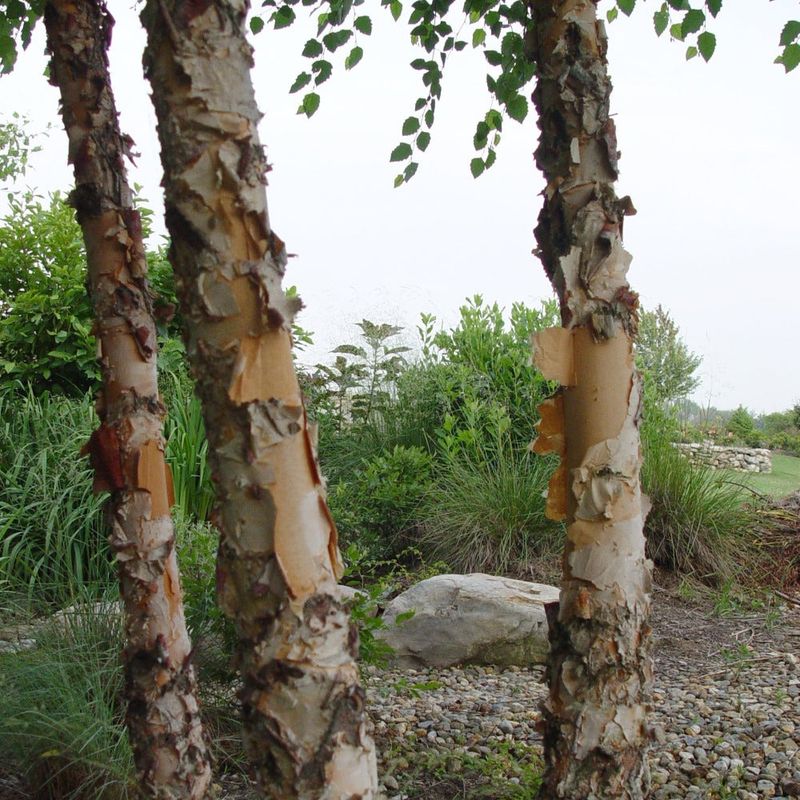
Few native trees peel with as much flair as river birch, shedding papery curls in salmon and cream. Kids love tugging at the loose bits, though I’d gently suggest letting the tree keep its fancy outfit.
Betula nigra grows wild along streams in parts of the Northeast, including the southeastern corner of New York. It handles USDA Zones 4 through 9, so cold winters rarely give it much trouble at all.
Expect a fast grower that often reaches forty to seventy feet, frequently sold with several trunks. Multi-trunk forms show off more bark, which is exactly what you want for winter viewing from inside.
Unlike many white-barked birches, river birch resists the bronze birch borer, a beetle that troubles other species. That toughness makes it a smarter choice for home landscapes, especially in warmer or drier spots.
Moist, acidic soil keeps it happiest, and it even tolerates occasional flooding near ponds or low areas. In alkaline soil, leaves may turn yellow, so a quick soil test before planting saves headaches later.
Water deeply during summer droughts, because birches stressed by dry soil tend to drop leaves early. Pruning works best in summer or fall, since birches bleed sap heavily when cut in late winter.
The cultivar ‘Heritage’ is popular for its especially pale, peeling bark that brightens gray winter days. Plant it where low afternoon sun can backlight those curls, and you’ll understand the hype quickly.
4. Tibetan Cherry
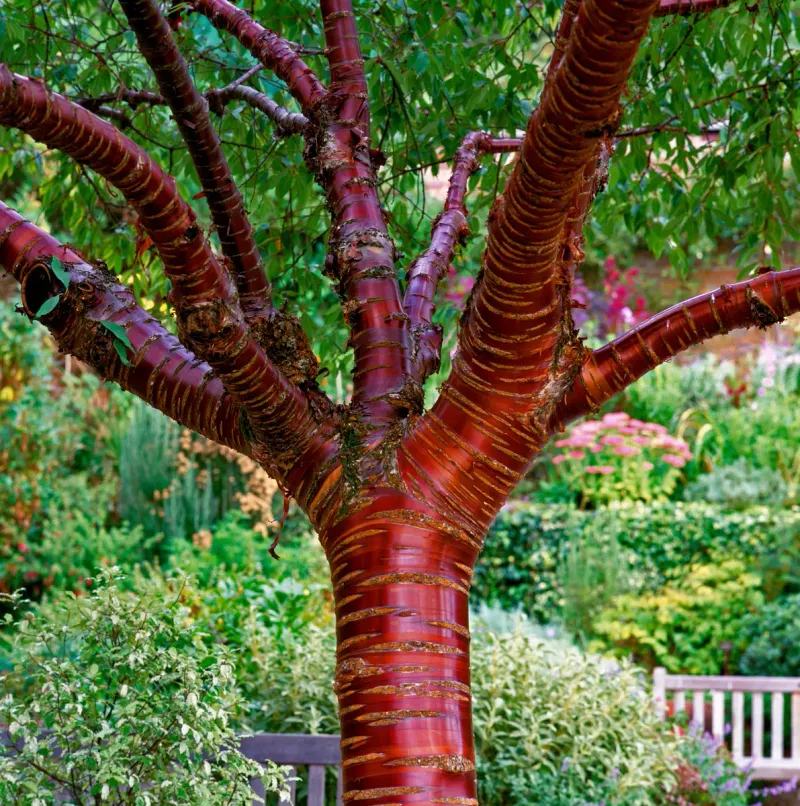
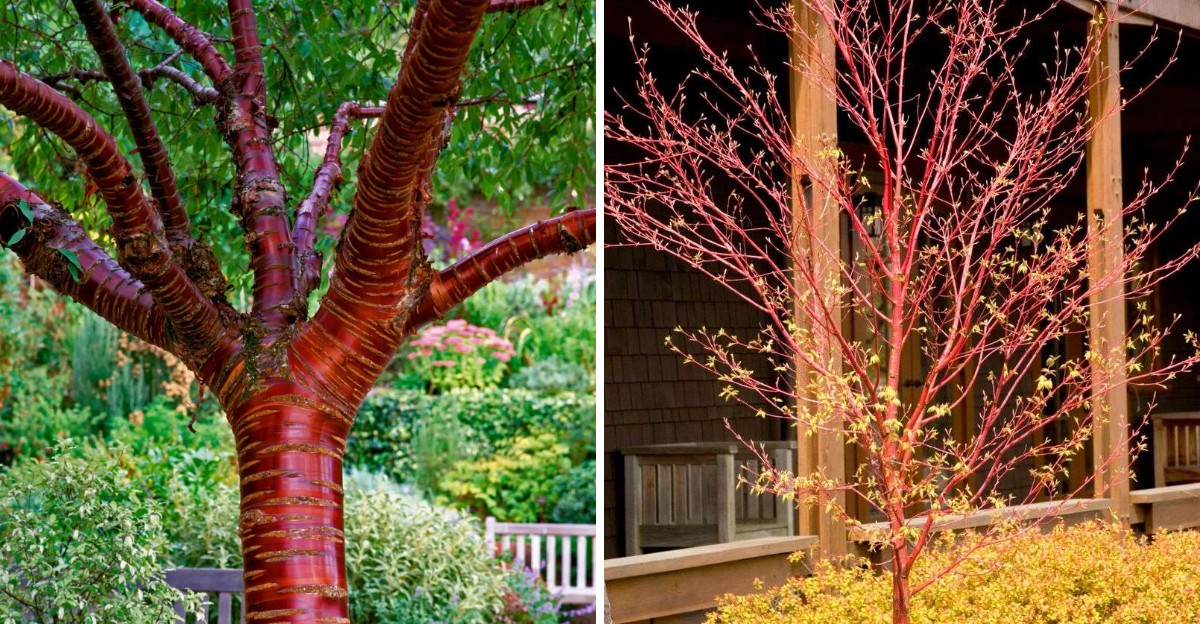
Gardeners in England are known to rub the trunk of this cherry, just to keep its shine bright. The bark of Prunus serrula looks like polished mahogany, with glossy red-brown bands that catch winter light.
Thin strips peel away horizontally, revealing fresh coppery layers that seem even shinier than the layers before them. I could be wrong, but I think it might be the most touchable tree on this whole list.
This tree comes from western China and typically grows twenty to thirty feet tall with a rounded crown. Small white flowers appear in spring, though they’re modest and mostly hidden by the new leaves.
Most references rate it for USDA Zones 5 or 6 through 8, so placement matters in colder regions. Give it a sheltered, sunny spot, and avoid low pockets where frigid air settles on still nights.
Fertile, moist, well-drained soil keeps it growing steadily, while soggy ground can lead to root problems. Water deeply during summer dry spells, especially for the first couple of years after you plant it.
Prune lightly in mid-summer, because cherries cut in cold, wet weather are more prone to infection. Removing low branches over time helps expose more of that gleaming trunk for easy winter viewing.
Narrow, willow-like leaves turn yellow in fall, giving a short burst of color before the bark takes over. Plant it near a path and you’ll probably find yourself reaching out to touch it too.
5. Japanese Stewartia
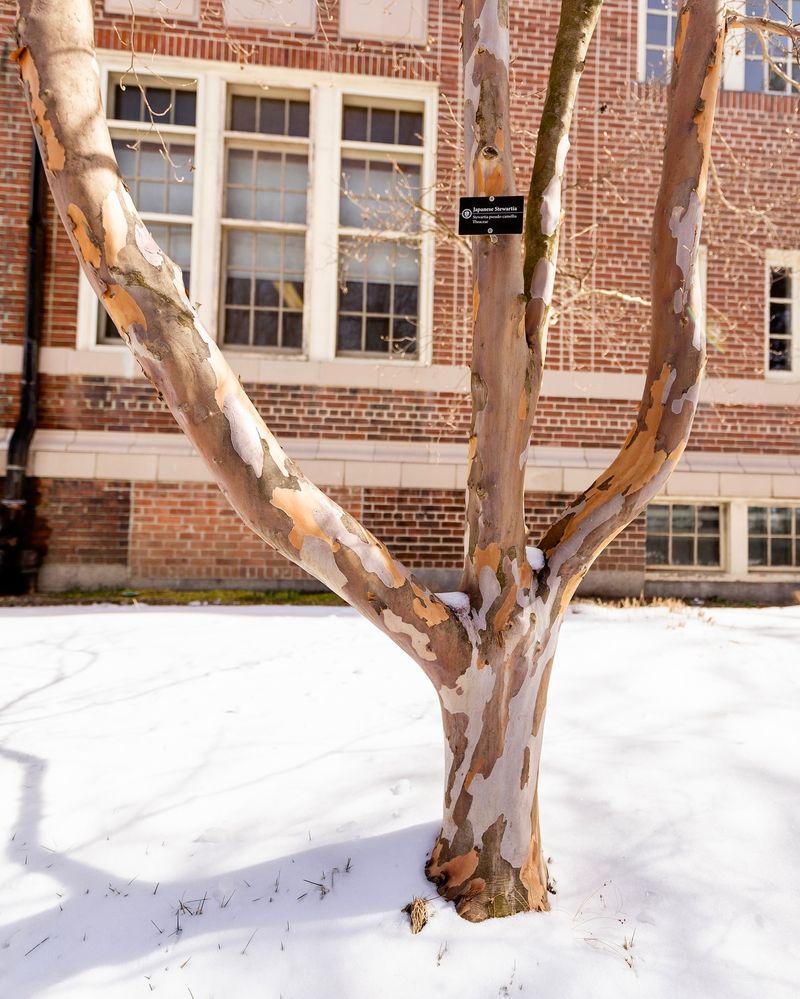
Camouflage patterns in gray, orange and cinnamon cover the trunk of this tree like a natural paint-by-number. Japanese stewartia earns its spot in winter because that mottled bark looks different from every angle.
Older trunks show the best patchwork, so patience pays off as the tree matures over several years. Young plants still look attractive, but the full mosaic tends to develop as the trunk thickens.
Stewartia pseudocamellia typically reaches twenty to forty feet, with a neat, pyramidal to oval shape in home landscapes. It suits USDA Zones 5 through 8, which covers much of New York outside the coldest highlands.
Summer brings white, camellia-like flowers with orange centers, opening a few at a time for weeks. Fall color can turn orange or deep reddish purple, so the show carries on before winter arrives.
Moist, acidic, well-drained soil rich in organic matter suits it best, much like what azaleas prefer. Afternoon shade helps in hotter spots, and steady watering keeps leaves from browning during dry spells.
It dislikes being moved, so pick its spot carefully and plant a young tree rather than a large one. Pruning needs are minimal, mostly removing crossing or broken branches after flowering ends in summer.
What I find charming is how quiet it seems until you walk close enough to notice the patterns. Place it near a bench or window, and winter mornings become a little treasure hunt.
6. Red Twig Dogwood
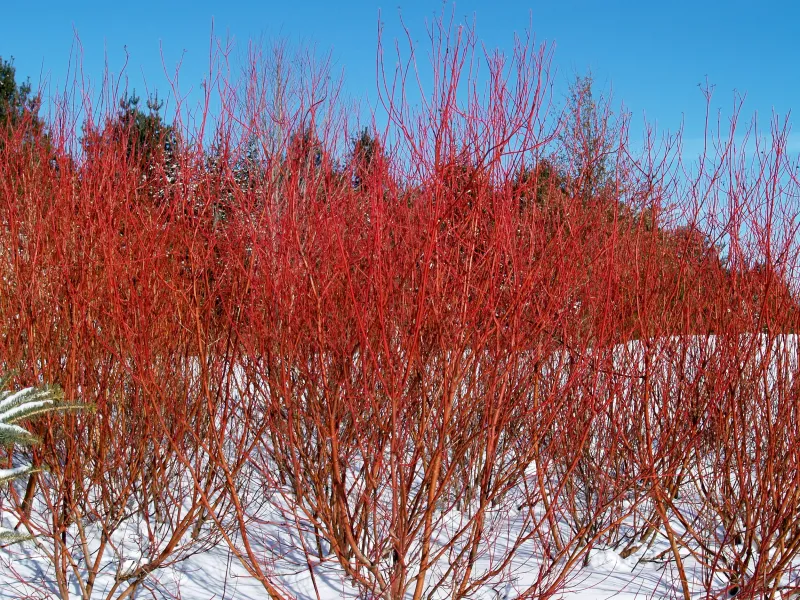
Bright red stems poking out of snow look almost like someone planted candy canes along the fence. Red twig dogwood is the shrub responsible, and it brings serious color to the winter yard.
Cornus sericea, also called red osier dogwood, grows wild across much of the state, including wet meadows. Being native means local birds know it well and happily eat its small white berries in late summer.
It handles USDA Zones 3 through 7 with ease, so cold snaps rarely faze it one bit. Shrubs usually grow six to nine feet tall and spread wide by sending up new stems.
Full sun brings the richest red, while shade tends to dull the color and thin the plant. Moist soil suits it well, and it tolerates wet spots where other shrubs often struggle to grow.
Color is brightest on young stems, so regular pruning matters more here than with most shrubs. In late winter or early spring, cut about a third of the oldest stems near the ground.
That simple habit keeps fresh red growth coming each year and stops the shrub from looking tired. Some gardeners cut the whole plant back every few years, which also refreshes it quite nicely.
I love pairing these with evergreens, since dark green needles make the red stems pop even more. Cut a few stems for holiday containers, and they’ll hold their color outdoors for weeks on your porch.
7. Kousa Dogwood
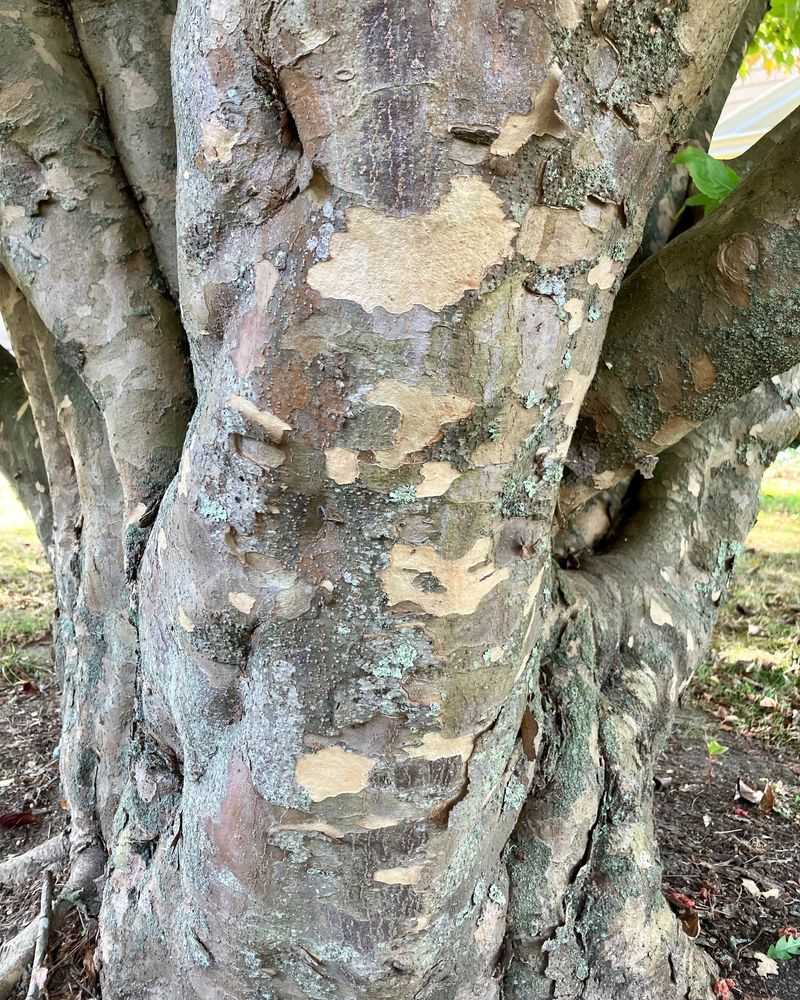
Most people praise kousa dogwood for its starry June flowers, but older trunks deserve just as much applause. The bark peels in patches of tan, gray and brown, forming a pattern like a puzzle.
That jigsaw look usually develops as the tree matures, becoming more striking with each passing year. I find it fascinating that a tree so busy in summer still has surprises left for winter.
Cornus kousa, native to East Asia, typically grows fifteen to thirty feet tall with layered, horizontal branches. Those tiered limbs hold snow beautifully, creating soft white shelves after a quiet storm overnight in January.
It grows well in USDA Zones 5 through 8, fitting most yards in the lower half of New York. Plant it in moist, well-drained, slightly acidic soil, with full sun or some light afternoon shade.
Compared with our native flowering dogwood, kousa shows better resistance to anthracnose, a common leaf disease. That toughness makes it a popular choice where flowering dogwoods have struggled in the past few decades.
Late summer brings pinkish-red fruit that looks a bit like raspberries, and it’s edible though rather seedy. Birds and squirrels often get there first, so I wouldn’t count on a big homegrown harvest.
Pruning is light work, mostly removing crossing or broken branches during late winter while the tree is bare. Raising the lowest limbs over time helps show off that lovely patchwork trunk from your window.
8. American Sycamore
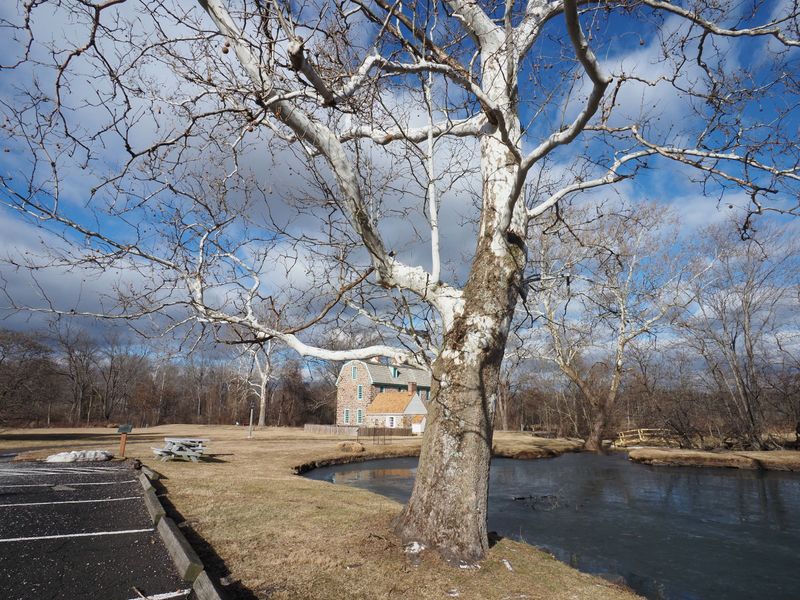
Ghostly white upper branches make the American sycamore easy to spot along rivers, even from a moving car. Old bark flakes away in patches, leaving a camouflage of brown, olive and creamy white below.
Platanus occidentalis is native to New York and grows naturally along streams and river bottoms throughout the region. Against a gray winter sky, those pale limbs almost seem to glow softly, especially near sunset.
Size is the big catch, since mature trees commonly reach seventy-five to one hundred feet tall. This is a tree for large properties or wide open parkland, not cramped city lots or tiny yards.
It thrives in USDA Zones 4 through 9 and loves moist, deep soil, though it adapts fairly well. Full sun suits it best, and young trees grow quickly once their roots get well established.
Anthracnose, a fungal disease, can brown spring leaves during cool, wet weather, but trees usually recover by summer. Raking up fallen leaves in autumn reduces the spores that carry the problem into next season.
You might find it hard to believe, but sycamore leaves can grow wider than a dinner plate. Those big leaves and seed balls mean some cleanup, so plant it away from patios and pools.
Wildlife appreciates it too, since hollow trunks on older trees can shelter birds and other animals. Pruning is minimal, mostly removing broken limbs in winter when the structure is easy to see.
9. Shagbark Hickory
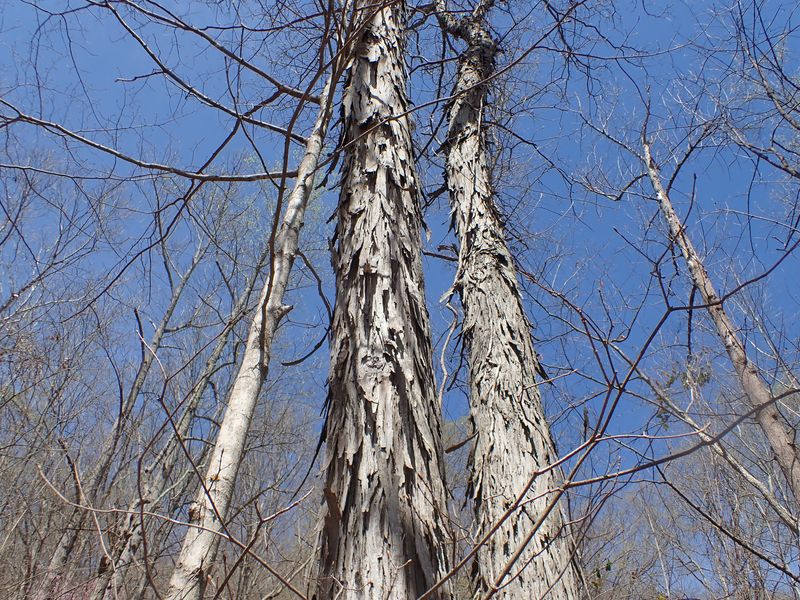
Long gray strips peel away from shagbark hickory, curling at the ends like a tree that needs a haircut. Each strip stays partly attached, giving the trunk a rugged, shaggy look that’s hard to mistake.
Endangered Indiana bats are known to roost beneath that loose bark during warmer months of the year. I can see why wildlife experts value older hickories left standing on farms and in backyards.
Carya ovata is native to New York and suits USDA Zones 4 through 8 without much fuss. Trees grow slowly but can eventually reach sixty to eighty feet, sometimes taller in good sites.
Deep, rich, well-drained soil and full sun help it settle in, though patience is part of the deal. A long taproot forms early, so young seedlings transplant far more easily than larger nursery trees.
Many gardeners start with a small container tree or even plant a nut directly where they want it. Squirrels may dig up buried nuts, so a wire cage over the spot can help quite a bit.
Sweet, edible nuts arrive in fall, though trees usually take many years before producing good crops. Squirrels and wild turkeys feast on them, so sharing with them is simply part of the plan.
Pruning needs are low, mostly removing broken branches in late winter while the tree sits bare. Plant one for your grandkids, and that shaggy trunk will still be turning heads long after.