The Toxic Vine Maryland Homeowners Are Noticing Around Their Fences
A single nanogram of one plant oil is enough to give most people an itchy rash. That is a billionth of a gram, smaller than a speck you could ever see.
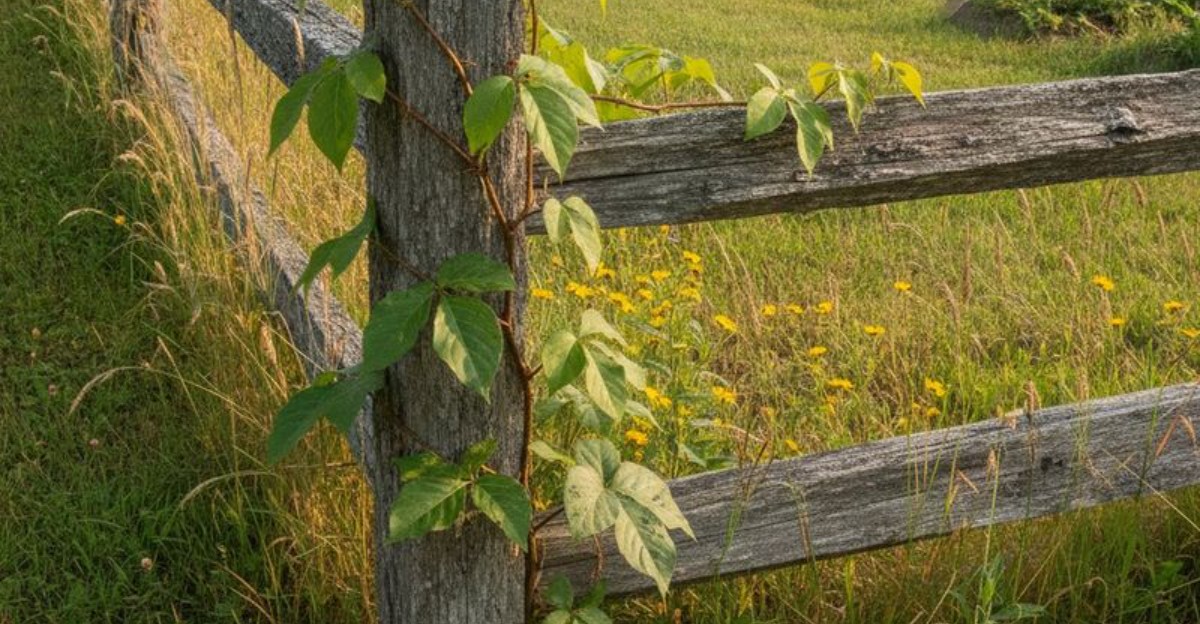
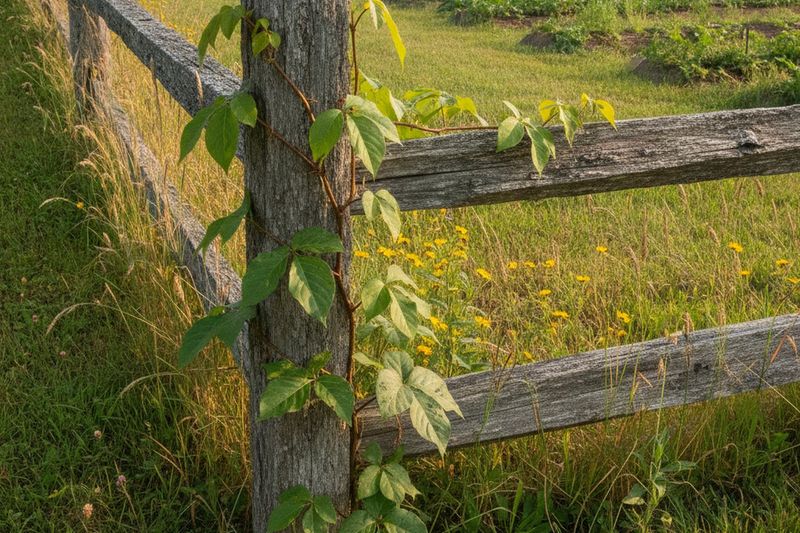
Truth is, I used to think fence lines were the safest part of my yard. Then a fuzzy rope of a vine wrapped around my chain link, and my forearms paid the price for weeks. Here in Maryland, that same climber shows up along backyard fences, wooded edges, and alley gates.
What gets me is how easily it hides. It can be a tiny sprout, a small shrub, or a thick vine with hairy rootlets, and the oil sits in its leaves, stems, and roots.
So how do you spot it, stay safe, and get it off your fence without starting a summer-long itch? The clues are there once you know where to look.
That Hairy Vine Hugging Your Fence Post Has a Name
Most folks spotting a mystery vine on a Maryland fence are looking at poison ivy, a native plant found in every county of the state. University of Maryland Extension lists it among the most common problem plants in home landscapes.
Fences give it a perfect setup. Birds perch on the rails, eat the waxy white berries, and drop the seeds right below. Mowers and string trimmers can’t easily reach that strip, so the seedlings settle in and climb.
The real trouble comes from urushiol, an oily resin found in every part of the plant. Leaves, stems, roots, and even the bare winter vines carry it. Brushing against any of those can lead to a red, itchy rash.
Not everyone reacts on the first contact. Many people become sensitive after repeated exposure, which explains why someone who handled it fine as a kid might suddenly get a nasty rash as an adult.
There’s no evidence of a sudden outbreak this year. The plant simply thrives along edges, and fences are the edges most homeowners walk past every day.
Fun fact: researchers have found that higher carbon dioxide levels can help poison ivy grow bigger and produce a stronger form of urushiol.
Three Shiny Leaflets Are Your First Big Clue
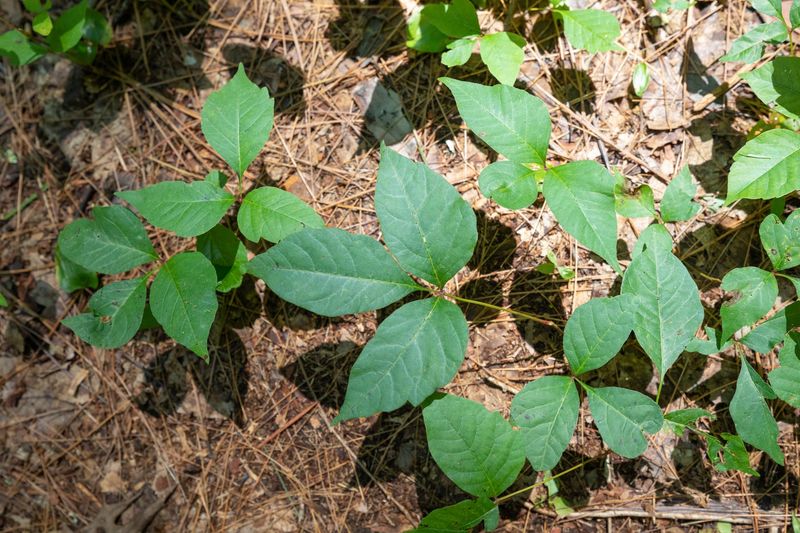
Grandparents everywhere got this one right with the rhyme about leaves of three. Each poison ivy leaf is made of three separate leaflets attached to one stem.
Look closely at the middle leaflet. It sits on a noticeably longer stalk than the two side leaflets, which attach almost directly to the stem. That small detail is one of the most reliable ways to identify it.
The leaflet edges can fool you. Some are smooth, some have a few rough teeth, and some look a bit like a mitten with a thumb. The surface may be glossy or dull depending on age and sunlight.
Leaves also sit alternately along the vine, meaning they don’t pair up directly across from each other. Check a few leaf groups before you decide.
Color changes with the calendar too. New spring leaves often look reddish, summer leaves turn deep green, and fall brings bright red, orange, or yellow.
Those gorgeous fall shades lure plenty of people into grabbing a branch for decoration. Admire them from a few feet away instead.
Snap a phone photo if you’re unsure. Extension offices and plant ID apps can help confirm what you’re seeing.
Gear Up Before You Pull Poison Ivy Off the Fence
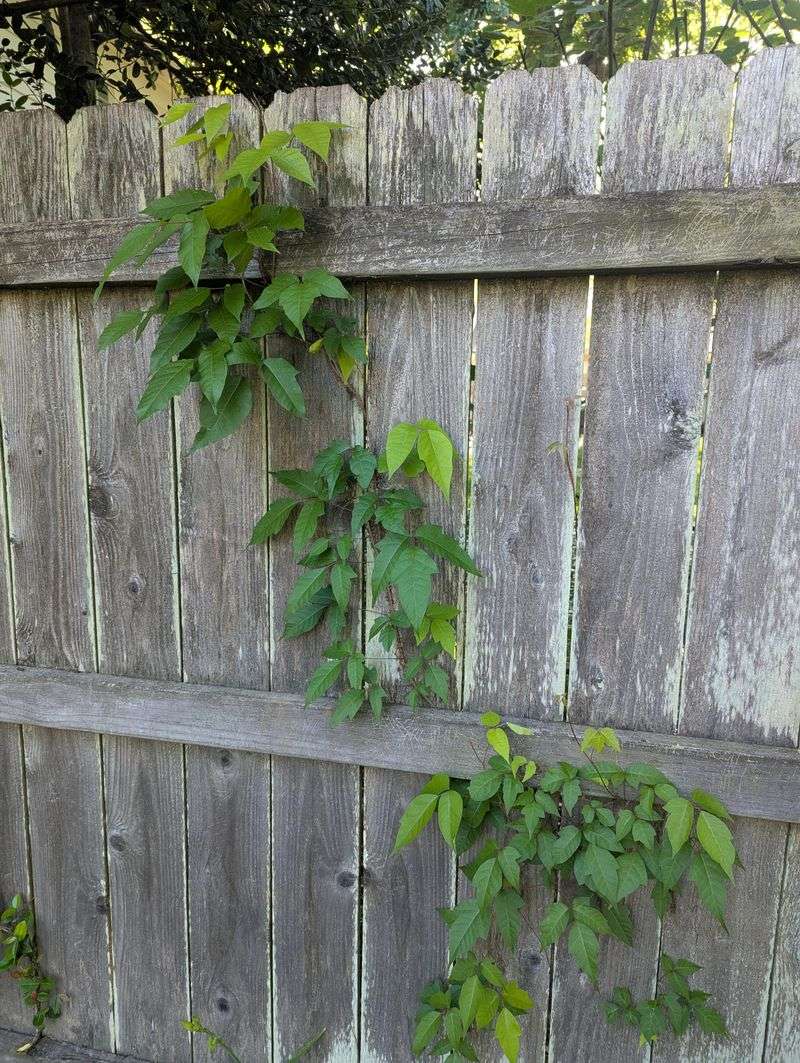
I learned the hard way that a T-shirt and garden gloves aren’t enough. Proper clothing is the most important step in safe removal.
Wear long sleeves, long pants, closed shoes, and sturdy gloves. Many gardeners slip disposable nitrile gloves under heavier work gloves, since urushiol can soak through cloth.
For vines on a fence, cut the stem near the ground first. Then pull up the roots when the soil is moist, which makes them easier to remove in one piece. Leave the upper vine to wither before you peel it away.
Bag everything in heavy plastic and put it in the trash. Skip the compost pile, since the oil stays active.
Never burn poison ivy. Smoke carries urushiol into the air, and breathing it can cause serious lung irritation that needs medical care.
Herbicides containing glyphosate or triclopyr can help with large patches. Read the label carefully, spray on calm days, and avoid hitting nearby shrubs or garden plants.
Wash your clothes separately in hot water right away. Take off gloves last, turning them inside out, and wash your hands and arms with soap and cool water.
Virginia Creeper Often Gets Blamed for Poison Ivy

Plenty of innocent vines get yanked out in a panic. Virginia creeper is the most common case of mistaken identity on Maryland fences.
Count the leaflets. Virginia creeper usually has five leaflets spreading out from a single point, like fingers on a hand. Young plants can show three now and then, so check several leaves.
Its climbing method is different too. Virginia creeper uses small tendrils with sticky pads, while poison ivy grips with fuzzy, hair-like rootlets along the stem.
The two often grow tangled together, so look carefully before you reach in. Finding one doesn’t rule out the other.
Virginia creeper is native and supports wildlife. Birds eat its dark blue berries in fall, and its leaves turn a stunning red.
It isn’t totally harmless, though. The sap can irritate some people’s skin, and the berries are toxic to humans if eaten.
Boxelder seedlings also cause confusion since they carry three leaflets. Their leaves grow in pairs directly across from each other on the stem, unlike poison ivy’s alternate pattern.
A few seconds of counting can save a useful plant.
Bare Winter Poison Ivy Vines Still Carry the Itch
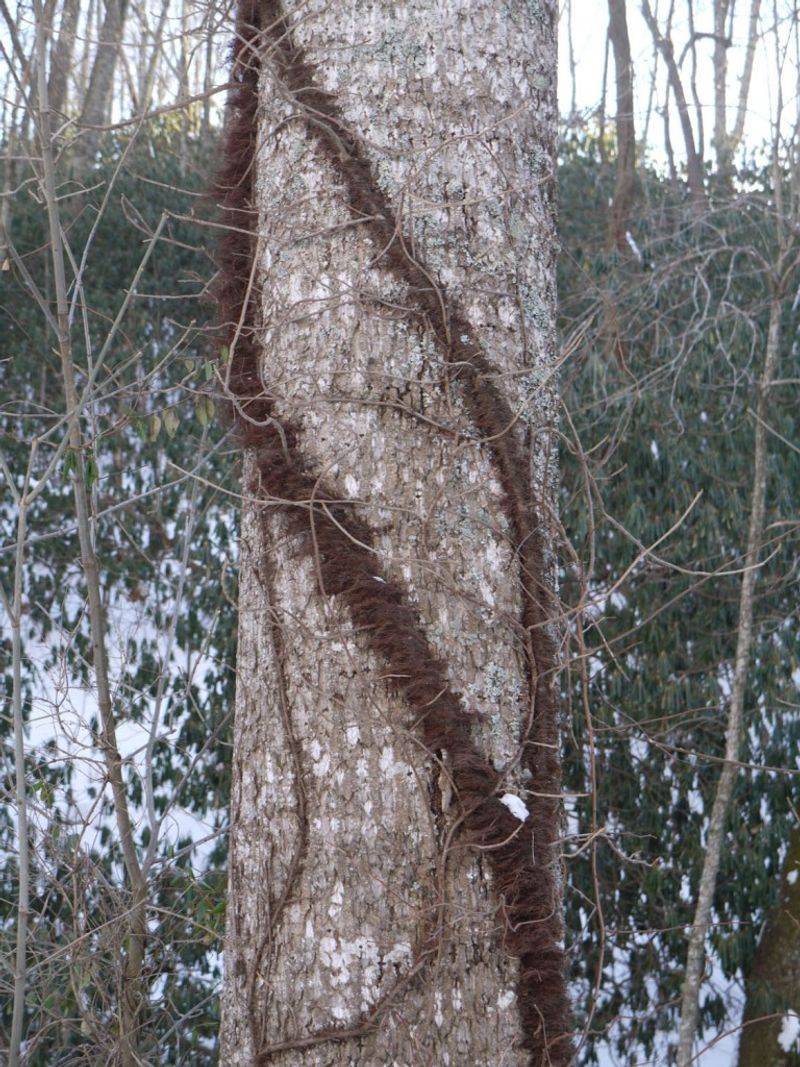
Winter cleanup feels safe, right? Not with this plant. The leaves may be gone, but the stems and roots still hold plenty of urushiol.
Bare vines are easy to spot if you know the look. Older stems grow thick and covered in brown, hairy rootlets, which is why people call it a hairy rope.
Many rashes happen in late fall and winter when people grab firewood or tear down vines while clearing fence lines. Gloves matter all year.
The oil is surprisingly stubborn. It can stay active on tools, gloves, and even dried plant material for a long time, sometimes years in sheltered places.
That same persistence makes pets a sneaky source. Dogs rarely react, yet their fur can carry the oil right onto your couch and your skin.
Clean tools after every job. Rubbing alcohol or a degreasing dish soap with water works well to break down urushiol.
Remember the white or grayish berries too. They hang in clusters through winter, and birds love them, which is how new plants pop up along fences each spring.
Treat any fuzzy rope vine as suspicious until you know otherwise.
A Poison Ivy Rash Shows Up Later Than You Expect
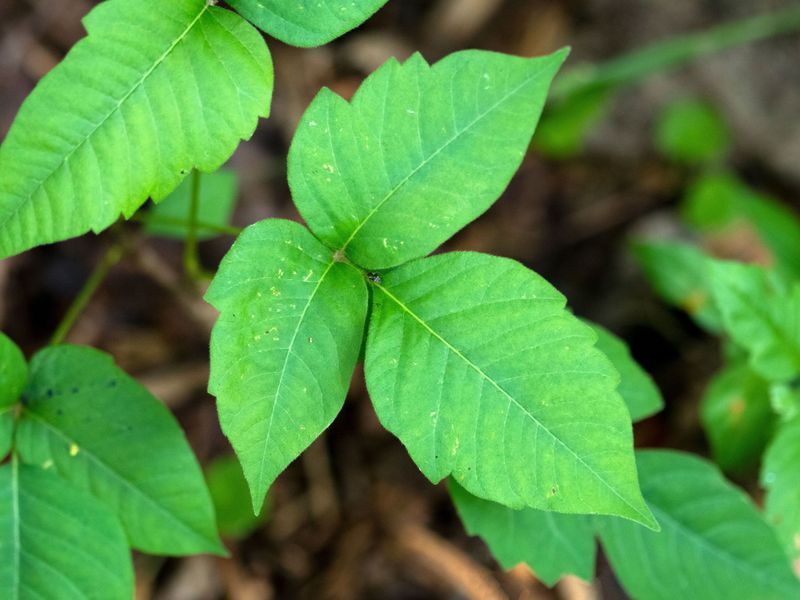
Here’s a sneaky twist. You can touch poison ivy in the morning and feel fine for a whole day.
Symptoms often appear 12 to 48 hours after contact, according to the Mayo Clinic. Expect redness, intense itching, swelling, and blisters that may ooze before crusting over.
The rash often forms in straight lines or streaks. That pattern comes from a stem or leaf dragging across your skin.
Fast washing helps a lot. Rinse skin with soap and lukewarm water within about 30 minutes to remove much of the oil before it binds.
Many people believe blister fluid spreads the rash. It doesn’t. New spots usually show up because of leftover oil on clothes or tools, or because thinner skin reacts later.
Cool compresses, calamine lotion, and oatmeal baths can ease the itch. Over-the-counter hydrocortisone and oral antihistamines may help some people too.
Try not to scratch. Broken skin can get infected, which drags out healing.
Most mild rashes clear up in two to three weeks. Keep your nails short and hang on, because relief does come.
Some Poison Ivy Reactions Need a Doctor Right Away
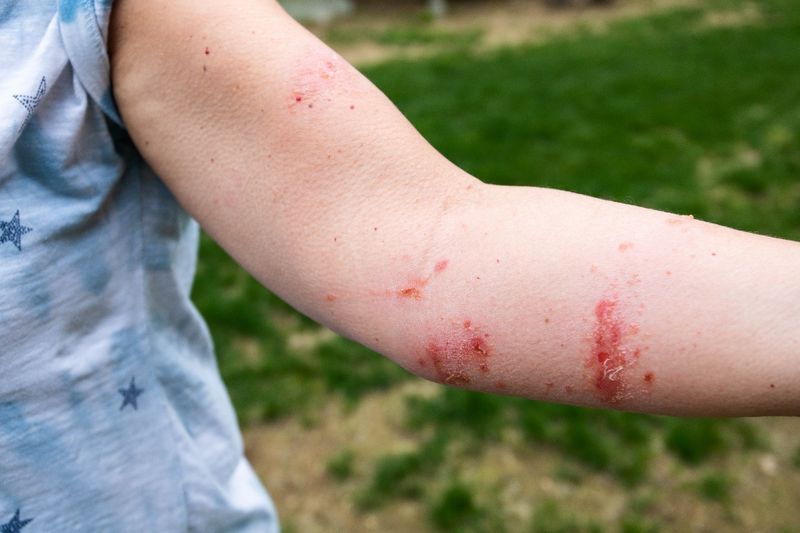
Most rashes are miserable but manageable at home. Some situations call for professional care, and waiting can make things harder.
See a doctor quickly if the rash covers a large part of your body. The same goes for rashes on your face, eyes, mouth, or genitals, where swelling gets serious fast.
Trouble breathing or swallowing is an emergency. That can happen after exposure to smoke from burning poison ivy, so call 911 if it does.
Watch for signs of infection. Pus, spreading warmth, increasing pain, or a fever mean the skin needs medical attention.
Doctors may prescribe stronger steroid creams or oral steroids for bad reactions. These often bring faster relief than store-bought products.
Itching that keeps you awake for days counts too. Sleep matters, and a doctor can suggest better options.
Kids and older adults may need extra attention. Their skin can be more sensitive, and they may scratch more without realizing it.
Trust your gut. If a rash looks worse after a week instead of better, a quick visit costs far less stress than letting it linger.
Keep New Poison Ivy Seedlings From Reclaiming Your Fence Line
Getting rid of one big vine feels great. Keeping the fence clear takes a little regular attention.
Walk your fence line every few weeks from spring through fall. Small seedlings with three reddish leaflets are far easier to pull than an established vine.
Pull young plants when soil is damp, using gloves and a plastic bag over your hand like a pet waste pickup. Flip the bag inside out and toss it.
Thick mulch along the base of the fence can slow new sprouts. Planting tough native groundcovers or shrubs also fills open space where seeds like to land.
Birds will keep dropping seeds, so new plants are part of the deal. Early action keeps them small and manageable.
For big infestations, consider hiring a professional. Several Maryland companies focus on poison ivy removal and have the right gear.
Share what you’ve learned with your family. Teach kids to spot leaves of three and hairy vines before they play near the fence.
A little knowledge turns this plant from a scary mystery into a manageable chore. Your skin will thank you all season long.