Should New York Homeowners Mow Their Lawns During a Late-November Warm Spell?
Cool-season grass keeps making food and pushing out new blades as long as the weather stays mild. A sunny 60-degree week in November can wake up a lawn that seemed finished for the year.
I learned this the hard way one fall. I parked my mower in October, felt very proud of myself, and then watched the grass shoot up during a balmy stretch before Thanksgiving.
Grass in New York pays no attention to the calendar. It responds to air temperature, soil warmth, and sunlight, so a late warm spell can give it one more growth burst. The real question is what that extra growth means for your yard once snow piles on top of it.
Should you pull the mower back out, or leave the lawn alone and enjoy the sunshine? My answer surprised me more than I expected.
Those Green Grass Blades Are Still Wide Awake in November
Most lawns across the state are planted with cool-season grasses. Kentucky bluegrass, tall fescue, fine fescues, and perennial ryegrass make up the bulk of New York yards, and they thrive in mild weather.
These grasses have two big growth periods each year. One happens in spring, and the other arrives in fall, when warm soil and cool air create ideal conditions for roots and blades.
Growth slows a lot as daytime highs settle below about 50 degrees. Shoot growth mostly stalls once soil temperatures fall under roughly 40 degrees, though roots can keep working a bit longer.
A November warm spell changes the picture for a while. Several days in the 50s or 60s can warm the top layer of soil enough for the grass to push out new leaves again.
I remember walking outside one mild morning and spotting fresh, bright blades poking above the rest. My lawn looked like it had skipped a page of the calendar and gone back to October.
Timing varies by region too. Long Island and New York City often stay mild later into fall, while the Adirondacks and higher parts of western New York usually cool down weeks earlier.
So that late surge of green is normal. Your grass is simply taking advantage of the warmth while it lasts.
A Quick Trim Makes Sense When the Grass Is Visibly Growing
Let me be straight with you. If your grass has clearly grown since the last cut, mowing during a warm spell is a smart move.
The goal is simple. You want the lawn to head into winter at a sensible height instead of standing tall and floppy under the first heavy snow.
A good rule of thumb is to look for real change. If the blades are noticeably taller than they were a week or two ago, the grass is actively growing and can handle a trim.
On the other hand, if the lawn looks the same as it did after your last mow, there is no reason to cut. Mowing grass that has stopped growing adds stress without giving you any benefit.
I like to walk the yard with a ruler in hand. It sounds a little nerdy, but measuring a few spots tells me far more than a quick glance from the porch.
Keep the one-third rule in mind as well. Remove no more than a third of the blade at a time, so a lawn sitting at 4 inches should come down to around 3 inches, not lower.
One well-timed cut is often all it takes. After that, the cooling weather usually handles the rest.
Set Your Mower Deck Between 2 and 3 Inches for the Final Cut
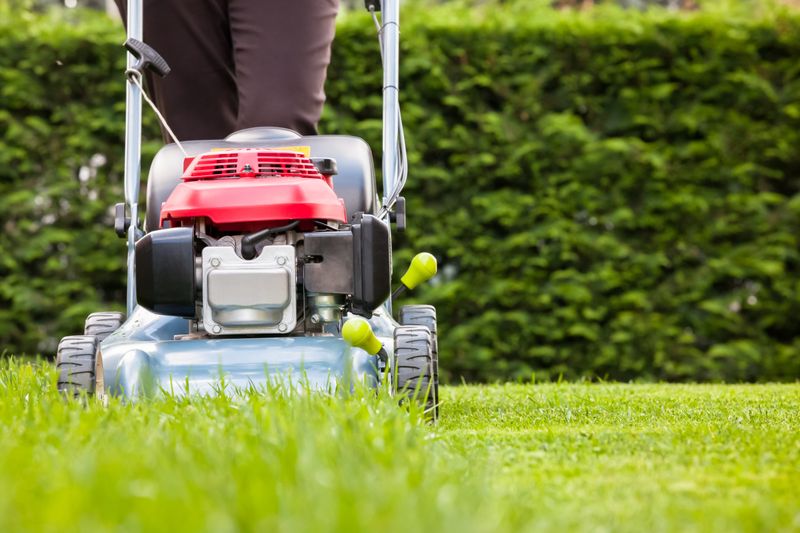
Height is the part folks get wrong most often. For cool-season grasses in New York, many lawn experts suggest a final mowing height of about 2 to 3 inches, with 2.5 inches being a comfortable middle ground.
That range works because it balances two needs. The grass is short enough to resist flopping over under snow, yet tall enough to shield the crown, which is the growing point near the soil.
Scalping the lawn is a mistake I won’t repeat. Years ago I dropped the deck way down in one pass, and the following spring those patches came back thin and slow.
Very short grass has less leaf area for storing energy. It can also leave the crown exposed to drying winter winds and freeze damage.
A gradual approach works best. Lower the deck a notch over your last two or three mowings instead of making one big drop.
Sharp blades matter here as well. A dull blade tears the grass tips, which leaves ragged brown edges that can invite disease when the weather turns damp.
Before you start, check that the mower is level and the blade is sharpened. A clean cut at the right height gives your turf a tidy, healthy send-off into winter.
Tall Grass Under Snow Can Invite Snow Mold Patches
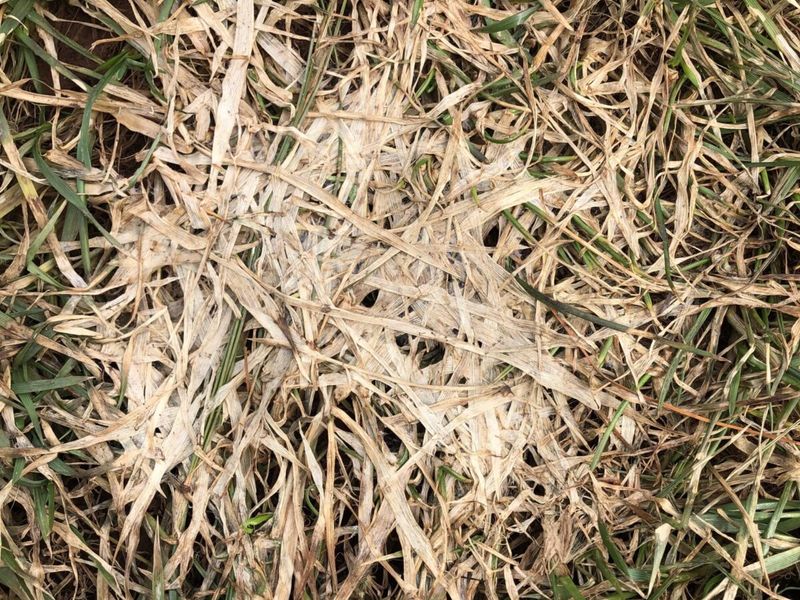
Nobody enjoys finding crusty gray circles on the lawn in March. Those spots are often snow mold, a group of fungal diseases that show up after long periods of snow cover.
Gray snow mold tends to appear as straw-colored or grayish patches. Pink snow mold, which can also strike without snow, leaves patches with a pinkish or salmon edge.
Long grass makes the problem more likely. When tall blades bend over under snow, they form a damp, matted layer where these fungi can grow.
That is the main reason a final trim helps. Shorter, upright grass dries out faster and leaves less tangled material for mold to work through.
The disease usually looks worse than it is. Many lawns recover on their own once things dry out, especially if you gently rake the matted spots in spring to help air move through.
Other habits help too. Avoid heavy nitrogen feeding very late in fall, and keep piles of shoveled snow from sitting on the same lawn spot all winter when you can.
Height is not the only factor, though. Shade, poor drainage, and thick thatch also raise the risk, so a mowing alone will not solve every problem.
Frosty or Soggy Grass Should Stay Off Your Mowing Schedule
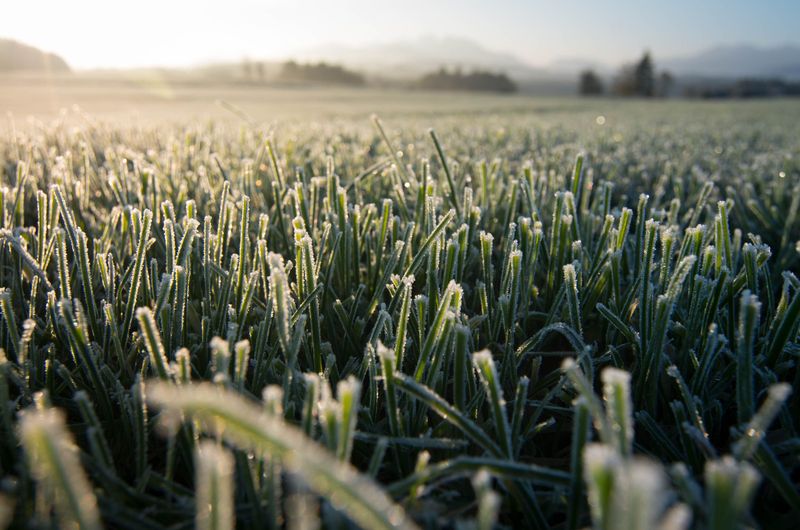
Ice crystals look lovely on the lawn at sunrise. They are also a clear signal to keep the mower in the garage until later in the day.
Frozen blades are brittle. When a mower or even your boots crush them, the cells can rupture, and you may see darkened footprints or tire tracks a few days later.
Wait until the frost melts completely and the grass dries. On many November days, that means mowing in early to mid afternoon rather than first thing in the morning.
Wet grass brings its own troubles. Damp clippings clump up, clog the deck, and lay in heavy mats that can smother the turf below.
Soft soil is another warning sign. Late fall rains can leave the ground mushy, and a heavy mower may leave ruts or compact the soil, especially in low spots.
As a rule, I do a quick boot test before mowing. If my shoes sink in or come back soaked, I give the yard another day.
Patience pays off here. A warm spell often lasts several days, so you can usually find a dry, firm afternoon that works for both you and your lawn.
Fallen Maple Leaves Need Attention Before Snow Arrives
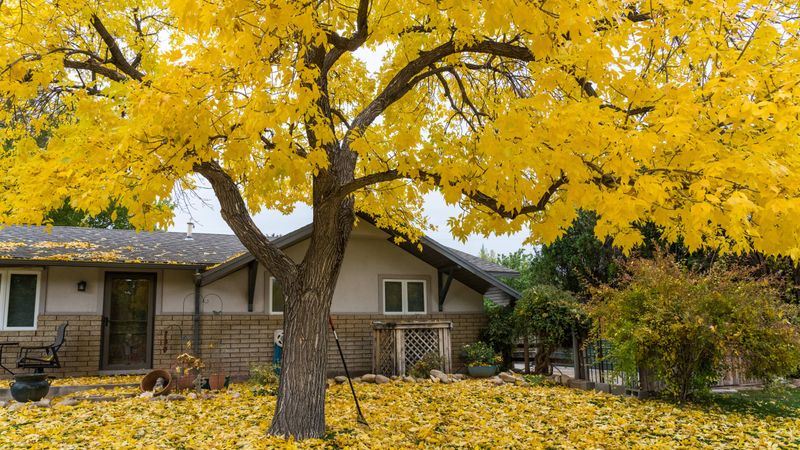
Your mower can do double duty during a warm spell. Running it over a light layer of dry leaves chops them into small pieces that settle into the grass.
Research from turf programs, including work at Michigan State University, suggests mulched leaves can break down and return organic matter to the soil. Many lawns handle this with no harm when the leaf layer is thin.
Thick piles are another story. Heavy, wet leaves block sunlight, trap moisture, and can leave thin or bare patches by spring.
A simple check helps. If you can still see plenty of grass between the shredded bits after mowing, you are fine, and if the lawn looks buried, rake or bag the extra.
Those extra leaves have plenty of uses. Add them to a compost pile, spread them as mulch in garden beds, or check whether your town offers fall leaf collection.
Fertilizer timing matters in New York as well. State law bans lawn fertilizer from December 1 through April 1, and phosphorus is restricted unless a soil test shows a need or you are establishing a new lawn.
If you plan a fall feeding, get it done well before December. That keeps you within the rules and helps reduce nutrient runoff into local waterways.
Know When to Clean the Mower and Store It for Winter
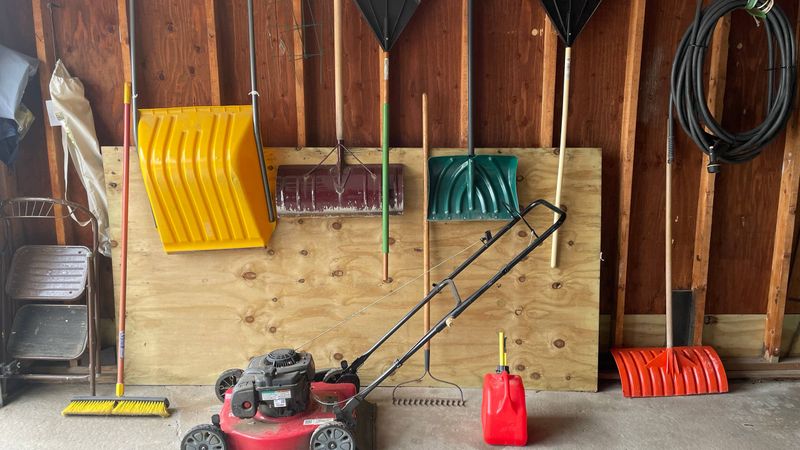
Eventually the warm spell fades, and the grass settles down for good. That moment is your cue to give the mower some care before winter storage.
A practical clue comes from the lawn itself. If you mow and then notice almost no new growth over the next 10 to 14 days, the season is probably over.
Steady daytime highs below 50 degrees point the same way. Grass in a dormant state saves its energy, and mowing it just adds wear without any real gain.
Now that I think about it, my favorite fall chore is the mower cleanup. I scrape off caked clippings, check the blade, and add fuel stabilizer or run a gas mower nearly empty, following the owner’s manual.
Battery mowers need a little attention too. Many manufacturers suggest storing the battery indoors at moderate temperatures and partly charged rather than leaving it in a freezing shed.
Keep an eye on the yard over winter. Try to limit foot traffic on frozen grass and avoid piling salty snow onto the lawn when possible.
My garden taught me that small fall choices show up in spring. One smart trim, a clear lawn, and a well-kept mower set you up for a greener start when the snow finally melts.