Could a Barn Owl Move Onto Your Virginia Property? The Nest Box That Makes It Possible
A single family of these pale hunters can eat well over a thousand rodents in one nesting season. That number stopped me cold the first time I read it. My vole-chewed hostas suddenly felt like a personal insult.
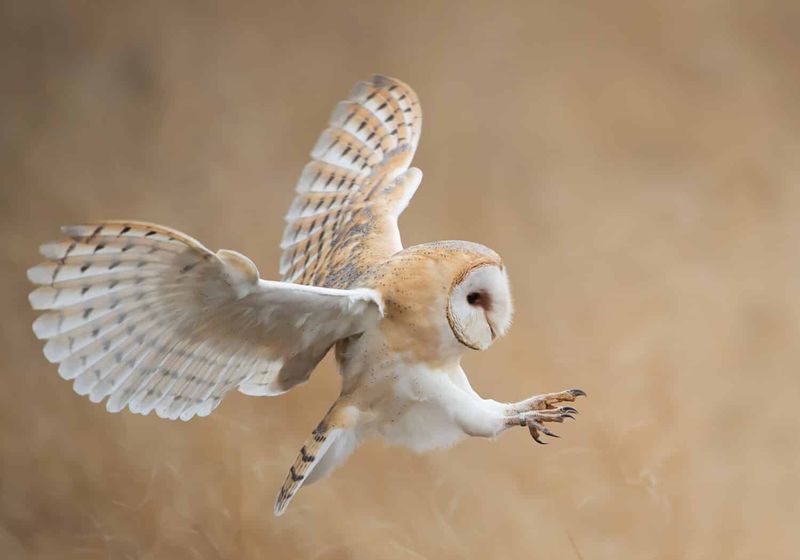
The bird behind that appetite hunts almost entirely by sound. It can pinpoint a mouse rustling under grass in total darkness. Its heart-shaped face works like a satellite dish, funneling tiny noises toward ears set at slightly different heights.
Here in Virginia, this owl has quietly slipped from many of the farms where it once nested. Old wooden barns are falling down or getting sealed tight. Hollow trees are cleared away, and good homes are getting scarce.
Let me be straight with you: you don’t need a fancy property. What these birds want is surprisingly simple. Could the missing piece on your land be a plywood box?
A Heart-Faced Owl Is Hunting Over Fewer Virginia Fields
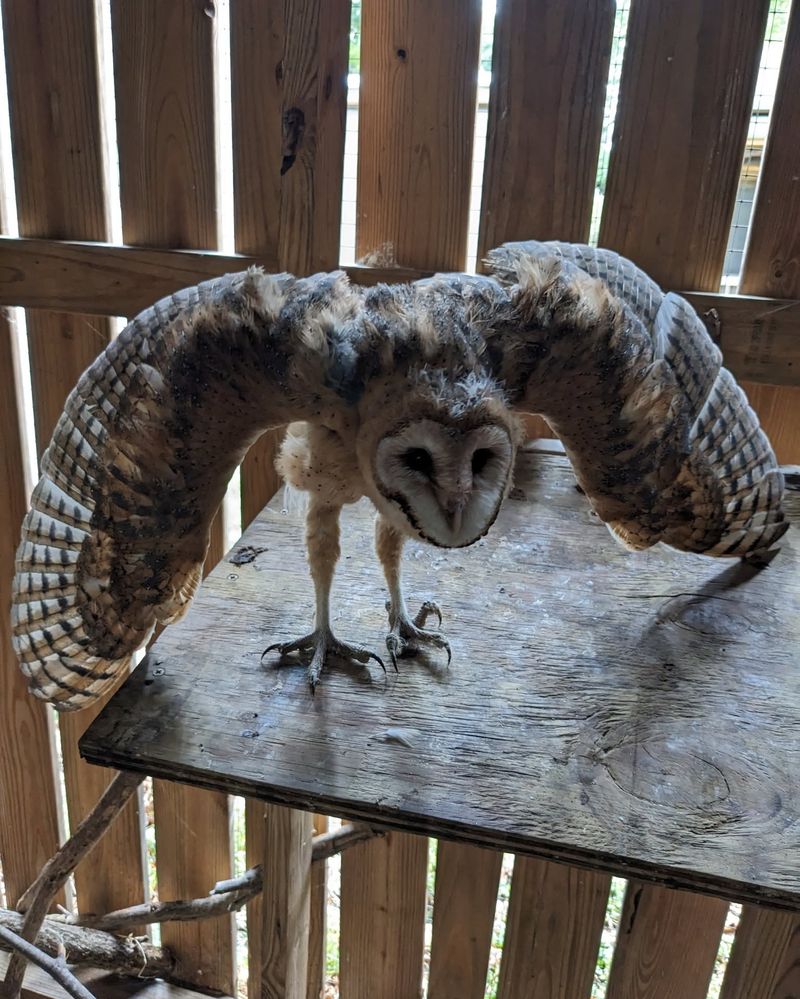
I still remember hearing my first barn owl. It was not a hoot at all, but a raspy, hissing scream that made me grab the porch rail.
That eerie call belongs to one of the most useful birds a landowner can host.
Barn owls are listed by the Virginia Department of Wildlife Resources as a Species of Greatest Conservation Need. Their numbers have slipped over the decades as open grasslands shrank and old farm buildings disappeared.
Modern barns are often sealed with metal siding, leaving no gaps for an owl to slip inside.
These owls do not build nests. They lay eggs on bare surfaces in cavities, like hollow trees, haylofts, church steeples, and silos.
When those spaces vanish, a pair may have plenty of food nearby but nowhere to raise young.
That gap is where you come in. Wildlife groups across the state, including the Loudoun Wildlife Conservancy, have found that well-placed nest boxes get used.
Boxes can stand in for the old barns and hollow sycamores that owls relied on for generations.
They are found statewide, but they are most common in farm country like the Shenandoah Valley and parts of the Piedmont. Coastal Plain marshes also support some birds.
If your land sits near open, grassy ground, you may already be closer to owl territory than you realize.
The Right Barn Owl Box Is Bigger Than Most People Expect
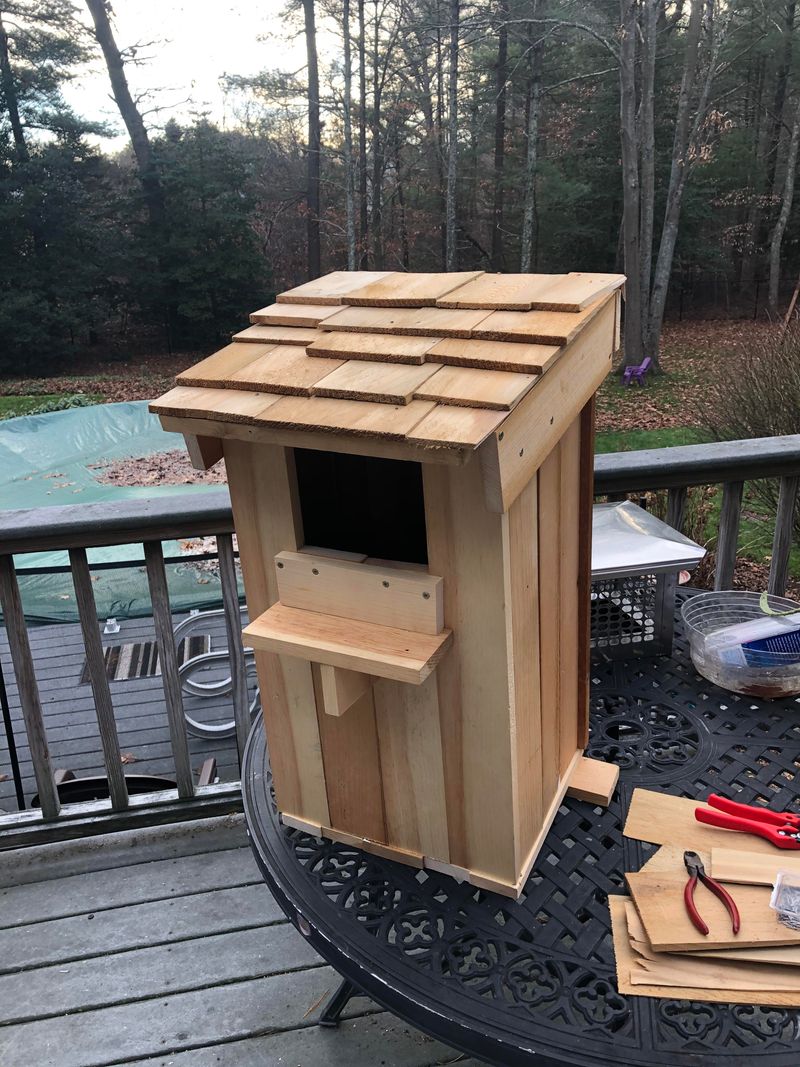
My first guess at an owl box was way too small. A barn owl family can include five or more fast-growing owlets, so the box needs real elbow room.
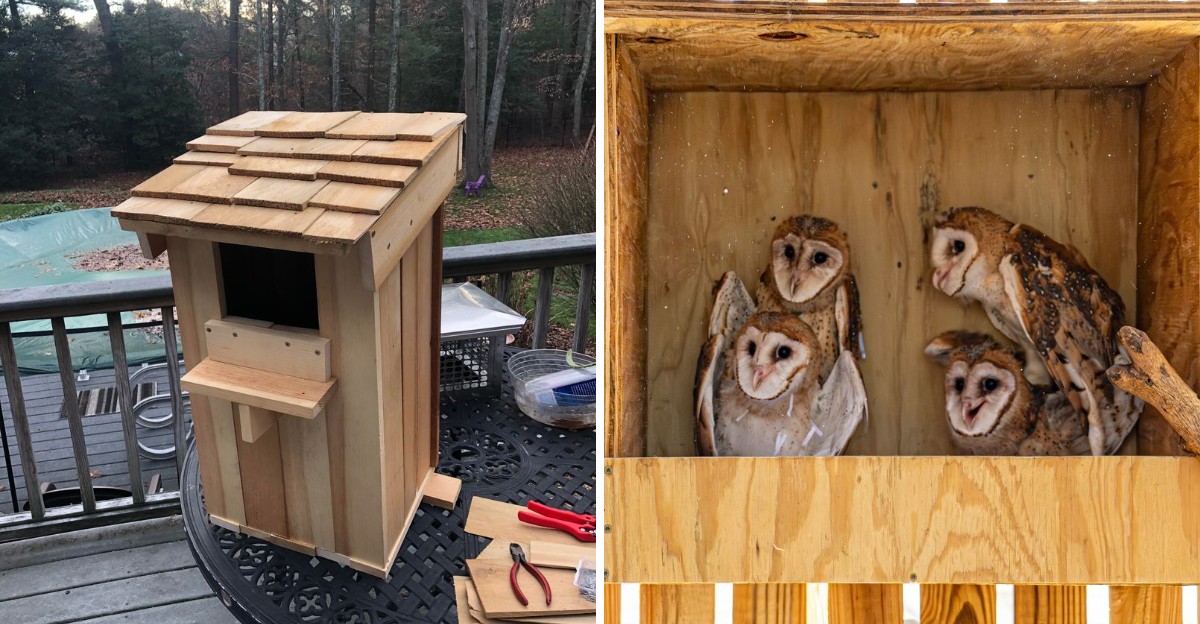
Most extension and wildlife guides suggest a floor of roughly 12 by 36 inches or about 24 by 30 inches. Build it with untreated exterior plywood around half to three-quarters of an inch thick, or use natural cedar.
Skip pressure-treated lumber and wood preservatives inside.
The entrance hole matters more than anything else. A hole about 6 inches wide, or an oval near 6 by 7 inches, lets adults pass but keeps out bigger birds.
Place the bottom of that hole at least 16 inches above the floor.
Why so high? Curious owlets wander toward light, and a low hole tempts them to tumble out early.
A deep box keeps them safely inside until their wings are ready.
Rough up the inside wall below the entrance with grooves or cleats so youngsters can climb. Drill a dozen or so small drainage holes in the floor, and add vents near the top for summer heat.
A hinged side door makes cleaning easier later.
Plans from Texas A&M, the Cornell Lab of Ornithology, and Virginia groups share these key measurements. Follow one closely and you will be off to a strong start.
Open Pasture Near Your Owl Box Matters Most
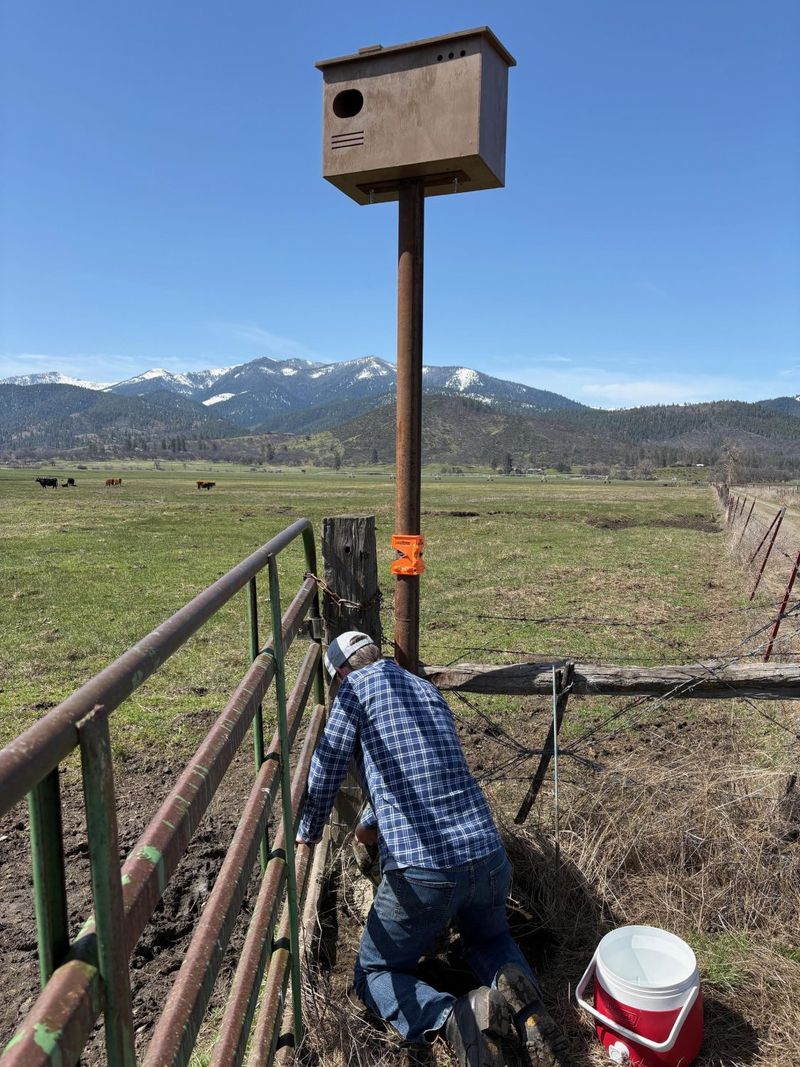
Location can make or break the whole project. A gorgeous box beside a busy shopping center will probably sit empty, while a plain one beside a hayfield might fill up the first spring.
Barn owls hunt open ground. Pastures, hay meadows, marsh edges, and unmowed field borders all hold the voles and mice they crave.
Wooded lots and tidy suburban lawns usually lack enough prey, and woods also bring great horned owls that will prey on barn owls.
Mount the box between about 8 and 25 feet high. Inside a barn, shed, or silo works beautifully, since walls shelter the family from storms.
If you mount it inside, cut a matching hole in the building wall so the owls fly straight in.
Outdoors, a sturdy metal or treated wooden pole is often safer than a tree. Trees give raccoons easy branches to climb.
Face the entrance away from prevailing winds and harsh afternoon sun, and east or northeast often works well.
Keep a clear flight path in front of the hole. Owlets also need a nearby perch for their first wobbly flights, like a fence post or open branch.
If your yard is small, talk with a farming neighbor. Many landowners happily host a box once they hear about the free rodent help.
Late Winter Is Prime Time to Hang an Owl Box
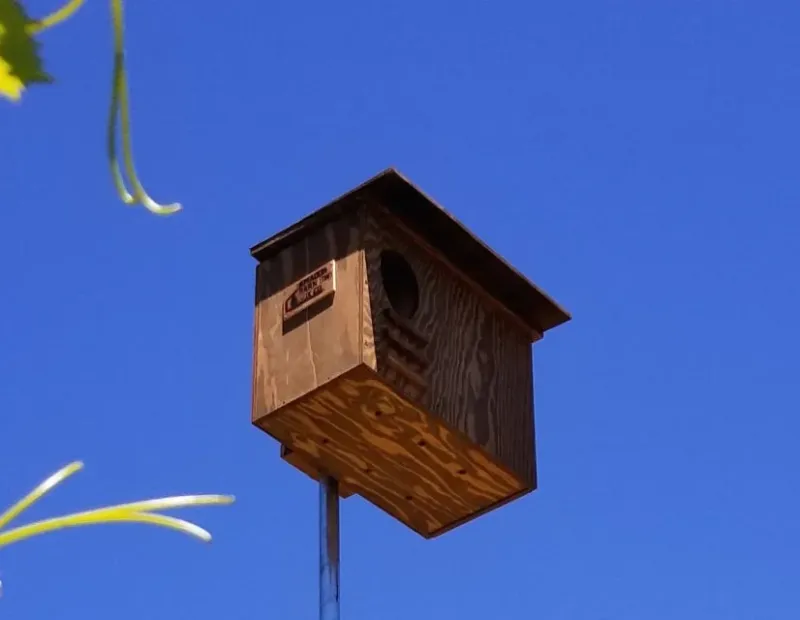
Timing caught me off guard. Barn owls start scouting for nest spots while most of us are still flipping through seed catalogs by the fire.
Wildlife groups generally recommend installing new boxes between about December and early March. That window gives adult owls time to discover the box and check it out before courtship ramps up.
A box hung in May may still work, but the odds are lower.
Barn owls in Virginia have an unusually long breeding calendar. Nests have been recorded across much of the year, and a well-fed pair sometimes raises a second brood.
Spring is still the busiest stretch for most pairs.
Winter also makes the work easier for you. Fields are firm, bugs are gone, and you can see clear sight lines without summer leaves in the way.
Just watch for icy ladders and bring a helper.
Patience matters once the box is up. Some boxes get claimed the first season, while others sit empty for a year or two.
Owls also use boxes as daytime roosts, so pellets and white droppings below can be an early, hopeful sign.
As a rule, I mark my calendar each fall for box checks. That reminder keeps me ready before the next winter scouting season begins.
Raccoons Love Climbing Owl Box Poles, So Add a Guard
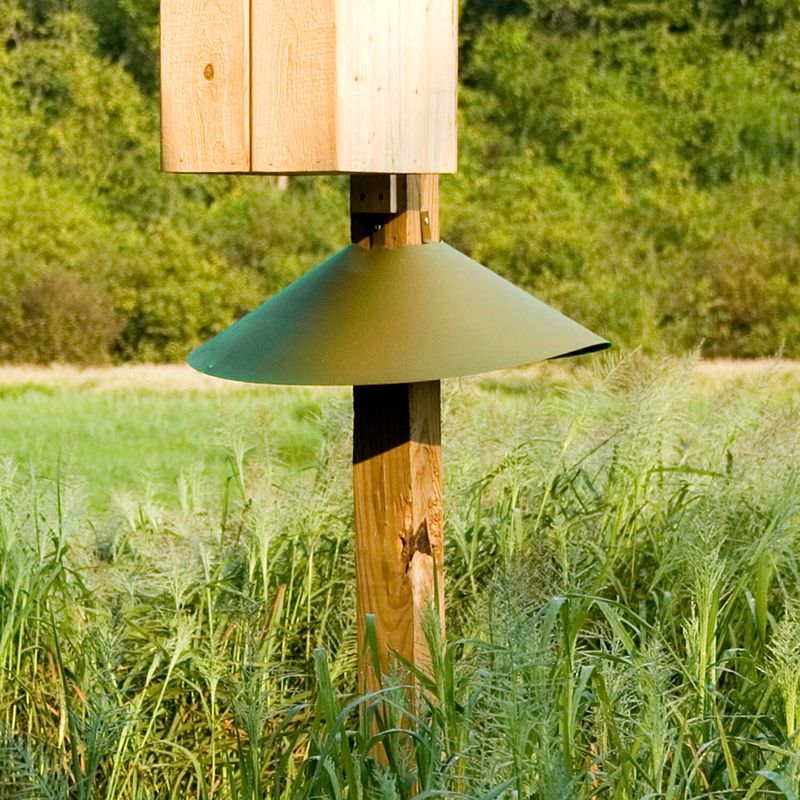
Raccoons are clever, hungry, and terrific climbers. One raid on a nest full of owlets is a heartbreak no box builder wants to see.
A predator guard is one of the most valuable add-ons you can install. Wrap the pole with a smooth metal sheet at least a few feet tall, or add a wide cone-shaped baffle below the box.
Either one stops raccoons, opossums, and snakes from getting a grip.
Check the spacing around your setup. If a branch, fence, or roofline sits within jumping distance, predators may bypass the guard entirely.
Trim back anything that offers a shortcut.
Indoor boxes face their own sneaky visitors. Barn cats may stalk around haylofts, so place the box high and away from beams they can easily walk.
Other birds sometimes move in first. European starlings may stuff a box with grass, and their nests can be removed since they are a nonnative species.
Native birds like kestrels and wood ducks are protected, so leave those families alone if they take over.
Once owls settle in, give them plenty of space. Early in nesting, a nervous pair may abandon eggs if disturbed.
Watch quietly from a distance at dusk, and let the guard do the protecting.
Rat Poison Can Reach Owls Through Their Prey
Mark my words, rodent bait and owl boxes are a bad pairing. Many common rat poisons work slowly, so a poisoned mouse may wander for days before it stops moving.
That staggering mouse is easy prey for an owl. When the owl eats it, the poison passes along.
Experts call this secondary poisoning, and wildlife rehabilitators like the Wildlife Center of Virginia regularly treat raptors sickened this way.
Second-generation anticoagulant baits are the biggest worry. They stay in an animal’s body a long time and can build up in owls that eat several contaminated rodents.
Even one bait station tucked by a shed can undo your whole effort.
So what can you use instead? Snap traps inside buildings, sealed feed bins, tidy compost, and stacking firewood off the ground all reduce rodent problems without risk to owls.
Talk with neighbors too. A barn owl may hunt across several properties each night, so bait use next door still matters.
Sharing what you have learned can protect birds on everyone’s land.
I tried poison years ago, and I regret it. The owls do steadier work when nothing in their dinner is harmful, and I sleep better knowing the hunting ground is clean.
Owl Pellets and Hissing Owlets Tell You the Box Is Working
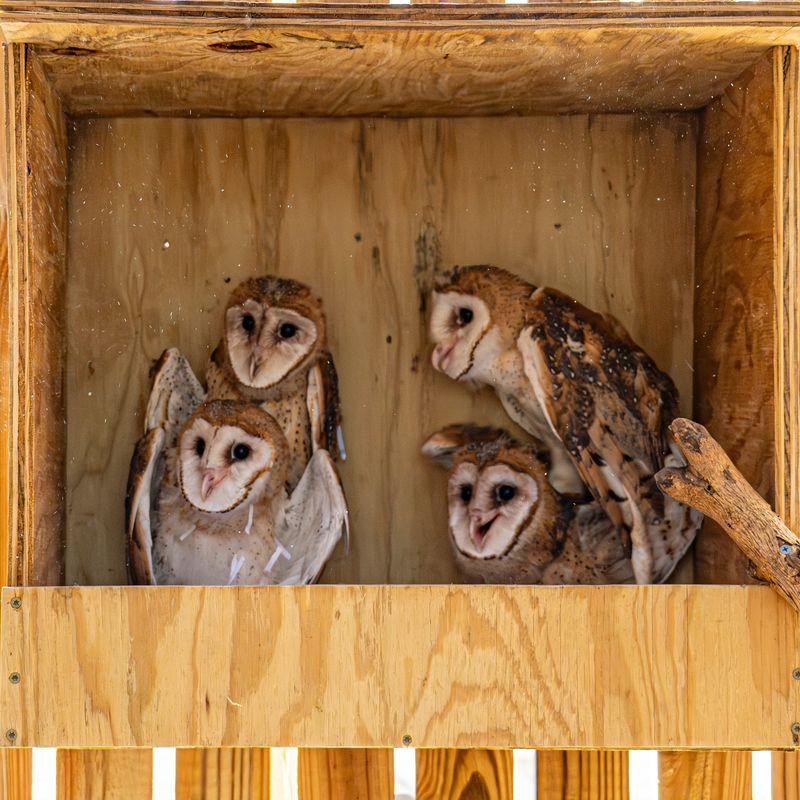
Something wonderful happens once a box gets claimed. You start finding gray, fuzzy lumps on the ground below, and each one is a small treasure.
Those lumps are pellets. Barn owls swallow prey whole, then cough up bones and fur they cannot digest.
Break one open with gloves and you may find tiny vole skulls, which is a satisfying sight for anyone with chewed bulbs.
Sound is another clue. Owlets make a loud, raspy hissing that some folks compare to snoring or steam.
At dusk, a box full of youngsters can sound like a tiny train station.
Eggs take about a month to hatch. Owlets stay in the box for roughly eight weeks before their first flights, and the parents keep feeding them for a while after.
During that stretch, the family hauls in an impressive pile of rodents.
Watch from a respectful distance at twilight. A pale shape slipping silently out of the hole is a thrill I will not soon forget.
If you find an owlet on the ground, call a licensed wildlife rehabilitator before acting. Barn owls are protected under federal and state law, so handling or moving them yourself is not allowed without permits.
A Yearly Owl Box Cleanout Keeps Families Coming Back
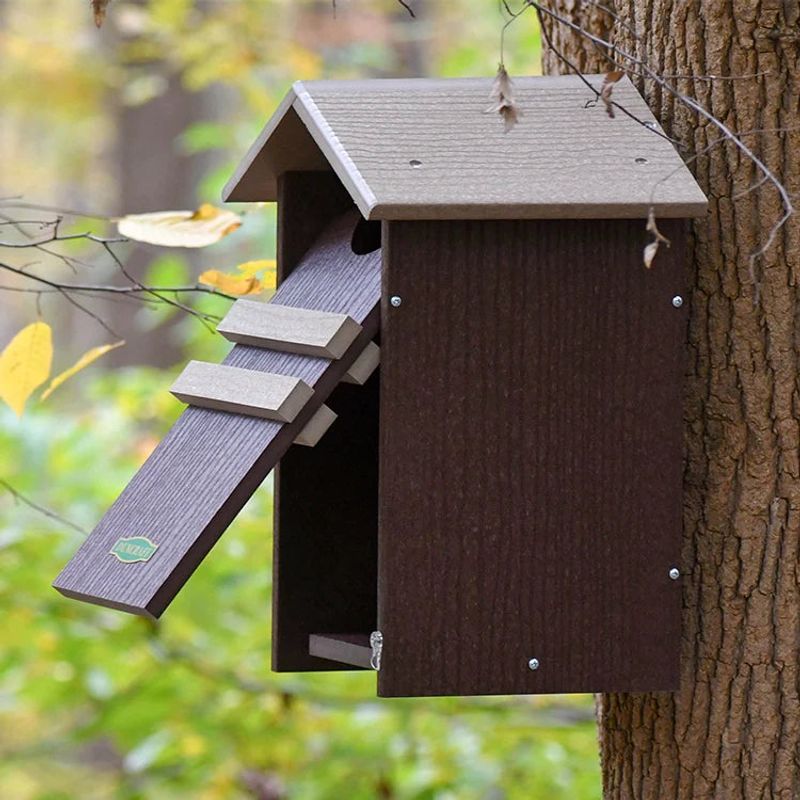
Owl housekeeping is not glamorous, but it pays off. A box packed with years of pellets can get crowded and damp.
Plan a check in fall or early winter, after you are sure no family is using it. Barn owls can nest late in the year, so look and listen first.
Wear gloves and a dust mask, since old droppings and pellet dust are not something you want to breathe.
Leave a thin layer of crumbled pellets or a couple inches of wood shavings on the floor. Owls do not bring nest material, so that soft bed keeps eggs from rolling.
Avoid hay or straw, which can hold moisture.
Look over the box while you are up there. Tighten screws, patch cracks, clear drainage holes, and check the predator guard.
A sturdy box can last many years with small fixes.
Keep a simple notebook of what you see each season. Dates of pellets, calls, and fledglings help you learn your owls’ rhythm.
Groups like the Loudoun Wildlife Conservancy and the Virginia Society of Ornithology welcome sightings that help track the birds.
If you ask me, that yearly visit is the best part. It reminds me that a plywood box can give ghostly hunters a real place to call home.