How to Tell When Arizona Tangerines and Mandarins Are Ready to Pick
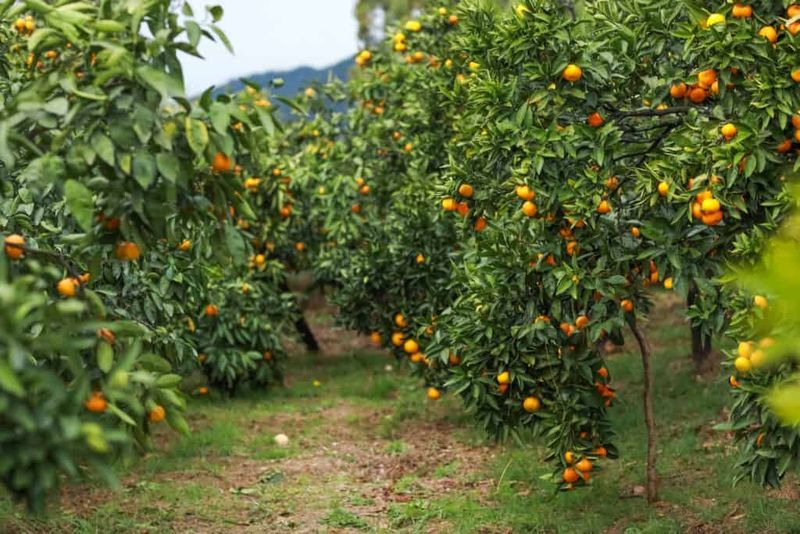
A mandarin can wear a deep orange peel and still taste sharp enough to make you squint. That surprise catches many Arizona gardeners every winter.
Peel color and the calendar help a little, but your own taste buds do the real work. Here is how to use the clues you have and pick fruit you will enjoy.
Start With the Variety and Its Harvest Window
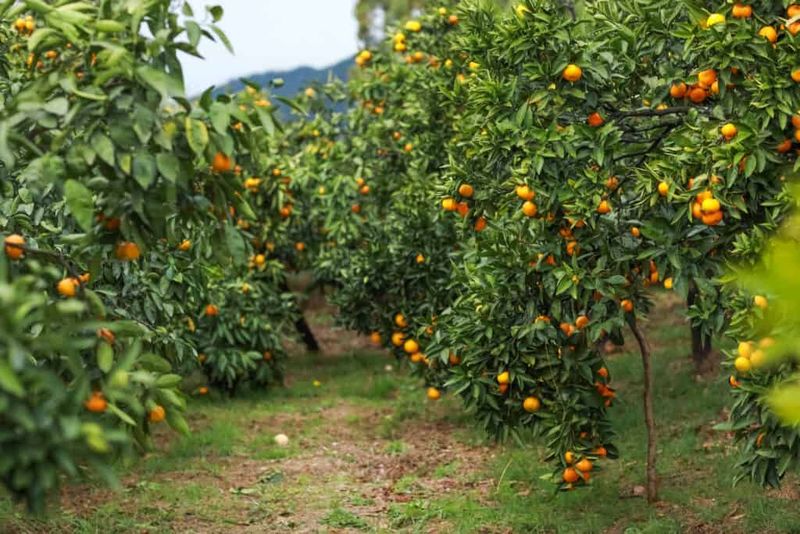
Arizona references treat mandarins as separate cultivars, and each one gets its own timing. A low-desert harvest calendar from Arizona Cooperative Extension lists Clementine and Fairchild mainly in November through December.
Daisy and Dancy fall in December through January, and Kinnow runs from mid-December into February.
Treat those windows as a nudge to start sampling, not as a picking date. The calendar is a 1998 reference written for the low desert, so it does not speak for every garden in the state.
If your tree is a Dancy, for example, you might begin tasting in early December.
A 2022 University of Arizona presentation gives broadly similar periods, but they are not identical to the older calendar. That mismatch is a good reminder that the numbers are estimates.
Neither source promises a date for your yard, so check your plant tag or purchase records for the cultivar name.
Taste the Fruit; Treat Color as a Clue
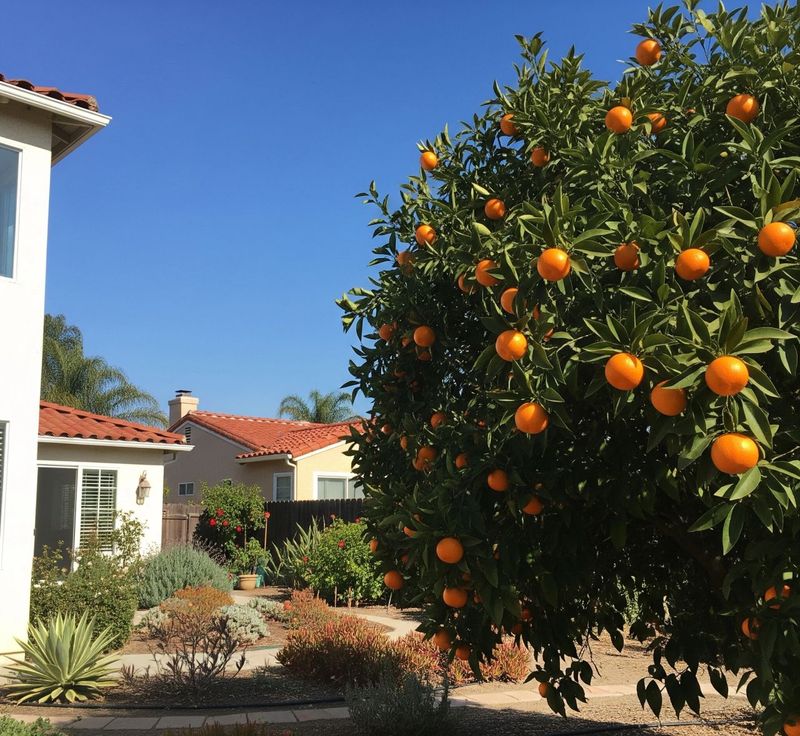
Grab one fruit, cut it open, and taste it. That simple bite is the best readiness test a home gardener has.
Ask yourself whether the flavor is sweet enough for you, or whether it still bites back with too much tartness.
Color is a clue, but it is not proof. As University of California Cooperative Extension advice explains, a fully colored peel can still hide fruit that is unappealing to eat.
A bright orange mandarin may simply be dressed up before its flavor catches up.
Commercial growers do things differently. Their mandarin maturity checks combine color with a measure of sugar compared to acid, and the UC Davis mandarin fact sheet describes those indices.
You do not need a meter or a ratio at home. Your tongue is the tool, and your preference is the standard.
Account for Conditions at Your Arizona Site

A calendar written for the low desert cannot set timing for the whole state. Arizona covers wide swings in elevation, so a yard in one town can feel very different from one across the valley.
Your own spot matters more than any statewide guess.
University of Arizona guidance on protecting citrus from cold says elevation, slope, and cold-air drainage all shape frost exposure. Cold air flows downhill and pools in low areas, so a tree at the bottom of a slope may get chillier nights than one higher up.
Frost risk is a separate question from fruit maturity. Nothing in the guidance ties a site feature to a set number of days of harvest change, and there is no single frost threshold for all of Arizona.
Watch your own yard on cold mornings, note which trees get hit first, and let that shape how closely you monitor your fruit.
Sample Again Instead of Picking Everything at Once
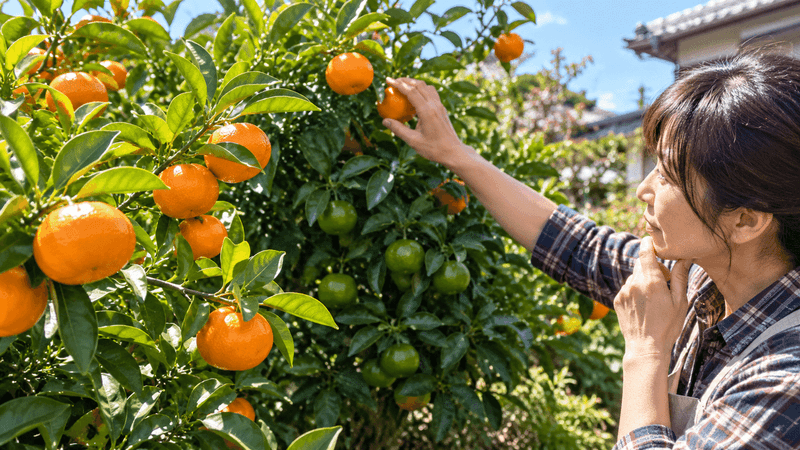
You do not have to harvest every mandarin in one afternoon. Citrus can stay on the tree and move from immature to mature, and eventually to overmature.
That gives you room to pick a little at a time.
Say you cut open a fruit and it is too tart for your liking. Leave the rest on the tree and taste another one in a week or two.
The University of California guide describes this slow change on the tree.
How long fruit holds its quality depends on the type of citrus and the conditions around it. Some fruit may stay pleasant for a good while, and some may fade sooner.
Keep a simple note of dates and flavors so you can see how your own tree behaves from year to year.
Clip Dry Fruit Carefully
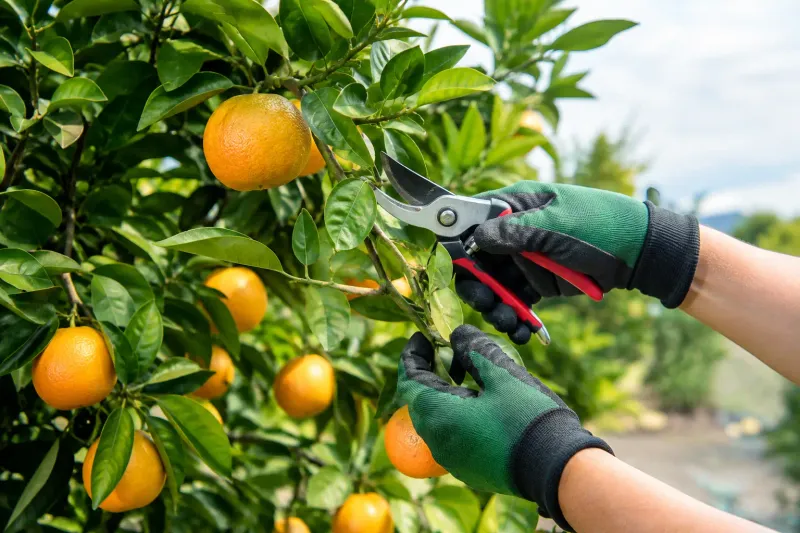
Once the flavor is right, pick on a day when the fruit is dry. Wet peel is easier to scuff and bruise.
Wait until the morning dew has burned off.
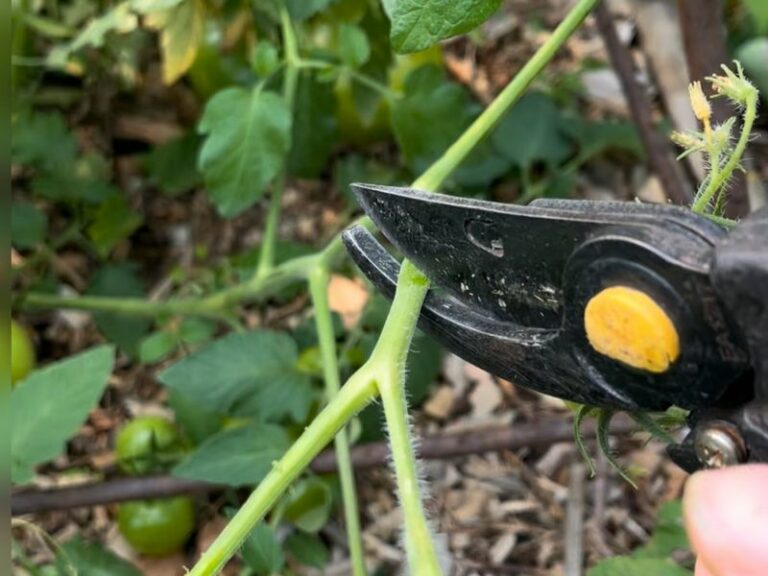
Use clippers and cut the stem close to the fruit instead of yanking it off. UC Davis citrus postharvest guidance recommends clipping rather than pulling.
A long stem left on can poke neighboring fruit, so trim it short.
Mandarins have a thinner peel than many other citrus, which means they are more easily damaged. Gentle handling reduces peel injury as you go from tree to basket.
It is a good habit, though it makes no promise about how long the fruit will keep.
Picked Mandarins Will Not Get Sweeter
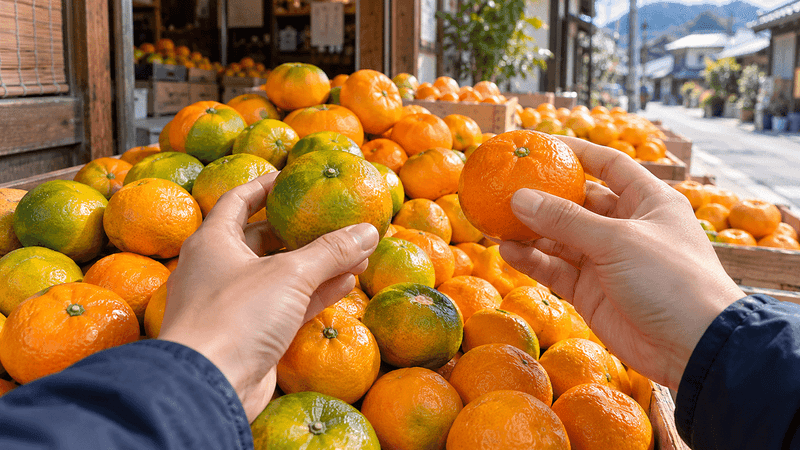
Some gardeners hope a tart mandarin will sweeten on the kitchen counter. Sadly, citrus does not gain sweetness after picking.
What you taste at harvest is about what you will taste later.
Color can fool you here. The UC Davis mandarin fact sheet notes that mandarins can be degreened after harvest, which changes the peel.
A greenish fruit may turn orange in storage while the flavor stays put.
So storage is not a rescue plan for fruit picked too soon. If a sample is too sharp, leave the others hanging and try again later.
The same University of California advice points back to the tree as the place where flavor is decided.
Let Flavor Make the Final Call
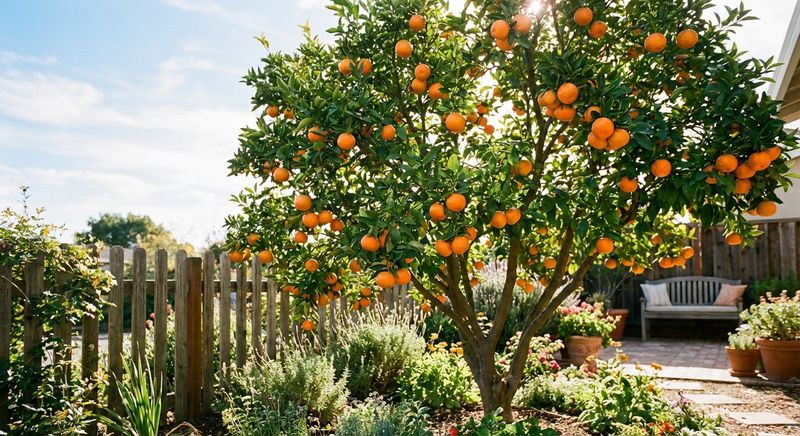
Start with your cultivar’s window to decide when to begin checking. Then taste a sample, and pick when the flavor suits you.
A calendar or a bright peel can start the conversation, but neither one replaces a bite.
Your tree will not follow a schedule, and your taste is the only measure that counts. Keep tasting until one fruit makes you grin.