Why Your Watering Habits Might Be Stopping Bougainvillea From Blooming In Arizona
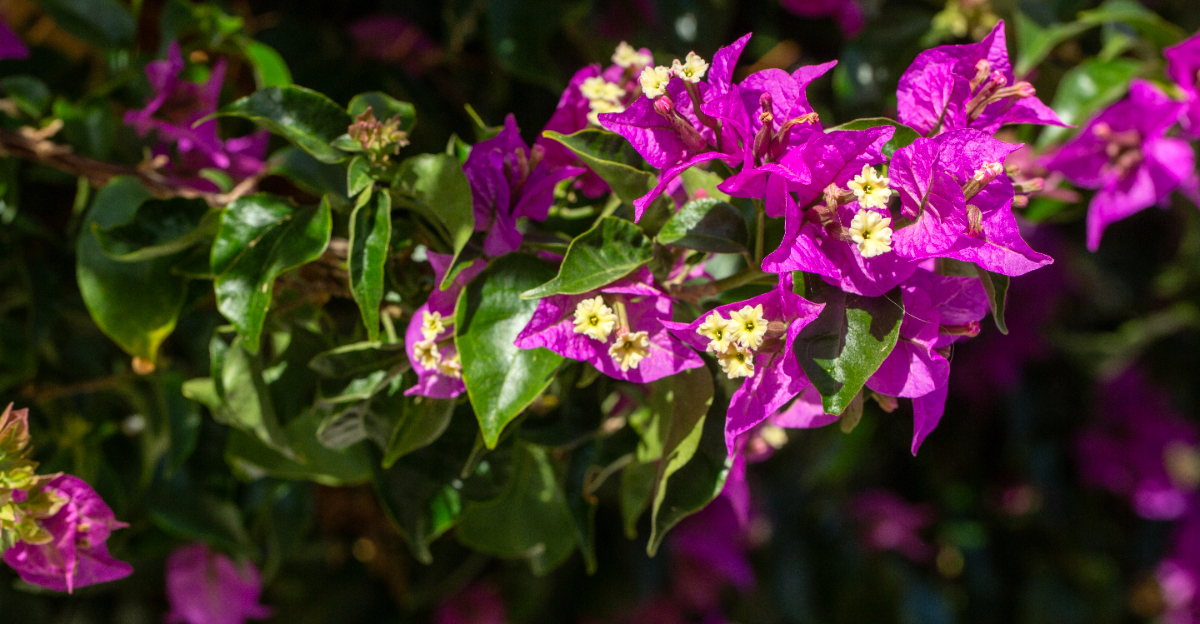
Few garden frustrations are more confusing than a plant that looks healthy but refuses to bloom. The leaves seem fine, growth continues, and nothing appears obviously wrong.
Yet week after week passes without the colorful display you were expecting. It can leave even experienced gardeners wondering what they might be missing.
In Arizona, this situation is especially common with bougainvillea, a plant known for thriving in the heat and covering landscapes with vibrant color. That reputation often makes the lack of blooms even more noticeable.
When a plant famous for putting on a spectacular show stays mostly green, it quickly becomes the center of attention for all the wrong reasons.
Many factors can influence flowering, and the answer is not always as obvious as it seems. Sometimes a routine that feels helpful can have the opposite effect.
Watering habits are often part of that conversation, and small adjustments can sometimes make a bigger difference than expected.
1. Overwatering Can Lead To Fewer Bougainvillea Blooms
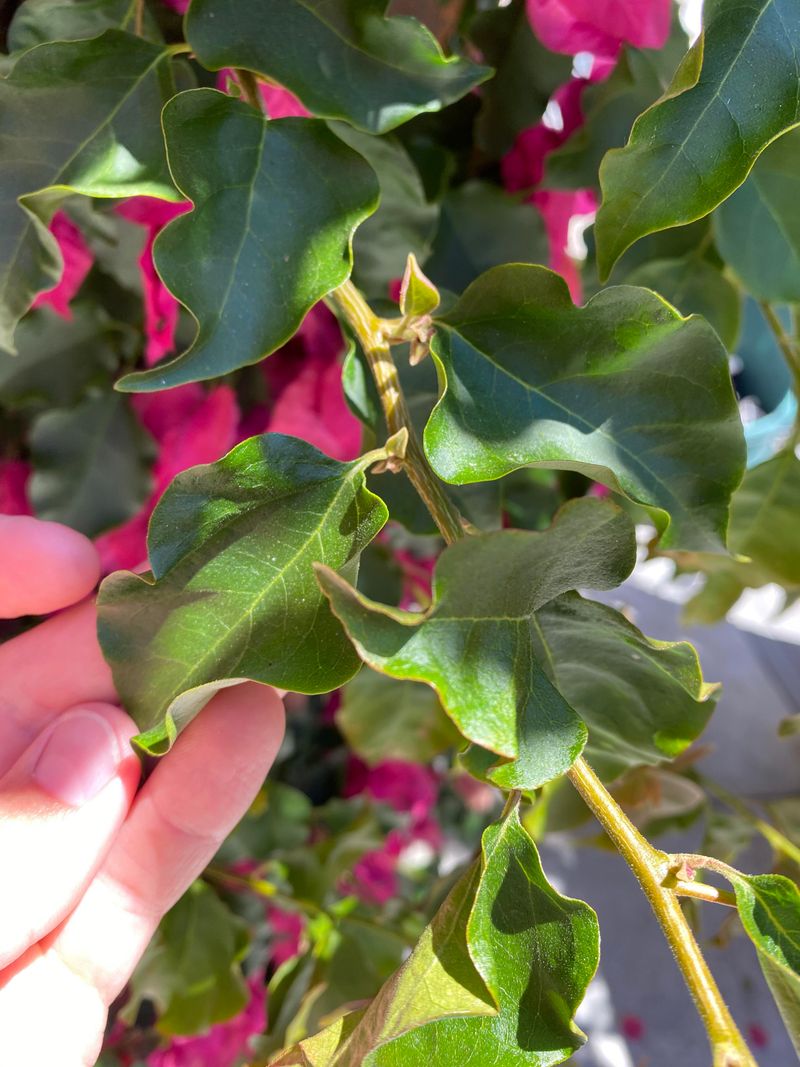
Too much water is probably the most common reason bougainvillea refuses to bloom. Most people assume that more water equals a healthier plant.
With bougainvillea, that logic works against you.
When roots sit in consistently wet soil, the plant shifts its energy toward producing leaves instead of flowers. It senses that conditions are comfortable and safe, so it never feels the need to bloom.
Blooming is actually a stress response for bougainvillea. It flowers to reproduce when it senses environmental pressure.
Overwatered bougainvillea tends to look lush and green but produces almost no bracts. You might even mistake it for a thriving plant at first glance.
Underneath, though, the roots are struggling to breathe in waterlogged soil.
Cut back on watering and watch what happens. Allow the top two to three inches of soil to dry out completely before watering again.
Some gardeners in warm climates like Texas wait even longer between waterings during the growing season.
A good rule of thumb: if you are unsure whether to water, wait another day or two. Bougainvillea handles dry spells far better than it handles excess moisture.
2. Watering Too Frequently Encourages Excess Leaf Growth
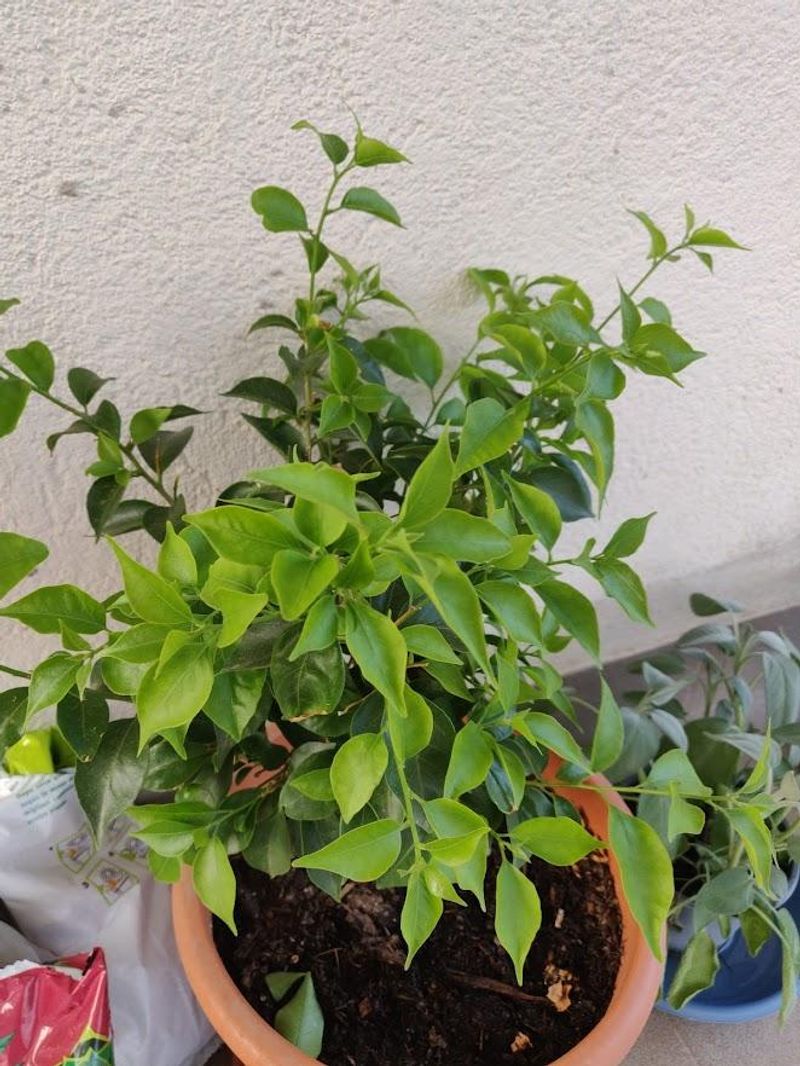
Frequent watering sends a clear signal to your bougainvillea: grow leaves, not flowers. When moisture is always available, the plant has no reason to shift into reproductive mode.
It just keeps pushing out new green growth.
Vegetative growth is not a bad thing on its own. But if you want color, you need the plant to redirect that energy toward bracts.
Cutting watering frequency is one of the most effective ways to make that happen.
Think of it like this. A plant that always has access to water is in survival comfort mode.
A plant that experiences dry periods between waterings starts preparing to reproduce. Flowering is part of that preparation.
Try stretching your watering schedule by a few extra days. Instead of watering every two or three days, push it to once a week or even longer during warm weather.
Your Arizona Garden Changes Every Week. Your Plan Should Too.
Gardening in Arizona changes quickly throughout the season. Every Friday you’ll receive a simple weekly plan showing exactly what to plant, prune, fertilize, harvest, and protect so you never miss the right timing.
Watch the plant closely at first. Slight wilting in the late afternoon is acceptable.
Heavy wilting in the morning means it needs water sooner.
Bougainvillea in containers may need water more often than those planted in the ground, simply because pots dry out faster. Still, always check soil moisture before adding water.
3. Shallow Irrigation Keeps Roots Near The Soil Surface
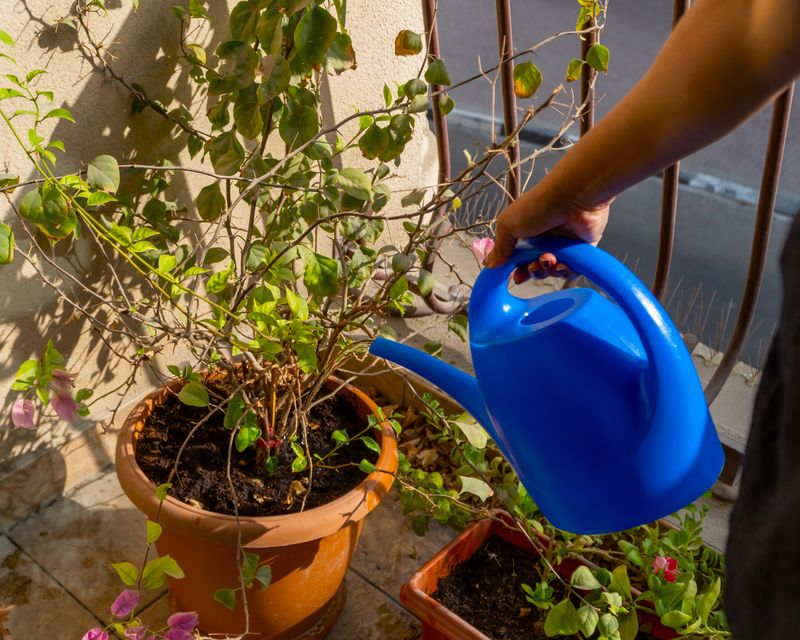
Shallow watering creates shallow roots. When you only wet the top inch or two of soil, roots have no reason to grow deeper.
They cluster near the surface chasing moisture, which leaves the plant vulnerable and less able to handle stress.
Deep roots give bougainvillea access to moisture stored further down in the soil profile. During dry spells, those deep roots keep the plant stable.
Surface roots dry out fast and leave the plant struggling between waterings.
Beyond root depth, shallow irrigation also affects blooming. A plant with weak, surface-level roots rarely performs at its full potential.
It spends too much energy managing water stress rather than directing resources toward flower production.
Water deeply and less often. When you do water, soak the soil thoroughly so moisture reaches six to eight inches down.
Then wait. Let the soil dry out before the next watering session.
This approach trains roots to grow downward and builds a stronger, more resilient plant overall.
Drip irrigation works well for bougainvillea when set up correctly. Position emitters close to the base and run them long enough to saturate the root zone.
Avoid overhead sprinklers, which wet the foliage without properly soaking the roots.
4. Poor Drainage Can Leave Roots Under Stress
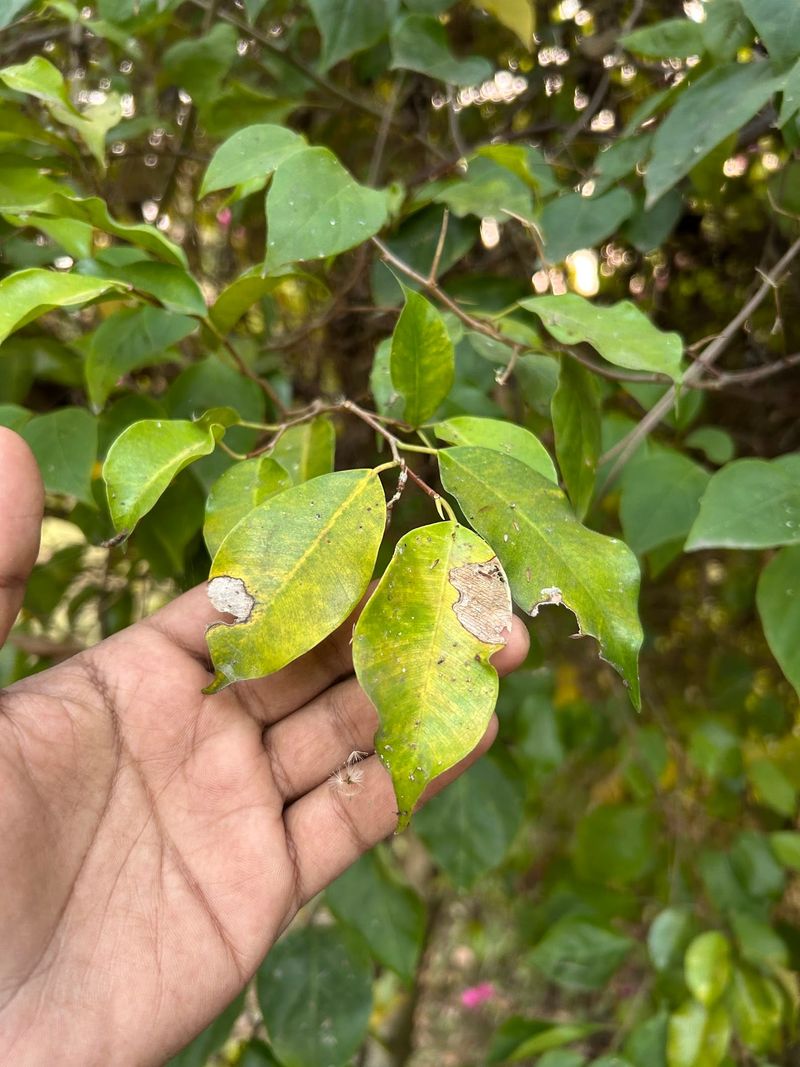
Standing water around the base of a bougainvillea is bad news. Even if you water correctly, poor drainage can undo all your efforts.
Roots sitting in water cannot absorb oxygen, and without oxygen, they struggle to function properly.
Clay-heavy soils are a common culprit. Water moves slowly through clay, and it pools around roots far longer than the plant can tolerate.
Sandy or amended soils drain much faster and are far more forgiving for bougainvillea.
Poor drainage does not just stress roots. It suppresses flowering too.
A plant focused on managing waterlogged roots has no spare energy to put into producing bracts. You may see yellowing leaves, slow growth, and almost no blooms at all.
If your soil drains poorly, consider amending it with coarse sand, perlite, or organic compost. Raised beds work well in areas where drainage is a persistent problem.
For container plants, always use pots with multiple drainage holes and avoid saucers that collect standing water.
In regions with heavy seasonal rainfall, planting bougainvillea on a slight slope or elevated mound can help water move away from the root zone naturally. Good drainage is not optional for this plant.
It is the foundation of good health and consistent blooming.
5. Sudden Schedule Changes May Interrupt Blooming Cycles
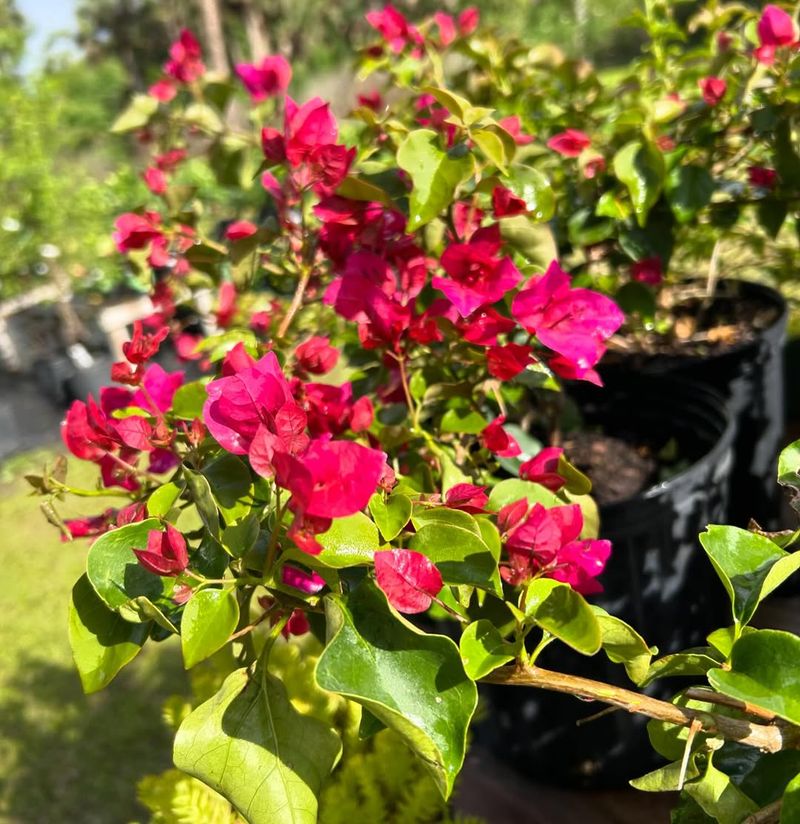
Bougainvillea responds to consistency. When you suddenly change how often or how much you water, the plant notices.
Abrupt shifts in moisture availability can interrupt a blooming cycle that was already building.
Imagine your plant is two weeks into a dry-down period, just starting to set buds. Then you get a week of heavy watering because the weather turns hot and you panic.
That sudden influx of moisture can cause the plant to abandon its blooming response and return to vegetative growth instead.
Gradual changes are far less disruptive. If you need to adjust your watering schedule, do it slowly over one to two weeks.
Reduce or increase the interval by a day at a time rather than making a big jump all at once.
Seasonal transitions are also worth watching. Moving from spring into summer or from summer into fall often requires a watering adjustment.
Make those changes gradually and keep an eye on the plant for signs of stress or new bud development.
Keeping a simple watering log can help. Even just noting when you water and how much makes it easier to spot patterns and avoid accidental schedule disruptions.
Bougainvillea rewards patience and routine.
6. Established Plants Usually Need Less Water Than Expected
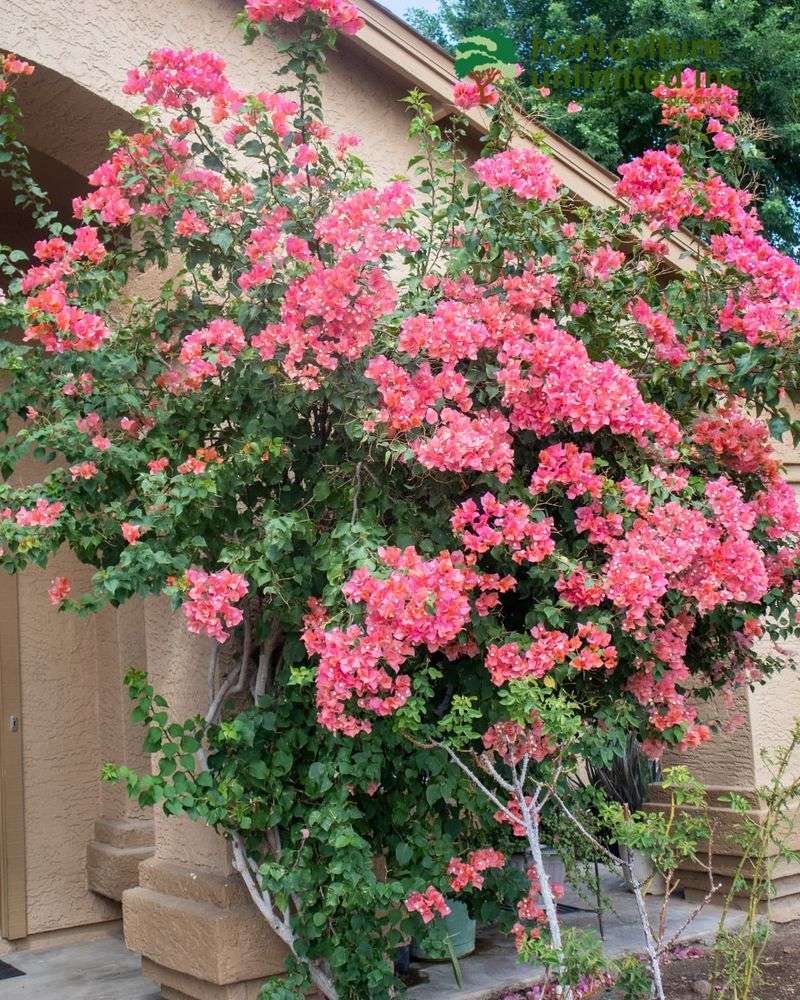
A newly planted bougainvillea needs regular watering to get established. But once it settles in, usually after the first growing season, its water needs drop significantly.
Many gardeners do not adjust their habits after that point, and the plant suffers for it.
Established bougainvillea has a deep, well-developed root system. Those roots can access moisture far below the surface.
Watering as frequently as you did during the first year keeps the soil too wet and suppresses blooming.
Gardeners in Southern California are often surprised to find that their established plants thrive on very little supplemental water during summer.
In fact, some gardeners report their best bloom displays happen after cutting back irrigation dramatically or stopping it altogether for a period.
Pay attention to how long your plant has been in the ground. After the first full year, start pulling back on watering.
Observe how the plant responds. A healthy established bougainvillea will tell you when it needs water through mild wilting in the heat of the day.
Morning wilting is a clearer sign that water is needed. Afternoon wilting is often just a heat response and does not always mean the plant is thirsty.
Learning to read these signs takes a little practice, but it pays off.
7. Dry Periods Often Encourage Stronger Flower Displays
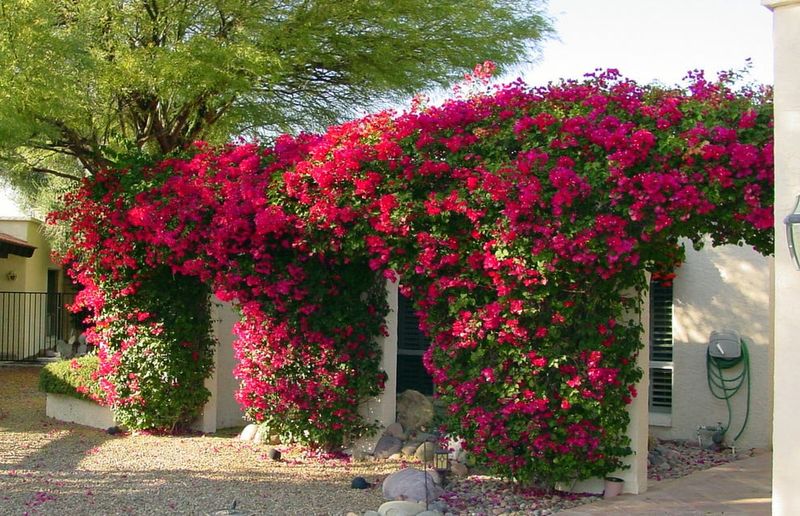
Controlled dry periods are one of the most reliable ways to trigger a bougainvillea bloom. Growers have used this technique for decades, and it works consistently across different climates and growing conditions.
When water becomes scarce, the plant shifts into survival mode. Part of that response involves producing flowers to set seed and reproduce.
It is a natural biological trigger, and you can use it to your advantage on purpose.
A typical dry-down period lasts two to four weeks. During this time, you withhold water until the plant shows mild wilting.
Then you give it a deep soak and repeat the cycle. Each dry period followed by a good watering can push the plant into a new flush of blooms.
Timing matters. Starting a dry-down period in late winter or early spring aligns with the plant’s natural blooming cycle and can produce spectacular results.
Avoid doing this during extreme heat waves, which can push the plant past mild stress into real damage.
Container bougainvillea responds especially well to this method because you have full control over moisture. In-ground plants in areas with regular rainfall may need some creativity, like covering the root zone with a tarp during rain, to achieve the same effect.