Why This Arizona Toad Suddenly Shows Up During Monsoon Season
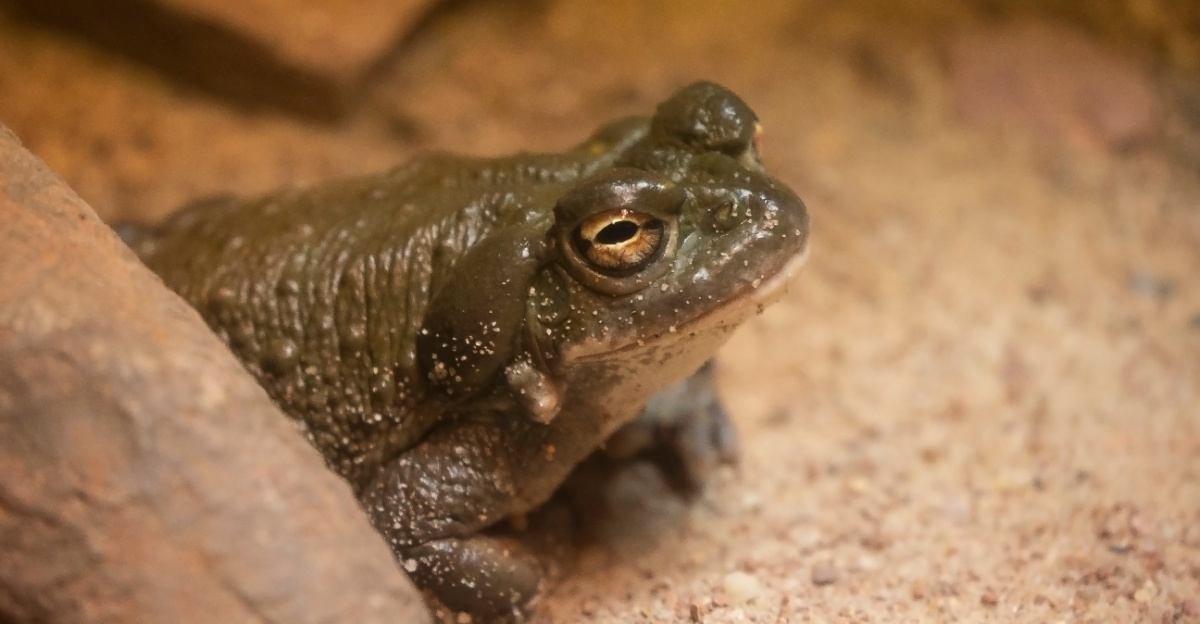
Seeing a giant toad after a monsoon storm can feel completely unexpected. One evening your yard is quiet, and the next there is a visitor you have never noticed before.
It is easy to think they suddenly appeared out of nowhere. The truth is much more interesting than that.
This is one of the desert’s most remarkable seasonal changes. For most of the year, these toads stay hidden from view before the summer rains bring them back above ground.
Arizona’s monsoon season is the moment everything changes for them. Their return follows the rain with incredible timing.
The next sighting will probably make you stop and look twice.
What seems unusual is actually one of the clearest signs that monsoon season has truly arrived.
1. The Sonoran Desert Toad Comes Out After Monsoon Rains
Few things in the desert feel as dramatic as a monsoon downpour. When those first heavy rains hit the ground, Sonoran Desert toads seem to appear almost instantly, as if the rain itself called them forward.
These toads are remarkably well-timed. They can sense moisture in the soil and changes in air pressure before rain even arrives.
Once the storm breaks and water starts pooling, they push up through the softened earth and head straight for the nearest water source.
Spotting one on a wet road at night is surprisingly common during peak monsoon weeks. They tend to move in the hours just after a storm, often covering short distances to reach breeding pools.
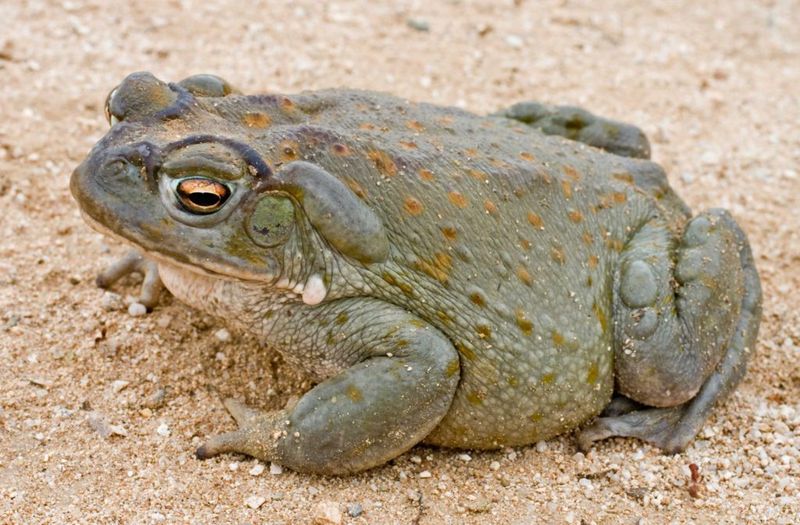
Sonoran Desert toads are one of the largest toad species in North America. Adults can grow to about seven inches long, so when you see one, it is hard to miss.
Their olive-green or brown coloring blends well with wet soil and rocks.
Worth noting: these toads carry skin secretions that can be harmful to pets, especially dogs that try to mouth or bite them. Knowing they are active during monsoon season helps pet owners stay alert during evening walks.
2. It Spends Most Of The Year Underground
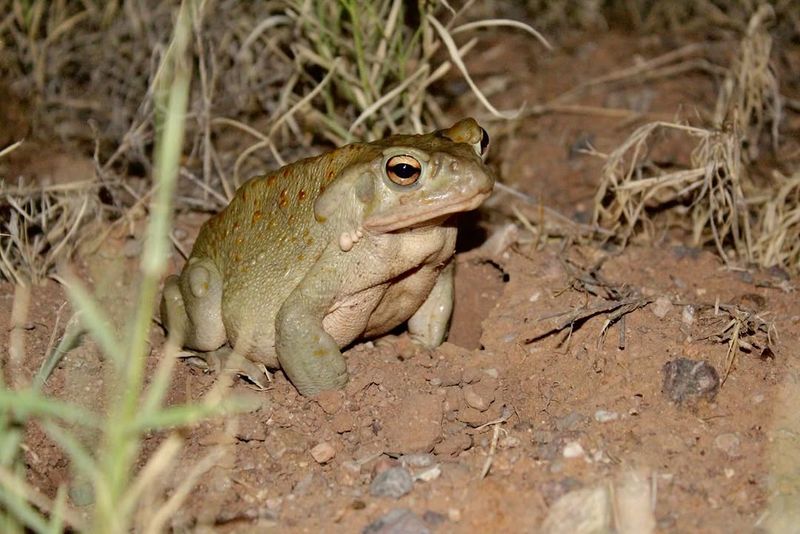
Buried alive sounds alarming, but for the Sonoran Desert toad, spending months underground is completely normal.
Most of the year, while the desert bakes under intense heat, this toad rests in a state called estivation, which is similar to hibernation but triggered by heat and dryness rather than cold.
Toads do not dig elaborate tunnels. Instead, they often use burrows made by other animals or push themselves into loose, sandy soil.
Once settled, their metabolism slows down significantly, allowing them to survive on stored fat and water for months at a time.
They can stay underground from late summer all the way through spring, sometimes longer if rains are late. That is roughly nine to ten months of dormancy in a typical year.
During that time, a tough layer of shed skin forms around them, helping reduce water loss.
When soil temperatures shift and moisture seeps down, their bodies respond. Emerging takes some effort, but once they break the surface, they move with surprising speed toward water.
Your Arizona Garden Changes Every Week. Your Plan Should Too.
Gardening in Arizona changes quickly throughout the season. Every Friday you’ll receive a simple weekly plan showing exactly what to plant, prune, fertilize, harvest, and protect so you never miss the right timing.
Estivation is a remarkable survival strategy. Without it, these toads would struggle to make it through the long dry stretches that define desert life in this region.
It is one reason they have thrived here for so long.
3. Rain-Filled Pools Give It A Place To Breed
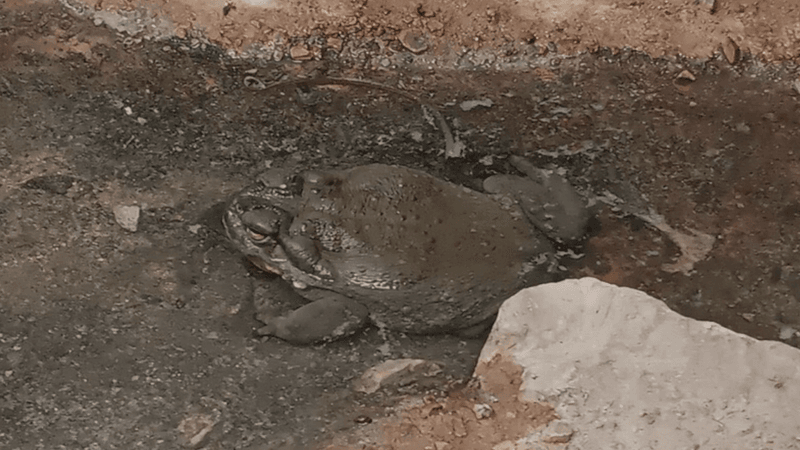
Breeding season kicks off fast. As soon as standing water appears after a monsoon storm, Sonoran Desert toads gather at the edges of temporary pools, shallow washes, and flooded low spots to breed.
Males call loudly to attract females. Their calls are short and low-pitched, almost like a weak foghorn.
On a quiet night near a desert pool, the sound can carry a surprising distance. Multiple males often call at the same time, creating a layered chorus near the water.
Females lay long strings of eggs directly in the water. Those eggs hatch quickly, sometimes within a day or two, producing tiny tadpoles that must grow fast before the pool dries up.
Timing is everything for tadpole survival. Temporary desert pools can evaporate within a few weeks, so tadpoles that develop slowly may not make it to adulthood before the water disappears.
Natural selection in these conditions favors fast developers.
Not every breeding attempt succeeds. If rains stop too soon or pools dry out before tadpoles finish growing, that season’s reproduction may be limited.
Successful years depend heavily on consistent monsoon rainfall over several weeks.
Watching a desert pool fill with tadpoles after a storm is one of the more surprising sights the monsoon season offers in the Southwest.
4. Warm, Humid Nights Bring More Activity
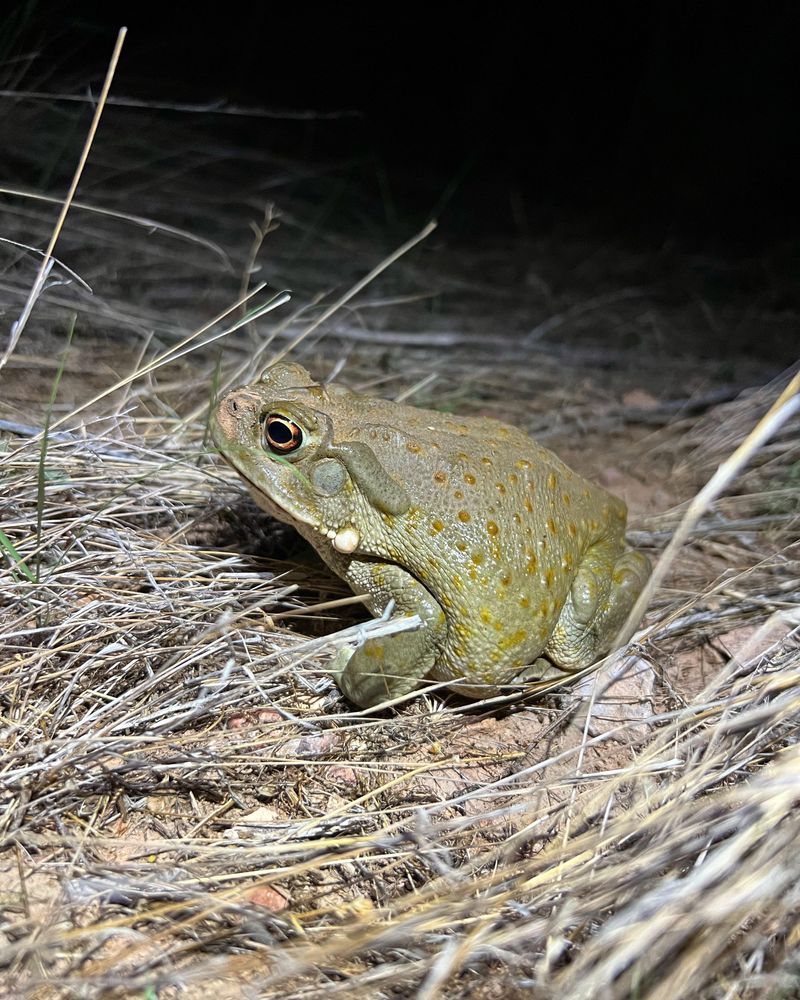
Hot, sticky nights might feel uncomfortable to most people, but for Sonoran Desert toads, that kind of weather is ideal. Warm temperatures combined with high humidity create the perfect conditions for nighttime activity.
Toads are ectothermic, meaning their body temperature follows the environment around them. On a cool night, they slow down and stay put.
On a warm, humid night after rain, they become highly active, moving around, hunting, and heading toward water with energy and purpose.
Monsoon season in the desert delivers exactly those conditions on a regular basis. Nighttime lows often stay above 75 degrees during peak monsoon weeks, and humidity spikes dramatically after storms.
That combination gives toads a reliable window to be active.
Humidity also reduces water loss through their skin. Toads absorb moisture through a patch of skin on their belly called the seat patch.
When the ground is wet or the air is damp, they can rehydrate without needing to sit in open water.
Peak activity usually happens in the two to three hours after a significant rain event. Driving through desert neighborhoods during that window, you may notice toads crossing roads, sitting under streetlights, or moving along irrigation channels.
Warm, wet nights are their season. Everything about their biology lines up with monsoon conditions.
5. Flying Insects Provide Plenty To Eat
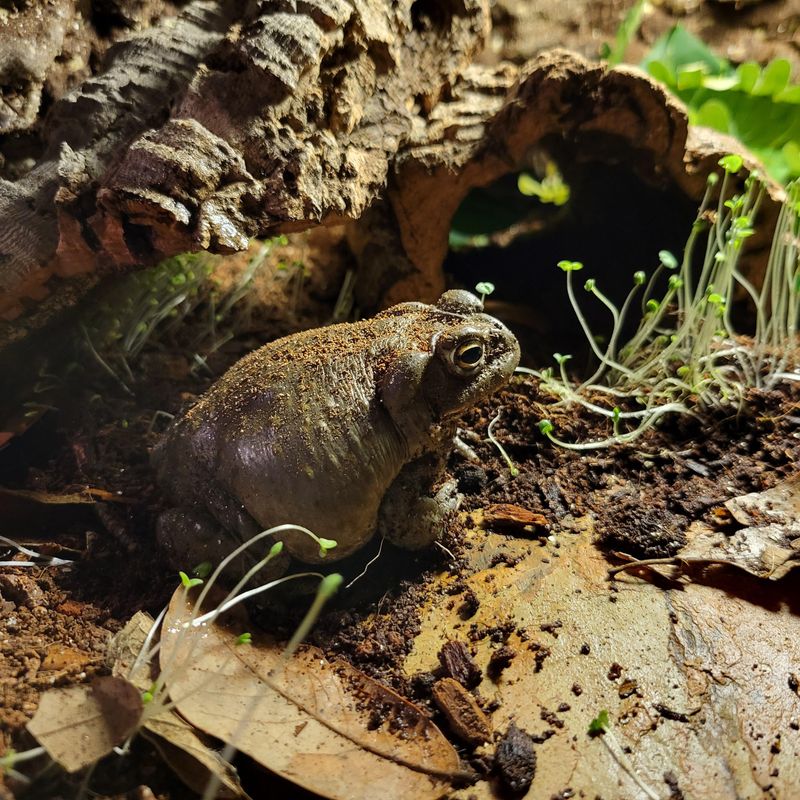
Monsoon season does not just bring rain. It also triggers a massive explosion of insect activity across the desert, and Sonoran Desert toads are built to take full advantage of it.
Flying termites, beetles, moths, and other insects emerge in huge numbers after monsoon storms.
Many are attracted to lights, which means toads often position themselves near porch lights, street lamps, or any other source of artificial light where insects gather.
Smart hunting strategy for an animal with limited energy.
Toads use a sit-and-wait approach. Rather than chasing prey across open ground, they find a good spot and let food come to them.
When an insect gets close enough, they strike with a fast, sticky tongue.
Their appetite during monsoon season is significant. After months underground without eating, they need to build up fat reserves quickly.
Feeding heavily during the active season helps them survive the next long dormancy period.
Scorpions, small lizards, and even smaller toads can also end up as prey. Sonoran Desert toads are opportunistic feeders and will eat most things small enough to swallow.
Watching one sit patiently under a porch light on a rainy night is oddly entertaining. They barely move, but when something edible gets within range, the reaction is instant and precise.
6. Most Sightings Last Only A Few Weeks
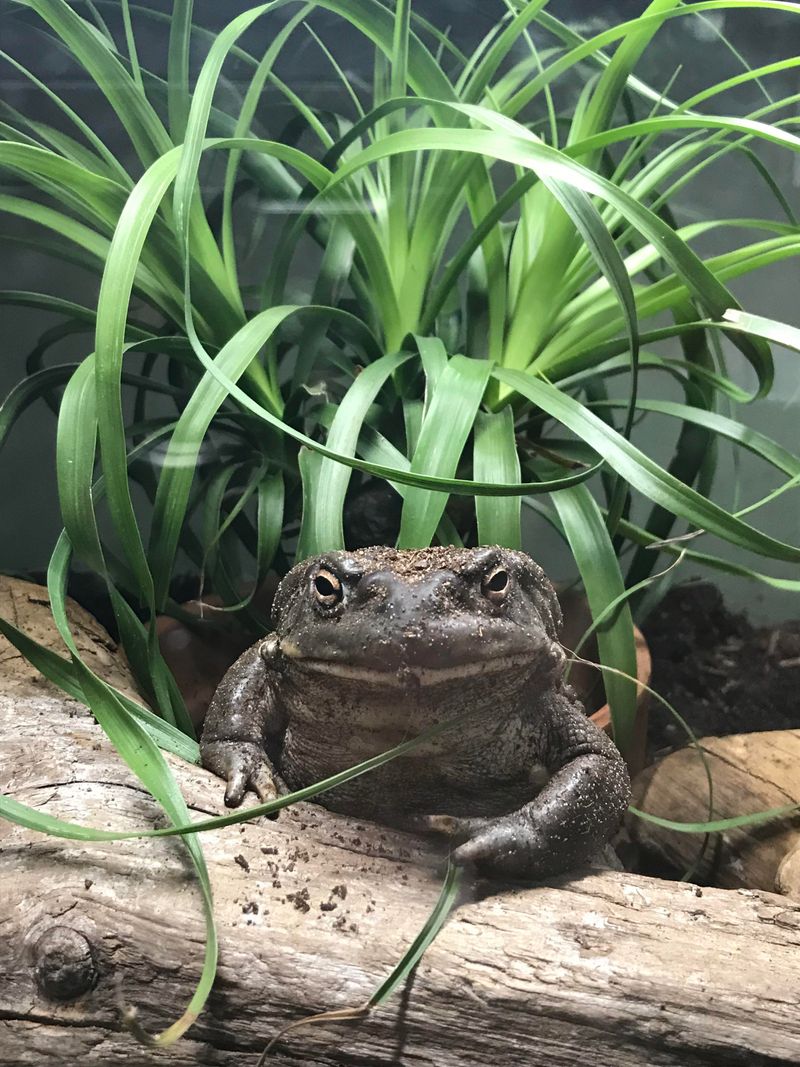
Blink and you might miss them. The window when Sonoran Desert toads are visible above ground is genuinely short, typically spanning just a few weeks during the heart of monsoon season.
Peak activity in Arizona usually falls between July and August, aligning closely with the most intense period of monsoon rainfall. Once rains become less frequent and pools start to shrink, toad activity drops off quickly.
The short window is not random. It reflects how tightly their biology is tied to water availability.
Breeding must happen while pools exist. Feeding must happen while insects are abundant.
Both of those conditions fade as monsoon season winds down.
Juvenile toads, newly transformed from tadpoles, are sometimes visible a bit later than adults. They need time to develop after metamorphosis and may be seen near shrinking pools even after adult sightings have dropped off.
If you want to see these toads in person, the best approach is to get outside on warm nights within 24 to 48 hours after a significant rain event. Check near washes, neighborhood drainage areas, and any spot where water collects.
Missing the window does not mean waiting a full year. Another round of monsoon rain can restart the cycle within days, bringing toads back above ground for another brief stretch of activity.
7. Dry Weather Sends It Back Underground
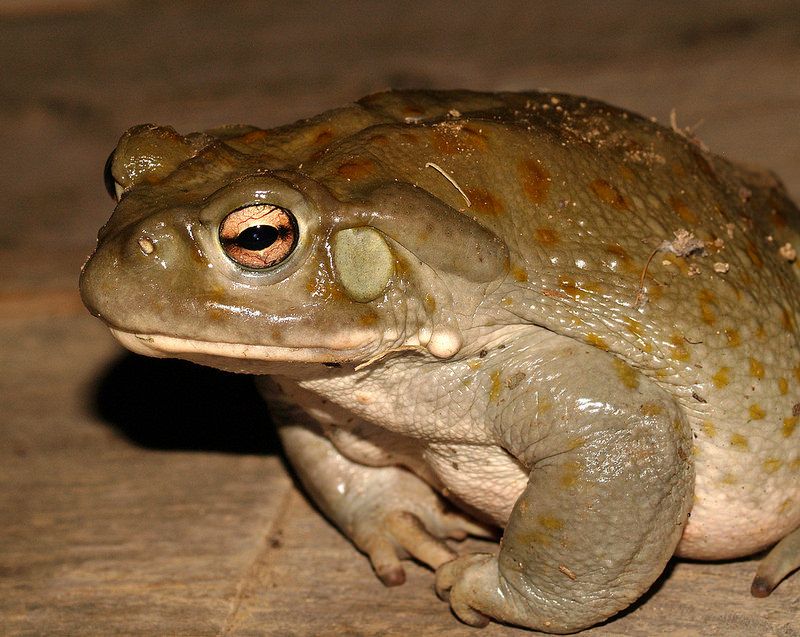
As monsoon rains taper off and the desert dries out again, Sonoran Desert toads start their retreat. The shift from active to dormant happens gradually, following the pace of drying soil and fading humidity.
Once surface water disappears and nighttime temperatures begin dropping, toads have less reason to stay above ground. Food becomes harder to find.
Conditions that supported high activity no longer hold. Moving underground becomes the better option for conserving energy and water.
Burrowing back down is not an instant process. Toads may spend several days near their last active spots before finally pushing into the soil.
Soft, sandy ground makes entry easier, while hard-packed or rocky soil can slow things down.
Once underground, they form that protective layer of shed skin and slow their metabolism again. Their heart rate drops.
Breathing slows. They enter a state that lets them stretch their body’s resources across many months without food or water from the surface.
Dry spells mid-monsoon can also trigger temporary retreats. A toad active during one storm may go back underground if several dry days follow, then re-emerge when the next rain arrives.
The behavior is flexible, not rigid.
Come late summer or early fall, most toads in the Sonoran Desert region have vanished below ground again, and the desert goes quiet until next monsoon season rolls around.