8 Plants Virginians Can Safely Store in the Garage Over Winter
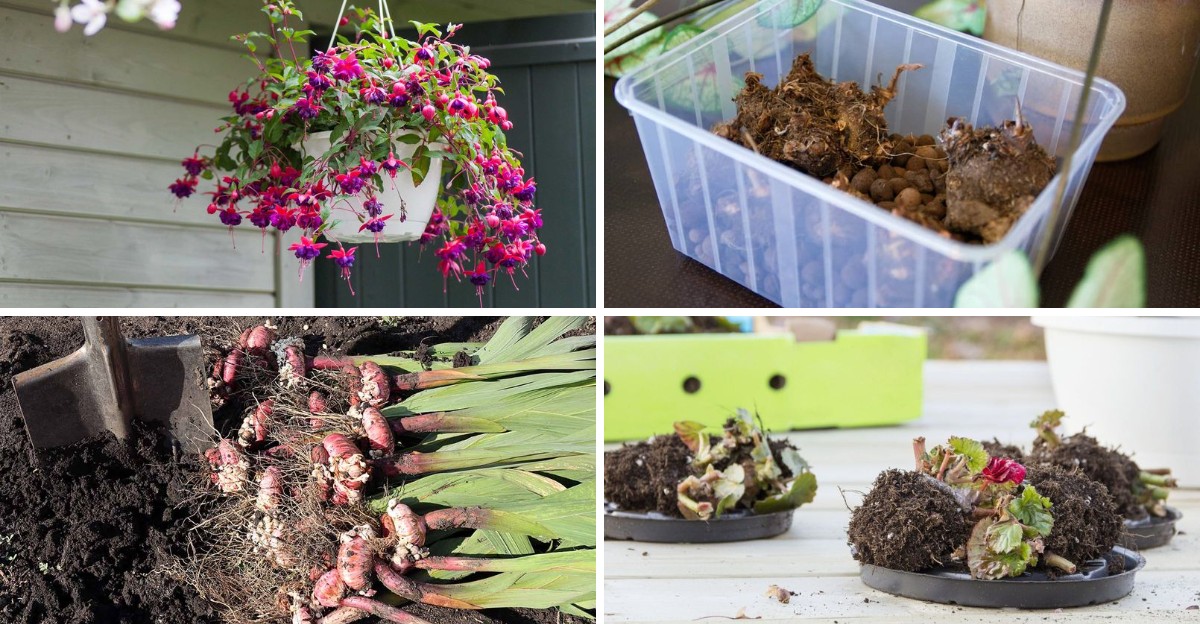
Many flowers sold as cheap annuals at garden centers are actually perennials from warm places like South Africa and Mexico. In their homelands they bloom for years, yet most of us toss them into the compost every single fall.
Frost in Virginia usually arrives somewhere between early October in the mountains and mid November near the coast. One cold night can turn lush leaves into limp black mush, and that sight still makes me wince.
Take it from someone who bought the same pricey plants three springs in a row before learning better. A plain garage, the dusty spot holding rakes and old paint cans, can work like a winter hotel.
Plenty of Virginia gardeners already use that chilly space, and the savings add up faster than you expect. So which sleepy summer beauties can handle a few months beside the lawn mower without complaint?
1. Geraniums
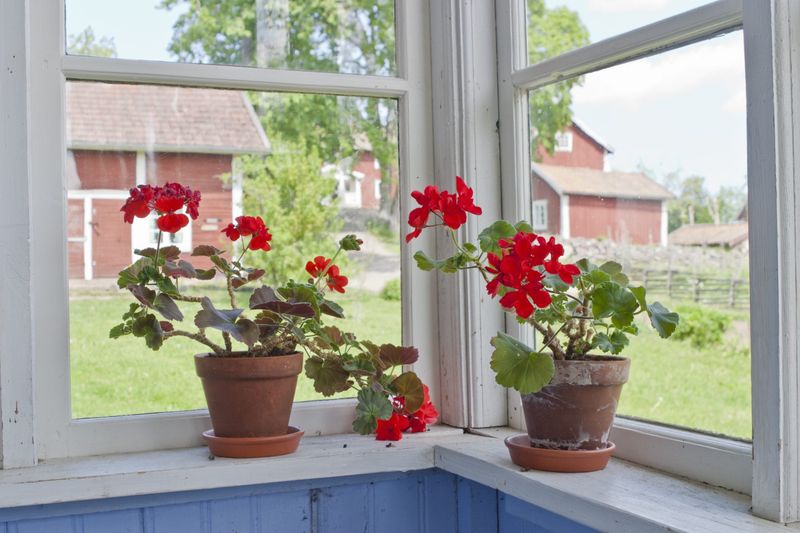
Those bright red geraniums on your porch are really Pelargonium, a tender perennial that hails from South Africa. I still remember sniffing their spicy leaves and feeling guilty about tossing such tough plants every autumn.
Bring potted plants inside before the first hard frost, usually when nights start dipping into the low thirties. Cut the stems back by about one third to half, and pull off yellow leaves along the way.
Check under every leaf for whiteflies or aphids, since a garage offers no natural predators to help you. A quick rinse with the hose before moving pots indoors removes many of those unwanted hitchhikers.
Garage storage works best when temperatures stay between about 45 and 55 degrees without dropping below freezing. Water lightly once a month, giving just enough moisture to keep the stems firm instead of shriveled.
Old timers had another trick, pulling plants from the ground and hanging them upside down in paper bags. Soak those bare roots in water for an hour or two every month or so to prevent shriveling.
Spindly pale shoots may appear by late winter, and that is perfectly normal for plants kept in dim light. Pinch those weak shoots back in March so the plant fills out with sturdier, bushier growth.
Move pots outside gradually after your last frost date, starting in shade for a few days first. Watching a scruffy survivor burst into bloom again feels like getting a free plant, which is exactly what it is.
2. Fuchsias
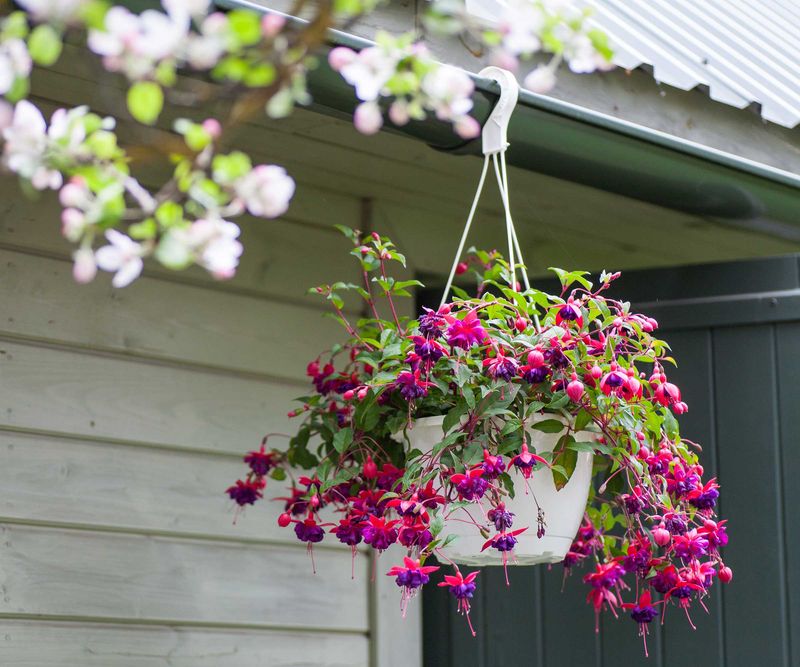
Hummingbirds treat a hanging basket of fuchsias like a drive-through window, zipping between those dangling ballerina blooms all summer. Most basket types are tender, but they handle a sleepy winter in a cool garage surprisingly well.
Fuchsias come mostly from the mountains of Central and South America, where cool nights suit them perfectly. Steamy summers in eastern Virginia can stress them, so many of us grow them in shady spots.
Before frost, start cutting back on water so the plant slows down and begins to drop leaves. Strip off any leaves that remain, because they can hide pests and invite gray mold over winter.
Many growers trim branches back by about half at this point, which makes storage much less awkward. Set the pot where temperatures hover around 40 to 50 degrees, and light hardly matters while dormant.
Between you and me, overwatering is the biggest mistake, since soggy roots rot quickly in cold soil. Give a small drink every three or four weeks, just enough to keep the root ball slightly damp.
Scratch a stem with your fingernail in late winter, and green tissue underneath means your plant is fine. Brown, brittle twigs can be pruned away, leaving the healthy wood to sprout fresh shoots in spring.
Around March, move the plant into bright light and refresh the top few inches of potting mix. Those hummingbirds will find your basket again once it hangs outside after the last spring frost.
3. Canna Lilies
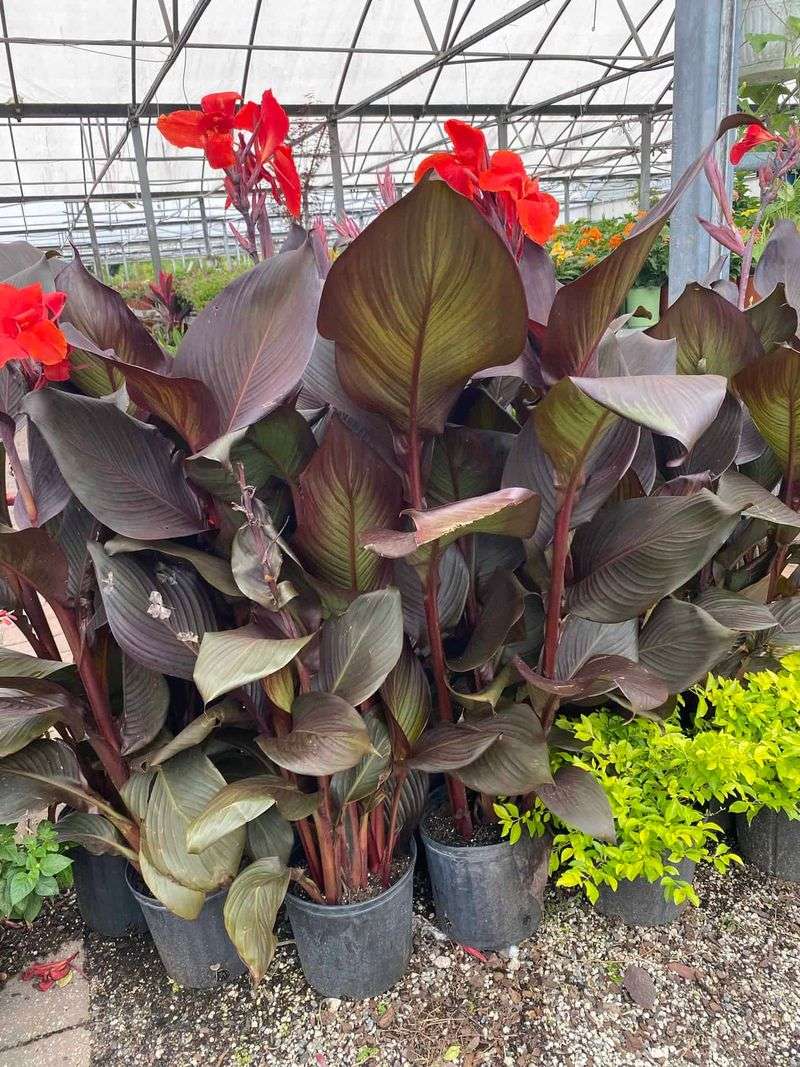
Cannas look like they belong beside a resort pool, with paddle leaves that can stretch two feet long. Funny thing is, they are not true lilies at all, and they grow from fat underground rhizomes.
Gardeners near the coast and in warmer parts of the state often leave them in the ground under mulch. Up in the colder mountain counties, lifting the rhizomes for winter is the safer plan by far.
Wait until the first frost blackens the foliage, then cut the stalks down to roughly six inches tall. Dig wide with a garden fork, because the clumps spread farther than you might expect underground.
Leave some soil clinging to the roots, then let the clumps dry for several days somewhere sheltered. That short curing period toughens the skin and helps the rhizomes resist rot during the months ahead.
Pack them in boxes or crates with peat moss or vermiculite, keeping the material barely damp. A dark garage corner that stays between 40 and 50 degrees suits these sturdy rhizomes just fine.
Peek at them every few weeks, and toss out any pieces that feel mushy or smell sour. If some look wrinkled, mist the packing lightly, since a little moisture keeps them plump and healthy.
My garden taught me that one clump can easily become five or six divisions by the following spring. Plant them out once the soil warms in May, and share the extras with a lucky friend.
4. Dahlias
Dahlias are the national flower of Mexico, and the Aztecs reportedly grew them long before European gardens did. Some dinner plate types grow blooms wider than your hand, which explains why folks get so attached.
In warmer coastal areas, some growers leave tubers in the ground with heavy mulch and decent drainage. Wet clay soil is the real enemy, rotting tubers faster than cold ever could in many yards.
Once frost blackens the plants, cut stems to about six inches and wait a week before digging. That short pause helps the tuber skins toughen, which makes them much less likely to bruise later.
Lift clumps gently from a foot away, since the necks connecting tubers to the crown snap easily. A tuber without a piece of crown and an eye will not sprout, no matter how plump.
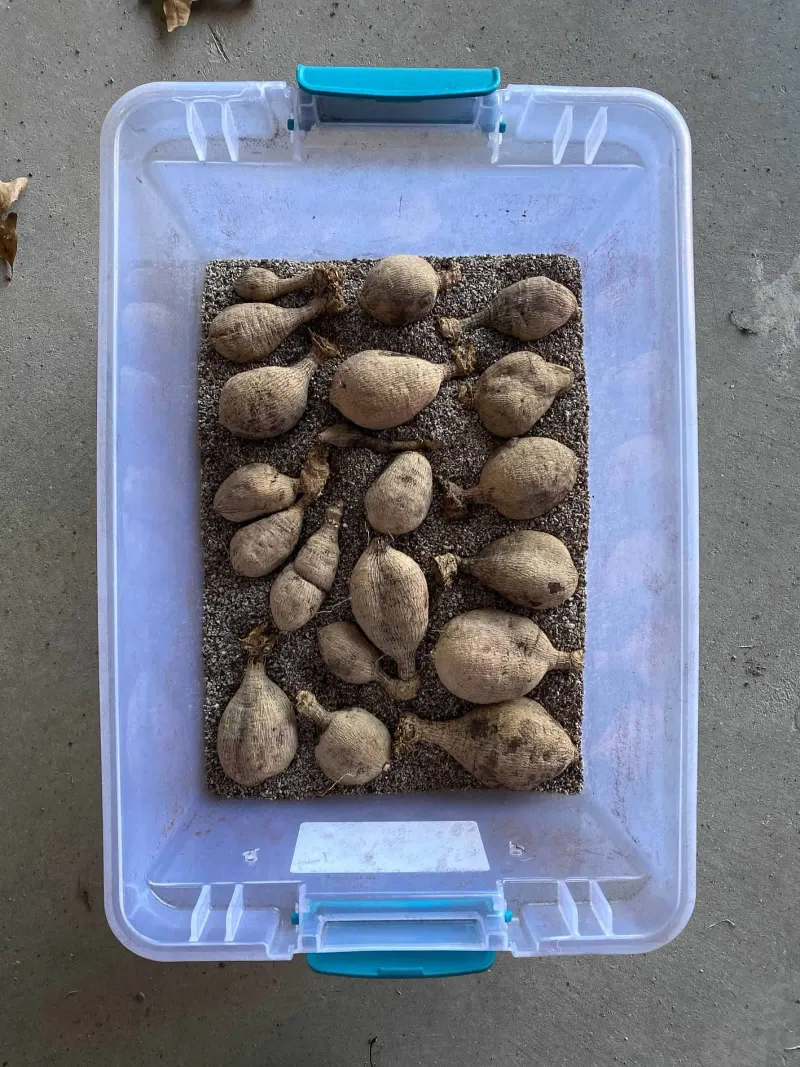
Brush off the soil and let the clumps dry for a day before writing names on each one. Looking back, I should have labeled mine sooner, because unmarked tubers all look like knobby brown potatoes.
Nestle them in slightly damp wood shavings or vermiculite inside a sturdy cardboard box or plastic tub. Aim for roughly 40 to 50 degrees, which an insulated attached garage often provides through most winters.
Check monthly and trim away any soft spots, dusting the cut with a little cinnamon if you like. Replant after your last frost, once the soil feels warm, and watch those lumpy roots come alive.
5. Caladiums
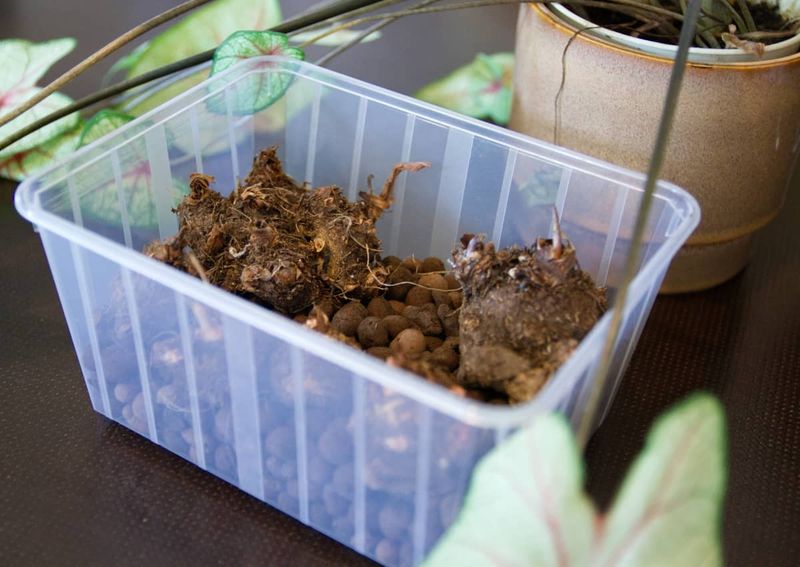
Caladium leaves look hand painted, as if someone splashed pink and cream across a giant green heart. Most of the tubers sold in America come from fields around Lake Placid, Florida, the self-proclaimed caladium capital.
For what it’s worth, these are the fussiest plants on this list when it comes to cold. Tubers stored below about 50 degrees often suffer chilling injury, so a frigid garage will not work.
An attached, insulated garage that stays fairly mild can do the job, especially along a shared house wall. Toss a cheap thermometer out there first, and move the box indoors if readings slip too low.
Dig the tubers in early fall, once nights drop into the fifties and the leaves begin flopping. Waiting for frost is risky here, since cold soil can damage these tropical tubers before you notice.
Spread them in a warm, airy spot for about a week or two so the skins dry thoroughly. Snip off the shriveled leaves afterward, then store the tubers in dry peat moss or mesh bags.
Wear gloves while handling them, because the sap contains calcium oxalate crystals that can irritate sensitive skin. Keep the box well away from curious pets and children, since every part is toxic if chewed.
Replant only when the soil reaches about 70 degrees, which often means late May or early June. Patience pays off, because those painted hearts unfurl surprisingly fast once the warm weather finally settles in.
6. Tuberous Begonias
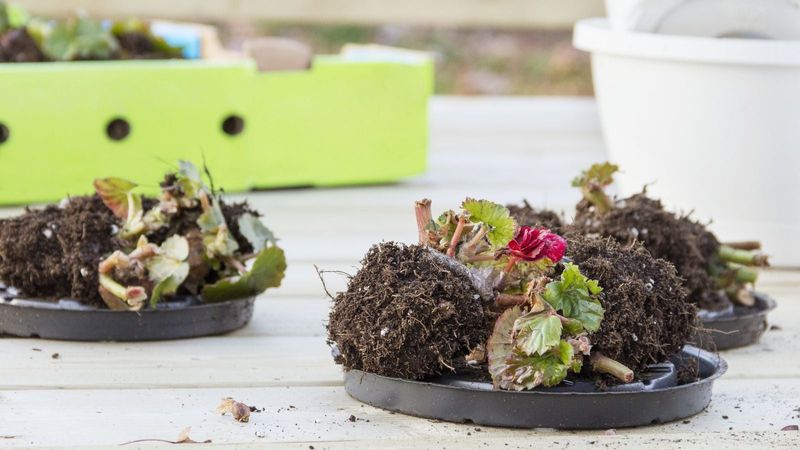
Tuberous begonia flowers can look like roses or camellias, with ruffled petals that seem far too fancy for shade. Their ancestors came from the cool Andes Mountains, which explains why they sulk during sticky summer heat waves.
In my own yard, I’ve noticed they perform best on a porch that gets gentle morning sun. By early fall the stems start yellowing, which is your cue to ease off water and fertilizer.
Lift the tubers before a hard freeze, handling them like eggs, because their skin bruises with little pressure. Leave a few inches of stem attached, and let everything dry in a shaded, airy spot.
After a week or two, the old stems will pop off easily with a gentle twist. Brush off loose soil, then store the tubers in dry peat moss or shredded paper inside paper bags.
A garage shelf holding steady around 40 to 50 degrees keeps them dormant without risking frost damage. Skip plastic containers here, since trapped moisture tends to turn these delicate tubers soft and moldy.
Oddly enough, the top of each tuber is the slightly hollow side, where little pink buds eventually appear. Plant them hollow side up, barely covered with soil, or water can pool and rot the crown.
Start them indoors in shallow trays about eight weeks before your last frost for an early show. Each year the tubers grow a bit larger, so your saved plants usually bloom even more generously.
7. Elephant Ears
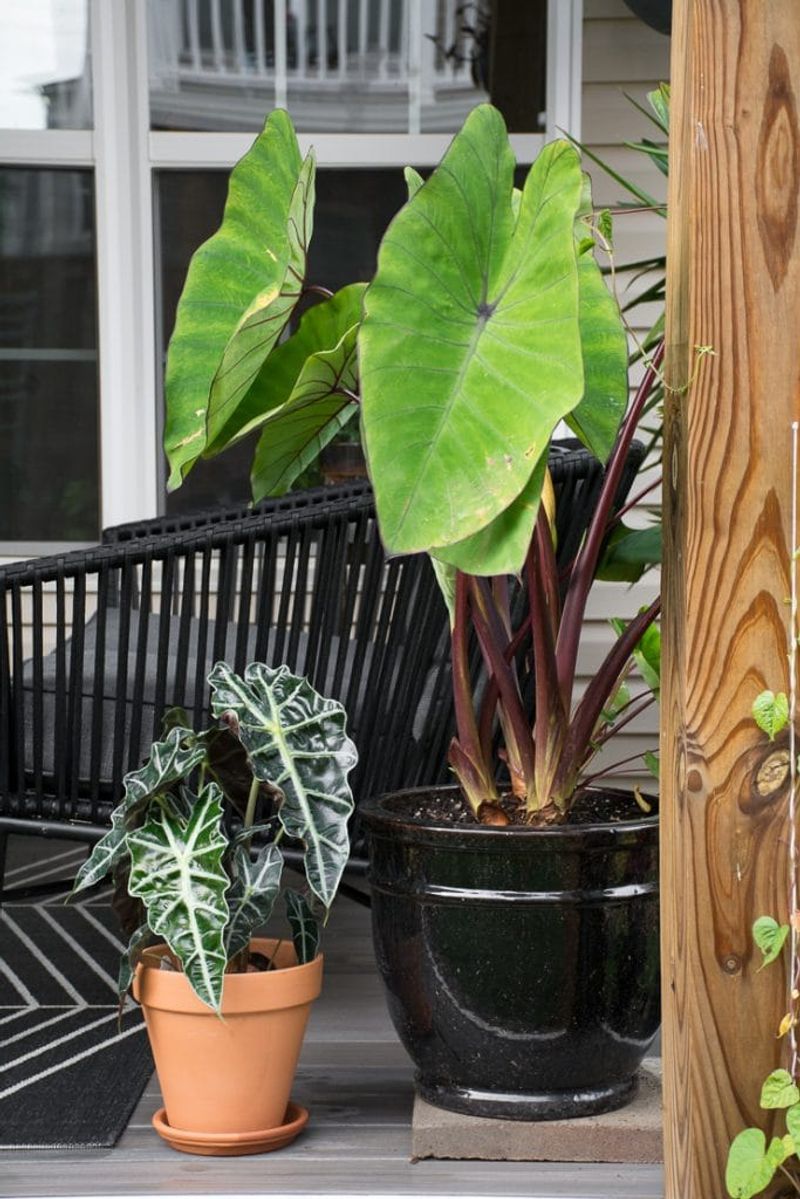
Elephant ear leaves can grow big enough to shade a toddler, and raindrops roll off them like beads of mercury. Colocasia esculenta, also called taro, has been grown as a food crop in Asia for thousands of years.
Some selections survive winters outdoors in the warmer eastern half of the state with a thick layer of mulch. It has escaped into wetlands along the Gulf Coast, so I prefer keeping mine in big containers.
Potted plants are the easiest to overwinter, because you simply roll the whole container into the garage. Cut the floppy leaves down after frost, then let the soil stay nearly dry until spring arrives.
In-ground corms need careful digging once frost blackens the foliage, and they can be surprisingly heavy. Trim the stems to a few inches and let the corms dry for several days under cover.
Store them in peat moss or wood shavings where temperatures stay above 45 degrees through the winter. Corms kept too cold may turn mushy, so pick the warmest garage corner you can find.
Gloves are wise during handling, since raw elephant ear tissue contains crystals that sting skin and mouths. Taro is safe to eat only after thorough cooking, so treat your ornamental corms strictly as decorations.
Wake them up in a warm sunny room during April, and new leaves usually unfurl within weeks. If you ask me, nothing makes a backyard feel more like a jungle getaway than these giants.
8. Gladiolus
Gladiolus flower spikes open from the bottom up, so a single stem can stay colorful for over a week. They make wonderful cut flowers, and a vase of them on the kitchen table feels like pure summer.
Many varieties are rated hardy only to zone 7 or 8, so winter survival here is hit or miss. Mountain gardeners in Virginia lose them often, while some coastal plantings return for years with decent drainage.
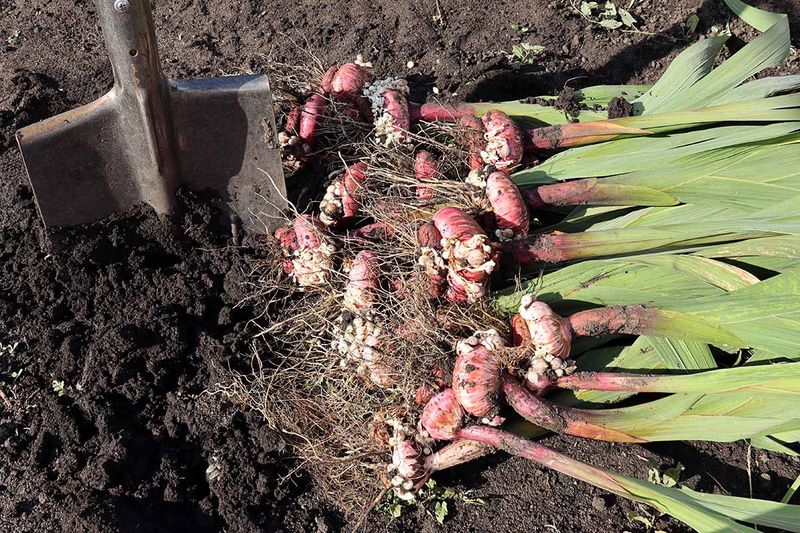
Dig the corms about six weeks after the blooms fade, or once the leaves turn yellow and brown. Cut the foliage to an inch above each corm, and shake off as much soil as you can.
Spread them in a warm, airy place for two or three weeks until the papery husks feel dry. Underneath each new corm sits the shriveled old one, which snaps off easily and goes into the compost.
Tiny cormels clinging to the base can be saved too, though they need a couple of seasons to bloom. Think of them as free baby plants, and tuck them into a nursery bed next spring.
Store cleaned corms in mesh onion bags or old pantyhose hung where air moves freely around them. A dry garage between 35 and 45 degrees keeps them dormant and firm until planting time returns.
Thrips sometimes hide on stored corms, so inspect them closely and discard any with rough, scarred patches. Plant a new batch every two weeks next spring, and those cheerful spikes will keep coming until fall.