Why Virginia Tulip Bulbs Need To Chill In The Fridge Before Fall Planting
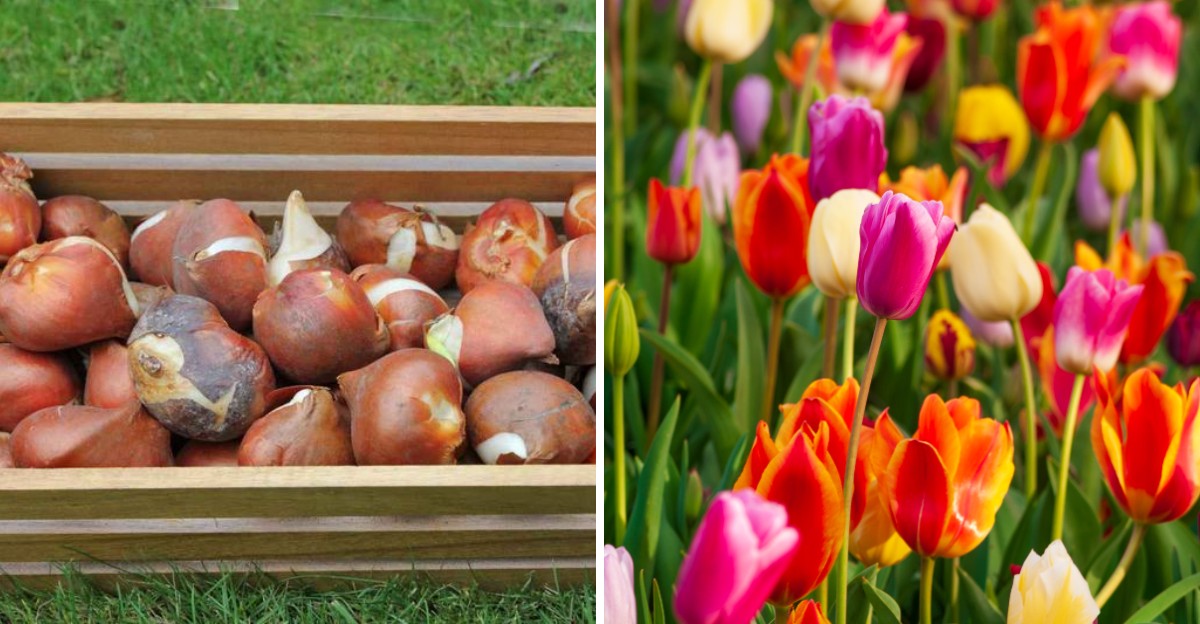
You can plant a perfect bulb and still get a flowerless spring. Virginia winters often skip the deep chill your tulips demand.
Without enough cold, your bulbs sprout floppy leaves and skip the blooms. Your tulips, hyacinths, and crocus need weeks near freezing to build flower buds.
Refrigerate your bulbs in a paper bag, away from ripening apples. Ethylene gas from that fruit can damage the flower tucked inside each bulb.
Plant them when soil cools, usually late November through early January. Sink them deep, pointed end up, so roots settle before spring.
Choose Darwin hybrid tulips, which handle Virginia’s mild winters and warm springs. Daffodils shrug off warm winters better than tulips do.
Squirrels dig up bulbs, so cover your beds with wire mesh. Give your bulbs the cold they crave, and you will trade leaves for bright color.
1. Tulips Come From Cold Mountain Homes

Picture a rocky mountain slope in Central Asia, dusted with snow until late spring. Wild tulips first grew in places like that, long before anyone planted them in Virginia yards.
Those harsh winters shaped how the flowers behave today. Their bulbs expect months of steady cold before they feel safe enough to bloom.
Plant breeders in Holland made tulips bigger and brighter over hundreds of years. Even so, they could not erase that deep memory of freezing mountain winters.
Back in the 1630s, some Dutch bulbs reportedly sold for the price of a house. Historians call that wild craze Tulip Mania, and it shows how much folks adored these blooms.
Tulips also remind us how far a flower can travel. Traders carried bulbs west through the Ottoman Empire, and gardeners in Istanbul prized them long before Holland did. Every bulb in your sack descends from that long journey out of the mountains.
Your garden center bulbs carry the same old instincts as their wild cousins. They wait for a long cold spell, then count the weeks until spring arrives.
Without that cold signal, the bulb gets confused about the season. It may sit quietly underground or push up weak leaves without any flower at all.
Understanding this backstory helps you treat your bulbs the right way. You are not pampering them, you are giving them the weather their ancestors knew.
Think of your fridge as a pretend mountain winter for your bulbs. A few months inside it can make up for the snow your yard may not get.
2. Cold Triggers The Hidden Flower Stem
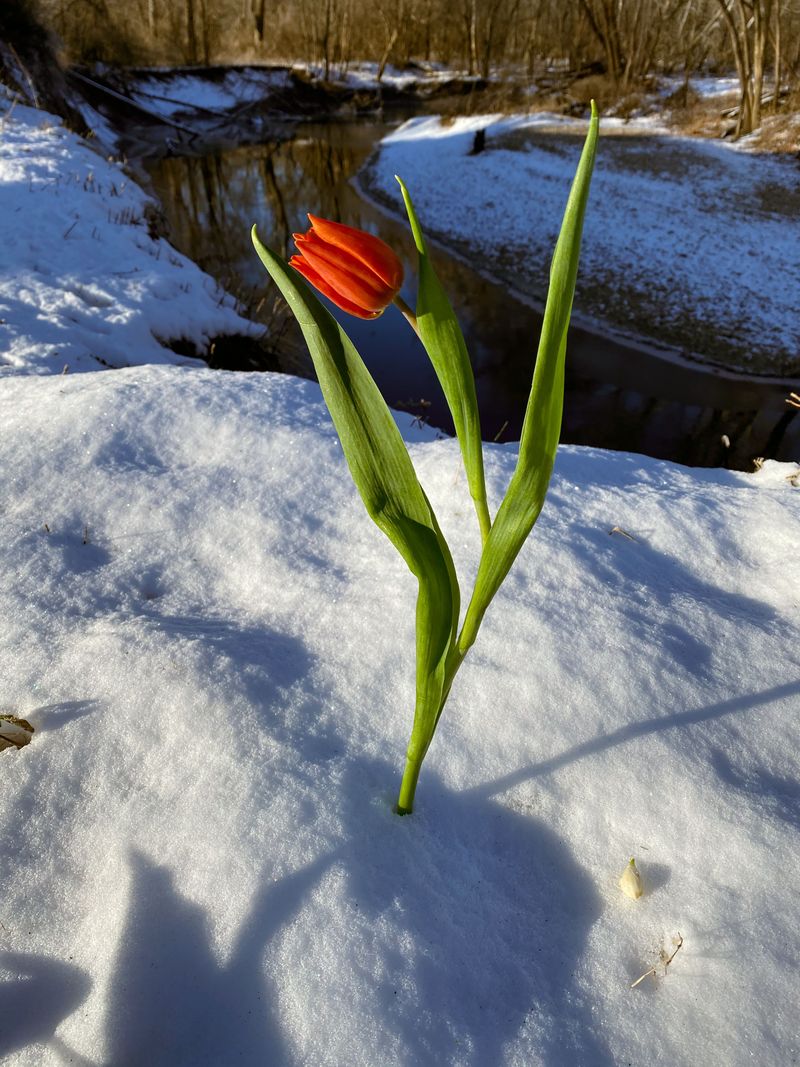
Slice a tulip bulb in half, and you will spot something amazing inside. A tiny flower bud already sits tucked in the center, waiting for its moment.
That baby flower formed last summer while the bulb rested underground. Now it just needs the right signal to stretch upward and open.
Cold is that signal, kind of like an alarm clock for plants. Scientists call the process vernalization, which simply means getting ready to bloom after winter.
During the cold weeks, chemical changes happen inside the bulb. Starches slowly turn into sugars that will fuel fast growth once the soil warms.
Your Virginia Garden Changes Every Week. Your Plan Should Too.
Gardening in Virginia changes quickly throughout the season. Every Friday you’ll receive a simple weekly plan showing exactly what to plant, prune, fertilize, harvest, and protect so you never miss the right timing.
The cold also helps the flower stem grow long and strong. Bulbs that miss this step often produce short, stubby stems with flowers barely above the leaves.
Sometimes the bud fails inside its papery wrapper. Gardeners call this blasting, and ethylene exposure is one common cause.
Fridge chilling gives the bulb enough time to finish all these hidden jobs. Nothing looks different on the outside, but plenty happens beneath that brown skin.
Treat it like baking bread that needs time to rise. Rushing the process leaves you with a flat result, while patience gives you something beautiful.
3. Fridge Chilling Takes About Twelve Weeks
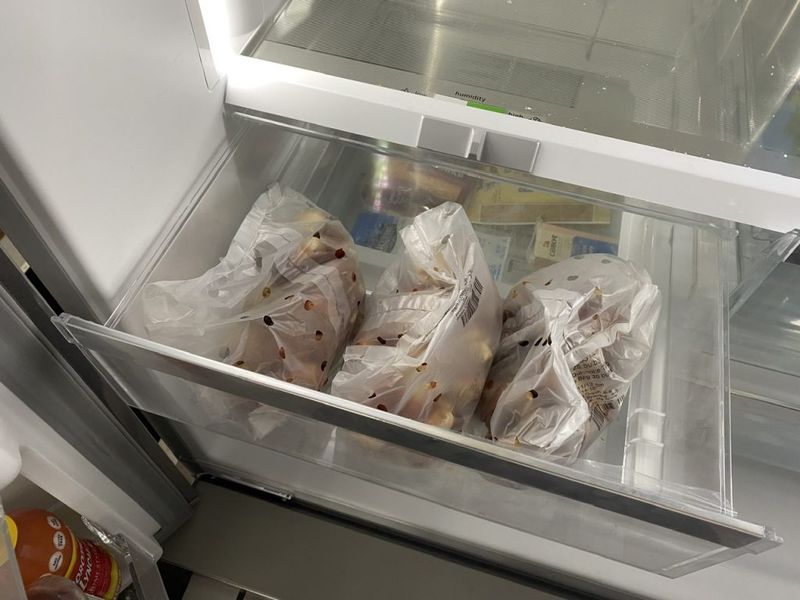
Patience matters more than fancy gear here. Most tulips need roughly 12 to 16 weeks of cold, though some sources say as few as 6 to 10.
Early October through mid-November is the right time to start. Bulbs that go into the fridge this month will be ready by late December or early January.
Grab a calendar and mark the day you begin chilling. Then count forward twelve weeks and circle your target planting date. Some varieties need a little longer than others.
Write your planting date in pencil rather than ink. If a hectic week pushes planting back, extra days in the fridge rarely cause harm as long as the bulbs stay firm, dry, and away from fruit.
Keep your fridge between 35 and 45 degrees for the best results. Many kitchen fridges sit between 35 and 40 degrees Fahrenheit, which works nicely.
Avoid the freezer, even if you feel tempted to speed things up. Freezing temperatures can turn the bulbs mushy and ruin them for good.
Store the bulbs in the crisper drawer or on a low shelf. Those spots stay steady and keep the bulbs out of the way of busy hands.
Set a phone reminder halfway through to check on them. Peek for mold or softness, and toss any bulbs that look or smell funky.
4. Virginia Winters Often Run Too Mild
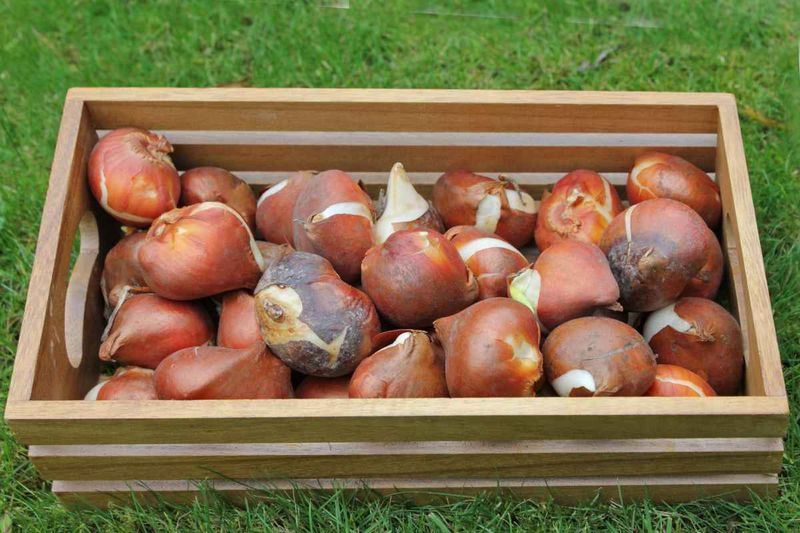
Ask anyone in Norfolk about snow, and they might laugh and shrug. Many Virginia winters bring more rain and sunny days than true deep freezes.
Tulips want soil temperatures between about 35 and 45 degrees for several months. Coastal and southern parts of the state often swing warmer than that range.
Virginia spans USDA zones 5b through 8b, so the weather changes a lot by region. Mountain towns near Blacksburg stay colder, while Tidewater areas feel much gentler.
A warm week in January can trick bulbs into thinking spring has arrived. Then a sudden cold snap may damage the tender shoots that popped up too soon.
Elevation matters too, so check your own yard rather than the whole state. A sheltered brick patio in Alexandria holds heat all night, while a hollow near Abingdon collects cold air. Those small differences decide whether your bulbs get a real winter.
Gardeners in the Shenandoah Valley may get enough natural cold most years. Folks near Richmond, Virginia Beach, or Danville usually see spottier results without extra help.
Climate shifts have also made winters a bit less predictable lately. Counting on Mother Nature alone feels like flipping a coin with your flower bed.
The fridge removes that guesswork in a simple, cheap way. You control the temperature, so the bulbs get the steady cold they crave.
Check your local frost dates through the Virginia Cooperative Extension website. Their charts help you decide whether your area needs fridge chilling or can skip it.
5. Ripe Fruit Ruins Stored Bulbs
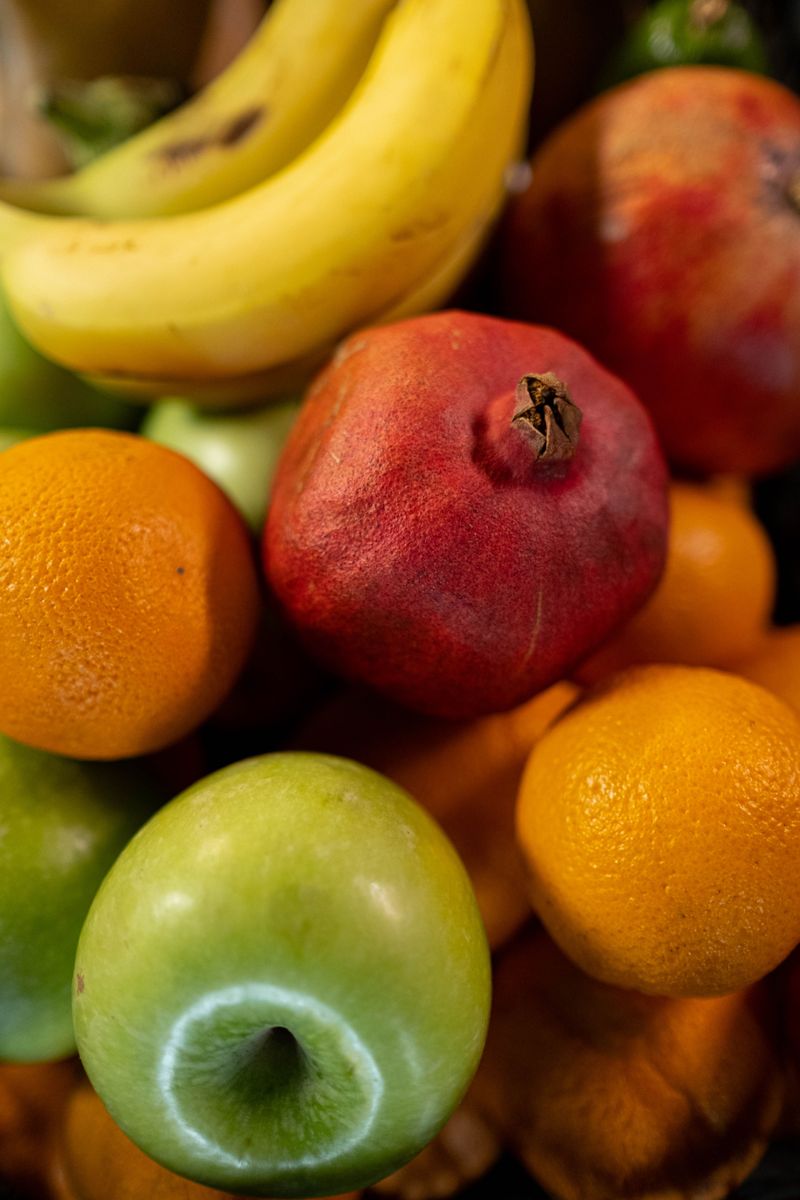
Here is a sneaky problem hiding in your fridge. That bowl of apples might quietly sabotage your future spring flowers.
Ripening fruit gives off a natural gas called ethylene. You cannot see or smell it, but bulbs react to it strongly.
Ethylene can damage the flower bud tucked inside each bulb. Your tulips might come up healthy and green, then show no blooms at all.
Apples, pears, bananas, and avocados release plenty of this gas. Tomatoes and peaches add to the problem as they soften on the shelf.
Many gardeners learn this lesson the hard way after a disappointing spring. They did everything right except store the bulbs next to a bag of Granny Smiths.
A quick check helps if you feel unsure. Give the bulbs their own drawer, then look at nearby fruit for brown spots or strong sweet smells. Ripe produce is your cue to move the bulbs somewhere else.
The easiest fix is a fridge with no fruit at all. A spare garage fridge or an old dorm fridge works great for bulb storage.
If you only have one fridge, use the opposite drawer from your produce. Keep the bulbs sealed in a paper bag and move fruit to the counter when possible.
Clear out any old, wrinkly fruit before the bulbs move in. Your snacks and your flowers will both be happier with a little space.
6. Paper Bags Keep Bulbs Dry And Safe
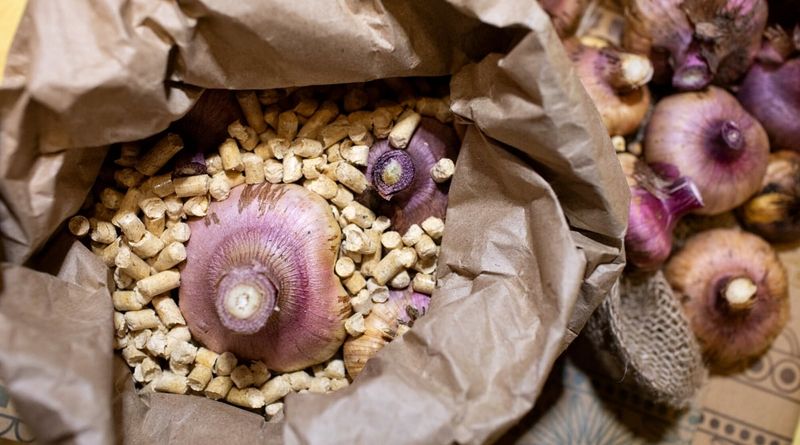
Plastic bags look handy, but they turn into tiny saunas for bulbs. Trapped moisture invites mold and rot faster than you might expect.
Paper bags let air flow while still keeping things dark. Mesh produce bags or old pantyhose also work if you have them lying around.
Before storing, look over each bulb carefully. Toss any that feel soft, smell sour, or show fuzzy blue or gray spots.
Healthy bulbs feel firm, like a fresh onion, with smooth papery skin. A few loose flakes of skin are normal and nothing to worry about.
Label each bag with the variety name and the start date. A simple marker on the bag saves confusion when you have several types.
Fold the top of the bag loosely instead of sealing it tight. That small gap gives just enough airflow to prevent soggy surprises.
Families with young kids should add a clear warning on the bag. Tulip bulbs resemble onions but can upset stomachs if someone mistakes them for food.
Pets matter too, since tulip bulbs are toxic to dogs and cats. Store them up high or in a drawer that curious noses cannot reach.
7. Pre-Chilled Bulbs Go In The Ground Late
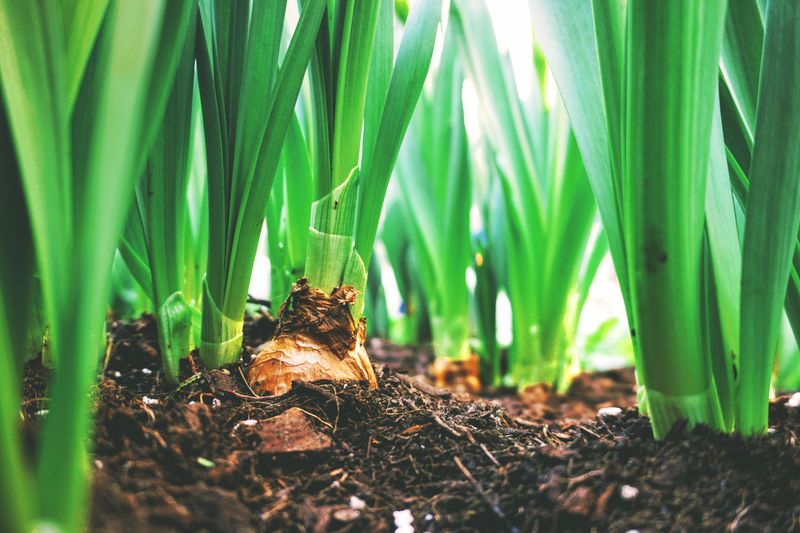
Planting tulips in December might sound strange, but it works beautifully in Virginia. Once the bulbs finish chilling, they head straight into cold soil.
Wait until the ground cools below about 55 to 60 degrees Fahrenheit. Pre-chilled bulbs usually go in between late November and early January.
Dig each hole about six to eight inches deep. A good rule says plant bulbs roughly three times as deep as they are tall.
Set the pointy end facing up toward the sky. If you cannot tell which end is which, plant it sideways and let the bulb figure it out.
Container gardeners can follow the same schedule. Fill pots with fresh potting mix, plant the chilled bulbs close together, and park the pots in a sheltered spot.
Space bulbs four to six inches apart for a full, cheerful look. Clusters of ten or more create a bolder splash than single rows.
Water the bed well right after planting to settle the soil. After that, winter rain usually provides plenty of moisture.
Spread two or three inches of shredded leaves or mulch on top. That blanket keeps soil temperatures steady during warm spells.
Squirrels in Virginia adore digging up fresh bulbs for a snack. Lay chicken wire over the bed or sprinkle crushed gravel in each hole for protection.
Plant chilled bulbs promptly, because warm days after chilling can undo the cold they have already banked.
8. Proper Chilling Rewards You With Tall Blooms
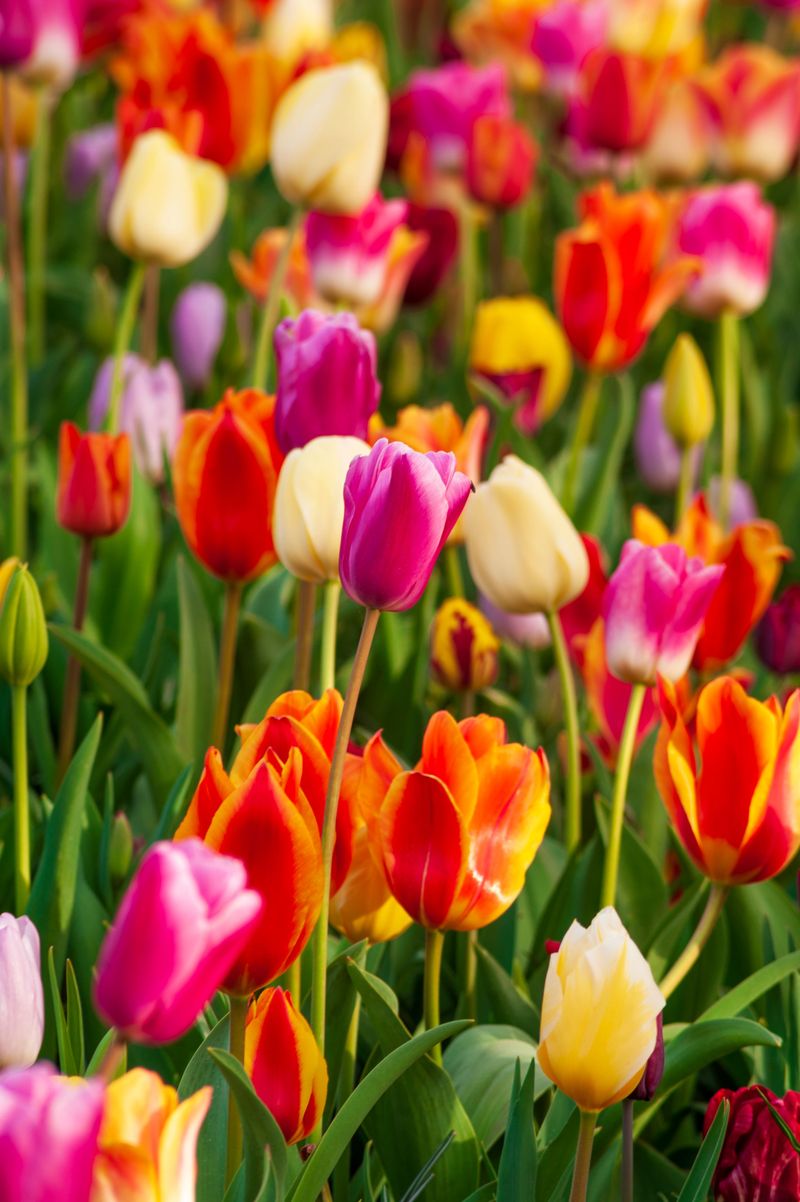
April arrives, and suddenly your yard looks like a candy shop. Tall stems wave cups of red, pink, yellow, and purple in the spring breeze.
All those weeks in the fridge pay off right here. Well-chilled bulbs grow sturdy stems that hold their flowers proudly upright.
Neighbors walking their dogs will slow down for a closer look. Do not be shocked if someone knocks to ask about your gardening secret.
Blooms usually last one to two weeks, depending on the weather. Cooler spring days help the petals stay fresh a little longer.
Cut a few stems for a vase on the kitchen table. Tulips keep growing after cutting, so they may stretch and bend toward the window.
After the flowers fade, snip off the spent blooms but leave the leaves. Those green leaves feed the bulb for possible blooms next year.
Plan ahead while you enjoy this season. Species tulips and daffodils often return and multiply without any fridge time, so tuck a few into a corner bed for steady color while hybrids give you the showy first year.
In warmer parts of Virginia, many gardeners treat tulips like annuals. Buying fresh bulbs each fall and chilling them again gives the most reliable show.
Keep notes on which varieties performed best in your yard. Next October, you will know exactly which bags to grab and tuck into the fridge.