A Cold Snap Is Coming To Alabama, And Something Is Looking For A Warm Place To Stay
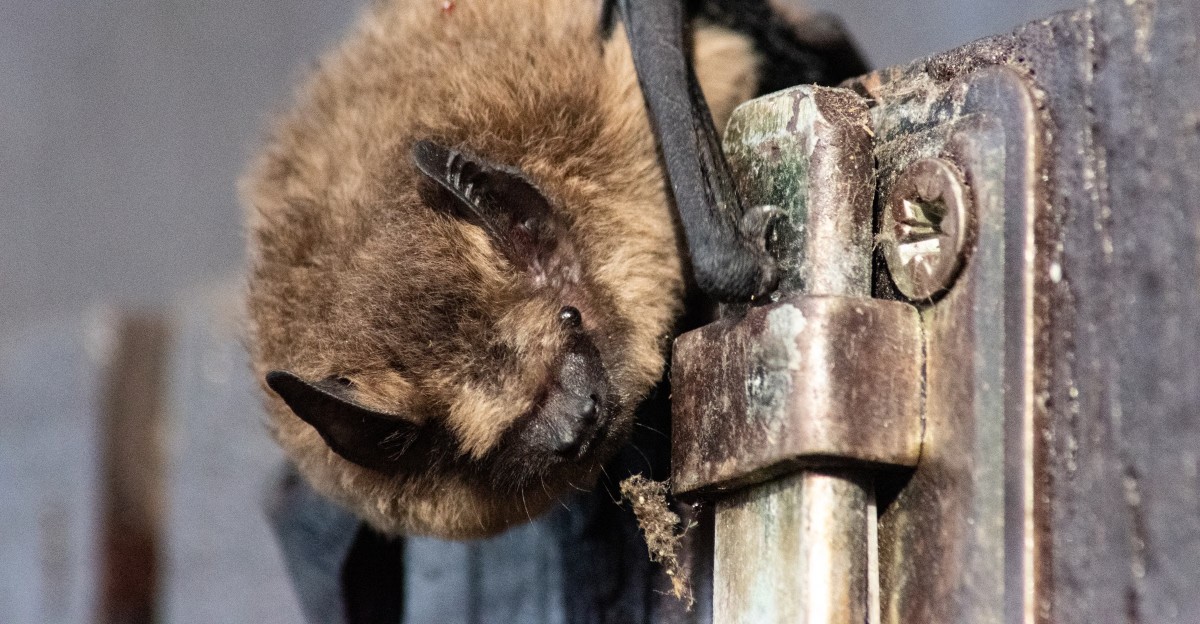
A gap about half an inch wide is enough for a flying mammal to squeeze into your attic. I checked that fact twice because it sounded too wild to be true.
Alabama is home to 16 kinds of these night fliers, and every single one eats insects. Some species travel to caves for winter. Others stay close to home and look for steady warmth when the temperature drops.
You might notice a faint scratching above the ceiling on a frosty night. Or maybe a small brown shape slips out from under the eaves at dusk. I used to blame squirrels for every attic noise, and now I listen a little more carefully.
The visitor is shy, protected by law, and secretly one of the best garden helpers in Alabama. And when it decides your roofline is the perfect winter cabin, you suddenly have a very small, very legal tenant.
That Scratching Above Your Ceiling Might Belong to Something With Wings
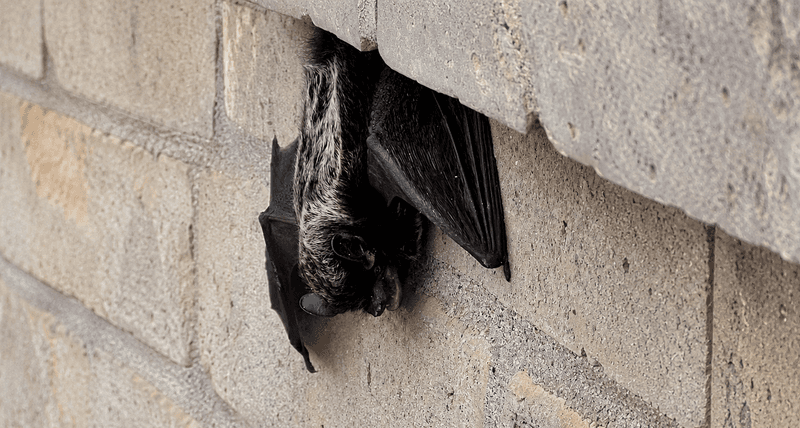
Most folks blame mice or squirrels for attic noises. I did too, until a neighbor showed me a tiny brown face peeking from a soffit gap at sunset.
When cold fronts push through Alabama, outdoor temperatures can swing hard from one night to the next. Small wild animals respond by looking for shelter that stays steady.
Attics, wall voids, and spaces behind shutters hold heat well, so they become tempting hideouts. Bats are among the most likely winged guests. Their sounds differ from rodents, though.
Bat noises are often soft rustles and high, chirpy squeaks, mostly heard around dusk and dawn when they move in and out.
Rodents tend to gnaw and scurry across the floor of the attic. Bats usually cling to rafters, beams, or the narrow space where the roof meets the wall.
Timing gives you another clue. Squirrels are busy in daylight, while bats leave after sunset to hunt insects on warmer evenings. On very cold nights they may stay tucked inside and barely stir.
A quick evening watch from the yard can settle the question. Grab a lawn chair, face the roofline about twenty minutes before dark, and see who flies out.
Big Brown Bats Love a Snug Spot Under Your Roofline
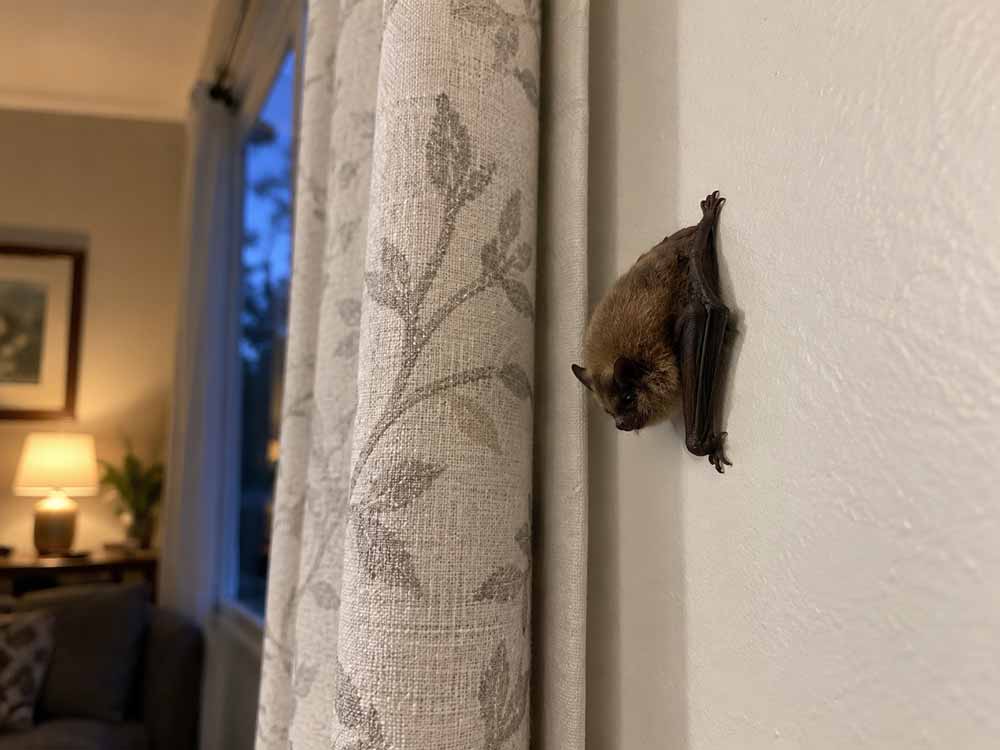
Meet the big brown bat in your own home, and you will see a fuzzy, palm-sized animal with glossy brown fur and dark wings. It is one of the most common bats living around buildings in Alabama.
Unlike some species that head for caves, big brown bats often hibernate in buildings. They handle cool temperatures better than many bats, and attics, barns, and wall spaces suit them well.
Entry points are surprisingly small. Openings around half an inch can let a bat slip through, especially near gaps along fascia boards and soffits, loose siding, and attic vents without screens.
Chimney edges, utility line holes, and spaces where dormers meet the roof also count. A warm snap in winter can wake them briefly.
You may spot one flying on a mild January evening, which is normal behavior and not a sign of trouble by itself.
Fun fact for your next garden club meeting. Big brown bats can live for well over a decade in the wild, and some return to the same roost year after year.
That loyalty is sweet in a tree. Inside your attic, it means the same family may keep coming back unless you seal things up properly.
Every Alabama Bat Is Protected, So Exclusion Is the Way Out
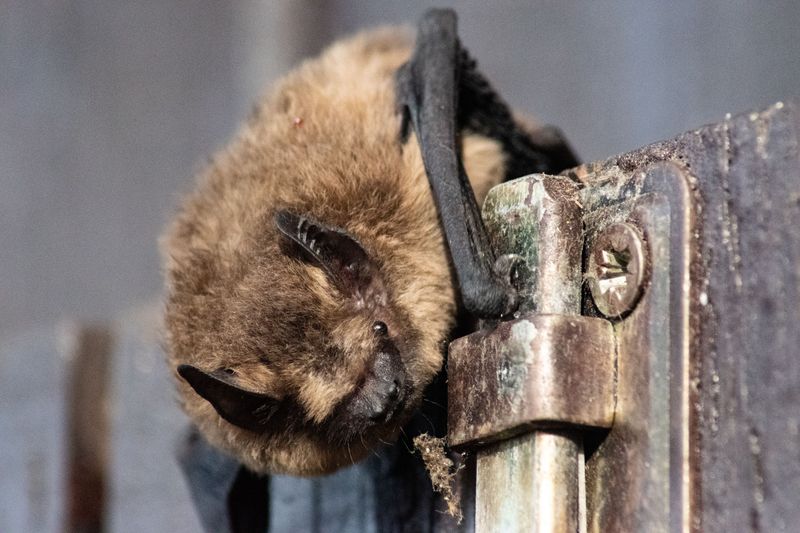
Grabbing a broom and a spray can might feel natural, but please put both down. Alabama protects its native bat species under state law, and several, like the gray bat and Indiana bat, are federally endangered.
Harming bats is illegal. Poisons and sticky traps are off the table, and using them can bring fines along with sick animals in your walls.
The legal, humane method is called exclusion. It lets bats leave on their own but stops them from coming back.
A one-way device, often a mesh flap or plastic tube, goes over the main entry hole. Bats crawl out at night to feed, then cannot find their way back in.
Meanwhile, every other gap on the house gets sealed with caulk, foam, hardware cloth, or flashing. Missing even one crack means the colony simply uses that door instead.
Devices typically stay up for several nights to a week. After that, the main hole is sealed for good.
Doing this yourself is possible for small jobs, though I lean on permitted wildlife control operators for anything bigger. The Alabama Division of Wildlife and Freshwater Fisheries can point you toward licensed help.
Bat Pups Change the Calendar for Sealing Up Gaps
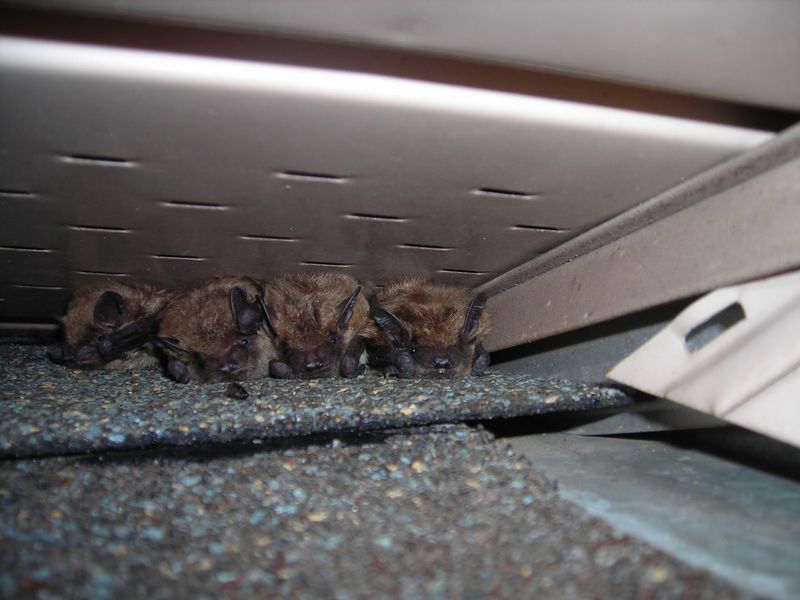
Calendar math matters a lot with bats. Summer is the season when mothers raise flightless pups, and those babies cannot follow mom outside.
In Alabama, the maternity season generally runs from late April through mid-August. Exclusion during that stretch can trap young inside, where they starve and create odor problems for you.
The recommended window for exclusion is roughly August 15 through April 15. That leaves room to act, but cold weather adds a wrinkle.
Bats that are hibernating or sluggish in winter may not leave through a one-way device. If they cannot fly out to feed, sealing them in or out during a hard freeze puts them at risk.
Many pros prefer late summer and early fall, after pups can fly but before steady cold arrives. Mild spells in early spring work too.
So if you notice bats right as a cold snap hits, take notes first. Mark where they exit, count them at dusk on a warm night, and schedule the job for the next mild stretch. Patience feels slow. It works far better than rushing a winter fix that fails.
Dark Pellets Near Your Attic Vent Tell a Clear Story
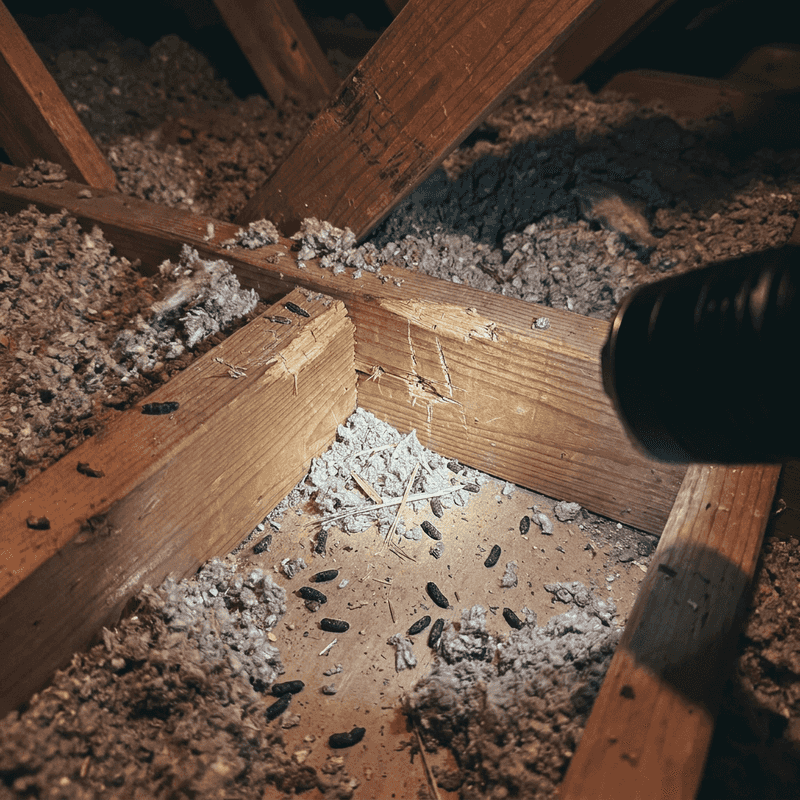
Guano is the first thing I look for. Bat droppings resemble mouse droppings, but they crumble into shiny bits when crushed, thanks to all those insect shells.
Piles often collect below entry points. Check porch railings, window sills, and the ground under vents or the gable peak.
Other signs of a colony include brownish oily stains around cracks, where fur rubs the wood. A musky, ammonia-like smell in the attic is another strong hint.
One bat flying into a room through an open door is usually a lost traveler. Repeated sightings, steady squeaking, and growing guano point to a group that has settled in.
Health matters here too. Old bat droppings can hold fungal spores linked to histoplasmosis, a lung illness that spreads by breathing dust.
Skip sweeping dry guano. Wear a proper respirator and gloves, or better yet, let a trained cleanup crew handle large amounts. Bats can carry rabies, though few actually do. Still, avoid touching any bat with bare hands.
If someone wakes with a bat in the bedroom or is scratched, contact your county health department. They will advise whether testing is needed.
Those Tiny Night Fliers Are Hungry Mosquito Hunters
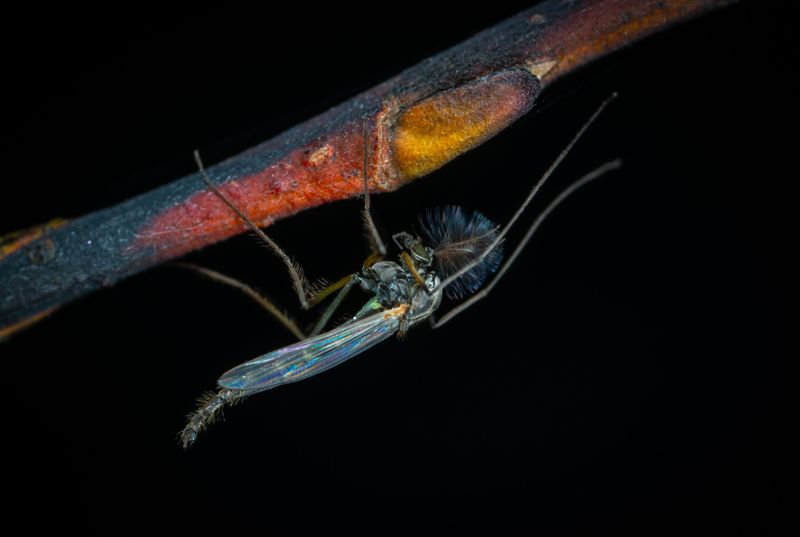
Here comes my favorite part as a gardener. Every bat species in Alabama eats insects, and many of them eat a lot.
Research suggests a single small bat can catch hundreds of insects in an hour. Moths, beetles, gnats, and mosquitoes all land on the menu.
Big brown bats are known for eating beetles, including cucumber beetles and June bugs. Those pests chew on squash, beans, and roses, so every bite counts.
Farmers benefit even more. Scientists estimate bats save U.S. agriculture billions of dollars a year in pest control, partly by eating crop-damaging moths like corn earworms.
On a summer evening I love sitting by the tomato bed and watching them swoop. Their flight looks wobbly, but each sudden turn usually means a snack.
Fewer bats can mean more pressure to reach for sprays. That is why keeping them healthy, just outside your home, makes sense.
Bats also face serious threats. White-nose syndrome, a fungal disease, has hit cave bats hard, including some Alabama populations. Treating your local bats kindly helps a group that already has plenty working against it.
A Few Fall Repairs Keep Bats Out of Your Attic
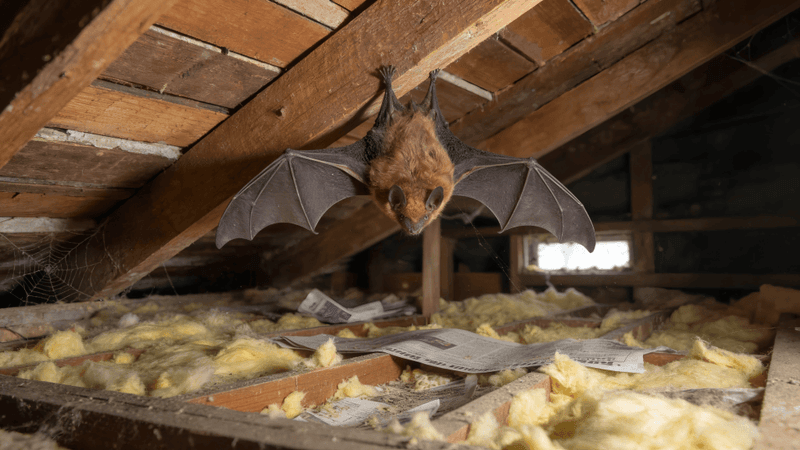
Prevention is cheaper than a full exclusion job. A careful walk around your house in early fall can save you a headache later.
Bring binoculars and a notepad. Look along the roofline, gable vents, chimney flashing, and the corners where different roof sections meet. Common fixes include these simple steps.
Add fine screen behind gable and soffit vents. Seal cracks wider than a quarter inch with exterior caulk or foam. Install a chimney cap with mesh sides.
Tighten loose siding and replace rotten trim boards. Wrap hardware cloth around gaps near pipes and wires entering the house.
Before sealing anything, confirm no bats are using that spot. Watch at dusk on a warm evening for a few nights to be sure.
Moth balls and ultrasonic gadgets are often sold as bat repellents. Studies show they rarely work, and mothball fumes can be unhealthy indoors.
Porch lights draw insects, which in turn draw bats near your house. Switching to warm yellow bulbs or motion sensors may reduce that buffet effect. Small jobs like these fit nicely into a fall garden cleanup weekend.
A Sunny Bat House Gives Your Garden Helpers a New Address
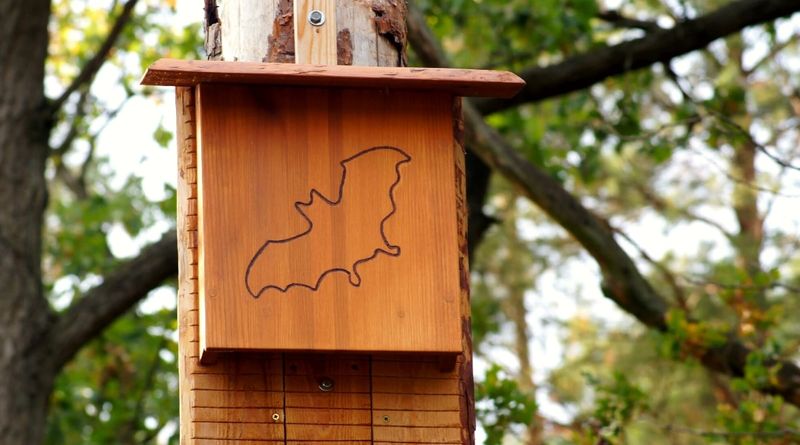
Evicting bats from the attic does not mean losing them for good. A well-placed bat house invites them to stay close and keep eating bugs.
Location makes or breaks a bat house. In the South, bats like warm boxes, but intense afternoon heat can overcook them, so many experts suggest morning sun with some afternoon relief in hot areas.
Mount it at least 12 to 15 feet high on a pole or building wall. Trees work less well because branches block flight paths and give predators easy access.
Choose a box with multiple chambers and rough inside grooves for gripping. Lighter or medium colors suit hot Alabama summers better than black.
Water nearby helps a lot. A pond, creek, or even a neighborhood lake gives bats a drink and more insects to chase.
Installing it in winter or early spring gives bats time to find it before pup season. Occupancy may take a year or two, so give it time.
Patience pays off. One summer evening you may count dark shapes slipping out at dusk, heading straight for your squash beetles.