Why Arizona Citrus Can Taste Sweeter as the Season Advances and What Cold Nights Actually Do
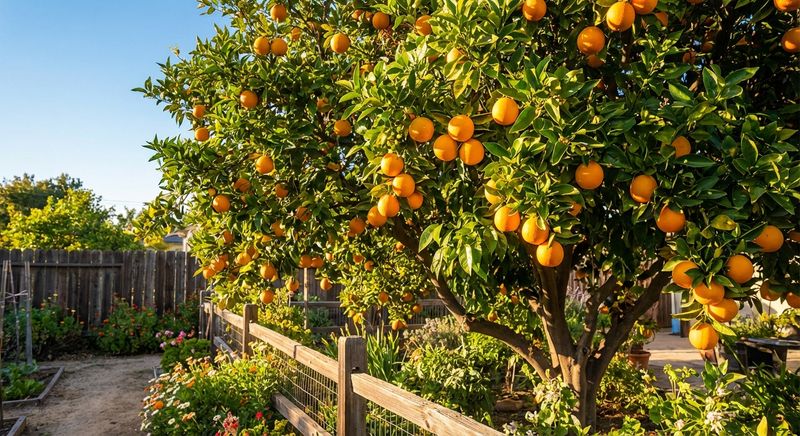
Ripe oranges in Arizona can still wear a green rind in autumn. Color tells a funny story about the weather, but not always about the taste.
I have bitten into green-skinned fruit that was sweet and bright-skinned fruit that was sharp. So what really changes inside an orange as the months roll by, and what do cool nights have to do with it?
1. Cool Nights Can Change The Rind
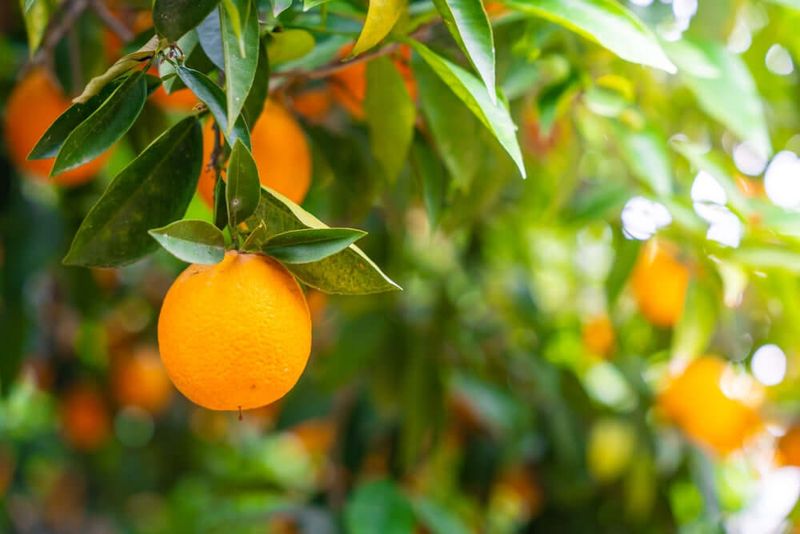
Many people say the first cold nights make citrus sweeter. That claim is too strong, and the rind is the reason it sticks around.
Cooler temperatures can prompt the peel to change color, so a chilly week can make fruit look ready.
Looks can fool you, though. According to University of Arizona Extension guidance on oranges, warm autumn weather can leave ripe Arizona oranges greenish.
A green orange may already taste great, and a deep orange one may still be sharp.
So an orange peel tells you about temperature more than about sugar. A color change does not show that cold made the flesh sweeter.
Think of the rind as a weather diary, not a taste report.
Next time you walk past your tree on a crisp morning, enjoy the color. Then remember that the real answer is inside the fruit.
Cutting one open and tasting it beats guessing every time.
2. Heat And The Season Shape Orange Sweetness
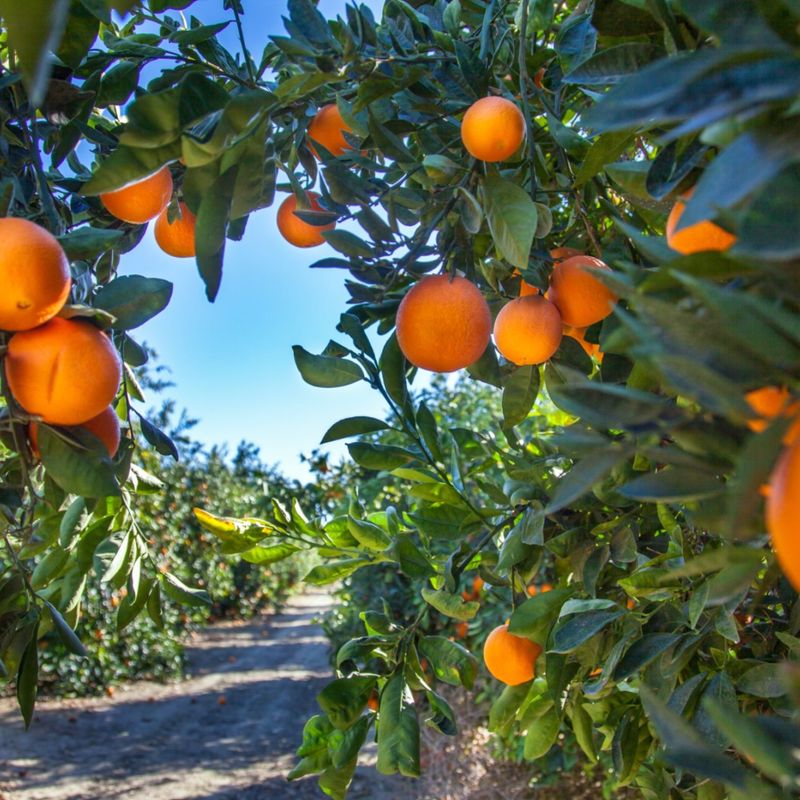
Inside an orange, a slow chemistry project is under way. The same University of Arizona guide says heat drives the change from sour to sweet, because heat reduces acids and increases sugars.
Cool temperatures, by contrast, are linked to the rind color shift.
Valencia oranges are a handy example. They tend to become sweeter later in their harvest season, so a Valencia picked in spring often tastes better than one grabbed early.
That is a seasonal pattern, not a promise for every citrus variety.
It also does not prove that the first cold nights caused the change. Time on the tree and warmth both play a part, and the guidance points to heat for the inside of the fruit.
Nobody should credit a chilly night for that sweetness.
If you grow Valencias, treat patience as a gardening tool. Sample fruit every couple of weeks and note how the flavor shifts.
Your own tree will teach you more than any calendar.
3. Cold Is Not A Proven Flavor Booster
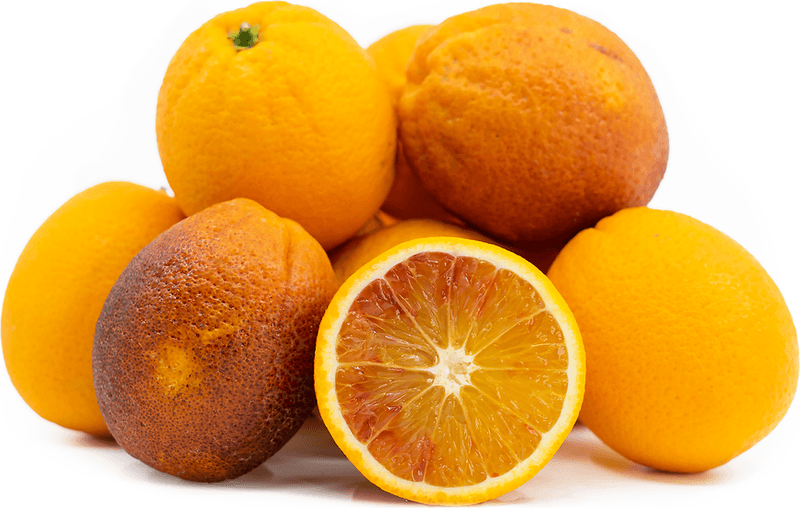
Some gardeners swear that a touch of frost sweetens fruit. The science does not back that up.
A peer-reviewed study of frost-exposed Valencia oranges found no significant change in soluble solids, which is mostly sugar.
The same study reported higher acidity and a lower juice percentage. That means the fruit was tangier and had less juice, which is not a recipe for a better orange.
Frost damage and drying out are not quality perks.
Notice what the study covered: frost exposure, not an ordinary cool autumn night. Mild, nonfreezing weather is a different situation, and those results should not be stretched to cover it.
The Arizona orange guide ties cool temperatures to rind color, not to inner sweetness.
Flavor also involves acid, aroma, and texture, not sugar alone. So skip any plan to wait for a freeze.
Frost is a risk to your fruit, not a flavor strategy.
4. Taste A Sample Before You Harvest
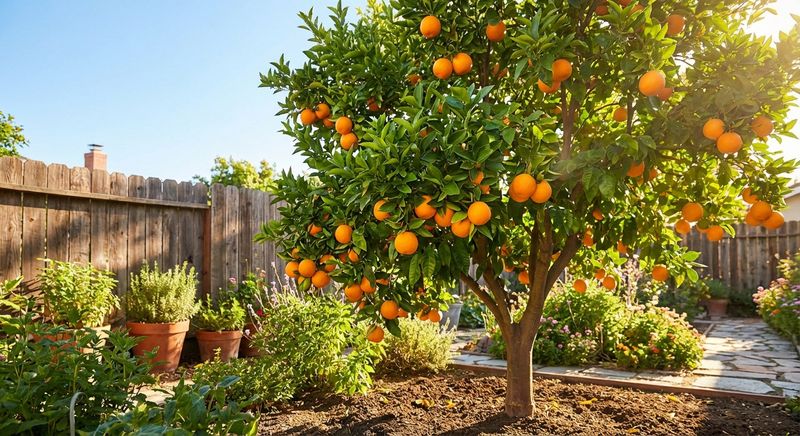
The best ripeness tool in your kitchen is a spoon, or just your teeth. Pick one fruit, peel it, and taste.
If it is flat or sour, the rest can wait on the tree.
Skip rind color as your only test. Greenish peels can hide ripe flesh when autumn stays warm.
Arizona oranges can be available from late October into late May, and varieties mature across that long season, according to the University of Arizona orange guide.
That wide window means no single date works for every tree. Your variety, your yard, and your weather all shift the timing.
A neighbor’s harvest day is a hint, not a rule.
Try a simple habit. Taste one fruit every week or two, jot down how it compares, and harvest when it matches what you like.
Some people love a tart orange, so your idea of ready may differ from mine.
5. Picked Citrus Will Not Grow Sweeter
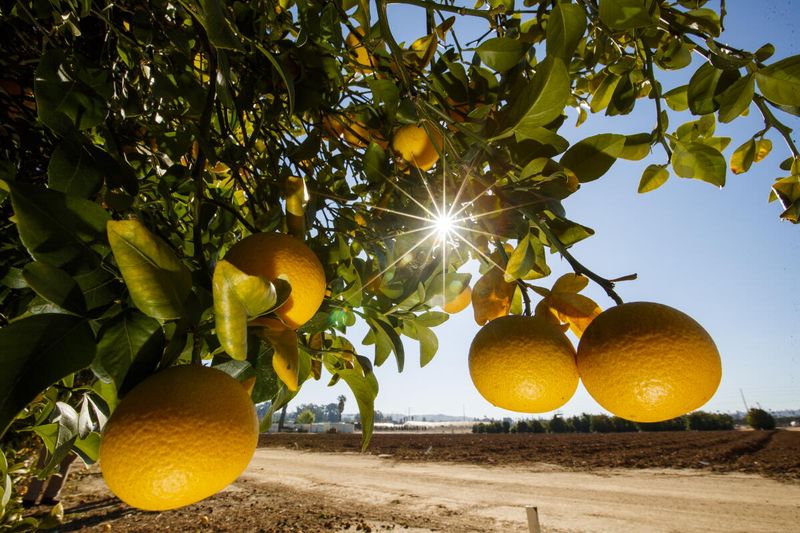
A bowl of oranges on the counter will not get sweeter by waiting. University of California IPM guidance says picked citrus does not ripen further or become sweeter.
Once the fruit leaves the branch, its flavor is mostly set.
That is different from the slow seasonal change on the tree. Fruit still attached keeps developing as the months pass, which is why a Valencia can improve later in its season.
Fruit in your fruit bowl cannot do that.
The practical lesson is simple. Let fruit reach the flavor you want while it hangs, then harvest it.
Do not pick early and hope the counter finishes the job.
Here is a handy trick. Pick a few at a time and eat them within a reasonable time.
Leave the rest on the tree as your storage, and taste again next week.
6. Frost Injury Depends On More Than One Number
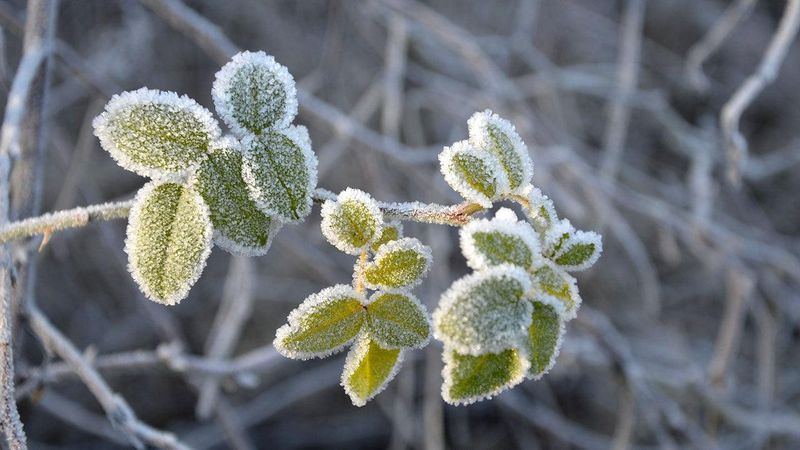
A cool night and a freezing night are not the same thing. Cool, nonfreezing weather may nudge the rind color.
Frost and freezing conditions can actually injure fruit.
There is no single safe temperature for every tree. UC IPM frost guidance notes that damage depends on duration, temperature, cultivar, tree condition, and acclimation.
Fruit and tree tolerances also differ, so a tree can come through a night that harms its fruit.
One more catch: fruit may look fine outside and still be hurt inside. Damage may not show until you cut it open.
UC ANR Publication 8100 gives approximate ranges that vary by fruit type and ripeness, and it notes that duration and humidity matter.
Damaged flesh can dry out and turn unpalatable, and the fruit becomes open to decay. None of that is a flavor upgrade.
When a freeze is forecast, check a few fruit and plan protection instead of hoping.
7. Cover Arizona Citrus When Frost Threatens
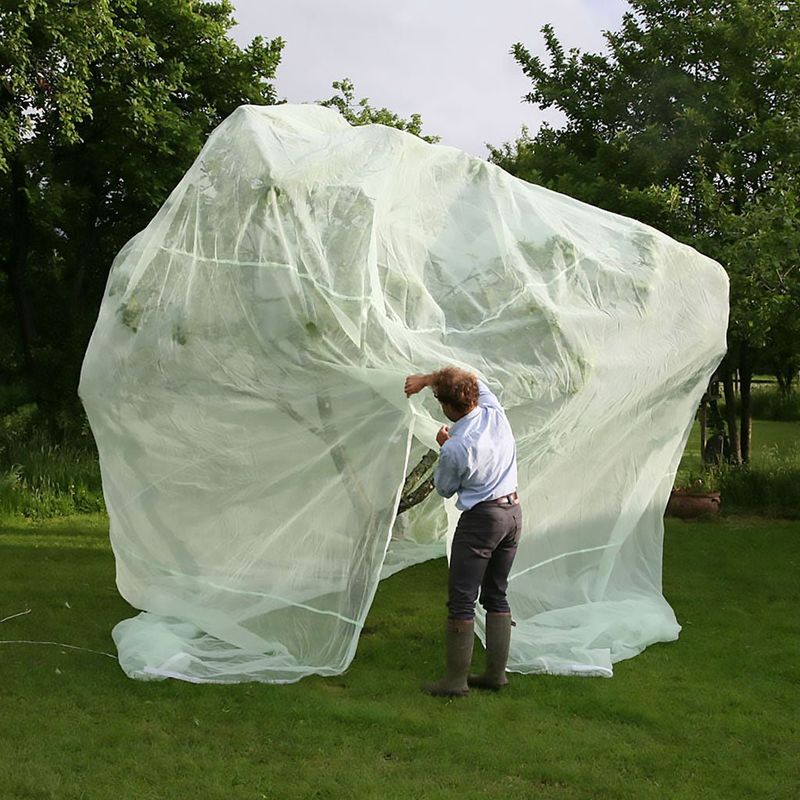
When a frost warning pops up, a bedsheet can become your best gardening tool. The University of Arizona recommends protecting vulnerable citrus with cloth or paper covers that reach the ground.
The Arizona frost protection guide explains that covers trap heat rising from the soil.
Reaching the ground matters, because a cover that stops short lets that warmth escape. Drape it over the whole tree and keep it snug to the soil.
Set it up in the evening before the cold arrives.
Then remember the other half of the job. Remove sheets or blankets during the day so the tree can get light and warmth.
Do not leave blankets on throughout winter.
Covers are about frost risk, not flavor. They guard the fruit and tree, nothing more.
The sweetest orange is the one that stayed safe on the branch.