This Tiny Texas Spider Hides In Leaf Piles And Packs A Painful Bite
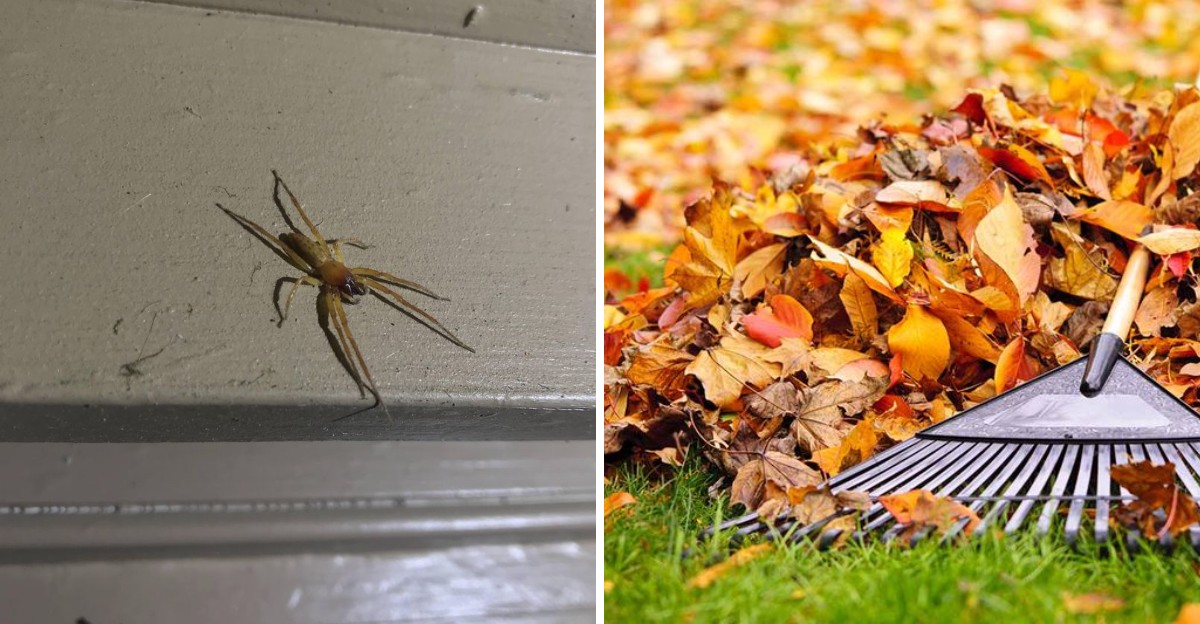
A spider smaller than a pencil eraser can leave a bite that feels like a bee sting. Even stranger, it skips the fancy web and sleeps inside a little silk pouch.
I used to rake leaves bare-handed every fall here in Texas. Then I lifted a soggy clump and spotted a pale, almost glowing spider sprinting across my wrist. My heart jumped, and my rake went flying.
This little hunter roams at night and rests by day in folded leaves, mulch, and garden clutter. It rarely bites unless it gets pressed against skin. Sadly, that is exactly what happens when we scoop up an armful of leaves.
Nobody warned me that the coziest corner of my yard could hide such a feisty tenant. So who exactly is tucked into your leaf pile right now, and how do you work around it?
That Pale Spider In Your Leaf Pile Has A Secret Hideout
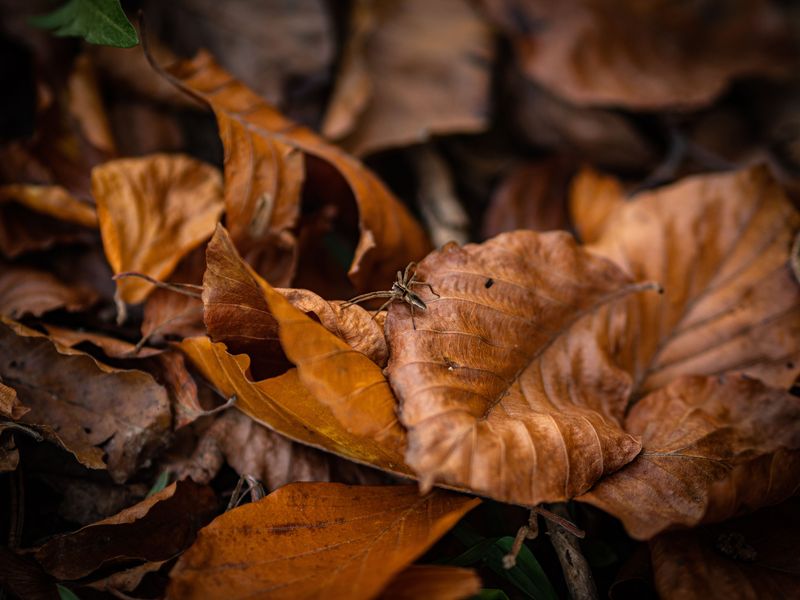
My first clue was a tiny white pocket of silk stuck inside a curled oak leaf. It looked like a cotton ball someone had tucked away for later.
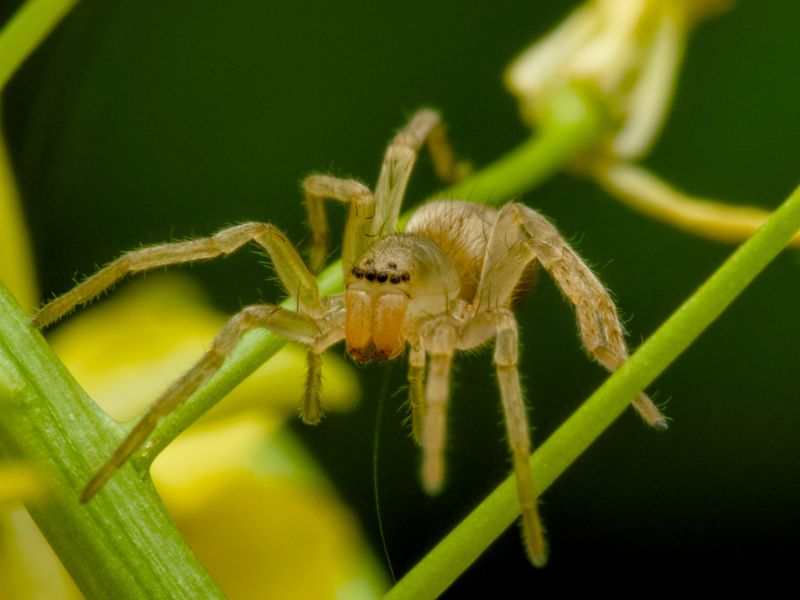
Inside sat a yellow sac spider, one of the most common small spiders found in Texas yards. Its body is about 1/4 inch long and ranges from pale yellow to light tan, sometimes with a faint greenish tint.
The tips of its legs and jaws are often darker, almost like it dipped them in coffee. Two species usually earn this name in the U.S., Cheiracanthium inclusum and Cheiracanthium mildei.
The first one is native and widespread across Texas. The second came from Europe and turns up more often inside homes.
Here is what makes them sneaky. They do not build big webs to trap food. Instead, each spider spins a small sac in a sheltered spot and rests there during daylight hours.
Folded leaves, loose mulch, and piles of yard debris make perfect daytime bedrooms. When you rake or grab those leaves, you might be grabbing the spider too. That surprise handshake is how most bites happen.
A Yellow Sac Spider Bite Feels A Lot Like A Bee Sting
Ask anyone who has felt one, and you will hear the same comparison. The bite stings sharply right away, much like a bee or wasp.
Within a few hours, the spot often turns red, puffy, and itchy. Some people notice a small blister or a hard bump in the middle. Most bites settle down within several days to about a week.
Medical experts consider the venom mild for healthy adults. A few people may feel extra symptoms such as headache, slight fever, or an upset stomach. Those reactions are less common but worth watching.
Older reports once blamed these spiders for big, slow-healing wounds. Newer research suggests those claims were overstated, and many such wounds turn out to be skin infections instead.
So what should you do after a bite? Wash the area with soap and water first. Then hold a cool, damp cloth on it for about 10 minutes to calm swelling.
An over-the-counter antihistamine or anti-itch cream can help with that annoying itch. Try not to scratch, since broken skin invites germs. Keep the spot clean while it heals, and you should be back in the garden soon.
Sturdy Gloves Are Your Best Friend During Leaf Raking
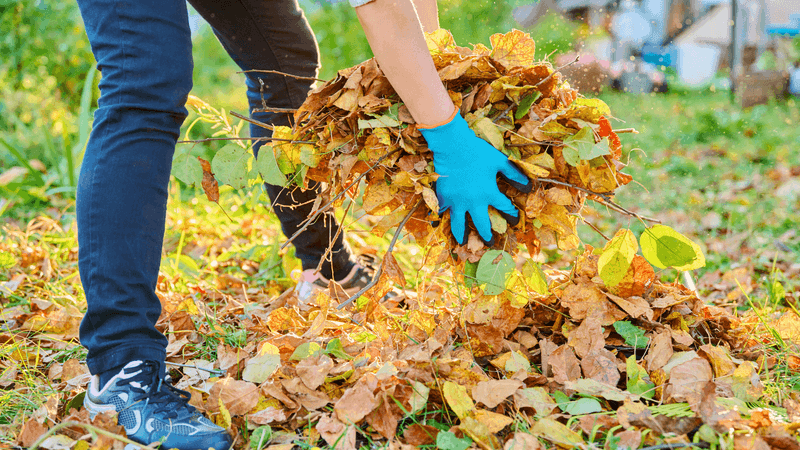
Honestly, the easiest fix costs about the price of a lunch. A good pair of thick gardening gloves stops most bites before they start.
Leather or heavy canvas gloves work well because tiny fangs struggle to get through them. Pick a pair that covers your wrists so nothing slips inside. Long sleeves add another layer of protection when you hug big armloads of leaves.
I also like using a rake or leaf grabbers instead of scooping with my hands. Tools put some distance between you and whatever is snoozing in the pile. Your back may thank you too.
Before you slip on gloves or boots left outside, give them a firm shake. Spiders love dark, quiet spaces, and a forgotten glove looks like a five-star hotel. Turning them inside out now and then helps as well.
Timing helps a little too. Yellow sac spiders hunt at night and hide during the day, so they tend to be tucked into sacs when you rake.
That means a gentle approach matters. Lift leaves slowly and watch for movement. A spider that gets a moment to run will usually choose escape over biting.
Brown Recluse Spiders Love Those Same Quiet Leaf Piles
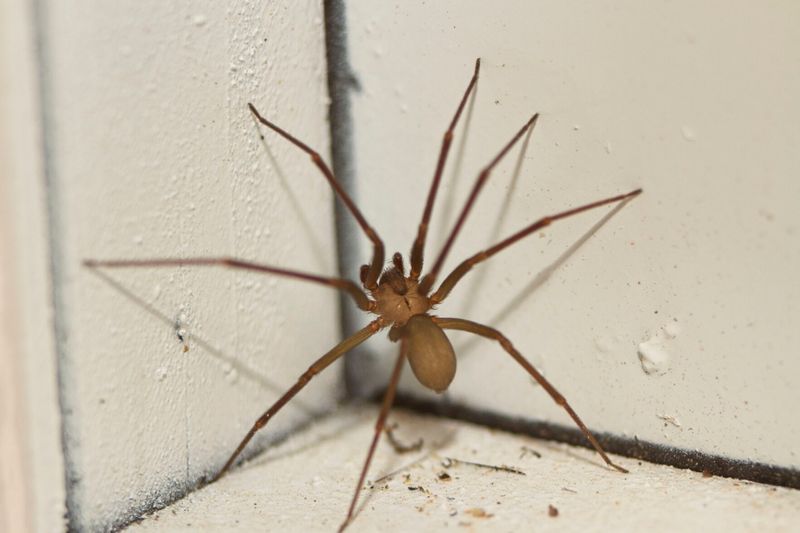
Yellow sac spiders are not the only tiny tenants worth knowing. Texas is also home to the brown recluse, and it enjoys dark, undisturbed clutter just as much.
Brown recluses are light to medium brown with long, thin legs. Many have a darker violin shape on the front part of their body, with the neck pointing toward the rear.
They also have six eyes instead of the usual eight, though you would need a magnifier to see that.
Their bites are often painless at first. In some cases, the area can develop a sore that heals slowly over weeks. Most bites stay minor, but a few need real medical care.
That is why you should seek help if a bite spreads, darkens in the center, or brings fever, chills, or body aches. Call a doctor quickly for young children, older adults, or anyone with health problems.
If you can safely trap the spider in a jar, bring it along. Doctors and county extension offices can identify it, which helps with treatment. Black widows also live in Texas, so knowing your culprit really does matter.
Woodpiles, Shrubs, And Mulch Beds Hide These Nighttime Hunters
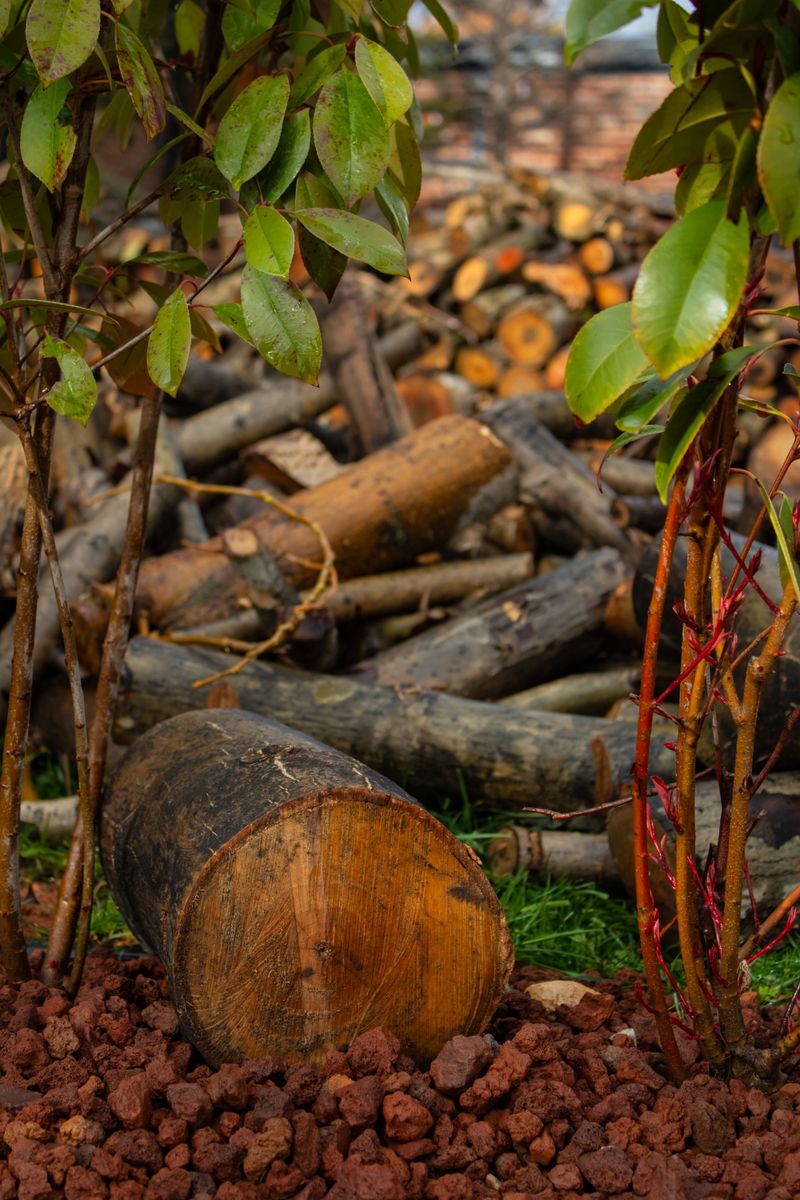
Leaf piles get the headlines, but these spiders are not picky about real estate. Any snug, sheltered nook can become home.
Look for their silk sacs in rolled leaves on shrubs, under loose bark, between stacked firewood, and beneath rocks or stepping stones.
Thick mulch beds and tall grass along fences are favorites too. Patio furniture cushions and stored pots also make cozy shelters.
Fun fact time. Yellow sac spiders are speedy little predators that chase down aphids, caterpillars, mites, and even insect eggs. They help keep plant pests in check without any spray bottle.
That makes them garden helpers, not villains. You do not need to remove every one you see. You just need to work smarter around their favorite spots.
When moving firewood, lift each piece slowly and keep it away from your body. Store wood off the ground and at least a few feet from your house.
Trim shrubs so they do not touch walls and windows. Spread mulch a few inches thick rather than piling it deep. Small changes like these cut down on hiding places while letting the spiders keep doing pest patrol.
Cooler Texas Nights Can Send Sac Spiders Indoors
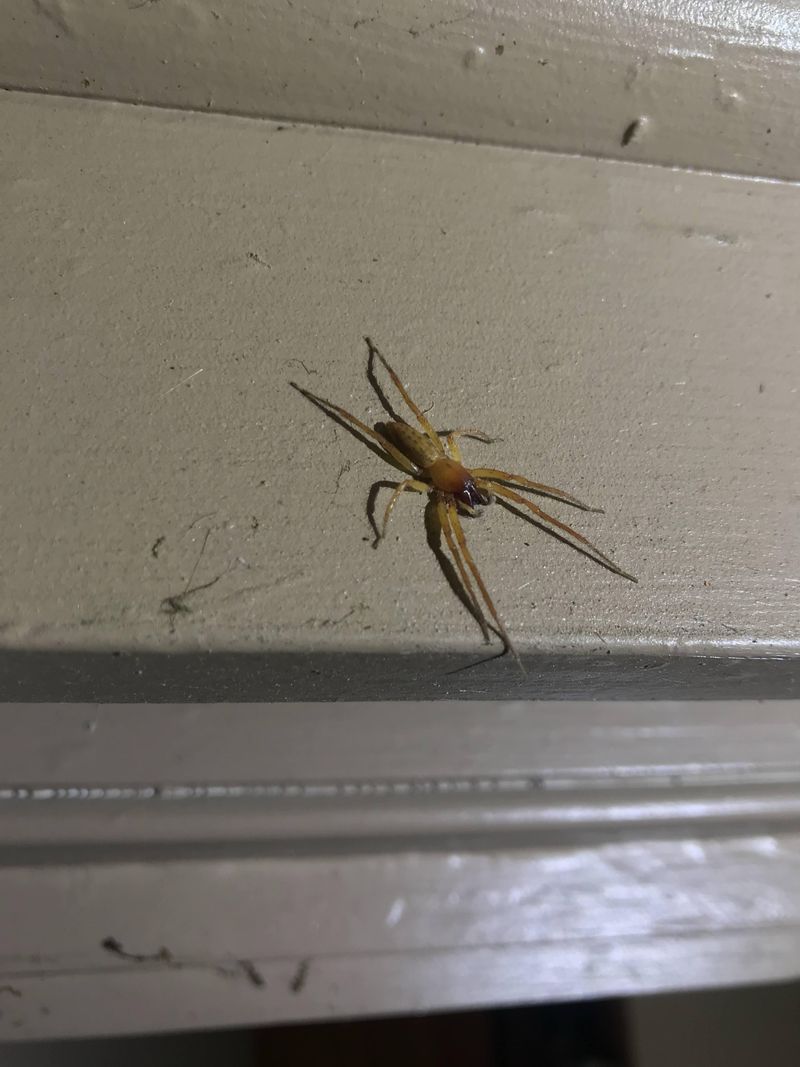
Ever spot a tiny pale spider crawling across your ceiling in late fall? You are not alone. When temperatures drop, yellow sac spiders and the bugs they eat may wander inside.
You might find their silk sacs in ceiling corners, behind picture frames, or along window trim. Many indoor bites happen when a spider ends up in bedding or clothing.
Sealing gaps makes a big difference. Caulk cracks around windows, doors, and pipes. Repair torn screens and add door sweeps to exterior doors.
Outdoor lights matter more than most people realize. Bright porch bulbs draw insects, and hungry spiders follow the buffet. Switching to yellow bug lights or using motion sensors can help.
Inside, cut down clutter in closets, garages, and storage rooms. Keep stored clothes and shoes in sealed plastic bins rather than open boxes.
Pull beds a few inches from walls, and keep blankets off the floor. Shake out clothes and towels that have been sitting unused for a while.
A vacuum with a hose attachment works great for removing spiders and sacs from corners. Empty the canister or bag outside right away so the visitors do not stage a comeback.
Your Leaf Pile Can Stay A Garden Treasure With A Little Care
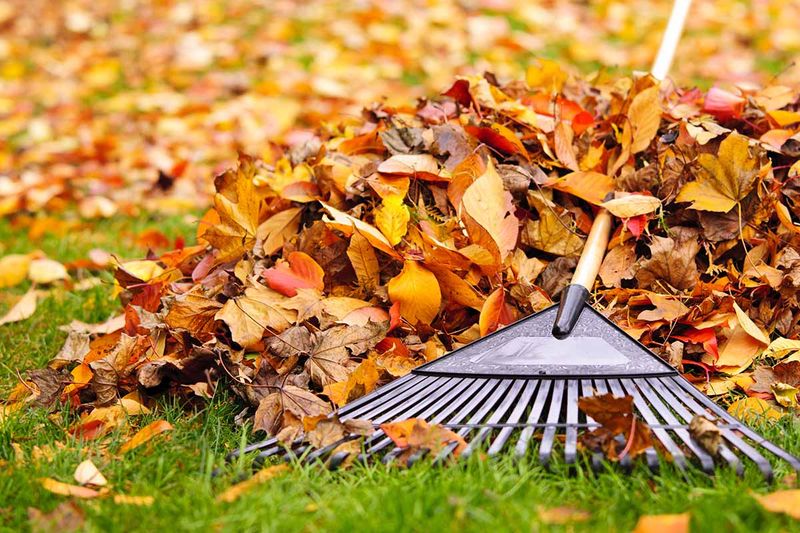
Please do not toss out your leaf piles because of one tiny spider. Those leaves are free garden gold.
Shredded leaves make wonderful mulch and compost. They hold moisture, feed soil life, and shelter helpful insects and toads over winter.
Many Texas extension experts encourage gardeners to keep leaves on their property instead of bagging them for the curb.
The trick is to give the pile a smart location. Set compost bins and leaf piles away from doors, play areas, and spots where kids or pets grab things. A corner of the yard works nicely.
Running leaves through a mower first breaks them down faster. Smaller pieces also leave fewer cozy folds for spiders to tuck into.
Turning the pile with a pitchfork every few weeks adds air and keeps you from reaching in by hand. Teach kids a simple rule too. Gloves on, hands slow, and look before you grab.
In the end, a little awareness goes a long way. These pale hunters eat plenty of garden pests, and bites are uncommon when you give them space. Rake with care, and your yard can stay friendly for both of you.