7 Things Snowbirds Should Check in Their Arizona Yard When They Arrive for Winter
A gap about as thin as two stacked pennies can let an unwanted desert guest stroll into your home. Arizona bark scorpions need roughly an eighth of an inch to slip inside, and they still wander during cooler months.
Your yard keeps changing all summer, even when the house sits quiet and the blinds stay shut. Sprinklers keep running on hot-weather schedules, while monsoon winds may have snapped a few branches overhead.
I have to admit, my favorite part of arriving is that first slow walk with coffee in hand. You notice things on that stroll that a busy caretaker or landscaper might easily miss in a quick visit.
A smart Arizona yard can even work for you, inviting helpful critters while making life harder for pests. So which seven quick checks deserve your attention before you finally unpack that last heavy suitcase?
1. Drip Lines And Sprinkler Heads Need A Cooler Season Schedule
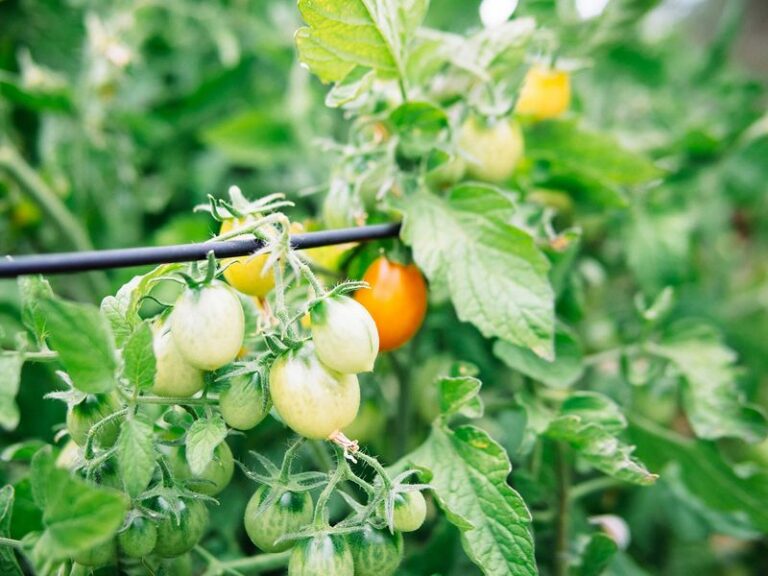
Your sprinkler controller has no idea the calendar flipped, so it may still be watering like it is July. I learned that lesson after spotting a soggy citrus bed and a fresh crop of mushrooms near the patio.
Cooler days and shorter sunlight mean most desert landscapes need far less water by October and November. Soggy soil starves roots of oxygen and invites root rot, which hits citrus and shrubs especially hard.
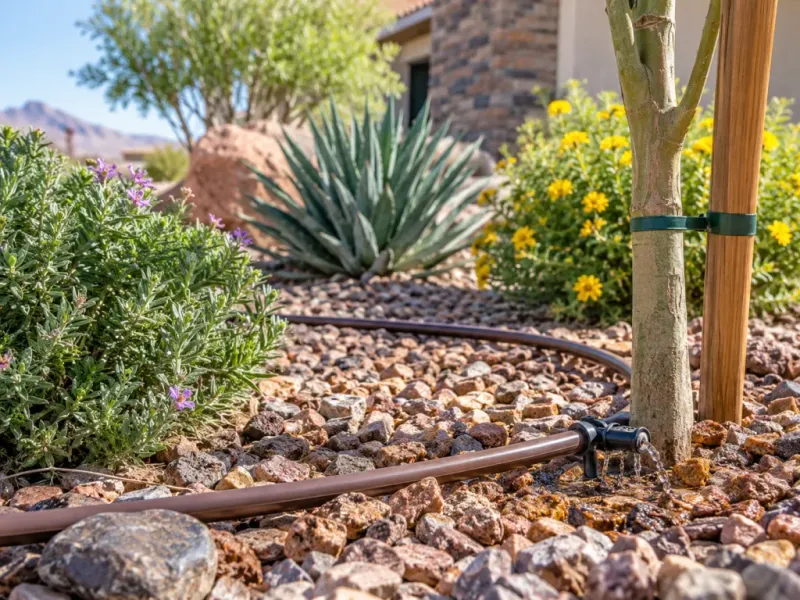
Start by running each zone manually while you walk the yard and watch every emitter closely. Look for puddles or dry spots, since buried drip lines often crack or get chewed by thirsty rodents.
Clogged emitters are common after a quiet summer, especially where hard water leaves white mineral crusts behind. A quick cleaning or replacement costs pennies compared with losing a mature shrub to slow thirst.
Water deeply but less often, and let the soil dry between sessions for most desert plants and citrus. The Water Use It Wisely program offers free seasonal watering guides, which I keep taped inside my garage.
Up in cooler towns like Flagstaff or Prescott, drain exposed pipes and insulate the backflow preventer before hard freezes. Cracked valves make a pricey spring surprise that a simple foam cover can help you avoid.
2. London Rocket And Winter Weeds Sprout Fast In Gravel Beds
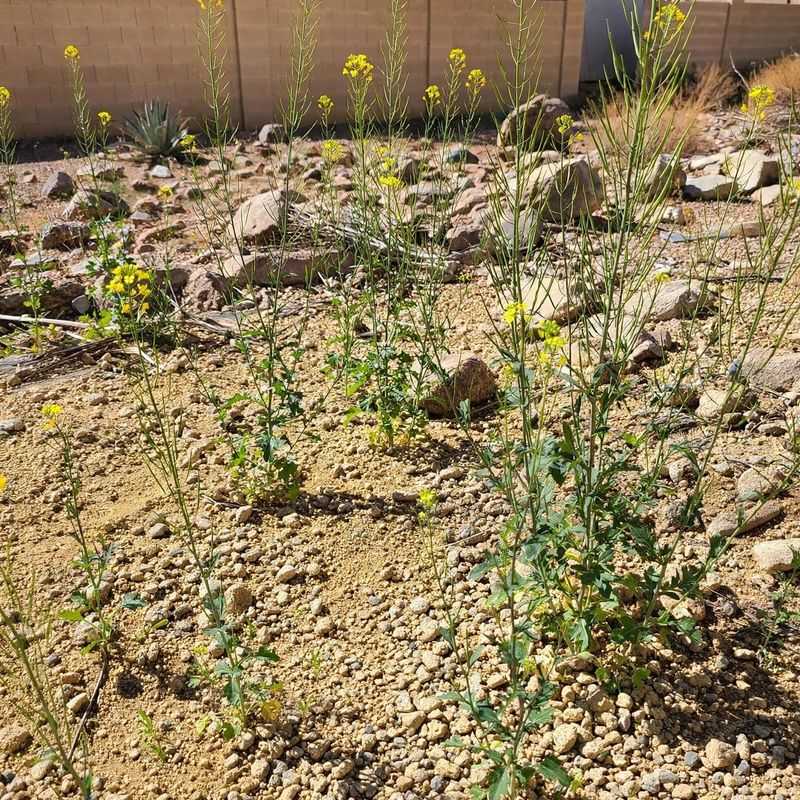
Fall rains and cooler soil wake up a whole crew of winter weeds that lay low through the summer heat. London rocket, with skinny seedpods and tiny yellow blooms, can turn a tidy gravel bed shaggy within weeks.
Chickweed and annual bluegrass also sprout once nights cool down, often hiding between rocks where you rarely look. I like to crouch down and scan the gravel at eye level, because tiny seedlings show up better that way.
Pulling weeds while they are small is far easier, since their roots have not anchored deeply into the soil yet. A light watering the evening before softens the ground, and seedlings slide out with barely any tug.
Many landscapers apply pre-emergent products in early fall, before winter weed seeds get a chance to germinate. Read every label carefully, because some products can also stop wildflower seeds you hope to grow this season.
Overwatering feeds weeds just as happily as your plants, so your new irrigation schedule doubles as weed control. Removing weeds before they flower also shrinks next year’s seed bank, which your future self will appreciate.
3. Bark Scorpions Hunt For Cracks Around Your Foundation
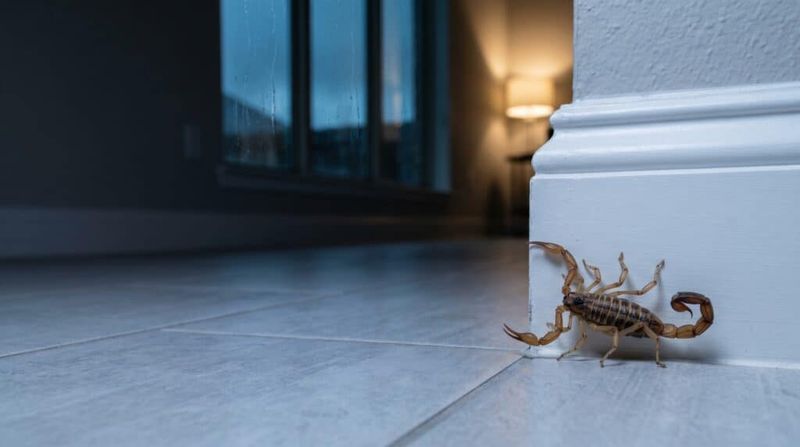
Shine a blacklight across your patio some evening, and any scorpion nearby will glow an eerie blue-green. Arizona bark scorpions fluoresce under ultraviolet light, which turns a nighttime flashlight walk into a surprisingly useful inspection.
Bark scorpions can climb stucco walls and slip through gaps roughly an eighth of an inch wide. Check door sweeps and window screens closely, then seal any foundation cracks with a good exterior-grade caulk.
Firewood and stacked pavers make cozy daytime hideouts right next to your walls, especially after a quiet summer. Move woodpiles away from the house and lift them off the ground so fewer hiding spots remain.
Scorpions mostly follow their food, so a yard full of crickets and roaches will draw them closer. Trimming plants back from the walls and switching porch lights to yellow bulbs can reduce those insects nearby.
I also appreciate the yard’s natural hunters, from roadrunners to certain lizards, which happily snack on scorpions. Leaving a few rocks in a far corner gives helpful lizards shelter without inviting pests right to your doorstep.
4. Standing Water In Pot Saucers Breeds Mosquitoes
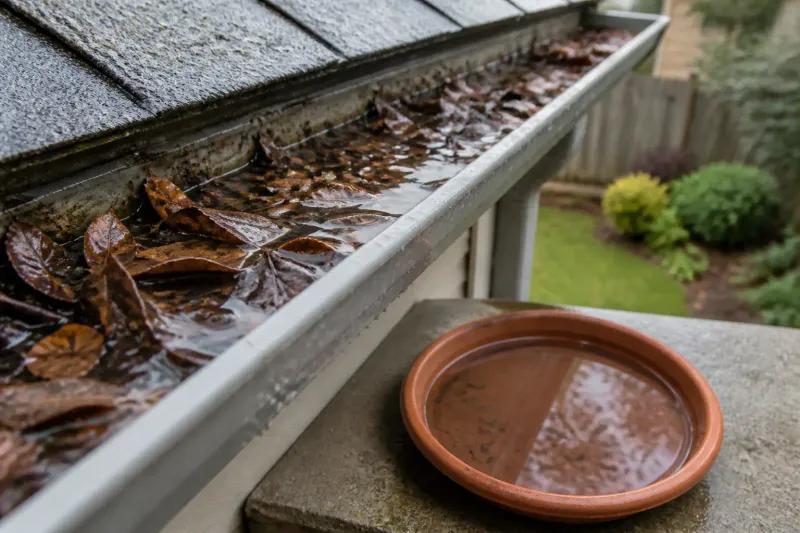
A forgotten saucer under a potted plant can hold enough water to raise a surprising number of mosquitoes. The yellow fever mosquito, Aedes aegypti, loves small containers and thrives in many desert neighborhoods across the Southwest.
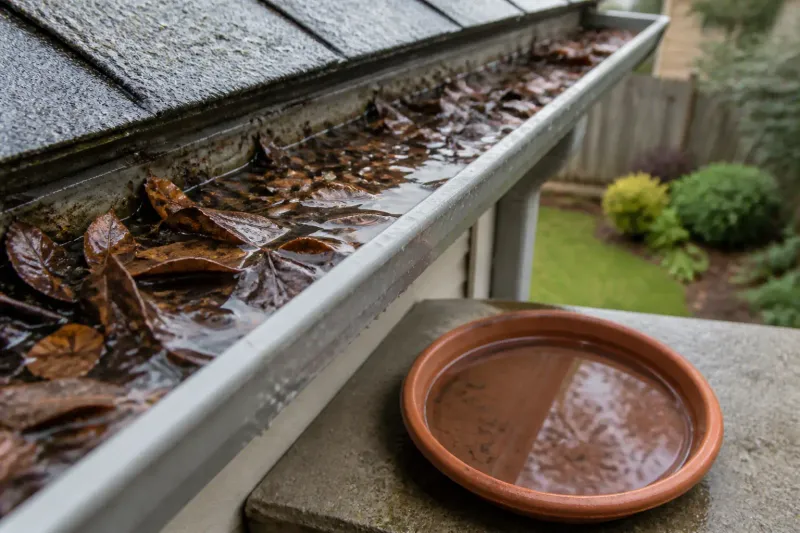
Monsoon storms often leave water hiding in places you rarely check, like clogged gutters and folded tarps. Tip out buckets and saucers, then flip empty pots upside down so rain cannot collect inside them again.
Birdbaths are wonderful for wildlife, but scrub and refill them every few days so larvae cannot finish developing. Mosquito eggs can hatch and reach adulthood in roughly a week when temperatures stay warm.
Check fountains and pond pumps too, since stagnant corners invite egg laying even in moving water features. Mosquito dunks containing Bti target mosquito larvae while leaving birds and pets largely unharmed.
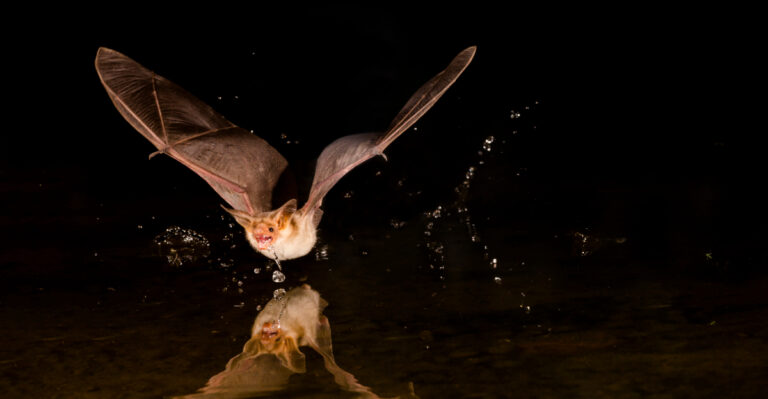
Bats are another ally worth welcoming, since many species snack on flying insects while they remain active into fall. I love watching them swoop over the yard at dusk, quietly working the night shift for free.
5. Monsoon Damaged Mesquite And Palo Verde Branches Need A Close Look
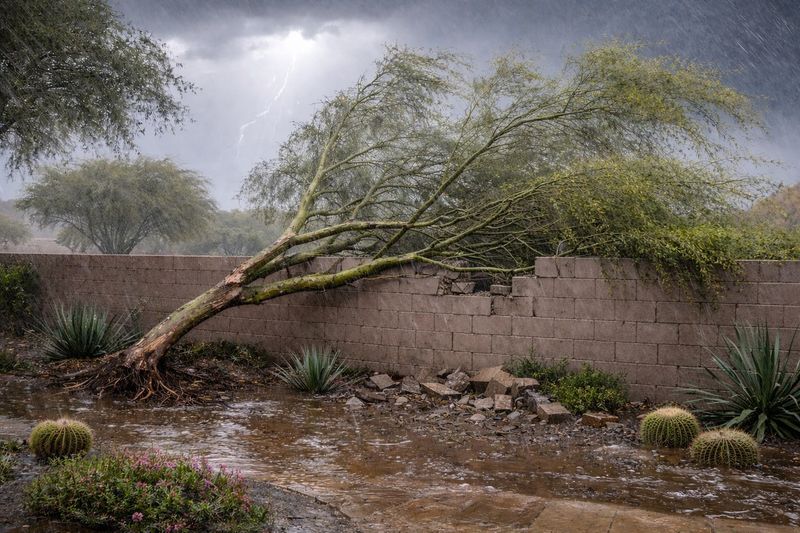
Monsoon gusts can snap a mesquite limb like a breadstick, and summer storms often leave hanging branches behind. Mesquites and palo verdes grow quickly, which sometimes leaves their wood brittle under heavy, crowded canopies.
Walk slowly around each tree and look up, checking for cracked limbs or branches resting on the roof. A hanger caught in the canopy can drop without warning, so keep chairs and grandkids clear until it is removed.
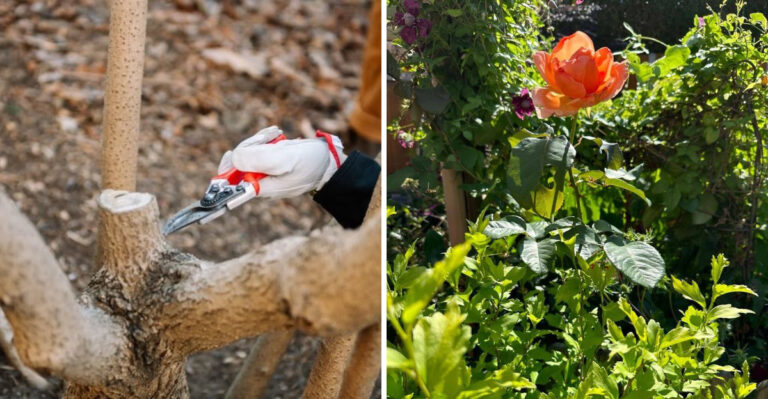
Light cleanup works well now, especially removing broken or rubbing branches that could tear further in wind. Save heavy shaping for later, since many desert trees respond best when pruned during their active growing season.
Skip the lion-tailing habit of stripping inner branches, because it leaves trees top-heavy and prone to wind breakage. A balanced canopy lets breezes pass through, which helps trees stand strong when the next monsoon arrives.
Branches near power lines or large limbs over the house belong to a certified arborist, not a wobbly ladder. Personally, I would rather pay a pro than spend my winter explaining a roof repair to the insurance company.
6. Native Wildflowers Welcome Hummingbirds And Bees
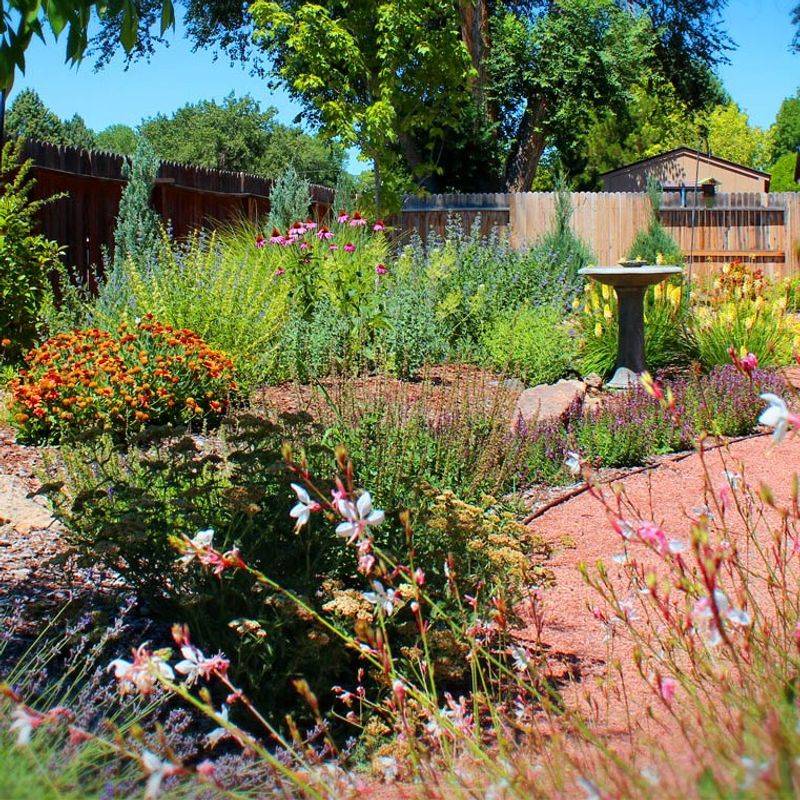
Anna’s hummingbirds stay in the low desert through winter, zipping between blooms while northern gardens freeze solid. You can help them, along with native bees, by tucking a few desert-adapted flowering plants into empty spots.
October is one of the best planting months in the low desert, because roots settle in during mild weather. Plants set in fall have months to grow roots before summer heat returns and tests them hard.
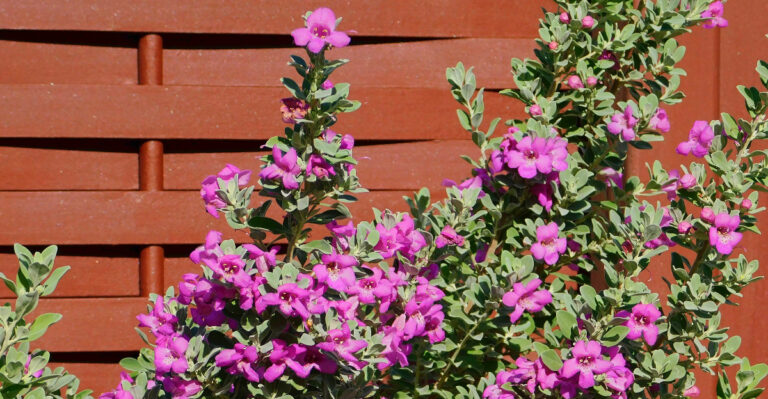
Desert marigold and globe mallow bloom freely with little water, and both handle poor soil without complaint. Parry’s penstemon sends up pink flower spikes in late winter and spring that hummingbirds visit eagerly.
Chuparosa is another favorite of mine, with tubular red flowers that feed hummingbirds through the cooler months. Native plants often need less water and less fuss than thirsty exotics once they are established.
A shallow dish of fresh water with a few stones lets bees and small birds drink safely. Skipping broad-spectrum sprays also protects the beneficial insects that quietly keep aphids and whiteflies in check.
7. Frost Cloth Should Be Ready For Lime And Lemon Trees
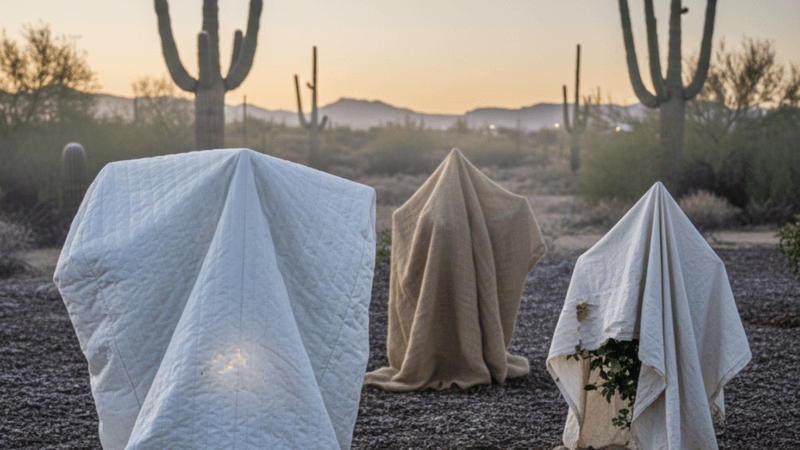
Frost in Phoenix can feel like a myth until a clear January night quietly scorches your lime tree. Low desert valleys often see a handful of freezing nights each winter, especially in spots where cold air settles.
October is the season to prepare rather than panic, so locate your frost cloth and check it for holes. Old bedsheets work in a pinch, but avoid plastic, since it can trap cold against leaves and cause damage.
Limes and lemons are more sensitive than oranges or grapefruit, so give them first priority on chilly nights. Tender plants like bougainvillea and young cacti also appreciate a light cover draped all the way down.
Hold off on fertilizing tender plants this late, because fresh, soft growth is more vulnerable to cold injury. Watering a day before a forecasted frost helps, since moist soil holds and releases heat better than dry soil.
If frost does nip your plants, resist the urge to prune the damaged leaves right away. Waiting until spring lets browned foliage shield inner growth and shows you exactly where healthy wood begins again.