3 Simple Tomato Hacks Arizona Gardeners Swear By For A Bigger Fall Harvest
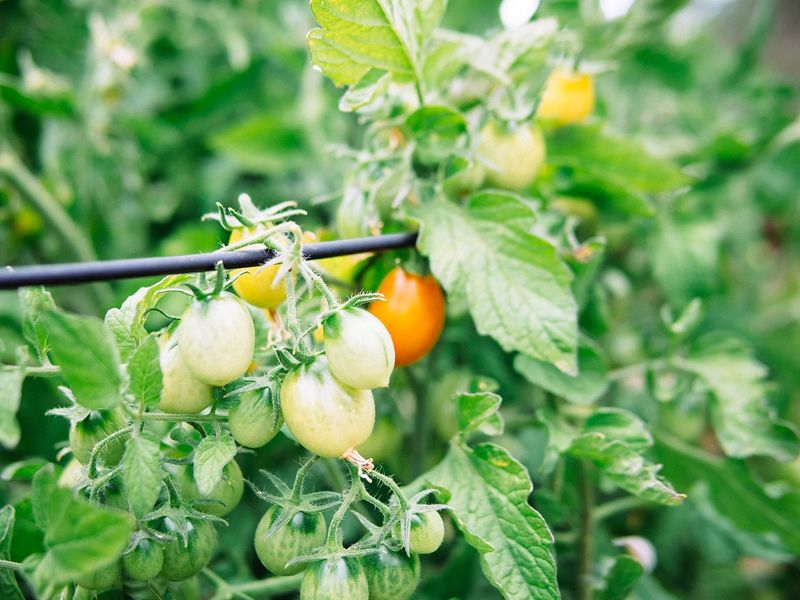
Growing tomatoes in Arizona feels like a battle against the sun, but fall is actually a secret second chance for a huge harvest. When the brutal summer starts to fade, the right moves can fill your garden with juicy tomatoes well into cooler weather.
These three simple hacks are the tricks local desert gardeners rely on year after year. Try them and you might be picking tomatoes long after your neighbors have given up.
1. Time Your Planting And Pick Heat-Tough Varieties
Timing is everything when you garden in the low desert, and fall tomatoes have their own special window. Plant during a second round that runs from July through September, lined up with the monsoon season.
Getting plants in the ground while it is still warm lets them settle in and grow strong as the heat slowly backs off.
The variety you choose matters just as much as the calendar. Skip the giant beefsteak types, which sulk in the heat and take forever to ripen.
Smaller-fruited, shorter-season tomatoes set fruit faster and shrug off high temperatures better.
Look for proven desert performers like Celebrity, Early Girl, Heatmaster, Solar Fire, Phoenix, Black Krim, and Punta Banda. Cherry and grape types such as Sungold, Juliet, Sweet 100, and Yellow Pear are practically unstoppable in Phoenix and Tucson yards.
Fun fact for your next garden chat: many of these heat-tough varieties keep flowering while larger tomatoes quit completely. Match the right seedling with the right planting week, and you give yourself the best possible head start toward a loaded fall harvest.
2. Give Plants Afternoon Shade
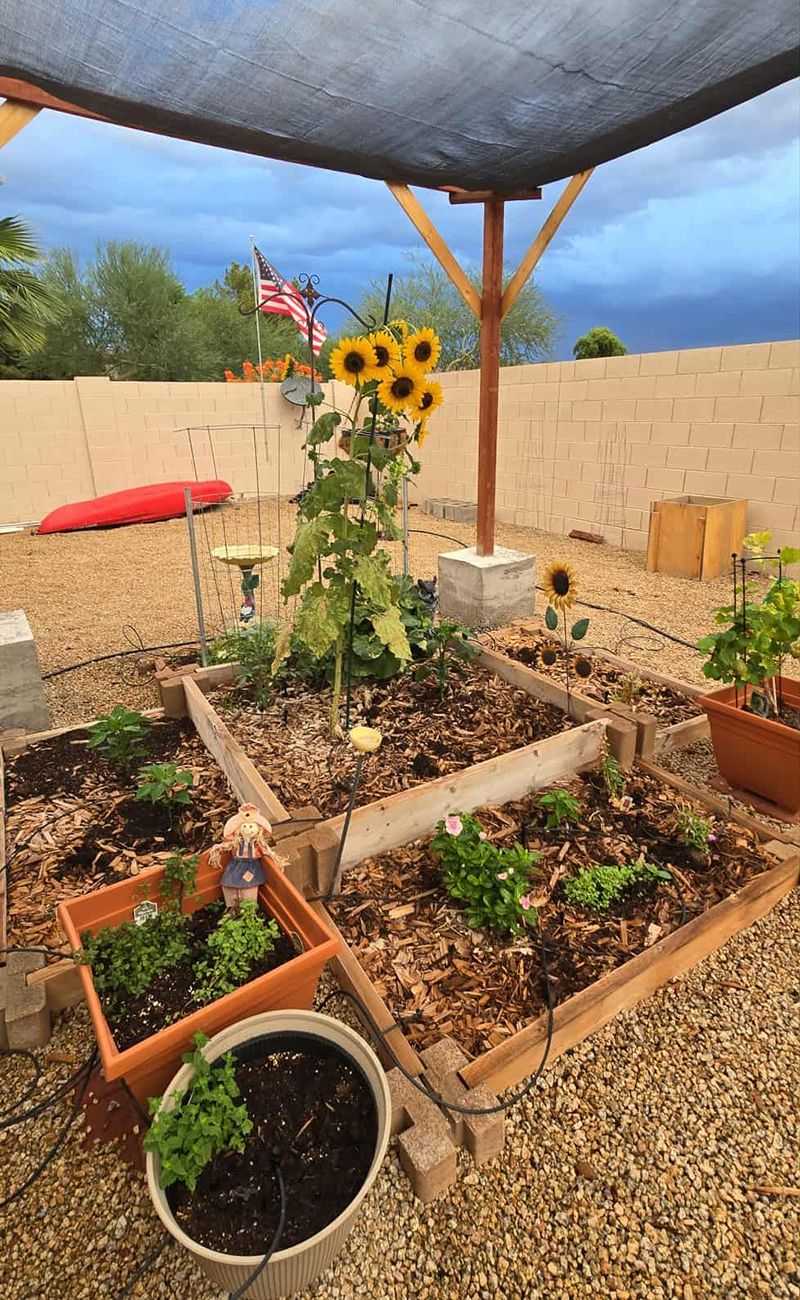
Here is a surprise that trips up new desert gardeners: tomatoes love warmth but flat-out refuse to make fruit when afternoons stay above 90 degrees. That kind of heat cooks the pollen and leaves blossoms unable to do their job.
The plant looks healthy but sets almost nothing.
The fix is beautifully simple. Place your tomatoes where they catch gentle morning sun and get relief from the harsh afternoon rays.
A spot on the east side of a wall or under a light tree canopy works well.
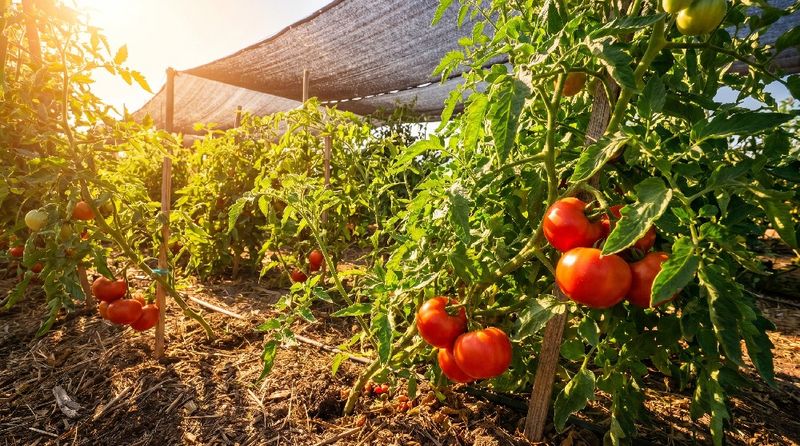
Once the thermometer keeps climbing past 90 degrees, drape white 30 to 50 percent shade cloth over the plants. This soft cover can shield blossoms and fruit from sunscald while lowering the temperature just enough for pollination to happen.
When cooler days settle in and readings drop below 90, pull the cloth off so the plants soak up full light again.
Think of shade cloth as a sunhat for your garden. It costs little, sets up fast, and often makes the difference between empty vines and heavy, fruit-filled branches come fall.
3. Water Deep And Mulch Well
Water may be the trickiest part of desert tomato growing, and getting it wrong shows up fast. Uneven moisture is the main reason for blossom end rot, that ugly dark patch on the bottom of the fruit.
Steady watering keeps that heartbreak away.
Aim to water deeply and right at the base of the plant rather than sprinkling from above. Deep soaking pushes roots downward, building a tough system that can handle desert stress.
Your Arizona Garden Changes Every Week. Your Plan Should Too.
Gardening in Arizona changes quickly throughout the season. Every Friday you’ll receive a simple weekly plan showing exactly what to plant, prune, fertilize, harvest, and protect so you never miss the right timing.
Keeping water off the leaves also stops soil from splashing up and spreading disease.
Early morning is the golden hour for irrigation. Watering before the sun gets fierce gives plants a full reserve to lean on through the hottest part of the day.
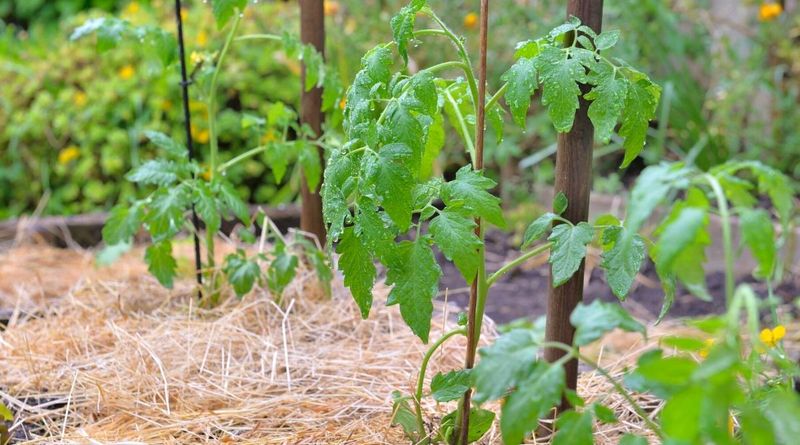
Then comes the quiet hero: mulch. A generous layer around the base holds moisture in, keeps roots cooler, and blocks weeds that would steal water.
It also creates a barrier that keeps splashing soil off lower leaves.
Straw, shredded bark, or dried grass clippings all work great in Phoenix and Tucson beds. Combine deep morning watering with solid mulch, and your tomatoes get the consistent moisture that turns into truly bountiful fall fruit.