The Lantana Mistake Many Arizona Gardeners Make During Extreme Heat
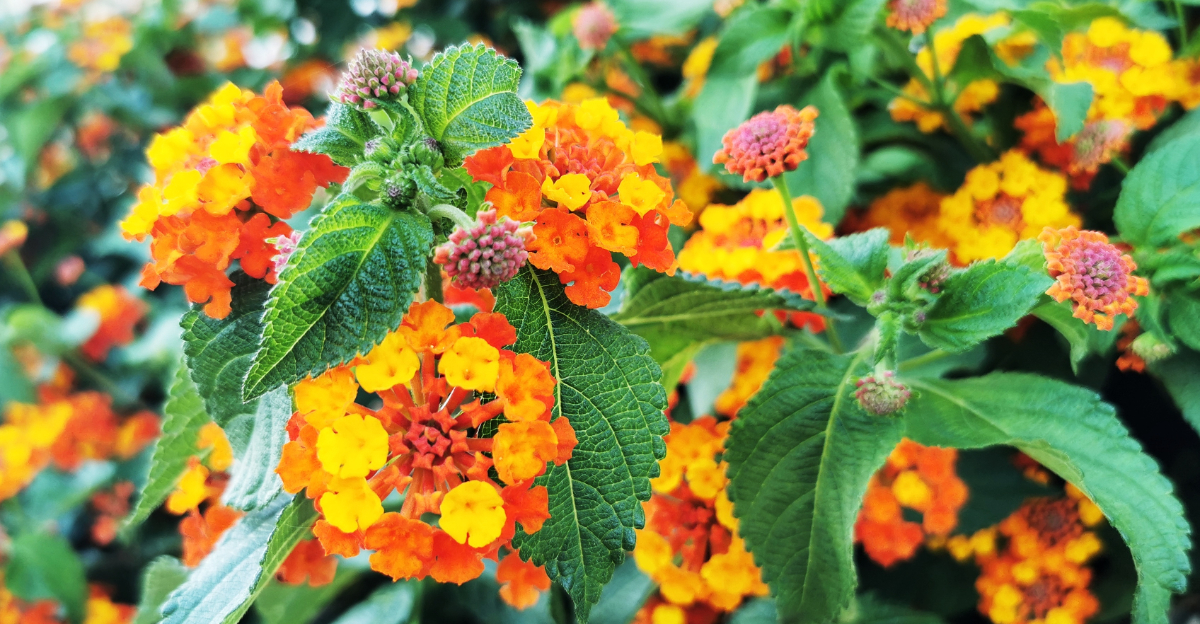
Bright flowers and nonstop color make lantana look almost impossible to harm. Even during the hottest weeks of summer, it often keeps blooming while many other plants begin to struggle.
That tough appearance leads many people to think it can handle any kind of care.
One common habit actually works against the plant when temperatures stay dangerously high. Instead of helping lantana, it creates extra stress at the worst possible time.
Many yards across Arizona see this mistake every summer because it seems like the right thing to do. The effects are not always obvious right away, but they become much easier to spot as the season continues.
Knowing what to avoid now can help your lantana stay fuller, healthier, and covered with blooms for much longer despite the extreme heat.
1. Stop Pruning Lantana In Mid-Summer
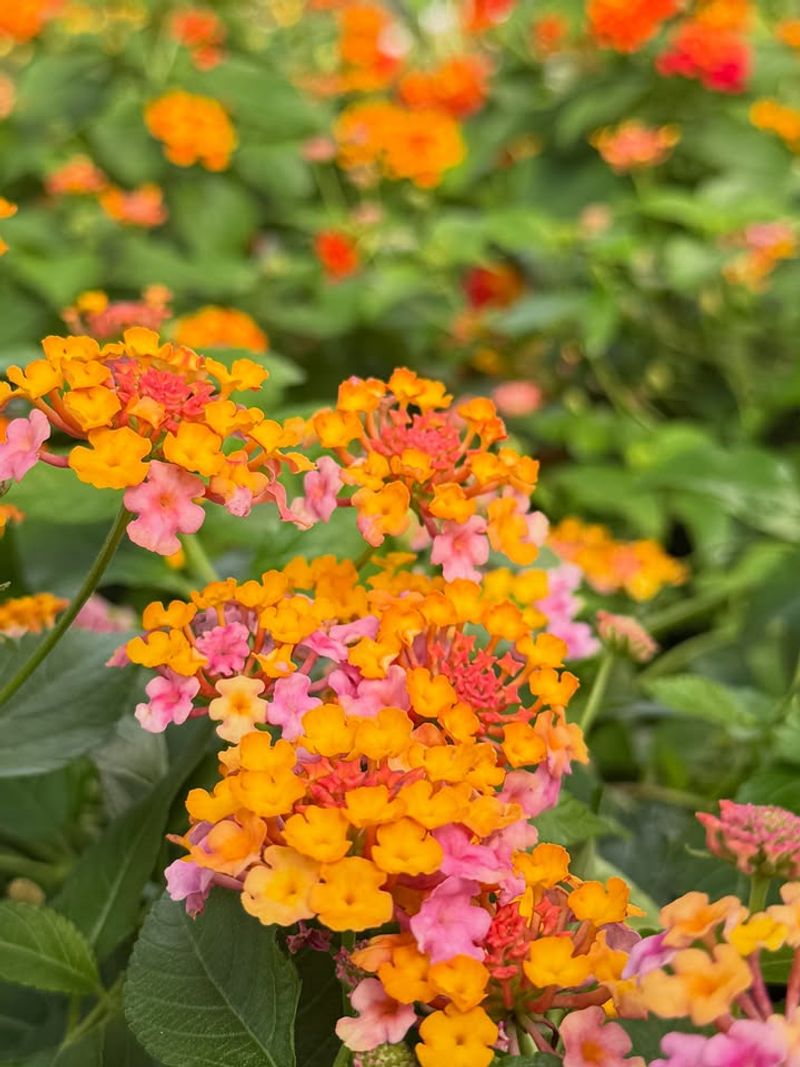
Grabbing the pruning shears in July feels productive, but cutting lantana back during peak heat is one of the most common mistakes gardeners make. Lantana uses its existing foliage as a shield.
Leafy growth shades the stems and root zone, which helps protect the plant from intense ground-level heat.
When you prune in mid-summer, you strip away that natural protection. Fresh cuts on stems expose tender tissue right when temperatures are at their most brutal.
New growth that sprouts after pruning is soft and vulnerable, and it often struggles to handle 110-degree days without wilting badly.
Timing matters more than most people realize. Pruning is best done in early spring before the serious heat arrives, or in fall once temperatures start dropping consistently below 90 degrees.
Cutting during those windows gives the plant enough time to recover and push out new growth under more manageable conditions.
If your lantana looks scraggly right now, resist the urge to cut it back hard. Letting it ride out summer in its current shape, even if it looks a little rough, is usually the smarter move.
A plant that looks imperfect but stays intact will rebound faster than one that was pruned at the wrong time. Patience pays off with lantana more than most flowering shrubs.
2. Water Thoroughly When The Soil Dries Out
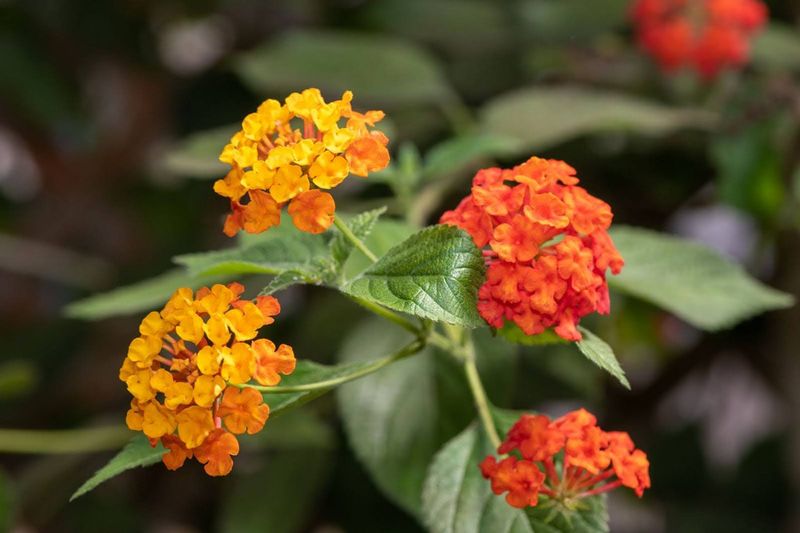
Watering lantana during extreme heat is not about watering more often. It is about watering deeply when the soil actually needs it.
Shallow, frequent watering keeps moisture near the surface and encourages roots to stay shallow, which makes plants more vulnerable during hot spells.
Stick your finger two to three inches into the soil near the base of the plant. If it feels dry at that depth, water thoroughly and let it soak in slowly.
If the soil still feels slightly moist, hold off. Overwatering in summer can cause root problems just as easily as underwatering.
Established lantana is surprisingly drought-tolerant once it has a solid root system. Younger plants need more attention during their first summer because their roots have not spread far enough to pull moisture from a wider area of soil.
Check those more frequently than you would a mature plant.
Your Arizona Garden Changes Every Week. Your Plan Should Too.
Gardening in Arizona changes quickly throughout the season. Every Friday you’ll receive a simple weekly plan showing exactly what to plant, prune, fertilize, harvest, and protect so you never miss the right timing.
Early morning is the best time to water. Soil absorbs moisture more efficiently before the midday heat sets in, and foliage dries faster, which reduces the chance of fungal issues.
Watering in the evening can leave moisture sitting on leaves overnight. Getting the timing and depth right matters more than the frequency.
Consistent, deep watering builds stronger roots over time.
3. Skip Fertilizer During The Hottest Weeks
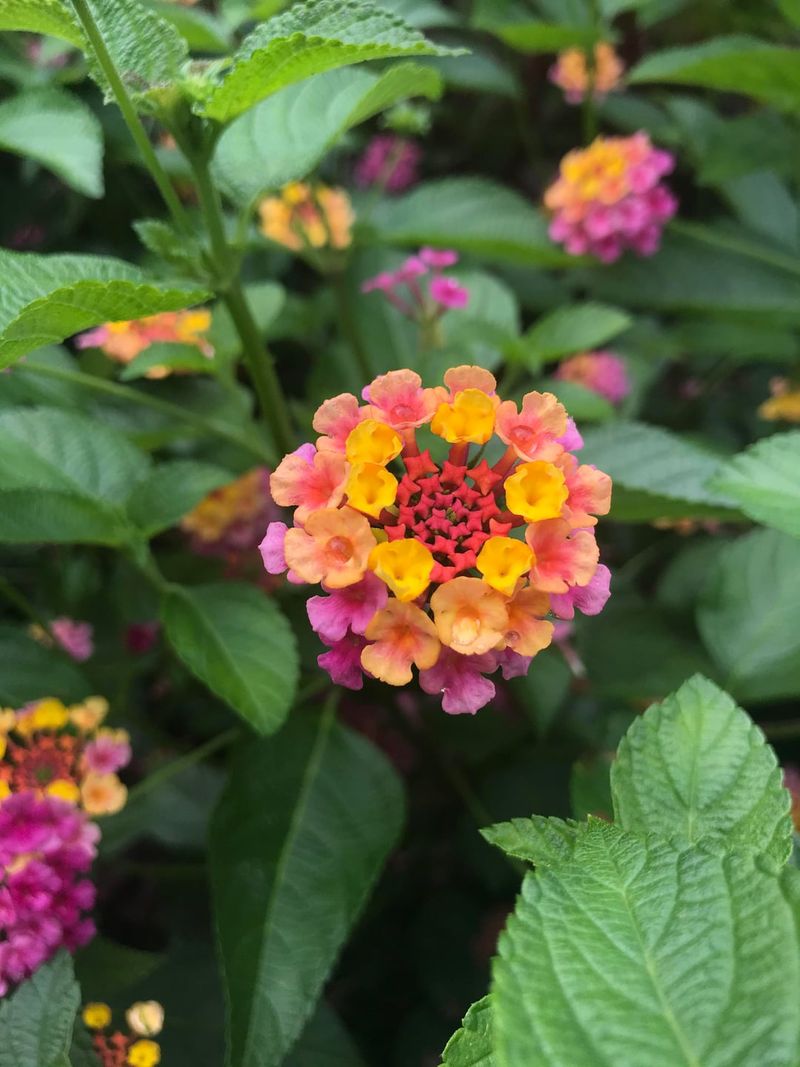
Fertilizing during a heat wave seems like a way to help your lantana push through, but it often does the opposite. Fertilizer encourages new growth, and new growth is soft and fragile.
Pushing a plant to produce tender new shoots when temperatures are extreme puts serious stress on it.
Salt-based fertilizers can also build up in dry soil faster than usual during hot weather. That salt buildup pulls moisture away from roots, which is the last thing a plant needs when it is already working hard to stay hydrated.
The combination of heat stress and fertilizer burn can set your plant back significantly.
Hold off on any fertilizing from roughly mid-June through late August in most desert climates. Lantana does not need a big nutrient push during this period anyway.
It naturally slows its growth rate in extreme heat as a way of conserving energy, so feeding it aggressively works against that survival response.
Once temperatures begin dropping in September, that is a reasonable time to consider a light, balanced fertilizer to help the plant gear up for a strong fall bloom. Keep the application light and follow the product directions carefully.
Less is genuinely more with lantana fertilization, especially after a stressful summer season. Giving it a break now leads to better results later.
4. Remove Only Broken Or Damaged Stems
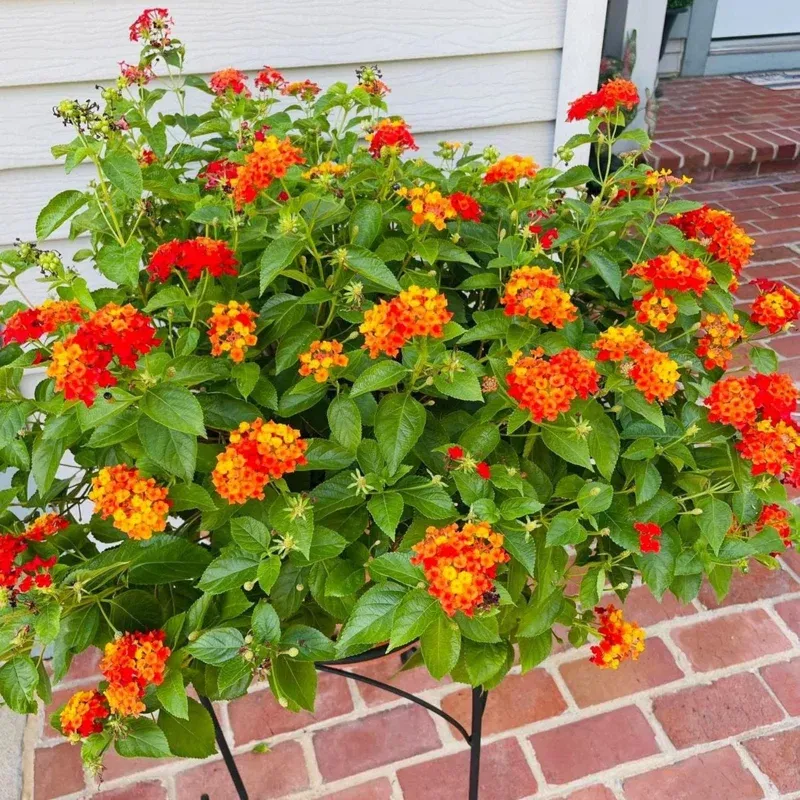
Not all pruning is bad during summer. Removing stems that are clearly snapped, rotting, or badly sun-damaged is a reasonable task even in peak heat.
The key is keeping it minimal and targeted rather than doing a full shape-up on the plant.
Broken stems can become entry points for pests or disease if left hanging. A clean cut just below the damaged section removes that risk without stressing the rest of the plant.
Use clean, sharp pruners and make your cut at a natural branching point when possible.
Avoid removing more than what is clearly damaged. Cutting into healthy green growth during a heat wave forces the plant to redirect energy toward healing wounds instead of maintaining its existing foliage.
That trade-off is not worth it when the plant is already under heat stress.
After making any cuts, avoid fertilizing the trimmed areas or disturbing the root zone nearby. Let the plant focus on basic maintenance rather than recovery.
In most cases, a few targeted snips to address obvious damage will not set your lantana back at all. Keeping the work small and precise is the right approach.
Save the bigger shaping sessions for cooler weather when the plant has the energy and conditions to bounce back properly without added strain.
5. Full Sun Still Produces The Most Blooms
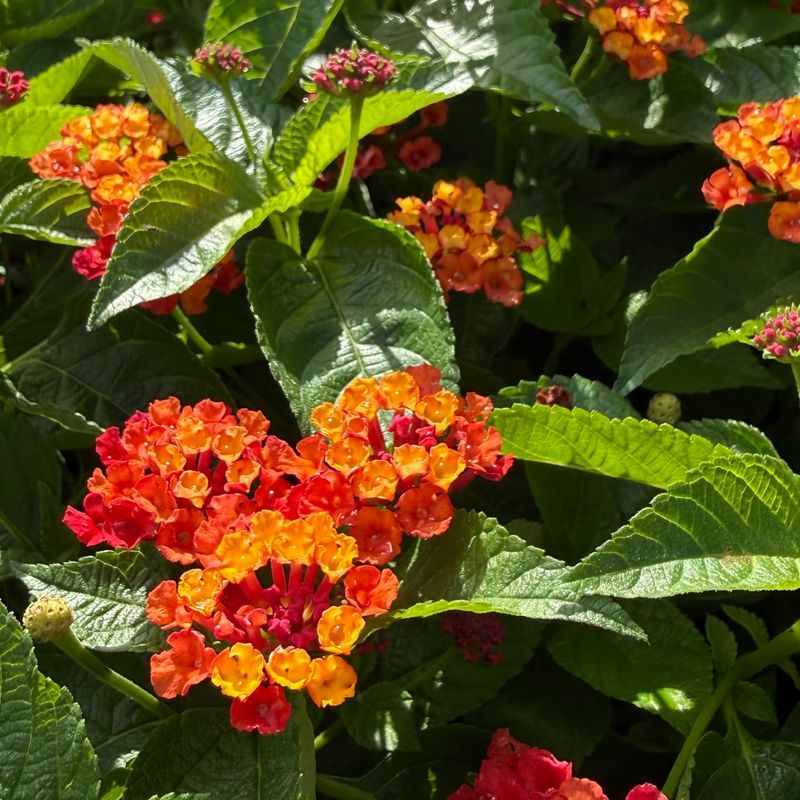
Some gardeners assume that moving lantana to partial shade will help it cope with extreme heat. In most cases, that thinking backfires.
Lantana is a full-sun plant, and shade tends to reduce blooming significantly rather than helping the plant recover.
Cutting back on sun exposure can cause lantana to become leggy and produce far fewer flowers. Even during triple-digit temperatures, lantana planted in a full-sun spot tends to outperform plants that get filtered or afternoon shade.
Its biology is built around intense light and heat.
What actually helps in a hot, exposed location is improving the soil and adding mulch around the base rather than relocating the plant. Addressing the root environment does more good than changing the light conditions.
Lantana roots that stay cooler can support the plant better even when the air temperature is punishing.
If your lantana is in a spot that gets at least six to eight hours of direct sun, leave it there. Transplanting during summer adds significant stress on top of the heat, and the plant will spend weeks trying to re-establish roots instead of flowering.
In places like Arizona, where sun is rarely in short supply, lantana tends to thrive right where it is planted. Trust the plant’s natural preferences and focus on other adjustments instead.
6. Add Mulch To Keep Roots Cooler
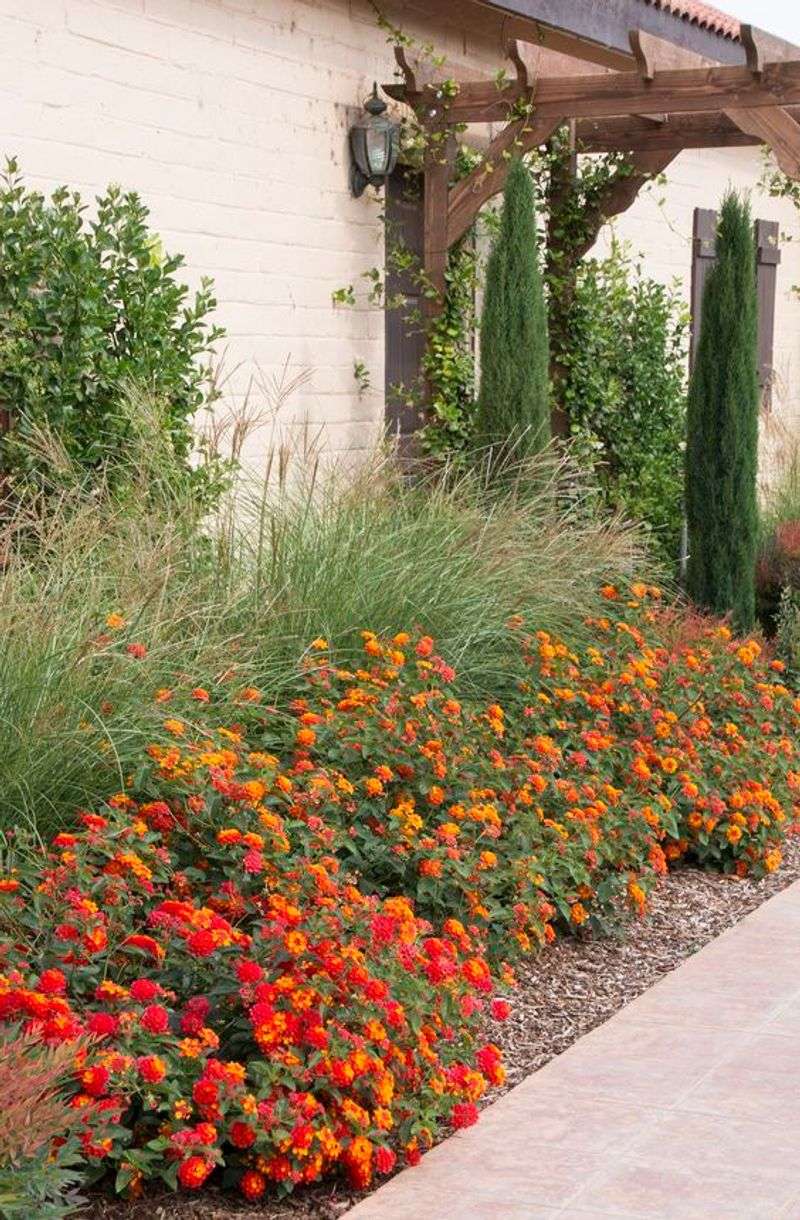
Bare soil in a desert garden during summer can reach temperatures that stress plant roots far beyond what the air temperature suggests.
Ground surface temps in full sun can climb well above 150 degrees Fahrenheit in some locations, which is rough on shallow root systems.
A two to three inch layer of organic mulch, like wood chips or bark, placed around the base of your lantana can lower soil temperature noticeably. Mulch also slows moisture evaporation, which means your watering efforts last longer between sessions.
Both of those benefits matter a lot during peak summer heat.
Keep the mulch a few inches away from the base of the main stem. Piling it directly against the stem traps moisture and can cause rot over time.
A ring of mulch that extends out toward the drip line of the plant, rather than pressed up against the trunk, works better and reduces that risk.
Gravel mulch is common in desert landscapes, but organic mulch does a better job of regulating soil temperature and improving soil structure over time as it breaks down.
If you are choosing between the two for a planting bed, organic material tends to benefit root health more.
Applying mulch before the hottest part of summer arrives gives it time to settle and start working before the worst heat hits. It is a low-effort adjustment with real results.
7. New Blooms Return As Temperatures Cool
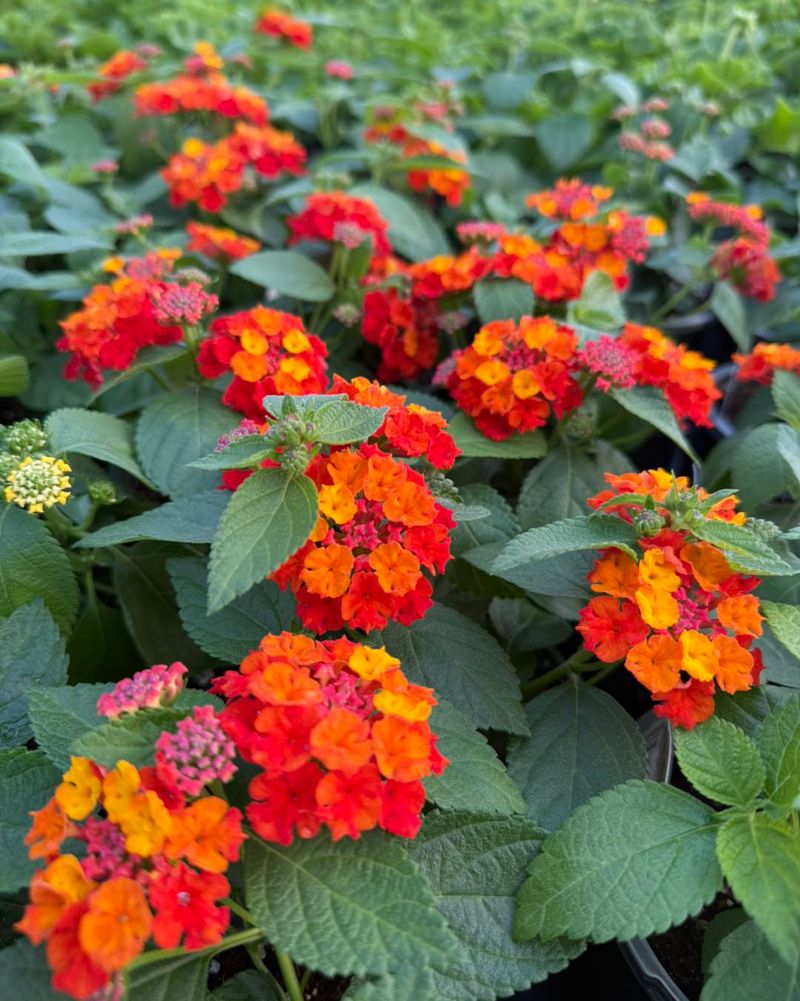
A lantana that looks rough in August is not finished for the season. Bloom production slows or pauses during extreme heat in many cases, which can be discouraging to watch.
Understanding that this is a normal response rather than a sign of permanent decline makes a big difference in how you manage the plant.
As temperatures drop into the mid-80s and 90s in September and October, most lantana plants in hot desert regions begin pushing out new growth and flowers again.
Fall is often when these plants look their absolute best, with fuller blooms and more vibrant color than they showed in spring.
Resisting the urge to pull out a struggling plant in August is worth it. Giving it a few more weeks before making any decisions about its future in the garden is usually the right call.
Plants that looked nearly finished in mid-summer often surprise gardeners with a strong fall recovery.
Helping that rebound along is simple. Once temperatures start dropping consistently, a light watering adjustment and a modest fertilizer application can support new growth.
Pruning lightly at that point to remove summer-worn stems gives the plant a cleaner shape heading into its fall flush. In places across the desert Southwest, including Arizona, fall lantana blooms are worth waiting for.
The plant earns its reputation as a reliable performer once the heat finally breaks.