This Toxic Tree In Georgia Gets Overlooked More Than Copperheads
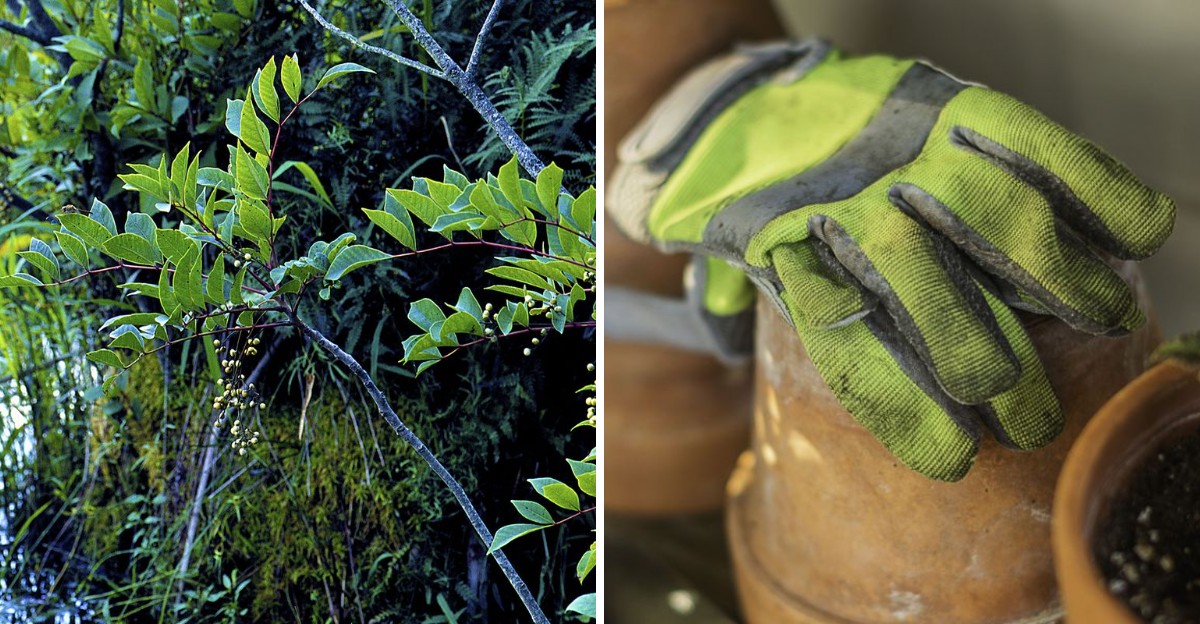
This small swamp tree in Georgia can cause a rash inside your lungs if its smoke is inhaled. I had to read that twice the first time I saw it.
Every part of this plant carries the same itchy oil found in poison ivy. Its leaves glow orange in spring and turn fiery red in fall.
Honestly, it looks like something you would want to snip for a vase.
You already scan the leaf litter for copperheads when you hike or garden near the creek. Most of us learned that lesson as kids.
Very few of us learned to watch the branches at eye level, though.
Which wetland tree deserves a spot on your watch list right next to that famous snake? You might be walking past it more often than you think.
1. That Pretty Swamp Shrub With Red Stems Has a Hidden Itch
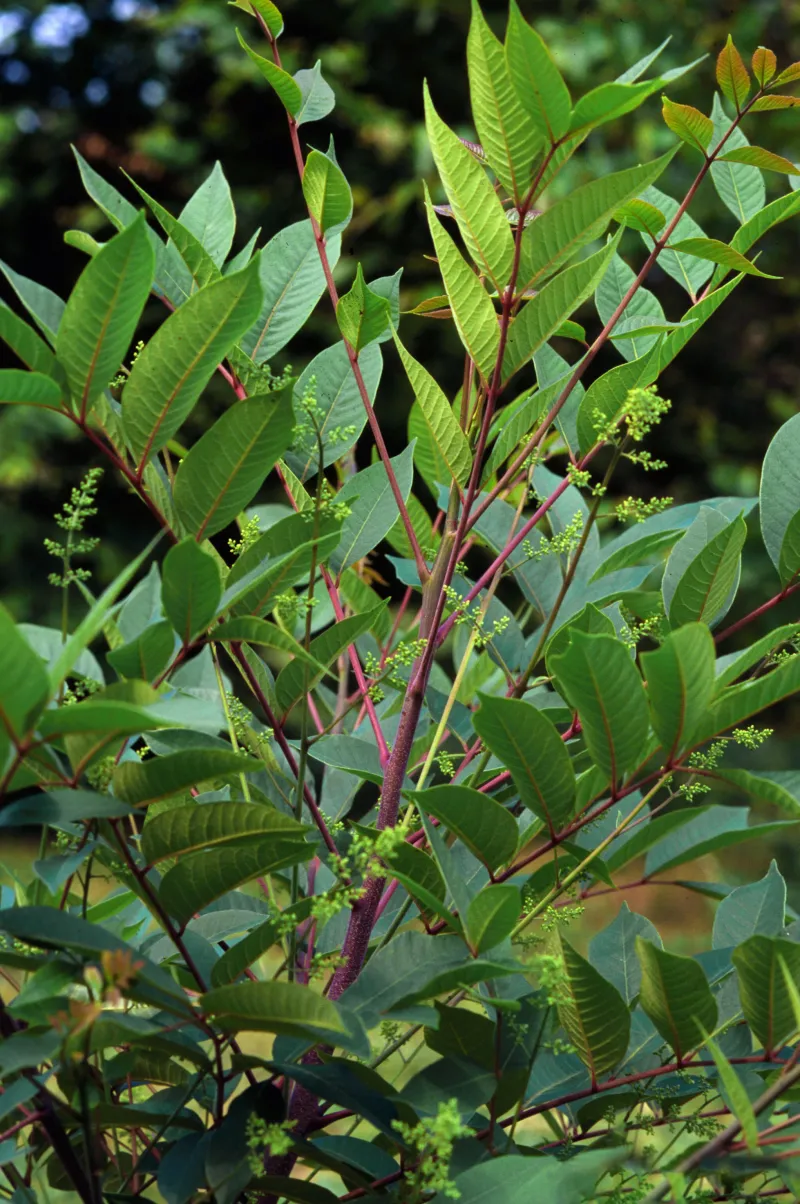
Poison sumac, known to botanists as Toxicodendron vernix, is the quiet troublemaker of Georgia wetlands. It grows as a shrub or small tree, and it can reach around 20 to 30 feet tall when left alone.
I think its looks are part of the problem. The leaflets are smooth-edged, the stems often show a reddish tint, and the whole plant has a tidy, almost ornamental shape.
Nothing about it screams danger the way a coiled snake does.
Every part of the plant contains urushiol, the same oily resin behind poison ivy and poison oak rashes. Many experts consider poison sumac the strongest of the three when it comes to reactions.
Leaves, stems, roots, flowers, and berries all carry the oil.
Here is a twist that surprises plenty of folks. Poison sumac is a native plant, and birds happily eat its pale berries in winter without trouble.
The plant is not out to get anyone, so the goal is awareness rather than panic.
Once you know what you are looking at, you can enjoy the swamp edges with a lot more confidence. Learning one plant really can change how you walk through the woods.
2. Count the Leaflets Before You Touch That Sumac Branch
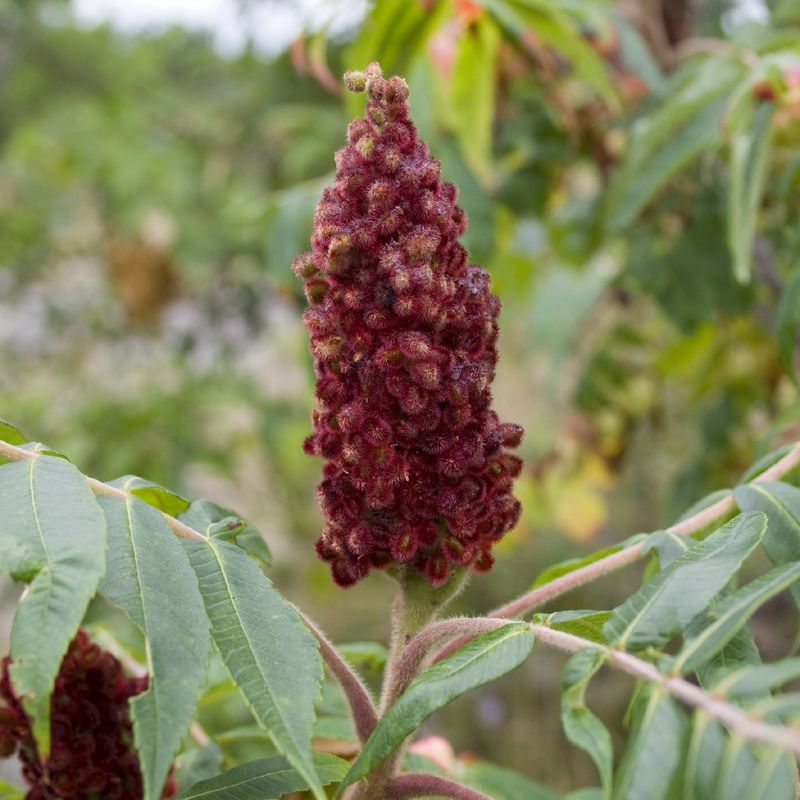
My favorite identification trick takes about five seconds. Look at a single leaf and count the leaflets.
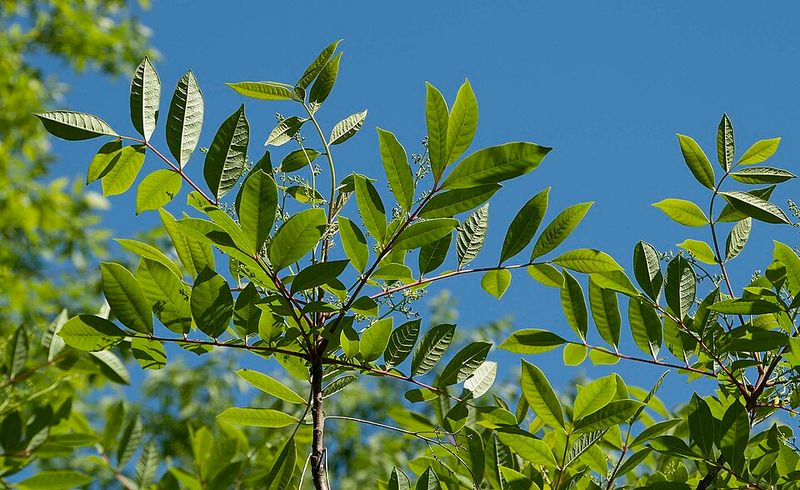
Poison sumac usually has 7 to 13 of them, arranged in pairs with one leaflet sitting alone at the tip.
Next, check the edges. Poison sumac leaflets are smooth, with no saw-tooth pattern.
Harmless sumacs can have toothed leaflets, as smooth sumac does, or winged leaf stalks, as winged sumac does.
The berries give another strong clue. Poison sumac produces loose, drooping clusters of small whitish or grayish-green berries, about 4 to 5 millimeters long.
The friendly sumacs carry upright, cone-shaped clusters of fuzzy red berries instead.
Season matters too. In spring, new leaves can look bright orange and soft, then turn dark green and glossy on top with paler undersides by summer.
Fall brings vivid red and orange color that tempts people to grab a branch.
A quick rule helps me remember all this. Red, upright berries usually mean a safe sumac, while white, hanging berries near wet ground call for caution.
Snap a photo and compare it with a University of Georgia Extension guide when you feel unsure.
3. Soggy Ground Is Where Poison Sumac Feels Most at Home
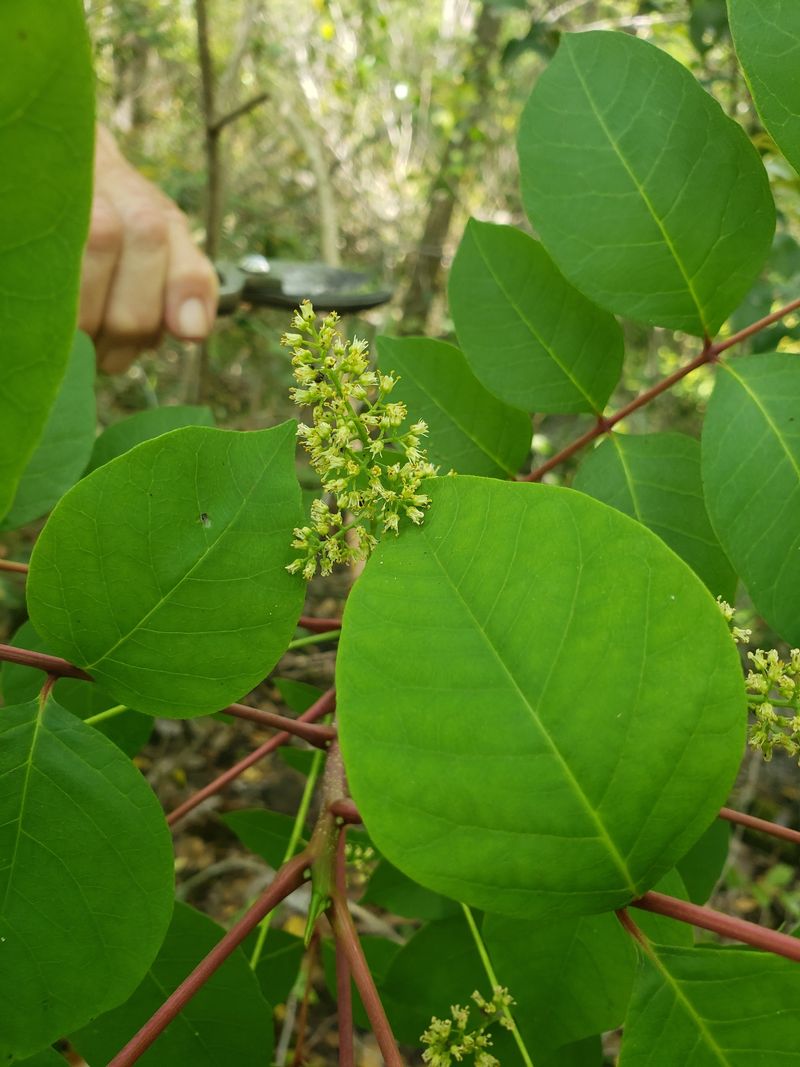
Wet feet are a must for this plant. Poison sumac likes swamps, bogs, wet pine flatwoods, seepage slopes, and the soggy margins of ponds and streams.
That habitat preference explains a lot about why it slips under the radar. Most backyard gardeners in Georgia rarely work in true wetlands, so they never meet it.
Then they go fishing, kayaking, or hunting, and suddenly they are pushing branches aside without a second glance.
The Coastal Plain has plenty of suitable spots, though the plant can show up in wet pockets farther north too. If your property includes a drainage ditch, a low boggy corner, or a spring-fed area, take a slow walk around it this season.
I like to treat any boggy edge as a place to slow down. Look up at shoulder height, not just down at your boots.
Poison sumac stands upright like a small tree, so it brushes arms, necks, and faces rather than ankles.
Duck hunters and anglers often get caught off guard in late fall and winter. Bare branches still carry urushiol, and the stems stay hard to recognize without leaves.
Gloves and long sleeves earn their keep out there.
4. Burning Sumac Brush Can Hurt Your Lungs
Brush piles feel like a simple weekend chore. Clear the scrub, stack it, and light it up.
With poison sumac in the mix, that plan turns into a serious health risk.
Burning poison sumac can carry urushiol-containing particles in the smoke, potentially causing severe irritation and inflammation of the respiratory tract when inhaled.
Medical sources describe this as a true emergency that needs hospital care.
Smoke can also settle on skin and eyes, causing painful reactions for anyone standing downwind. Neighbors, kids, and pets can end up exposed without ever touching the plant.
So what should you do with cleared sumac? Bag it in heavy plastic and send it to the landfill, or let it decompose in a remote spot far from paths.
Check your county rules first, since some places restrict what you can dispose of and how.
If anyone has trouble breathing after exposure to burning brush, call 911 right away. The Georgia Poison Center can also give guidance at 1-800-222-1222.
I keep that number saved in my phone, and I suggest you do too.
5. Copperheads Get the Spotlight While Sumac Hides in Plain Sight
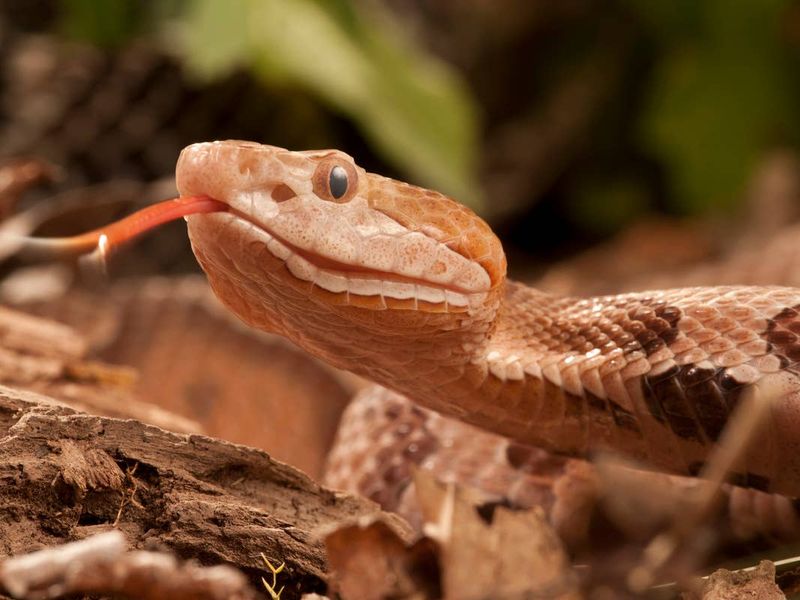
Ask any Georgian about outdoor dangers, and the copperhead usually comes up first. Those hourglass bands are famous for good reason.
Copperheads cause more bites than any other snake in the Southeast.
Still, some perspective helps. Copperhead venom is milder than many other species, and bites are rarely life-threatening with prompt care.
The Georgia Poison Center gets roughly 450 snakebite calls a year, and only about one in five cases needs antivenom.
Poison sumac flips the script. People fear the snake and ignore the shrub, even though urushiol plants send far more folks looking for relief from rashes each year.
Itchy blisters may not make headlines, but they can last one to two weeks and sometimes require a doctor.
I find this comparison useful rather than scary. We already have good habits around snakes, like watching where we step and wearing boots.
Adding a quick plant scan costs almost nothing.
Copperheads also play a helpful role by eating rodents. Leave them alone, give them space, and they usually return the favor.
Poison sumac asks for the same respect, just from a little higher up.
6. Blistering Sumac Rashes Usually Show Up a Day or Two Later
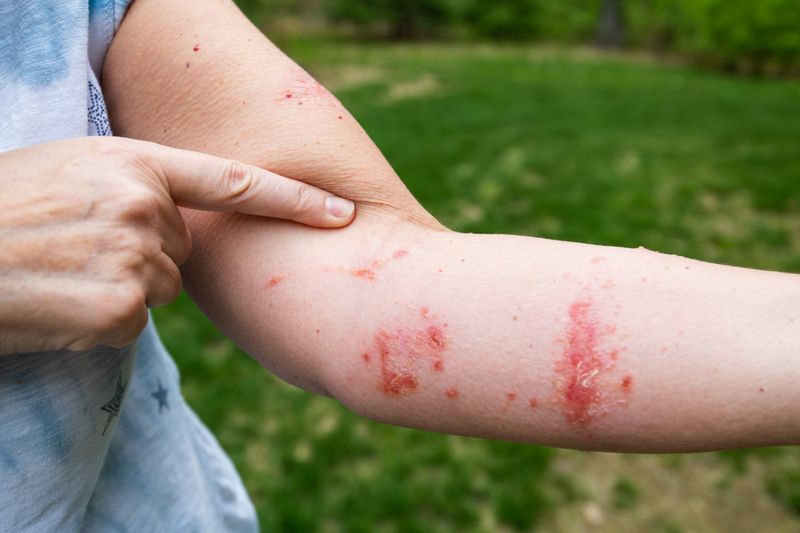
Timing fools a lot of people. You brush against a branch on Saturday, feel fine all evening, and wake up Monday with streaks of red, itchy bumps.
A urushiol rash can appear within a few hours or take up to two days. It often forms lines or patches where the plant touched you, followed by swelling and fluid-filled blisters.
The blister fluid does not spread the rash, despite the popular myth.
Speed matters most right after contact. Wash the area with cool or lukewarm soapy water as soon as you can, ideally within the first hour.
Scrub under fingernails, since oil hides there and gets spread to your face.
Cool compresses, calamine lotion, and oatmeal baths can calm the itch at home. Try not to scratch, because broken skin can get infected.
See a doctor if the rash covers a large area, involves your face, eyes, or genitals, or comes with fever or swelling that worsens. Prescription steroids help in severe cases.
Personally, I would rather get checked early than suffer through two miserable weeks.
7. Gloves, Long Sleeves, and a Hose Make Sumac Cleanup Safer
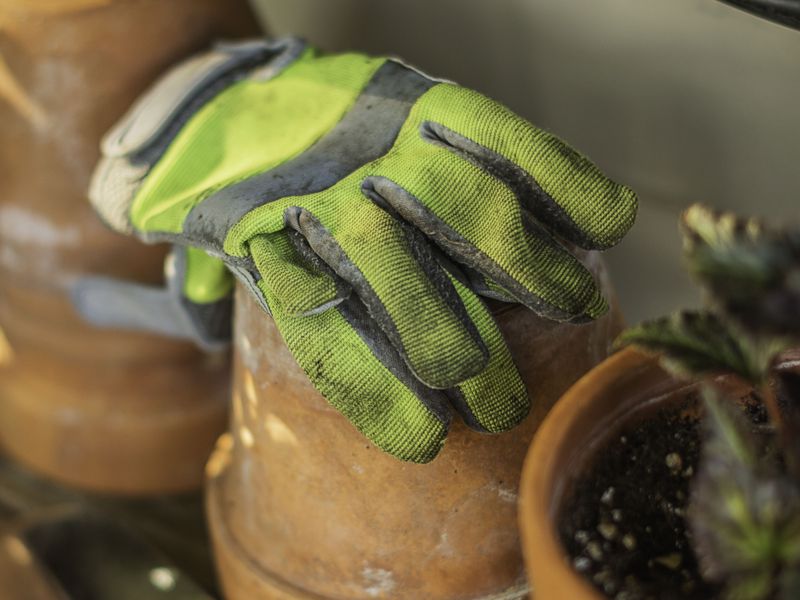
Gear first, clippers second. That is my rule for any plant with urushiol.
Wear long sleeves, long pants tucked into boots, and heavy nitrile or vinyl gloves, since the oil can soak through cotton.
Urushiol is stubborn. It can stay active on tools, gloves, boots, and clothing for a long time, even years in some cases.
That is why people get rashes from a jacket they wore last fall.
After working, wash your clothes separately in hot water with detergent. Disinfect pruners and loppers with a product labeled for garden tools, and wash shovel handles with soapy water.
Rinse your boots outside with the hose before you head indoors.
Pets deserve a scrub too. Dogs rarely react to urushiol themselves, but their fur can carry oil right onto your couch and your hands.
For large stands of poison sumac, many homeowners hire a professional. Herbicides labeled for woody brush can work, yet many wetland areas need extra care to protect water.
Follow every label instruction, and call your local UGA Extension office for advice suited to your property. A little planning saves a whole lot of itching.
8. Teach Your Family to Spot Poison Sumac on Your Next Creek Walk
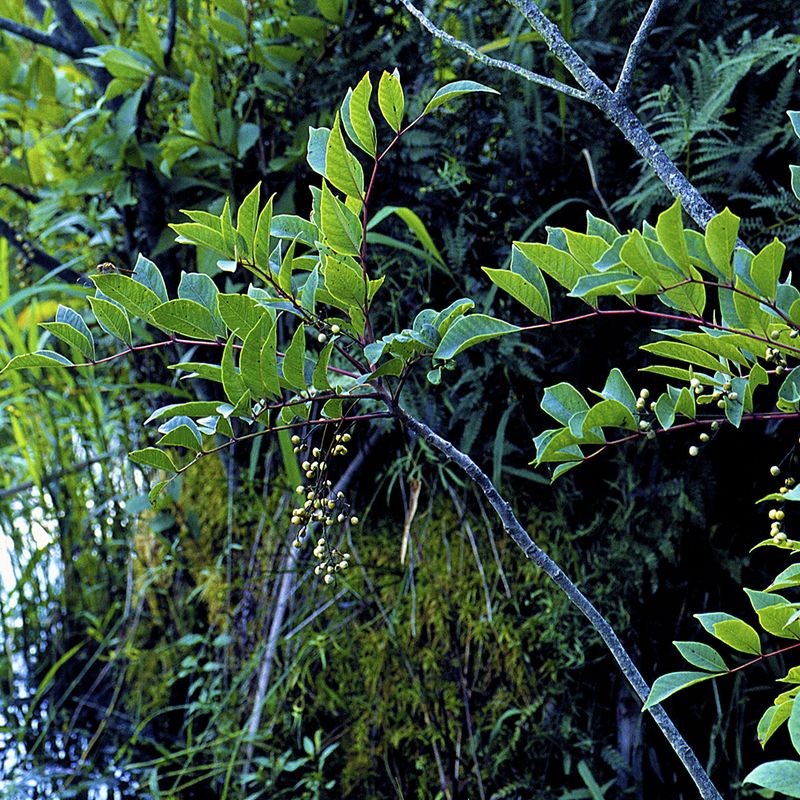
Kids love a good nature puzzle, and plant spotting makes a fun one. Turn your next boardwalk stroll into a quick sumac scavenger hunt.
Keep the lesson simple. Count leaflets, check for smooth edges, look for red stems, and notice whether the berries hang down or point up.
A field guide or a trusted plant app can back up your guesses, though apps sometimes get it wrong.
The Georgia Poison Center suggests knowing the names of plants around your home and teaching children to keep plant parts out of their mouths. Staying on marked trails also cuts down on surprise encounters with both shrubs and snakes.
I like the bigger takeaway here. Awareness beats fear every time.
Copperheads, poison sumac, and other native species share our landscapes, and most trouble comes from not noticing them.
Save the poison center number, 1-800-222-1222, in every family phone. Pack a small kit with soap wipes, gloves, and calamine for outings near wet ground.
With a few habits in place, your family can enjoy Georgia swamps, streams, and trails with sharper eyes and far fewer itchy surprises.