This Fall Mistake Can Leave New Georgia Fescue Thin And Weak
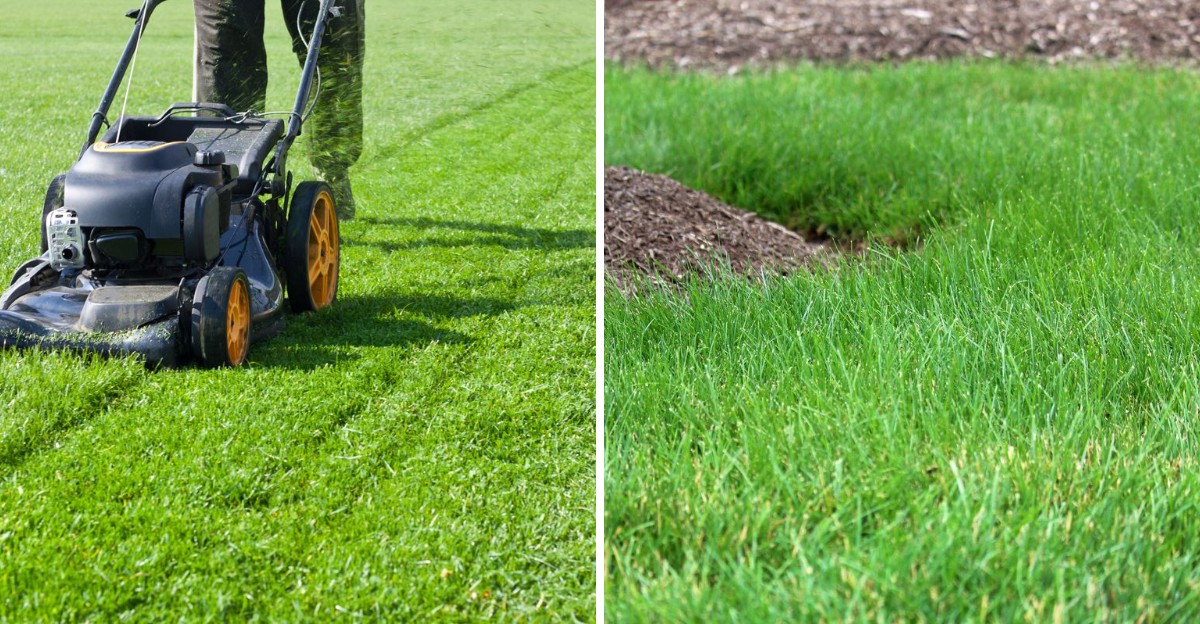
Fescue seed usually sprouts fast in fall, and those first green blades are a relief after a patchy summer. Once the new lawn starts filling in, it is easy to relax.
The next few weeks matter more than the day you spread the seed, though.
Young fescue has shallow roots and little stored energy, so its first months are fragile. One common habit during that stretch can undo much of your progress.
Plenty of homeowners in Georgia make that mistake without realizing anything went wrong.
The grass may look fine through the fall, which makes the problem hard to connect later. By spring, you may be staring at thin spots and wondering why the seed failed.
Pay close attention to how you treat that new grass over the next month.
1. Fresh Sprouts Are More Fragile Than They Look
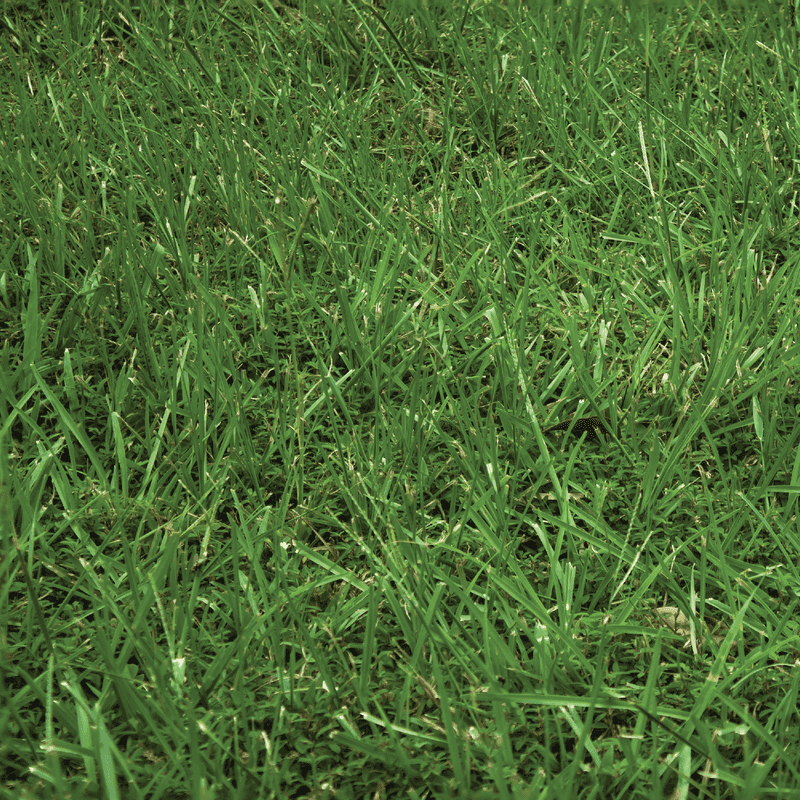
Green fuzz on bare dirt feels like a win, but those sprouts are still babies. A young fescue seedling may look like grass, yet most of its strength is still hidden below the surface.
During the first few weeks, each plant grows only a small root system that sits close to the top of the soil.
Roots that shallow cannot grip the ground very well. A light tug from a mower or even heavy foot traffic can lift a seedling right out of place.
In Georgia, new lawns often go in on red clay or amended soil that dries and crusts quickly.
When that top layer shifts, fragile sprouts move with it. Watering too hard can also wash seed and seedlings into low spots, leaving thin areas behind.
Leaf blades are doing important work too, since they make the food young roots need to grow deeper.
Cutting those blades early takes away part of the plant’s energy supply. Seedlings then spend more effort regrowing leaves and less effort building roots.
So what does this mean for you? Keep people and pets off the new lawn as much as you can, water gently, and let the grass grow.
Here is the main mistake to avoid: mowing new fescue too soon and too short, before those roots have a chance to anchor.
2. Cutting Too Low Takes Away Too Much Young Growth
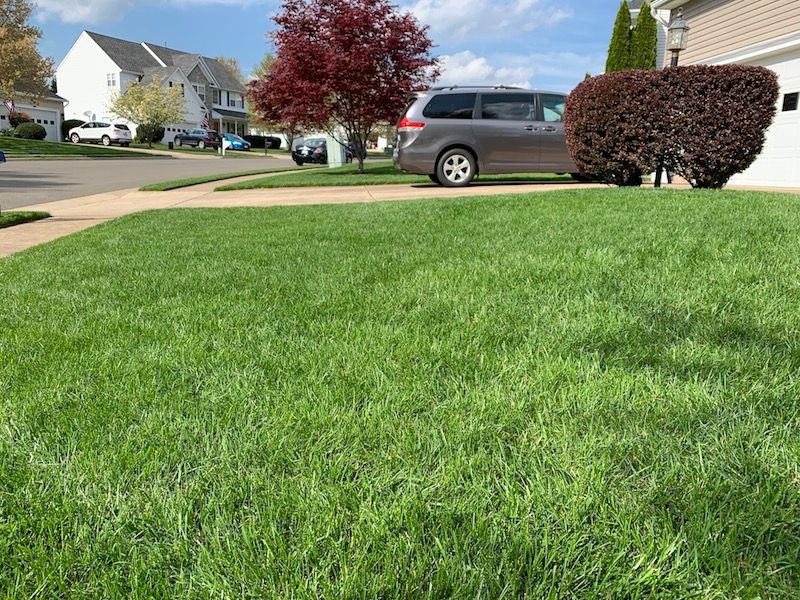
Short grass might look tidy for a day. Underneath, though, it can leave young fescue hungry and stressed.
Tall fescue does best when kept fairly tall, usually around 3 to 4 inches in home lawns.
A common guideline is the one-third rule. Try not to remove more than one third of the leaf blade in a single mowing.
Young plants feel that loss more than mature turf does. With fewer leaves left, they make less food and root growth can slow down.
Lower cuts also expose more soil to sunlight, which can dry the surface and give weed seeds a better chance to sprout.
Georgia falls often bring warm, sunny stretches that can last well into October. Short seedlings in those conditions may lose moisture faster, especially on slopes or thin clay soil.
Your Georgia Garden Changes Every Week. Your Plan Should Too.
Gardening in Georgia changes quickly throughout the season. Every Friday you’ll receive a simple weekly plan showing exactly what to plant, prune, fertilize, harvest, and protect so you never miss the right timing.
Setting your mower deck is an easy fix before that first cut.
Measure from a flat surface like the driveway to the bottom of the blade. Many mower markings are only rough guesses, so a quick check with a ruler helps.
If the grass has grown a bit too tall, bring it down in steps over a couple of mowings instead of one big cut.
3. Scalping Can Leave A New Lawn Thin And Uneven
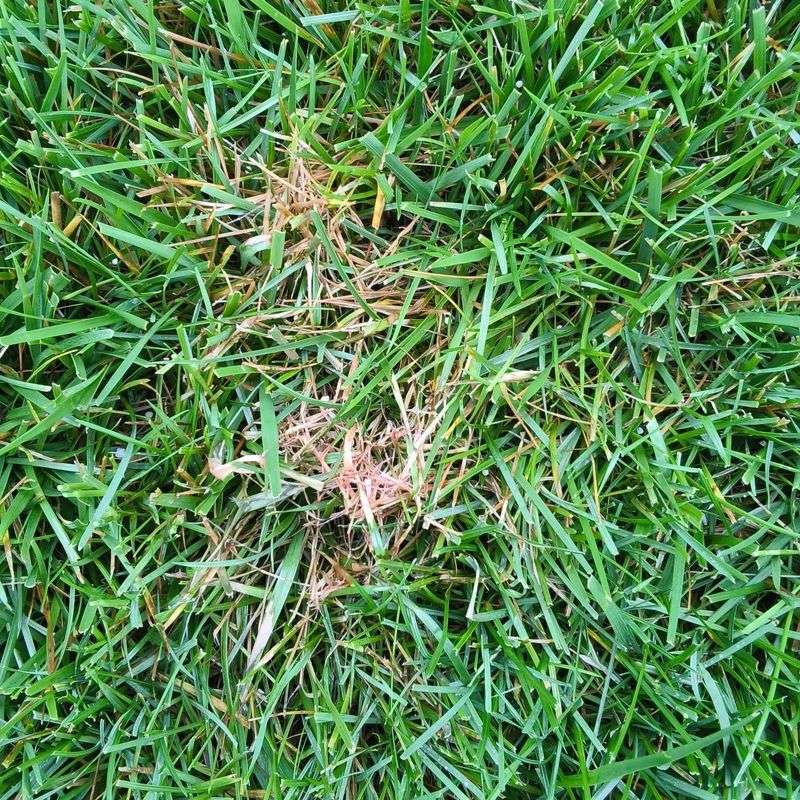
Brown stripes after mowing are a clear warning sign. Scalping happens when the mower cuts so low that it shaves grass down to the crown or even the soil.
New lawns are especially easy to scalp because the ground is often soft and a little uneven.
Tire ruts, small bumps, and loose seedbeds all cause the deck to dip in places. Wherever it dips, the blade can shave young grass right down to the dirt.
Those bare patches do not always fill back in before cold weather arrives.
In north Georgia, fescue growth slows as nights get colder in late fall. Spots that get scalped in November may stay thin until spring, depending on weather and soil.
Open ground also invites trouble, since winter weeds like annual bluegrass and henbit can move in quickly.
Walk the lawn before mowing and look for high spots or soft areas. Raising the deck one notch higher than usual can help the mower glide over uneven ground.
Turning on wet, loose soil can also tear seedlings, so make wide, gentle turns.
If scalping does happen, lightly reseed small bare areas early in the season, then keep them moist until the new grass takes hold.
4. The First Mowing Should Wait Until Seedlings Are Established
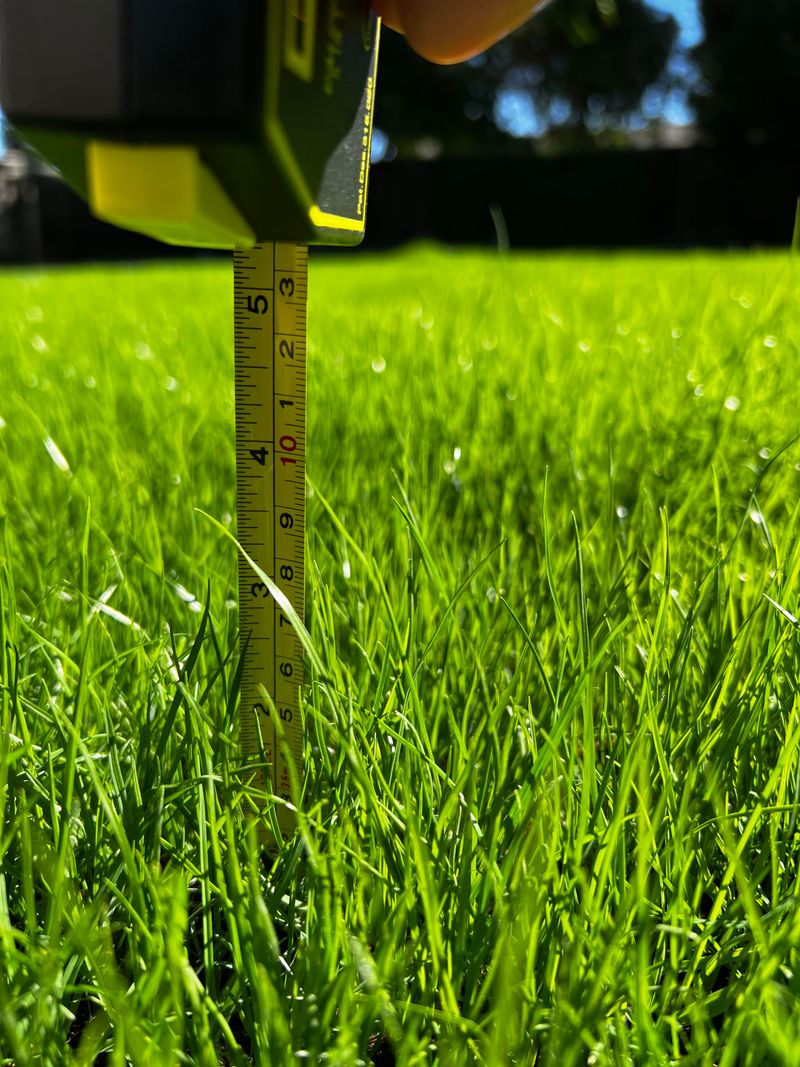
Patience is harder than planting. After weeks of watering, a shaggy new lawn practically begs for a trim, yet waiting a little longer often pays off.
A common rule for new fescue is to hold off until most of the grass reaches about 4 inches tall.
Height alone does not tell the full story, though. You also want the roots to be holding the plants firmly in the soil.
Try a simple tug test by gently pulling on a small clump of blades.
If the grass slides out easily, give it more time. When it resists and stays put, the seedlings are likely ready for a light first cut.
Timing varies from yard to yard. Soil temperature, seeding date, and rainfall all affect growth, so one Georgia lawn may be ready in three weeks while another needs five or more.
Shade can slow things down as well.
Areas under trees may lag behind sunny spots, so it is fine to mow the sunny part first and wait on the rest. Grass does not need to follow a calendar.
For that first cut, aim to trim only the top inch or so and keep the deck high.
5. Sharp Blades Matter Even More On Young Grass
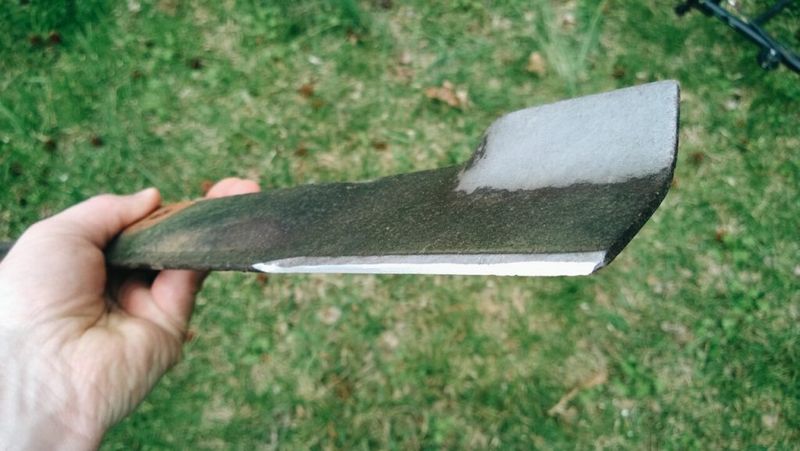
Dull blades do not cut. They rip, and tender seedlings take that damage harder than older grass.
You can spot the problem by looking closely at the tips of the blades a day or two after mowing.
Clean cuts look even and green. Torn cuts look ragged and often turn tan or white at the tips, giving the lawn a faded look.
Those shredded ends lose more moisture and may give some turf diseases an easier way in.
Brown patch is a common fescue disease in Georgia, and it often shows up during warm, humid weather in late spring and summer. Healthy, cleanly cut grass has a better chance of holding up when conditions turn stressful.
A dull blade can also pull young plants partly out of the ground instead of slicing through them.
Before the first mowing, sharpen or replace the blade, even if it seemed fine last season. Many homeowners sharpen blades once or twice a year, though sandy soil or heavy use may call for more.
Always disconnect the spark plug or remove the battery before working on a blade.
If you are not comfortable doing it yourself, a local small engine shop can usually sharpen and balance it for a modest fee.
6. Dry Turf Makes The First Cuts Much Cleaner
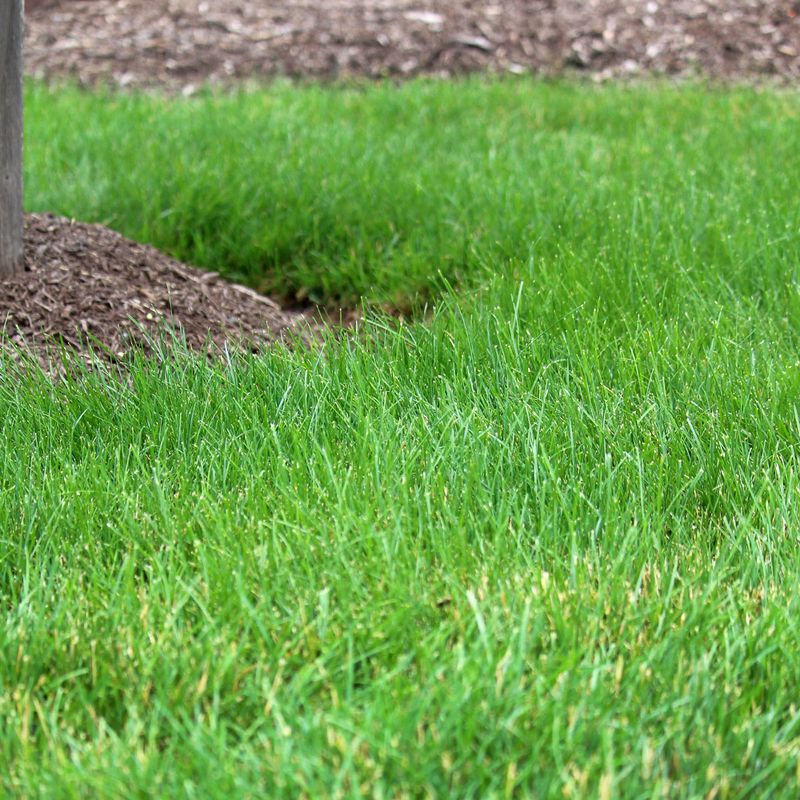
Wet grass and new lawns make a messy pair. Soggy blades bend over instead of standing up, so the mower cuts them unevenly.
Damp clippings also clump together and can smother tiny seedlings if they sit in heavy piles.
Soft, wet soil brings another problem. Mower wheels can sink, leave ruts, and tear young grass out by the roots, especially on clay.
So how do you find the right window? Try to mow when the grass is dry to the touch and the soil feels firm underfoot.
Morning dew in Georgia can hang around until mid-morning during fall, so late morning or afternoon often works better.
You may need to skip a watering before the first cut. Letting the top of the soil firm up for a day can help, but do not let seedlings wilt or dry out too much.
Watch the weather too, since fall rains can keep a yard soft for days.
Mowing a bit later than planned is usually better than forcing a cut in wet conditions. A lighter push mower can also be easier on a new lawn than a heavy riding mower.
Small clippings can stay, while large clumps should be raked away lightly.
7. Proper Mowing Helps New Fescue Thicken As It Matures
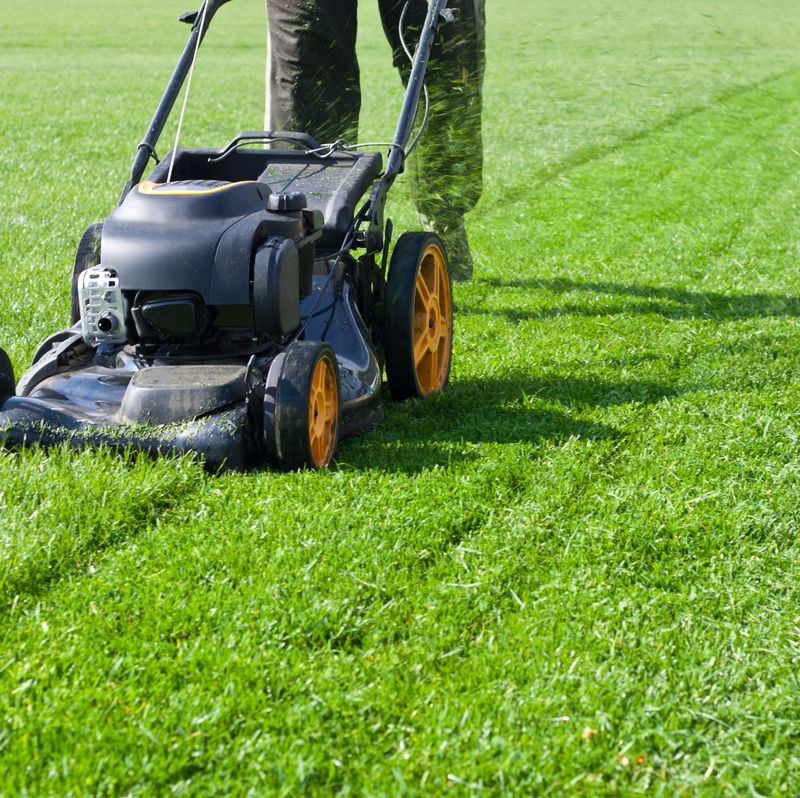
Good mowing habits do more than keep things neat. Over time, they can help a thin new lawn turn into a fuller one.
Tall fescue is a bunch-type grass that fills in mainly by producing new shoots, called tillers, at the base of each plant.
Regular mowing at a proper height can encourage that tillering. Keeping enough leaf area also supports deeper roots, which help the lawn handle summer heat later.
That summer stress is a real concern, since fescue is a cool-season grass growing near the edge of its comfort zone in Georgia.
A deep root system built during fall and spring may help it get through hot months. Results still depend on shade, soil, watering, and how intense the summer turns out to be.
Set a steady routine once the lawn is established, mowing often enough to follow the one-third rule.
In fall and spring, that may mean about once a week. Growth slows in winter, so you may only need to mow now and then.
Leaving short clippings on the lawn can return some nutrients to the soil.
Pair good mowing with proper fertilizing and watering, and your young fescue has a fair shot at looking thick by spring.