How Georgia Gardeners Keep Daylilies Looking Good After The First Flush
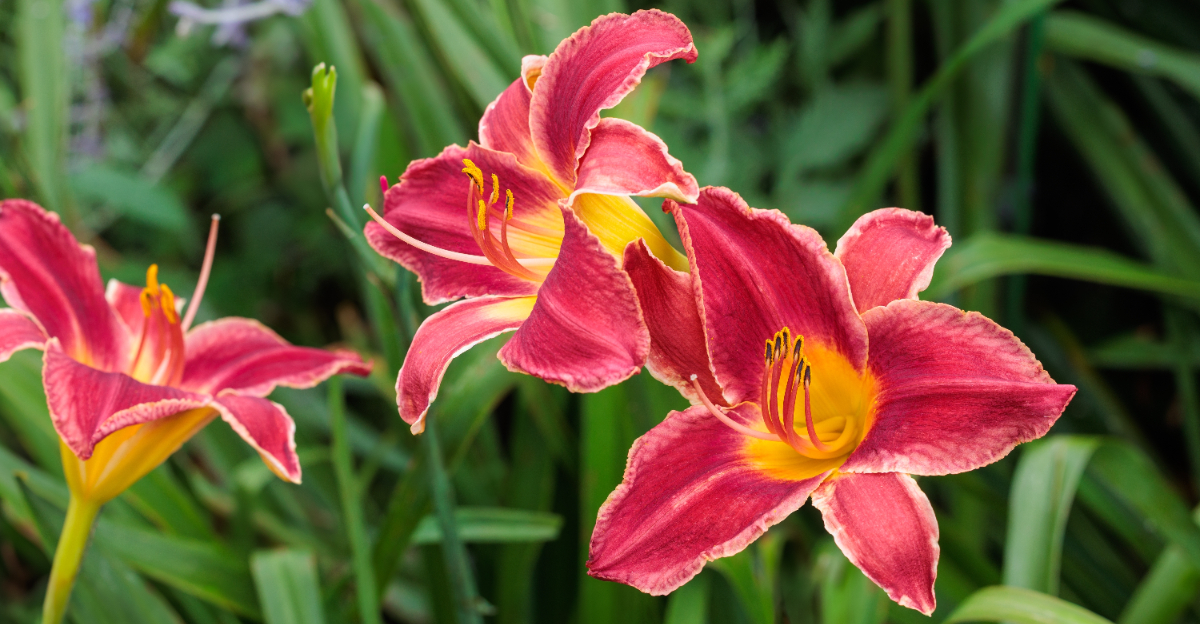
Daylilies are one of the hardest-working flowers in any Georgia garden, and they put on a spectacular show during their first big bloom cycle.
Then the flush ends, spent blooms pile up, stalks turn brown, and the whole bed can lose its neat, cheerful look almost overnight.
Many gardeners walk past at this point and assume the best of the season is already behind them, which is exactly the wrong conclusion to reach about a plant that is still very much alive and working underground.
Georgia summers are long and hot, which means daylilies have a significant amount of growing season left after that first flush fades.
The plants that get a little attention right now will recharge faster, push secondary blooms, and arrive at fall in strong enough shape to come back better than ever the following spring.
A handful of simple habits practiced in the weeks after peak bloom make all the difference between a bed that looks abandoned by July and one that keeps earning compliments all the way into September.
1. Remove Spent Flowers Promptly
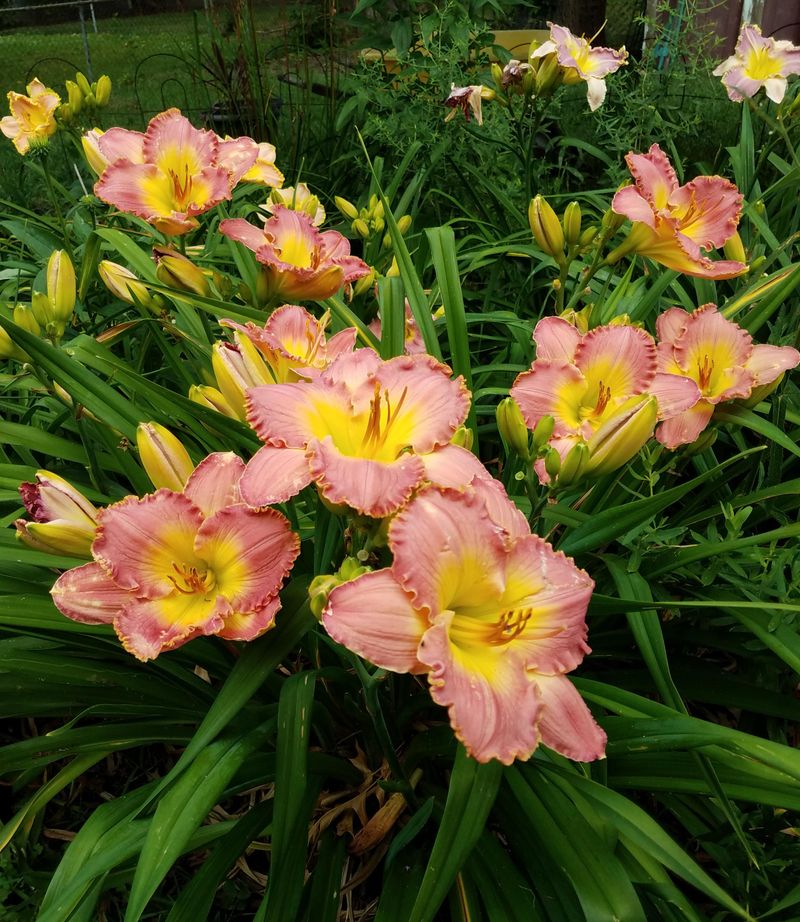
Every daylily bloom lasts just one day, which is actually where the plant gets its name.
After that single day of glory, the flower collapses into a soft, sticky mess that clings to the scape and looks pretty unappealing.
Making a quick trip through your garden each morning to snap off those finished blooms is one of the fastest ways to keep your beds looking sharp.
Grab the spent bloom right at its base where it meets the scape and give it a gentle twist and pull.
It should come free cleanly without any tools. Dropping those old blooms into a bucket as you go keeps the ground beneath the clump tidy and cuts down on places where fungal problems can get a foothold in Georgia’s humid summers.
This daily cleanup habit takes only a few minutes even in a large bed.
Once you get into the rhythm of it, the task feels more like a pleasant morning stroll than a chore.
Keeping flowers removed also signals the plant to keep pushing new buds rather than putting energy into forming seed pods.
Preventing seed set is especially helpful for reblooming varieties, which need all the energy they can store to produce that welcome second wave of color later in the season.
2. Cut Finished Stalks Low
Once every single bud on a scape has opened and finished, that stalk has done its job.
Leaving brown or yellowing scapes standing in the bed makes the whole planting look neglected, and in Georgia’s heat they can become a harbor for small insects and moisture-loving fungi.
Cutting finished scapes off promptly is one of the most satisfying tidying jobs you can do in a daylily bed.
Use a clean, sharp pair of bypass pruners or garden scissors.
Cut the scape as low as you can go without nicking the surrounding leaf fans. Aim for within an inch or two of the soil surface.
Your Georgia Garden Changes Every Week. Your Plan Should Too.
Gardening in Georgia changes quickly throughout the season. Every Friday you’ll receive a simple weekly plan showing exactly what to plant, prune, fertilize, harvest, and protect so you never miss the right timing.
A clean cut heals faster than a ragged one, and keeping your blades wiped down with rubbing alcohol between clumps helps prevent any spread of disease from plant to plant.
Check each scape carefully before you cut.
Some daylily varieties produce branched scapes where only the main tip has finished while side branches still carry unopened buds.
Cutting too early means losing those bonus flowers. Give the whole stalk a close look, and if you spot any green buds still waiting to open, let it stand a little longer.
Once the last bud is truly spent, that scape comes out without hesitation, leaving the bed cleaner and giving the remaining foliage more visual breathing room to look its best.
3. Leave Green Foliage Working
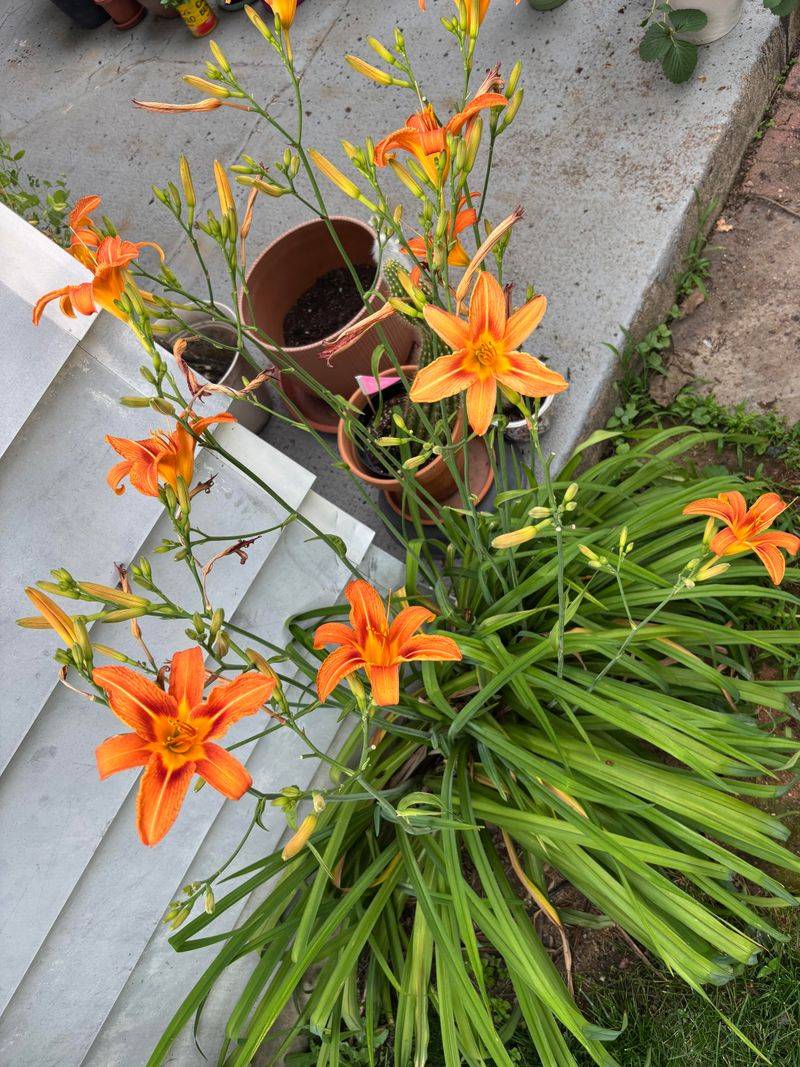
After the flowers are gone, the leaves are still very much on the clock.
Those long, strappy green fans are busy pulling in sunlight and converting it into energy that gets stored in the fleshy roots below ground.
That stored energy is exactly what fuels next year’s bloom and supports any rebloom that might happen later this season.
Cutting healthy green foliage back hard after flowering is one of the most common mistakes made with daylilies.
University of Georgia Extension and the American Hemerocallis Society both emphasize that green leaves should remain on the plant as long as they are actively growing and photosynthesizing.
Stripping a clump down to a stub in July might make the bed look tidy for a week, but it robs the plant of the resources it needs to thrive.
Georgia’s long growing season actually works in the gardener’s favor here.
Daylily foliage stays green and functional well into fall in most parts of the state, giving roots a long window to recharge.
Let the leaves do their quiet, important work.
Your only job with healthy green foliage is to leave it alone, water it properly, and make sure it has enough light to keep doing its job.
A thriving clump of green leaves after bloom is a very good sign, not a problem that needs solving.
4. Water During Dry Spells
Georgia summers can swing from drenching downpours to weeks of baking drought with very little warning.
Daylilies are tough plants, but they are not invincible, and a prolonged dry spell right after their big bloom can stress them significantly.
Stressed plants drop their leaves early, skip rebloom entirely, and go into fall in a weakened state that makes them more vulnerable.
Deep, infrequent watering beats shallow daily sprinkles every time.
Aim to get about an inch of water down into the root zone once or twice a week during dry stretches. A soaker hose laid around the base of the clump works beautifully because it delivers moisture right where the roots can use it without wetting the foliage.
Wet leaves sitting in Georgia’s humid air can invite fungal leaf streak, a common daylily problem in the Southeast.
Timing matters too.
Morning watering gives any moisture that does splash on leaves plenty of time to evaporate before nightfall. Avoid watering in the evening whenever possible.
One thing to watch carefully is the crown, which is the spot where the leaves emerge right at the soil line.
That area should stay moist but never waterlogged. Soggy crowns in summer heat are an open invitation for crown rot, which can take out an entire clump surprisingly fast.
Good drainage combined with consistent moisture is the sweet spot every Georgia daylily gardener is working toward.
5. Add Light Mulch Around Clumps
Pine straw is practically the unofficial mulch of Georgia, and daylilies happen to love it.
A light layer of mulch applied around your clumps after the first bloom flush does several helpful things at once.
It slows moisture evaporation from the soil, keeps soil temperatures from spiking too high on brutal August afternoons, and cuts down on the weeds that would otherwise compete with your plants for water and nutrients.
Two to three inches of pine straw or shredded wood mulch is plenty.
More than that can cause problems, especially if mulch piles up against the crown. Keep a clear gap of two to three inches between the mulch layer and the base of the plant where the leaves emerge.
Mulch packed against the crown holds moisture there and creates exactly the warm, damp conditions that rot-causing organisms love.
Refreshing your mulch layer after the bloom season is also a good time to pull any weeds that have sneaked through.
Weeds that get established in a daylily clump are genuinely difficult to remove later without disturbing the roots, so catching them early saves a lot of frustration.
A clean, lightly mulched bed also just looks better.
The dark mulch sets off the green foliage nicely and gives the garden a well-tended, intentional appearance even during the quiet weeks between bloom cycles when the beds could otherwise look a bit forgotten.
6. Divide Crowded Plants In Season
A daylily clump that bloomed beautifully three years ago but now puts out fewer flowers with smaller blooms is sending a clear message: it needs to be divided.
Crowded clumps compete fiercely with themselves for water, nutrients, and light. The result is a thick mat of roots and fans that looks impressive from a distance but underperforms compared to what it once was.
Late summer into early fall is a workable window for dividing daylilies in Georgia, roughly August through September.
The worst of the heat has usually begun to ease by then, and plants divided during this window have several weeks of mild weather to establish new roots before the season winds down.
Dig the entire clump, shake or wash away excess soil, and gently pull or cut the fans apart into divisions of three to five fans each.
Replant at the same depth they were growing before, water well, and mulch lightly.
Freshly divided plants may look a little droopy for the first week or two. That is completely normal.
Keep them watered consistently and resist the urge to fertilize heavily right away, as too much nitrogen on stressed roots can cause more harm than good.
Dividing crowded clumps every three to five years keeps individual plants vigorous and typically results in a noticeably better bloom the following spring.
7. Pull Yellow Leaves As They Fade
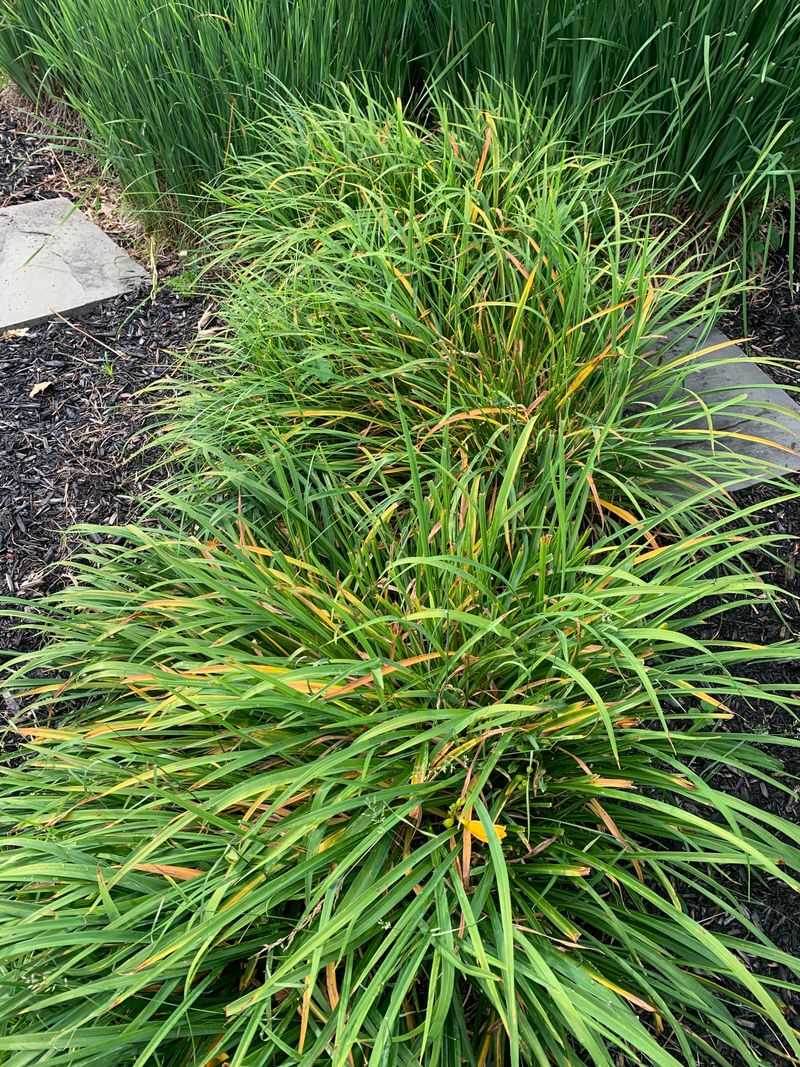
Not every leaf on a daylily clump stays green all season, and that is perfectly normal.
Outer leaves on older fans naturally yellow and fade as the plant redirects its energy toward newer growth at the center of the clump.
Those yellowing leaves serve no photosynthetic purpose anymore, and leaving them to pile up around the base of the plant creates a messy look and a damp habitat for slugs and other unwanted visitors.
The technique here is gentle and selective.
Grip a yellowed leaf near its base and give it a slow, firm tug downward and outward. Most of the time it will pull free cleanly.
If it resists, use a small pair of scissors to snip it off rather than yanking hard enough to disturb the roots or damage nearby healthy growth.
Only remove leaves that have clearly yellowed or browned naturally.
A leaf that is still mostly green, even if slightly pale or spotted, is still contributing to the plant’s energy budget. Pulling green leaves prematurely is exactly the kind of well-intentioned move that sets a clump back.
Check your plants every week or two and remove only what has genuinely finished.
This light, regular grooming keeps clumps looking cared for without ever crossing into territory that harms the plant’s long-term health and vigor.
8. Feed Lightly After The Show
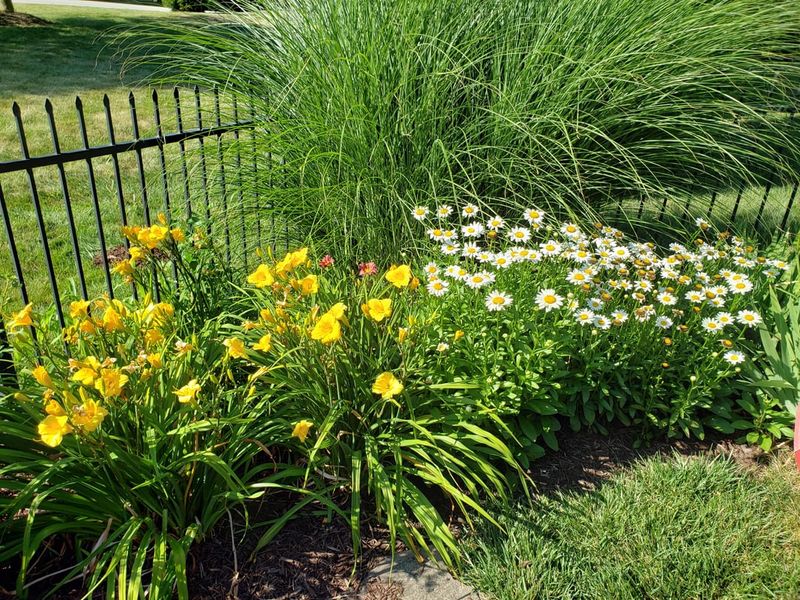
Daylilies are not heavy feeders, and that is especially true right after they bloom.
The plants are in a transitional phase, winding down from the energy demands of flowering and beginning to quietly rebuild their root reserves.
Piling on a lot of fertilizer at this stage, particularly a high-nitrogen product, pushes a flush of soft leafy growth that looks lush but does not help the plant store the energy it actually needs for next season.
A light application of a balanced, slow-release granular fertilizer works well as a post-bloom boost.
Look for something with roughly equal numbers on the label, such as a 10-10-10 or similar formulation. Scatter it lightly around the drip line of the clump, not right against the crown, and water it in well.
Less is genuinely more with daylilies, especially in Georgia’s warm, extended growing season where plants stay active longer than they would in cooler climates.
Before reaching for any fertilizer, a soil test from the University of Georgia Extension Service is worth doing at least every few years.
Georgia soils vary widely across the state, and some are naturally rich in certain nutrients while deficient in others.
Feeding without knowing your soil’s baseline can create imbalances over time that actually reduce bloom quality rather than improving it.
A simple soil test takes the guesswork out of feeding and helps you give your daylilies exactly what they need, nothing more and nothing less.