Should You Mow Your California Lawn During A Warm Spell In Late Fall?
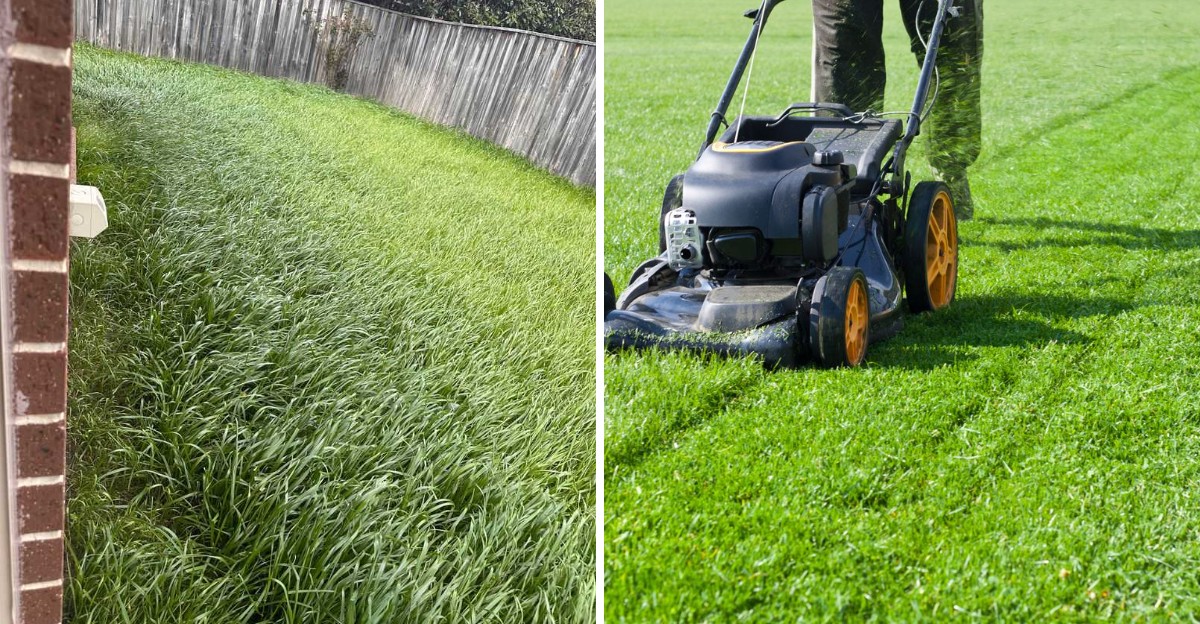
Some lawns actually grow faster in November than they do in July. It sounds backward, but certain grasses prefer cool nights and mild afternoons over blazing summer heat.
It’s fascinating how a few warm days can wake up a yard that seemed ready for a long rest.
One week the mower sits untouched in the garage, and the next the grass looks shaggy again, leaving you to wonder whether that sudden growth deserves a trim or a little patience.
California yards add another twist. A lawn in San Diego, one in Sacramento, and one in Eureka can each behave very differently during the same warm week, because the type of grass under your feet matters more than the date on the calendar.
Which camp does your lawn fall into, and what does it want from you right now?
1. That Late Fall Grass Growth Spurt Has A Simple Trigger
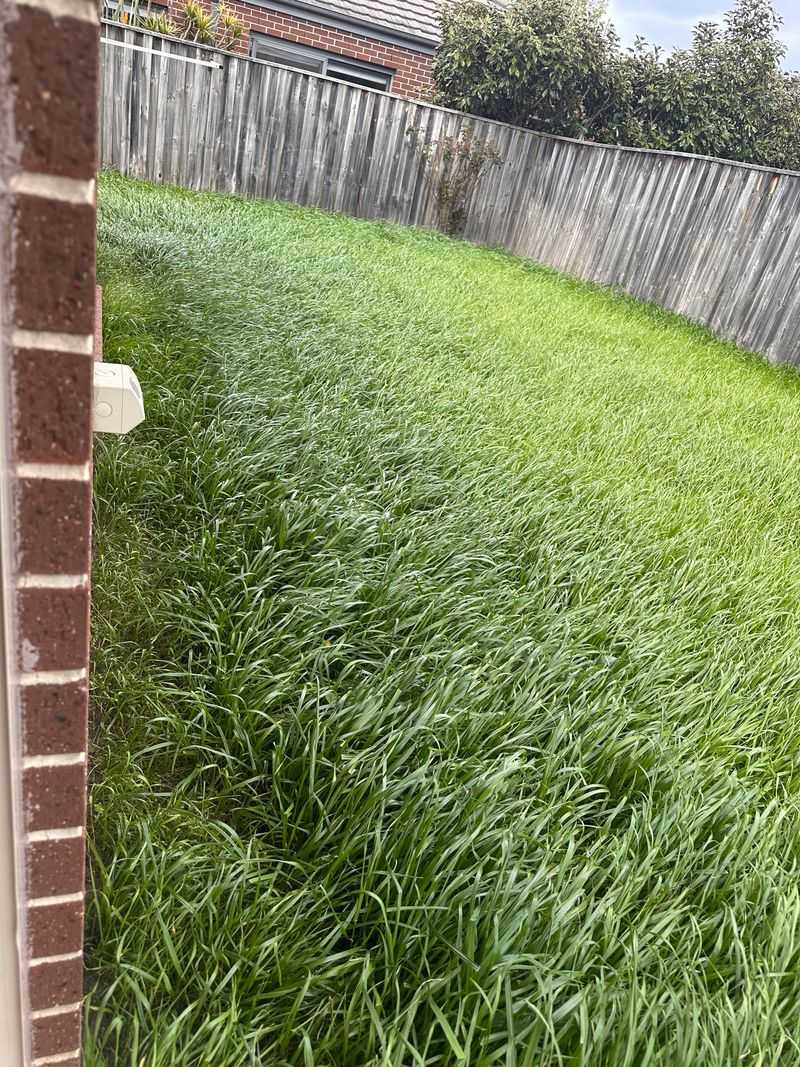
Grass plants pay close attention to temperature, and a warm spell in late fall sends them a clear message. When days turn mild and soil stays warm, many lawns kick back into growth mode.
Cool-season grasses like tall fescue, perennial ryegrass, and Kentucky bluegrass grow best when air temperatures sit roughly between 60 and 75 degrees. University of California turf experts note that these grasses grow actively in fall and spring.
A sunny November week often lands right in that sweet spot.
Warm-season grasses respond differently. Bermudagrass, St. Augustinegrass, kikuyugrass, and zoysiagrass love heat and slow down sharply as nights cool.
A few warm afternoons may give them a small boost, but shorter days keep them from full speed.
So the honest answer to the mowing question depends on what you planted. If your grass is visibly taller and greener than it was two weeks ago, it is growing.
If it looks the same, or tan around the edges, it is likely heading toward rest.
Take a slow walk across your yard and look closely at the blades. Wide, coarse blades with runners often point to a warm-season type.
Finer, upright blades without runners usually signal a cool-season lawn.
2. Yes, Fescue And Ryegrass Lawns Still Need The Mower
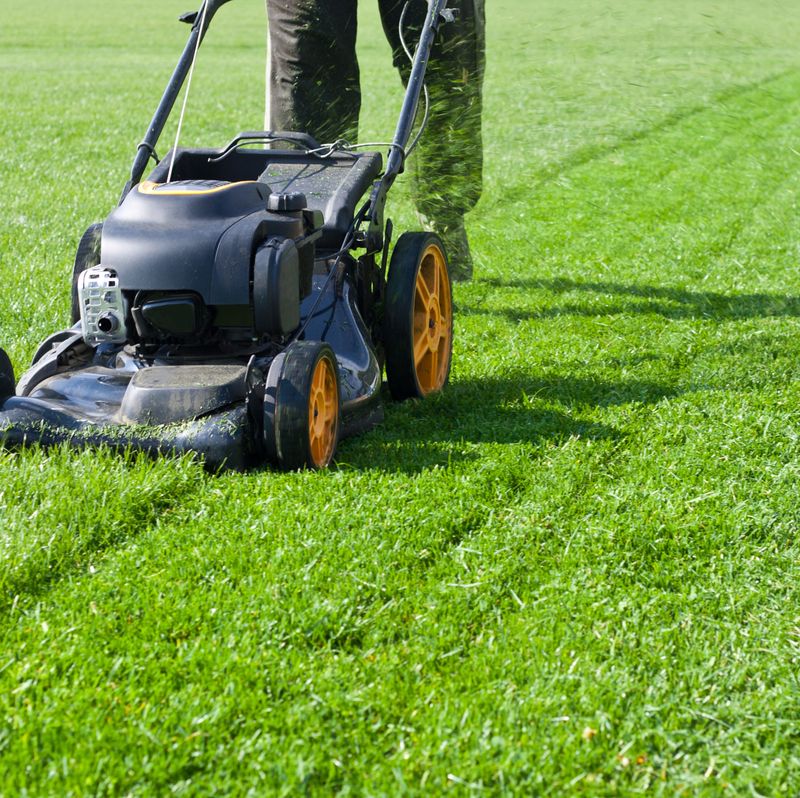
My take is simple here. If you have tall fescue, perennial ryegrass, or bluegrass, go ahead and mow during that warm spell.
These grasses are in their happy season, and they can add real height in a week of mild weather. Letting them grow too long causes trouble.
Tall, floppy blades can mat down after rain, trap moisture, and create a cozy home for fungal problems like brown patch or rust.
Tall fescue is the most common lawn grass across much of the state, especially in the Bay Area, Central Valley, and coastal neighborhoods. It keeps growing through fall and often into a mild winter.
That means your mowing season stretches longer than you might expect.
Mow when the grass is dry, not right after the sprinklers run or a morning fog rolls through. Wet grass clumps, tears unevenly, and leaves a ragged look.
Midday or early afternoon usually works best during short fall days.
You probably will not need to mow every week. Every 10 to 14 days is often plenty, depending on how fast your lawn grows.
Let the grass height guide you rather than a fixed schedule on the fridge.
3. Bermudagrass And St. Augustine Lawns Would Rather Rest
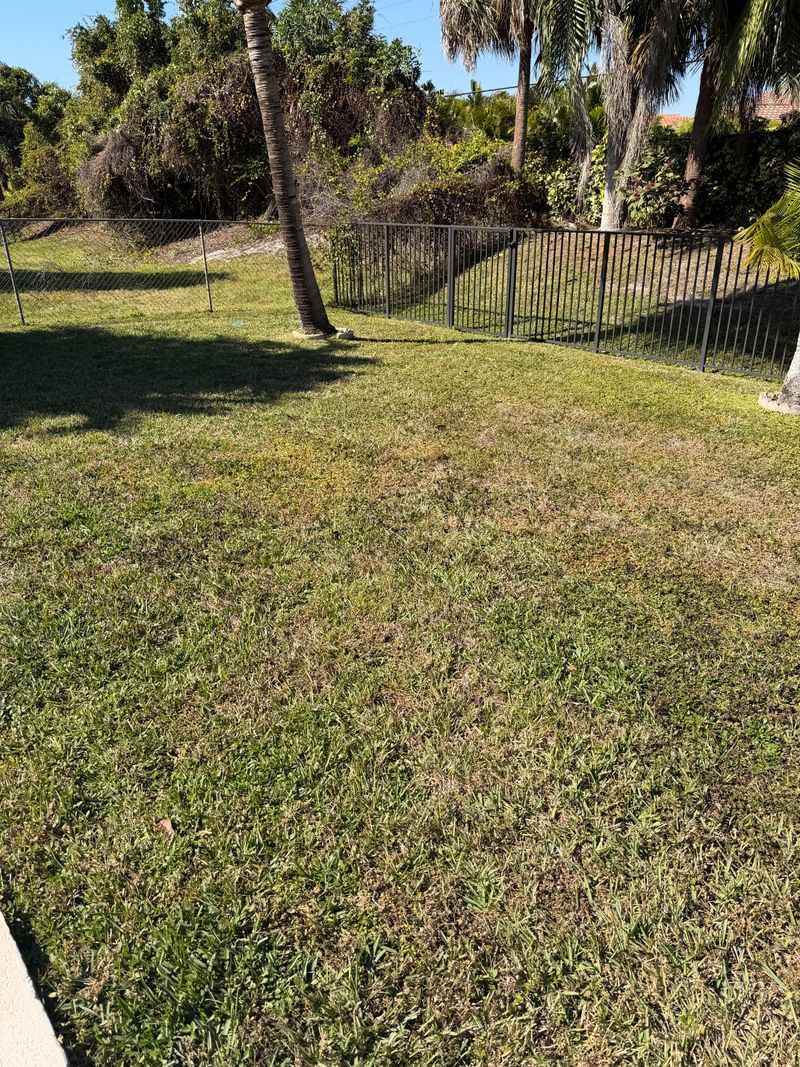
Golden brown Bermudagrass in late fall is not a cry for help. It is a lawn settling in for its seasonal nap.
Warm-season grasses slow sharply once soil temperatures drop below about 55 to 60 degrees. In inland Southern California and the Central Valley, Bermudagrass often turns tan by late fall.
St. Augustinegrass and kikuyugrass may stay greener near the coast but still grow far more slowly.
A warm week may nudge a little new growth, yet it rarely adds enough height to justify regular mowing. Mowing a dormant lawn mostly stirs up dust and stresses grass that has little energy to recover.
If you see a few tall seed heads or stragglers, one light pass at your normal height is fine.
Overseeded lawns are the exception. Many Bermudagrass yards get a fall overseeding of perennial ryegrass for winter color.
In that case, the ryegrass is actively growing, and it needs regular mowing just like any cool-season lawn.
Not sure whether your yard was overseeded? Look for fine green blades mixed among tan runners.
That green layer is the part asking for your mower, while the brown base simply waits for spring warmth.
4. Set Your Mower Blade A Notch Higher For Late Fall Cuts
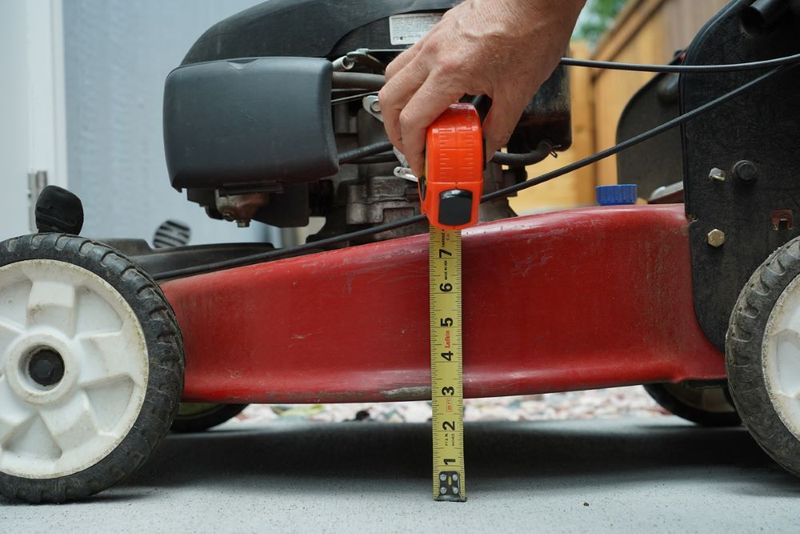
Blade height might be the most overlooked setting in the whole garage. A small adjustment can make a big difference in how your lawn handles the cooler months ahead.
For tall fescue, a height of about 2.5 to 3.5 inches works well, according to University of California turf guidelines. Perennial ryegrass and bluegrass do fine around 1.5 to 2.5 inches.
Kikuyugrass and St. Augustinegrass prefer roughly 1 to 3 inches, while hybrid Bermudagrass is often cut lower.
Taller blades give the grass more leaf surface to soak up limited winter sunlight. That extra leaf area feeds the roots and helps shade the soil, which makes life harder for weed seeds trying to sprout.
Follow the one-third rule every time you mow. Remove no more than one-third of the blade length in a single cut.
If your fescue grew to 5 inches during the warm spell, bring it down gradually over two mowings instead of one big chop.
Sharpen your blade too. A dull blade shreds grass tips, leaving them frayed and brown.
Clean cuts heal faster and give fungi fewer entry points during damp weather.
5. Leave Those Grass Clippings On The Lawn
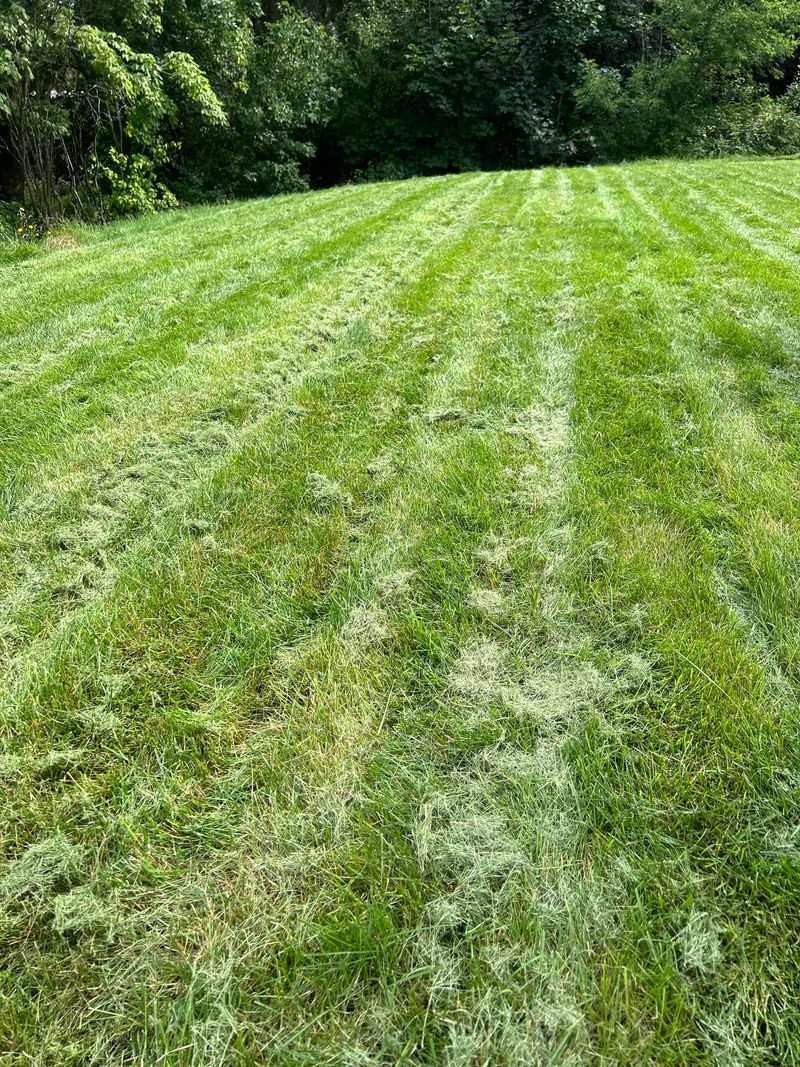
Bagging clippings feels tidy, but your lawn quietly appreciates the leftovers. Short clippings break down fast and return nutrients, especially nitrogen, back to the soil.
University of California experts encourage grasscycling, which simply means leaving clippings where they fall. Short pieces slip down between blades and disappear within days.
They do not cause thatch buildup, despite the old myth.
A mulching mower makes this easy during late fall. It chops clippings into tiny bits and can shred fallen leaves at the same time.
A light layer of chopped leaves mixed with grass actually feeds soil life rather than smothering your turf.
Thick mats are the one thing to watch. If you waited too long and the warm spell left heavy, wet clumps behind, rake them out or spread them thin.
Piles of soggy clippings can block sunlight and invite mold.
Many California cities also accept yard trimmings in green waste bins under state organics recycling rules. So if you do bag, those clippings still go to good use as compost.
Either way, your grass is part of a helpful cycle that keeps soil healthier over time.
6. Your Sprinkler Timer Probably Needs A Fall Reset
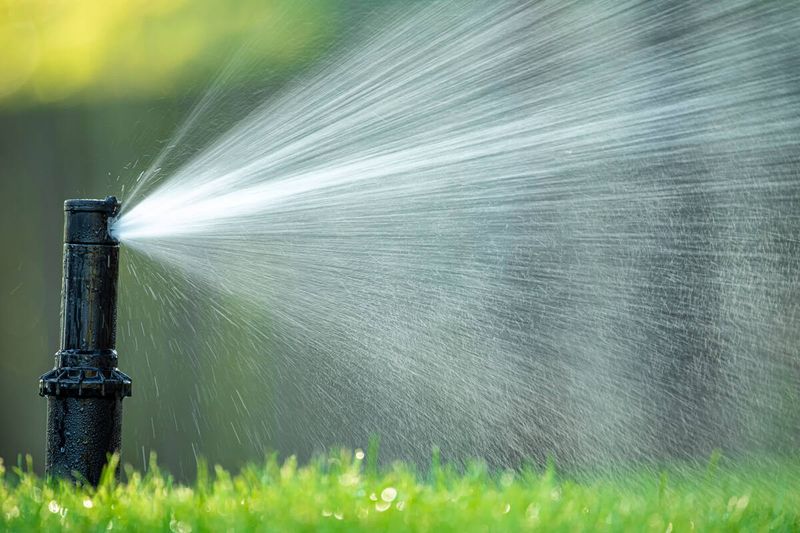
Warm afternoons can fool us into watering like it is still August. Your lawn needs far less water now, even during a toasty week.
Shorter days and cooler nights reduce evapotranspiration, which is the water grass loses through its leaves and soil. California’s CIMIS weather network shows lawn water use dropping sharply from summer to late fall in most regions.
Many yards need only a fraction of their summer watering.
For active cool-season lawns, water deeply but less often. Push a screwdriver into the soil a day or two after watering.
If it slides in 4 to 6 inches easily, the root zone has moisture and you can wait longer.
Dormant warm-season grass needs very little water at all. During rainy stretches, you can often switch the system off.
A smart controller or a simple rain sensor helps avoid soggy soil and wasted runoff.
Wet soil also makes mowing tricky. Heavy mowers can compact saturated ground and leave ruts.
Check your local water district rules too, because many restrict watering days or ban irrigation within 48 hours after measurable rain.
7. A Neat Lawn Mowed Now Sets Up A Healthier Spring
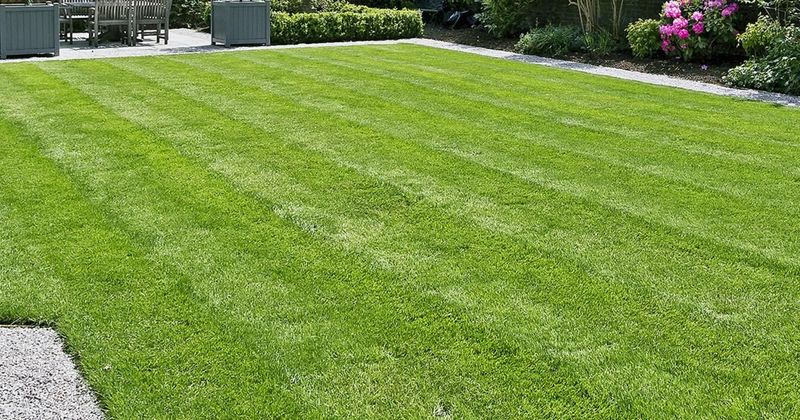
A little effort during a warm spell pays off months later. Lawns that head into winter at the right height usually come out of it stronger.
Start by identifying your grass type if you have not already. Your local UC Master Gardener program can help match a sample to the right name.
That single answer guides nearly every lawn choice you make, from mowing to feeding.
For cool-season lawns, keep mowing as needed through late fall and into winter. Fall is also a good window for a light fertilizer feeding, since these grasses use nutrients well in cool weather.
Warm-season lawns, on the other hand, should skip fertilizer until spring green-up.
Before your final mow of the season, clean the mower deck and sharpen the blade. Stash it somewhere dry once growth fully slows.
You will thank yourself when spring rolls around.
Most of all, trust what the grass shows you. A lawn that keeps growing wants a trim, while a lawn turning tan wants patience.
Watching those signals closely makes you a better gardener, and your yard will reward that attention with stronger roots and fewer weeds next year.