The Number One Weeding Mistake California Gardeners Make (And Smarter Ways To Stay Ahead)
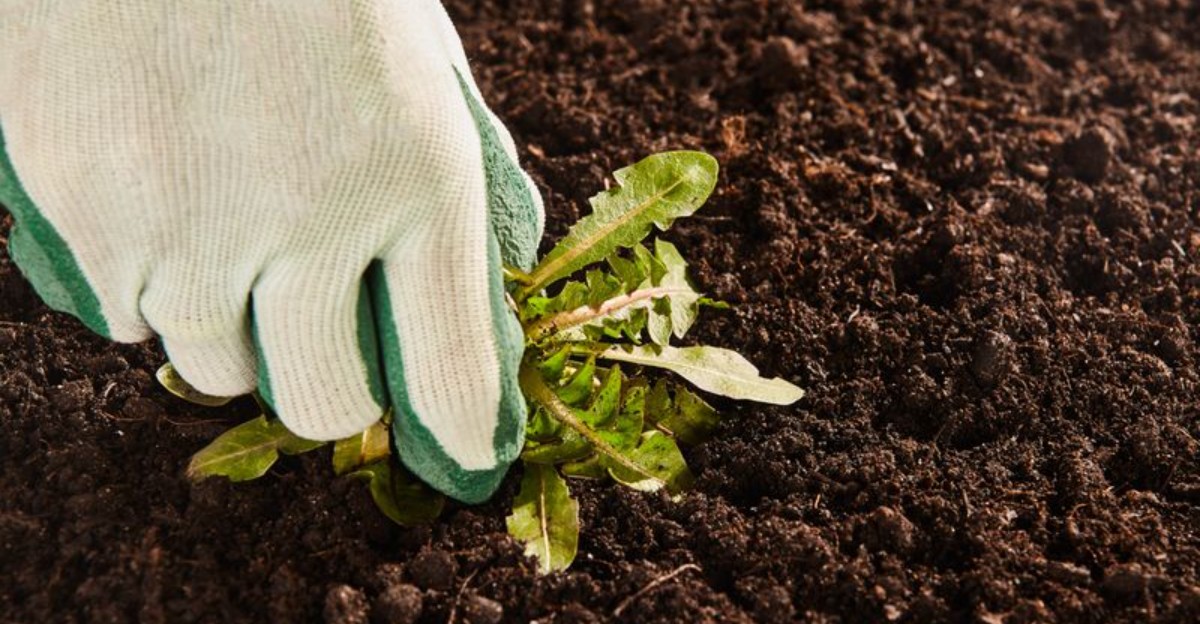
Weekends spent on hands and knees can leave beds looking spotless. Then, a few weeks later, the same green invaders return as if nothing happened.
That frustrating cycle has a cause most gardeners overlook. It hides in plain sight, in a forgotten corner or along the back fence.
California’s long growing seasons make the pattern trickier, since mild winters and dry summers both play a part.
The real problem rarely comes down to effort or time. A single overlooked habit tends to undo hours of hard work.
Once that habit changes, the whole chore starts to shrink. Beds grow quieter, and backs ache a little less.
A few smart moves can turn an endless-feeling battle into a calm, manageable routine.
The Biggest Mistake Is Letting Weeds Go To Seed
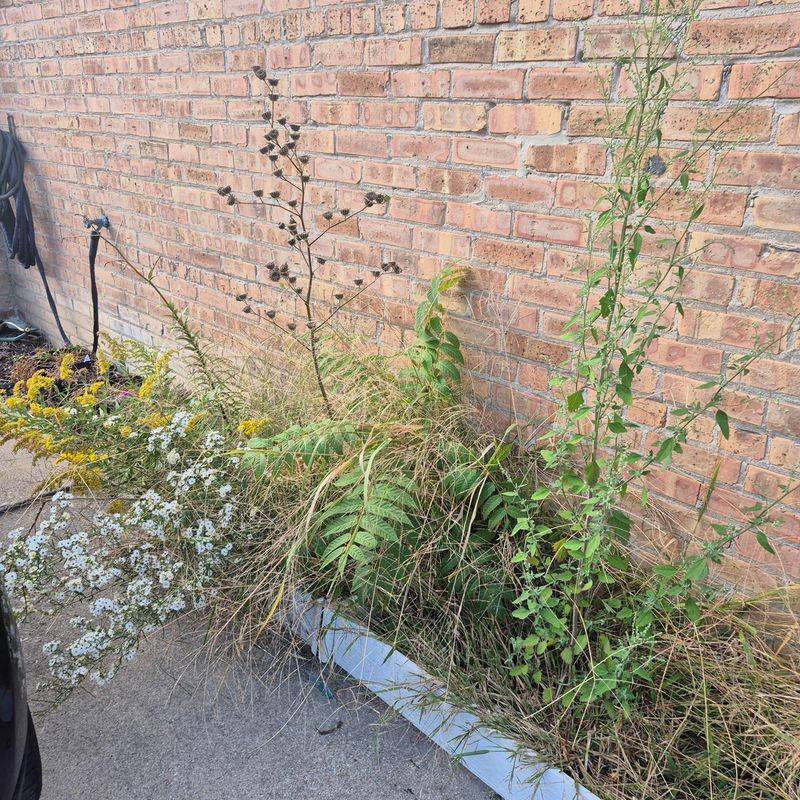
One plant can feel harmless. A single purslane or pigweed, though, can drop tens of thousands of seeds before anyone notices it blooming, often right where tomatoes will grow next year.
Gardeners call that hidden stash in the soil the weed seed bank. Many seeds don’t sprout right away.
Some stay buried and viable for years, and certain kinds last for decades. They simply wait for light, water, and warm weather to wake them.
Turning the soil brings a fresh batch of old seeds to the surface each time. The weeds pulled this season may come from plants ignored three summers ago. The past keeps sending invoices.
California makes the problem sneakier. Mild winters let cool-season weeds like annual bluegrass and bur clover flower early.
Long, dry summers then help warm-season weeds like spurge and crabgrass ripen seed fast, sometimes within a few weeks of sprouting. Both seasons keep the bank well stocked.
Winning means stopping weeds before they flower. UC IPM points out that preventing seed production for several seasons in a row can sharply cut the number of weeds that appear.
Each plant removed before bloom represents thousands of future weeds that won’t show up. The seed bank shrinks a little more every year.
Every tip that follows supports that one big idea. Keeping weeds from setting seed makes the garden quieter season after season, with less work each time.
Weed A Little Every Week
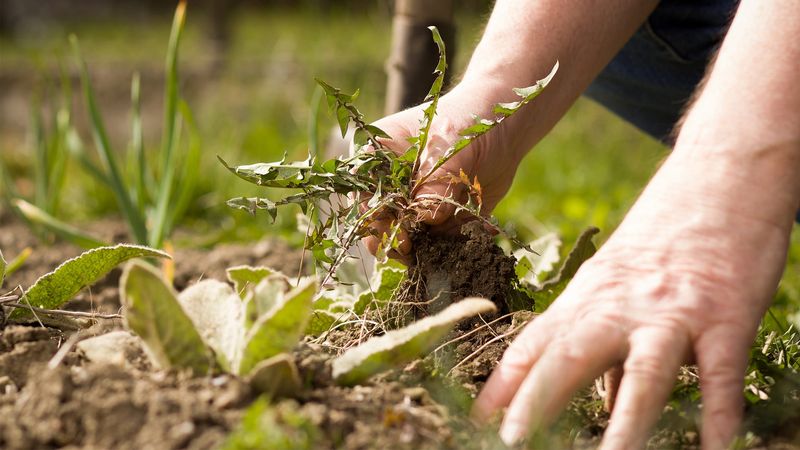
Ten minutes on a Tuesday beats three hours on a sweaty Saturday. Short visits catch weeds while they’re small, soft, and easy to remove.
Big marathon sessions usually arrive too late, after seeds have already ripened. Frequency matters far more than duration.
Many common garden weeds can go from sprout to seed in about a month during warm weather. A weekly check means few of them ever get that far, breaking the cycle before it can finish.
Pairing weeding with an existing routine helps. A walk through the beds while coffee cools, or a few sprouts pulled each time the hose comes out, adds up quickly.
A small bucket and a hand tool kept near the back door make the habit almost automatic. Convenience goes a long way.
Your California Garden Changes Every Week. Your Plan Should Too.
Gardening in California changes quickly throughout the season. Every Friday you’ll receive a simple weekly plan showing exactly what to plant, prune, fertilize, harvest, and protect so you never miss the right timing.
Big yards benefit from zones. Monday might cover the front border, Wednesday the vegetable patch, and Friday the path along the fence.
Every area gets weekly attention without anyone feeling overwhelmed. Rain and deep watering deserve a closer eye.
In California, the first fall storms often trigger a huge flush of winter weeds. A quick sweep a week or two later stops that wave before it gains roots.
Small, steady effort also saves backs and moods. Weeding starts to feel like a calm garden stroll with a purpose rather than a punishing chore.
Those regular visits bring bonus benefits, too. Pests, thirsty plants, and ripe vegetables all get noticed sooner.
Hoe Seedlings While They Are Tiny
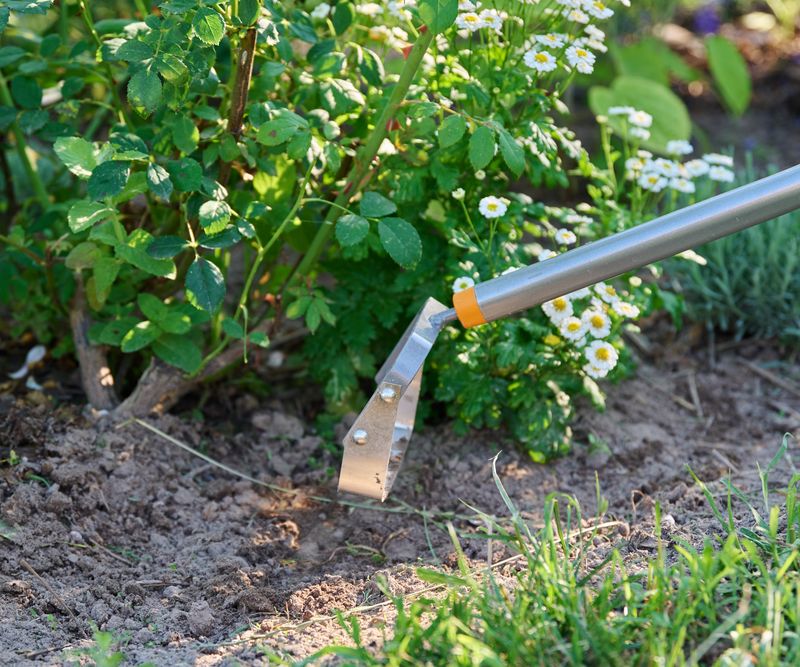
A carpet of green fuzz popping up between lettuce rows looks harmless now. In two weeks, though, those baby weeds will have real roots, which makes this moment the easiest win.
Hoeing works best on seedlings with just a few leaves. Their shallow roots mean a quick slice cuts them off from water.
On a warm, dry California afternoon, the cut sprouts shrivel within hours. The sun handles much of the cleanup.
A deep, chopping motion works against the goal. Gliding the blade about half an inch to an inch below the surface keeps things shallow.
Digging deeper drags buried seeds into the light and starts the next crop. Tool choice matters, too.
A stirrup hoe, sometimes called a scuffle or hula hoe, cuts on both the push and the pull.
A collinear hoe has a thin, sharp blade that slips neatly between closely spaced plants. Both make quick work of young weeds.
A file run along the edge every few sessions keeps the blade sharp. A dull hoe tears and bruises instead of slicing, turning a breezy job into a workout.
A sharp one makes the work feel almost like sweeping. That difference keeps the habit enjoyable.
Morning hoeing on a dry day lets the sun finish the job. Tiny cut weeds without seeds can stay on the surface to dry out, giving them a very short career in the garden.
Pull Weeds When The Soil Is Moist
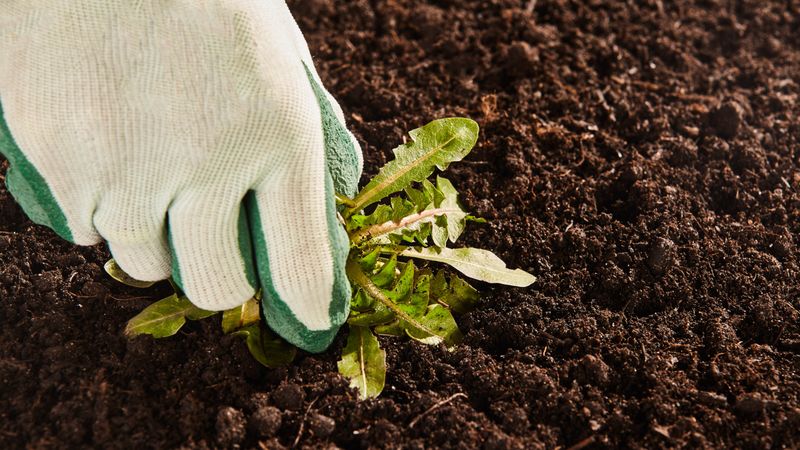
That sad little snap during a pull usually means trouble. The top comes off, the root stays put, and the weed grows back the following week.
Dry, hard soil tends to cause the problem. Moist soil loosens its grip on roots, so after a rain or a deep watering, most weeds slide out whole with a steady, gentle tug.
Much of California’s clay soil turns almost brick-like in summer. This tip pays off especially well here.
Dry weeks call for a little planning. A deep watering the evening before weeding leaves soil damp like a wrung-out sponge by morning, neither soggy nor muddy.
Technique matters as much as timing. A grip low on the stem, right where it meets the soil, gives the most control.
A slow, straight pull works better than a sideways jerk. A hand fork or weeder loosens stubborn spots first.
Truly wet, sticky soil is best avoided, though. Stomping around a muddy bed compacts the soil and squeezes out the air plant roots need.
Stepping stones or a kneeling board spread weight and protect the ground. Those simple aids make a real difference in heavy clay.
Pressing lifted soil back down lightly afterward prevents bare, fluffy patches where new seeds love to sprout.
Weeds without flowers can head to the compost pile, and the whole job feels surprisingly easy compared with dry-soil struggles.
Remove The Whole Root Of Perennial Weeds
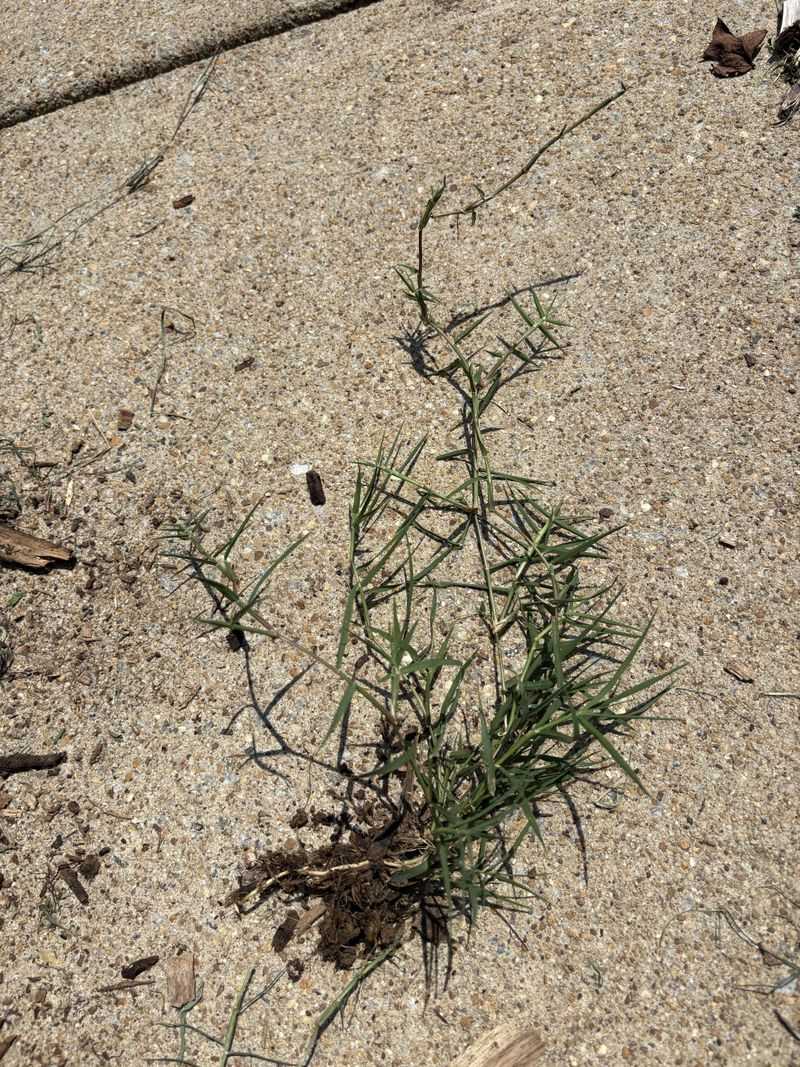
Some weeds behave like houseguests who refuse to leave. A pull one week brings a cheerful return the next, and the secret lives underground.
Perennial weeds such as bermudagrass, field bindweed, nutsedge, and dandelion store energy in roots, rhizomes, or tubers. Even a small piece left behind can sprout a brand new plant.
Chopping the tops alone simply gives them a haircut. Digging works far better than pulling.
A garden fork or narrow spade pushed into the soil a few inches from the plant, then levered up gently, loosens the whole root system. Fingers can then follow the roots and lift out every white strand.
Patience wins here. Some roots run sideways for feet, and bindweed roots can reach very deep into the ground.
Several digging sessions, a few weeks apart, may be needed to wear the plant down. Persistence pays off in the end.
Each time a perennial pushes up new leaves, it uses up stored food. Removing those fresh shoots as soon as they appear slowly drains the root’s reserves.
Steady pressure eventually exhausts even stubborn plants. The weed simply runs out of fuel.
Disposal deserves care, too. Rhizomes and nutsedge tubers are best kept out of backyard compost, since most home piles rarely get hot enough to stop them.
Bagging them for green waste, or drying them completely on a hard surface first, works better.
Mulch To Block Light
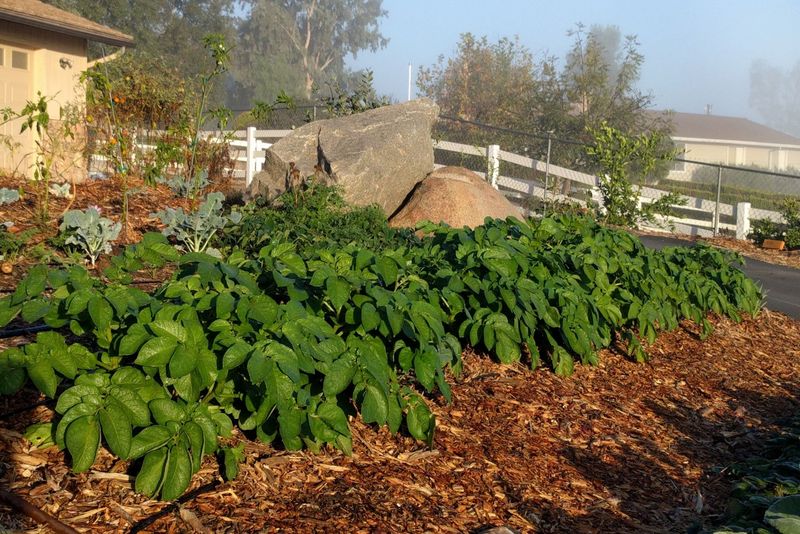
Most weed seeds need light to wake up. Covered soil keeps those seeds asleep in the dark, much like blackout curtains in a bedroom.
UC IPM guidance suggests a layer of organic mulch about 2 to 4 inches deep for landscape beds. Coarse materials like wood chips or shredded bark work especially well, letting water through while blocking sunlight.
Finer mulches pack down and may need a thinner layer. Matching depth to material keeps things balanced.
A clean slate comes first. Existing weeds need pulling or hoeing beforehand, since mulch won’t stop established perennials like bermudagrass.
An even layer across the bed finishes the job. A small gap around plant stems and tree trunks protects them, since mulch piled against bark holds moisture and can invite rot.
A few inches of breathing room keeps plants healthy. That small detail matters more than it seems.
California gardeners get bonus perks, too. Mulch keeps soil cooler in summer heat and slows evaporation, which can trim the water bill.
Many cities and counties offer free wood chips to residents. Mulch breaks down over time, so a yearly depth check helps.
Topping it up once it thins below a couple of inches keeps protection strong.
A few weeds may still land on top from wind-blown seed. They root loosely in mulch and pop right out.
Fewer weeds, cooler roots, and less watering make a sweet trade for a few wheelbarrow loads.
Cut Seed Heads And Bag Them
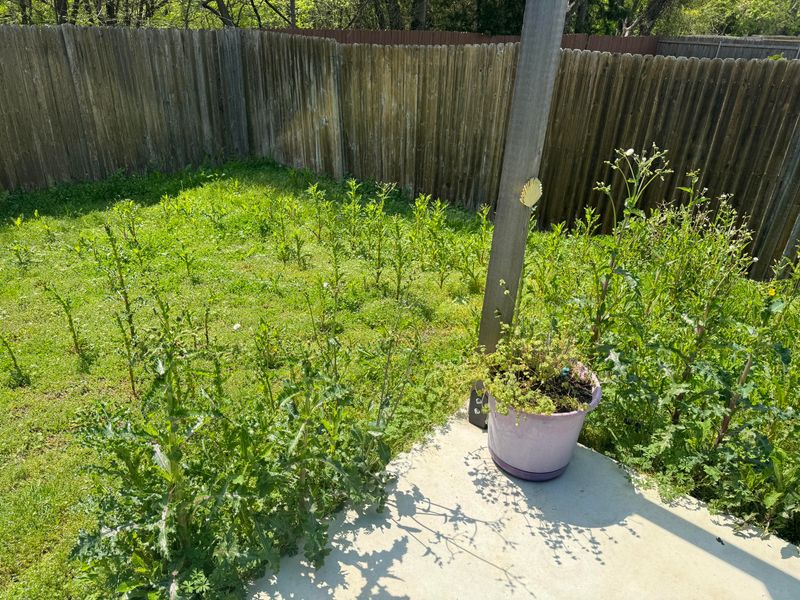
Life gets busy, and sometimes a weed sneaks into bloom anyway. A vacation or a forgotten back corner can let one slip past. A rescue move still remains.
Pruners or scissors snipping off flowers and seed heads right away make the difference. Timing matters most before heads turn brown, dry, or fluffy.
Once seeds ripen, a simple bump can scatter hundreds across the bed. Speed keeps that from happening.
A bag held underneath while cutting catches strays. Some weeds, like hairy bittercress, actually fling their seeds when touched.
Slipping a bag over the head first, then snipping, keeps seeds trapped inside. That trick takes only a moment.
Anything with seeds is best kept out of the compost pile. Most backyard piles rarely reach the steady high heat needed to stop weed seeds.
Composting them simply spreads next year’s problem. Sealed seed heads belong in the trash or the green waste bin, depending on city rules.
Large municipal compost sites run much hotter than home piles. Local waste guidelines confirm what goes where.
Once the seed heads are gone, the rest of the plant still needs attention. Pulling or digging it out keeps it from flowering again.
Some weeds, like dandelions, happily rebloom when only the tops come off. Cutting buys time, while full removal closes the case.
October’s cooler weather makes that final digging a far more pleasant chore.
Edge Beds To Stop Creeping Weeds
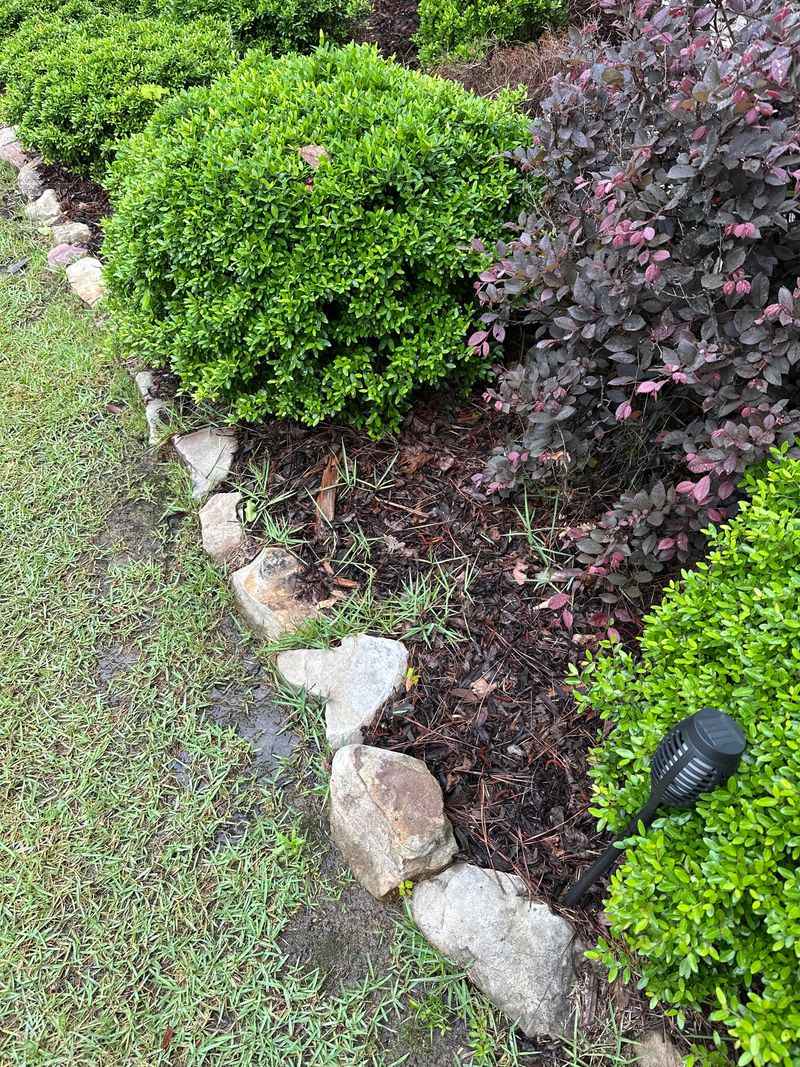
The line where lawn meets flower bed often hides a few sneaky runners already crossing the border. Lawn grasses like bermudagrass and kikuyugrass make expert travelers.
Creeping weeds spread by stolons above ground and rhizomes below. Without a barrier, they slip into beds and weave through favorite plants.
Once tangled in roots, they become a headache to remove. Prevention saves plenty of frustration.
A clean, cut edge offers the first defense. A flat spade or half-moon edger slicing a crisp line a few inches deep does the trick.
Repeating that cut every few weeks during the growing season keeps runners in check. They grow fast in California heat.
A physical barrier adds stronger protection. Metal, plastic, or concrete edging sunk about 6 inches or more into the soil blocks many shallow runners.
Leaving the top slightly above the soil keeps stolons from simply hopping over. That small lip makes a real difference.
Gaps and seams deserve attention, since runners love sneaking through tiny openings. Overlapped or tightly joined edging pieces help keep the border solid.
Mowing strips of brick or pavers also give the mower a clean path.
A quick walk along the border during the weekly check catches stragglers crawling over the top before they root inside. A tidy edge sharpens the whole yard’s look while keeping lawn and flowers on friendly terms.