What Beginners Should Know About Pruning Houseplants In California Homes
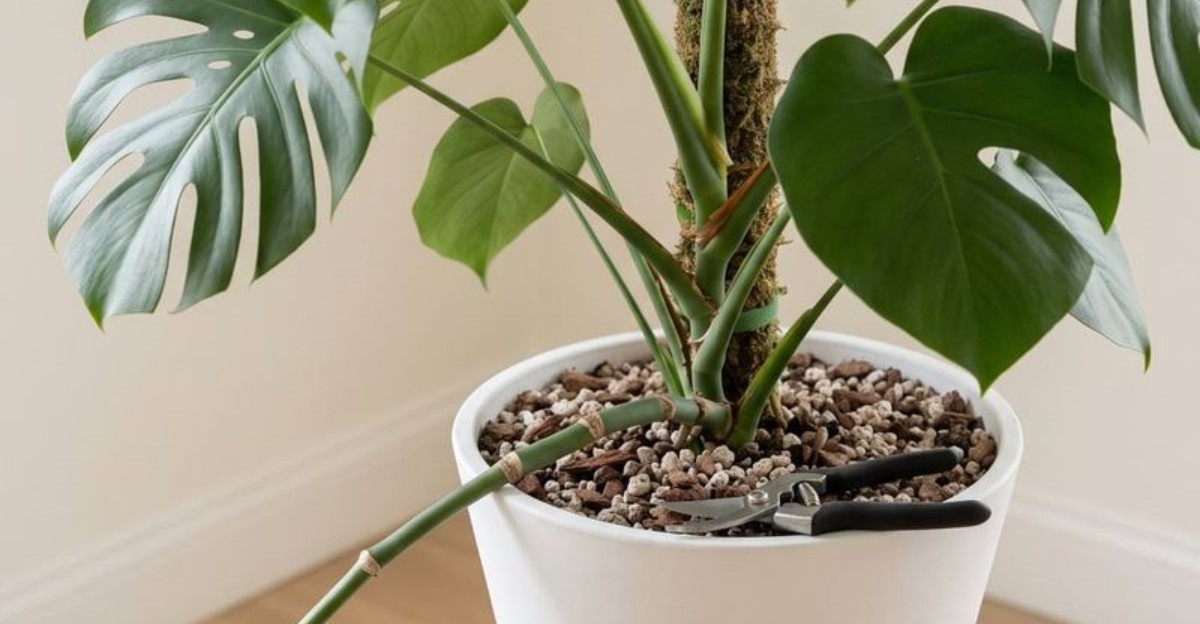
Cutting off the tip of a stem can make a plant grow more leaves, not fewer. A hormone made at the growing tip holds back the buds below it. Snip that tip, and those sleepy buds often wake up and branch out.
I still remember my first nervous cut on a lanky vine by a sunny window. Two weeks later, two fresh shoots appeared right below the snip. I grinned like I had pulled off a magic trick.
California homes give indoor plants a lot to work with. Bright windows, mild winters, and long growing seasons can push stems to stretch fast. That speed is fun, but it can also leave you with a tangled, gangly mess.
You need a little know-how before the scissors come out. Where you cut, when you cut, and how much you take all matter. So which stem on your windowsill is begging for a trim?
That Little Bump On A Pothos Stem Holds The Secret
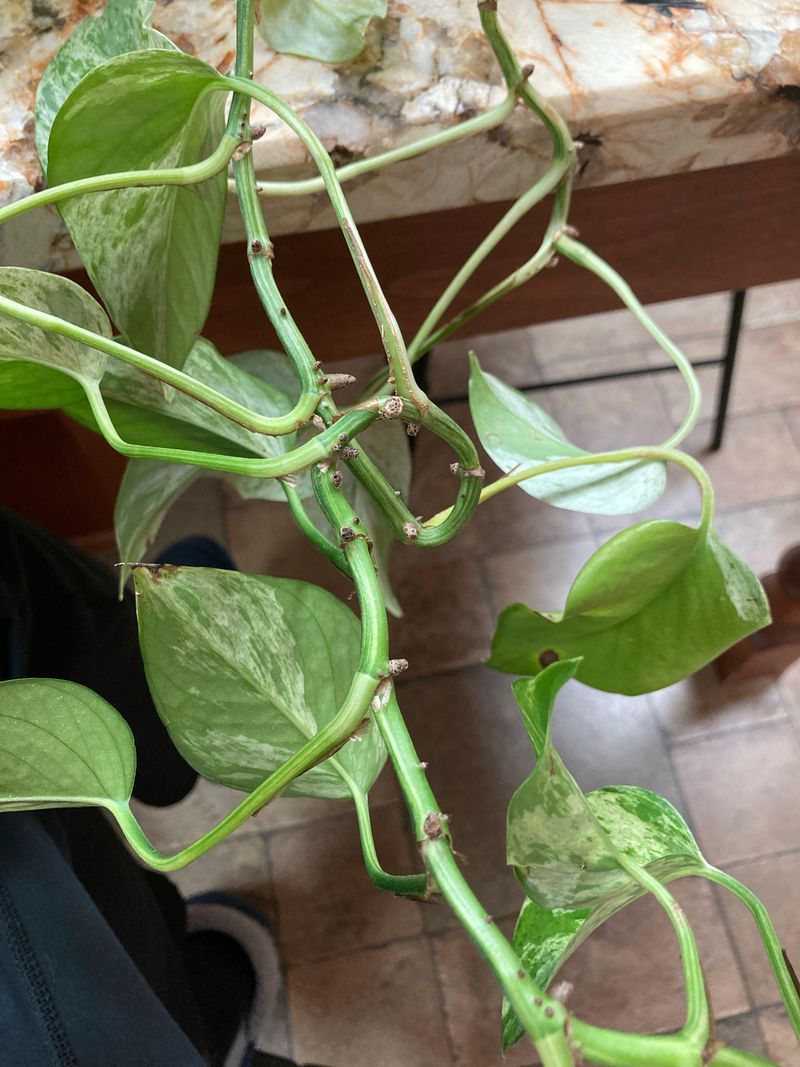
Look closely at almost any vining houseplant and you will spot small bumps along the stem. Those bumps are called nodes. A leaf, a new stem, or a resting bud grows from each one.
Nodes are where the action happens after a trim. When you cut just above a node, you remove the growing tip and its hormone signal. The buds at that node often wake up and push out fresh shoots, sometimes two at once.
Cutting in the wrong place causes trouble. Leave a long stub far above a node, and that bare piece often turns brown and shrivels back. It looks messy and can invite rot or fungus.
So aim for about a quarter inch above the node. That small gap protects the bud without leaving an ugly stub behind. On pothos, philodendron, and tradescantia, you can often see a tiny brown aerial root bump that marks the spot.
Want to practice first? Run your finger down a stem and count the nodes before you cut. I did this with my first golden pothos, and it made the whole job feel less scary. Once you learn to see nodes, every plant starts to look like a map.
Spring Snips Help Indoor Plants Bounce Back Faster
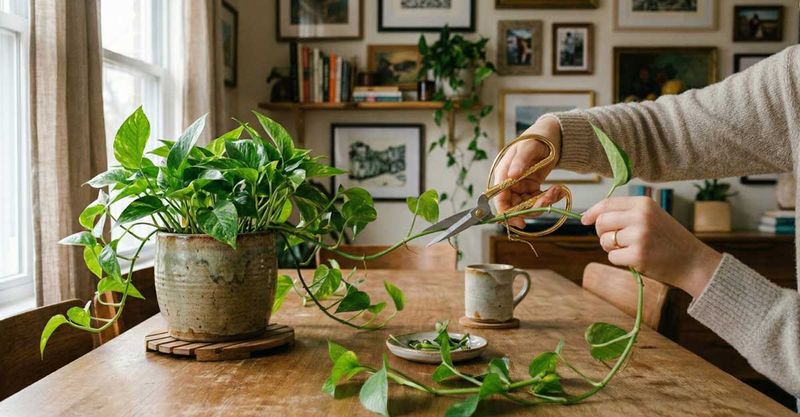
Plants heal fastest when they are busy growing. For most houseplants, that busy stretch runs from early spring through summer. More daylight and warmer rooms give them energy to seal cuts and grow new leaves.
In much of California, indoor plants often perk up as early as late February or March. Days grow longer, and sunny windows warm quickly. That makes early spring a smart time for bigger shaping jobs.
Fall and winter are a different story. Growth slows as days shorten, even in mild coastal homes. A heavy cut in December can leave a plant sitting bare for weeks with little new growth.
Small cleanups can happen any time, though. Yellow leaves, brown tips, or a broken stem can go whenever you notice them. Removing these early keeps your plant tidy and helps you spot pests sooner.
One handy trick is to watch for new leaves unfurling. When a plant starts pushing fresh growth, that is your green light for a real trim. I keep a little note on my phone each spring as a reminder. It sounds silly, but it has saved several plants from my impatient winter snipping urges.
Sharp Snips And Bypass Pruners Make Cleaner Cuts
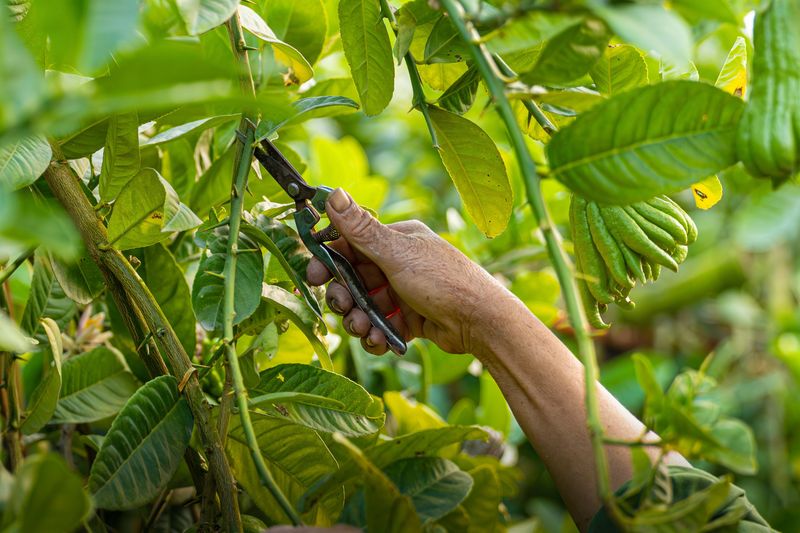
A dull blade does not really cut a stem. It squeezes and crushes it. That crushed tissue heals slowly and gives germs an easy way in.
For most soft houseplants, small precision snips work great. They have narrow, pointed blades that slip between crowded leaves. Pothos, pilea, peperomia, and herbs on the windowsill are easy jobs for them.
Woody stems need something tougher. Bypass pruners work like scissors, with two curved blades sliding past each other. That clean slicing motion is better for a ficus, schefflera, or older jade than anvil pruners, which pinch stems against a flat plate.
Kitchen scissors can work in a pinch, but they are often thick and not very sharp. They tend to mash juicy stems. A dedicated pair is cheap and lasts for years with simple care.
Keep your tools sharp with a small sharpening stone now and then. Wipe off sticky sap after each use, especially from rubber plants and euphorbias. Some euphorbias have milky sap that can irritate skin and eyes, so gloves help. Honestly, a good pair of snips changed my plant care more than any fancy fertilizer did.
Wiping Pruning Blades With Disinfectant Stops Hidden Germs
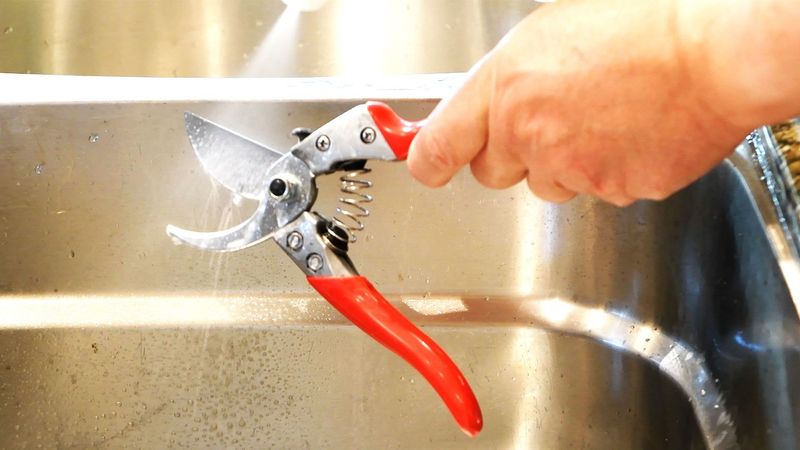
Germs are sneaky passengers. Bacteria, fungi, and viruses can ride on blades from one plant to the next. You might never see them until leaf spots or soft rot show up.
Cleaning your tools takes less than a minute. Many university extension programs suggest wiping blades with a household disinfectant such as Lysol or Pine-Sol. Let it sit for about 30 seconds, then dry the blades.
Why these products instead of bleach? They work well against many plant germs and tend to be far easier on metal, while bleach can cause rust over time.
Clean before you start and when you finish. If you are trimming a plant that looks sick, clean again before moving to the next pot. That single habit protects the rest of your collection.
I keep a small spray bottle and a rag in the same basket as my snips. Everything stays together, so I rarely skip the step.
Household disinfecting wipes can also do the job in a pinch. Just remember to wipe off residue afterward. A tiny bit of care here keeps your whole indoor jungle healthier.
Leggy Philodendron Vines Are Telling You About Light
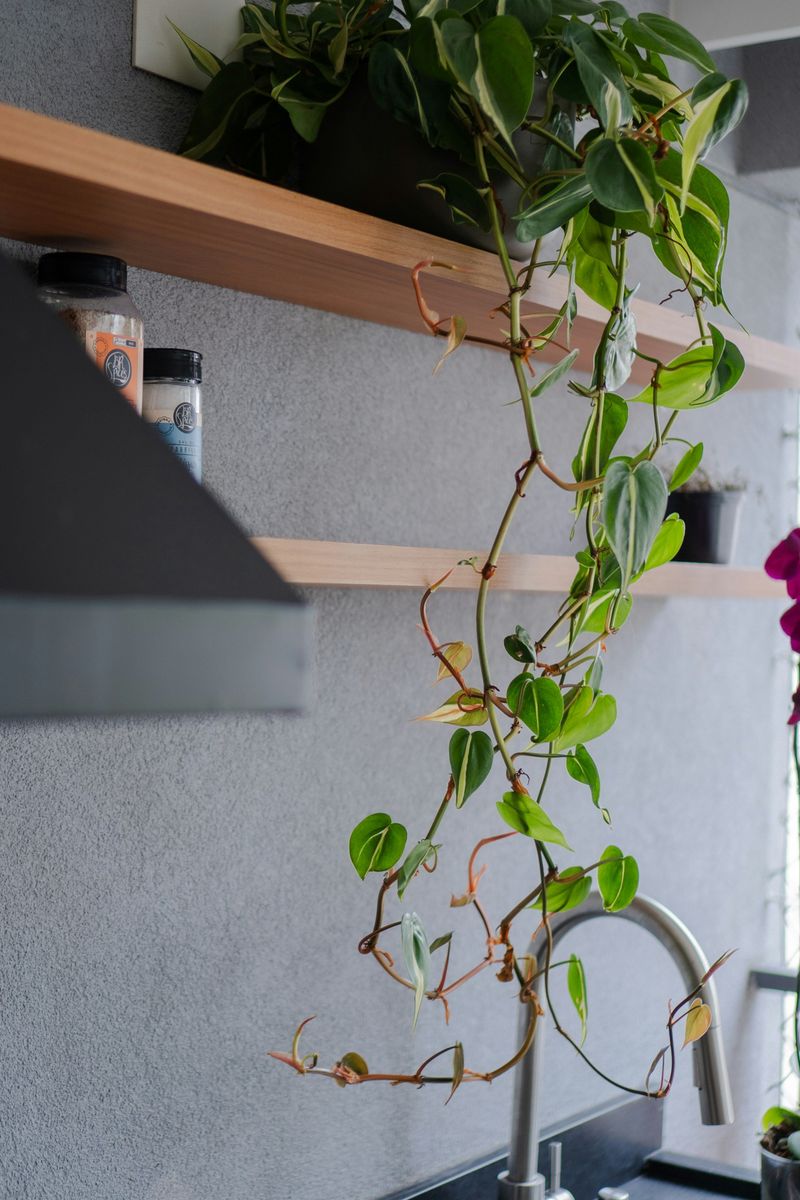
Long bare stems with a few leaves at the very end have a name. Gardeners call it leggy growth. The plant is stretching, often because it wants more light.
Trailing plants like heartleaf philodendron, pothos, and string of hearts show this a lot. So do coleus and some succulents. The gaps between leaves grow longer as the plant reaches toward brighter spots.
Pruning fixes the look. Cut those long stems back to just above a healthy node. New shoots usually pop out near the cut, and the plant fills in over a few weeks.
But trimming alone will not solve the real problem. If light stays weak, the new growth will stretch again. Move the plant closer to a bright window, or add a simple grow light.
California sunshine helps here, but window direction matters. East windows give gentle morning light that many houseplants love. Strong west or south windows in inland areas can scorch leaves in summer, so a sheer curtain helps. Turning the pot a quarter turn every week or two also keeps growth even. Fix the light, trim the stems, and your plant looks fuller fast.
Taking Off More Than A Third Of The Leaves Backfires
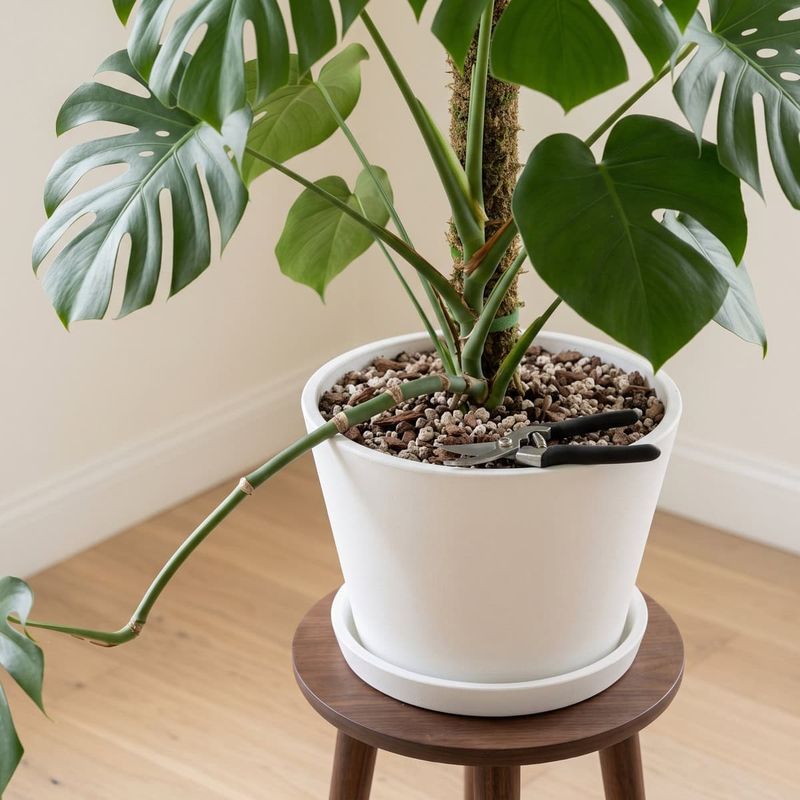
Picking up snips for the first time can feel powerful. One cut leads to another, and suddenly the plant looks half bald. I have been there, and the plant was not thrilled.
Leaves are the food factories of a plant. They use light to make sugars that fuel roots and new shoots. Remove too many, and the plant has less energy to recover.
A common guideline is to take no more than about one third of the foliage at once. That leaves plenty of green to keep things running. The plant can heal and grow without major stress.
What if your plant needs a big makeover? Spread the work out. Trim a third now, wait several weeks for new growth, then trim again.
Some plants handle hard cuts better than others. Pothos and tradescantia often bounce back quickly. Slow growers like fiddle leaf figs, snake plants, and ZZ plants take longer to replace lost leaves. Cut them more gently. Also skip heavy pruning right after repotting, since roots are already adjusting. Patience is the quiet skill that makes houseplant pruning work well.
Yellow And Brown Leaves Can Go Whenever You Spot Them
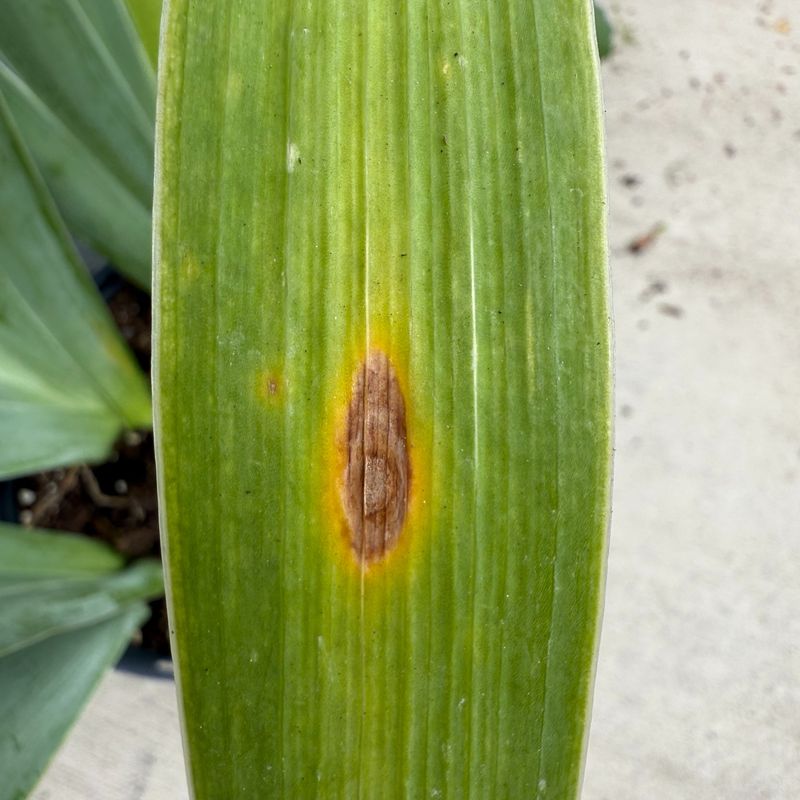
Every plant drops an old leaf now and then. A yellow lower leaf on a peace lily or pothos is often just normal aging. Removing it keeps the plant neat and lets energy go to healthy growth.
To remove a whole leaf, follow its stalk back to the main stem. Snip close to the stem without nicking it. For plants that grow from the soil, like peace lilies, cut near the base.
Brown tips are a little different. You can trim just the brown edge with clean scissors, following the leaf shape. Leave a thin line of brown so you do not cut into healthy tissue.
Pay attention to patterns, though. Lots of yellow leaves at once can mean overwatering. Crispy brown tips often point to dry air or salty water.
Dry Santa Ana winds in Southern California and indoor heating can make tips crisp up faster. Hard tap water in many California cities can also leave salts in the soil. Flushing pots with plenty of water now and then helps rinse buildup away. Trimming tidies things up, but reading the clues keeps the problem from returning.