What To Know Before Hiring A Tree Service In California
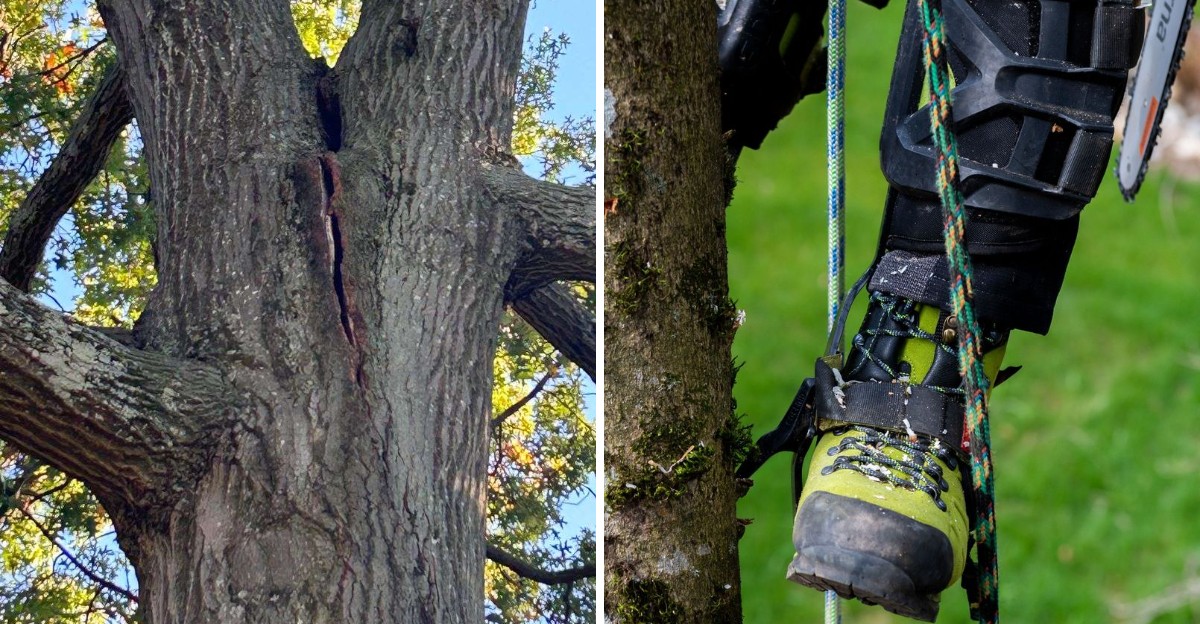
A guy with a chainsaw can legally take on a small job in California, but once the price hits $1,000, he needs a state license. Most homeowners have no clue where that line sits.
Personally, I got a quick lesson in this. A friendly crew once offered to trim my sycamore for cash, today only, and the deal felt a little too smooth. The handshake felt warm, but I still said no.
Big trees are heavy, tall, and covered by more rules than you’d expect. Some cities fine homeowners for cutting the wrong oak, and birds nesting in spring branches have legal protection too. And yes, those rules can land on you, not the crew.
You need to ask sharp questions before anyone climbs. A few minutes of homework can save your roof, your wallet, and the leafy giant shading your patio. So, how do you tell a true pro from a smooth talker?
That Arborist Patch On A Climber’s Shirt Is Not A License
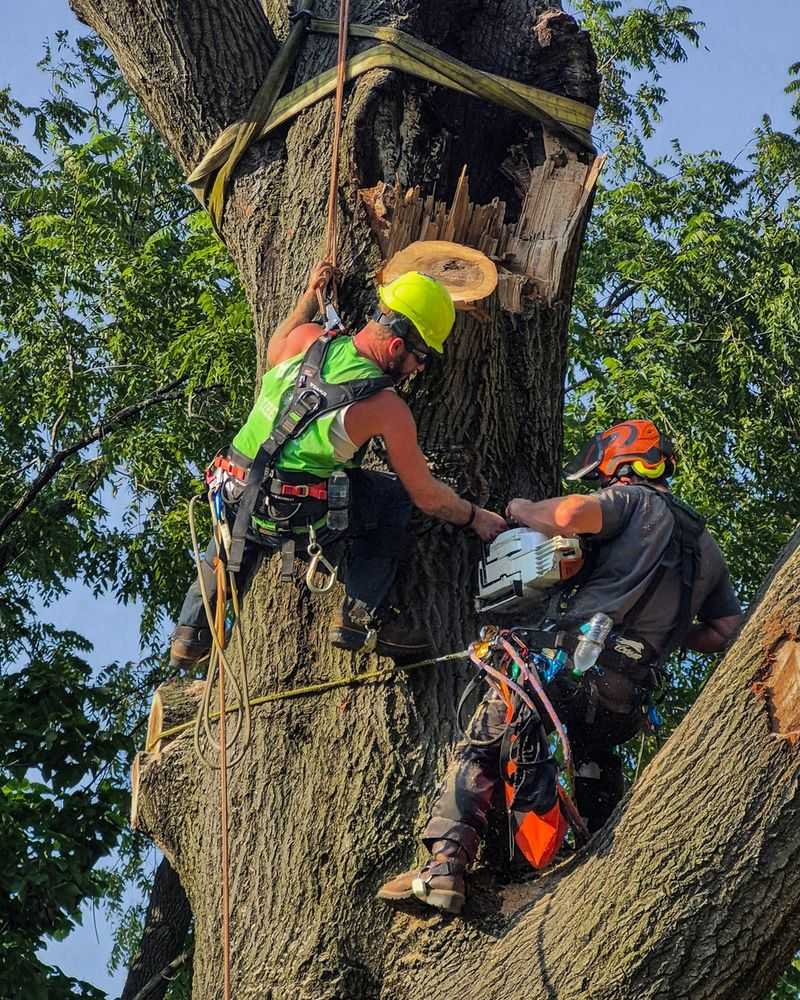
Plenty of crews wear shirts that say certified arborist, and many of them earned it. Still, that title and a state license are two separate things.
The International Society of Arboriculture, or ISA, gives the Certified Arborist credential to people who pass an exam on tree biology, pruning, soil, pests, and safety. They also have to keep learning to stay certified. I love hiring ISA arborists for tricky pruning or for checking whether a leaning tree is a real risk.
Licensing is a different story. In California, that comes from the Contractors State License Board, also called the CSLB. A company quoting $1,000 or more in labor and materials, or any job that needs a permit, must hold a contractor license, usually the C-49 Tree and Palm Contractor classification.
So which one do you want? Ideally, both. The license shows the business meets state rules for knowledge, bonding, and legal work. The ISA credential shows someone on the crew truly understands how trees grow and heal.
Ask a simple question on the first call. Who on your team is ISA certified, and what is your license number? A real pro answers both without blinking, and usually seems happy you asked.
Look Up The C-49 Tree Contractor License Before Anyone Climbs
Two minutes on your phone can tell you more than an hour of sales talk. The CSLB website has a free license lookup tool, and it is wonderfully easy to use.
Type in the license number or business name. You will see whether the license is active, what classification it covers, and whether the contractor has a bond on file. You can also spot any past complaints or legal actions, which is often eye-opening.
For tree work, look for the C-49 Tree and Palm Contractor classification. Some general contractors can handle tree work as part of a bigger project, but a dedicated tree crew should show that C-49 label.
Watch the business name closely too. A license belonging to Bob’s Tree Care does not cover Robert’s Tree Experts down the street. Mismatched names are a common trick, so match the name on the truck, the estimate, and the CSLB record.
Hiring someone unlicensed for a job over the legal limit puts you in a shaky spot. If the work goes sideways, you have fewer ways to recover your money. A licensed company, on the other hand, answers to the state, and that gives you real leverage if problems pop up.
Workers’ Comp Matters When A Climber Is Forty Feet Up Your Oak
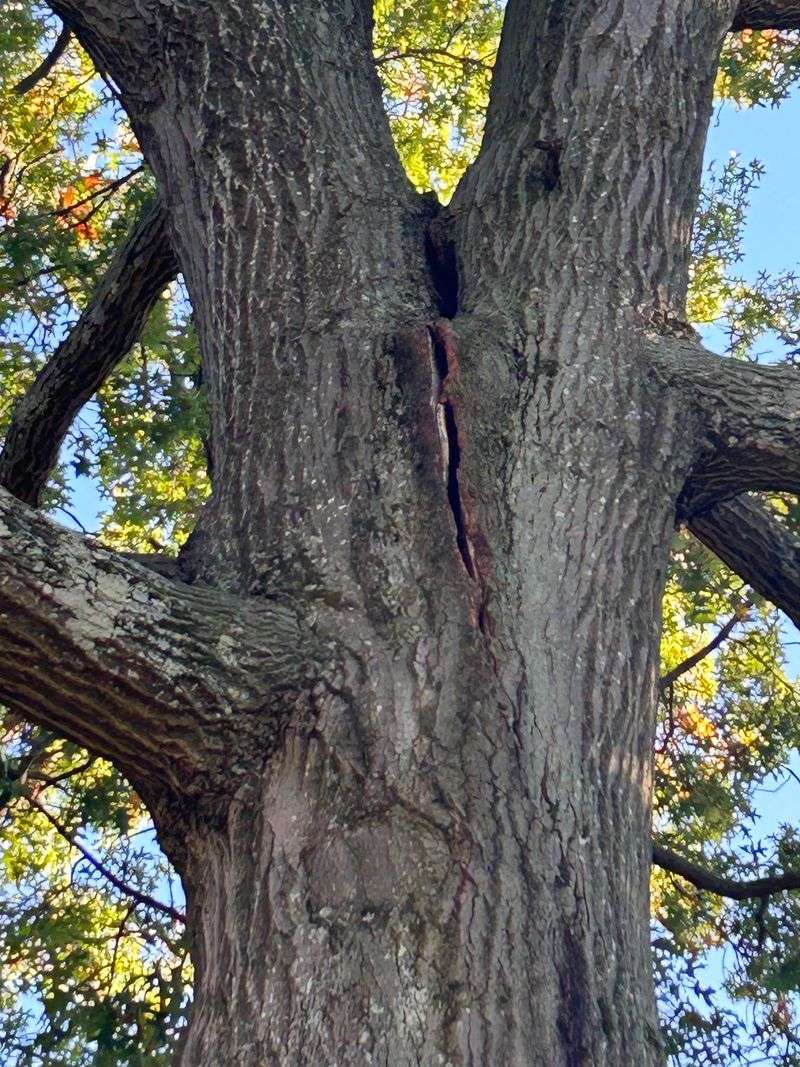
Tree work ranks among the most hazardous jobs in the country. Ropes slip, limbs swing, and chainsaws bite. That reality is exactly why insurance matters so much.
You want two kinds of coverage. General liability pays for damage to your house, fence, car, or your neighbor’s roof if a limb lands in the wrong place. Workers’ compensation covers medical bills and lost wages if a crew member gets hurt on your property.
California got stricter on this point. Since January 2023, licensed tree service contractors must carry workers’ comp, even if they work alone with no employees. A solo climber can no longer claim an exemption.
Without that coverage, an injured worker might try to recover costs through your homeowner’s policy. That can turn a simple trim into a long, stressful headache.
My favorite tip is to ask for a Certificate of Insurance sent straight from the insurance agent, not a photocopy handed over in the driveway. Check that the company name matches, the policy dates are current, and both liability and workers’ comp appear. You can also confirm workers’ comp status on the CSLB lookup page. It feels picky, but your future self will thank you.
Your City Might Protect That Big Oak More Than You Realize
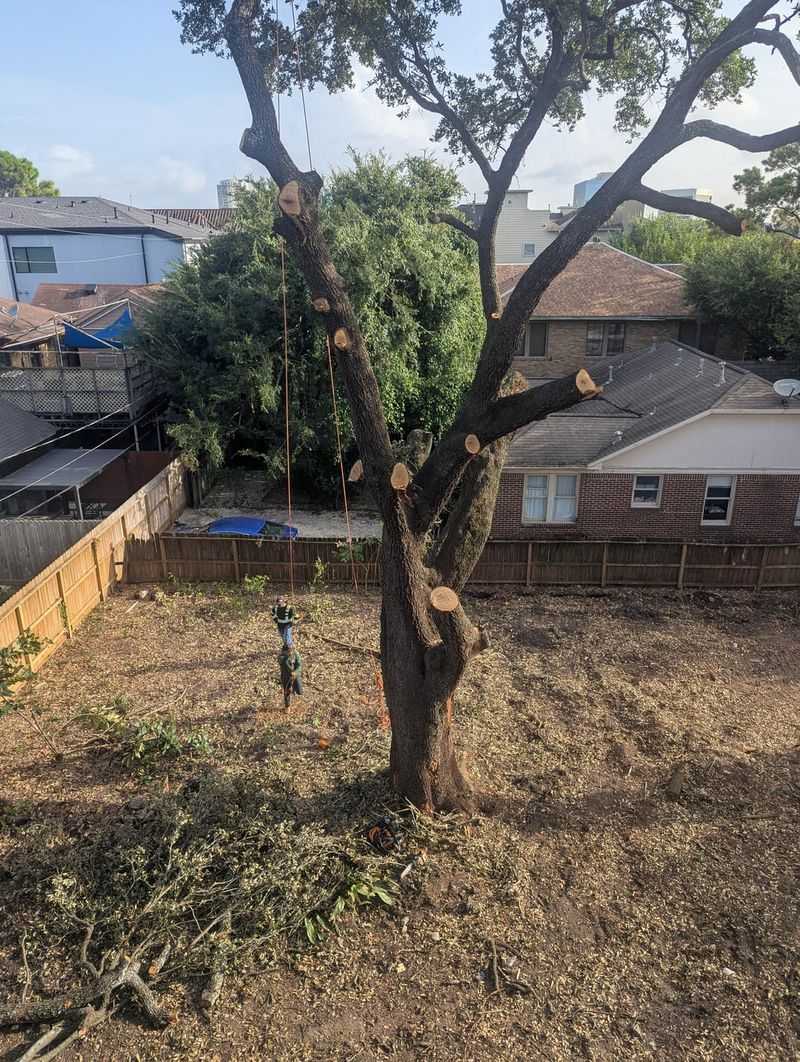
Owning a tree does not always mean you can cut it however you like. Many California cities and counties have tree ordinances that cover private yards, not just parks and sidewalks.
Rules vary a lot from place to place. Some cities protect native oaks above a certain trunk size. Others protect heritage trees, street trees, or specific species like sycamores, walnuts, or redwoods.
Los Angeles, for example, protects several native species, including many oaks, western sycamores, and California bay laurels. Removing or heavily pruning one without a permit can bring hefty fines. Some cities even require you to plant replacement trees.
Here’s my favorite rule of thumb. Call your city planning or urban forestry office before any big removal or major pruning. Ask whether your tree is protected and whether you need a permit.
A sharp tree service will often know the local rules already. Still, your written agreement should say who is responsible for pulling the permit. If the crew shrugs and says nobody checks, that is a red flag.
Fines usually land on the property owner. A short phone call protects you, and it keeps those grand old oaks standing tall for the next generation.
Nesting Birds In Spring Branches Can Change Your Schedule
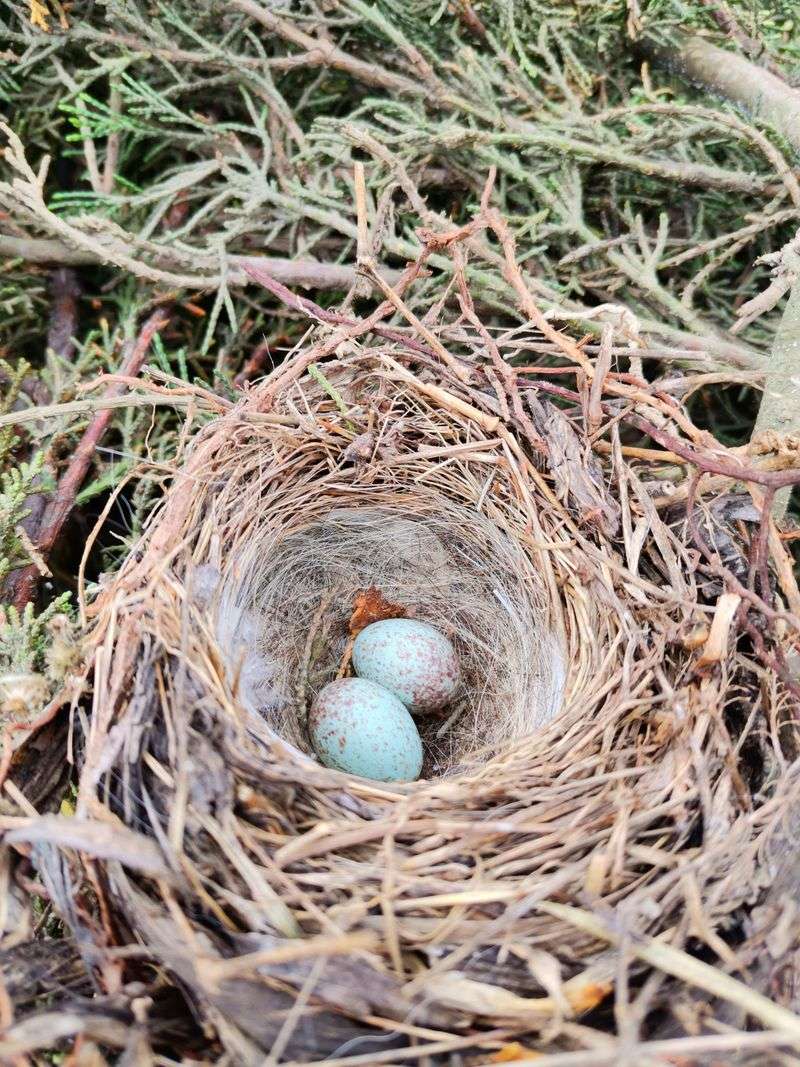
Spring in the yard sounds like a concert, with finches, hummingbirds, and doves building homes in every leafy corner. Those tiny nests come with real legal protection.
The federal Migratory Bird Treaty Act protects most native birds, their eggs, and active nests. California Fish and Game Code adds its own protection for nests and eggs. Disturbing an active nest during tree work can lead to penalties.
Nesting season in much of the state runs roughly from February through August, though timing shifts by region and species. Hummingbirds in Southern California can nest surprisingly early, even in winter.
So what does this mean for your project? Routine pruning is often easier to schedule in fall or winter, when most birds are done raising young. Many deciduous trees are also easier to read without leaves.
If a tree is a true hazard, work may need to happen right away. A careful crew will look for active nests first and adjust plans if they find one. Bigger projects sometimes call for a nesting bird survey by a biologist.
Ask any company how they handle nesting season. A thoughtful answer tells you they respect both the law and the wildlife sharing your yard.
A Written Tree Work Contract Keeps Everyone Honest
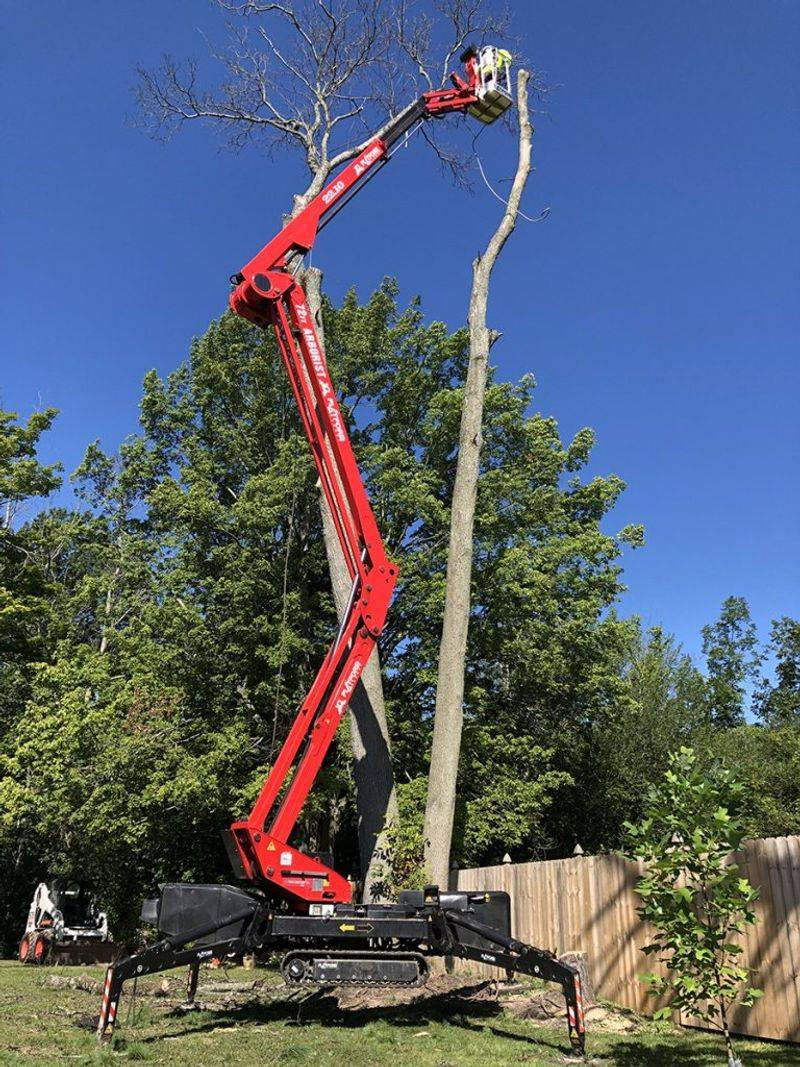
Handshake deals feel friendly until someone remembers the job differently. A clear written contract saves you from that awkward driveway argument.
California requires written contracts for most home improvement work above the minor-job limit, and tree work on your property usually falls into that category. Even for small jobs, I still want everything on paper.
A solid contract lists each tree and exactly what happens to it. Will they thin the canopy, raise the lower limbs, remove the tree, or grind the stump? Vague words like trim it up leave room for nasty surprises.
Look for pricing, payment terms, a start date, and who pulls any permits. The contractor’s license number should appear on the document too.
Watch the down payment. State law caps it at 10 percent of the contract price or $1,000, whichever is less. Anyone asking for half up front is breaking the rules, plain and simple.
Get at least two or three written quotes. Prices can vary wildly for the same work, and comparing them helps you spot both lowball bids and inflated ones. The cheapest offer often skips insurance, cleanup, or proper pruning cuts, so read every line before you sign.
Climbing Spikes And Door-Knocking Chainsaw Crews Are Warning Signs
A knock on the door after a windstorm can feel like perfect timing. Often it is just smart marketing by people hoping you will not ask questions.
Be cautious with crews who show up uninvited, offer a today-only price, or say they happen to be working nearby. Cash-only deals and pressure to decide on the spot are classic warning signs. So are handwritten estimates with no license number.
Some scammers try scare tactics too. They might claim your tree is about to topple or is riddled with disease, pushing a costly removal you do not need. If that happens, get a second opinion from an ISA Certified Arborist.
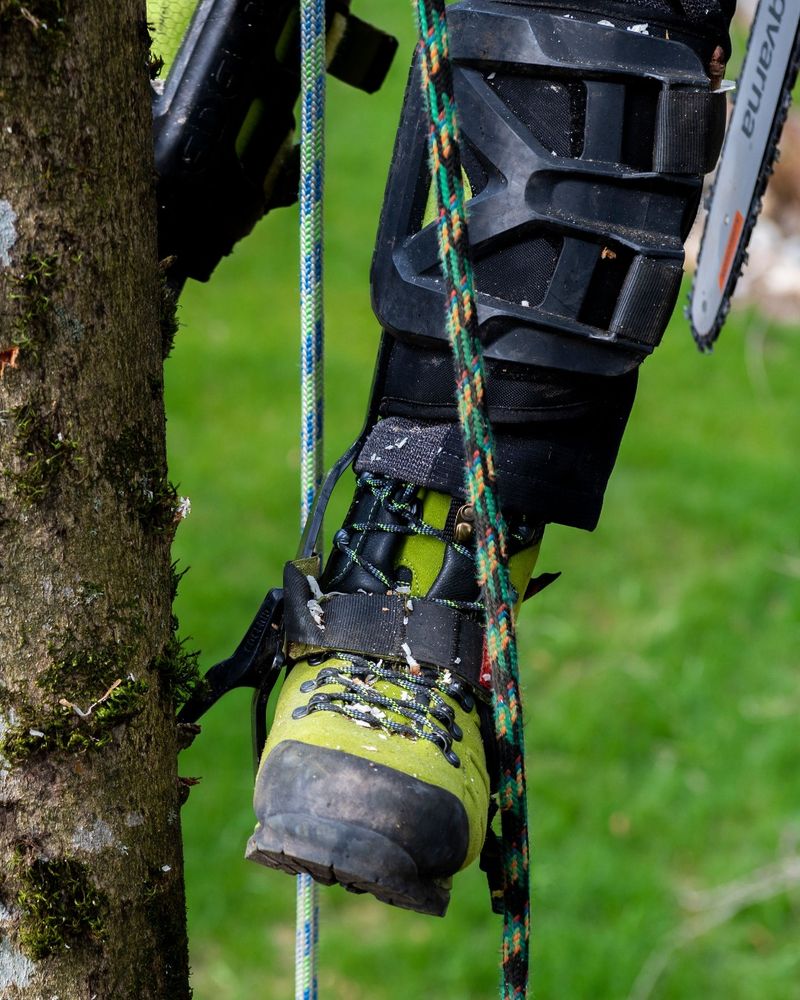
Equipment tells a story as well. Climbing spikes, sometimes called gaffs, punch holes in bark with every step. Pros reserve them for removals, not for pruning a tree you plan to keep.
Watch for topping, too. Cutting big branches back to stubs weakens trees and invites decay, and reputable arborists avoid it.
My simple rule? If someone resists showing a license or insurance, thank them and close the door. A real professional welcomes questions, because good work holds up to a closer look.